Why Does the West Take a Different Approach to the Houthis Than to ISIS?
“Trump backed out at the last minute from a planned strike against the Houthis.”
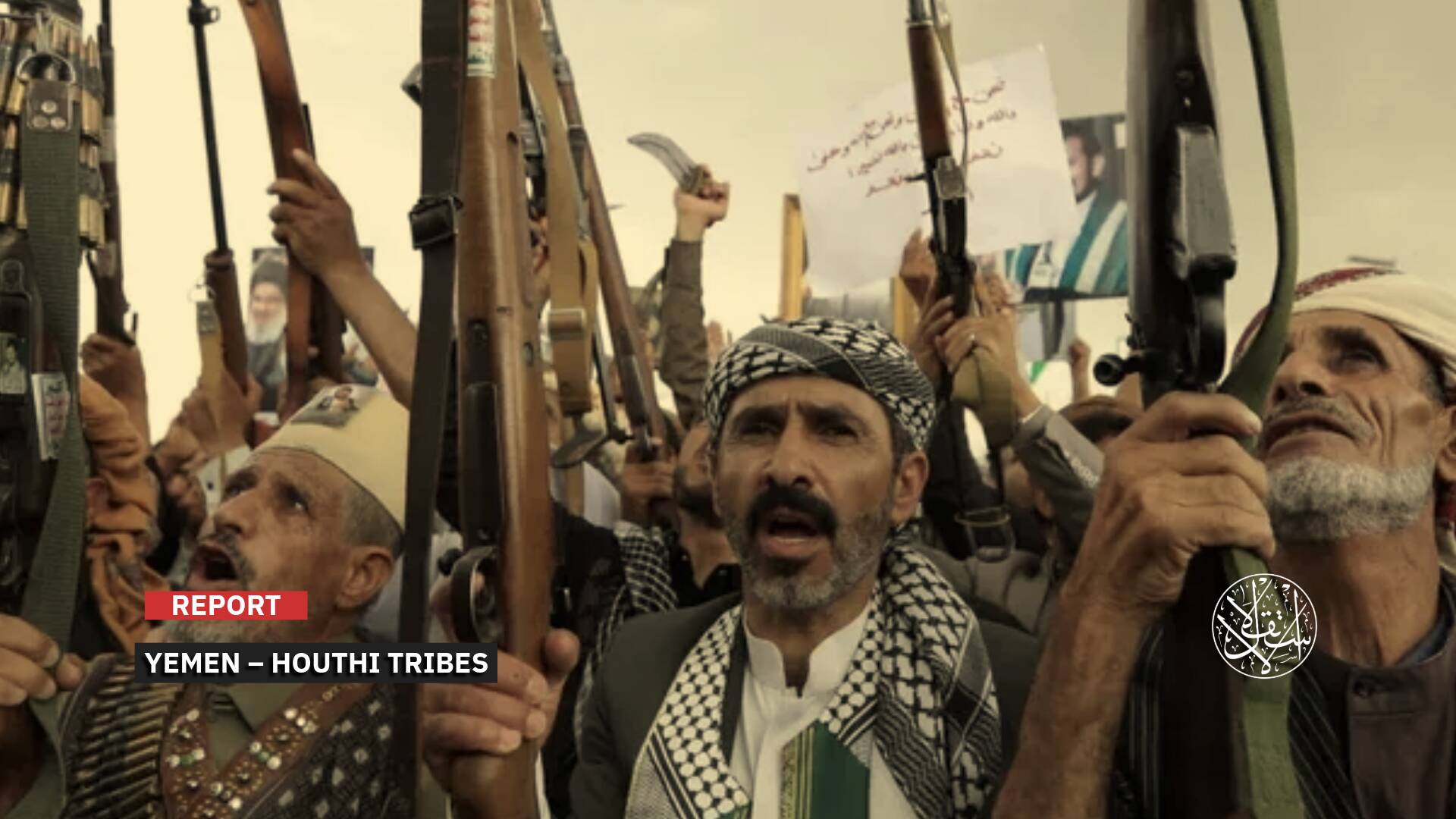
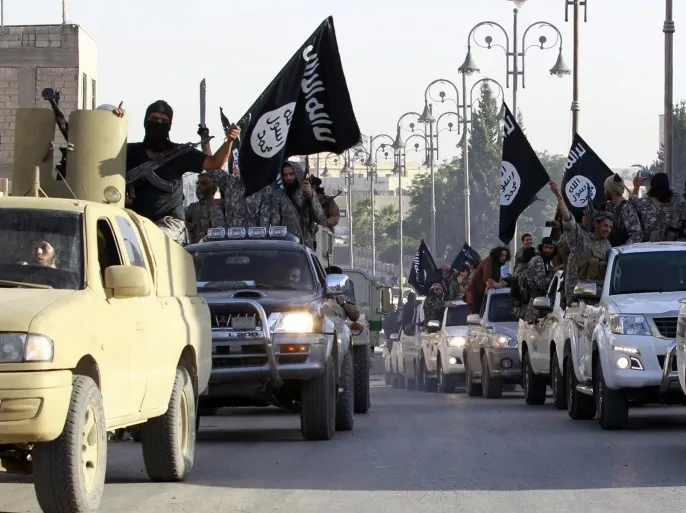
Although the Houthis have been designated a terrorist group and have threatened international shipping while operating near the Bab el-Mandeb Strait, Western powers have not dealt with them in the same way they dealt with ISIS.
While they assembled an international coalition to defeat ISIS over several years, their confrontation with the Houthis appears more cautious, with different calculations at play.
In 2014, the same year ISIS seized large areas of Syria and Iraq and declared the establishment of its state, the Iran-backed Houthi movement overthrew Yemen’s internationally recognized government.
Yet the West dealt decisively with the former, dismantling its state in just three years, while the latter has remained in existence to this day.
These questions have grown as U.S. President Donald Trump backed away from carrying out strikes that his administration had been preparing against the Houthis, following the group’s rapid advances at the expense of Yemeni government forces and its approach toward one of the world’s most important maritime routes.
Different Calculations
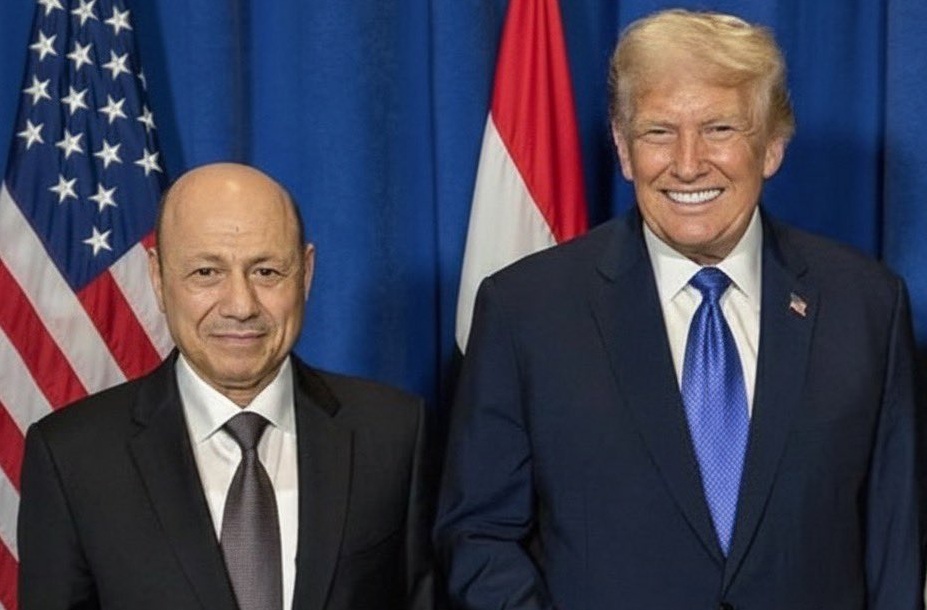
On September 21, 2026, Reuters reported that Rashad al-Alimi, chairman of Yemen’s Presidential Leadership Council, asked Trump for US support for his government in confronting the Houthis, who had made strategic advances near the Bab el-Mandeb Strait. However, the U.S. president did not commit during the call to providing direct military assistance.
The lack of explicit support from the U.S. president, or a pledge to assist Yemen’s internationally recognized government, comes despite Washington’s designation of the Houthis as a terrorist organization and despite the group’s control, by force of arms, over large parts of Yemen.
According to information reported by The New York Times on September 22, the Trump administration had come close to carrying out airstrikes against the Houthis before the president called them off at the last minute, while troops were loading bombs onto aircraft.
Axios also reported on September 21, citing U.S. officials, that the commander of U.S. Central Command, Admiral Brad Cooper, had prepared options for airstrikes and presented them to Defense Secretary Pete Hegseth, but Trump decided to suspend the military option for the time being.
These developments offer part of the answer to the difference in the approach toward the Houthis and ISIS. Current U.S. calculations appear to be linked to concerns about expanding the scope of the conflict in the region.
The United States is at war with Iran, while officials within the administration fear that opening a new front in Yemen could further complicate the existing military situation.
Washington does not view the Yemeni forces opposed to the Houthis as unified or capable of decisively resolving the conflict, according to U.S. officials and military commanders cited by The New York Times.
They have questioned the value of limited bombing intended to pressure the group into negotiations, particularly after the Houthis withstood an approximately eight-week U.S. campaign in 2025.
The newspaper quoted Gregory Johnsen, a nonresident fellow at the Arab Gulf States Institute in Washington, as saying that the Yemeni ground force expected to support any air campaign consists of Yemeni factions with differing objectives. He added that they “spend more time fighting each other than fighting the Houthis.”
The available evidence indicates that the difference in how ISIS and the Houthis are treated is not simply related to both groups’ control of territory by force.
It also reflects differences in the military and political environment, making Washington more cautious in Yemen, particularly amid its war with Iran and the lack of unified local forces capable of waging a broad confrontation.
Clear Collusion
In this context, Yemeni writer and political analyst Yassin al-Tamimi told Al-Estiklal that the comparison between ISIS and the Houthis cannot be separated from the transformations the region has undergone over the past several years.
Al-Tamimi said that “the two groups, ISIS and the Houthis, played a functional role in reshaping the region.” He argued that efforts to reshape the region in Iraq and Syria involved the use of force under the pretext of confronting ISIS, while the Houthis were dealt with within a different framework of Western interventions in Yemen.
He added that the Houthis reached Sanaa “with full Western support,” also under the banner of combating terrorism. He pointed to what he described as U.S. insistence at the time that the Houthis should form the core of the government being prepared in Yemen, before that process evolved into the group’s extensive territorial control.
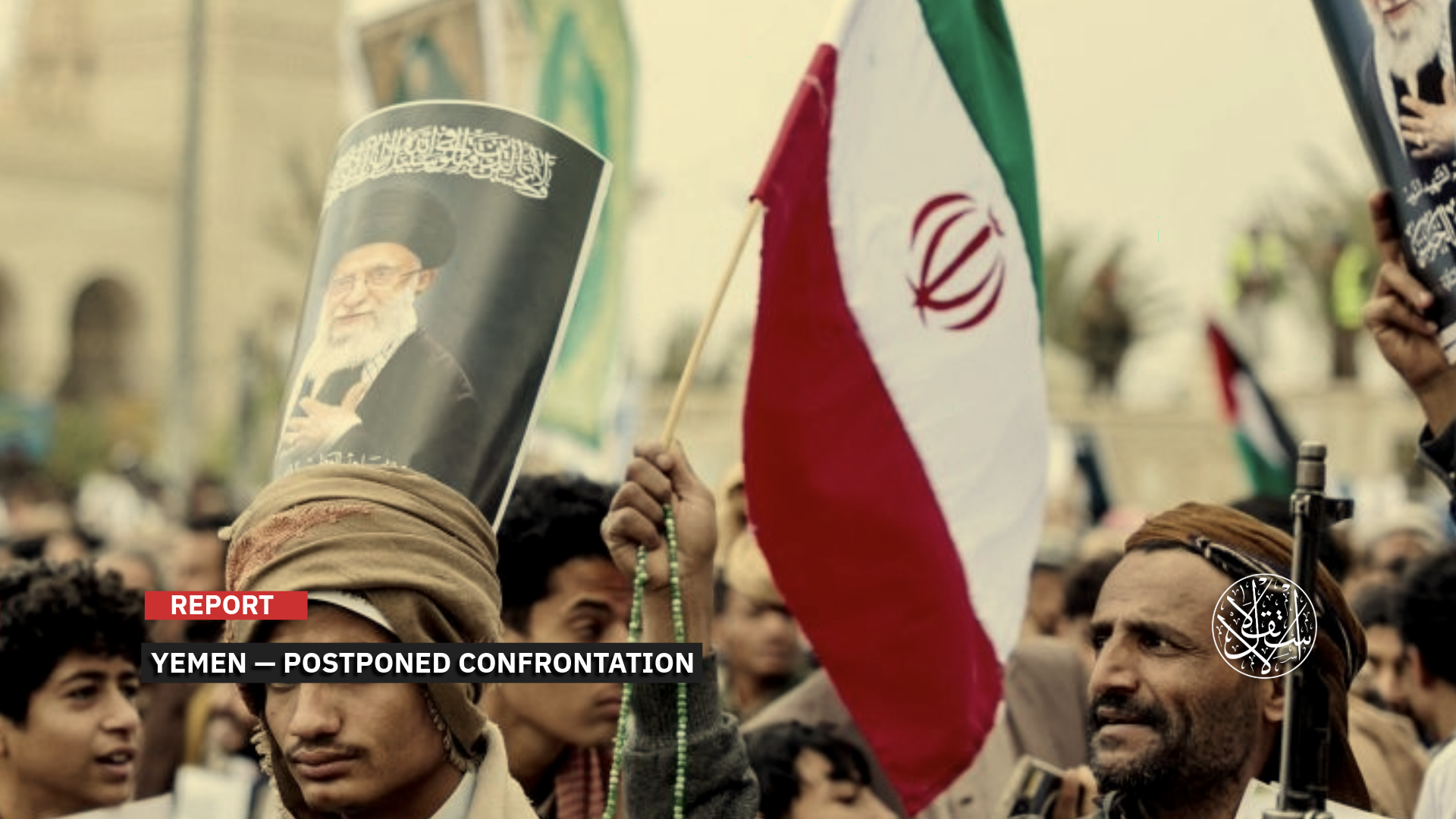
Al-Tamimi linked developments in Yemen to the changes that followed the October 7, 2023, Al-Aqsa Flood attack, saying that what emerged afterward was that the Houthis represented part of the Iranian project known as the “Axis of Resistance.”
According to al-Tamimi, this axis had been operating within broader regional and international arrangements, but after October 7, it sought to demonstrate its ability to act on the slogans it had raised in opposition to the United States and “Israel”.
As a result, Al-Tamimi said, the Houthis now “pose a threat to the global economy, energy supplies, and regional stability.” Nevertheless, he argued that the West does not deal with them “with the same level of military engagement” as it did with ISIS.
Al-Tamimi argued that the Houthis’ continued possession of weapons, along with their political and military project, means that the prospects for stability in Yemen will remain limited. He added that the international community, particularly the West, needs to change its approach toward the group.
The Yemeni expert went further, arguing that the West not only failed to eliminate the Houthis militarily, but also intervened in the course of the Yemeni war.
He contended that these interventions contributed to preventing the recapture of Hodeidah and allowed what he described as the Emirati separatist project to gain strength.
Al-Tamimi described the Western approach to Yemen as involving, in his words, “clear collusion against Yemen’s stability,” as well as abandoning a political process agreed upon since 2011, including the National Dialogue Conference, the Gulf Initiative, and UN Security Council resolutions.
A Postponed Battle
Al-Tamimi’s position offers another explanation for why the West has approached the Houthis differently from ISIS. He argues that the issue is not simply about the United States’ ability to carry out military strikes, but also about the nature of the project Washington wants for Yemen and the region, and the consequences that could result from defeating the group militarily.
According to this view, eliminating the Houthis would not automatically end the Yemeni crisis, especially given divisions among the forces opposing them and weak coordination among them.
This overlaps with concerns reported by Axios from officials and diplomats about the ability of Yemeni forces to capitalize on any U.S. air campaign.
In this context, Washington appears to be facing a different dilemma from the one it confronted when the international coalition against ISIS was formed.
Military intervention against the Houthis could, according to concerns conveyed by U.S. officials, open an additional front at a time when the United States is engaged in a confrontation with Iran. At the same time, the Yemeni government does not have a cohesive military force capable of taking on most of the fighting on the ground.
The Houthis themselves have also stated, according to Reuters, that they would not target U.S. ships, while Axios reported that U.S. officials had received assurances from the group that it did not intend to close the Bab el-Mandeb Strait.
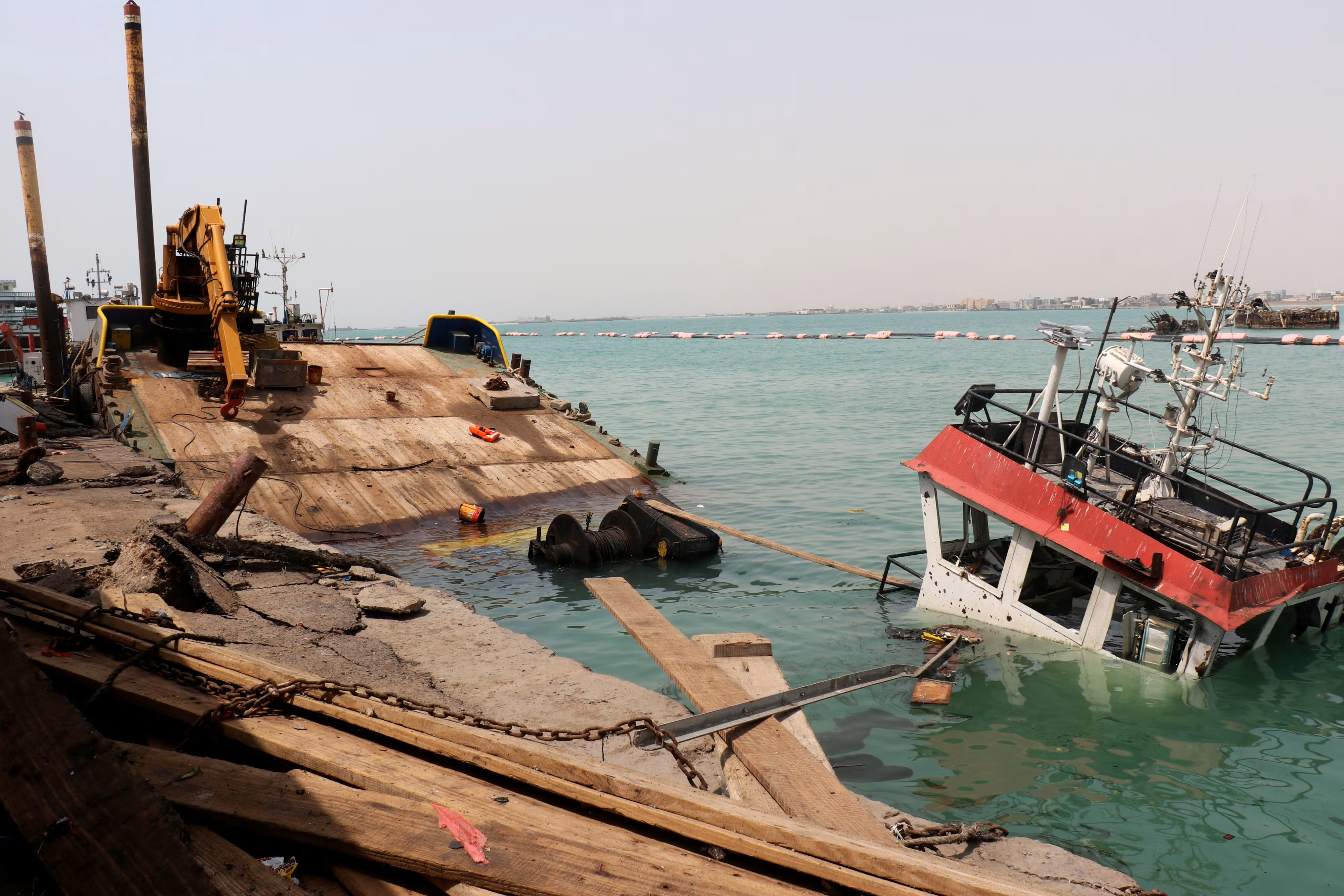
However, the Houthis’ advance toward Bab el-Mandeb puts these calculations to a different test. The waterway is a highly important maritime chokepoint for international trade, and tensions there have affected shipping traffic.
Data cited by Reuters on September 21 showed that vessel traffic through Bab el-Mandeb fell over the weekend to 51 ships, compared with 57 during the previous period.
Al-Tamimi, meanwhile, argues that the solution does not necessarily require a broad direct U.S. intervention, but rather support for a Yemeni and Saudi military force capable of waging a genuine confrontation with the Houthis.
He said, “I believe the best way to intervene is to support a real military operation carried out by Saudi Arabia and the Yemeni forces, and that would be enough.”
As for Trump’s call with al-Alimi, al-Tamimi interprets it as an indication that Washington may be preparing to take some action regarding Yemen.
He said that the U.S. president’s call with the Yemeni president “for the first time in the entire history of the crisis” means that Trump has “a mission or a desire to do something.”
However, the sources cited by Reuters regarding Trump’s call with al-Alimi confirmed that there was no US commitment to provide direct military support to Yemen’s internationally recognized government against the Houthis.
Sources
- Trump, in Call With Yemen President, Did Not Pledge Military Support Against Houthis, Say Sources
- Trump Weighed Strikes Against Houthis in Yemen Before Holding Off
- Vessels Trickle Through Strait of Hormuz as Middle East Conflict Persists
- Reuters: Trump Called President al-Alimi and Discussed Confronting the Houthis [Arabic]
- Trump Hesitant, Backed Away From Participating in Strikes Against the Houthis at the Last Minute [Arabic]