Saudi Arabia and the Houthis: The Cost of a Decade-Long Delay in Resolving the War
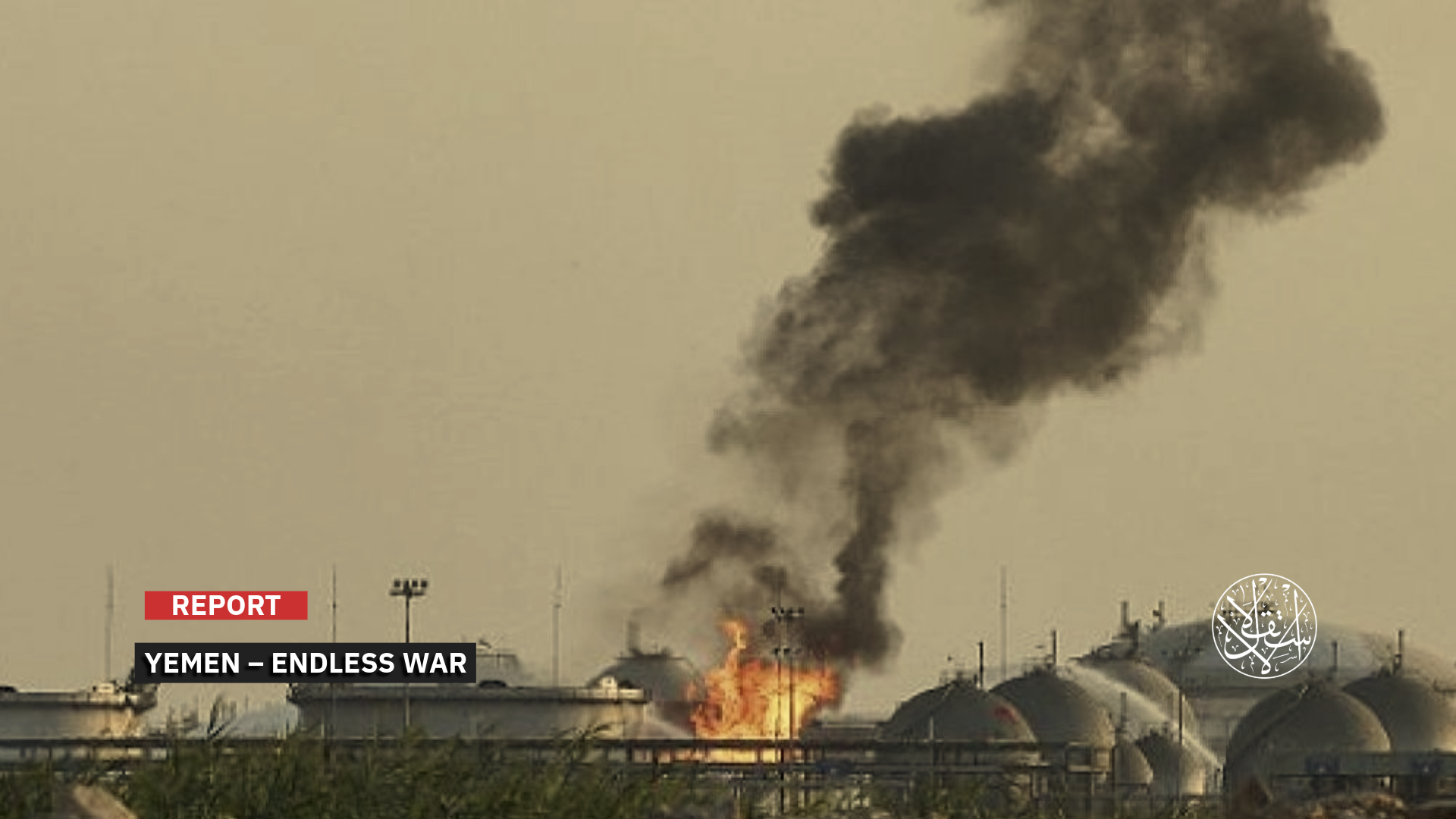
Events have shown that the failure to achieve a decisive outcome in Yemen was not due to the coalition’s military capabilities or its air superiority.
Since launching Operation Decisive Storm in March 2015, Saudi Arabia has pursued a clear military objective: restore Yemen’s internationally recognized government to power in Sanaa, roll back Iranian influence along its southern border, and eliminate the threat posed by the Houthis’ territorial expansion.
More than a decade later, however, the war’s trajectory, culminating in Operation Yemen Dawn in 2026, tells a very different story. The gap between Riyadh’s stated ambitions and the outcome on the ground has become increasingly difficult to ignore.
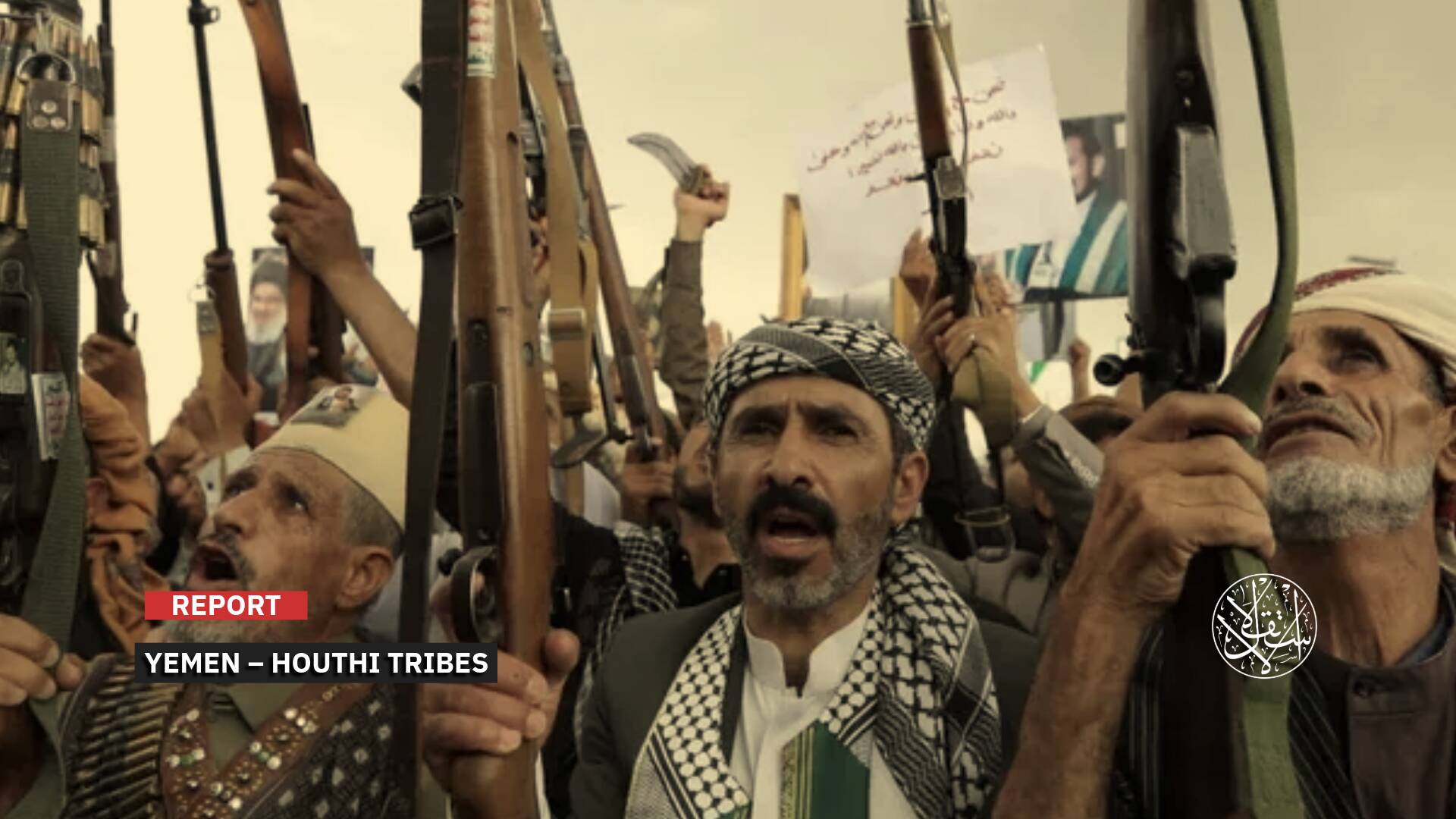
Not only do the Houthis remain firmly in control of Sanaa and large swaths of northern Yemen, but they have also significantly expanded their military capabilities, bringing the fight closer to Saudi Arabia’s own strategic interests.
The kingdom has consequently been forced to rethink its defenses and seek additional partners to contain a threat that has only grown more formidable.
This raises fundamental questions about Saudi Arabia’s war strategy. Was restoring the Yemeni state and reversing the Houthi takeover the intervention’s central objective, or was it intertwined with a broader set of strategic calculations and regional interests?
Why, despite Saudi Arabia’s military superiority and international backing, including UN Security Council Resolution 2216 and subsequent resolutions, has the war failed to produce a decisive outcome? More importantly, what has the kingdom gained, and what has it lost, by allowing the conflict to drag on?
How has the absence of a decisive outcome enabled the Houthis to regroup and strengthen their military capabilities with Iranian support? Has time increasingly shifted in their favor? And has ending the threat they pose become a far more complicated and costly undertaking?
The latest military escalation has done little to dispel these questions. During Operation Yemen Dawn, the Yemeni armed forces announced more than 42,000 targeting operations since the campaign began on October 4, 2026, according to Sheba Intelligence on November 8. Yet the Houthis have retained the ability to launch missiles and drones toward Saudi territory.
If tens of thousands of strikes have failed to neutralize the Houthi threat, the problem goes beyond the scale of military operations. The real question is whether military force can deliver a decisive victory and eliminate the sources of the threat once and for all.

Rebuilding Yemen or Deepening Its Collapse?
Events have made clear that Yemen’s failure to reach a decisive outcome was not a question of the coalition’s military strength or its air superiority, which remained a major factor in the balance of power throughout the war. The deeper problem lay in how the campaign was conducted. Military strategy repeatedly failed to translate overwhelming firepower into territorial gains and lasting political control. It also undermined efforts to build a unified national army capable of delivering a decisive victory on the ground.
The contradictions in this approach emerged early in the conflict. On July 7, 2015, coalition airstrikes hit the 23rd Mechanized Brigade’s military camp in al- Abr, Hadramout province, where officers and soldiers loyal to Yemen’s internationally recognized government were stationed. The attack killed and wounded dozens, including Brigadier General Ahmed Yahya al-Abara.

Yemen’s Defense Ministry and General Staff acknowledged the airstrike at the time, described it as a mistake, and announced an investigation.
Al-Jazeera also quoted al-Abara’s son as saying that his father had discussed plans to establish a national army with Saudi and Emirati officials before the camp was bombed about a week later.
As efforts to build a cohesive national military faltered, the coalition pursued a parallel strategy of creating armed formations outside the regular army. These forces retained varying degrees of operational independence from the Yemeni government and its official military command.
The Center for Strategic and International Studies (CSIS) documented how several of these formations, despite being nominally incorporated into state institutions, remained tied to Southern Transitional Council (STC) leaders and Emirati support networks, deepening divisions within the anti-Houthi camp.
The result was a fragmented military command, competing centers of influence and loyalty, and armed groups increasingly driven by political and regional agendas that did not necessarily align with the priorities of Yemen’s government.
This makes it difficult to attribute the failure to achieve a decisive outcome solely to divisions among Yemen’s rival political forces.
The coalition’s policies also warrant scrutiny, particularly whether its military support aligned with its stated objective of restoring the Yemeni state.
Rather than building a unified national force capable of fighting a decisive ground campaign under centralized command, the proliferation of rival armed formations and competing power centers weakened the anti-Houthi front.
It also gave the Houthis greater room to exploit internal divisions and expand their military capabilities. At the same time, the internationally recognized government remained largely unable to assert its authority over the country’s armed forces.

The Coalition Turns Its Guns on Yemen’s National Army
Brigadier General Ahmed al-Abara, who was killed in the 2015 airstrike, was the driving force behind the idea of establishing Yemen’s national army and laying its foundations.
From early 2015 until his death, he personally oversaw plans to recall, receive, and train military personnel at the 23rd Mechanized Brigade’s camps in al-Abr.
Al-Abara, who served as an adviser to the General Staff leadership, was at the 23rd Mechanized Brigade camp in al-Abr, Hadramout province, when it came under attack.
Before his death, he had met with Saudi and Emirati officers at the camp and discussed, in a closed-door meeting, the need to rebuild Yemen’s military institution and his vision for its development, particularly following the restructuring of the armed forces under the Gulf Initiative.
Just one week after that meeting, the camp was targeted, despite being located in an area where there were no suspected Houthi forces or fighters.
The deadliest coalition attack on Yemeni government forces after the al- Abr massacre came on August 29, 2019, when Emirati aircraft struck national army positions in the al-Alam area of Aden.
Yemen’s Defense Ministry said the Emirati airstrikes on Aden and Zinjibar killed and wounded more than 300 people in over 10 attacks on government forces in Aden and Abyan.
These attacks raised serious questions about the Saudi-Emirati coalition’s role in Yemen. Its military campaign was not directed at the Houthis alone; its actions also targeted the national army and the internationally recognized government.
The coalition worked to limit their military and political independence, undermining efforts to restore state institutions and build a unified national army. It did so by backing parallel armed formations outside the official military structure and curtailing the government’s ability to make independent political and military decisions.
Ultimately, this approach weakened the prospects for an early military victory, prolonged the war, and gave the Houthis time to rebuild and expand their capabilities. Over the years, the group evolved from a relatively limited rebel force into a more sophisticated and influential military actor.
The Security and Strategic Costs
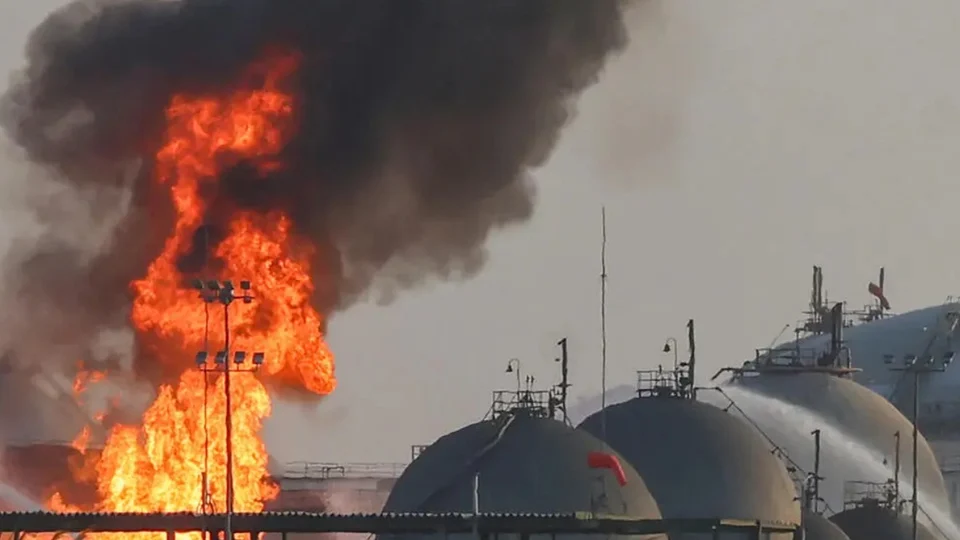
The failure to achieve a decisive military outcome has come at a price far greater than the continued Houthi threat. The prolonged war has given the group time to develop its missile, drone, and naval capabilities, extending the reach of the conflict deep into Saudi territory and putting the kingdom’s critical infrastructure and strategic interests at risk.
The threat is all the more significant given Saudi Arabia’s previous warnings to the UN Security Council that Yemen must not become a launchpad for attacks on the kingdom.
The continued missile strikes, however, show that those warnings have yet to translate into effective security measures capable of containing the growing Houthi threat.
More concerning still, the prolonged conflict has given Iran greater room to expand its involvement, moving beyond arms supplies and training to direct operational oversight.
According to a report published by Asharq al-Awsat on November 3, 2026, Yemen’s Interior Ministry disclosed that 21 experts from Iran’s Islamic Revolutionary Guard Corps (IRGC) and Lebanon’s Hezbollah were assisting Houthi operations and taking part in military planning and command.
Iran’s involvement became even more apparent when Tehran offered to mediate between Saudi Arabia and the Houthis to end the conflict. In doing so, it presented itself as a potential peacemaker despite being one of the key actors fueling the crisis through military and political support for the group and by helping strengthen its capacity to threaten both Yemen and Saudi Arabia.
The Houthis have also extended their reach into international shipping. Recent reports have revealed that the group has established a mechanism for receiving vessels’ requests to transit the Red Sea, suggesting a shift from threatening maritime traffic to seeking a more direct role in controlling its movement.
Saudi Arabia is therefore no longer confronting merely an armed Yemeni group along its southern border. It faces a more complex threat in which Houthi military capabilities intersect with Iranian influence and the operational expertise of Tehran’s allies, turning Yemen into an arena for an increasingly indirect confrontation with Iran.
One of the greatest strategic costs of the delayed military outcome is that Riyadh has failed to eliminate the threat despite repeatedly warning of its dangers.
Meanwhile, its adversary has gained time, experience, and military capabilities, while Iran has expanded its footprint to the point of offering to mediate a conflict it has helped fuel. Containing this threat has consequently become a far more complicated and costly challenge than it was in the early years of the war.

Why the War Failed to Produce a Decisive Victory
The failure to secure a military victory cannot be explained by Houthi resistance alone. It was rooted largely in the coalition’s approach to managing the war. Rather than building a unified national army capable of mounting a decisive ground offensive, the coalition backed parallel military and security forces with competing loyalties, some of which embraced separatist agendas and rejected the idea of a unified Yemeni state.
This approach was compounded by political calculations that prevented the coalition from fully empowering the Islamist-leaning Islah Party. Despite its military presence and role in fighting the Houthis, Islah was viewed with suspicion over fears that it could fill the political vacuum following a Houthi defeat. These concerns weakened the anti-Houthi front, while developments on the battlefield exposed the limitations of this strategy.
The situation was further complicated by competing Saudi and Emirati interests and divergent visions for Yemen’s future and its local power brokers. Both countries backed rival factions and competing political projects, deepening divisions within the coalition itself.
Some reports have also said that the UAE continued providing support to the Houthis even after withdrawing from Yemen, potentially strengthening the group’s ability to withstand the war.
According to some political assessments, Saudi policy was also shaped by a preference for a weak and fragmented Yemen, reflected in its tolerance of Houthi expansion in the north and the rise of the separatist project in the south.
The war, therefore, did not stall because the coalition lacked military superiority. Rather, its overwhelming military advantage was never translated into a unified Yemeni fighting force. Internal divisions and conflicting objectives undermined the prospects of victory, giving the Houthis time to consolidate their rule and expand their military capabilities.
A decisive military outcome is not necessarily unattainable, but achieving one has become far more complicated and costly.
Expanding military operations alone will not be enough. It will require a fundamental shift in strategy toward unifying Yemeni forces under national command and establishing a clear political vision for the country’s future.
Can New Alliances Shield Saudi Arabia?
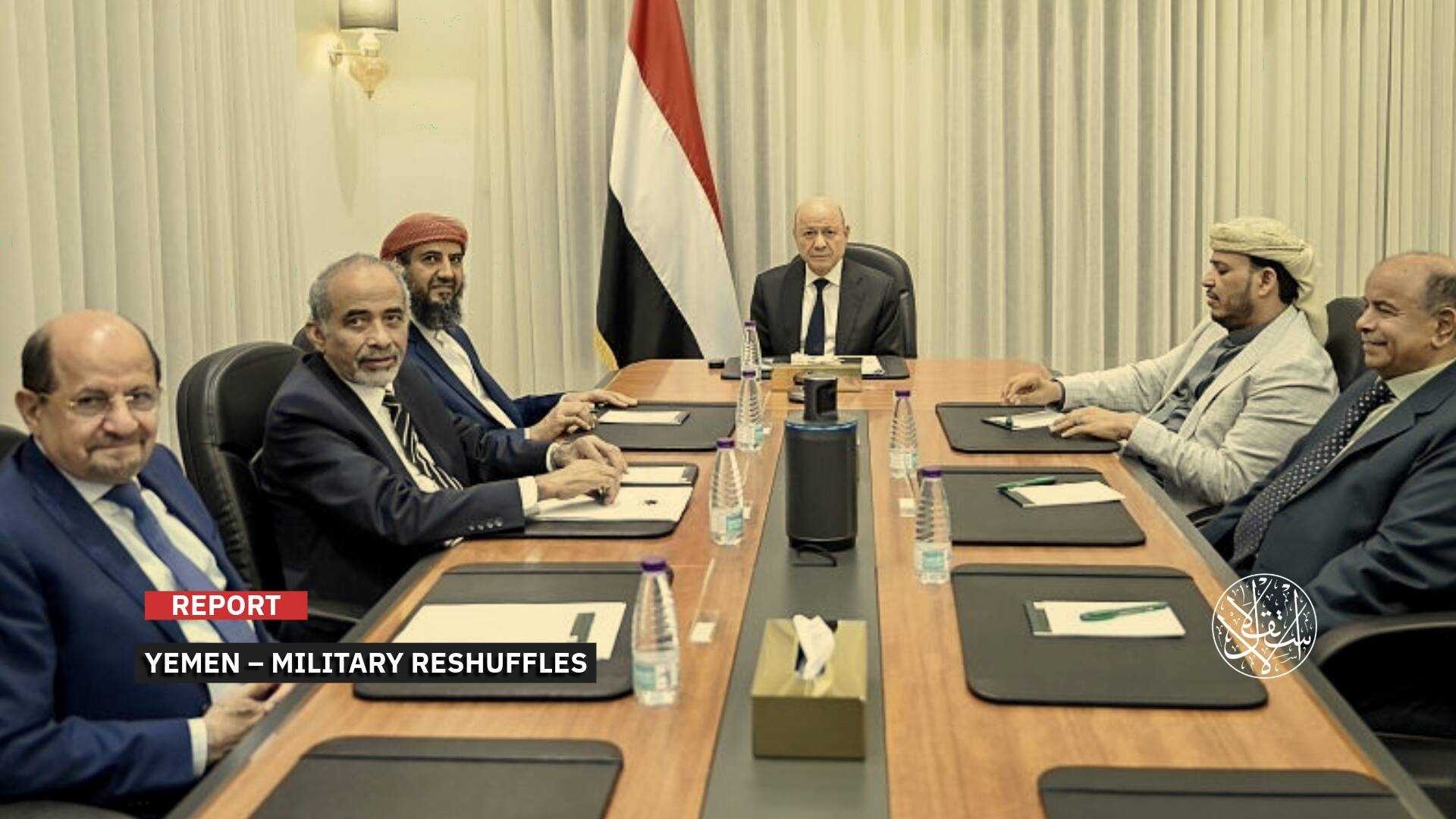
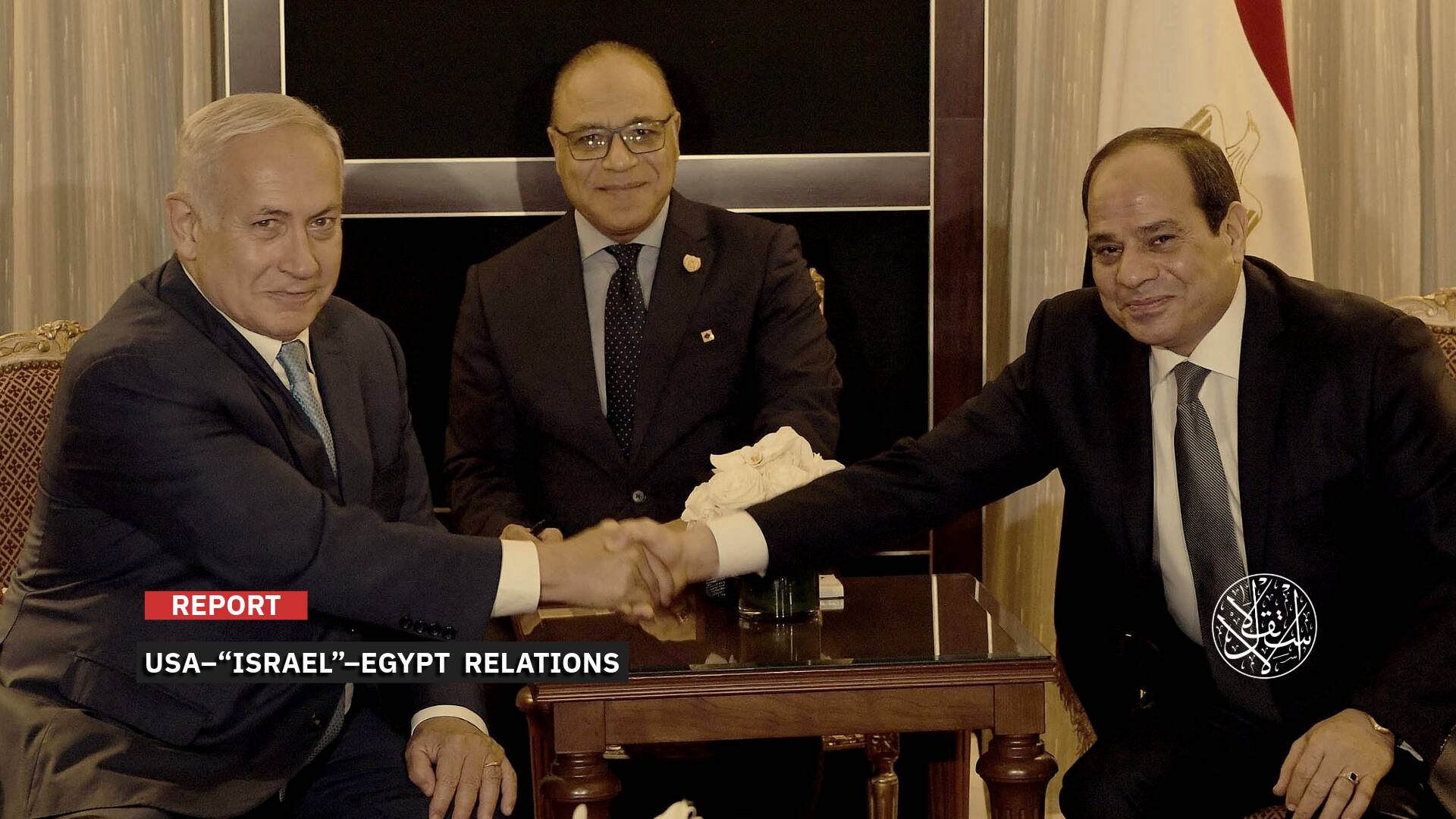
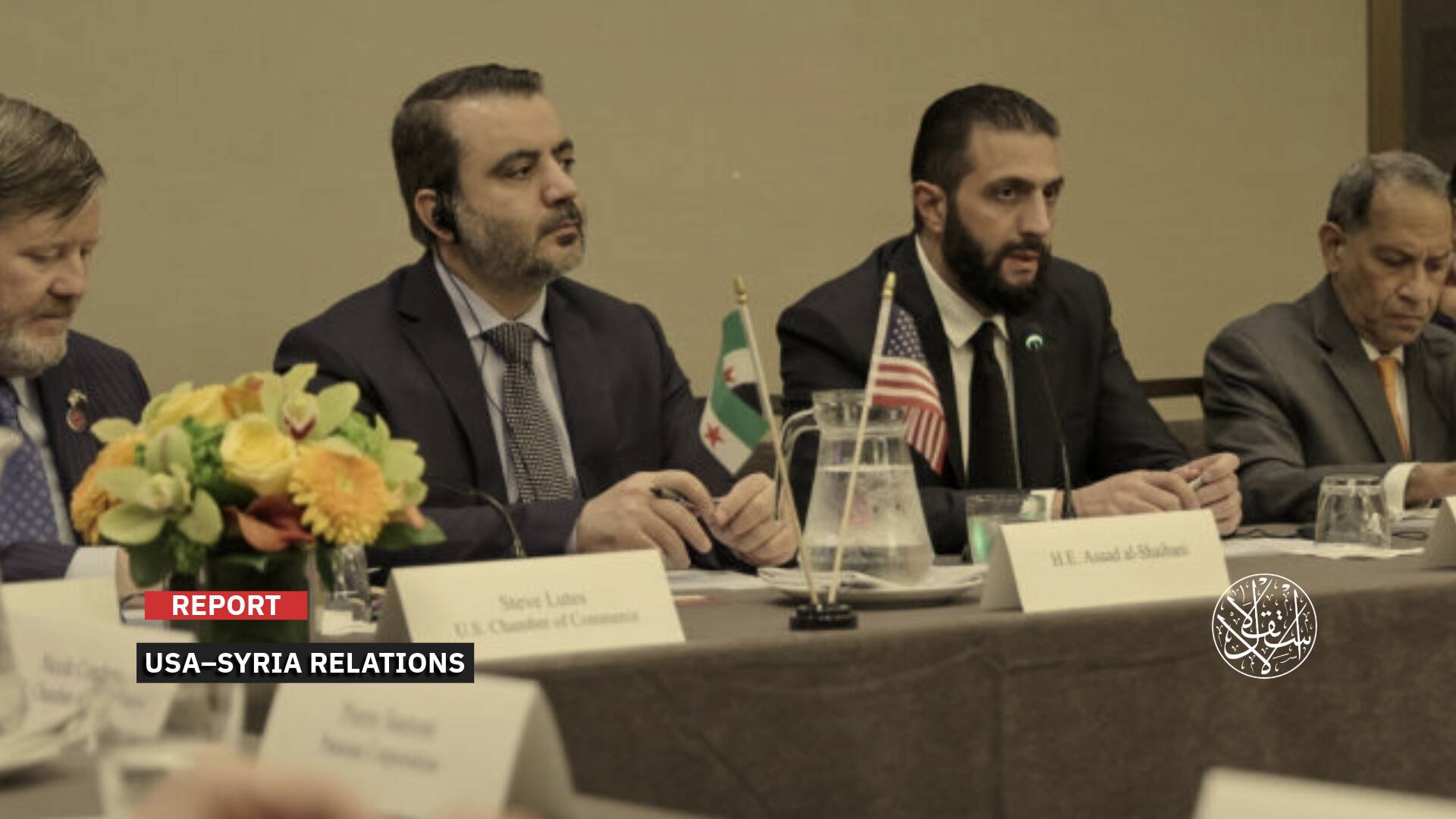
With military victory still out of reach, Saudi Arabia has stepped up efforts to broaden its defense partnerships beyond Turkiye and Pakistan, reaching out to Egypt and Syria while drawing on American, British, and Greek military expertise to strengthen its defenses.
On October 18, 2026, Egypt’s National Defense Council announced that Cairo would provide the necessary support to protect Saudi Arabia’s security. Riyadh and Damascus subsequently signed a defense cooperation agreement on November 4.
Syria also expressed interest in joining the Mecca Agreement, approved by the Turkish parliament on November 6, which includes commitments to defense cooperation, intelligence sharing, and military coordination.

Reuters also reported that a small number of Syrian military personnel had arrived in Saudi Arabia to provide advisory and training support, while Damascus denied having plans to send troops to fight in Yemen.
These developments underscore Riyadh’s growing concerns over the Houthi threat and its need to rely on multiple partners to strengthen its defenses and share the burden of deterrence and protection.
But they also raise a question: Why has Saudi Arabia reached this point more than a decade after launching its military intervention in Yemen?
Had the coalition invested in building a unified national Yemeni army, equipping and training it under an institutional command structure rather than relying on multiple parallel forces with competing loyalties, Saudi Arabia would have had a capable ground force to shoulder the main burden of confronting the Houthis inside Yemen. It might also have avoided much of the cost and risks of the war it now faces.
There is little doubt that the new alliances will strengthen Saudi Arabia’s defenses. But they cannot fix the failures in how the war was managed, nor can they make up for the absence of an official Yemeni force capable of bringing the conflict to an end and securing its outcome.
The Cost of Delaying Victory
A decade of war has shown that Saudi Arabia has paid not only the price of military failure to achieve a decisive victory, but also the cost of lacking a strategy that links its own security to restoring the Yemeni state and building a national force capable of confronting the Houthis.
The prolonged conflict has allowed the group to consolidate its rule and expand its capabilities, turning its control over parts of Yemen into a source of threats extending beyond the country’s borders to Saudi infrastructure, international shipping, and regional and economic interests.
Political observers have warned that continued delays give the Houthis more time to rebuild their arsenal with Iranian support, making any future confrontation more costly.
But overcoming this dilemma does not simply mean resuming the war or expanding military operations. It requires addressing the reasons behind the failure to achieve a decisive outcome: unifying Yemeni forces under a national command, ending the proliferation of competing military formations and loyalties, and tying any military action to a clear political objective: restoring state institutions and ensuring they have sole control over weapons and decision-making.

Negotiations that fail to address the imbalance of power risk entrenching the status quo, while escalation without a unified Yemeni force could simply reproduce the cycle of attrition.
The cost of delaying a decisive outcome is no longer limited to prolonging the war. It now includes an expanding threat and diminishing prospects of containing it.
Addressing this failure begins with building a Yemeni state capable of defending itself, rather than relying solely on expanding Saudi Arabia’s network of foreign alliances to shield it from the consequences of that state’s absence.
The Houthis’ continued control over parts of Yemen is no longer merely an internal problem. It has become a direct threat to Saudi Arabia’s security, regional stability, and international shipping.
Years of postponing a decisive outcome have given the group time to build an arsenal of missiles and drones and develop its capabilities with Iranian support, enabling it to target airports and critical infrastructure, threaten Saudi economic and investment interests, and use the Bab el-Mandeb Strait and the Red Sea as leverage in regional and international affairs.
The danger of maintaining the truce is that it has not prompted the Houthis to give up their weapons or ambitions for control. Instead, it has allowed them to regroup and strengthen their capabilities in preparation for new rounds of escalation.
Moreover, Iran’s declining influence across the region could prompt Tehran to concentrate its military and political investments on the Houthis, viewing them as its last remaining proxy force capable of threatening the Gulf and vital maritime routes.
Military victory, therefore, is no longer simply an option for restoring the Yemeni state. It is also a necessity for protecting Saudi Arabia’s national security and preventing the Houthis from becoming an even greater and more costly threat in the future.
The longer a decisive outcome is delayed, the stronger the group becomes, the wider the risks grow, and the higher the cost of confronting it becomes compared with ending the threat now.
Sources
- The "Dawn of Yemen" offensive operations in Yemen have exceeded 42,000 targeting actions [Arabic]
- Avoiding Another Long War in Yemen – Center for Strategic and International Studies [Arabic]
- The Saudi Role in Yemen After February 11, 2011: From Containing the Revolution to Containing the State [Arabic]
- Saudi Arabia bets on defense alliances to prevent a slide into war [Arabic]
- A growing threat to Yemen and the region—why must the battle against the Houthis be decided now? [Arabic]
- The Houthi Escalation in Yemen: A Strategy for Decisive Victory or Expansionist Goals?