How the Ethiopian army is preparing for a Showdown with Egypt, Armed with Russian Weapons, Emirati funding, and U.S. Green Light
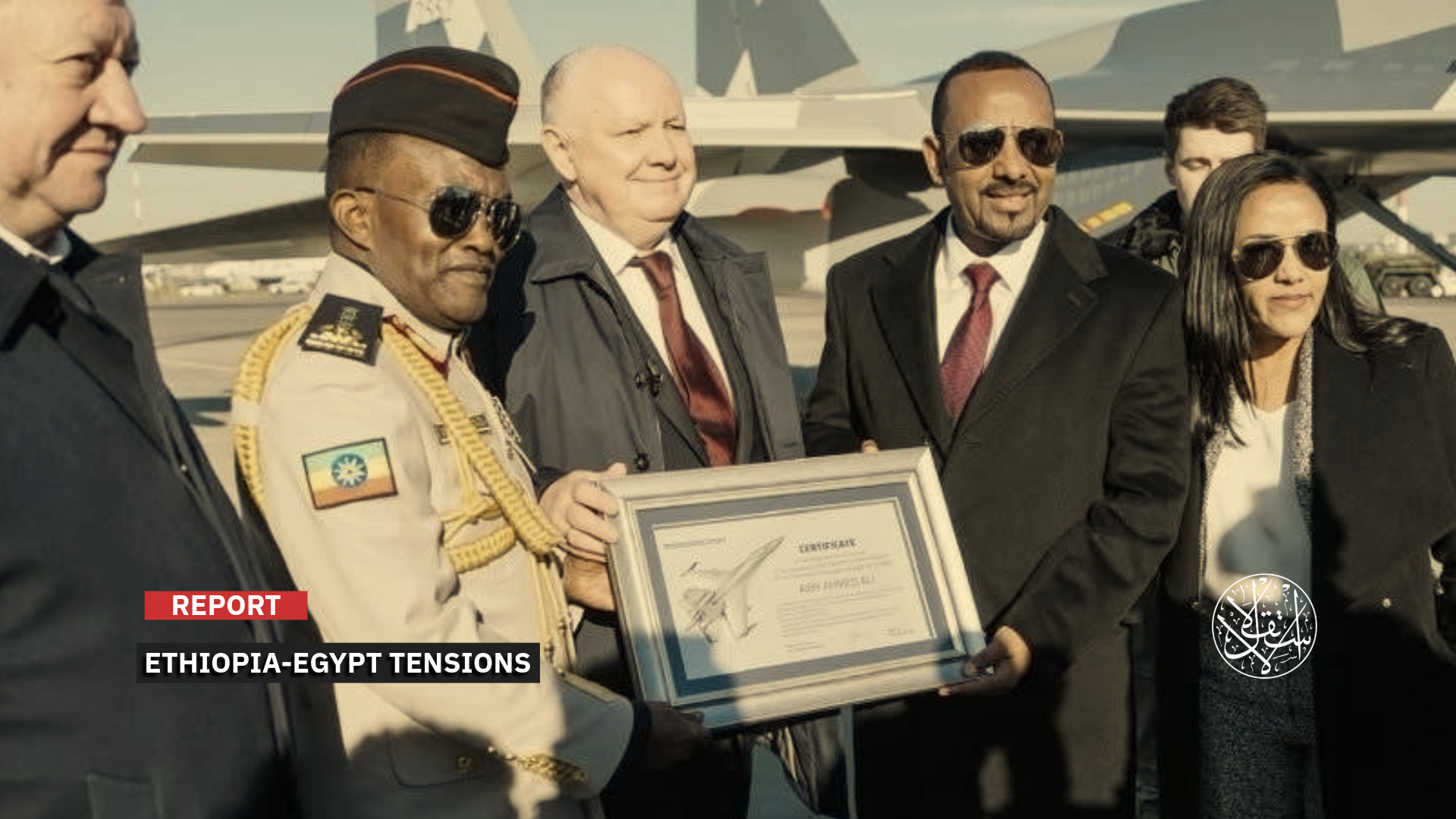
An allied country paid upfront in cash for Ethiopia’s arms purchases from Russia and other suppliers to expedite delivery.
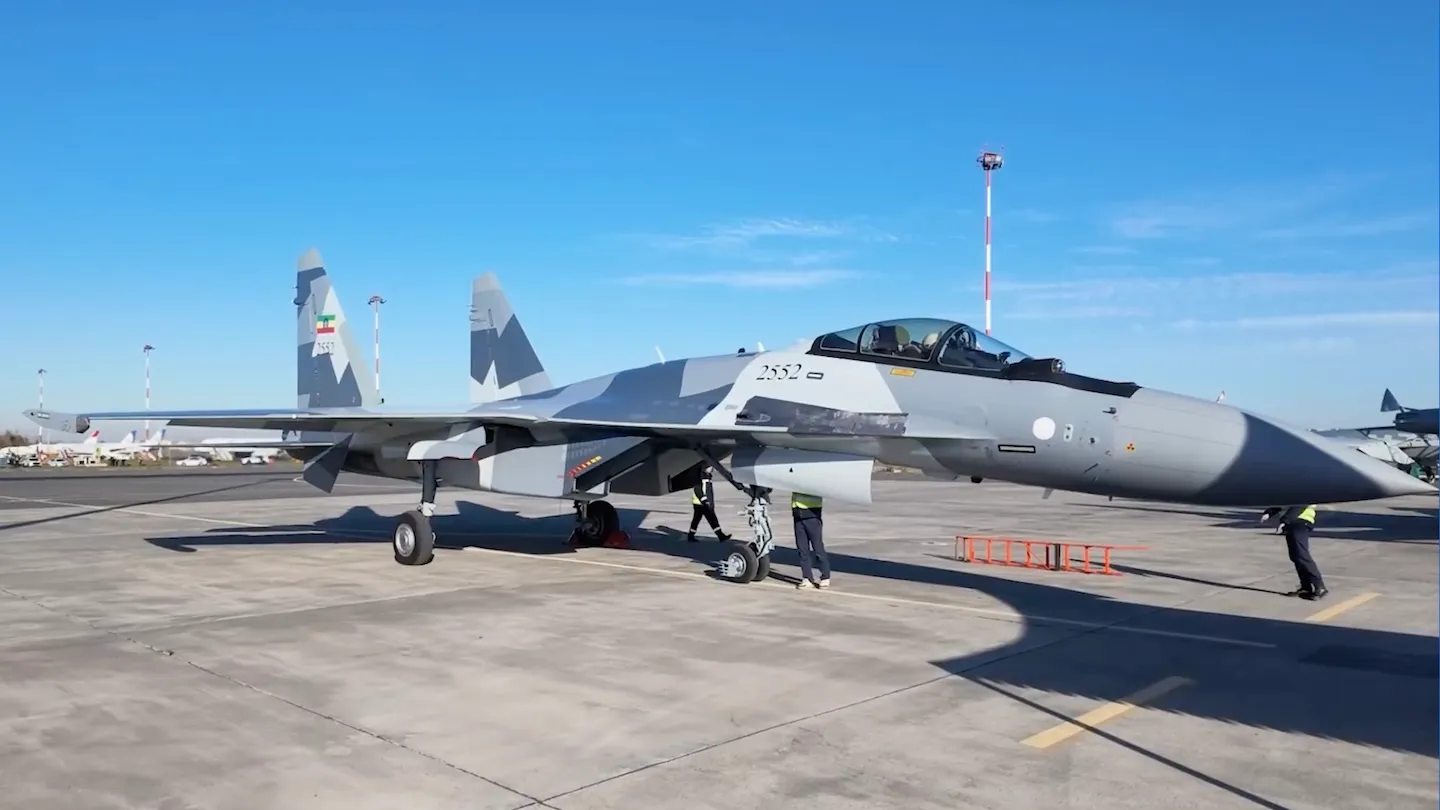
In a surprise development amid escalating tensions between Egypt and Ethiopia over the Grand Ethiopian Renaissance Dam, Ethiopian Prime Minister Abiy Ahmed announced that his country had received 12 Russian-made Su-35 fighter jets.
The announcement came as Addis Ababa faces accusations of supporting the Rapid Support Forces (RSF), led by Mohamed Hamdan Dagalo, known as Hemedti, in Sudan.
Abiy Ahmed also announced that Ethiopia was close to receiving four Russian-made S-400 air defense systems as part of its efforts to strengthen its military capabilities.
In a post on X on 28 October 2026, Abiy described the deliveries as the “first batch,” saying they “mark a milestone in Ethiopia’s efforts to strengthen national security and establish preventive deterrence against aggression.”
Ethiopia’s acquisition of these advanced fighter jets and air defense systems poses a major challenge to Cairo, particularly given Washington’s failure to object to the deal.
The new systems are expected to join Russia’s Pantsir-S2 and “Israel’s” SPYDER air defense systems in protecting the Grand Ethiopian Renaissance Dam.
Egypt, by contrast, faced direct U.S. warnings in 2019 that it could be sanctioned under the Countering America’s Adversaries Through Sanctions Act (CAATSA) if it proceeded with a deal to purchase Su-35 fighter jets from Moscow.
Washington also objected to the possibility of Egypt acquiring S-400 air defense systems, arguing that they were incompatible with the American weapons supplied to Cairo since the signing of its peace treaty with the Israeli Occupation.
Both President Donald Trump and the U.S. Congress had previously threatened Egypt with sanctions if it purchased the same Russian fighter jets and air defense systems. Yet Washington has voiced no comparable objection to Ethiopia’s acquisition of these advanced weapons.
The U.S. position raises questions about whether Washington is pursuing a strategy to strengthen Ethiopia’s military capabilities against Egypt.
These concerns are reinforced by continued U.S. restrictions on Egyptian arms purchases, including efforts to block Cairo from acquiring advanced Chinese-made J-10CE fighter jets.
According to this assessment, the approach could be intended to limit Egypt’s military options regarding the Grand Ethiopian Renaissance Dam while also exposing the country to a potential threat from these fighter jets.
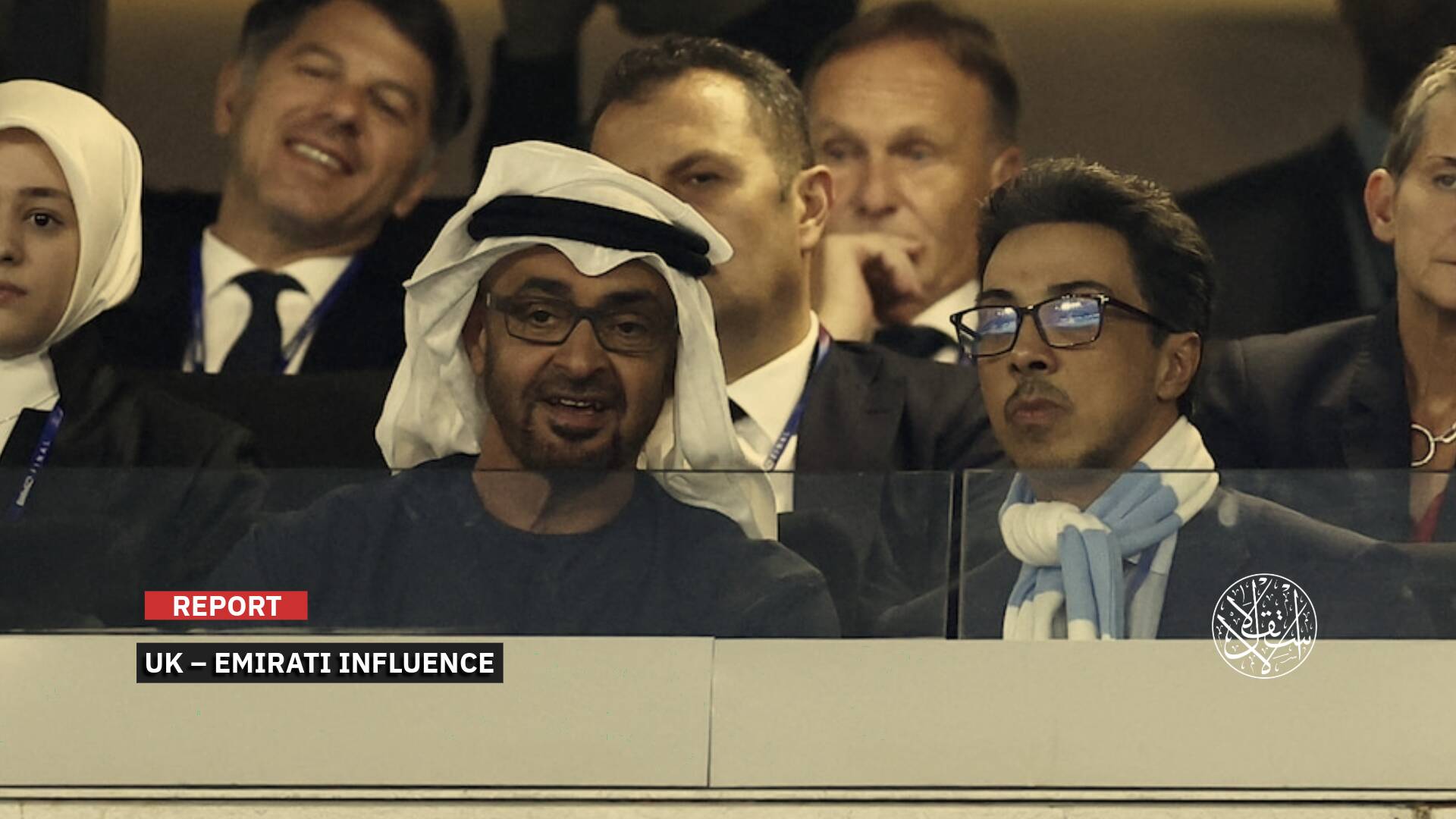
Another striking aspect of the deal is Egyptian sources' accusations that the United Arab Emirates financed Ethiopia’s arms purchases through direct cash payments.
These sources view Emirati funding as a continuation of Abu Dhabi’s policy of undermining Egypt’s national security by supporting Hemedti’s forces in Sudan and Khalifa Haftar’s forces in Libya.
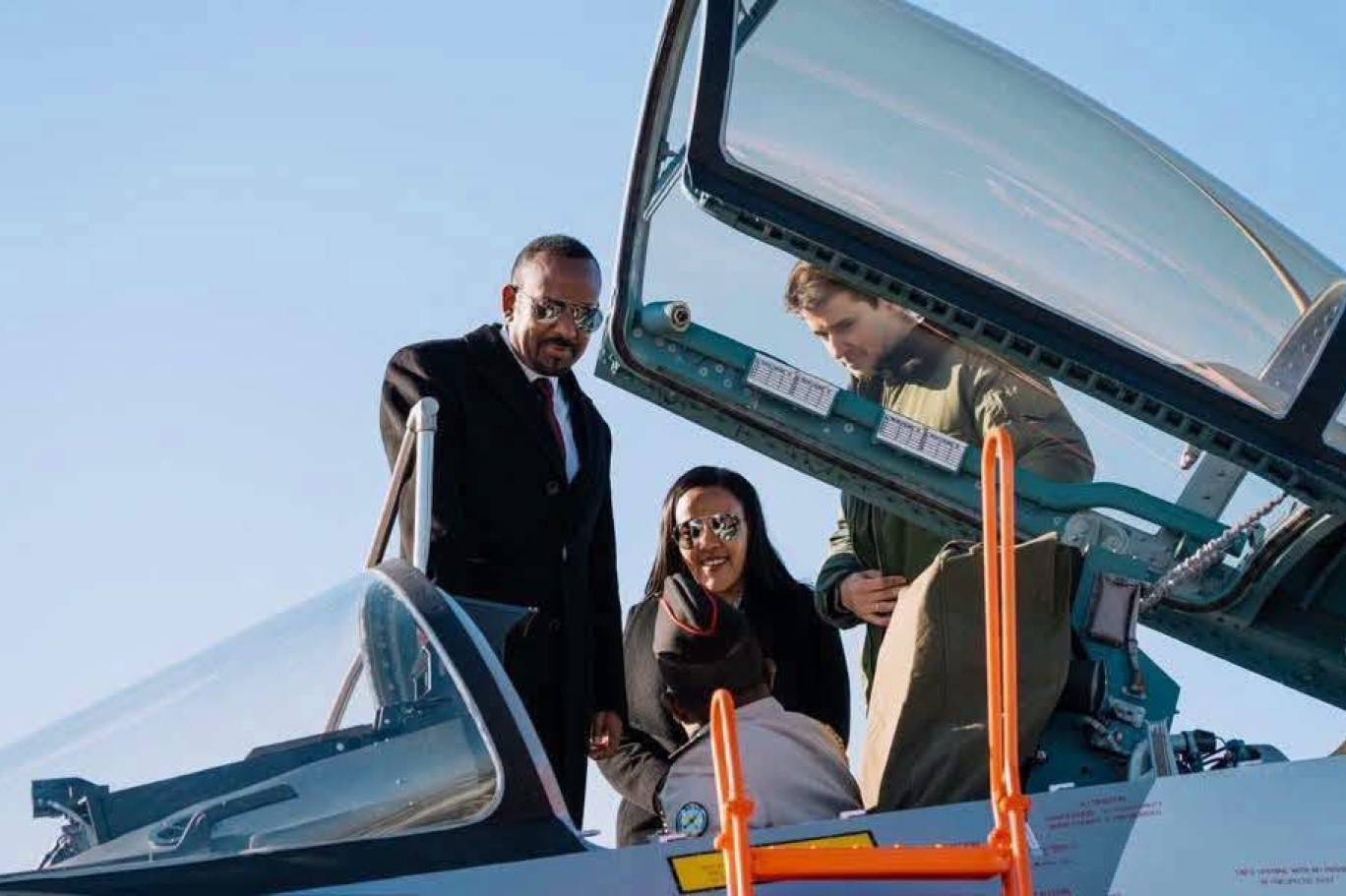
Egyptian and Ethiopian Su-35 Fighter Jets
U.S. President Donald Trump did not grant Ethiopia a special exemption to purchase Russian-made Su-35 fighter jets or S-400 air defense systems. However, Washington, which sanctions countries that purchase Russian weapons, has refrained from imposing penalties on Addis Ababa, unlike its treatment of Egypt.
The United States imposed arms export restrictions on Ethiopia following the war in the Tigray region (2020–2022). On 5 February 2026, the Trump administration decided to lift those restrictions. On 17 September of the same year, it formally authorized Ethiopia to import U.S. weapons and removed the country from its arms export blacklist.
Egypt, by contrast, faced direct U.S. warnings of sanctions in 2019 over its Su-35 deal with Moscow, at a time when Cairo relied heavily on American aircraft and military assistance.
Ethiopia began negotiating arms purchases from Russia in 2022, while Egypt's efforts dated back to 2018. Yet Washington warned Cairo and formally blocked the deal in 2019, while allowing Addis Ababa to acquire the same Russian weapons on 28 October 2026.
On 28 October 2026, defense publication Janes reported that leaked Russian documents had surfaced in October 2025 indicating that Ethiopia had requested to purchase six Su-35 fighter jets in 2022.
The publication noted, however, that the deal had not been publicly confirmed before Abiy Ahmed's announcement in October 2026. This suggests that Ethiopia's plans to acquire these offensive and defensive weapons date back several years, predating the full completion of the Grand Ethiopian Renaissance Dam.
Ethiopia's announcement that it had received 12 fighter jets and would later take delivery of four S-400 batteries therefore came as a surprise. The apparent acceleration of the delivery schedule by a year, a detail not previously disclosed, along with the absence of information about the deal's value, the exact date the contract was signed, or the delivery schedule for the air defense systems, has added to the uncertainty surrounding the purchases.
Egypt, meanwhile, had sought to acquire the Su-35 since 2013, when discussions about purchasing advanced Russian fighter jets emerged during a visit to Cairo by the late President Mohamed Morsi in April of that year.
At the time, Russia offered Egypt a combined deal involving both MiG-35 and Su-35 fighter jets, according to statements by Russia's deputy defense minister and the head of its state arms exporter, Rosoboronexport, cited by Egypt Defense Portal.
Later, following the military coup and Abdel Fattah el-Sisi’s rise to power, Egypt signed a $3.5 billion arms deal during his visit to Russia on 13 February 2014. During his next visit to Moscow, on 25 August 2015, discussions turned to the possible purchase of 12 Su-30K fighter jets, which belong to the fourth generation.
In June 2016, Annasr, a military magazine published by Egypt’s Defense Ministry, ran a two-page feature on the Russian fourth-generation Su-35S, describing it as an “air superiority fighter.” The article appeared to pave the way for a potential purchase of the aircraft.
On 18 March 2019, Russian news agencies Interfax and Kommersant reported that Egypt had signed a contract to purchase 24 Su-35 fighter jets for approximately $2 billion, with deliveries scheduled to begin between 2020 and 2021.
However, news of the deal to purchase the Russian Su-35 quickly triggered an immediate crisis between Cairo and Washington, Egypt’s main arms supplier and provider of military aid since the 1978 Camp David Accords.

The crisis was reflected in el-Sisi’s visit to Washington on 6 April 2019, during Trump’s first term, when he faced threats, warnings, and criticism from both the State Department and Congress.
During the visit, el-Sisi received official warnings against purchasing the Russian fighter jets. Members of Congress also voiced concern over the deal and urged then-Secretary of State Mike Pompeo to press the head of the Egyptian regime to reconsider the Su-35 purchase or face sanctions.
On the sidelines of a Senate hearing on the 2020 budget on 10 April 2019, Pompeo confirmed that Washington would impose sanctions on Egypt if it went ahead with the Su-35 purchase.
“We've made clear that if those systems were to be purchased, the CAATSA statute would require sanctions on the regime,” Pompeo said, addressing Congress.
The U.S. CAATSA law imposes sanctions on countries that conduct transactions with Russia’s intelligence and military agencies or its arms manufacturers. Egypt risked facing these penalties, which could have had serious consequences for its military capabilities.
The pressure escalated when the U.S. secretaries of state and defense sent an official letter to Egypt’s then-Defense Minister, Lt. Gen. Mohamed Zaki, urging him to abandon the deal and warning of sanctions if Cairo proceeded, according to The Wall Street Journal on 14 November 2019.
The newspaper revealed details of the letter and quoted Pentagon officials as saying that Egypt’s air force commander, Lt. Gen. Mohamed Abbas, had also been warned about the consequences of the deal.
After President Joe Biden took office, his administration raised the issue of the Su-35 purchase during its first contact with el-Sisi’s regime on 24 February 2021. U.S. Secretary of State Antony Blinken warned his Egyptian counterpart, Sameh Shoukry, about both the human rights situation in Egypt and Cairo’s planned purchase of Russian fighter jets.
During his conversation with Shoukry, Blinken expressed concern over Egypt’s human rights record and raised “concerns about the potential purchase of Su-35 fighter aircraft from Russia,” according to the State Department spokesperson. At the time, reports emerged that el-Sisi might be trading human rights concessions for the Su-35 deal.
Against this backdrop, Abiy Ahmed’s announcement in Russia that Ethiopia had joined the ranks of sub-Saharan Africa’s leading military powers by acquiring the fighter jets drew attention, particularly given Washington’s lack of response.
Egyptian analysts viewed the development as part of a plan by regional and international powers to strengthen Ethiopia militarily against Egypt. They also accused the UAE of taking part by financing a deal that Ethiopia could not afford on its own.
Western assessments suggest the deal serves two Russian objectives: generating revenue from arms exports and expanding Moscow’s political influence, while giving Ethiopia additional capabilities to counter aerial threats.
The agreement also offers Russia an opportunity to expand its military and diplomatic influence in the Horn of Africa, a region where numerous international and regional interests intersect through Ethiopia, potentially weakening Egypt’s role.
For Addis Ababa, which is seeking to upgrade its air force and air defenses amid domestic instability and tensions with Eritrea, the deal provides additional leverage against Egypt and could strengthen its position in regional disputes, particularly over the Grand Ethiopian Renaissance Dam.
Ethiopian websites have deliberately emphasized that acquiring 12 Su-35 4th++ Generation fighter jets and four S-400 air defense batteries sends a message to Egypt, declaring, “We trust the message has reached those concerned.”
The independent East and North Africa news and analysis platform Baraza Brief reported on 29 October 2026 that the deal also has “an American dimension.”
In 2020, the United States imposed sanctions under the CAATSA on even its NATO ally Turkiye for purchasing the Russian S-400 missile defense system.
Egypt, Algeria, and Indonesia were also forced to withdraw from Su-35 fighter jet deals because of sanctions imposed on Moscow. Ethiopia’s acquisition of both the Su-35 and S-400 systems therefore raises questions about whether Washington will apply the same standards to Addis Ababa.
Another question is whether the United States, the largest contributor to the International Monetary Fund and the World Bank, will continue supporting programs that benefit Ethiopia.
Did the UAE Finance the Deal?
Notably, in his statement, Abiy Ahmed revealed that Russian President Vladimir Putin had personally intervened to accelerate delivery of the Su-35 fighter jets, bringing it forward by a year. He described the delivery as only the first batch under a broader program to strengthen Ethiopia’s deterrence capabilities against aggression.
Egyptian journalists and politicians have accused the UAE of bankrolling the deal and fast-tracking Ethiopia’s acquisition of 14 advanced Su-35 fighter jets, along with batteries for the S-400 air defense system, by paying Russia $6 billion in cash.
They argue that Emirati financing of the deal is intended to give Addis Ababa a military counterweight to Egypt and deter Cairo from taking any action against the Grand Ethiopian Renaissance Dam. They also say the move could be part of preparations for a potential war between Ethiopia and Eritrea in the Horn of Africa while strengthening Ethiopia’s position in its conflict with the Tigray region.
Ashraf Abouelhoul, an Egyptian journalist close to the regime, said a Gulf ally had covered the cost of Ethiopia’s arms purchases from Russia and other suppliers, paying in cash upfront to expedite delivery.
He tied the UAE financing to Ethiopia’s support for the UAE-backed forces led by Hemedti in Sudan. He said the arms deal was part of a quid pro quo, with Ethiopia receiving financial backing in return for helping facilitate the destruction of Sudan to gain access to its mineral wealth.
Egyptian opposition actor Amr Waked said that Mohammed bin Zayed, Sisi’s close ally, financed Ethiopia’s arms deal, describing it as “an act of outright aggression.”
Mohamed Morsy, an ambassador at Egypt’s Foreign Ministry, also hinted at the UAE’s role in financing the deal, writing, “May the hands of all those supporting Ethiopia be struck down. To our fellow Arab countries, among them, I say, ‘May your hands perish and your protection collapse if you do not stop harming us.’”
He warned that the Ethiopian threat was no longer limited to the possibility of withholding Nile water through the Grand Ethiopian Renaissance Dam or constructing dozens of additional dams on the Blue Nile.
Nor was it confined to acquiring advanced Russian weapons. He said the threat now extended to the water reaching Egypt, following Ethiopia’s announcement that it planned to build Russian nuclear reactors using, or drawing on, water from the Blue Nile.
He explained that the concern was the extent to which Nile water flowing into Egypt could be contaminated by radioactive waste from nuclear power plants.
Other Egyptian investigative accounts reported that, according to international military estimates, the assumed total value of the entire package, comprising 12 Su-35 fighter jets and four S-400 systems, ranges from $5 billion to $6.2 billion.
“These enormous figures have prompted widespread questions and comparisons in Western circles, given that Ethiopia’s entire annual defense budget for 2025–2026 stood at approximately 81 billion Ethiopian birr, equivalent to just $496 million.”
They argued that this meant the estimated value of the deal exceeded Ethiopia’s annual defense budget by more than tenfold, “reinforcing the hypothesis that strategic financial flows from external allies are covering the costs without any official disclosure.”
The accounts added that Western intelligence sources, investigative media outlets, and international human rights organizations “suspect the UAE of brokering the deal, citing the extensive military and financial partnership between the two countries, which facilitates such acquisitions for Ethiopia.”
In a report published on 29 October 2026, Baraza Brief said the UAE was the most likely financier of the deal.
It noted that the UAE is one of the closest financial partners of Abiy Ahmed’s government. In 2024, the central banks of the two countries signed a currency swap agreement worth up to 3 billion dirhams (approximately $817 million) and 46 billion Ethiopian birr, although the terms of the agreement were never made public.
Baraza Brief also pointed to Abu Dhabi’s position as a financial hub with trade ties to Russia and access to non-dollar payment channels, saying these factors make it reasonable to ask whether it played an intermediary role in financing the Russian arms purchases.
It estimated the total value of the arms deal at between $3.5 billion and $5 billion, excluding maintenance, training, spare parts, additional missile stockpiles, and infrastructure costs. The platform questioned Ethiopia’s ability to finance the purchases on its own and suggested that a third party may have stepped in to cover the bill.
The cost of the 12 Su-35 fighter jets is estimated at between $1 billion and $1.25 billion, while the four Ethiopian S-400 batteries could cost as much as $2.5 billion to $3.5 billion.
The report noted that Ethiopia allocated 81 billion birr to defense in its 2025–2026 budget, equivalent to approximately 4 percent of total government spending, or around $500 million.
In other words, the Russian arms package is equivalent to between seven and ten years of Ethiopia’s defense spending, most of which is already allocated to salaries, military operations, and ongoing conflicts in Tigray, Amhara, and Oromia.
The Ethiopian parliament approved a budget of 2.339 trillion birr (approximately $14.5 billion) for the 2026–2027 fiscal year. The arms package would account for between a quarter and a third of that budget, yet no item in the budget records appears capable of covering a Russian deal of this scale.
According to Baraza Brief’s analysis, Ethiopia’s economy is now heavily dependent on financing from Western institutions.
In July 2024, the International Monetary Fund (IMF) approved a four-year, $3.4 billion loan program for Ethiopia.
By the program’s fifth review in July 2026, total disbursements had reached $2.65 billion, meaning that the Russian arms package is equivalent to the total amount the IMF has disbursed to Ethiopia so far.
In 2025 alone, the World Bank approved $1 billion in budget support for Ethiopia, comprising a $650 million grant and a $350 million concessional loan.
The European Union also resumed direct budget support this year, transferring 140 million euros to Ethiopia’s budget after suspending such assistance for five years over the war in Tigray.
In April 2026, the EU also pledged 559 million euros for energy and digital transformation projects. None of these funds, however, is earmarked for financing the arms deal.
How can a country reliant on development loans, still restructuring its debt, and unable to raise even one-fifth of the humanitarian appeal for its own children afford an arms package worth nearly $5 billion that its budget cannot account for?
Sources
- Ethiopia announces Su-35, S-400 acquisitions
- Ethiopia Gets 12 Russian Su-35 Fighters, Eyes S-400 Air Defenses
- Ethiopia says it received Russian Su-35 jets, S-400 air defence systems to follow
- Who Is Paying for Ethiopia’s Russian Jets and S-400s?
- Ethiopia Announces Receipt of 12 Russian Su-35 Fighter Jets, Signals Plans to Acquire S-400 Systems [Arabic]