From the Presidency to the Ambassadors: How Long Will the KDP and the PUK Keep Iraqi Kurdistan Hostage to Their Power Struggle?
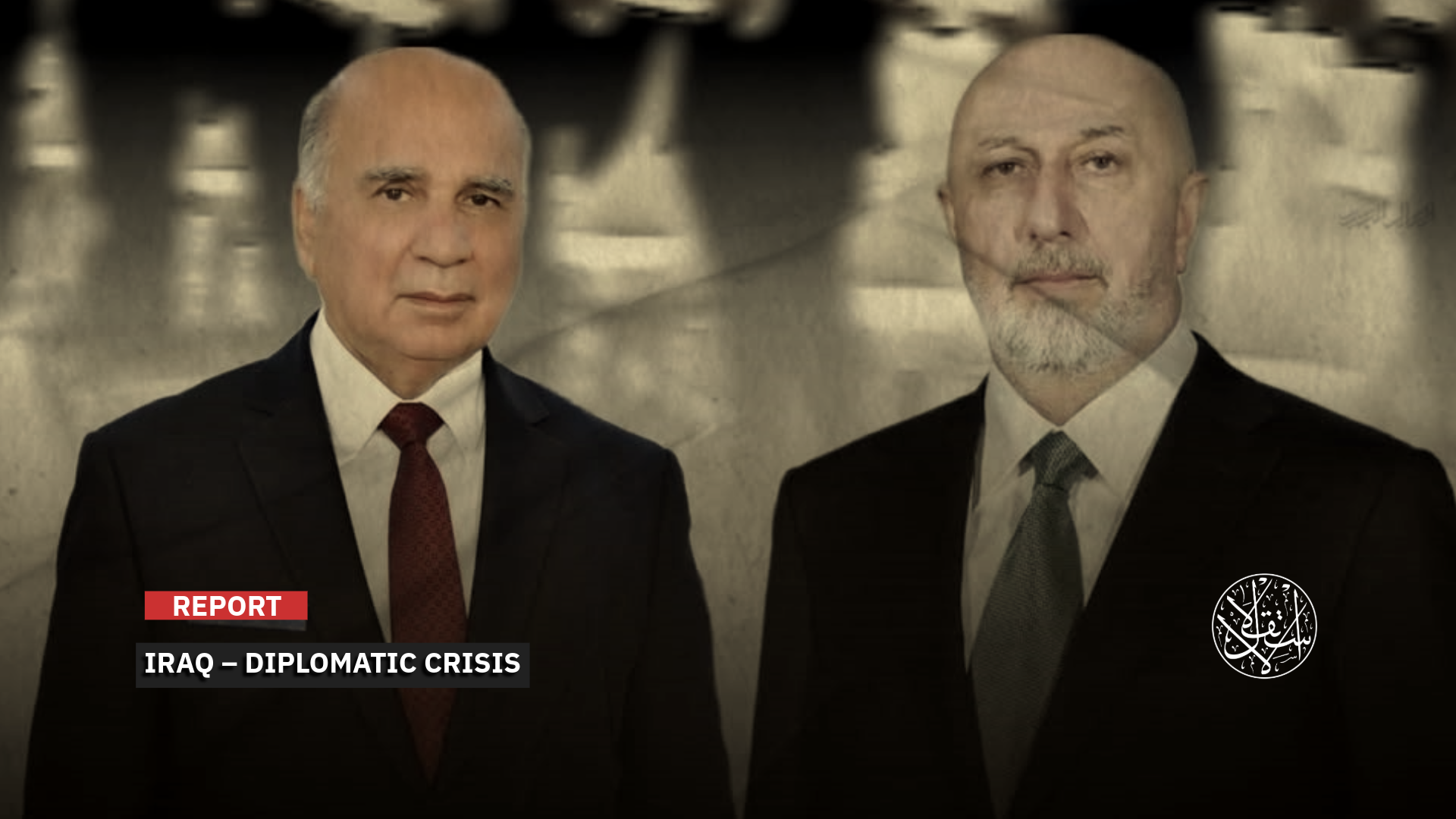
Local reports say the credentials of 10 foreign ambassadors have yet to be approved.
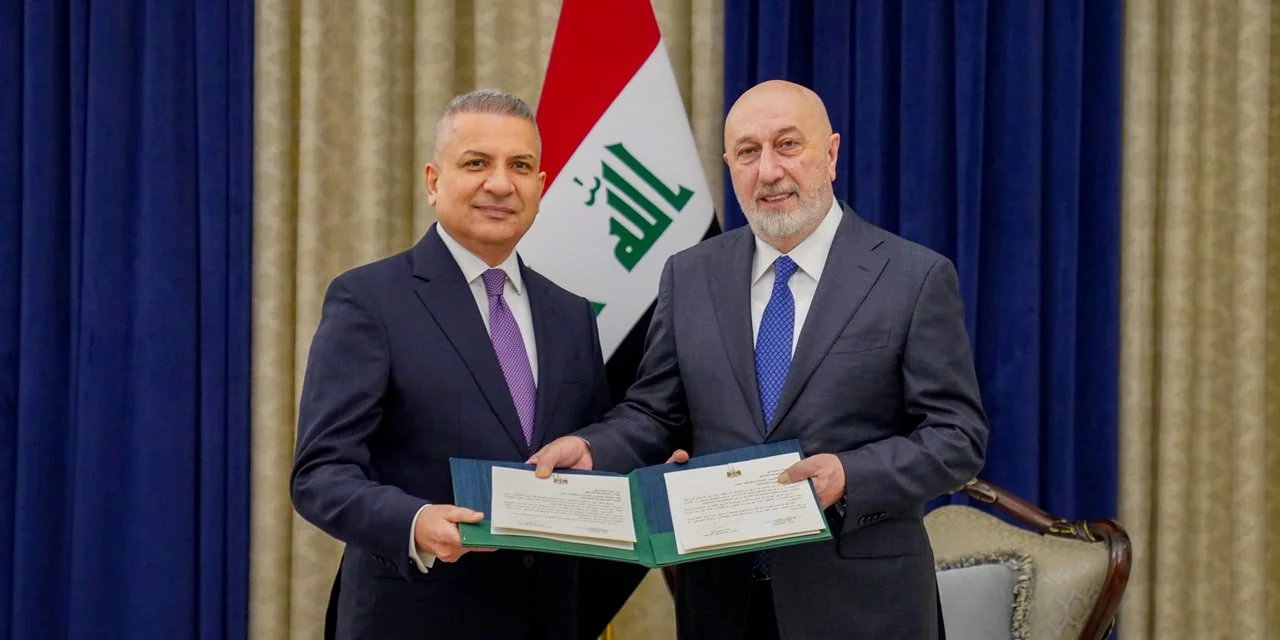
The dispute between Iraq’s Kurdistan Democratic Party (KDP) and Patriotic Union of Kurdistan (PUK) is no longer confined to competition over positions within the Kurdistan Region or the presidency, as its effects have spilled over into state institutions in Baghdad. The most notable example is the stalled accreditation of ambassadors from 10 countries.
President Nizar Amedi, who represents the PUK, insists that Foreign Minister Fuad Hussein, a KDP figure, attend the presentation of ambassadors’ credentials in person.
The Foreign Ministry, however, maintains that the minister can send his deputy or another designated official in his place, leaving the ceremonies on hold as the two sides blame each other.
The dispute raises a broader question about the limits of diplomatic protocol and whether the rivalry between the Kurdistan Region’s two main parties has escalated into a diplomatic crisis affecting Iraq as a whole.
The Dispute Spills Over
The list of ambassadors awaiting accreditation extends well beyond representatives of one or two countries.
It includes 10 nations: Thailand, Canada, Switzerland, Malaysia, Albania, China, France, Egypt, Cyprus, and Estonia. This means the delay is not limited to any single bilateral relationship but is affecting the process of receiving diplomatic representatives from a broad range of countries.
According to available information, some ambassadors arrived nearly four months ago, while others have already completed key stages of the accreditation process.
Chinese Ambassador Xiang Bo arrived on 4 July 2026, and the foreign minister received a copy of his credentials on 20 July.
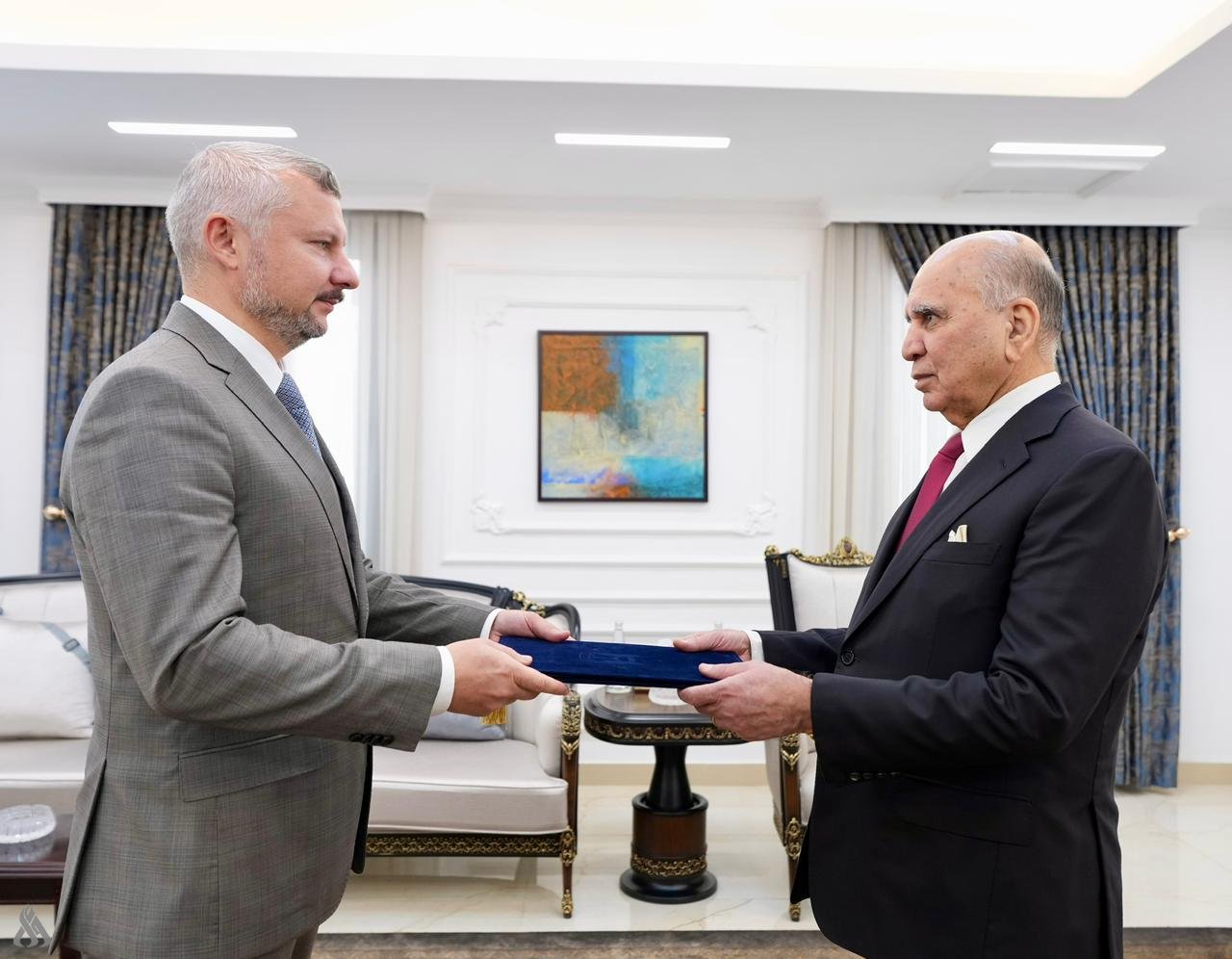
The minister also received a copy of French Ambassador Alexandre Garcia’s credentials on 10 September.
The decree appointing the French ambassador was issued on 18 August, illustrating that an ambassador’s arrival and the submission of a copy of his credentials to the Foreign Ministry do not mean that the formal presentation of the original documents to the president has been completed.
The process involves both the Foreign Ministry and the presidency, each of which has a role in coordinating the final steps.
In remarks to the press on 1 November, lawmaker Evan Faeq, a member of Parliament’s Foreign Relations Committee, said that the dispute between the KDP and the PUK has spilled over into foreign relations and diplomatic protocol.
She warned that allowing partisan positions to dictate these procedures could plunge Iraq into a crisis with the countries concerned.
Faeq added that the committee had sent a letter to the foreign minister seeking an explanation for his failure to attend the ambassadors’ credential presentation ceremonies but had received no response. It had also contacted the prime minister and was awaiting his intervention.
The Iraqi lawmaker said the continued delay in accrediting foreign representatives “damages Iraq’s relations and puts its institutions in an embarrassing position,” stressing that the matter could not be left unresolved.
According to Faeq, the foreign minister has proposed sending his deputy to attend the ceremonies in his place, while the presidency rejects this arrangement and insists that the minister attend in person as long as he remains in office and continues to perform his duties.
She noted that some ambassadors have been waiting at the al-Rasheed Hotel and are seeking a solution that would allow them to complete the accreditation process and formally begin their assignments.
She stressed that the foreign minister “represents all of Iraq, not just the Kurdistan Democratic Party,” arguing that disputes between the two parties over the regional government and other issues do not justify bringing their rivalry into federal institutions.
As a result, a diplomatic ceremony intended to formalize Iraq’s relations with other countries has become entangled in a domestic political dispute.
A Dispute Over Protocol
The disagreement, meanwhile, stems from differing interpretations of the procedures governing the ceremonies.
Reports indicate that the process begins with ambassadors submitting copies of their credentials to the Foreign Ministry.
The protocol departments at the ministry and the presidency then coordinate a date for presenting the original documents to the president, making the two stages procedurally distinct.
Protocol Regulation No. 4 of 2016 governs these steps. Article 25 sets out the procedure for receiving an ambassador and submitting copies of his credentials to the foreign minister, followed by coordination with the presidency.
Article 26, however, stipulates that the minister must attend the ceremony at which the credentials are presented, as well as the handshake and meeting that follow. The presidency cites this provision to justify its insistence on the minister’s personal attendance.
Wafa Mohammed, a KDP member, offered a different interpretation, arguing that the approved and signed documents, along with the procedures completed by the Foreign Ministry, are what matter.
He maintained that the minister’s deputy or another designated official could represent the ministry at the ceremonies.
Mohammed acknowledged that the dispute between the KDP and the PUK, along with the rivalry between Fuad Hussein and Nizar Amedi over the presidency, had negatively affected official relations.
However, he rejected the idea that the minister’s personal attendance was a nonnegotiable requirement.
He argued that the presidency’s insistence on his presence has taken on a personal dimension and was intended, in his assessment, to embarrass Hussein.
The tensions date back to the presidential election session on 11 April, when Amedi, the PUK’s candidate, faced Hussein, the KDP’s nominee.
Amedi received 208 votes in the first round, compared with 16 for Hussein, before winning the second round with 227 votes.
Diplomatic Risks
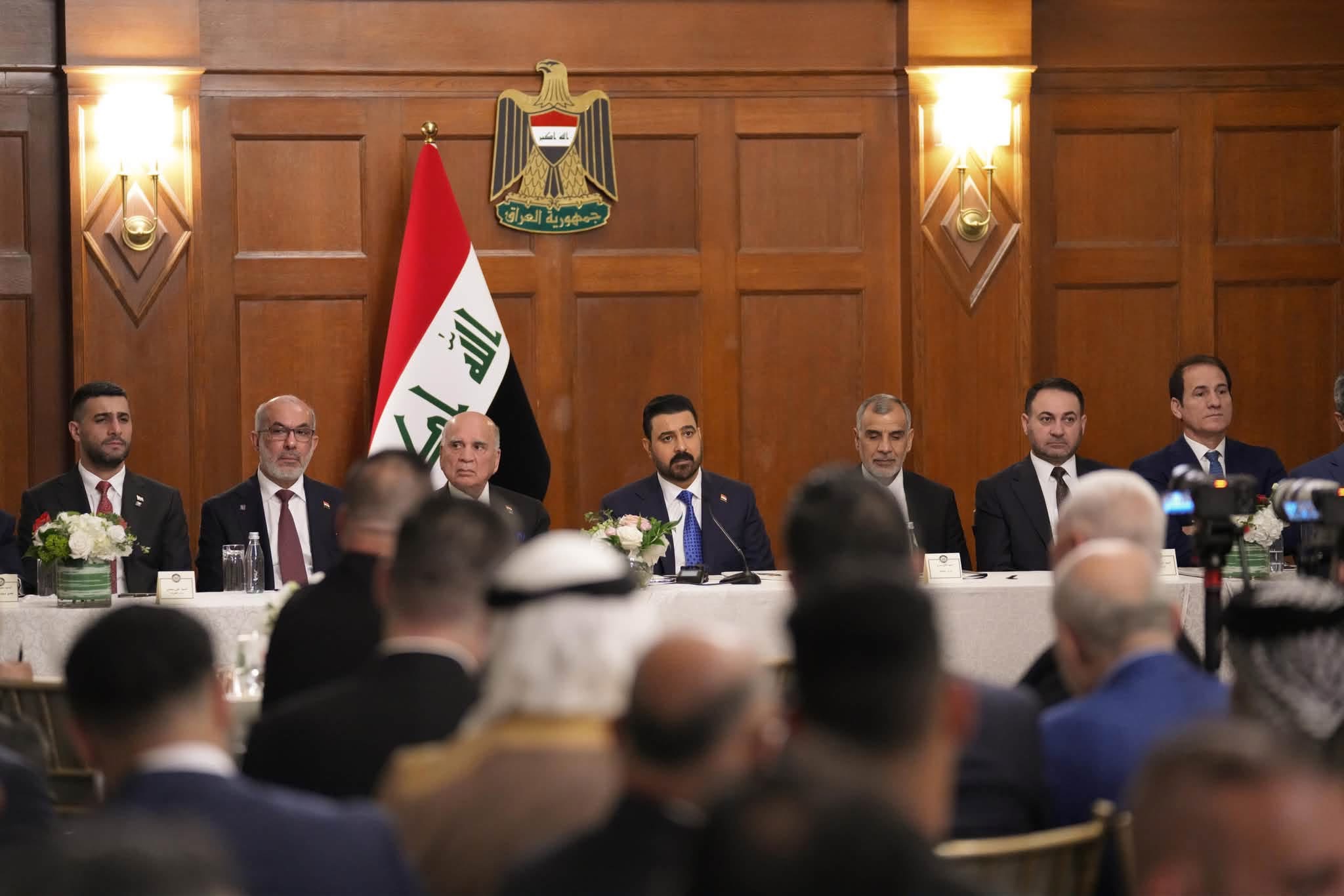
Following Amedi’s election, the KDP, led by Masoud Barzani, announced that it would not recognize him as president of the Republic of Iraq.
Since then, the party has reportedly neither held a bilateral meeting with him nor attended a ceremony at which a foreign ambassador presented credentials, reinforcing the impression that the political rupture remains unresolved.
Ali al-Masari, a researcher specializing in Iraqi political affairs, linked the diplomatic impasse to longstanding disputes between the two parties.
He noted that the KDP had previously declared that it would not recognize Amedi as president, describing the disagreements between the two sides as futile and longstanding.
In remarks to Al-Estiklal, al-Masari explained that the KDP governs two provinces in the Kurdistan Region and holds the regional premiership, while the PUK controls Sulaymaniyah province.
Halabja was subsequently established as a second province to compensate the PUK in the distribution of official positions.
He added that the PUK wants a larger share of power in both the Kurdistan Regional Government and the federal government in Baghdad and feels that it has been unfairly treated.
Al-Masari argued that the tenure of former PUK leader Jalal Talabani was marked by greater restraint and political wisdom in handling disputes between Kurdish parties.
Talabani, he said, made active use of the powers of the Iraqi presidency, whereas the sense of marginalization that he sees today has become more pronounced under the leadership of Talabani’s son, Bafel.
Political analyst Issam al-Faili, meanwhile, said the situation exposed a dysfunction in the performance of state institutions that could damage Iraq’s image.
Political or personal disputes, he stressed, should not take precedence over official responsibilities toward foreign representatives.
In remarks to the Iraqi newspaper al-Aalem al-Jadeed on 1 November, al-Faili emphasized the need to distinguish between approving an ambassador’s nomination, which takes place before the envoy arrives in the host country, and completing the accreditation process after arrival.
The political analyst called for clarification on whether the delay was indeed the result of political disagreements or whether other reasons or reservations had yet to be made public.
Al-Faili proposed that Parliament’s Foreign Relations Committee summon the foreign minister and question him directly about the reasons for the delay.
He also called for the issue to be addressed at the highest levels, with political leaders affiliated with both sides brought into the discussions if the party dispute is confirmed as the cause.
He said the prolonged wait could not be treated as routine, warning that ambassadors regularly report on conditions in their host countries to their respective capitals.
Leaving their accreditation pending, he added, raises questions about which institution is obstructing their formal reception: the presidency or the Foreign Ministry.
Al-Faili concluded that such signals do little to serve Iraq’s image as it seeks to strengthen its international relations and build the confidence of other countries.
The potential consequences, observers warn, include undermining the 10 countries’ confidence in Iraqi institutions’ ability to coordinate their work and delaying the ambassadors’ assumption of their official duties.
Containing the crisis, they argue, will depend on intervention by the prime minister, parliamentary scrutiny, and keeping partisan disputes separate from the responsibilities of the state.
Continued mutual accusations could turn the accreditation process into a test of Baghdad’s ability to safeguard its foreign relations, end the diplomats’ wait, and protect Iraq’s international standing.
Sources
- KDP Rejects Amedi’s Election as Iraq’s President [Arabic]
- An Extended Stay at the al-Rasheed Hotel: 10 Ambassadors Caught in a Protocol Dispute Between Amedi and Hussein [Arabic]
- Source to Jareda: Fuad Hussein Upset With Iraq’s President as 9 Ambassadors Wait at al-Rasheed Hotel for Credentials to Be Approved [Arabic]