Tribes Caught Between Repression and Eroding Interests: A Tough Test for Houthi Influence in Yemen
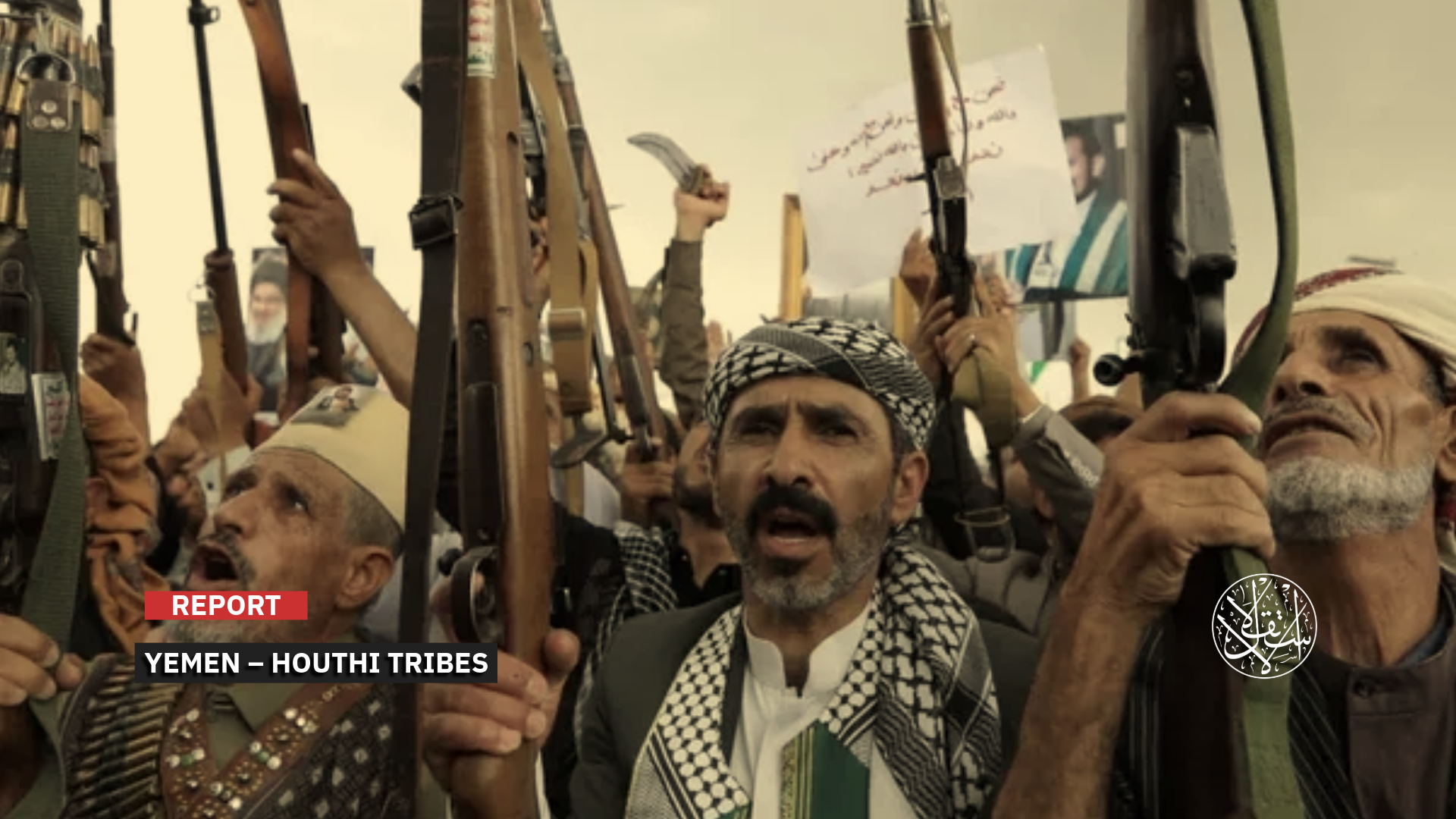
The group is not currently seeking to contain discontent so much as resorting to repression and liquidation.
The Houthi group’s influence in Yemen faces a growing internal test, with signs that the tribal alliances that were a cornerstone of its expansion and control are losing cohesion. These signs coincide with shrinking resources, widening grievances, and mounting objections to levies and exclusion.
A study by researcher Michael Horton, issued by the Combating Terrorism Center at the U.S. Military Academy at West Point and published in the journal CTC Sentinel in March 2026, finds that the group is struggling to maintain a network of interests it wove through intermarriage, privileges, posts, and economic influence.
Eroding Benefits
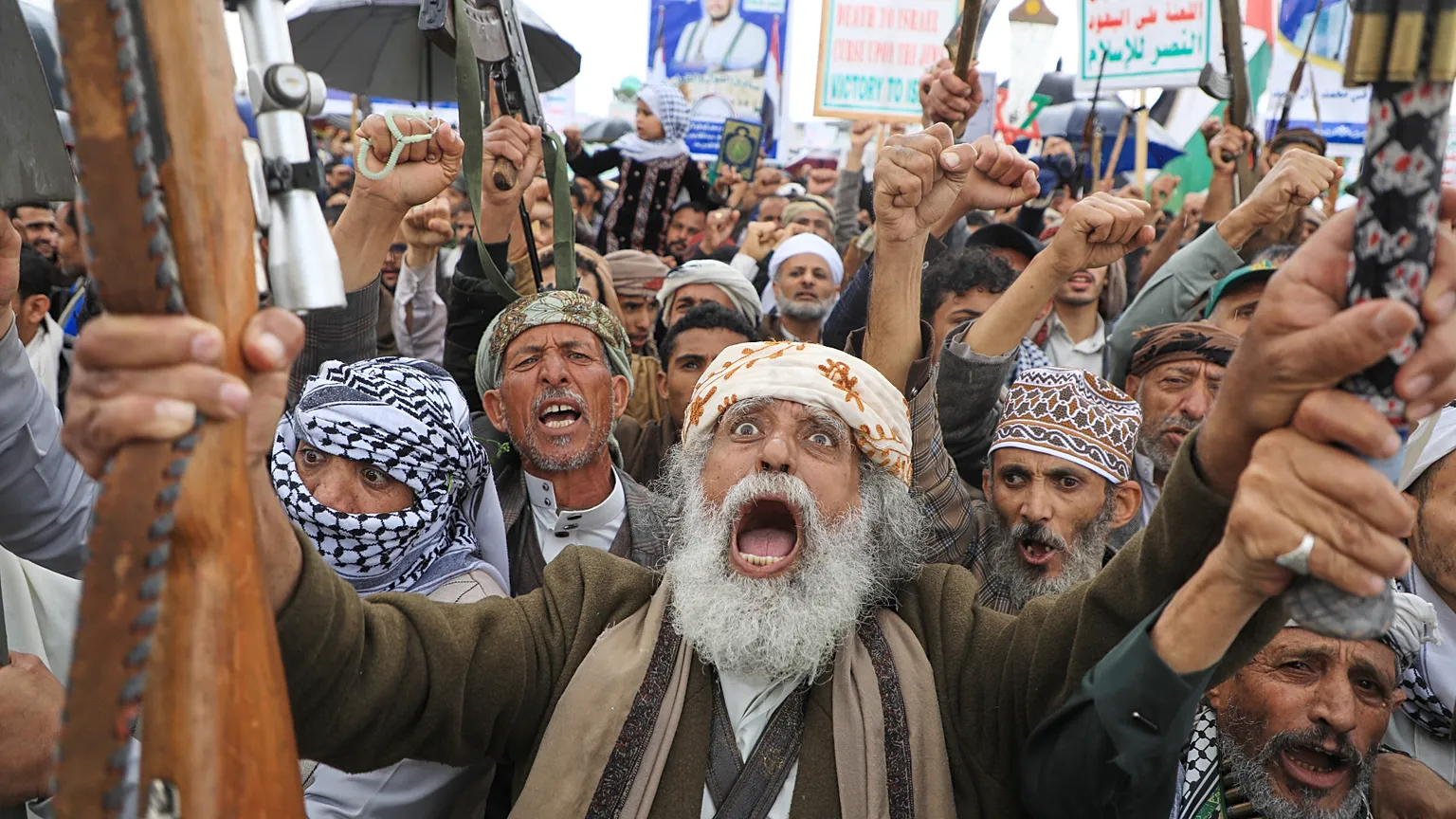
The Houthi group did not build its tribal alliances on ideological affinity alone. It relied on a network of social relations, intermarriage, mediation, and financial benefits. It also drew on the ties built since the 1980s and 1990s by Badr al-Din al-Houthi, the father of the movement’s founder, before those ties expanded during the six Saada wars that began in 2004.
After seizing Sanaa in September 2014, the group shifted from an armed movement resting on tribal alliances to an authority seeking to reshape centers of influence and subordinate them to its leadership.
The killing of former President Ali Abdullah Saleh in December 2017 marked a turning point that reinforced this course and pushed sheikhs aside.
According to the study, the Houthis set about replacing tribal notables with loyalists and imposing a network of supervisors who became an authority parallel to the traditional sheikhs.
The relationship with the tribes was thus no longer governed by social alliances alone; it became tied to supervisory posts and to security, military and economic influence.
Yemeni researcher Abdulbari Allaw, in a piece published by Belqees Net on November 4, argues that tribal relations in Yemen have historically been tied to interests, with loyalties shifting according to the balance of power and money.
He cites accounts of sheikhs who split their roles among competing sides and shared out the money they received from different parties.
In his view, this means that the decline of alliances does not automatically push allies into the enemy camp. Some relationships were founded on an exchange of benefits, and the parties’ positions may change when privileges shrink or when a side emerges that can offer more resources and influence. Interests, as he puts it, therefore appear to be the decisive factor in whether loyalty holds or shifts.
Horton’s study ranks shrinking financial resources among the main reasons the tribal network of interests is being shaken. It points to the strikes on ports, airports and infrastructure, U.S. sanctions and anti-smuggling efforts. It says that fees on imports and revenue from the sale of fuel products may account for half of the group’s income.
The study also reports that oil imports reaching the group’s ports have fallen to about half of previous levels. This puts the Houthis’ spending power under greater pressure, especially since funding allies and distributing benefits require a steady flow of resources, while revenues may no longer be enough to sustain previous levels of spending.
As resources have shrunk, the group has expanded levies and confiscations and imposed protection payments on companies and well-off families. The effects of these measures are not limited to economic activity.
They widen the circle of those harmed and fuel objections to the group’s rule, weakening the interest-based foundation of some alliances.
Mounting Discontent
The signs of erosion go beyond the decline in money. The study describes a gap between leaders who have amassed wealth and influence through the war economy and fighters and tribal bases who have borne the burden of the fighting without a comparable share of the privileges. This disparity gives economic grievances a broader social and tribal dimension.
In this context, Yemeni writer and political analyst Abdulbaqi Shamsan said that the Houthis’ tribal alliances rested on the group’s skill at managing conflicts between tribes and exploiting some tribes’ sense of injustice and exclusion.
He explained that the Houthis intervened on the side of whichever party felt wronged, which allowed them to weaken their rivals and expand their own influence.
Speaking to Al-Estiklal, Shamsan said that some tribal components and parts of the network of interests have begun to realize they were used and exploited.
A small group seized the money, power and benefits, while the rest of the parties allied with the group, including the ideological militias, were subjugated by force.
Shamsan added that there is a struggle over interests within this network and a hidden tendency toward rebellion, which he expects to grow as developments unfold on the battlefield.
He said the Houthis put pressure on the tribes, throw their sons into the fighting and send them to the front lines, while these components receive nothing commensurate with their burdens.
The study notes that the group is trying to compensate for shrinking economic benefits by tightening its security grip, drawing on intelligence about the tribes, their disputes and their interests.
These tools, however, have not prevented objections from emerging in Nihm, Bani Dhabyan and Arhab, alongside growing discontent in parts of Tihama.
Another set of grievances relates to identity and belonging. The study documents objections to lineage-based privileges and the marginalization of communities.
It also points to attempts to impose loyalty to the group over tribal and national affiliations through school curricula, mobilization courses, and student activities, adding non-financial reasons for resentment.
The evidence suggests that shrinking benefits and widening grievances could create an environment ripe for tribal defections. Shamsan says the signs of division and conflicting interests are there, but they will not surface clearly at this stage while security pressure continues.
Shamsan invokes the popular saying, “A handspan with the state is better than an arm’s length with the tribe,” arguing that tribes lean toward the state when they find it strong and able to provide protection.
By this assessment, discontent alone is not enough to change loyalties unless it is accompanied by a shift in the balance of power and the presence of a party able to protect defectors.
The Battlefield Bet
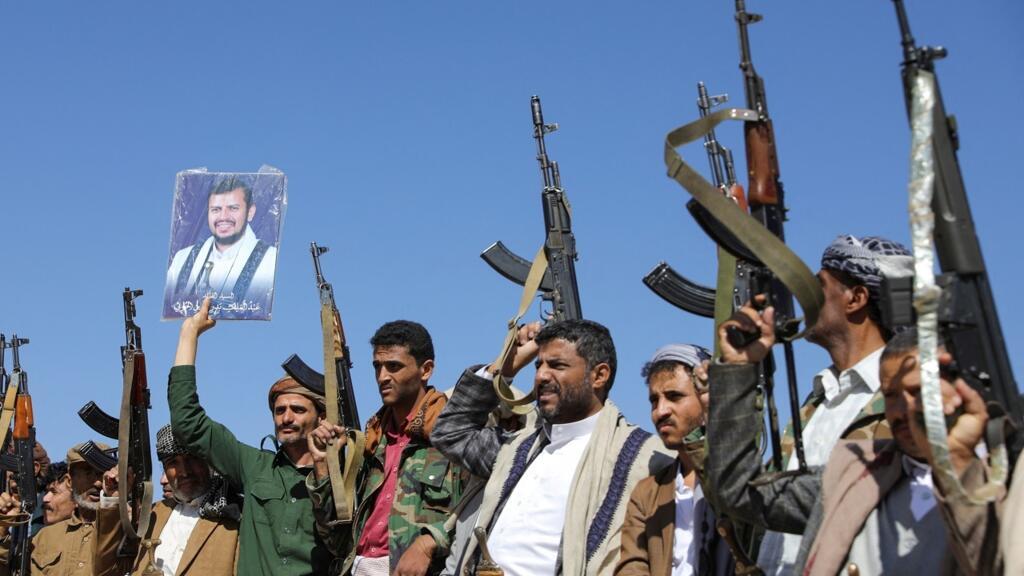
Shamsan links the turning of tribal objections into tangible shifts to the national army’s advance on the ground, not merely to widening grievances. He said that an advance toward Sanaa, or the full liberation of Taiz and the movement of forces toward Ibb and Al-Bayda, in parallel with the Hodeidah fronts, could strengthen the state’s presence and encourage those who have been harmed to change their positions.
He added that the presence of political and military leaders inside the country is important, and that recovering territory and institutions could encourage tribes and aggrieved groups to join the government and declare their support.
He tied the recapture of Sanaa and a push toward Saada to simultaneous advances on the fronts and outreach to sheikhly groups.
This bet draws on experience. Shamsan said that tribes that tried to rebel against the Houthis were crushed and brutally punished by the ideological forces. He distinguished between the militias that led the advance in battles and the ideological ones, which he described as more professionally trained and requiring fierce battles to confront.
The Yemeni government’s ability to exploit these cracks thus appears to depend on offering a real alternative, not merely on waiting for Houthi influence to decline.
The study warns that the government’s ability to win the tribes’ trust is limited by division, corruption, and weak resources, factors that could give the group a chance to contain the discontent.
On external support, the study points to continuing supply and outside support networks. However, it does not detail the extent of any decline in Iranian support or its direct effect on funding tribal allies. It therefore cannot be said with certainty that shrinking support caused the defections, even though the resource issue remains one of the pressures.
On oil and customs revenue, the study offers clearer indicators. It estimates that fees on imports and the sale of fuel products make up as much as half of the group’s income, while oil imports to its ports have fallen by about half. This may limit its ability to distribute benefits and fund its networks of interests.
Declining revenue does not automatically mean the system of loyalties will unravel, however. According to the study, the group has security agencies, military capabilities and a decentralized leadership structure, along with supply and outside support networks. Intelligence and the use of force also give it tools to stop discontent from turning into an organized rebellion.
Shamsan warns that the group is not currently moving to contain discontent so much as resorting to repression, liquidation, subjugation, the use of force, and intimidation.
He notes that this approach is building up resentment and creating further grounds for protest and rebellion in the future, but he does not set a date or an inevitable path for the tensions to explode.
Shamsan concluded that potential shifts could go beyond the tribes to include a popular uprising in Sanaa, Ibb and Dhamar if conditions on the ground change. But he tied that to a shift in the balance of power.
The study, meanwhile, stresses that the group retains military and security tools that make it impossible to treat the cracks as evidence of imminent collapse.