4,000 Pregnancy Losses in Six Months: What Has ‘Israel’ Done to the Health of Women in Gaza?
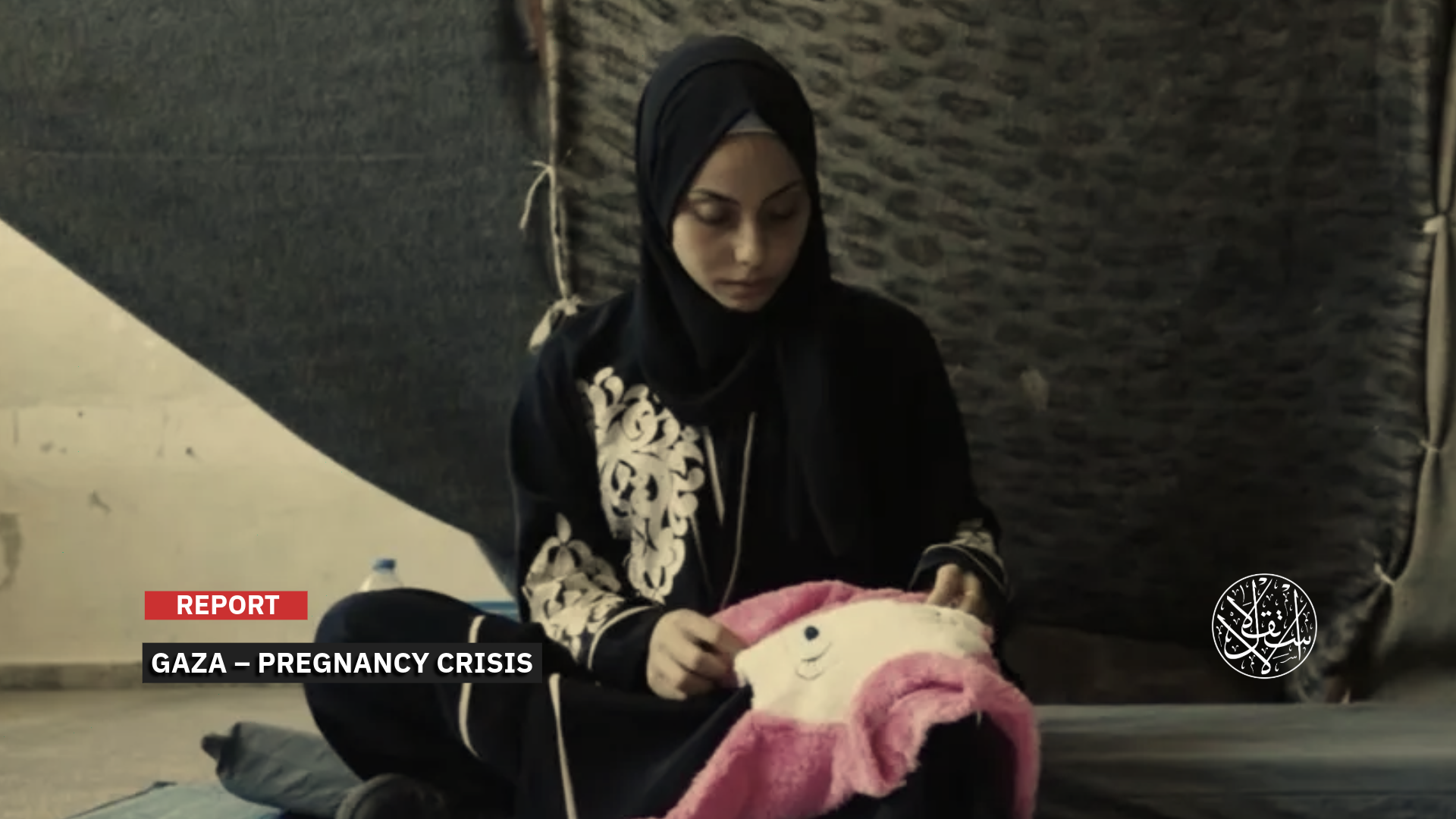
“Pregnant and breastfeeding women are among the groups most affected by a lack of dietary diversity.”
Israeli aggression has turned pregnancy in the Gaza Strip into an experience fraught with risks from its earliest weeks, as famine, anemia, infections, displacement, and psychological distress intersect with a healthcare system that has lost much of its capacity for monitoring, treatment, and rapid intervention.
The result is reflected in rising cases of miscarriage, an increase in high-risk pregnancies and complications during childbirth, and more babies being born prematurely or with low birth weights.
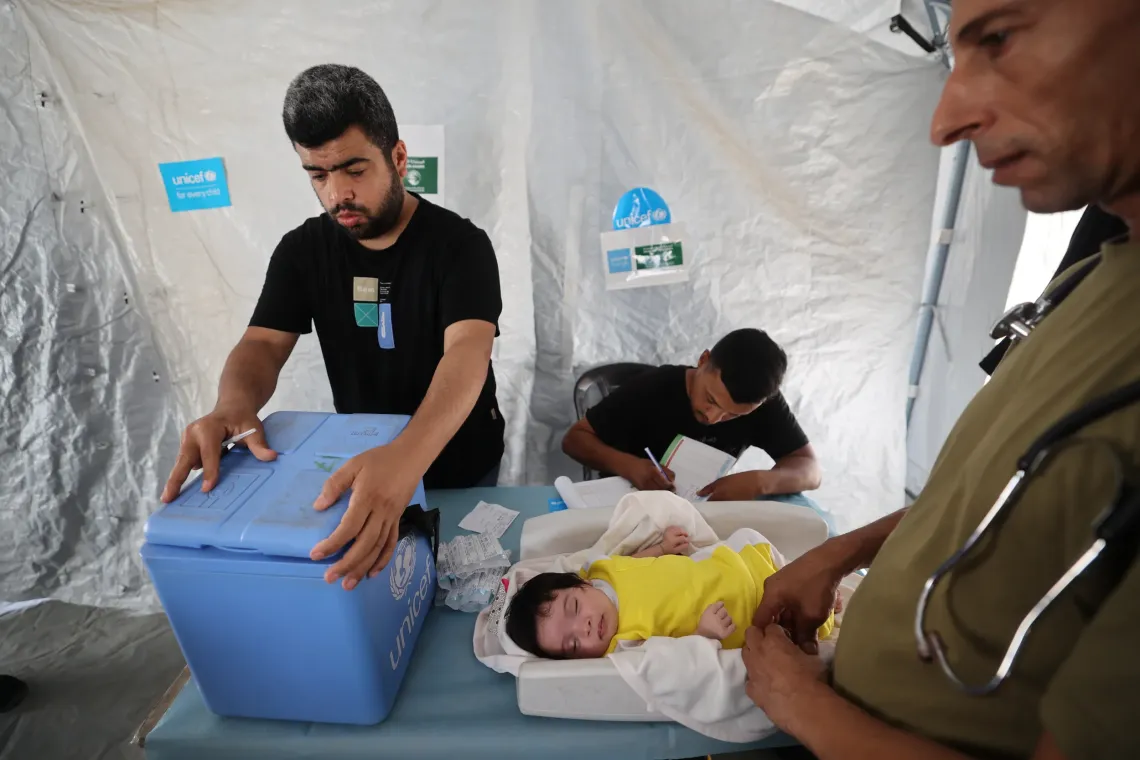
Why Have Miscarriages Increased?
Between January and June 2026, the number of spontaneous miscarriages reached approximately 3,950, according to Gaza’s Ministry of Health, at a rate of 208.5 cases per 1,000 live births, about 3.3 times the rate recorded during the second half of 2025. Nearly 74 percent of the cases occurred during the first trimester.
One of the most serious pressures on pregnancy begins with food shortages. In July 2026, around 1.4 million people, 67 percent of the population of the Gaza Strip, were living in Phase 3 or higher of acute food insecurity, including 212,000 people in the Emergency phase.
Pregnant and breastfeeding women remained among the groups most affected by the lack of dietary diversity, protein, and fresh produce. The effects were reflected in the prevalence of anemia among 57.1 percent of them.
A large population-based Chinese study published in the journal Public Health Nutrition in March 2020, involving approximately 3.97 million women, found that severe anemia before pregnancy was associated with a roughly 52 percent higher likelihood of spontaneous miscarriage, with the level of risk varying according to health status.
Hunger is compounded by the deterioration of water and sanitation conditions and the spread of infectious diseases in Gaza.
UNICEF recorded the continued prevalence of acute watery and bloody diarrhea, jaundice syndromes, and other water-related diseases in 2026, amid damaged networks and widespread accumulation of waste and rubble.
Diarrhea, fever, dehydration, infections, and impaired nutrient absorption add to the health burden on pregnant women, particularly when they are already suffering from anemia or malnutrition.
Displacement has also shifted the burdens of daily life onto pregnant women themselves. Pregnant women, like thousands of displaced people, walk long distances to obtain food and water, carry heavy supplies, live in tents for months, and repeatedly move between displacement sites.
Physical exhaustion is accompanied by persistent psychological distress caused by Israeli airstrikes, the loss of relatives and homes, displacement, and fear of being targeted.
A scientific review that combined findings from several studies and was published in the journal Scientific Reports found that exposure to psychological stress before and during pregnancy was associated with an overall approximately 42 percent higher risk of miscarriage.
Doctors Without Borders also recorded high numbers of miscarriages on May 7, 2026, at four facilities it operated or supported in Gaza, linking the increased risks to malnutrition, severe stress, displacement, and Israeli restrictions on food and healthcare.
Umm Ahmed Abu Youssef described to Al-Estiklal some of the circumstances surrounding the pregnancies of many women in the Gaza Strip.
She said, “I found out I was pregnant while we were living in a tent after being displaced. The food I needed was not available every day, and sometimes the meal we received from the community kitchen was all we had until the next day.”
“I would go to fetch water and come back carrying a heavy container. As the pregnancy progressed, walking became more difficult, but life in the tent did not allow me to stop doing these things,” she continued.
Abu Youssef went on to say, “I would see a doctor whenever I could reach one. Then I started feeling increasingly exhausted and began bleeding. I spent days in fear amid the bombardment and moving from one place to another. When the bleeding became heavier, I reached Nasser Hospital, in the central Gaza Strip, exhausted.”
She explained that doctors told her that the pregnancy had ended, adding that “then, after treatment, I returned to the same tent, where food, water, and rest remained things I had to search for every day.”
The United Nations Population Fund (UNFPA) and its health partners are working to study the risk factors associated with the reported increase, as well as gaps in services and barriers to accessing care.
Dr. Muneer al-Boursh, Director General of Gaza’s Ministry of Health, called for a specialized epidemiological study to determine the respective contribution of hunger, anemia, infections, displacement, and psychological stress to the increase in cases.
Current data, however, show that the rise occurred in an environment where multiple factors known medically to be associated with adverse pregnancy outcomes converged.
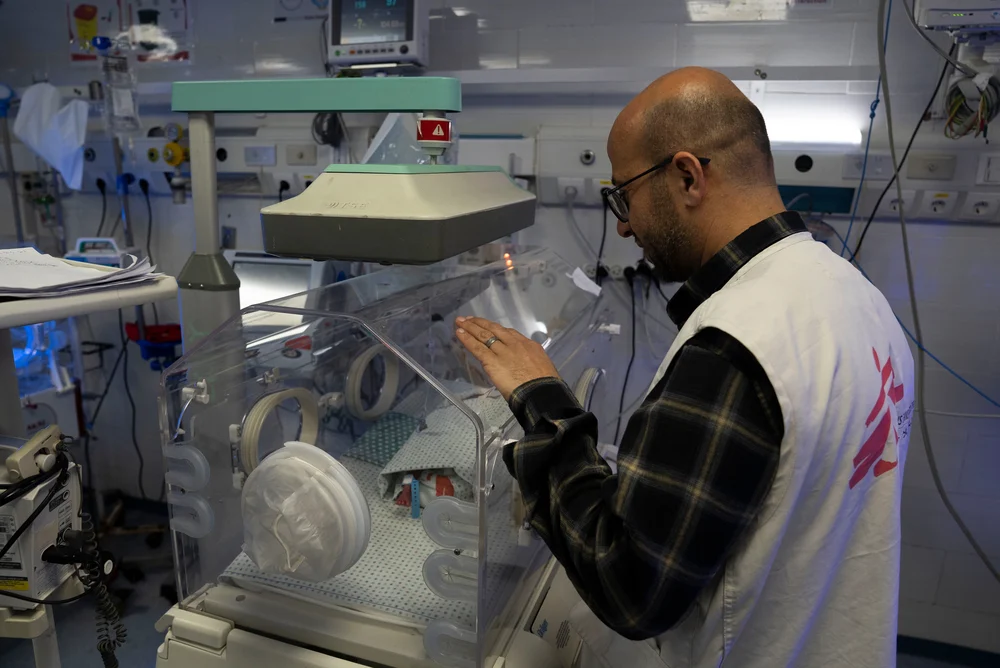
What Remains of Healthcare?
Large numbers of pregnant women entered the period already requiring intensive monitoring. On April 16, 2026, the UNFPA, the UN agency responsible for sexual and reproductive health, said that one in three pregnancies in Gaza was classified as high-risk.
This occurred within a deteriorating healthcare system. Hospitals across the Gaza Strip were operating only partially, while more than half of essential medicines were unavailable.
Meanwhile, women with high blood pressure, gestational diabetes, and anemia required regular examinations, monitoring, and treatment to prevent their pregnancies from deteriorating into medical emergencies.
On June 19, the UN Office for the Coordination of Humanitarian Affairs (OCHA) counted 17 hospitals providing some level of emergency obstetric care, 238 primary healthcare centers or medical points, and 10 mobile units.
However, the capacity of each facility remained dependent on the availability of doctors, laboratories, medicines, blood, operating rooms, neonatal units, and fuel.
By mid-July, northern Gaza still had no maternity hospital. Cases of women giving birth inside ambulances and at primary healthcare facilities were reported.
Humanitarian organizations expanded mobile clinics to provide pregnancy checkups, ultrasound examinations, iron and folic acid supplements, and some medications.
The impact of this deterioration can be seen in the types of cases reaching hospitals. During the first half of 2026, there were approximately 82 cases of severe maternal health complications per 1,000 births, while cesarean sections accounted for 49.2 percent of all births, a large proportion of them performed as emergency procedures on women who arrived in critical condition.
Bleeding, hypertensive disorders, and infections accounted for 92 percent of severe cases, complications that require rapid intervention and access to blood, fluids, medications, diagnostic tests, and surgery when necessary.
Al Jazeera English documented the case of Sarah Al-Awad in a field report. She was eight months pregnant when the Tal al-Hawa neighborhood in Gaza came under heavy bombardment. She said the explosions caused her severe fear, followed by heavy bleeding and partial placental separation.
An ambulance was unable to reach her for hours, so her brother took her to Al-Quds Hospital in a wheelchair, where doctors decided to perform an emergency cesarean section.
Her baby, Mohammed, was born weighing 1.1 kilograms and was placed in an incubator. Israeli bombardment around the hospital then prevented him from staying with his family, and he remained there for 37 days before being reunited with his mother.
Dr. Yasser Saed al-Din, head of the maternity department at al-Awda Hospital in Nuseirat, in central Gaza, said the hospital had witnessed a significant increase in cases of pregnancy loss, linking them to hunger, poor hygiene, environmental contamination, continued displacement, and the blockade.
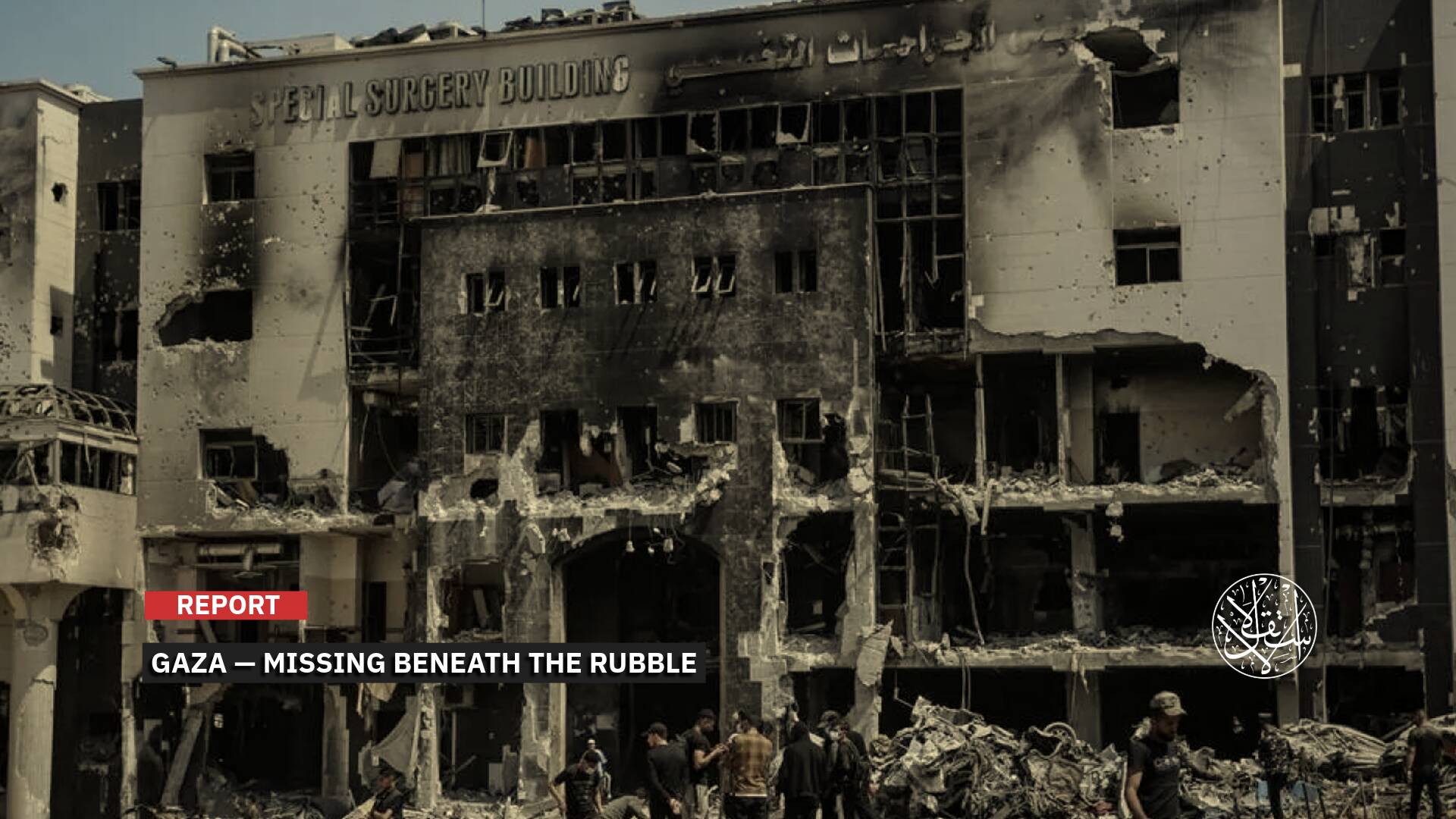
These cases have occurred within a healthcare system that, since October 2023, has been subjected to continued Israeli attacks on hospitals, ambulances, and medical personnel, alongside restrictions on the entry of fuel, medicines, and medical equipment.
The destruction and disruption of healthcare facilities have reduced hospitals’ ability to provide the care women need within minutes or hours in cases of bleeding, pre-eclampsia, and premature labor.
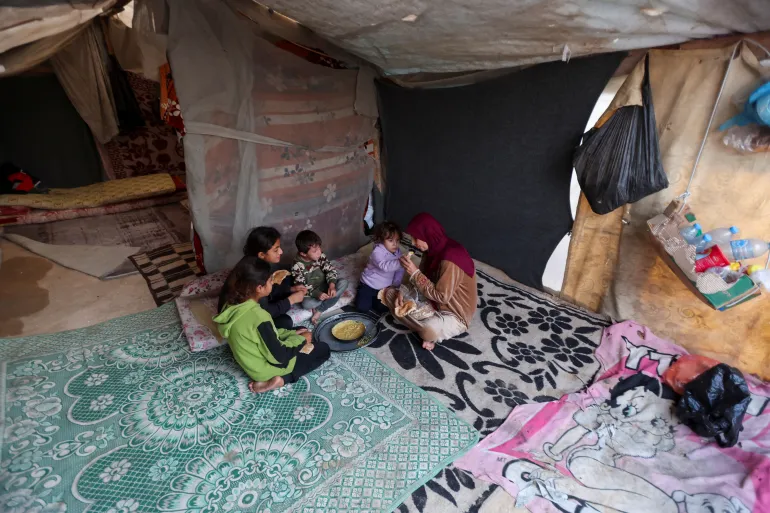
What Has the Aggression Left Behind?
The crisis has also affected the number of births themselves. OCHA data showed a 3.2 percent decline in births during the first half of 2026 compared with the same period in 2025, with larger monthly declines recorded since April.
This trend reflects the combined effects of pregnancy loss, delayed childbearing, displacement, and changes in access to healthcare facilities, at a time when recorded cases of miscarriage have increased, and the nutritional and health conditions surrounding pregnancy have deteriorated.
Among babies who do reach birth, there are growing indications of prematurity and low birth weight.
According to Ministry of Health data, the proportion of newborns weighing less than 2.5 kilograms rose from around 5 percent in 2022 to 10 percent in the first half of 2025.
In March 2026, UN agencies reported that 70 percent of babies born in Gaza were born prematurely or with low birth weight, while one-third of pregnancies were classified as high-risk.
Doctors Without Borders provided a more detailed picture of the relationship between maternal malnutrition and newborn health.
It analyzed data from 201 mothers whose babies were receiving treatment in neonatal intensive care units at Nasser Hospital, in central Gaza, and Al-Hilal Hospital in the north of the Gaza Strip, between June 2025 and January 2026.
More than half of the mothers had experienced malnutrition at some point during pregnancy, while one-quarter were still malnourished at the time of delivery.
Among babies born to malnourished mothers, 90 percent were born prematurely, and 84 percent had low birth weight.
Neonatal mortality among their babies was also twice the rate recorded among babies whose mothers had not experienced malnutrition at the time of delivery, highlighting the scale of the risk among the most vulnerable cases.
The pressure on newborns increased as hospitals struggled with limited capacity. By late 2025, neonatal units in some locations were operating at 170 percent of their capacity, and some facilities were forced to place more than one baby in a single incubator.
Between July and September 2025, the average number of babies dying on their first day after birth rose from 27 per month in 2022 to 47, an increase of 75 percent, according to Ministry of Health data.
The risks continue after discharge from hospital. A nutrition survey in June 2026 found that 70 percent of infants and children under two were experiencing moderate or severe food poverty.
UN agencies estimated that around 74,000 children would need treatment for acute malnutrition over the following year if fragile nutritional and health conditions persisted.
Between October 2024 and December 2025, Doctors Without Borders recorded 513 infants under six months of age entering nutritional treatment programs at its al-Mawasi and al-Attar clinics in Khan Younis.
Of these, 91 percent were at risk of impaired growth and development, while interruptions to treatment for some were linked to displacement and insecurity.
Women also continue to bear the consequences of these conditions after pregnancy and childbirth, particularly those who have experienced bleeding, infection, severe high blood pressure, or emergency cesarean sections.
They require treatment for anemia, blood pressure monitoring, recovery from surgery, and monitoring for infections, within a healthcare system that continues to operate under severe strain.
Sources
- Humanitarian Situation Report | 23 July 2026
- Holding on to Life: Restoring Essential Sexual and Reproductive Health Care in Gaza
- Gaza Mobile Clinics Offer Lifesaving Care Where Most Health Services Remain Unavailable
- Starving for a Solution: Gaza’s Man-Made Malnutrition Crisis
- ‘The Dream I Carried Is Gone’: Miscarriages Rise Amid Trauma of Gaza’s War
- Preconception Hb Concentration With Risk of Spontaneous Abortion: A Population-Based Cohort Study in Over 3.9 Million Women Across Rural China
- Statement for Regional Director, WHO Eastern Mediterranean Region: Health Conditions in the Occupied Palestinian Territory, Including East Jerusalem