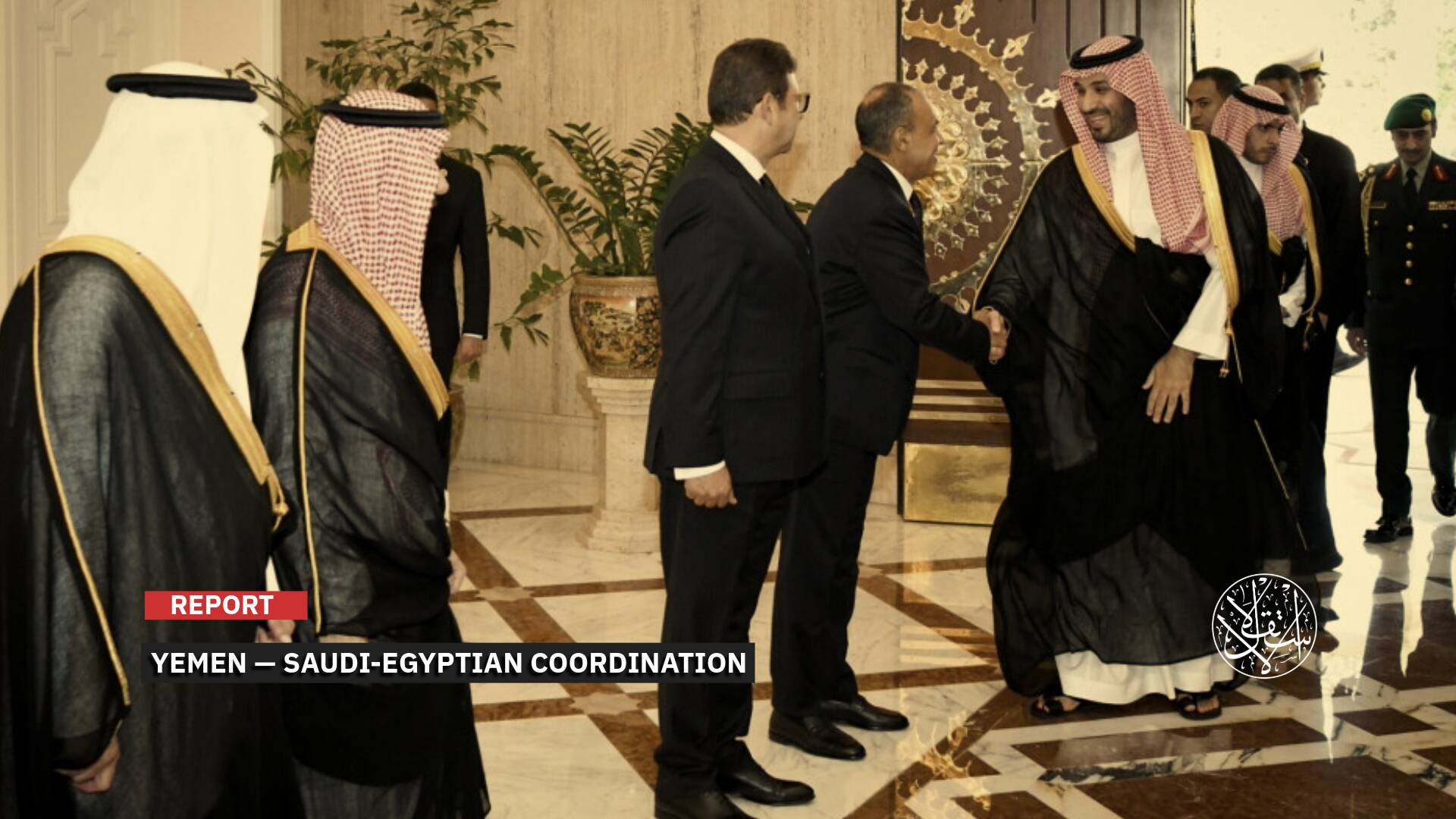
Enrichment or Normalization? How Trump Is Redrawing the Equation for Saudi Arabia’s Nuclear Program
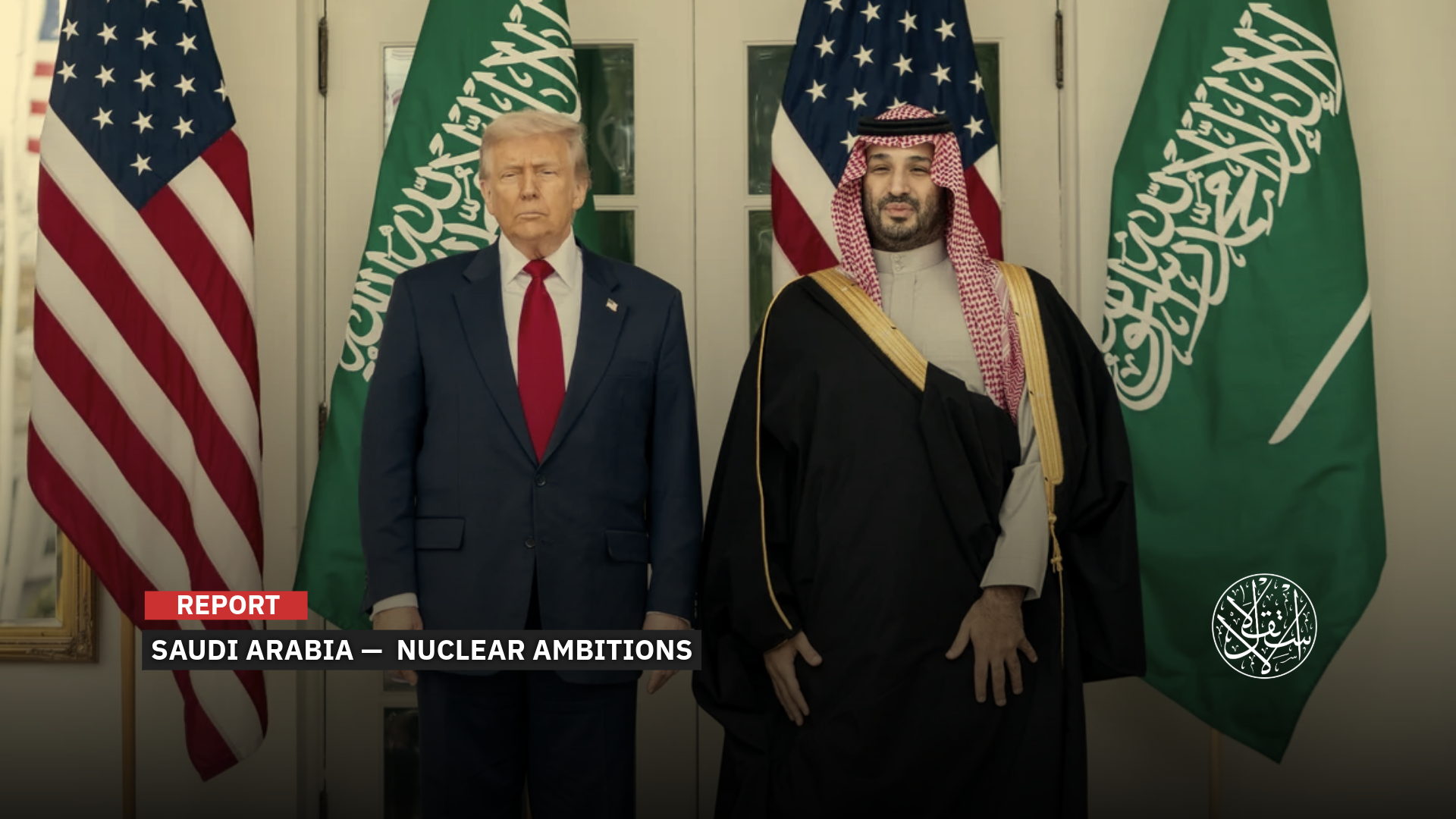
Immediate action is needed to stop this plan before it ever sees the light of day.
Trump’s approval of a 30-year civilian nuclear agreement with Saudi Arabia, one that would allow the Kingdom to enrich uranium on its own soil without linking the deal to normalization with “Israel”, according to reports in the U.S. press, followed by his reversal just hours later and his decision to make normalization a condition, has raised questions about what prompted the shift.
Official U.S. sources told The New York Times and The Wall Street Journal on July 22, 2026, that the initial version of the agreement did not include the so-called "gold standard," which prohibits uranium enrichment and the reprocessing of spent nuclear fuel, effectively granting Saudi Arabia the right to enrich uranium.
The sources also said that the original agreement did not make uranium enrichment contingent on normalization with “Israel”, as had been required by former President Joe Biden’s administration.
Nor did it include the International Atomic Energy Agency’s (IAEA) Additional Protocol, which provides for enhanced monitoring and surprise inspections, thereby exempting the Kingdom from the obligations associated with that protocol.
However, only hours after “Israel” voiced concern over the details of the U.S.-Saudi civilian nuclear agreement, particularly the provision allowing uranium enrichment inside Saudi Arabia, and criticized the fact that the deal was not tied to normalization with “Israel”, Trump reversed his position.
Trump introduced a new condition for approving the agreement, turning it into a political bargaining chip by linking it to Saudi Arabia’s accession to the Abraham Accords and normalization with “Israel”.
According to The Washington Post on July 23, the move left the nuclear agreement with Saudi Arabia "hanging in the balance."
“Israel” welcomed the shift. Prime Minister Benjamin Netanyahu praised Trump's new condition, based on the formula of "uranium enrichment in exchange for normalization," claiming that Saudi Arabia’s accession to the Abraham Accords would represent "a historic leap forward for peace in the Middle East."
Saudi Arabia has not commented on Trump's new condition. However, its previously stated position, which Riyadh has not indicated it has changed, is that normalization with “Israel” remains conditional on the establishment of an independent Palestinian state in accordance with the Arab Peace Initiative, a condition that the current Israeli government rejects.

The Initial Agreement
The Trump administration has disclosed few details about the contents of the agreement. However, three people familiar with the matter told The New York Times on July 22, 2026, that it was designed with safeguards to prevent Saudi Arabia from enriching nuclear fuel to weapons-grade levels.
They said the agreement exempts Saudi Arabia from the stringent international inspections required under nuclear reactor agreements with other countries, including the United Arab Emirates. Instead, sensitive inspections would be conducted by U.S. teams in accordance with the terms of the agreement.
Immediately after the agreement was signed, experts and analysts viewed Trump's approval of a 30-year civilian nuclear cooperation agreement with Saudi Arabia, allowing the Kingdom to enrich uranium on its own territory, as a departure from longstanding U.S. policy governing civilian nuclear cooperation.
The New York Times also revealed the political and strategic concessions the Trump administration made to secure the agreement, including significant concessions to Crown Prince Mohammed bin Salman.
The agreement is widely seen as a Saudi success in securing Trump's approval for uranium enrichment on Saudi soil, rather than merely importing enriched uranium, as is the case with other Arab civilian nuclear programs, albeit under U.S. oversight as part of the 30-year civilian nuclear agreement.
The newspaper reported that the agreement does not include the so-called "gold standard," which prohibits uranium enrichment and the reprocessing of spent nuclear fuel. Nor does it include the International Atomic Energy Agency's (IAEA) Additional Protocol, which grants the agency expanded monitoring powers, including the authority to conduct surprise inspections.
The administration's statement also did not clarify whether the agreement prohibits Saudi Arabia from enriching uranium or reprocessing spent nuclear fuel, nor did it indicate whether the Kingdom's nuclear program would be subject to the Additional Protocol, which provides the IAEA with broader international inspection powers.
The New York Times further disclosed that the agreement includes two secret side letters between the United States and Saudi Arabia.
According to the report, the U.S. administration intends to persuade Congress not to publish these letters on the grounds that they contain proprietary commercial information and material related to national security.
The report added that the agreement is also financially motivated, as it is expected to generate billions of dollars for the U.S. nuclear industry, with Westinghouse positioned to be the primary beneficiary as the leading candidate to build Saudi Arabia's nuclear reactors.
Reuters, citing two sources familiar with the matter, reported that the agreement omits the "gold standard," thereby creating a legal framework for nuclear fuel cycle cooperation with Riyadh without requiring Washington to transfer uranium enrichment technology to Saudi Arabia or expanding international inspection authorities through the IAEA Additional Protocol.
The omission of these two provisions raised concerns in “Israel” and prompted questions about the consistency of U.S. policy.
Washington had partly justified its military campaign against Iran earlier that year by citing Tehran's refusal to abandon its uranium enrichment program.
Some Western analysts argued that Trump adopted a more permissive approach toward Saudi Arabia because of concerns over Iran, which Western governments accuse of enriching uranium and potentially pursuing a future nuclear weapons capability.
Saudi Crown Prince Mohammed bin Salman has previously stated that the Kingdom would seek to acquire a nuclear weapon if Iran were to develop one.
At the same time, The Wall Street Journal reported on July 22, 2026, that any Saudi uranium enrichment facility would operate under a "black box" system.
Under this arrangement, sensitive enrichment technology would not be transferred to Saudi Arabia but would remain under U.S. control.
The model would give Washington the ability to prevent enriched uranium from being diverted to a military program while also preventing the reprocessing of spent fuel to produce plutonium for nuclear weapons.
Sensitive inspections would be carried out by U.S. teams under the terms of the agreement, whose initial framework was reached during Crown Prince Mohammed bin Salman's visit to Washington in November 2025.
The newspaper also revealed an important provision that had not previously been widely known: if, after completing its review, the United States objects to the construction of a Saudi enrichment facility, Saudi Arabia would be prohibited for 10 years from pursuing an enrichment project either independently or with any other foreign partner.
The report quoted Trump administration officials as saying that separate U.S. monitoring arrangements would be sufficient to oversee facilities built by the United States.
Critics, however, argue that such measures would be insufficient to detect any nuclear activities conducted outside U.S.-built sites.
Normalization Before Uranium Enrichment
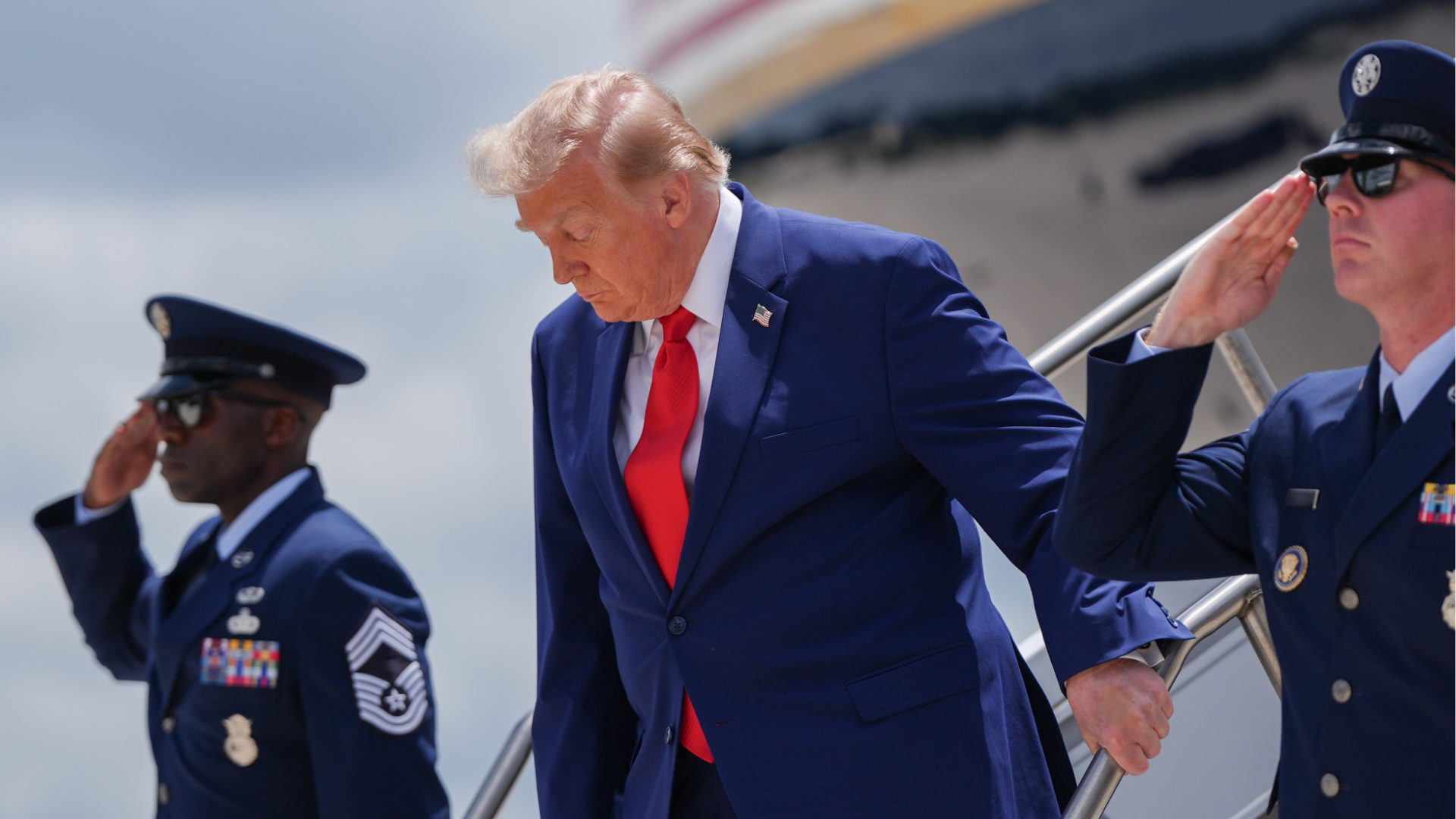
After the original agreement was announced and faced strong criticism from “Israel”, President Trump said on July 23 that "Saudi Arabia will need to normalize relations with Israel in order to obtain the U.S. nuclear technology it has long sought." He thereby added a new condition that could bring an end to a deal that had been signed just one day earlier.
In a social media post, Trump said that the nuclear agreement, which faced strong opposition from “Israel” and other countries concerned about nuclear proliferation, was "entirely conditional" on Saudi Arabia joining the Abraham Accords.
This marked the latest sudden shift in White House policy, which had faced significant political opposition to moving forward with the agreement with Saudi Arabia from “Israel”, the “pro-Israel” lobby in the United States, and within Trump’s own administration.
White House Press Secretary Karoline Leavitt said, hours after Trump’s post, in response to reporters’ questions, "If the Saudis do not join the Abraham Accords, the deal will end," meaning that the nuclear energy agreement would be cancelled.
When Leavitt was asked why this condition had not been included in the deal when it was announced, she said that Trump is "always the ultimate dealmaker," without explaining how the Trump administration would amend a legally binding agreement that had already been signed with the Saudi government.
The Washington Post described, on July 23, Trump’s new condition, "normalization in exchange for enrichment," imposed one day after the agreement was signed, as having "effectively blown up the deal."
The newspaper confirmed that the Saudi nuclear agreement was "hanging in the balance" after Trump added a new condition requiring Saudi Arabia to normalize relations with “Israel”.
It reported that the president’s assertion that there would be no uranium enrichment as part of the agreement contradicted the accounts of people familiar with the details of the deal, most of which remain classified. The new condition imposed by Trump could derail the agreement before it even begins.
The newspaper described Trump’s move as "another example of the president’s unpredictable approach to policymaking."
The White House and Saudi Arabia have not released the text of the nuclear cooperation agreement, known as a "123 Agreement," along with what the Trump administration described as a "bilateral safeguards agreement," signed by U.S. Energy Secretary Chris Wright and Saudi Energy Minister Abdulaziz bin Salman.
The term "123 Agreement" refers to Section 123 of the U.S. Atomic Energy Act of 1954, which governs how the U.S. government and American companies may cooperate with countries, including Saudi Arabia, to develop civilian nuclear industries.
The agreement, which allows Saudi Arabia to build nuclear power plants using U.S. technology, potentially paving the way for a Saudi uranium enrichment program, has sparked significant controversy in Congress.
“Pro-Israel” lawmakers argued that allowing more countries to develop uranium enrichment capabilities could lead to a greater number of states acquiring nuclear weapons.
Lawmakers warned that the agreement "could trigger an arms race in the Middle East," although they did not explicitly state that their concern was preventing any Arab country from challenging “Israel’s” nuclear dominance in the region.
They argued, as Senator Chris Murphy did, that the agreement could push Iran closer to acquiring a nuclear weapon, according to Politico on July 22, 2026.
They also argued, as Republican Senator John Barrasso, a member of the Senate Foreign Relations Committee, claimed, that the agreement could undermine U.S. efforts to persuade Iran to accept a "zero enrichment" principle for uranium. They warned that it could open the door for Tehran and other countries to demand similar enrichment rights.
Derailing the Agreement
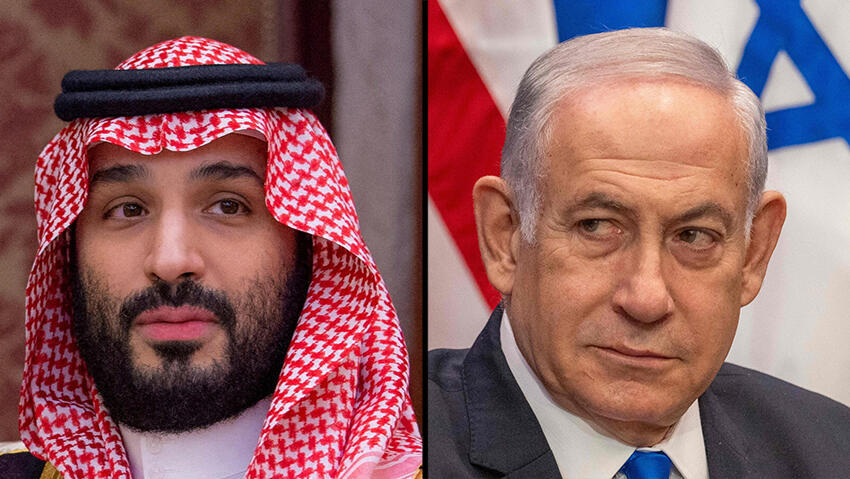
Immediately after the signing of the Saudi-U.S. agreement, Israeli political and media circles began highlighting its potential risks to “Israel”, calling for efforts to block it.
They summarized their concerns as granting Saudi Arabia the right to uranium enrichment, while also failing to make the agreement conditional on normalization with “Israel”.
Israeli concerns do not stem solely from granting Saudi Arabia the right to enrich uranium on its own territory, or from viewing it as a U.S. reward granted without a reciprocal concession, namely normalization with “Israel”.
They also stem from the possibility that the agreement could set a precedent encouraging other countries to establish enrichment facilities on their own soil, including Turkiye, Egypt, the United Arab Emirates, and Iran.
Researcher at the Institute for National Security Studies, Yoel Guzansky, wrote a warning on Israel’s Channel 12 website on July 22, 2026, that "moving forward with such an agreement would place “Israel” before a complex strategic dilemma and leave it in an extremely dangerous position without gaining any tangible diplomatic benefit in return, such as normalization with an Arab state, which is the most important objective."
He described the agreement as a "serious diplomatic failure for Israel" because "Saudi Arabia would obtain what it wants from Washington in the field of civilian nuclear energy, including the future possibility of enriching uranium on its territory, without needing to normalize relations with Israel."
He said, "Instead of nuclear capability being used as an American leverage tool to advance normalization, it has become an independent gift to Riyadh, as part of Washington’s efforts to advance its economic and industrial interests, prevent Russia and China from entering the Saudi nuclear market, and without achieving any political gains for Israel."
He warned that allowing Saudi Arabia to enrich uranium would encourage countries such as Egypt, Turkiye, and the UAE to demand similar rights and pursue enrichment on their own territories.
The model, he argued, would not remain exclusive to Saudi Arabia, and Iran would use the decision as evidence that Washington does not oppose uranium enrichment itself.
An Israeli source described as familiar with U.S.-Saudi contacts over several years said, "This is not good news for Israel, even if they announce the normalization of relations between Israel and Saudi Arabia on this occasion," according to reports quoting the source.
Haaretz reported on July 23, 2026, citing Israeli officials, that "the concern is that the agreement could encourage other countries in the region to enrich uranium on their territories, such as Turkiye, Egypt, the UAE, and Iran."
The Israeli sources also said there was "a major concern over the possibility of a future coup or change of government in Saudi Arabia, which could transfer the technological capability to parties seeking to use it without oversight and without a monitoring system."
Following the potential U.S. approval of a Saudi civilian nuclear energy project, former Defense Minister and leader of the Yisrael Beiteinu party, Avigdor Lieberman, called on Israel to take urgent action to stop the plan before it comes into existence.
In comments to “Israel’s” public radio in 2026, he claimed that the nuclear agreement between Washington and Riyadh "would ultimately lead to the Saudis acquiring a nuclear weapon."
Former Israeli Prime Minister Naftali Bennett also criticized the agreement, describing it as "a serious strategic failure that threatens Israel’s national security."
Since Saudi Arabia announced in 2014 its intention to build four nuclear reactors, Israeli concerns have continued and intensified following reports that Trump would allow Saudi Arabia to enrich uranium.
This came despite Israeli expert Arik Greenstein writing earlier in the Israeli magazine Mida on September 3, 2014, questioning, implicitly, the source of “Tel Aviv’s” concerns, arguing that "years of hostility between Saudi Arabia and Israel have ended," according to his assessment.
These concerns resurfaced and became more vocal when U.S. Energy Secretary Chris Wright announced from Riyadh on April 13, 2025, that the United States would cooperate with Saudi Arabia on its nuclear program and was even considering allowing it to "enrich uranium."
If the agreement is delayed during congressional review or cannot be implemented, Riyadh has alternatives among countries and companies that have expressed interest in participating in its nuclear program.
Reports indicated that the state-owned China National Nuclear Corporation submitted an offer in 2023 to build a nuclear power plant in Saudi Arabia.
The Russian state-owned nuclear company Rosatom, which built Egypt’s nuclear power plant, has also signed preliminary cooperation agreements with Riyadh.
South Korea, which built nuclear reactors in the UAE, is considered one of the leading potential competitors, alongside France.
The eventual choice of partner is likely to depend on the type of technology offered, financing terms, geopolitical alignment, as well as restrictions related to nuclear fuel management, enrichment, and reprocessing.

Why Is Saudi Arabia Pursuing Nuclear Power?
Saudi Arabia, as the world’s largest oil exporter, does not need to rely on nuclear energy. However, it is seeking to reduce domestic oil consumption and lower carbon emissions as part of its economic Vision 2030 plan led by Crown Prince Mohammed bin Salman.
According to Western estimates, nuclear power generation would help meet part of the energy needs of highly energy-intensive sectors, such as water desalination and air conditioning. This would allow the Kingdom to allocate larger quantities of crude oil for export and increase its revenues.
However, Saudi Arabia has previously indicated that its nuclear ambitions also serve as a deterrent against Iran. Crown Prince Mohammed bin Salman has stated that if Iran develops a nuclear weapon, Saudi Arabia would have to take the same step, a position aimed at increasing pressure on Tehran.
At the same time, this statement has raised concerns and fears in “Israel” and among Western capitals regarding Saudi Arabia’s nuclear ambitions.
Saudi Arabia also announced in January 2025 that it intended to enrich uranium and produce "yellowcake," a uranium concentrate that is later used in the production of nuclear fuel and could also form part of a nuclear fuel cycle with potential military applications.
In 2018, Saudi Crown Prince Mohammed bin Salman told CBS News that "if Iran developed a nuclear bomb, we will follow suit as soon as possible."
This position has sparked deep concerns among “Israel” and members of the U.S. Congress who have expressed reservations about a potential civilian nuclear agreement between the United States and Saudi Arabia.