From De-escalation to Escalation: Have Riyadh’s Calculations in Yemen Changed?
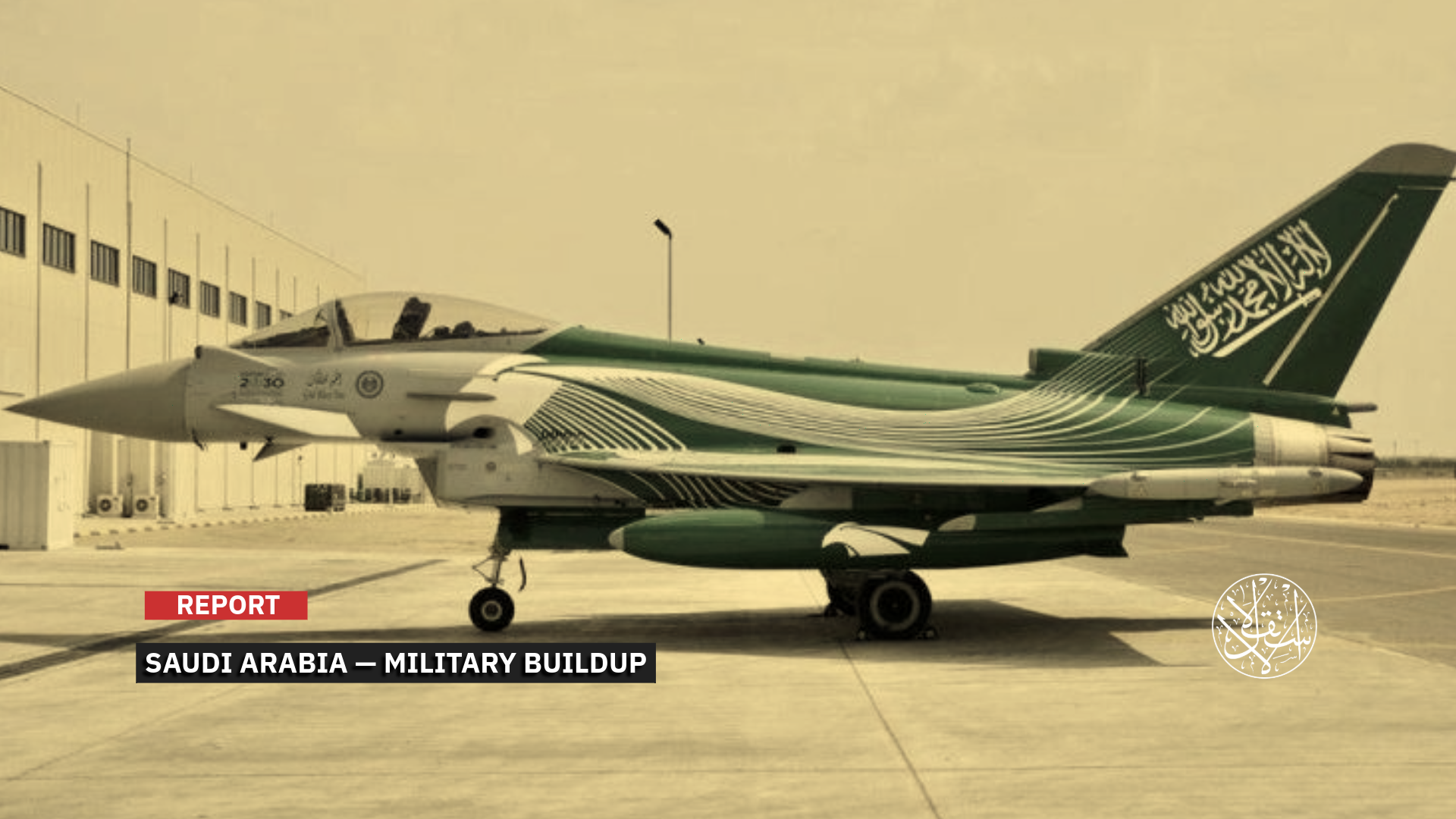
Western newspapers have reported that Saudi Arabia is preparing to launch a war against the Houthis.
After more than three years of de-escalation, questions have once again emerged over whether Saudi Arabia is nearing a resumption of its military intervention in Yemen.
This time, however, the regional circumstances are far more complex, making any decision to return to war fundamentally different from the initial phase of the intervention that followed the Houthi takeover in 2015.
These questions have been fueled by Western reports of Saudi preparations for a large-scale military operation against the Houthi movement, amid escalating attacks on Saudi territory and growing threats to maritime traffic in the Red Sea.
This has raised concerns that Riyadh may find itself compelled to enter a confrontation it has sought to avoid throughout the past several years.
Indicators of Escalation
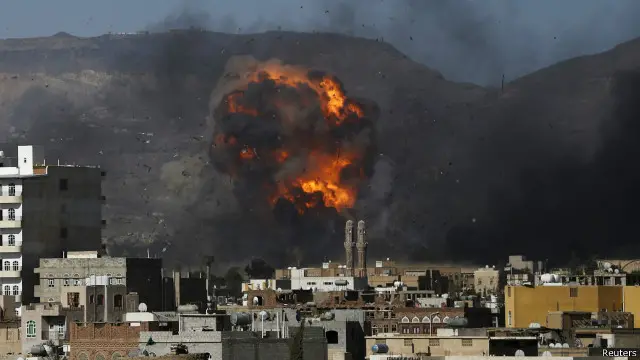
Against this backdrop, The Guardian quoted unnamed Saudi sources as saying that the kingdom is preparing for a ground operation in central Yemen, alongside naval operations targeting Houthi positions. This could mark the biggest shift in Saudi policy since the 2022 ceasefire agreement.
According to the newspaper’s report, published on July 31, 2026, the objective is to end the pressure exerted by the Houthis on Saudi ports.
Movements by Saudi forces and redeployments in some areas of eastern Yemen have also been observed, which were seen as indications of preparations for a new military phase.
The newspaper reported that Riyadh is simultaneously working to establish a multinational naval coalition to secure maritime traffic in the Red Sea and the Bab al-Mandab Strait, following an escalation in Houthi attacks on vessels linked to the kingdom.
On July 30, the Saudi Ministry of Defense announced that 14 countries, including Turkiye, Pakistan, Egypt, Sudan, and Djibouti, had issued a joint statement supporting the creation of the naval coalition.
In a statement issued by the Ministry of Defense, the kingdom also called on the United States, Germany, France, the United Kingdom, and Italy to participate in efforts to protect maritime navigation in the Red Sea.
These developments coincided with reports of mutual military buildups involving the Houthis and Saudi-backed Yemeni government forces, as well as the resumption of Saudi airstrikes on Houthi positions for the first time in years.
A day earlier, CNN presented a different picture of the situation, estimating that Saudi Arabia had spent the previous months trying to avoid being drawn into a regional war while maintaining channels of communication with Iran, despite attacks on its oil facilities by drones and missiles.
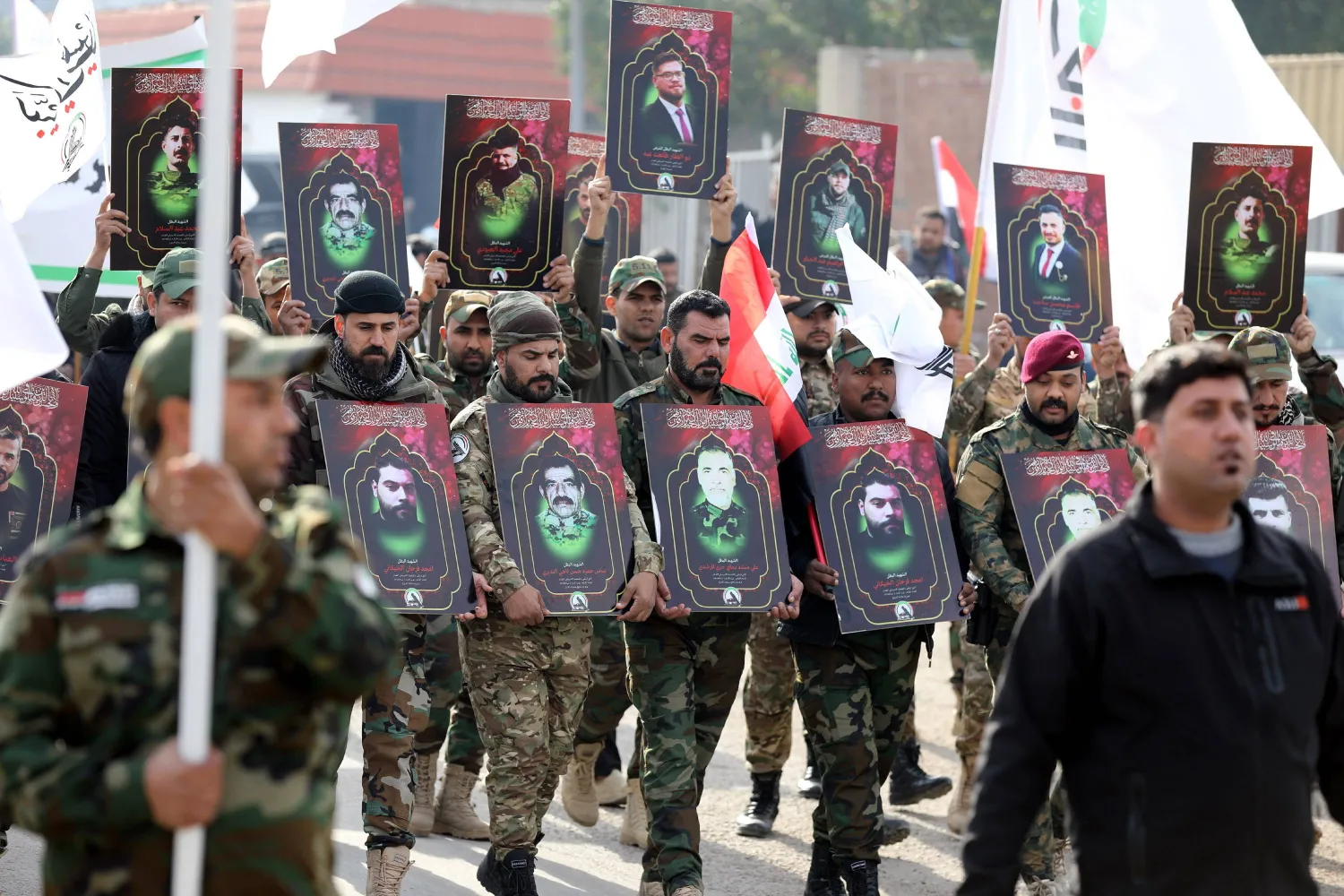
However, the U.S. network said the equation had changed, with the kingdom now facing simultaneous threats on three fronts: Iran directly, its allied militias in Iraq, and the Houthi movement in Yemen.
The report cited missile and drone attacks targeting Saudi Arabia on July 27 and 28, along with repeated threats from Iran, making a policy of restraint more difficult than ever.
Although Saudi aircraft joined the United States in strikes targeting sites inside Iraq on July 29, the report warned that becoming embroiled in a full-scale regional war could undermine the kingdom’s economic priorities, which center on attracting investment and implementing projects under Vision 2030.
Inevitable Intervention
In light of these developments, observers believe that Saudi Arabia no longer views the Houthis solely as a Yemeni crisis, but rather as part of Iran’s network of influence in the region, particularly following the regional shifts that have taken place since the outbreak of the U.S. war on Iran on February 28.
In this context, Yemeni political analyst Abdulbaqi Shamsan said that all regional and military indicators point to an impending battle aimed at ending Houthi control in Yemen. However, he ruled out the possibility that this would be a direct confrontation between Saudi Arabia and the group.
Speaking to Al-Estiklal, Shamsan said Riyadh had sought in recent years to separate the Yemeni issue from the broader regional conflict.
However, recent developments have confirmed the Houthis’ connection to Iran’s regional strategy, with their military and political decisions increasingly linked to the course of the confrontation between Tehran and its adversaries.
He added that the latest war involving Iran, “Israel”, and the United States, along with the developments in Lebanon, had reshaped the regional balance of power and given the Houthis a greater role as one of Iran’s most prominent proxies and an increasingly significant threat to international maritime navigation.
He said the Gulf states had avoided direct involvement in the confrontation to prevent repercussions for shipping through the Red Sea and the Strait of Hormuz and the Bab al-Mandab Strait.
However, current indicators suggest that Saudi Arabia is moving toward supporting a military operation led by Yemen’s internationally recognized government and its forces, while providing logistical and political support within the framework of the coalition backing the legitimate government.
He noted that this approach would ease international pressure and criticism related to human rights, as it would frame the confrontation as one between the Yemeni government and the Houthis, while Riyadh’s role would be limited to providing support, alongside international efforts to protect maritime navigation in the Red Sea.
Based on this, the Yemeni expert predicted that Yemen could witness a large-scale battle in the coming period, but one fought by Yemeni forces with Saudi support, rather than through a direct war between the kingdom and the Houthi movement.
Despite the growing military indicators, the decision to engage in a broad confrontation remains constrained by complex political and regional calculations. Riyadh is attempting to balance its need to halt Houthi attacks with its desire to avoid being drawn into a wider regional war.
As attacks on Saudi territory and threats to maritime navigation in the Red Sea continue, the kingdom’s room for maneuver could gradually narrow, potentially pushing it to adopt an option it has sought to avoid for years: supporting a large-scale military operation led by Yemeni government forces.
In this context, Shamsan said the kingdom would be keen to ensure that the confrontation does not turn into a direct Saudi war, but rather remains a battle led by Yemeni government forces with support from the coalition. This would also shield Riyadh from accusations of committing violations and from bearing direct humanitarian and political consequences.
Green Light!
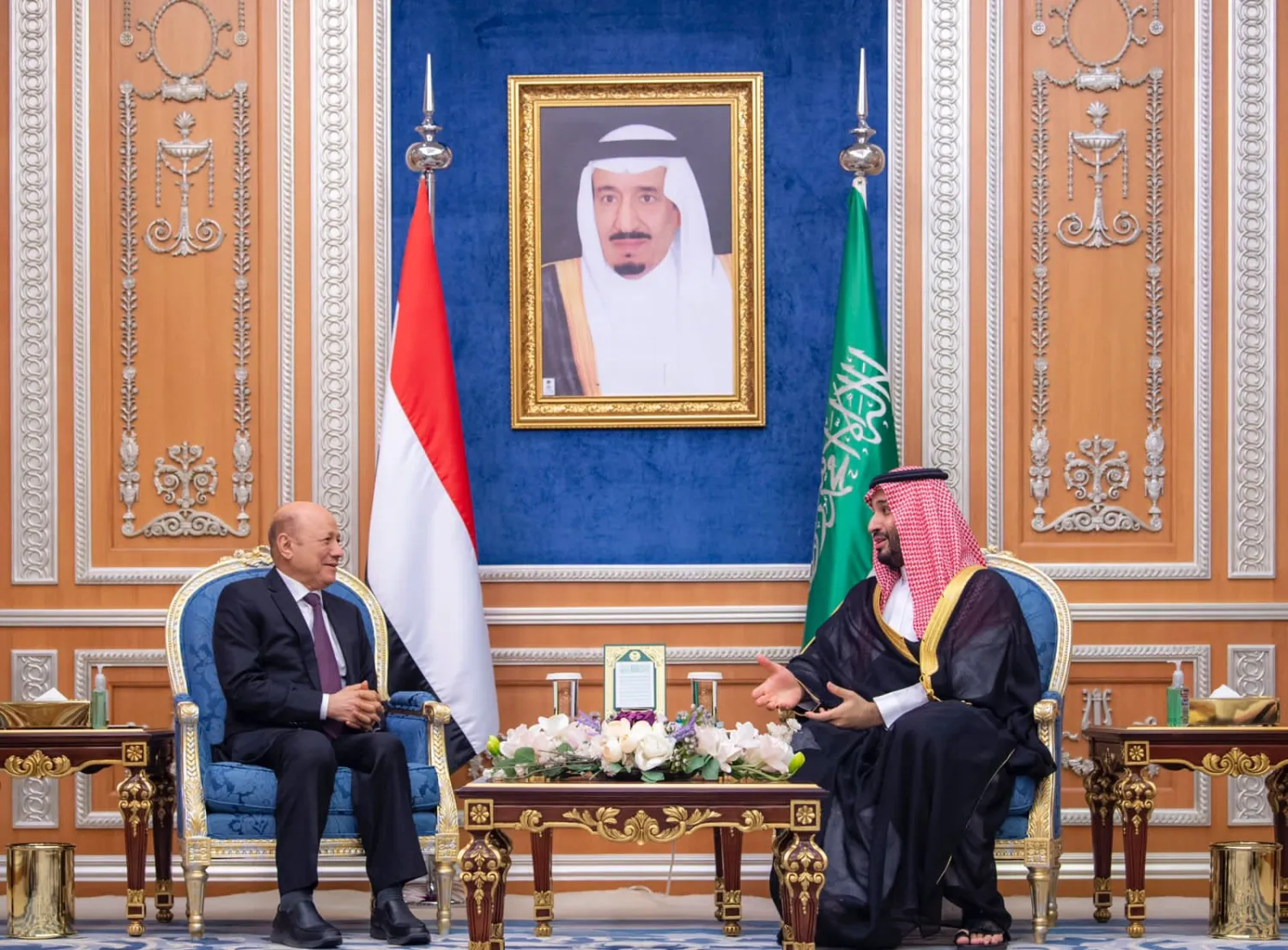
The discussion of Saudi preparations has not been detached from the U.S. position. A report published by Axios revealed that U.S. President Donald Trump had given Saudi Crown Prince Mohammed bin Salman the green light to launch a military operation against the Houthis.
The report, published by the outlet on July 13, said Trump’s decision came in response to a Saudi request for U.S. support in anticipation of a possible expansion of the conflict, amid Riyadh’s recognition that any new confrontation could require American military and diplomatic backing.
This comes as the United States continues its military campaign against Iranian targets, creating a new regional equation that could provide Riyadh with an opportunity to reopen the military option in an effort to alter the balance of the conflict in Yemen after more than a decade of war.
Against this backdrop, Yemen’s internationally recognized government intensified its military and political measures following the Iranian aircraft crisis.
The Presidential Leadership Council announced that it was raising the country’s level of military readiness to its highest level and taking the necessary military, political, and diplomatic measures to protect Yemeni sovereignty.
It also stressed that no foreign flights or aircraft would be allowed to operate to Yemeni airports without government approval.
On July 13, 2026, Yemen’s Ministry of Defense announced that it had targeted the runway at Sana’a International Airport to prevent an Iranian aircraft from landing.
Iran’s Fars news agency, meanwhile, reported that a Mahan Air aircraft carrying a Houthi delegation returning from Iran had diverted to Hodeidah Airport in western Yemen after Sana’a airport was targeted.
More than a decade after the launch of Operation Decisive Storm on March 26, 2015, with the stated aim of restoring the Yemeni state and ending the Houthi coup, the outcome of Saudi Arabia’s intervention appears far removed from the objectives Riyadh announced at the outset of the war.
When Saudi Arabia entered the conflict, despite the Houthis’ control of Sana’a, Yemen still retained unified state institutions, a single flag, a single army, and a single central bank.
Years of war, however, produced a far more complicated reality, characterized by multiple centers of influence, divided institutions, and the emergence of de facto authorities in different parts of the country.
Throughout the conflict, the Houthis consolidated their control over most of northern Yemen and strengthened their military capabilities with Iranian support, while the Southern Transitional Council expanded its influence across large parts of the south, advocating a secessionist project.
Tareq Saleh’s forces also emerged along the western coast as an influential independent military force, closer to the UAE’s sphere of influence.
This weakened the position of the internationally recognized government and produced a map of influence that went beyond the objectives announced by the coalition when it launched its operations.
At the same time, Riyadh’s bets on the local forces it supported failed to deliver the expected results. The Southern Transitional Council evolved into a force pursuing a project at odds with the goal of preserving Yemen’s unity, while the Houthis became the kingdom’s most prominent security threat, as their military arsenal expanded and Iranian influence grew along Saudi Arabia’s southern border. This has left Saudi policy facing challenges far more complex than those it confronted when the war began.
Saudi Calculations
In light of these developments, Saudi Arabia appears to be undertaking a comprehensive reassessment of its approach to the Yemeni issue, following the faltering of political settlement efforts, the Houthis’ rejection of peace initiatives, and their continued close ties to Iran.
This is prompting Riyadh to explore new options to regain the initiative, curb Iranian influence, and rebuild political and military balances more closely aligned with its security and strategic interests.
Nevertheless, any new military action would not be a repetition of the 2015 experience, as Yemen’s political and military environment today differs fundamentally from what it was more than a decade ago.
The kingdom now faces an extraordinarily complex Yemeni landscape, with centers of power divided among the Houthis, the internationally recognized government, the Southern Transitional Council, and Tareq Saleh’s forces, alongside an unprecedented overlap of regional and international interests.
Saudi calculations are also no longer limited to restoring Yemeni state institutions. They are now equally tied to national security priorities, protecting the kingdom’s southern border, securing maritime navigation in the Red Sea and the Bab al-Mandab Strait, and preventing Iran from entrenching its influence through the Houthis in close proximity to Saudi territory.
At the same time, Riyadh recognizes that a return to a large-scale military confrontation could carry a high political and economic cost, at a time when it continues to implement its development projects under Vision 2030 and seeks to strengthen its image as a regional hub for investment, tourism, and business. This makes the option of a direct war less attractive than it was in the past.
Therefore, based on the current indicators, the most likely scenario appears to be support for a military operation led by Yemeni government forces, with Saudi Arabia and its partners providing political cover as well as logistical and intelligence support, rather than the kingdom becoming directly involved in combat operations.
If this scenario materializes, the objective would not be limited to weakening the Houthis’ military capabilities. It would also involve reshaping the balance of power within Yemen, reducing Iranian influence, and securing international shipping lanes, goals that have become increasingly intertwined with broader regional security considerations.
Ultimately, Saudi Arabia faces an extremely complex equation. Continued Houthi attacks on its territory and threats to international maritime navigation are gradually narrowing its political room for maneuver, while becoming involved in another war carries risks that could extend beyond Yemen to the region as a whole.
Between these two options, the kingdom appears more inclined toward an approach centered on supporting its Yemeni allies in leading any future confrontation, while avoiding a return to the model of direct military intervention that characterized the early years of the war.
The aim would be to achieve its security and strategic objectives while minimizing the political, military, and economic costs as much as possible.