From “Iraq’s Caesar” to a Corpse in Beirut: What Happened to Ahmed al-Alwani?
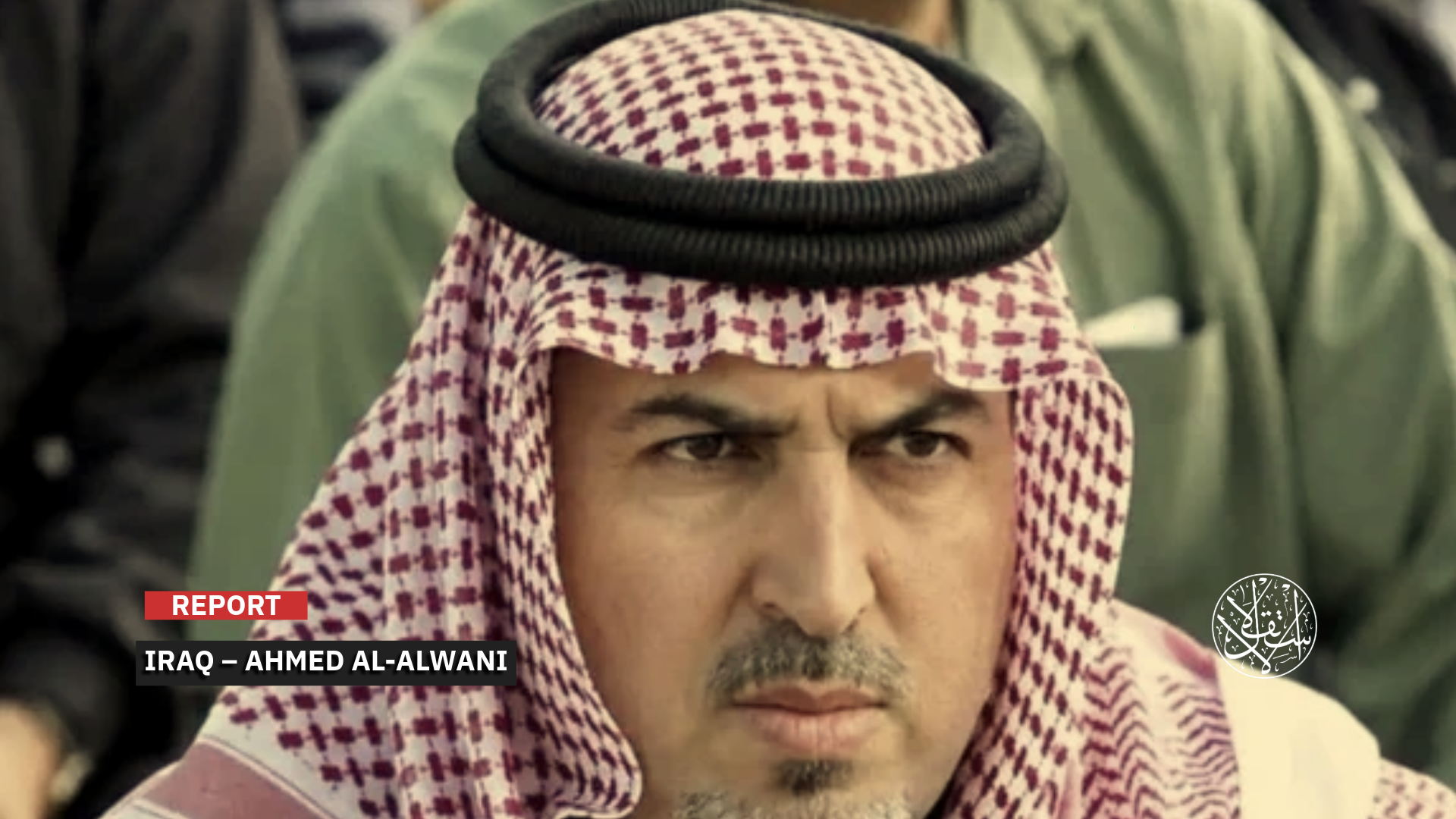
Al-Alwani was working to launch a political project aimed at countering Iran’s influence in Iraq.
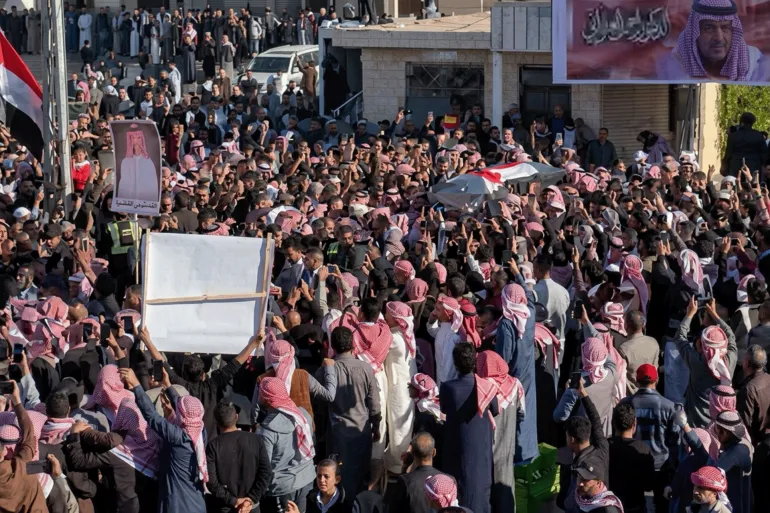
The killing of former Iraqi lawmaker Ahmed al-Alwani in Beirut continues to raise questions that go well beyond the discovery of his body inside a residential apartment.
The security account differs from the accusations of people close to him, who speak of a lure and a political assassination, and the information available so far has revealed neither the outcome of the investigation nor the motives behind the crime.
Saad Maan, head of Iraq’s Security Media Cell, laid out the details of al-Alwani’s journey from Erbil to Beirut, his disappearance and the discovery of his body.
Iraqi politician Mohammed al-Marouf, meanwhile, spoke of a supposed meeting with Syrian President Ahmed al-Sharaa and linked the case to the confrontation with Iranian influence and to a project known as “Iraq’s Caesar.”
The Official Account
Lieutenant General Saad Maan, head of the Security Media Cell, told the state news agency on November 12, 2026, that through contact with the Iraqi ambassador in Beirut and security follow-up, the authorities had pieced together the details of al-Alwani’s trip and movements.
He said the procedures were continuing in coordination with the Lebanese agencies, but he announced no findings identifying the perpetrators or the cause of death.
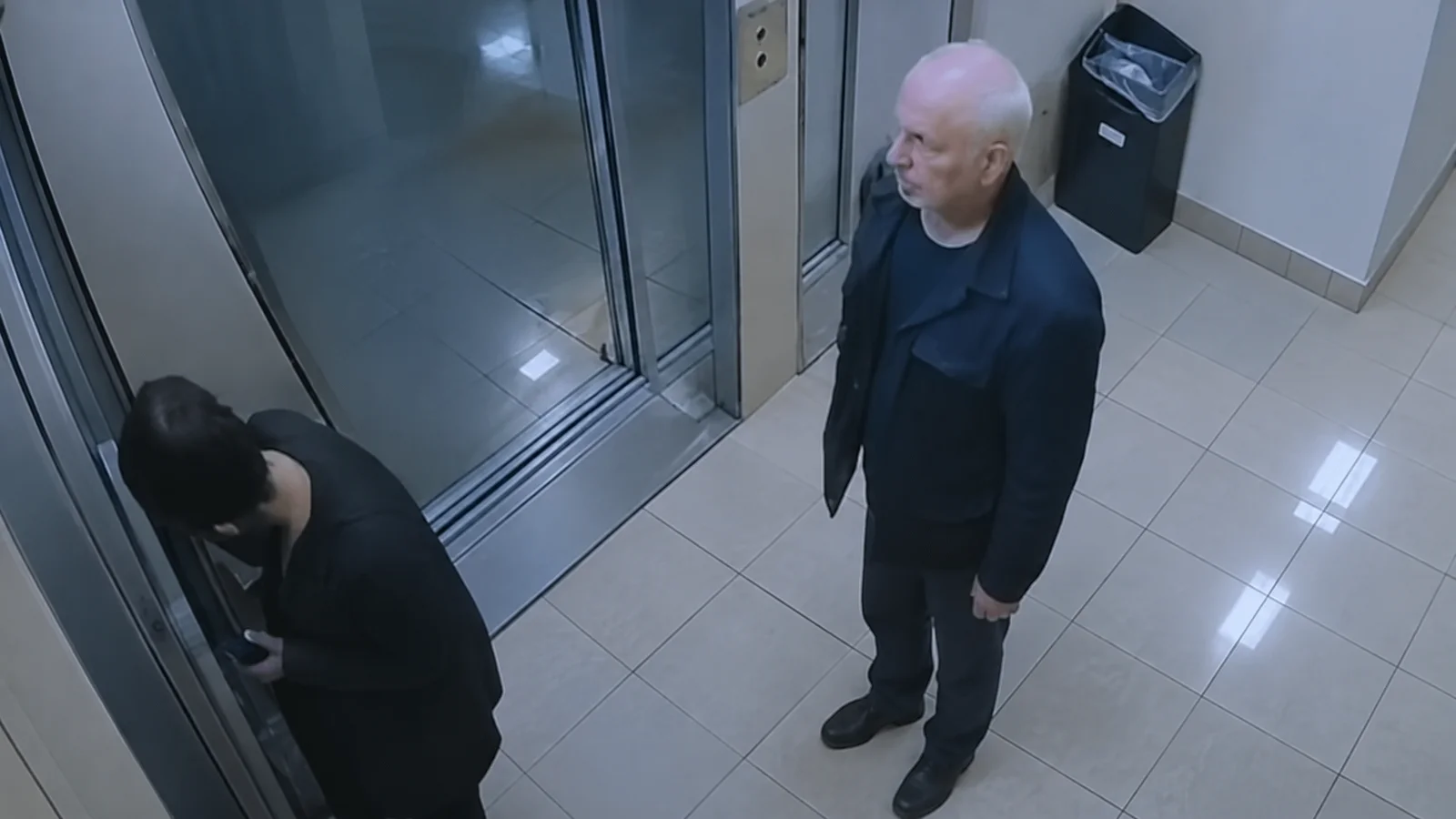
According to Maan, al-Alwani left Erbil for Beirut on November 5 on a Middle East Airlines flight and arrived normally, using an ordinary passport. Surveillance cameras showed that he left the airport by taxi and went to a hotel near the Raouche area, where he checked in.
He added that al-Alwani left the hotel less than an hour later, after telling the staff that friends had arrived for him and he would go with them. Maan said the hotel owners reported that his companions spoke with a Syrian dialect and that he got into a white Range Rover with them. To the staff, the men appeared to be on close terms.
Maan said al-Alwani called his family twice, the last call coming from the apartment he had moved to with the Syrian men in the Tariq al-Jdideh area. After news of him stopped, Azhar al-Alwani, his cousin and brother-in-law, contacted the Iraqi ambassador, and the embassy began following up on the matter and filed an official report.
Maan explained that the embassy asked the family about their last contact with al-Alwani and what it was like, and at the time it had no indication confirming his death. The director of Lebanon’s General Security then advised the ambassador to search for a lead on his movements. Before long, a body was found inside an apartment in the Jdideh area, which investigators initially believed belonged to a Syrian.
The Iraqi ambassador, together with al-Alwani’s relatives, the consul and an embassy delegation, went to a government hospital in Zahle to view the body, which had begun to decompose.
Judge Ahmad Rami al-Hajj, the public prosecutor at the Court of Cassation, began the procedures. He ordered a DNA test and the presence of a first-degree relative, after which the relatives identified the body and confirmed that it was al-Alwani.
Maan said al-Alwani’s son arrived in Lebanon on Wednesday afternoon. A sample was taken from him for testing, and his statement was recorded about when his father had left, the reasons for the visit, and the people he met.
He added that the embassy and the Iraqi agencies were waiting for the test result to complete the procedures for receiving the body, while the apartment’s owner was detained as a precaution for questioning.
According to Maan, the apartment’s owner said the tenants led him to believe their stay would be short. They paid $200 a night instead of $100 and promised to hand over their documents later. When he returned to collect the rest of the rent, he could not find them, and he later called the police after an unusual smell began coming from the apartment.
“A Political Assassination”
In contrast to the security account, Iraqi politician Mohammed al-Marouf, one of those close to al-Alwani, gave a different version in a television interview on November 13.
In his view, the killing did not resemble an ordinary criminal act; rather, he believes it was a planned operation to lure al-Alwani and assassinate him for political reasons.
Al-Marouf linked the case to Iran’s Quds Force, saying the matter is connected to it and to its “network spread across the entire region and the world.”
Al-Marouf said al-Alwani remained politically active after his release from prison and his departure from Iraq, taking part in three to five closed-door meetings a week.
He added that, according to his account, these meetings included political figures, British parliamentarians, members of the U.S. Senate and international think tanks.
Al-Marouf also spoke about al-Alwani’s wish to meet Syrian President Ahmed al-Sharaa. He said al-Alwani had been seeking such a meeting for months, and that some party led him to believe there was an open channel of communication with the Syrian leadership and arranged for him to travel from Beirut to Damascus to meet the Syrian president.
He added that he personally warned al-Alwani against the move, because in his view its timing was wrong and could put him in danger. He also doubted that a reliable channel to the Syrian leadership existed.
He suggested that the supposed meeting may have been a way to lure al-Alwani to Lebanon, and said he believes this explains why he went to Beirut.
Al-Marouf said al-Alwani had been preparing to arrive in London on November 11, where people were supposed to meet him at Heathrow Airport. There he was to take part in a two-week political and media program, including meetings with members of the House of Lords, parliamentarians from various parties and mining companies.
According to al-Marouf, al-Alwani was working on a political project aimed at countering Iranian influence in Iraq and taking this issue to the international community.
In this sense, al-Marouf places the London contacts and the supposed Syrian meeting with al-Sharaa within the context of a broader political effort.
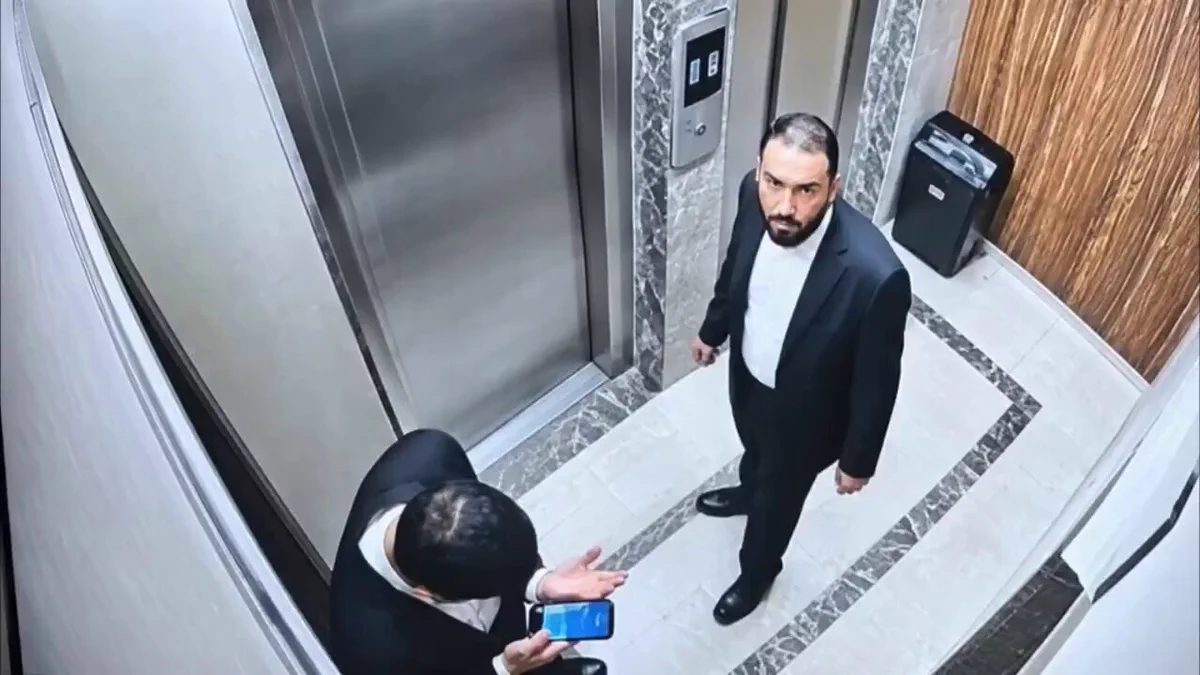
On November 12, Lebanese reports said the Lebanese security agencies “had been able to establish the full identities of the two Syrians who appeared in surveillance camera footage at the entrance of the building and the entrance of the apartment where al-Alwani was killed.” The reports said the Lebanese authorities “asked their Syrian counterparts to arrest them and hand them over to the Lebanese judiciary.”
The reports explained that the reasons for the crime “have not yet been known or determined, but the arrest and questioning of the two suspects is an essential step toward uncovering its circumstances and establishing its background, as the motives for the killing remain unresolved.”
“Iraq’s Caesar”
One of the files that emerged after al-Alwani’s killing is the “Iraq’s Caesar” project. Media figures have described it as an effort to collect and document photos, videos, and documents of abuses attributed to Iraqi militias and authorities against Sunnis, along the lines of the Syrian Caesar Act, which exposed the crimes of the Syrian regime.
Journalist Othman al-Mukhtar wrote on X on November 12 that al-Alwani had been working on the project and in August had formed a cell to collect, catalog and number the photos, videos and documents.
Iraqi writer Iyad al-Dulaimi wrote in a post on X on November 12 that al-Alwani had devoted his time after his release from detention to documenting crimes against Iraqis, and he linked his killing to this work.
Farouq al-Dhafiri, the former spokesman for the Sunni Popular Movement, offered a political reading of the case in a statement to Al-Estiklal. He said al-Alwani rose to prominence in the 2013 Anbar protests, warning against Iranian influence and the militias, and he argued that his killing was linked to the positions he took after his release.
Al-Dhafiri added that the late al-Alwani had gathered photos, videos, reports and documents that he said incriminate the Iraqi political system and Iran in abuses against Sunnis and others.
He asserted that al-Alwani had received threats from the Quds Force and pro-Iran militias, and that these parties had planned his assassination.
Al-Dhafiri spoke about al-Alwani’s trip to Lebanon even though, according to him, he had a conference in London. He suggested that al-Alwani’s phones had been hacked and that he was lured through people he thought were friends.
He also raised the possibility that Hezbollah members were involved, but this account remains a set of claims not confirmed by the published security information.
Al-Dhafiri doubted that a fair investigation was possible, arguing that Lebanese and Iraqi officials could be swayed by political and sectarian ties. Saad Maan said the security agencies are following the case and that intelligence is coordinating with the Iraqi embassy, and he warned against exploiting the incident to stir up sectarian rhetoric.
Al-Alwani’s killing brings his career back into the spotlight. Born in Anbar in 1969, he held a doctorate in earth sciences from the University of Baghdad, served two terms in the Council of Representatives for the Iraqiya List, chaired the economic committee and supported the Anbar protests that began in 2012.
A security force arrested al-Alwani in Ramadi in late December 2013 after storming his home, in clashes that killed his brother, members of the security forces, and several of his guards.
He was sentenced to death in November 2014 and remained in prison until April 2025, when he was released under the measures of the General Amnesty Law.