Al-Zaidi's Pledge to Trump: A Defining Test for the Future of Iraq's Militias
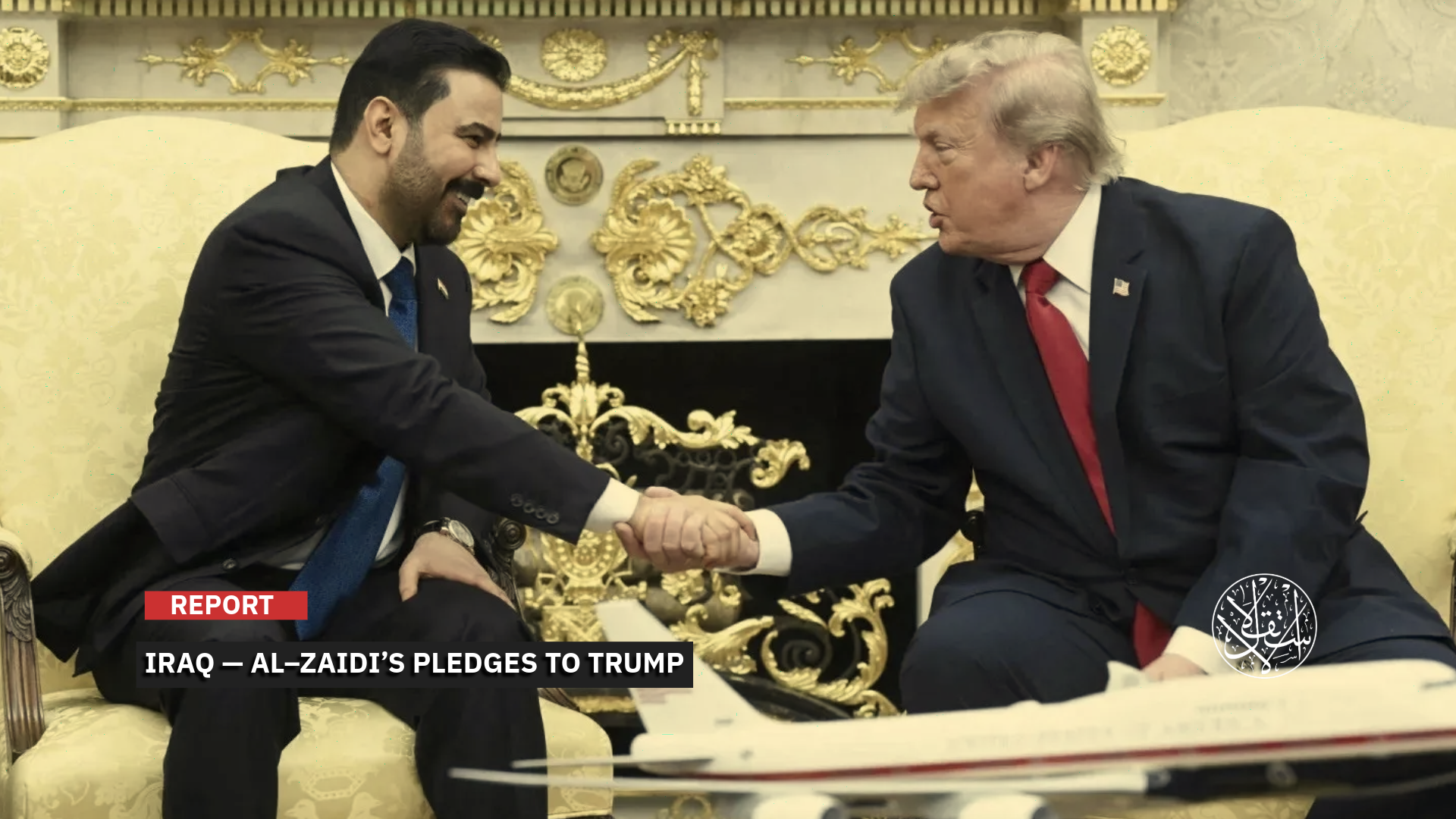
Al-Zaidi pledged that no group would be allowed to carry weapons after September 30.
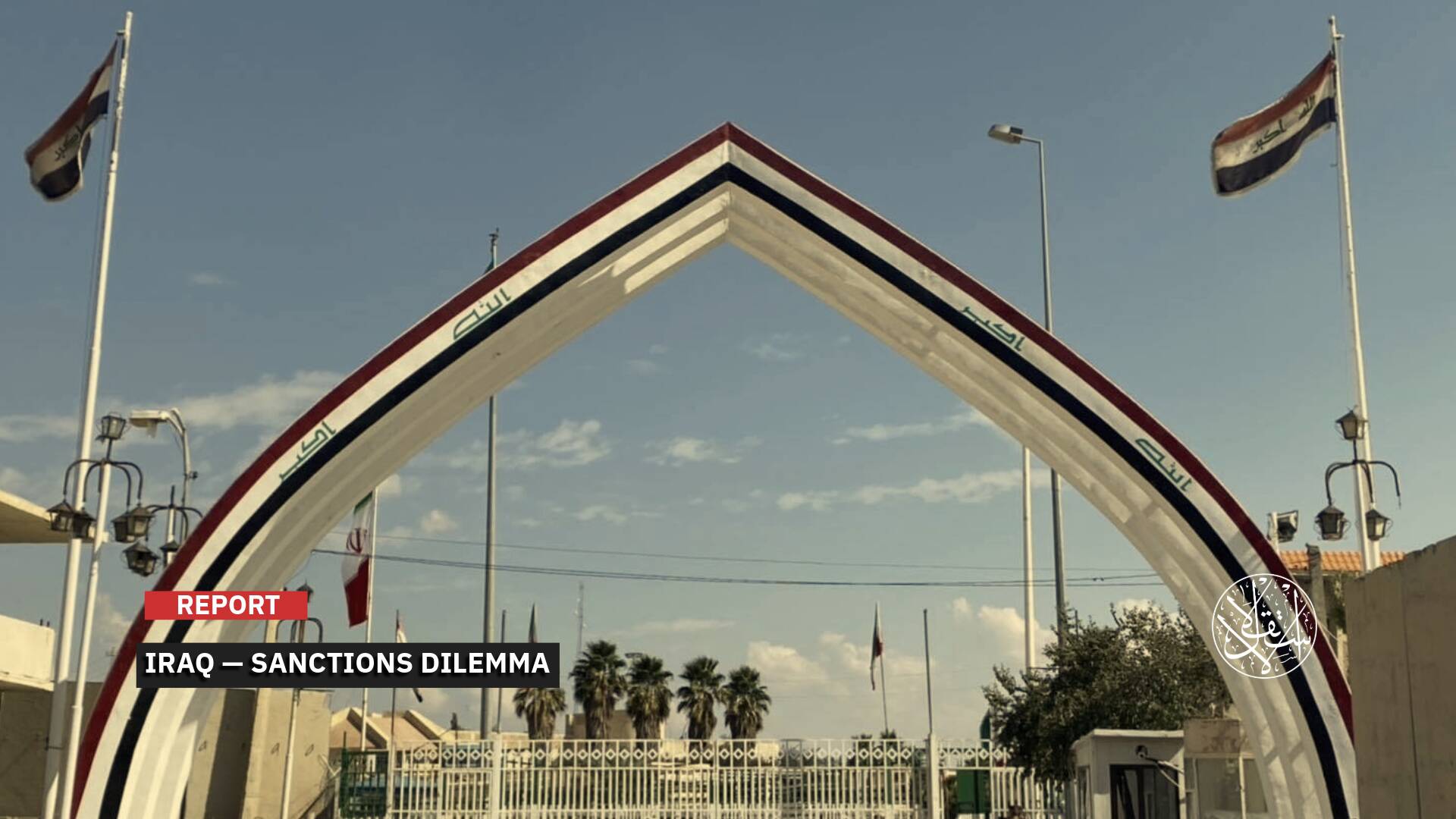
Iraqi Prime Minister Ali al-Zaidi has placed himself at the center of a high-stakes political and security test after pledging to President Donald Trump that he would disarm the country's militias and dismantle what is known as the "resistance" within two months. The commitment has raised questions about whether he can deliver in the face of Iraq's deeply entrenched political and security complexities.
Al-Zaidi visited the United States from July 13 to 18, 2026, at Trump's official invitation in his first trip to Washington since taking office in mid-May. During the visit, he met with senior U.S. officials, members of Congress, and representatives of major American companies.
The Two-Month Pledge
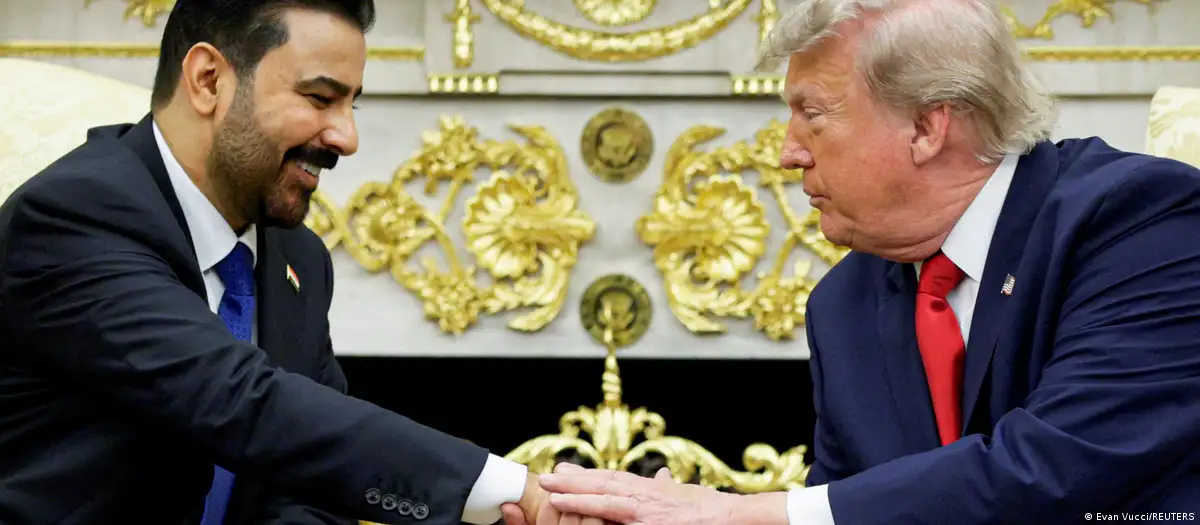
In a meeting where Trump praised him as a "hero" and "great," Iraqi Prime Minister Ali al-Zaidi pledged that no armed group would be allowed to operate outside state authority after September 30, the date set for the withdrawal of U.S. forces from Iraq.
Speaking alongside Trump at a joint White House press conference on July 14, al-Zaidi said the visit was not just another diplomatic trip but a declaration of an economic partnership, adding that on September 30, U.S. troops will leave, and American companies will enter.
He described the state's monopoly on arms as a non-negotiable priority, saying, "I have made a decision on this issue, and there will be no turning back," while insisting that "there will be no need for any armed factions after September 30."
Al-Zaidi also said Iraq's future "belongs to Iraqis" and argued that the country's security forces are fully capable of protecting its territory. He revealed that large quantities of weapons had already been surrendered by some armed factions and said the government was prepared to work with groups that choose to transition into politics.
The prime minister also pledged to return displaced Iraqis to their homes, saying his government had a plan to resettle those still unable to return, referring to areas controlled by militias that have barred residents—particularly Sunni Arabs—from returning since 2014, including the town of Jurf al-Sakhar in northern Babil province.
He also vowed to deepen economic ties with Washington, saying American companies would expand their presence in Iraq and describing the United States as Iraq's "most important strategic partner."
The following day, during talks with U.S. Secretary of War Pete Hegseth, the Pentagon chief urged Baghdad to reinforce its sovereignty by disarming Iran-backed militias, blaming those groups for hundreds of attacks on U.S. forces.
Speaking afterward, Hegseth said Iran-backed Iraqi militias were responsible for more than 600 attacks targeting Americans. He added that Iraqi security forces and the Peshmerga would assume responsibility for counter-ISIS operations after the U.S.-led coalition's mission ends in late September.
Al-Zaidi's visit followed a joint statement issued after his meeting in Baghdad on June 16 with U.S. Special Envoy for Syria and Iraq Tom Barrack, which centered on disarming and dissolving all armed groups operating outside state control.
The statement reaffirmed both governments' commitment to building a "strong, mutually beneficial partnership" that delivers tangible benefits to the Iraqi and American people. It also outlined a shared vision for "a brighter, terrorism-free future," including Iraq's plans for the complete disarmament and dissolution of all armed groups operating outside state authority, consolidating all weapons under government control, and restoring full state sovereignty.
Economic Incentives
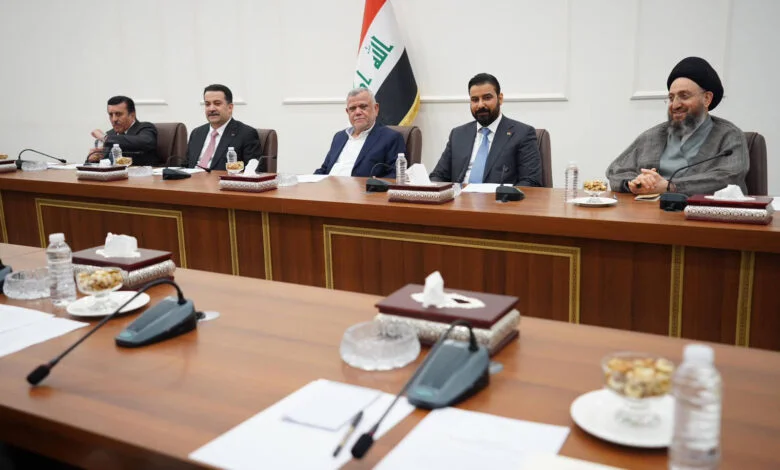
Whether al-Zaidi can deliver on his promises remains an open question. Iraqi political sources said Washington's priorities differ sharply from those of the Iraqi prime minister. According to the sources, the United States wants Iraq to reduce its dependence on Iran above all else, arguing that Iraq's economic growth ultimately benefits Tehran more than Baghdad.
Speaking to Al-Estiklal on condition of anonymity, the sources said al-Zaidi is seeking to persuade Washington to tolerate Iran's political, security, and economic influence in Iraq in exchange for broad incentives for American companies.
"If you look at the scale of U.S. corporations and their capabilities, what Iraq is offering may seem significant by our standards, but it is relatively modest for those companies," the sources said. "They will profit, but the threat of U.S. pressure on Iraq will remain."
The sources also expressed skepticism that al-Zaidi could make meaningful progress in disarming Iran-backed militias, arguing that the ruling Coordination Framework (CF) is attempting to entice Trump with economic opportunities to ease pressure on that issue and others. "Trump will take what's offered," they said, "and then ask for more."
They added that while al-Zaidi's anti-corruption campaign has drawn considerable attention in Western media, it remains surrounded by doubts. In their view, Western capitals are looking for political and security measures that al-Zaidi may be unable to deliver.
The sources concluded that the current relationship between Iraq and the United States resembles a fragile political truce, with both sides exchanging goodwill rather than reaching concrete, enforceable agreements.
Meanwhile, Axios reported, citing U.S. officials, that Iranian officials had pressured al-Zaidi to cancel what became his first foreign visit as prime minister to Washington and instead make Tehran his first destination. He nevertheless chose to meet with Trump.
In a report published on July 16, Axios noted that al-Zaidi sat beside Trump as the U.S. president spoke publicly about continuing aggression on Iran and imposing a naval blockade.
One U.S. official told the outlet that al-Zaidi's willingness to remain alongside Trump during those remarks sent "a strong signal" of his commitment to strengthening Iraq's alliance with the United States despite Tehran's objections.
According to the report, al-Zaidi deliberately avoided discussing Iran, instead focusing on expanding economic ties with Washington, completing the withdrawal of U.S. forces, disarming militias, and ensuring that all weapons remain under the exclusive authority of the Iraqi state.
U.S. officials, the report added, hope the visit marks an early indication that al-Zaidi intends to follow through on his pledge to disarm Iraq's armed factions.
The Drone Response
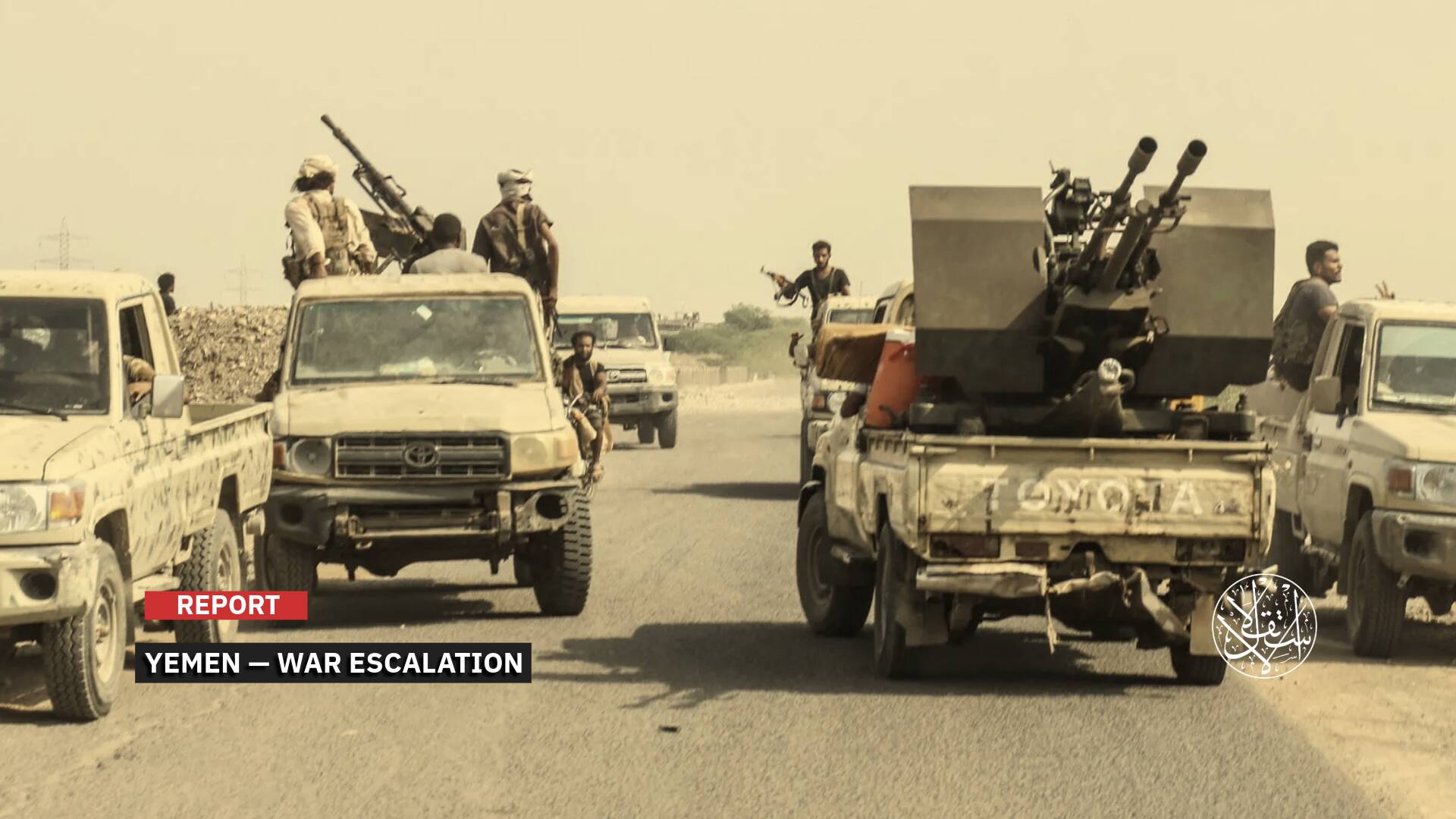
In what appeared to be the first response to al-Zaidi's pledge to place all weapons under state control and end the presence of armed factions, several drone attacks targeted Erbil province. At the same time, Iran-aligned factions and militias rejected calls to give up their weapons and demanded the expulsion of U.S. companies from Iraq.
On July 16, Erbil was targeted by drone strikes near Erbil International Airport, where a base housing U.S. forces is located, as well as the vicinity of the U.S. consulate.
According to local reports, air defense systems intercepted several drones before they reached their targets. Authorities in the Kurdistan Region said the attack caused no casualties or damage.
Following the incident, the Iraqi prime minister announced security measures in coordination with regional authorities to prevent similar attacks, describing them as a "violation and a threat to Iraq's stability." He vowed that the government would not tolerate any attempts to undermine national security or disrupt efforts to strengthen stability and social peace.
On the same day, Akram al-Kaabi, the leader of the Iran-aligned Harakat al-Nujaba militia, issued a statement attacking Trump over comments criticizing former Iranian commander Qassem Soleimani and Iraqi Popular Mobilization Forces (PMF) deputy chief Abu Mahdi al-Muhandis. He also called for the expulsion of U.S. companies, accusing them of being responsible for the failure of Iraq's electricity sector.
During his meeting with al-Zaidi, Trump had asked about the “U.S. operation” that killed Soleimani and al-Muhandis in Baghdad in 2020. Al-Zaidi responded that he was not involved in politics at the time, saying that "Iraqis have had enough of the past" and that he was focused on the future.
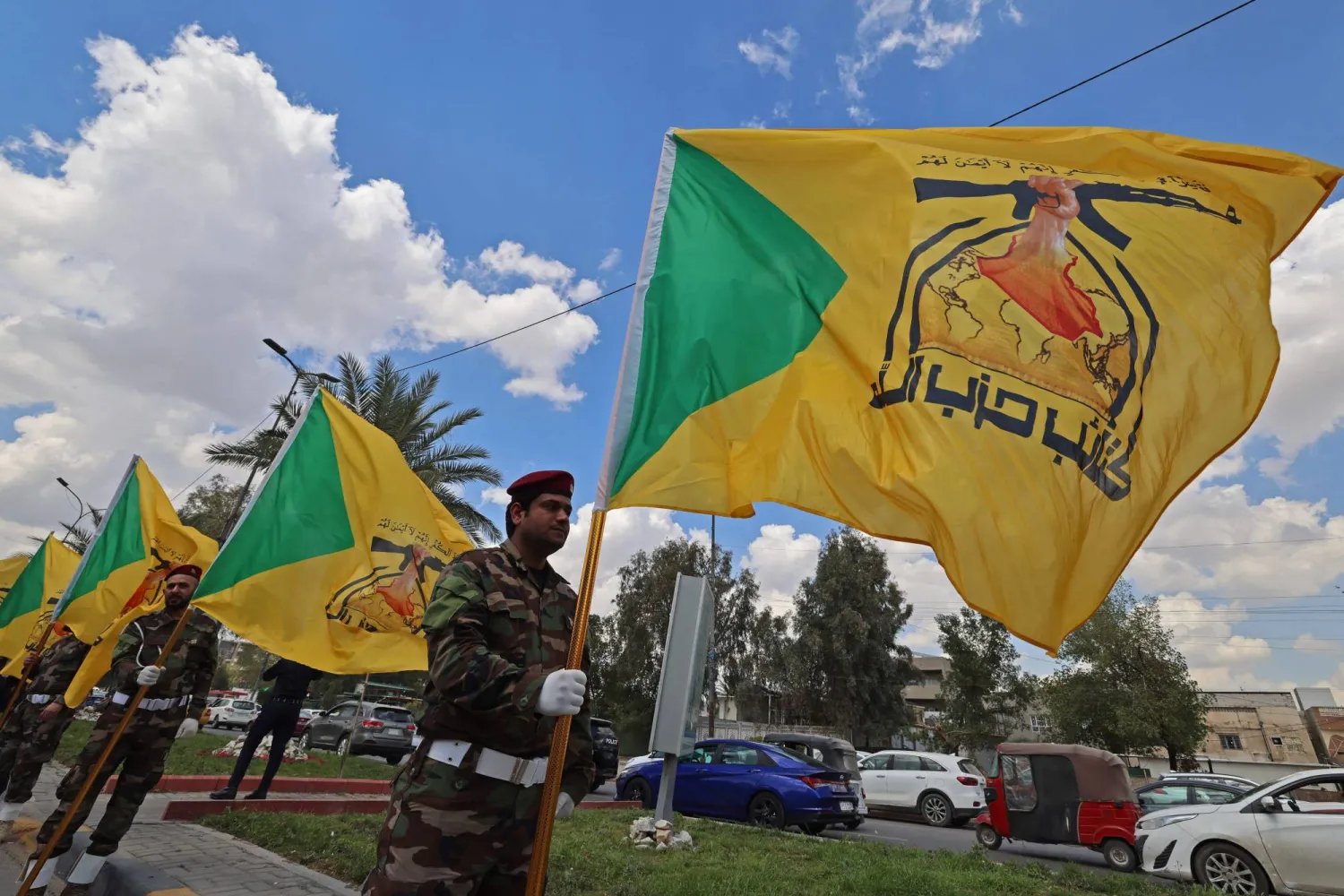
Earlier, on July 11, several Iran-backed militias rejected the idea of placing all weapons under the authority of the Iraqi state. The Iraqi Kata’ib Hezbollah reaffirmed its commitment to what it calls the "resistance path" and refused to surrender what it described as "sacred weapons."
In a statement issued during the funeral of former Iranian Supreme Leader Ali Khamenei, the group called on the Iraqi government to "submit to the will of the people of the resistance" and warned against "being dragged into arrogant projects."
The statement said the group would continue pursuing the path of resistance, saying that public participation in Khamenei's funeral represented a "popular mandate" to continue on that course. It also warned Iraqi officials against aligning with U.S. agendas.
Similarly, the group known as the "Islamic Resistance in Iraq" rejected any move to abandon its weapons, saying that arms were "not a matter for negotiation" and that it would continue developing its military and security capabilities while raising its readiness to confront what it described as growing challenges and threats.
Sources
- Ali al-Zaidi’s September 30 Deadline: Iraq to Crack Down on Armed Groups Outside State Control [Arabic]
- Al-Zaidi: There Will Be No Justification for Armed Factions to Remain After September 30 [Arabic]
- "Tehran First": Iran Pressed al-Zaidi to Block His Visit to Washington [Arabic]
- Washington and Baghdad Commit to Fully Disarming Armed Factions [Arabic]
- U.S. Urges Iraq to Disarm Iran-Backed Armed Groups [Arabic]