A Complex Landscape: Who Is Hindering Lebanon–Israeli Occupation Ceasefire Agreement?
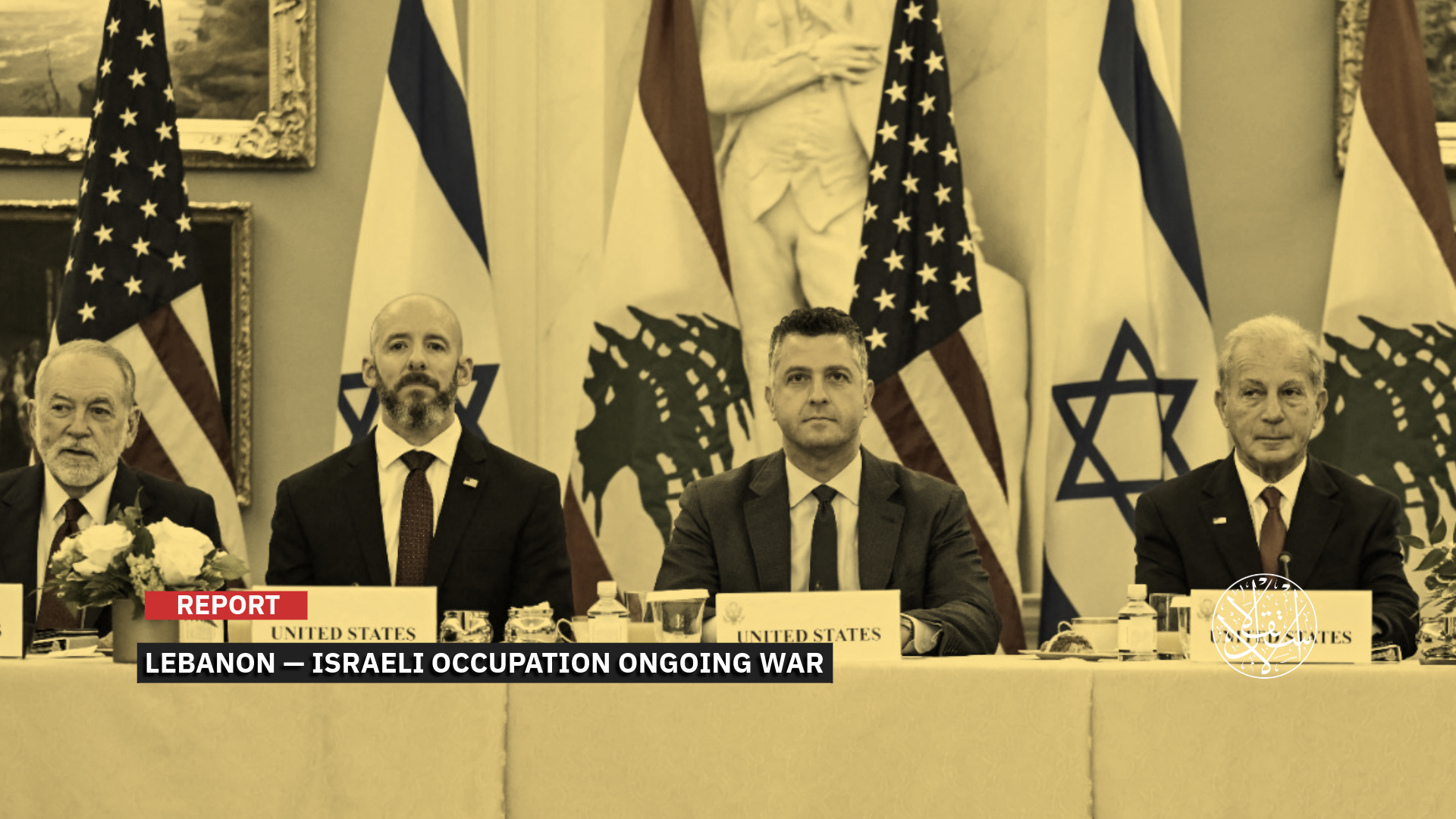
The Lebanese president described the “Washington Agreement” as the last chance to halt “the fighting.”
While U.S. efforts accelerate to impose a lasting settlement between Lebanon and the Israeli Occupation after months of war and mutual escalation, developments on the ground appear to be moving in the exact opposite direction.
Repeated Israeli airstrikes on Beirut’s southern suburbs, most recently following the latest escalation with Iran, are raising growing questions about the viability of efforts to secure a ceasefire and the prospects for the negotiation track described by Lebanese President Joseph Aoun as the “last chance” to end the Israeli war.
On June 4, 2026, Washington announced that Lebanon and “Israel” had agreed to implement a full ceasefire, contingent on Hezbollah halting its strikes and withdrawing its fighters from areas south of the Litani River, according to a joint statement issued by the three parties.
Under the U.S.-, Israeli-, and Lebanese-backed framework, the two sides also agreed to establish a series of “pilot zones” in southern Lebanon where the Lebanese army would exercise exclusive control, with guarantees that no Hezbollah fighters would be present. In return, Israeli Occupation troops would withdraw from those areas, creating a test case for a broader security arrangement along the border.
‘The Last Chance’
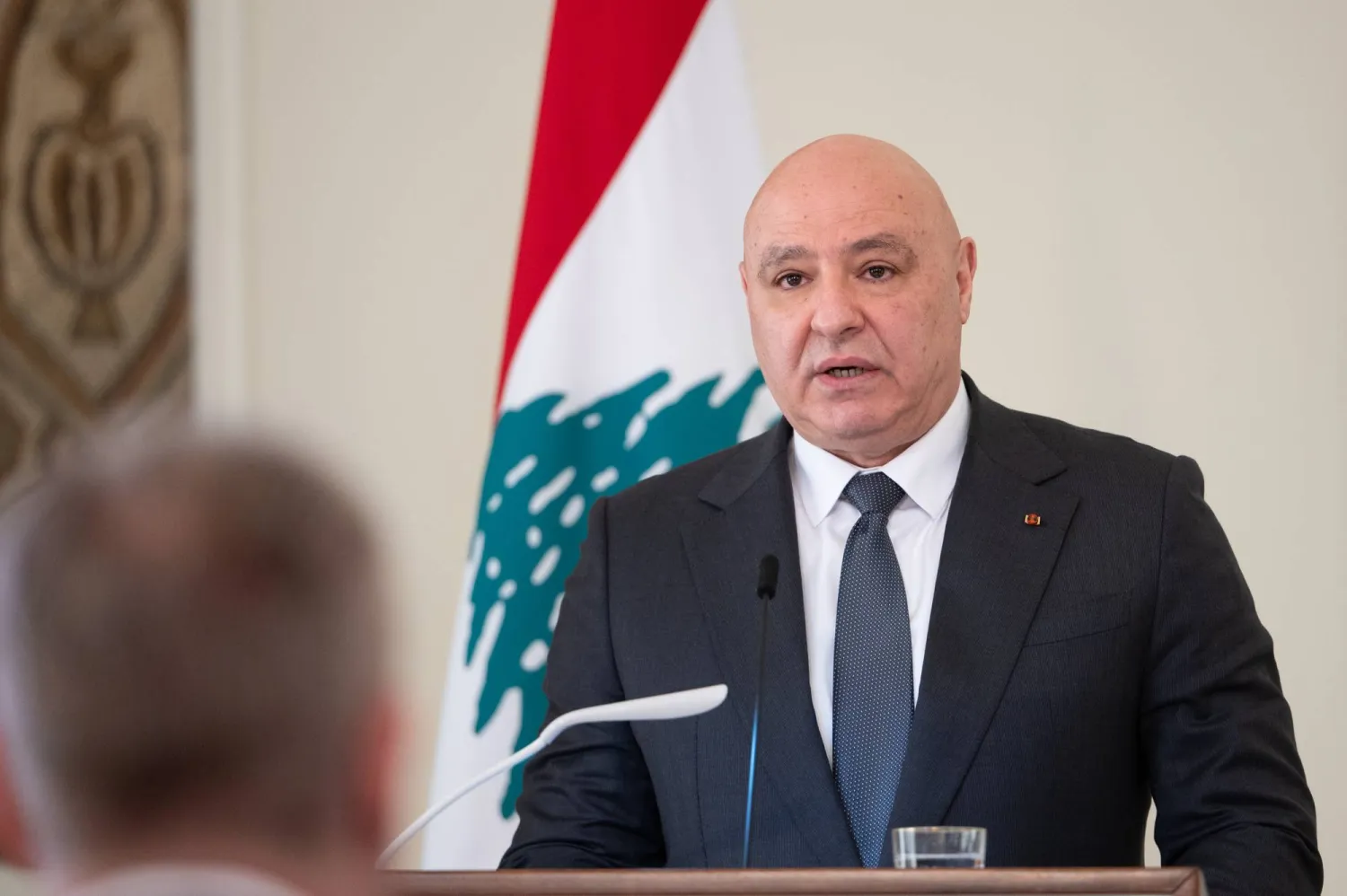
In his initial assessment of the fourth round of Lebanese-Israeli negotiations and the statement issued afterward, which outlined several key points, Joseph Aoun described the outcome as “very important for Lebanon,” calling it the last chance to enter a full and permanent ceasefire, with each side bearing responsibility should it fail.
Speaking to reporters on June 4, Aoun said that once responses are received from relevant domestic parties, particularly Hezbollah, the Lebanese position would be communicated to the United States. Washington would then set the timing and mechanism for implementing the ceasefire, with Donald Trump acting as the direct guarantor of enforcement.
Hezbollah did not take long to respond. On the same day, its Secretary-General Naim Qassem rejected the agreement reached through direct Lebanese-Israeli negotiations under U.S. sponsorship, describing it as “humiliating and disgraceful.”
In a speech marking the anniversary of the death of Iran’s Islamic Republic founder Ruhollah Khomeini on June 4, Qassem said the outcome of what he called “absurd, humiliating and disgraceful” direct negotiations was “categorically rejected by broad segments of the Lebanese people.”
He argued that the Washington-backed announcement reflects a U.S. and Israeli vision for Lebanon’s future aimed at subordinating the country to what he called the “Greater Israel project,” insisting that any attempt to make disarmament of the resistance a precondition for agreement would amount to “the elimination of Lebanon’s strength and an existential threat of annihilating its resisting people.”
Qassem added that the approach was designed to “undermine Lebanon, destabilize it, and sow division among its people in Israel’s interest,” arguing that the Israeli Occupation is seeking through politics what it failed to achieve through war, which he said is “impossible for those who seek dignity, honor, and the preservation of the blood of martyrs, the wounded, and detainees.”
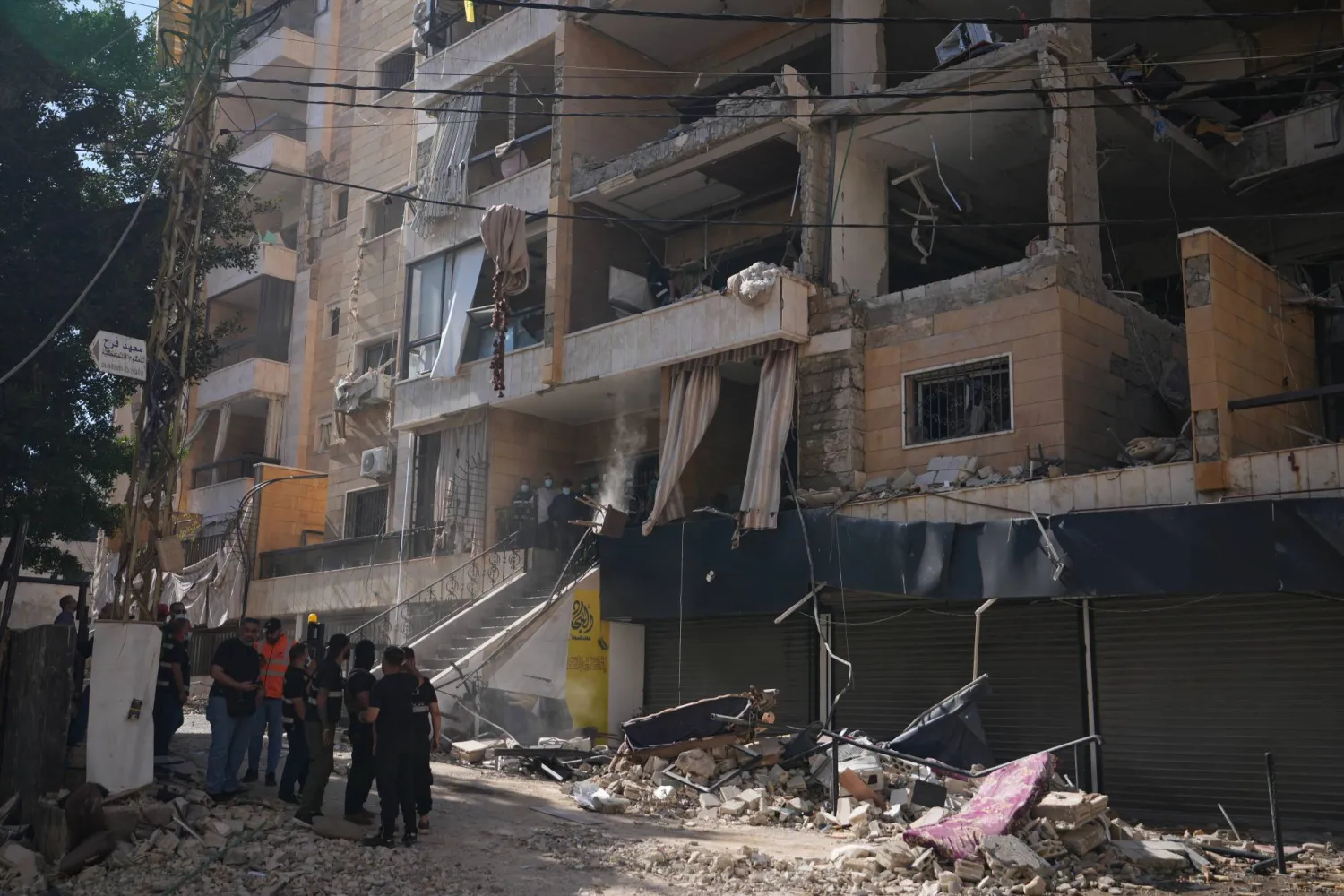
“Israel” responded with what it described as a “limited but significant” escalation on Beirut’s southern suburbs on June 7, arguing that the ceasefire deal had become “void” because Hezbollah rejected it and carried out attacks on Israeli Occupation forces and settlements, according to Israeli claims.
The Israeli army spokesperson in Arabic, Avichay Adraee, said that the Israeli military was targeting infrastructure belonging to Hezbollah in the southern suburbs of Beirut.
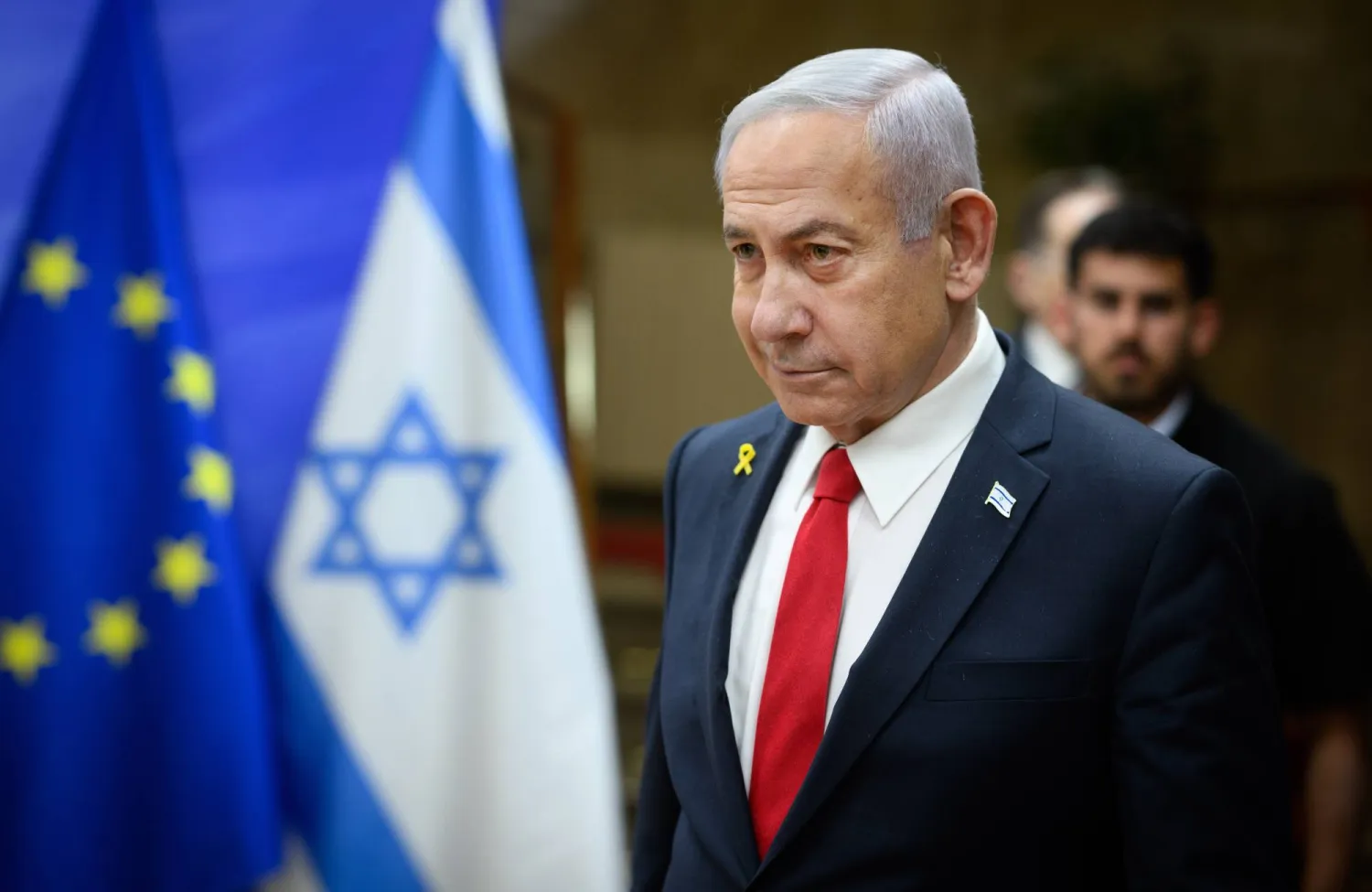
This came a day after Israeli Occupation Prime Minister Benjamin Netanyahu said the “Lebanon-Israel ceasefire agreement” had not yet been fully finalized, adding that Hezbollah opposed it and that, therefore, there is currently no agreement, according to Israeli Broadcasting Authority reports on June 6.
Locked Into Two Tracks
Commenting on the reasons behind the failure of the ceasefire, Lebanese writer and analyst Ibrahim Haydar said that since the announcement of the agreement that followed Lebanese-Israeli negotiations in Washington, debate in Lebanon has continued to revolve around two competing tracks.
Speaking to Al-Estiklal, Haydar said one track represents the Iranian-American negotiation process, while the other is the Lebanese-Israeli track under U.S. sponsorship. The ongoing dispute between these two pathways, he argued, has led to the paralysis of the implementation of the Washington-brokered agreement.
He added that the deal itself is marked by significant ambiguity, with no clearly defined provisions for a full Israeli withdrawal in exchange for the disarmament of Hezbollah.
According to Haydar, “Israel” imposed specific conditions that reflect the balance of power and Lebanon’s weakened position after extensive destruction, suggesting that continued fighting in southern Lebanon amounts to “a form of political suicide” in the face of “Israel’s” military machine.
He said the main party obstructing the agreement is the Israeli Occupation, which continues its “military operations” and escalations not only against Hezbollah but also against the Lebanese state despite having signed the deal.
The second obstructing factor, he noted, is Iran, which seeks to pull the Lebanese file into the framework of any future U.S.-Iran understanding, a pressure that Hezbollah has translated into rejection of what it considers imposed American dictates.
On the ground, he said, there is no real ceasefire in southern Lebanon, only ongoing Israeli escalation alongside Hezbollah’s rejection of any attempt by the state to enforce a truce.
Haydar warned that the clash between these two tracks is increasingly shaping Lebanon’s internal situation, deepening political divisions, with both Iran and “Israel” bearing responsibility, alongside the United States, which he said has failed to provide guarantees or meaningful support to enable implementation of the agreement or stabilize the domestic situation.
He added that while tensions are high and the risk of internal confrontation exists, the Lebanese army is working through multiple channels to contain the divisions and prevent them from escalating into wider clashes.
Haydar concluded that despite mounting pressure, the government is unlikely to collapse, especially since Hezbollah remains part of it and its ministers continue to attend cabinet sessions, while calls by the group for protests to topple the government have not materialized.
He said the situation remains in a state of deadlock, with expectations of further escalation in the south that could reset the terms of the agreement and impose new conditions on Lebanon beyond those outlined in Washington.
A Complex Landscape
Lebanese writer Mohamad Ayoub said in an article published by the Janoubia website on June 7 that Lebanon has, for years, sought to establish itself as an independent state capable of managing its internal and external affairs in line with national interests, away from regional power struggles.
He noted that these efforts have recently intensified through indirect U.S.-mediated contacts and understandings between the Lebanese state and “Israel,” aimed at reducing security tensions and creating conditions conducive to restoring stability in southern Lebanon.
However, he added, the political reality in the region remains too complex to allow a complete separation between different files, as the interlocking nature of regional crises makes it difficult to isolate any single issue. He stressed the importance of reading political and military developments in a broader context that often goes beyond their immediate scope.
At the same time, Ayoub said Lebanese army commander Rodolphe Haykal’s visit to Pakistan and his meeting with Pakistan’s army chief Asim Munir carry particular significance, especially given Pakistan’s role in a range of sensitive regional contacts and initiatives.
He cautioned that this visit should not be taken as direct evidence of an official link between the Lebanese and Iranian files, nor should it be assigned more political weight than it can bear. However, it remains an indication that regional issues are still interconnected and intersect at multiple points.
He emphasized that Lebanon, due to its geography, political structure, and direct ties to surrounding developments, cannot remain insulated from regional transformations, as any progress or setback in relations among major regional actors inevitably affects Lebanon on the security, political, and economic levels.
From this perspective, he said, efforts to separate the Lebanese track from broader regional dynamics have not yet achieved full independence. While there are genuine attempts to strengthen national decision-making, the surrounding regional environment continues to shape events.
Ayoub concluded that Lebanon’s future stability will depend not only on domestic decisions but also on the trajectory of regional understandings and balances of power.
He added that while Lebanon seeks to chart an independent path, it remains deeply enmeshed in regional interdependence, with the central challenge lying in safeguarding national interests from the spillover of surrounding conflicts, without losing sight of its place in a tightly interconnected Middle Eastern landscape.
In a development likely to impact the Lebanese file, Iran’s Islamic Revolutionary Guard Corps (IRGC) launched a missile strike on “Israel” on June 7, fulfilling its earlier threat in response to Israeli attacks in southern Lebanon.
The Israeli Occupation responded with a broad airstrike on Iran on June 8, following a 60-day truce between the United States and “Israel” on one side and Iran on the other. The United States has so far remained outside the renewed war, with President Donald Trump calling on both sides to de-escalate.
Sources
- Iran using Lebanon as bargaining chip in US talks, Lebanese president says
- Naim Qassem Rejects Results of Lebanon–Israel Direct Talks [Arabic]
- Israel Says Lebanon Ceasefire Agreement Is ‘Void’ [Arabic]
- Lebanon Between Washington and Islamabad: Can Its Track Be Separated From Regional Complexities? [Arabic]
- Israel Braces for Prolonged Fighting as Iran Threatens ‘Crushing Response’ [Arabic]
- Iran’s Revolutionary Guard Releases Statement Following striking Israel [Arabic]
- Netanyahu Says Lebanon Ceasefire Deal Has Not Been Completed [Arabic]