From Srebrenica to Ramallah: How Is the 'Convoy to Palestine' Planning to Cross Seven Countries?
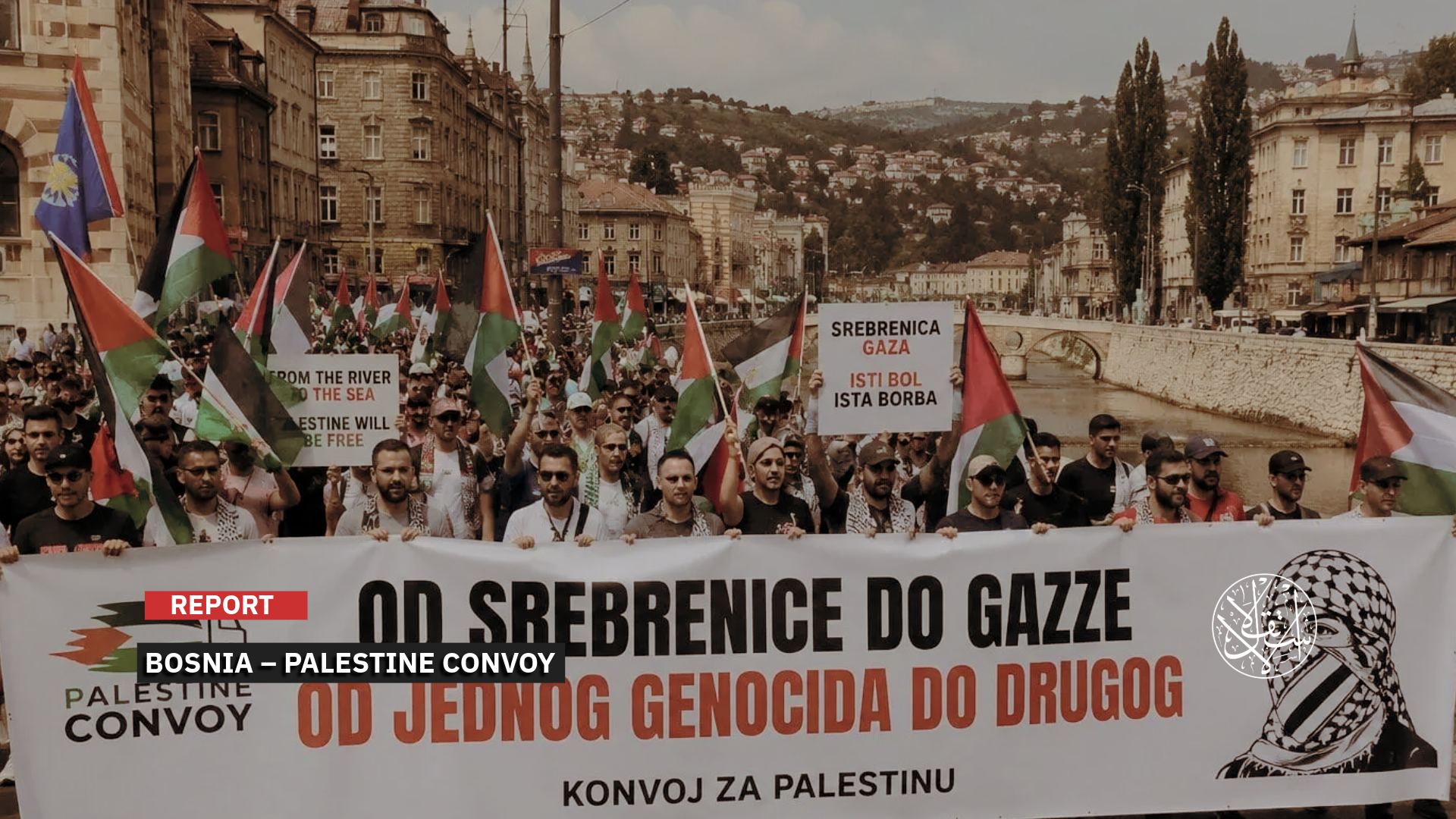
The convoy consists of activists, several of whom have taken part in previous campaigns in support of Palestine.
The “Palestine Convoy” brings together the memory of the genocide in Srebrenica and the present-day reality of Israeli massacres in Gaza, seeking to transform this connection into a land-based journey that crosses the Balkans, Turkiye, Iraq, and Jordan before reaching the West Bank.
The Bosnian phase began on July 26, 2026, with around 60 participants. Organizers hope the number will gradually grow to nearly 500 people. The journey is planned to proceed in private vehicles and will be accompanied by public and media events in cities along the route.
A Convoy That Gains Momentum on the Road
Gaza provides the movement with its political and humanitarian motivation, while Ramallah defines its practical destination. Between them lies a long route whose details change according to the arrangements made by each country, ending at the King Hussein Bridge crossing, where regulations require vehicles to be changed before entry, if the journey succeeds.
The convoy carries a desire to deliver an international message of solidarity with Palestine, but it is also moving toward a direct test of the ability of cross-border civil action to overcome visa requirements, security restrictions, and the Israeli decision at the final checkpoint.
The “Palestine Convoy” presents the initiative as a peaceful international civil movement led by participants from multiple countries. Its members are traveling in their own cars, buses, and personal motorcycles and bicycles.
The organizers say that delegations from each country gather in their respective cities and then join the other delegations as the convoy moves eastward, in a mechanism they describe as the “snowball effect.” Istanbul is intended to be the main meeting point before heading toward Jordan and the Palestinian borders.
The published list of participants includes names from 31 countries across Europe, the Balkans, the Middle East, and North America. The organizers also emphasize their independence from political parties and organizations.
In practice, the convoy is made up of activists, some of whom have taken part in previous Palestine-related campaigns, as well as national delegations responsible for registering participants, interviewing them, and arranging their joining of the route.
It sets conditions related to commitment to non-violent civil action and the ability to manage the number of participants and vehicles throughout the journey.
Turkish organizer Ihith Selam Durmus explains to Al-Estiklal that the initiative emerged from cooperation between activists in several countries and is not linked to a single founder or any political party.
He says that the number of people currently in Bosnia and Herzegovina has reached around 60, and that the convoy is expected to grow along the way, reaching, according to organizers’ estimates, around 500 participants upon reaching Palestine.
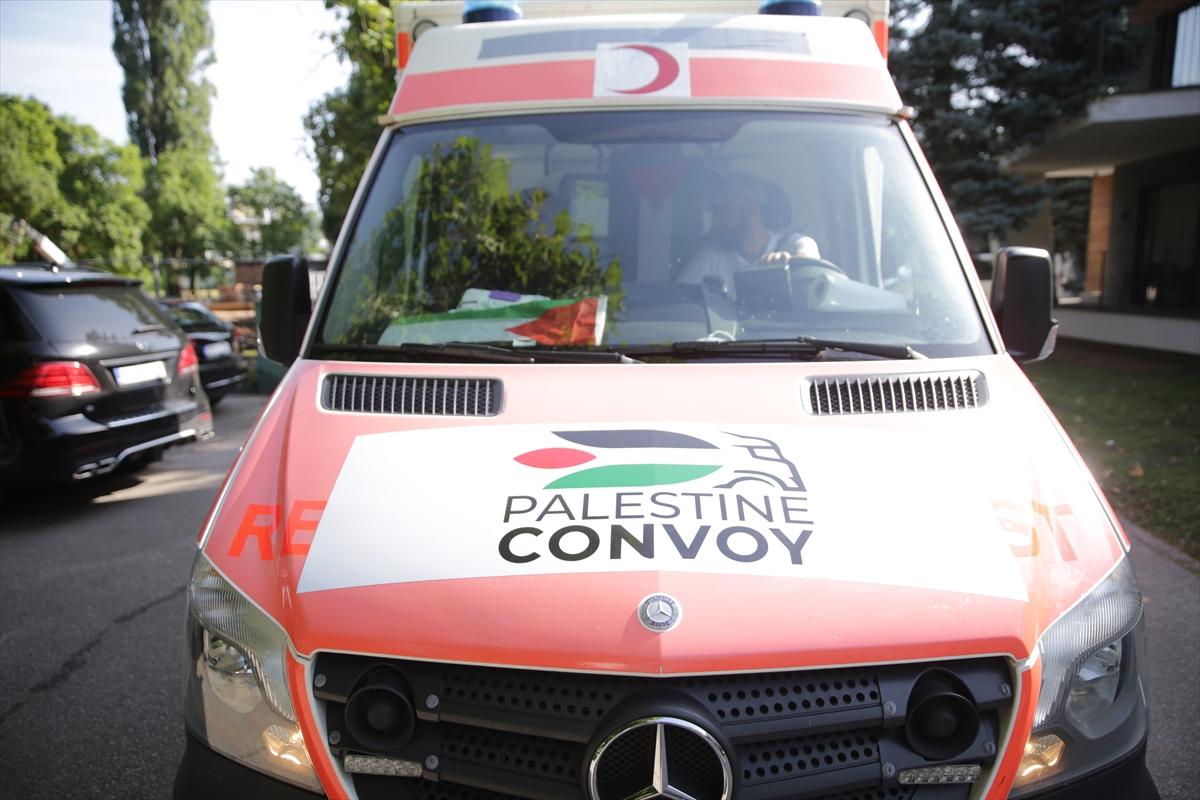
Another aspect of the convoy’s identity relates to what its vehicles are carrying. Turkish journalist and participant Furkan Caliskan told Al-Estiklal that participants are bringing relief and medical supplies with them.
They are also bringing a symbolic ambulance as part of the journey, carrying Palestinian flags and images of Palestinian doctor Hussam Abu Safiya, who was arrested by Israeli Occupation Forces at the end of December 2024 and remains in detention without charge or trial. He has reportedly been subjected to torture, ill-treatment, solitary confinement, and denial of medical care.
From Srebrenica to Ramallah
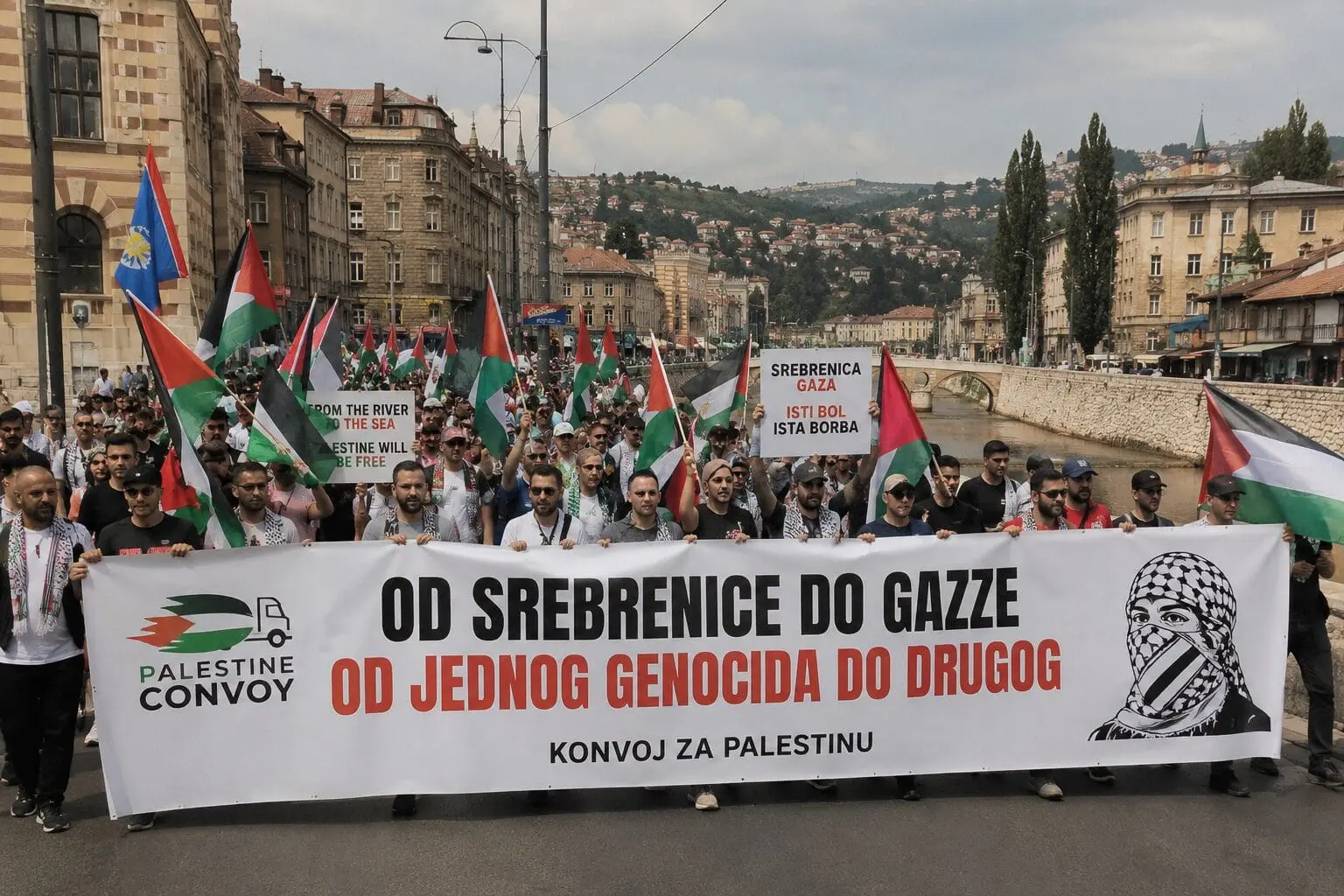
The organizers chose Srebrenica as the symbolic starting point for the shared route, after delegations from France, Austria, Germany, and other European countries arrived in Bosnia.
The initiative carried the slogan “From Srebrenica to Gaza… from one genocide to another” and included a visit to the Srebrenica-Potocari Memorial Center in eastern Bosnia before returning to Sarajevo on the evening of July 26 and then setting off toward Albania.
The choice of location carries a meaning that goes beyond its geographical position. Bosnian Serb forces overran Srebrenica in July 1995 and killed more than 8,000 Bosniak men and boys, in a crime that the International Criminal Tribunal for the former Yugoslavia and the United Nations recognized as genocide.
Journalist Caliskan links this historical memory to what is motivating participants to take action today. He told Al-Estiklal that Srebrenica was chosen because it is a place that witnessed genocide 31 years ago, at a time when participants believe that rhetoric about de-escalation is obscuring the continuation of killing and suffering in Gaza.
He also describes the convoy as a peaceful, unarmed movement seeking to reach Palestinians “whose lands are being taken from them millimeter by millimeter” in the West Bank.
The shared route begins in Bosnia, then heads to Tirana in Albania and Thessaloniki in Greece, before entering Turkiye through Edirne and reaching Istanbul.
From there, the convoy travels through Sakarya, Ankara, Konya, Adana, Gaziantep, Sanliurfa, Diyarbakır, and Mardin, before crossing into Iraq through the Habur border gate. It then passes through Duhok, Erbil, Kirkuk, Baghdad, Fallujah, and Ramadi, eventually reaching the Trebil border crossing.
In Jordan, the route passes through al-Ruwaished and Amman before reaching the King Hussein Bridge crossing and then continuing to Ramallah. The tracking schedule lists 30 stops along the journey and expects the convoy to arrive in Ramallah on August 18.
The convoy explains its choice of the West Bank as its destination as part of a broader movement toward Palestine through various routes, especially following Israeli Occupation Forces’ attacks on several international maritime flotillas that attempted to reach the Gaza Strip.
Despite choosing the West Bank as its destination, reaching Gaza remains present in participants’ statements as the central driving force behind their solidarity.
A Journey Confronting Borders
Country delegations are responsible for securing visas and official documents for their participants. Those wishing to join the convoy undergo registration, interviews, and identity checks, while details of some of the final stages remain dependent on coordination with the delegations and authorities along the route.
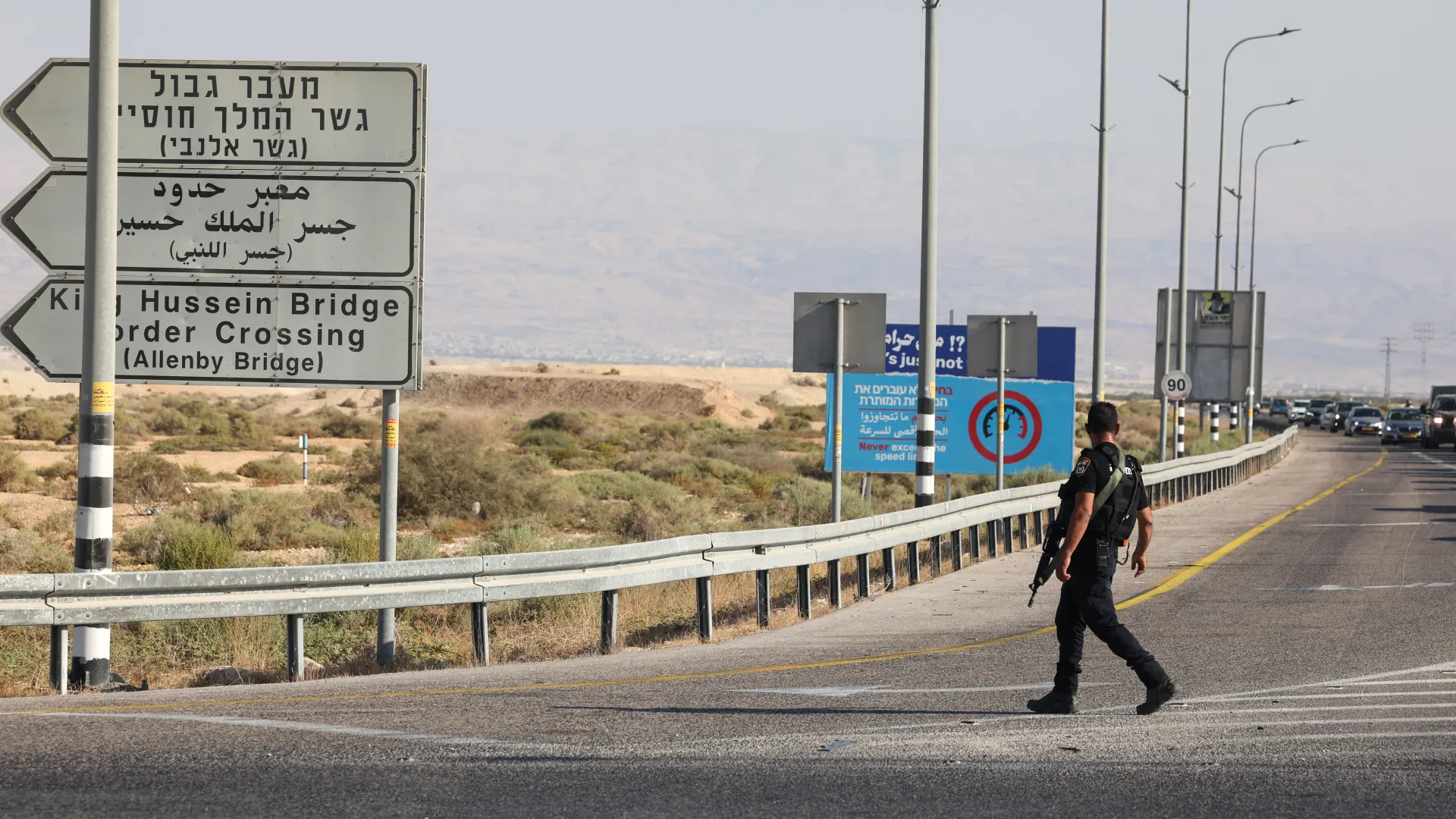
The convoy says that the route through Iraq, or the possibility of traveling from Turkiye to Jordan, will be decided as arrangements develop, although its latest operational schedule has adopted the Iraq route via Habur and Trebil. The clearest obstacle appears at the King Hussein Bridge crossing, known in “Israel” as the Allenby Bridge.
The Jordan Tourism Board explains that this crossing requires prior visa arrangements and that private cars and tourist buses cannot cross the border through it, meaning travelers must change their means of transport or use another crossing.
In practice, the convoy may reach Jordan with its vehicles and then be forced to complete the final stage in a different form, even if participants obtain entry permission.
If the convoy crosses into Jordan, Israeli assessments then become the decisive factor in reaching the West Bank, with participants expecting that they may be stopped either by authorities in Amman or by “Israel”.
Crossing from Jordan does not automatically mean that the convoy will be allowed to enter as a collective group. In addition, the participants’ different nationalities and documents mean that security procedures for each individual may be handled separately, with organizers expecting all of them to be prevented from reaching their destination.
For this reason, the organizers have prepared a scenario for stopping before arrival. The convoy’s plan includes setting up a camp at the point where it is blocked, maintaining media and public presence, and continuing negotiations rather than immediately ending the movement and returning.
These obstacles take on significance in light of the participants’ own motivations. French participant Sebastien Michelot, from the city of Dijon, says that the ongoing war in Gaza and the expansion of settlements in the West Bank pushed him to respond to the call for Palestine and join the movement on the ground, after years of involvement with and solidarity for the cause.
He told Al-Estiklal, “My heart has been with Gaza for a long time, and therefore I feel that I must devote myself more to this cause and join the movement and the action. We must stand firm for Palestine, because it needs us.”
Amid expectations that the initiative may be halted, the organizers measure the impact of the journey by the number of participants it brings together and the public visibility it creates along the route, even if reaching the final destination proves impossible.