Breaking the Air Blockade: Iranian Plane Redraws the Rules of the Yemen Conflict
The Iranian plane crisis has become a real test of the future of the Yemen ceasefire efforts.
The crisis triggered by Iran's second plane breaching the air blockade over areas controlled by the Ansar Allah (Houthis) has rapidly escalated beyond a dispute over airspace management and Yemeni sovereignty, becoming one of the most serious flashpoints since the 2022 ceasefire began.
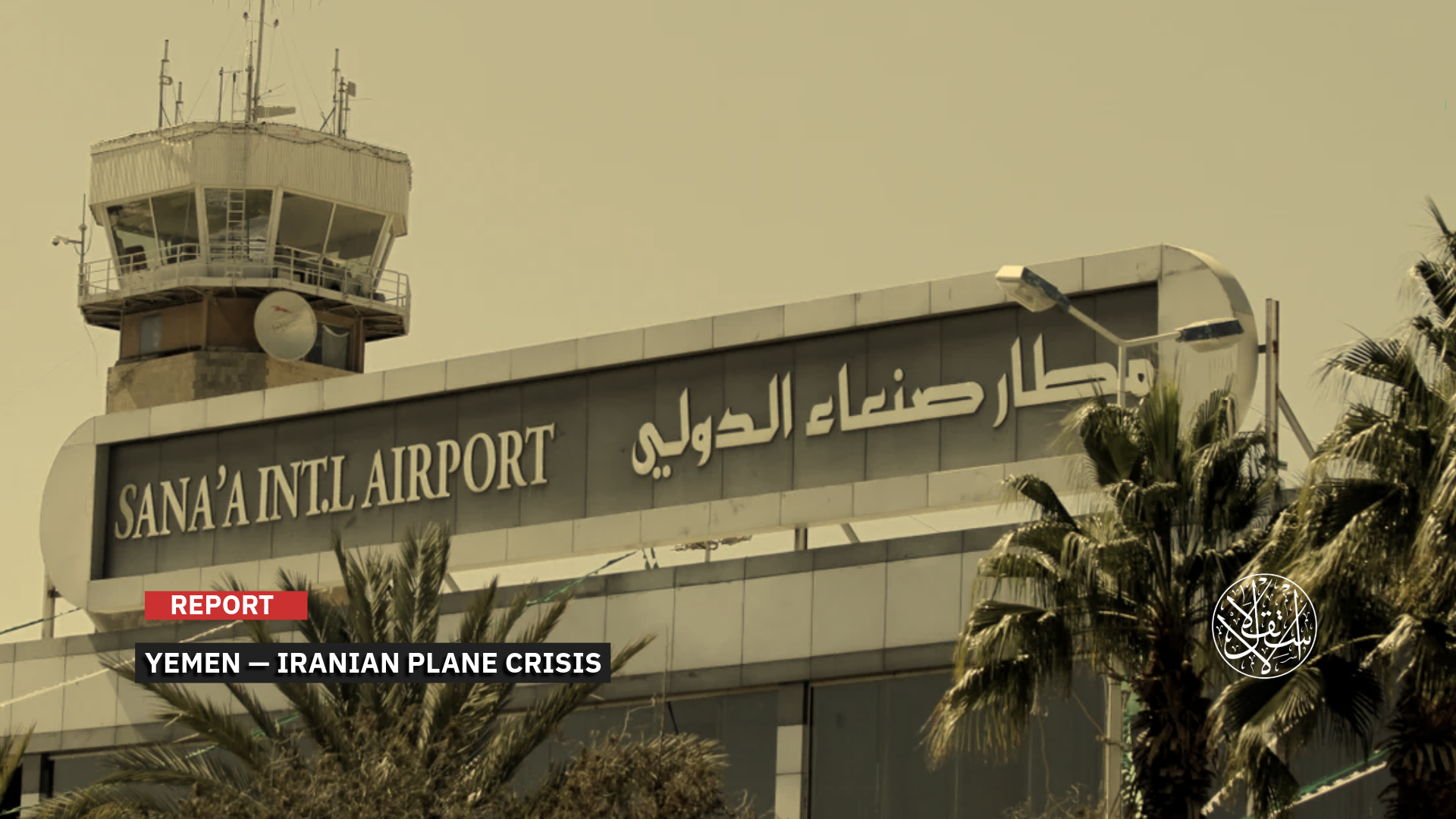
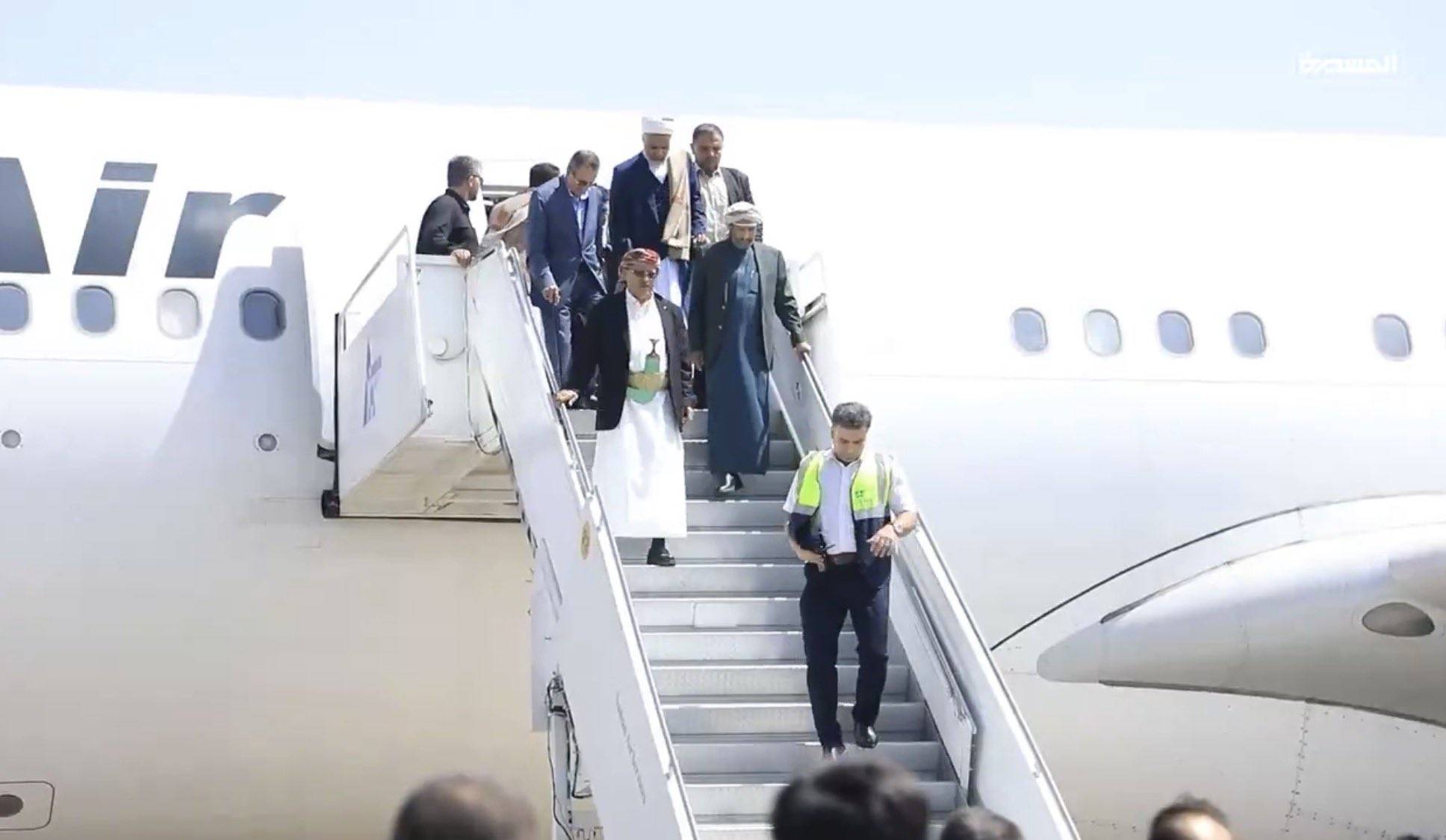
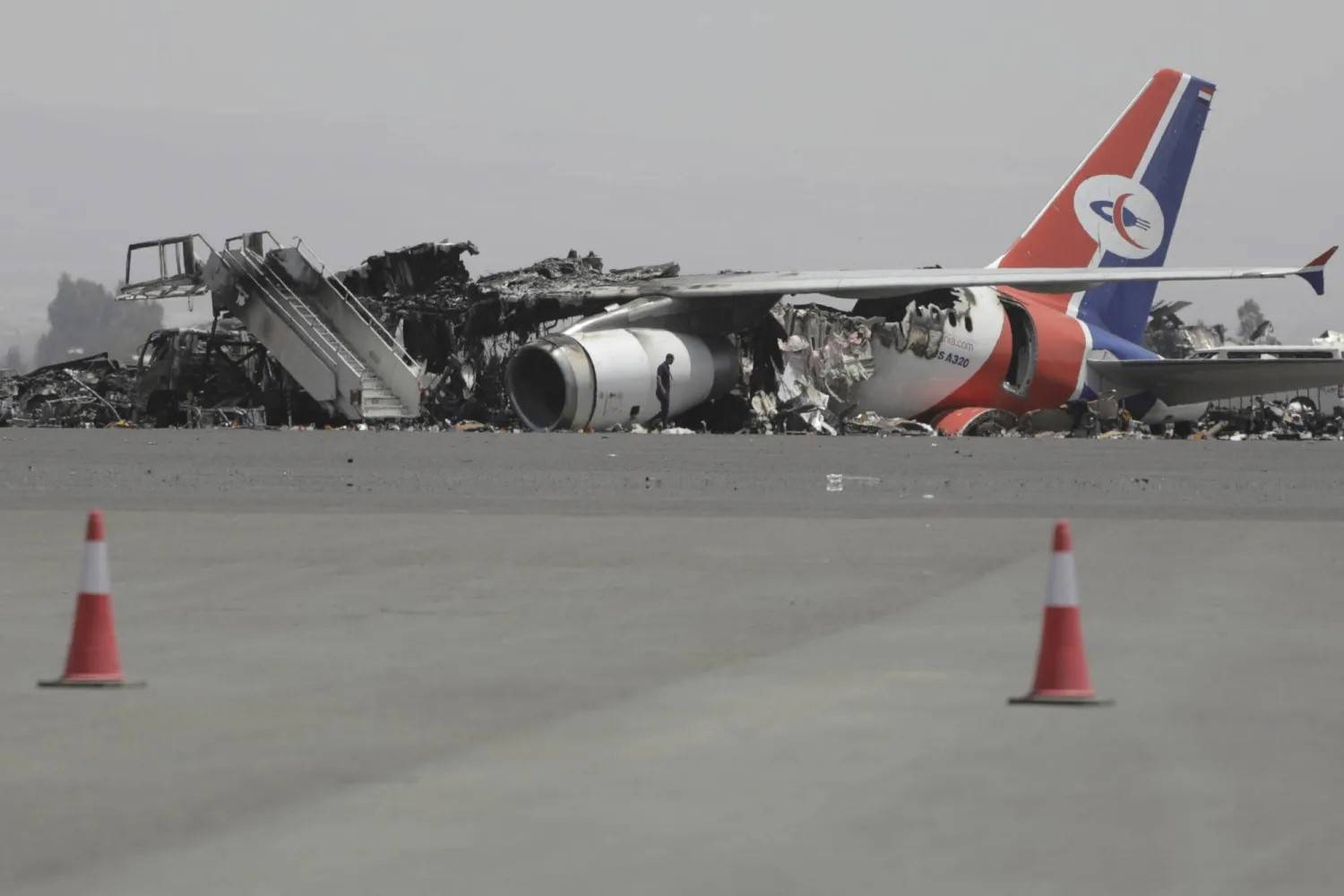
After the first Iranian plane successfully reached Yemen, Tehran continued to challenge the air restrictions by dispatching a second flight. In response, the Yemeni Armed Forces struck the runway at Sana’a International Airport to prevent the plane from landing. The plane ultimately bypassed the blockade and landed at Hodeidah Airport on Yemen's western coast, marking a new turning point in the crisis.
The fallout quickly spread beyond civil aviation. In retaliation for the strike on Sana’a Airport's runway, the Houthis launched ballistic missiles toward Saudi Arabia in the first such attack since the ceasefire took effect.
The Iranian plane crisis has therefore evolved far beyond a dispute over civilian flights and control of Yemen's airspace, becoming a critical test of the ceasefire's future and a warning that the Yemeni conflict could once again slide toward regional escalation.
Escalating Crisis
The Iranian plane incident did not emerge out of nowhere. It was the culmination of a rapidly escalating political and diplomatic standoff that began when the Houthis insisted on operating direct flights from Iran to Sana’a Airport through Mahan Air. The Yemeni government, however, maintained that regulating civil aviation and controlling the country's airspace are sovereign responsibilities, arguing that any international flights must be approved through official state channels.
The government said it did not oppose the continuation of civilian flights in principle. Instead, it proposed that the route be operated by Yemenia Airways, including the option of chartering a Yemeni plane to transport passengers from Tehran. The proposal, however, was rejected by the Houthis and Iran.
As Iran pressed ahead with the flight, the Yemeni government intensified its political and diplomatic efforts, warning that allowing an Iranian plane to reach Sana’a outside the authority of the state would violate Yemen's sovereignty, breach established civil aviation procedures, and set a precedent undermining the state's exclusive authority over its airspace.
The Houthis and Iran, meanwhile, remained committed to operating the flight, arguing that it was part of an effort to break the restrictions imposed on Sana’a Airport and restore direct air links with the Yemeni capital.
As the Iranian plane pressed ahead with its flight, the Yemeni Armed Forces announced that they had struck the runway at Sana’a International Airport to prevent it from landing. The military said the operation was carried out only after precautionary measures had been taken to evacuate the airport and its surroundings to protect civilians, adding that the objective was to prevent the airport from receiving what the government described as an unauthorized flight.
The crisis did not end there. The plane later succeeded in landing at Hodeidah Airport, marking the first practical breach of the air blockade over Houthi-controlled territory and ushering in a new phase of political and military tensions among the parties to Yemen's conflict.

The Parties' Positions
The internationally recognized Yemeni government treated the Iranian plane incident primarily as a matter of sovereignty, arguing that the core issue was not the operation of a single flight but the state's exclusive authority to control its airspace and regulate international air traffic.
The Presidential Leadership Council (PLC) said Iran's decision to operate a direct flight to Sana’a without government approval constituted a clear violation of Yemen's sovereignty and a challenge to UN Security Council resolutions and international aviation agreements. It also blamed the Houthis for attempting to impose a new reality outside the framework of state institutions.
The PLC further stressed that it did not oppose reopening Sana’a Airport for civilian use but objected to bypassing official institutions. It said it had offered alternatives that would allow flights to continue through Yemenia Airways in accordance with existing legal procedures.
“We will confront and respond to hostile plane violating Yemeni airspace and sovereignty by all available means until we teach the enemy a lesson that will be remembered for generations,” Defense Minister Lt. Gen. Dr. Taher al-Aqili said.
“Our patience has run out, and we will respond appropriately to this treacherous act.”
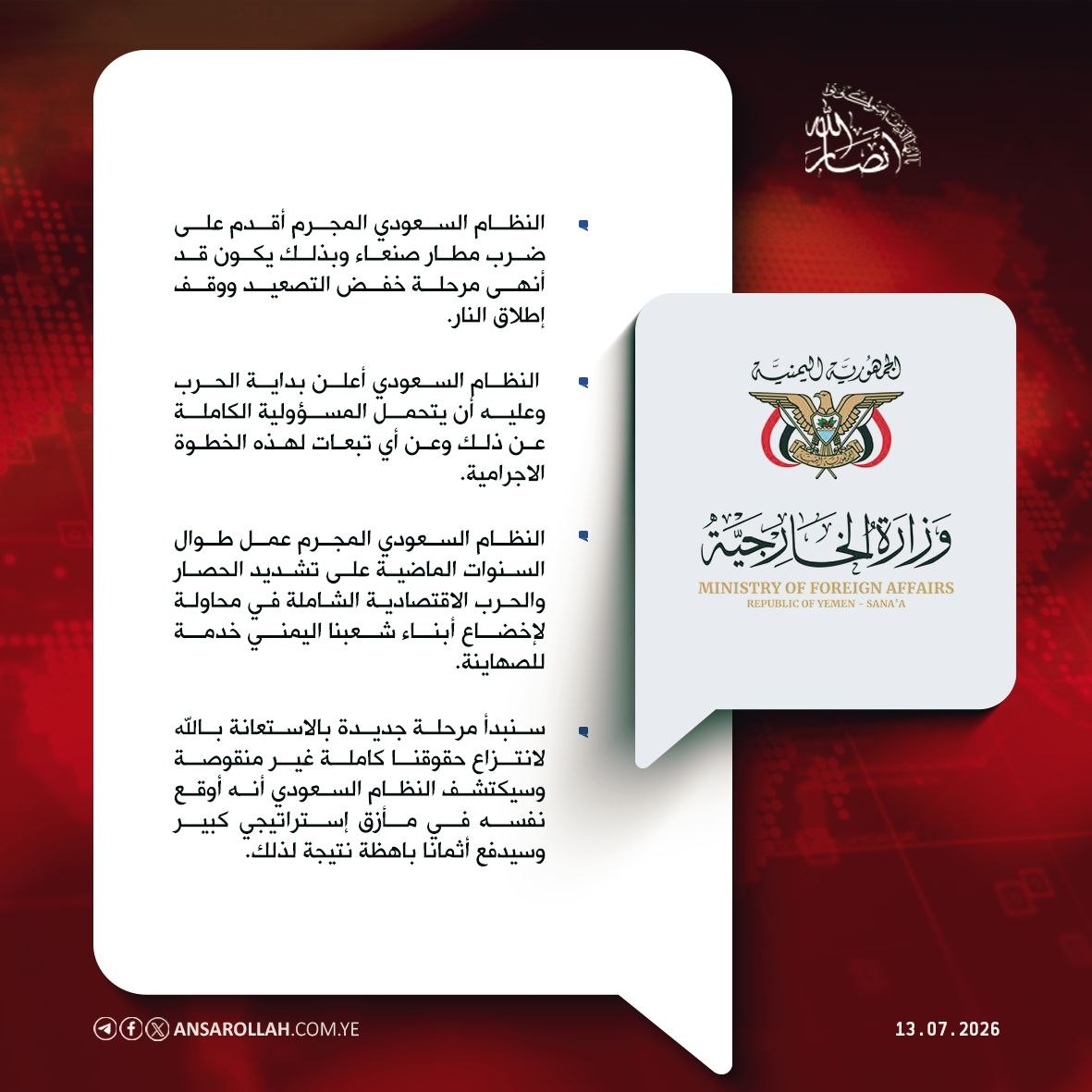
The Houthis: The group portrayed the arrival of the Iranian plane as a political and symbolic turning point aimed at breaking the restrictions imposed on Sana’a Airport, while considering the strike on the airport runway a de facto end to the de-escalation arrangement.
Rather than limiting its response to condemnation or political rhetoric, the group quickly moved the crisis from the diplomatic arena to the battlefield by targeting Saudi Arabia's Abha Airport with ballistic missiles and drones, signaling that any attempt to prevent Iranian flights would be met with an expansion of the conflict.
The Houthis also reaffirmed their commitment to continuing flights to Sana’a and rejected the restrictions imposed by the Yemeni government and the Saudi-led coalition, seeking to establish a new reality in the management of Yemen's airspace backed by military deterrence.
Iran: Iran, for its part, presented the flight as a legitimate step toward resuming air links with Sana’a, highlighting the plane’s successful arrival in Yemen as evidence that the air restrictions imposed on its allies had been breached.
Tehran’s decision to proceed with the flight despite prior warnings also reflected its determination to maintain a direct role in the Yemen file and send a message that airspace arrangements in Houthi-controlled areas were no longer solely controlled by the Yemeni government or the Saudi-led coalition.
The Coalition Forces: Saudi Arabia and the Arab coalition justified the strike on Sana’a Airport’s runway as a measure aimed at preventing the landing of a plane they considered in violation of aviation regulations. They said the operation was carried out at the request of the Yemeni government and was intended to protect state sovereignty and prevent the imposition of a new reality in Yemen’s airspace.
The coalition also said that forces loyal to the Yemeni government were responsible for targeting the runway and accused Iran of pushing the Houthis toward confrontation. It had previously issued clear warnings over the Iranian flight, saying the strike came after diplomatic and political channels had been exhausted in an effort to prevent Sana’a Airport from becoming an air gateway operating outside the authority of the Yemeni state.
The United Nations: The United Nations expressed concern over the rapidly unfolding developments, urging all sides to exercise restraint and avoid steps that could undermine the fragile truce. UN Special Envoy for Yemen Hans Grundberg said he had contacted various parties in an effort to contain the crisis, warning that escalation over the aviation dispute could negatively affect peace efforts and threaten gains made since large-scale military operations halted in 2022.
From a Plane Crisis to an Open War
The escalation did not stop at political exchanges following the strike on Sana’a Airport’s runway. It quickly shifted into direct military confrontation between the Houthis and the Saudi-led coalition. In the group’s first response, Houthi military spokesman Brig. Gen. Yahya Saree said the attack on Sana’a Airport would not pass without a response and punishment, warning that Riyadh would bear the consequences of its aggression. It marked the group’s first explicit link between the airport strike and a military response against Saudi Arabia.
Within hours, the Houthis announced a military operation targeting Abha International Airport with ballistic missiles and drones, saying the attack was in retaliation for what they called the “unjust assault on Sana’a International Airport.” The group said Saudi Arabia was fully responsible for the grave consequences of the decision to strike the airport and vowed to continue operations until the restrictions on Sana’a Airport were lifted. It also warned airlines against crossing Saudi airspace, urging them to take the warnings “seriously.”
Saudi Arabia, meanwhile, said its air defenses had intercepted a “ballistic threat” launched by the Houthis toward the kingdom’s southern region. Through the Saudi-led coalition, it described the attack as a new violation of ceasefire arrangements and an escalation threatening regional security. Coalition spokesman Brig. Gen. Turki al-Maliki said Saudi defenses had dealt with the Houthi missiles, warning that the kingdom would respond with all firmness and unprecedented force to any attempts to target its territory or national assets.
The Houthi statements following the attack also suggested the possibility of a broader confrontation. Political figures within the group spoke of linking the Red Sea front with the Strait of Hormuz, signaling a readiness to become involved in a wider regional escalation in coordination with Iran.
The developments suggest that Yemen’s aviation dispute has evolved from a humanitarian and sovereignty issue into a political and military battleground between rival parties. For the Houthis, allowing Iranian flights represents a test of their ability to break the restrictions imposed on them and establish a new reality, while the Yemeni government and the Saudi-led coalition view any attempt to reopen airspace outside existing arrangements as a security threat that could push the conflict back toward open escalation.
The Sana’a Airport crisis and the Iranian plane incident have, therefore, become a new flashpoint that could affect the fragile de-escalation between Riyadh and the Houthis, while bringing ballistic missiles back to the forefront of Yemen’s regional conflict.
The Houthi Dilemma
The Houthi group is facing one of its most complicated periods in years, as it finds itself under simultaneous internal and external pressure, effectively caught in a tightening squeeze.
On the domestic front, an unprecedented tribal mobilization has emerged in al-Rayyan, in Yemen’s al-Jawf province, led by Sheikh Hamad bin Fadgham. Reports indicate that around 128 tribes from across Yemen have gathered, with the participation of more than 300 tribal leaders, signaling that the tribal uprising is expanding beyond a local dispute into a broader challenge to the group.
The tribes, backed by the Yemeni Armed Forces, have warned that any future confrontation will not remain confined to al-Jawf but could spread to other areas under Houthi control, raising the potential cost of any clash for the group.
At the same time, the Iranian plane crisis exposed what critics describe as a strategic miscalculation by the Houthis, who chose to reopen a confrontation with the Saudi-led coalition at a time when they were already facing growing internal tribal pressure.
The decision to challenge the air restrictions through their Iranian ally effectively disrupted the fragile de-escalation with Saudi Arabia and reopened the path toward military escalation, even as Iran itself faces increasing regional and international pressure that could affect the level of support it provides to the group.
The Houthis have therefore placed themselves before a strategic dilemma: the possibility of managing multiple fronts at once. External escalation could reduce their ability to decisively contain tribal mobilization, while continued tribal pressure provides their rivals with an internal lever that could drain their resources and limit their political and military maneuverability.
The group may ultimately be forced to contain the tribal crisis through mediation or limited concessions to avoid being drawn into simultaneous confrontations on both the domestic and external fronts—a challenge that could become one of the most significant tests it has faced since the outbreak of the war.
The Options Facing the Conflict Parties
The Iranian plane crisis shows that Yemen’s conflict has entered a new phase, one no longer centered solely on managing an airport or operating a flight but on redefining the rules of sovereignty and the balance of power between the Yemeni government and the Houthis, with direct Iranian involvement and the possibility of the Saudi-led coalition returning to a policy of military deterrence.
For the Yemeni government, the priority appears to be preserving the state’s exclusive authority over airspace management and preventing the establishment of a parallel system of control. It is seeking to combine military deterrence with diplomatic efforts to frame the issue internationally as a violation of Yemen’s sovereignty and UN Security Council resolutions, while using the crisis to strengthen its legitimacy at home and abroad.
The Saudi-led coalition, meanwhile, faces a delicate balancing act: maintaining deterrence and preventing Iran from establishing an air foothold in Yemen while avoiding a slide into a wider war that could recreate the open confrontation that existed before the truce.
The Houthis, by contrast, face a more complex strategic dilemma. Continuing to challenge air restrictions and escalate against Saudi Arabia may provide short-term symbolic and political gains, but it also increases the risk of being drawn into a war of attrition on multiple fronts—especially as domestic tribal pressure grows and their Iranian ally faces mounting regional and international pressure. This could eventually push the group to reconsider its escalation strategy or accept tactical compromises to prevent the crisis from turning into a broader confrontation.
If Iran continues challenging the air restrictions and the Houthis insist on turning that challenge into a military deterrence equation against Saudi Arabia, the chances of the ceasefire collapsing will rise significantly. But if regional and international pressure succeeds in containing the escalation, the truce may survive—though under more fragile conditions and with stricter sovereignty arrangements than before the Iranian plane incident.
The future of the crisis now depends on the Houthis’ ability to “manage contradictions.” If they fail to contain the internal tribal mobilization while maintaining confrontation with the coalition, they risk facing internal fragmentation and external pressure that could threaten their continued hold on power. If mediation efforts succeed, the incident may ultimately become a temporary crisis that reinforces mechanisms for monitoring Yemen’s airspace without causing a complete collapse of the fragile truce.
Sources
- Statement Issued by the Chairman of the Presidential Leadership Council and Supreme Commander of the Armed Forces [Arabic]
- Second Statement Issued by the Chairman of the Presidential Leadership Council and Supreme Commander of the Armed Forces [Arabic]
- Iranian Aircraft Sparks Crisis in Yemen: Government in Emergency Session as Houthis Vow Retaliation [Arabic]
- Yemen Vows Response to Any Airspace Violation, Holds Iran Responsible for Escalation [Arabic]
- The Iranian Plane Crisis: Yemen’s Renewed Clashes Threaten a Four-Year Truce [Arabic]
- Yemeni Forces Strike Sana'a Airport Runway to Stop Iranian Plane from Landing [Arabic]
- Brig. Gen. Saree: Saudi Strike on Sana'a Airport Will Face a Response and Retribution [Arabic]
- Foreign Ministry Commends Iran for Breaking Restrictions on Sana'a Airport [Arabic]
- Sana'a Takes Strategic Decision to Link Bab al-Mandab with the Strait of Hormuz [Arabic]
- Coalition: Responding to a Houthi Ballistic Missile Threat [Arabic]