Hassan al-Kurdi: The Hidden Face of Iraq’s Oil Power Networks
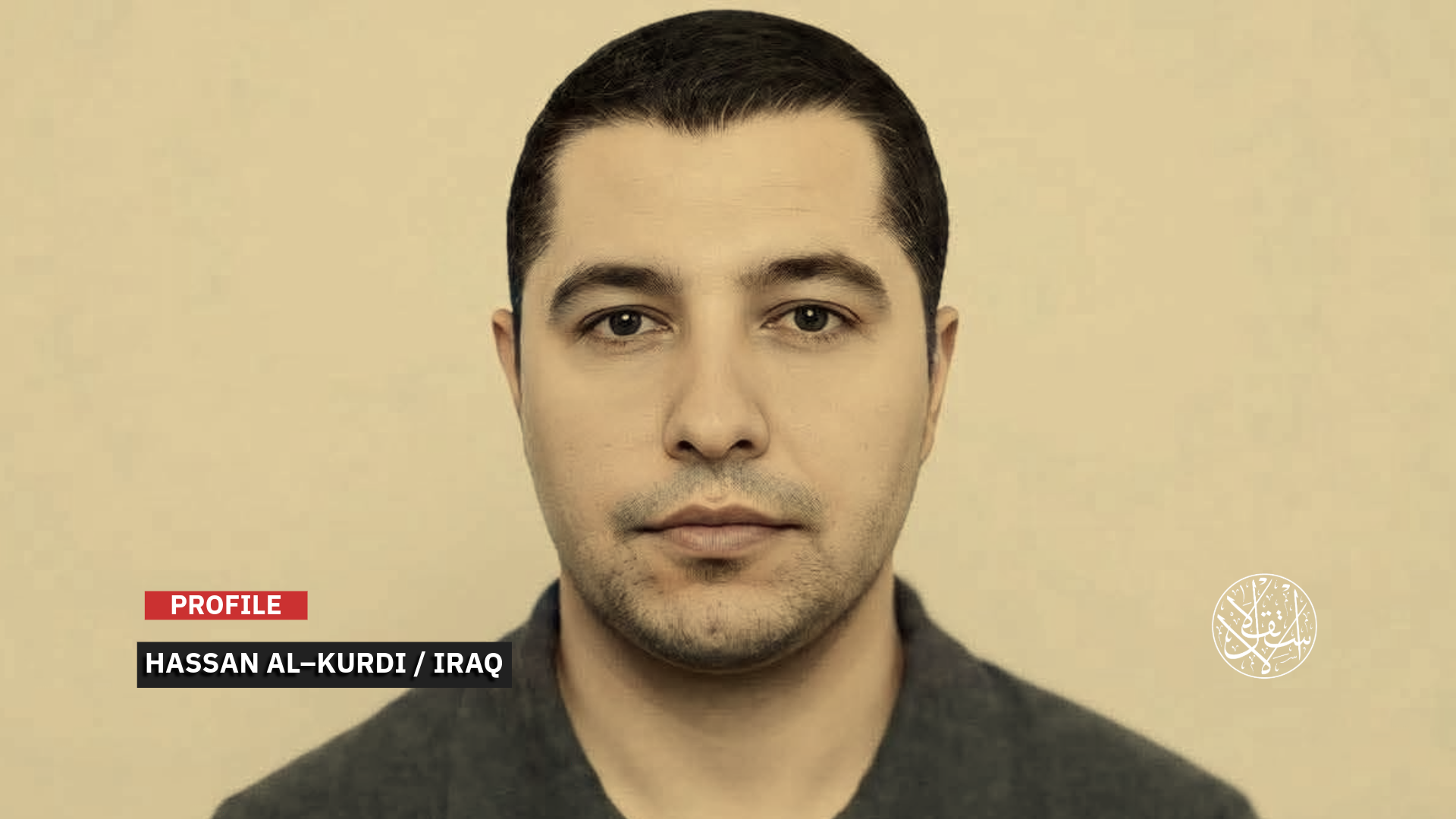
Hassan al-Kurdi fled Iraq with his brother, taking half a billion dollars with them.
Until recently, Hassan al-Kurdi was largely unknown to the Iraqi public, his name familiar only within business circles and the country's oil contracting sector. That changed abruptly when Prime Minister Ali al-Zaidi's government launched a sweeping anti-corruption campaign in late May 2026, thrusting him into the national spotlight.
Al-Kurdi is now widely described as one of the key fugitives in the sprawling oil refinery contracts case, regarded as one of the largest corruption scandals to hit Iraq's oil sector in recent years.
Interest in al-Kurdi intensified after the arrest of Deputy Oil Minister Adnan al-Jumaili on May 30. The arrest coincided with reports that al-Kurdi had already left Iraq, followed by media news that he had fled to France with his brother, Mohammed, amid reports that Interpol had issued international arrest warrants for both men.
Despite the attention surrounding his case, al-Kurdi has never held a prominent government position. He is known instead as a businessman and contractor involved in projects linked to Iraq's northern refineries, particularly the Baiji Refinery, the country's largest oil refining complex.
Over the past several years, however, his name has circulated widely in Iraq's political and business circles as a figure said to wield considerable influence over oil contracts while providing financial backing to political parties and influential politicians, particularly during election campaigns.
A Rising Figure in His 30s
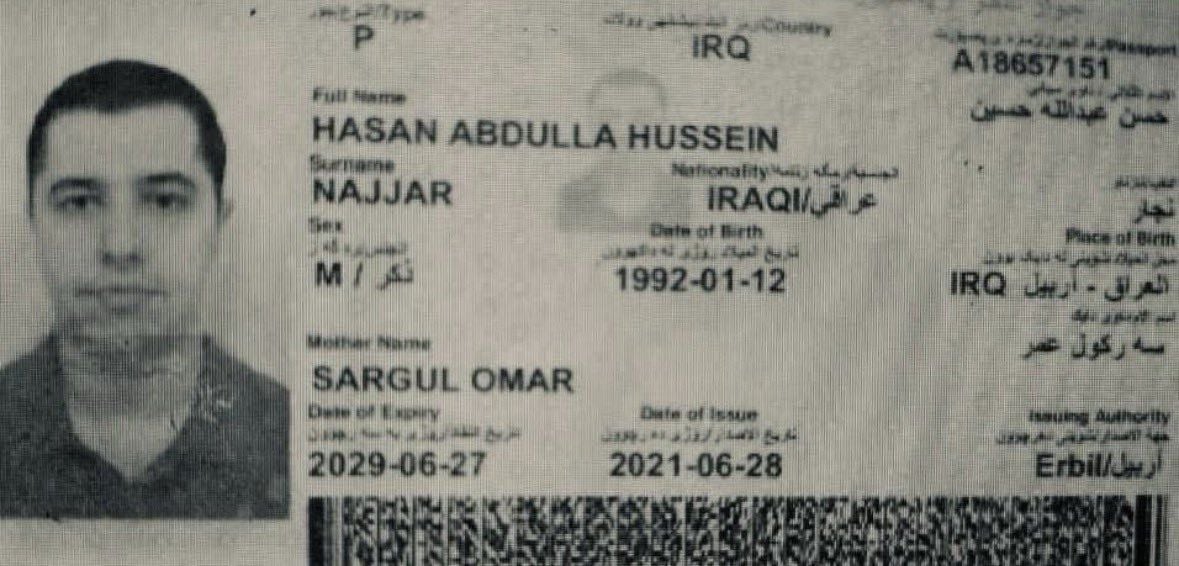
Born in 1992 in Iraq's Erbil province, Hassan Abdullah Hussein is of Kurdish origin. Despite his relatively young age, he built an extensive network of connections within Iraq's oil sector in a remarkably short time, raising persistent questions about the source of his influence and how he gained access to complex financial and administrative affairs.
According to accounts published by local media, al-Kurdi began as a contractor working on projects at Iraq's northern refineries before steadily expanding his role into refinery contracts, storage facilities, and procurement. Over time, his name became associated with a growing number of government projects.
Observers say his rapid rise was driven less by conventional business success than by an extensive web of political and bureaucratic connections that gave him unusual access to state institutions, making him a recurring figure in major economic files.
Al-Kurdi's name is closely linked to former Deputy Oil Minister for Refining Affairs Adnan al-Jumaili, who was recently arrested. Their relationship began after al-Jumaili took office in early 2023 and later expanded to include oversight of major economic files and refinery contracts within the refining sector.
Journalists and political observers said al-Kurdi served as al-Jumaili's economic arm, while other sources describe him as the central figure managing commissions tied to refinery contracts.
Iraq's judiciary has not released any official findings establishing the legal nature of the relationship between the two men. However, the ongoing investigation has placed both at the center of the same corruption case, alongside allegations of links to politicians and lawmakers who have also been arrested on corruption charges.
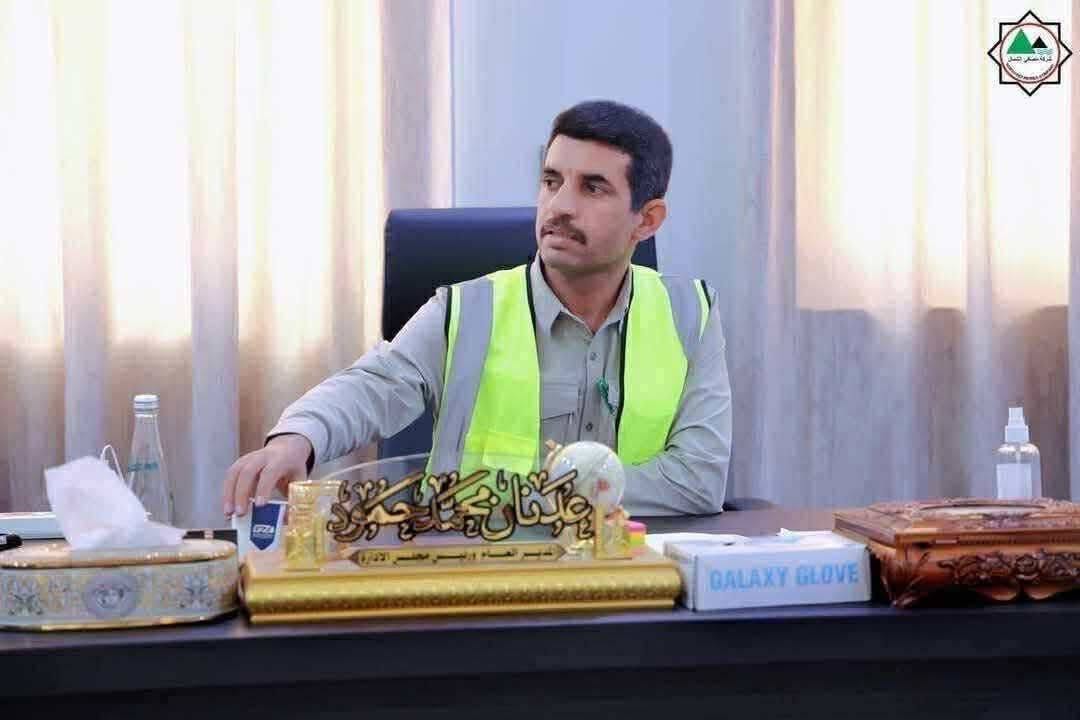
The ‘Godfather’ of Contracts
Among the most prominent descriptions associated with Hassan al-Kurdi was one made by legal expert Amir al-Daami during a television interview on June 10, when he described him as the “link” connecting various political and economic corruption networks in Iraq.
Al-Daami went further, portraying al-Kurdi as the “godfather” who managed a complex network for distributing money and commissions. He argued that, if arrested, al-Kurdi could reveal details about the financing of political figures and parties from across Iraq’s political spectrum.
He also claimed that the money moving through this network was not limited to oil contracts but was also used to finance election campaigns and support political figures from different factions, arguing that al-Kurdi’s arrest could potentially shake Iraq’s current political system.
Most accusations against al-Kurdi focus on refinery contracts, particularly oil storage tank projects and procurement orders linked to northern refineries across the provinces of Salah al-Din, Kirkuk, and Nineveh.
According to journalist Muayad Alzamil, the mechanism involved routing contracts from the Ministry of Oil to state-owned companies affiliated with the Ministry of Industry and Minerals before having them carried out by companies or entities linked to al-Kurdi. According to this account, the arrangement allowed officials to bypass legal restrictions on awarding contracts directly to private-sector firms.
Alzamil also said that some contracts were worth around 14 or 15 billion Iraqi dinars, despite the actual cost of some projects being far lower, which he described as evidence of inflated prices and suspected corruption, according to Alsumaria News on July 4.
The accusations also include thousands of fictitious procurement orders at northern refineries, as well as repeated payments for the same materials more than once—a practice suspected of draining public funds.
Wanted Internationally
One of the most striking aspects of the case is the financial network used to move money out of Iraq. Media reports say that millions of dollars were transferred through banks inside and outside the country before being redistributed to various parties in exchange for commissions.
Reports have also pointed to al-Kurdi’s network of business connections inside and outside Iraq, which, according to these accounts, facilitated the movement of funds linked to refinery contracts.
Iraqi authorities have not yet released the findings of their investigations into these allegations or disclosed the amount of money suspected of being transferred.
However, Iraqi Communications Minister Mustafa Sanad brought Hassan al-Kurdi’s name back into the spotlight when he said that one of the officials responsible for the economic committee affiliated with the detained deputy minister had fled Iraq for France with his brother, carrying an estimated $500 million in smuggled funds, according to a statement he posted on Facebook on July 5.
Hours later, local media outlets reported, citing informed sources, that the individuals in question were Hassan al-Kurdi and his brother, Mohammed al-Kurdi, adding that international arrest warrants had been issued against them through Interpol.
Reports circulating in Iraqi media also indicated that Hassan al-Kurdi left Iraq shortly after the arrest of Adnan al-Jumaili, fueling speculation about possible prior coordination to flee. However, these claims have not been officially confirmed by Iraqi authorities.
Media sources have also reported that Hassan al-Kurdi was linked through a business partnership to a person identified as Shawana al-Kurdi, who holds German nationality, and whom those sources describe as his partner in bribery-related cases and in a network for transferring Iraqi funds abroad.
Despite the intense attention surrounding his name, publicly available information about Hassan al-Kurdi remains extremely limited. There are no official records detailing his professional background, companies, or business activities, and little is known about his education or early career.
This lack of transparency has fueled media interest, with many observers arguing that the absence of official information has contributed to the spread of conflicting accounts about the extent of his influence and political connections.
So far, Iraqi courts have not issued a final ruling against Hassan al-Kurdi, and investigative authorities have not released full official details about the charges against him or the evidence supporting the ongoing investigations.
Neither al-Kurdi nor his legal representatives have issued a public response to the accusations, and he has not made any statements to the media regarding the corruption and money-smuggling cases attributed to him.
As a result, all allegations concerning his role in corruption networks, commissions, or money laundering remain part of ongoing investigations and media reports, while the final judgment remains in the hands of the Iraqi judiciary.
As Prime Minister Ali al-Zaidi’s anti-corruption campaign continues, Hassan al-Kurdi’s name is likely to remain prominent in Iraq’s political landscape—either as one of the most wanted figures in the refinery contracts case or in other cases being discussed by local media.
Sources
- Carrying $500 Million: Sanad Reveals Flight of Detained Deputy’s Economic Adviser and Brother to France [Arabic]
- His Arrest Could Bring Down Iraq’s Political System: Hassan al-Kurdi, the Mastermind Behind a Money Network [Arabic]
- Half a Billion Dollars Out of Iraq: The Kurdi Brothers at the Center of the Oil Sector’s Biggest Corruption Case [Arabic]