Iranian Aircraft Landing in Sana’a: Does It Signal a New Phase in Yemen’s Conflict?
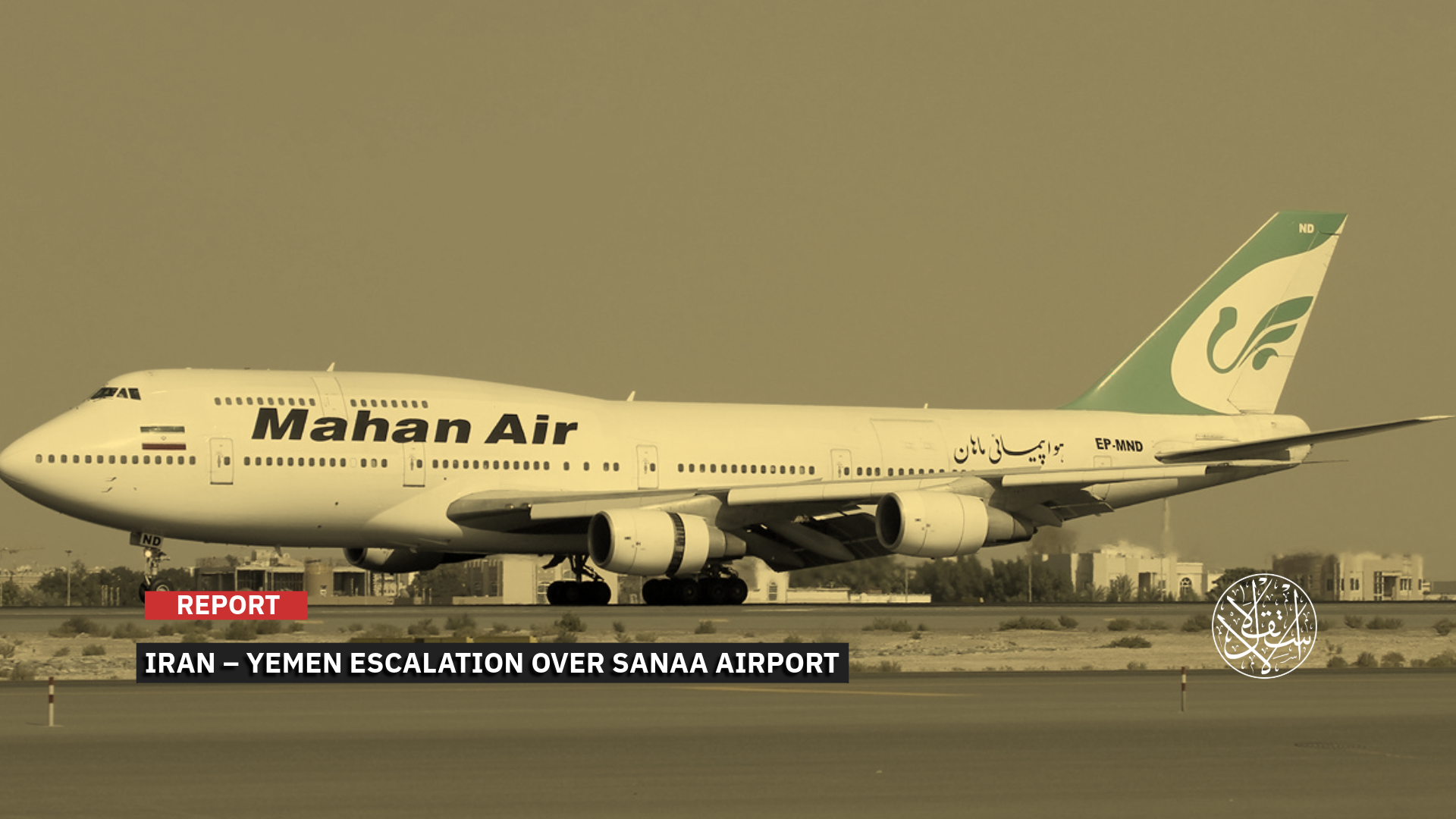
Analysts say the arrival of the Iranian plane was more than just a civilian flight.
In early July 2026, Yemen witnessed a notable development marked by the landing of an Iranian civilian aircraft at Sana’a International Airport, in the first such flight since the air blockade on the airport was imposed in 2015.
The move brought the issue of the air blockade back to the forefront, after the Yemeni government described it as a violation of the country’s sovereignty and of the procedures regulating air traffic.
Meanwhile, Iran and the Houthi group viewed it as a step aimed at ending the restrictions imposed on the airport.
The development triggered mixed political and military reactions and reignited debate over the management of Yemeni airspace and the future of de-escalation efforts. It also heightened concerns over the possibility of the conflict entering a new phase of escalation.
How Did the Aircraft Arrive?
An Airbus A340-313X aircraft operated by Mahan Air, a company listed under U.S. sanctions, carried out a direct flight from Imam Khomeini International Airport in Tehran to Sana’a International Airport, using the L425 and N315 air routes, whose operational control was recently transferred to the air traffic control center in Muscat.
Aviation tracking data indicated that the aircraft switched off its tracking system while flying through Yemeni airspace.
While the Yemeni government asserted that the flight was not humanitarian in nature, but instead carried Iranian personnel and experts, in addition to equipment with potential military uses, the Houthi group defended the flight as a humanitarian mission transporting patients, stranded passengers, and an official delegation.
The group said the flight represented the beginning of breaking what it describes as the “siege” imposed on Sana’a Airport, and insisted that flights between Tehran and Sana’a would continue regardless of the consequences.
The military spokesperson for the Houthi group, Yahya Saree, claimed that a formation of Saudi fighter aircraft attempted to intercept the plane, but that the group’s air defense forces confronted them and forced them to leave, allowing the aircraft to land at Sana’a Airport.
Regardless of the conflicting accounts, observers believe that the arrival of the Iranian aircraft was not merely a civilian flight, but rather represented a political and strategic shift in the rules of engagement related to Yemeni airspace.
They view it as an unprecedented test of the Yemeni government’s and the coalition’s ability to maintain restrictions imposed on Sana’a Airport.
This gives the operation implications that go beyond the aviation incident itself, turning it into a renewed test of the balance of power in one of the most sensitive aspects of the Yemeni conflict.
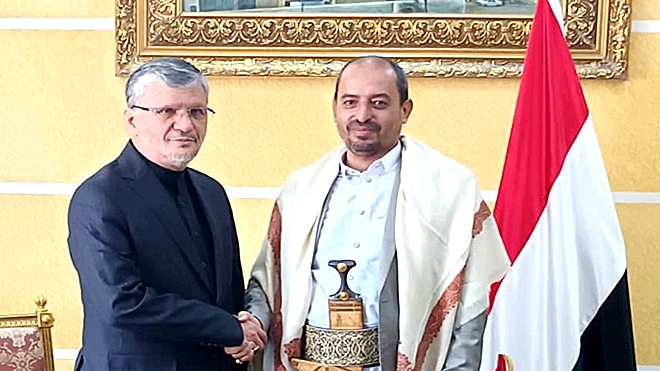
The Yemeni Government’s Actions
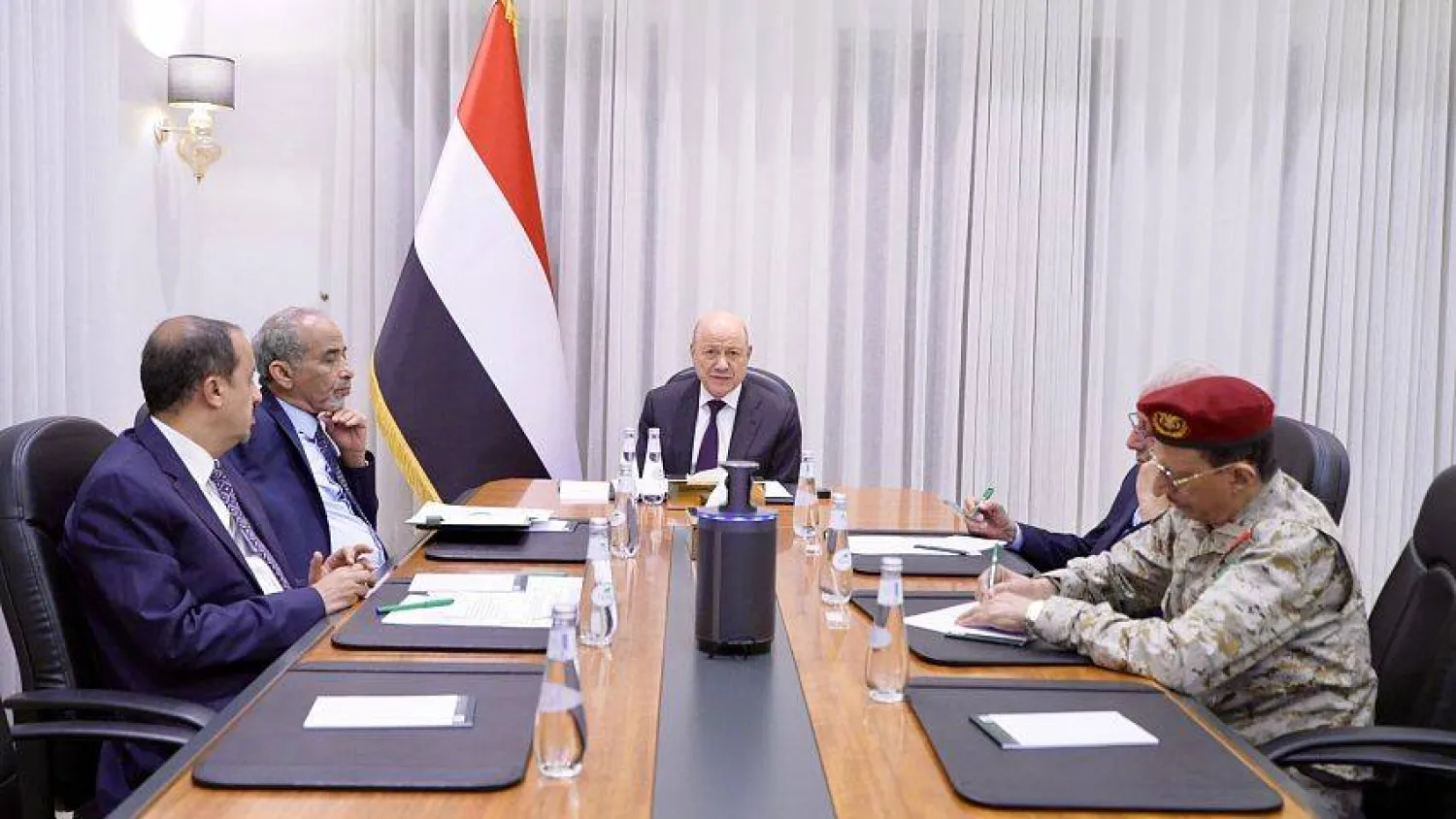
The Yemeni government viewed the arrival of the Iranian aircraft at Sana’a Airport as a sovereignty crisis and a direct test of the international legitimacy framework, rather than merely a violation of procedures governing civilian air traffic.
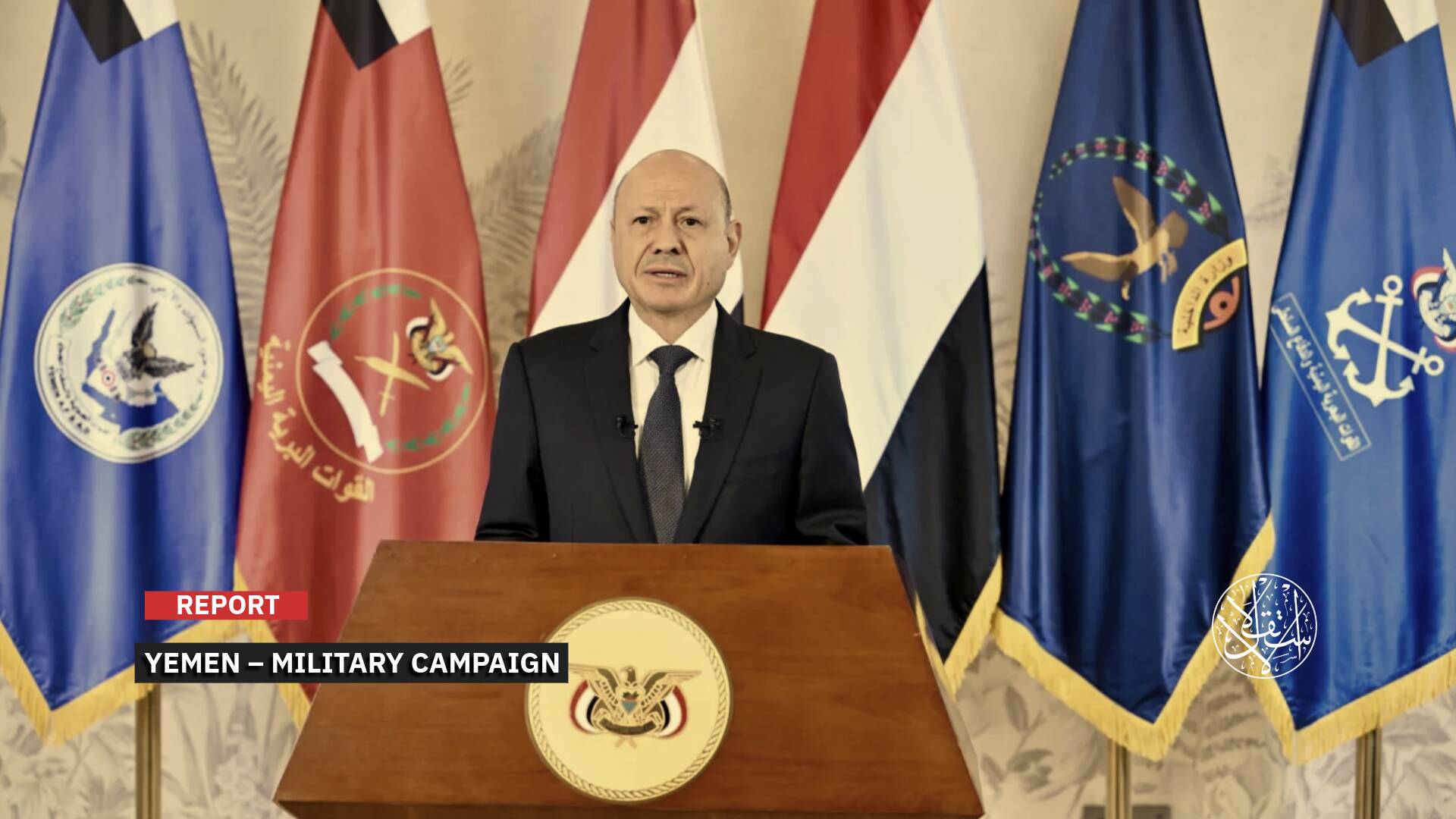
The Presidential Leadership Council described the flight as a “blatant violation” of the sovereignty of the Republic of Yemen, international law, and United Nations Security Council resolutions.
It stressed that the management of airspace, airports, and air entry points falls under the exclusive authority of the Yemeni state, and that bypassing these powers threatens to establish a precedent that would undermine the foundations of a political settlement and the international frameworks governing the Yemeni crisis.
The presidency and government adopted a diplomatic and legal approach aimed at internationalizing the issue. President Rashad al-Alimi called on the international community to move beyond condemnation and take stronger measures, including the strict implementation of Security Council resolutions, tighter monitoring of Yemeni airports and ports, preventing the use of civilian aviation to transport experts or equipment with military applications, and launching an independent international investigation into the circumstances surrounding the flight, particularly the loss of the aircraft’s tracking signals, the nature of its cargo, and the identities of those on board.
At the government level, a government source revealed plans to intensify diplomatic efforts by addressing the Arab League and the United Nations Panel of Experts, describing the incident as the “most serious violation of Security Council resolutions since 2015.”
The Cabinet also renewed its condemnation of the incident and confirmed raising the level of military and security readiness.
The Yemeni government further stressed its military preparedness to confront what it described as continued Houthi escalation backed by Tehran.
In a message addressed to Yemenis living in areas under Houthi control, Yemeni Prime Minister Shaya’ al-Zindani revealed for the first time that the government had approved the roadmap drafted by the UN envoy in 2023.
He accused the Houthis of rejecting the plan, backtracking on understandings reached, and undermining peace efforts.
He also held the group responsible for dragging Yemen into regional conflicts and obstructing the operation of Sana’a Airport by detaining aircraft and funds belonging to Yemenia Airways.
He reaffirmed the government’s commitment to a political settlement while warning against the continuation of escalation.
The Coalition's Measures
The Saudi-led Coalition to Support Legitimacy viewed the Iranian flight to Sana’a Airport as an escalation that threatens regional security and is linked to the growing Iranian influence in Yemen.
The coalition’s spokesperson, Brigadier General Turki al-Maliki, stated that Houthi threats to target Saudi airports and facilities represent a continuation of the group’s approach of destabilizing the region.
He stressed that any attack against Saudi Arabia or any violation of Yemen’s sovereignty would be met with a “firm and unprecedented” response, in accordance with international law.
The coalition’s position reflects its desire to avoid treating the flight as an isolated aviation incident and instead present it as a test of the existing rules of engagement and an attempt to reshape the balance of power in Yemen in favor of Iranian influence. This explains the unusually strong warning issued by the coalition.
However, this warning is also shaped by Saudi calculations aimed at avoiding direct escalation with Iran and preventing the collapse of previous diplomatic understandings reached between the two countries under Chinese mediation.
Given Riyadh’s efforts to avoid any provocation that could negatively affect maritime security and navigation in the Strait of Hormuz, Saudi Arabia appears to prefer limiting the scope of confrontation and disagreement to the Houthi group alone.
This approach is seen as the safest and least costly way to contain the Iranian aircraft crisis after it breached the restrictions, allowing the airspace violation to be addressed without drawing the region into a broader regional confrontation.
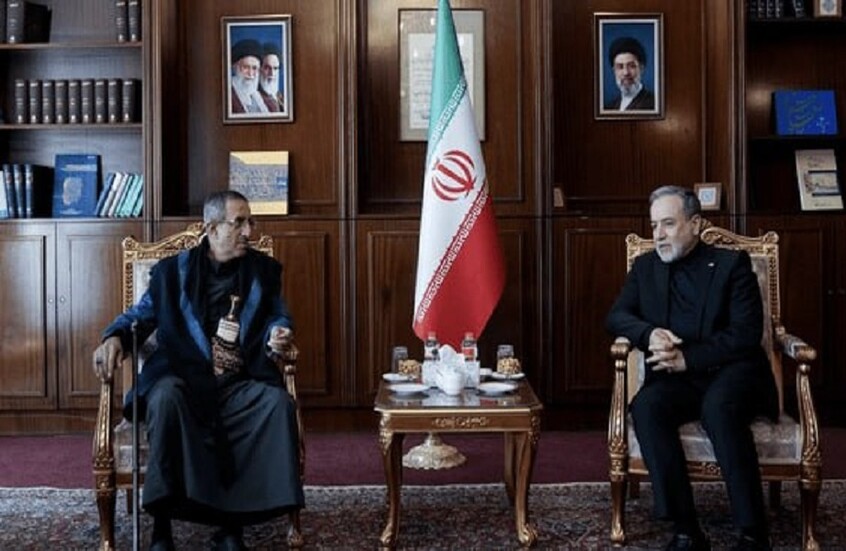
The Houthis' Response
The Houthi group treated the incident as a “victory” and a “breaking of the siege,” while escalating its threatening rhetoric to an unprecedented level. The group’s military spokesperson threatened to target Saudi airports, Aramco facilities, oil fields, the ports of Yanbu, and even the “stock market, financial markets, and Vision 2030 projects” if its aircraft were intercepted.
The group also hinted at using the “Bab al-Mandab Strait” card by preventing Saudi vessels from navigating the strait if the blockade was not lifted.
Meanwhile, the group’s so-called Foreign Ministry considered the reopening of Sana’a Airport a “sovereign right,” warning that any measures to prevent flights would have repercussions for regional security and the global economy. At the same time, the group denied rejecting the Omani roadmap, and blamed Saudi Arabia for delaying the signing of the agreement.
These positions indicate that the Houthis did not merely present the flight as a political success; rather, they sought to use it to establish a new deterrence equation linking the continued operation of Sana’a Airport to their ability to threaten Saudi Arabia’s strategic depth. This, in turn, raises the cost of any attempt to reimpose air restrictions.
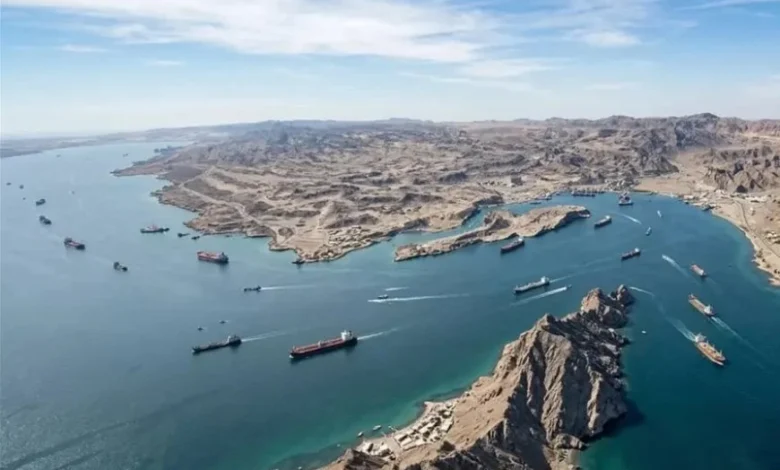
The Iranian Response
Iran’s response was diplomatic in appearance but supportive of escalation in substance. During a meeting in Tehran with Houthi Deputy Prime Minister Jalal al-Ruwaishan, Iranian Foreign Minister Abbas Araghchi announced Iran’s readiness to use “all its diplomatic capabilities to lift the blockade on Yemen.”
In a related development, Ali Mohammad Rezaei, described as Iran’s representative and military governor of Sana’a, appeared publicly alongside Houthi security official Abdul Wahid Abu Ras to oversee the mechanism for operating the air bridge. According to observers, this move indicates that the issue is being managed directly from Iranian operations rooms.
Ali Akbar Velayati, the Iranian Supreme Leader’s adviser for political and international affairs, said that Yemen represents a key pillar of the “resistance front” and a defender of the region’s independence against domination. He stressed the need for the immediate lifting of the blockade imposed on Yemen.
In the same context, and days after the Iranian aircraft crisis in which a plane breached the air restrictions and landed at Sana’a Airport, Tehran appeared to have begun responding by escalating pressure on Saudi Arabia in the Strait of Hormuz.
Riyadh strongly condemned the targeting of two Saudi and Qatari vessels, describing the attack as a threat to international maritime security and global energy supplies.
Observers believe that this escalation carried a pressure message directed at Saudi Arabia in response to the measures it took, in coordination with the Yemeni government, against the Iranian flight.
They view it as an attempt to increase the cost of maintaining restrictions on Houthi-controlled areas and to push Riyadh to reconsider its air blockade policy.
The Implications of Breaking the Blockade
Most analyses suggest that the Iranian flight went beyond being merely an air transport operation and became a political and security message that once again tested the system of restrictions imposed on Sana’a Airport since 2015.
According to these assessments, the move represents an Iranian message with regional dimensions, demonstrating Tehran’s ability to maintain direct access to its ally in Yemen despite sanctions and restrictions.
It also seeks to establish a new reality in the management of airspace in areas controlled by the Houthi group.
Observers also believe that the move falls within the framework of “testing the waters” with Saudi Arabia and assessing its readiness to engage in a new confrontation.
At the same time, they view it as a “political reward” from Iran to the Houthis in recognition of their support for Tehran during recent regional developments.
Analysts offered differing interpretations of the implications of the move. While some described it as a “calculated gamble,” others viewed it as a form of “regional coercion.”
Political science professor Adel al-Shujaa believes the incident signals that the conflict may be entering a new phase, potentially involving a reshaping of the rules governing relations among the parties.
He suggests that Saudi Arabia is likely to favor a policy of containment and avoiding escalation.
Meanwhile, writer Kamal Haidara views the flight as a “test of reactions” and a pressure message aimed at pushing Saudi Arabia back to the negotiating table. Domestically, he sees it as an attempt to absorb growing popular and tribal anger linked to the case of Sheikh Hamad bin Fadgham.
Writer Kamal al-Salami describes the move as an Iranian attempt to impose new realities on the ground. He rules out the possibility that Saudi Arabia would embark on another military adventure and instead suggests that Riyadh may allow limited flights to operate within the framework of a Saudi-Iranian understanding.
In contrast, political analyst Yassin al-Tamimi views the development as part of a policy of “regional coercion,” arguing that Iran is attempting to link the Yemen issue to the course of its negotiations with the United States, with the aim of exempting the Houthi group from the obligations of the UN-sponsored settlement process.
Ahmed al-Shalafi, Yemen affairs editor at Al Jazeera, considers the flight the first actual breach of the air restrictions imposed on Sana’a Airport since 2015.
He believes that continued escalation and stalled negotiations could widen the scope of confrontation and potentially return the conflict to a state of war.
In the same context, aviation specialists warned that the presence of multiple authorities overseeing Yemen’s airspace could create institutional and legal challenges for efforts to restore the Yemeni state’s full control over the civil aviation sector.
Overall, these assessments conclude that the Iranian flight was not merely an aviation precedent; rather, it represents an indicator of a possible reshaping of the rules of engagement in Yemen, militarily, politically, and diplomatically, making it a potentially pivotal moment that could influence the trajectory of the conflict in the coming phase.
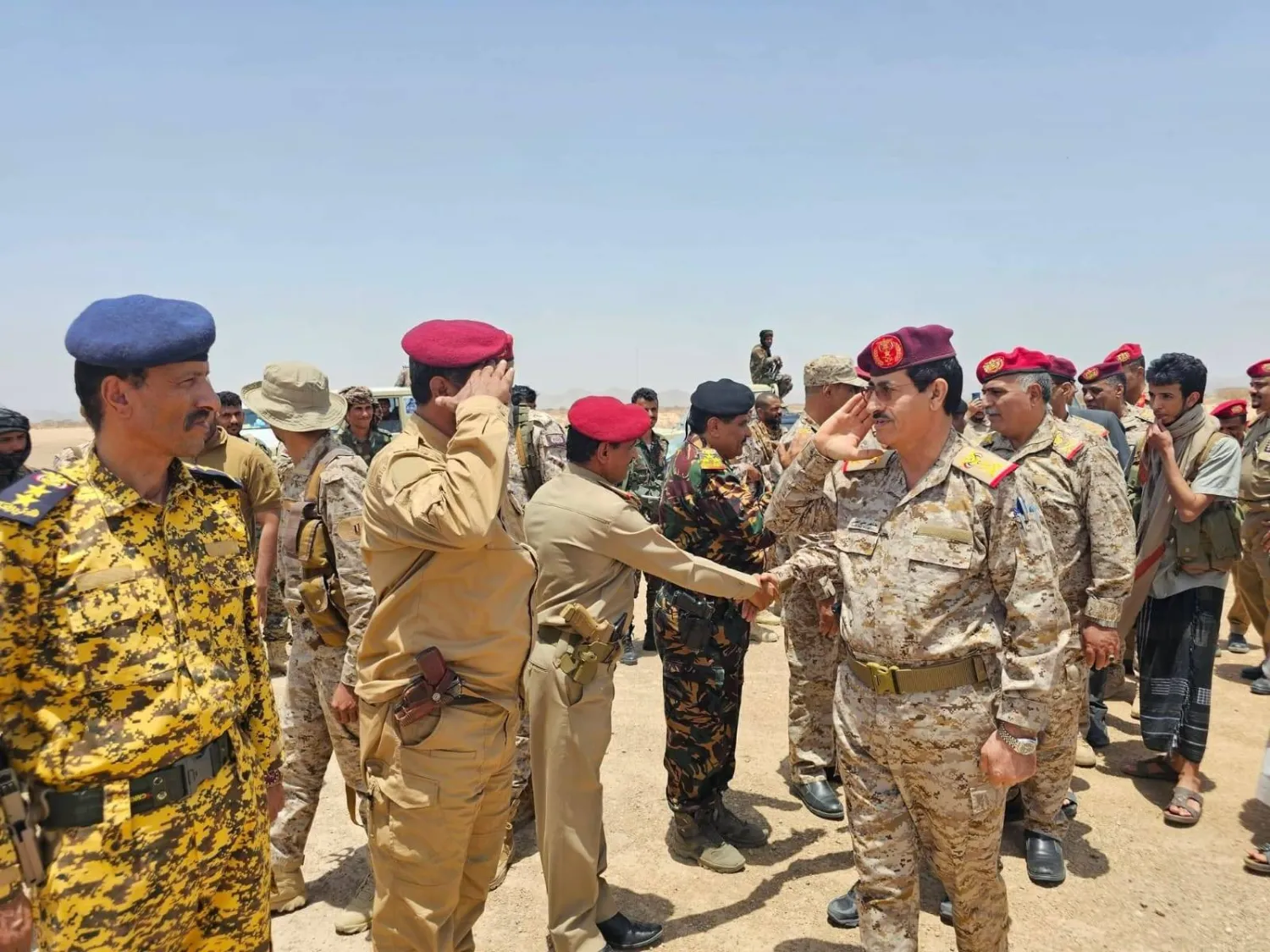
The Outcome of the Crisis
The crisis surrounding the landing of the Iranian aircraft at Sana’a Airport reveals that the Yemeni conflict has entered a more sensitive phase, as the issue of operating the airport has shifted from a matter of a humanitarian nature into a point of confrontation involving sovereignty, airspace management, and the limits of Iranian influence in Yemen.
The crisis is therefore no longer simply a dispute over an air flight; it has become a test of the balance of power between Saudi Arabia and the Yemeni government on one side, and Iran and the Houthi group on the other. It also represents a test of the ability of the fragile de-escalation process to withstand mounting pressures.
Current developments suggest that the crisis could move along one of two parallel paths. Either regional and international mediation efforts succeed in containing it by incorporating the issue of flights and the management of Sana’a Airport into the arrangements of the roadmap, or it could become a new flashpoint for escalation as military and political messages continue to be exchanged, with further Iranian flights or countermeasures to prevent them.
Such developments would increase the likelihood of direct confrontation and threaten to widen the scope of the conflict, particularly amid indicators reinforced by recent developments in the Strait of Hormuz.
At the same time, the continued operation of Iranian flights without effective interception could establish a new reality in the management of airspace in Houthi-controlled areas.
The Yemeni government and Saudi Arabia view this as an infringement on Yemen’s sovereignty and an attempt to impose arrangements that go beyond internationally recognized legal and political frameworks.
In any case, the political process appears to be the biggest casualty of this crisis, as it has brought previously postponed issues back to the forefront of negotiations, most notably questions of sovereignty, airspace management, and the nature of the relationship between the Houthi group and Iran.
This threatens to slow the implementation of the roadmap, deepen the trust gap between the parties, and prolong the state of stagnation obstructing the path toward peace.
These developments have also contributed to weakening the fragile truce that had prevailed since April 2022. The political escalation coincided with the resumption of clashes on the Hays front in Yemen’s al Hudaydah Governorate, while the repercussions of the crisis extended into the domestic arena, with rising tribal mobilization against the Houthi group in al Jawf Governorate over the case of Sheikh Hamad bin Fadgham and his relative Mira Saddam Hussein.
This reflects the widening scope of tensions and the increasingly intertwined political, military, and tribal dimensions of the conflict.
Sources
- President of the Presidential Leadership Council: IRGC Aircraft Flight to Sana’a Represents a Blatant Violation of Yemeni Sovereignty and a Direct Challenge to the Authority of the International Order [Arabic]
- Cabinet Discusses Latest Developments and Ongoing Escalation by Houthi Militias and Violations of Yemeni Sovereignty [Arabic]
- Government Source to “Al-Hudhud”: Government Moves to Internationalize Iranian Flight Issue Through Arab and UN Action Over Sovereignty Violation [Arabic]
- Muscat Takes Control of Part of Sana’a Airspace… Troubling Developments in Yemen’s Air Navigation File [Arabic]
- From Sana’a Airport to Tihama… How Did Escalation Ignite in Yemen? [Arabic]
- Yemen on the Brink of Confrontation… Behind the Houthis’ Escalatory Rhetoric Against Saudi Arabia [Arabic]
- Armed Forces Statement: An Operational Warning Message to the Enemy Against Repeating Any Violation or Aggression Against Yemen [Arabic]
- Foreign Ministry Responds to Saudi Enemy Statement and Its Attempt to Mislead Public Opinion by Distorting Facts [Arabic]
- Escalation in Yemen Enters a New Phase… Houthis Threaten to Strike Saudi Oil Fields [Arabic]
- Coalition: Houthi Statements Are an Attempt to Divert Attention From Their Violations Against Yemenis [Arabic]
- Houthis Claim to Have Repelled Saudi Fighter Jets and Threaten to Strike Airports [Arabic]
- Ansar Allah Movement Threatens to Close the Bab al-Mandab Strait [Arabic]
- Houthis Again Threaten Saudi Arabia With Attacks on Aramco and Demand Signing of the Roadmap [Arabic]
- What Are the Implications of an Iranian Aircraft Arriving in Sana’a and Breaking the Yemeni Airspace Restrictions? [Arabic]
- Iran’s Airspace Breach in Yemen and Houthi Threats to Target Saudi Arabia: A Calculated Gamble or Regional Coercion? [Arabic]
- Second Iranian Aircraft to Yemen | Sana’a to Riyadh: Bab al-Mandab in Exchange for Lifting the Blockade [Arabic]
- Al-Aqib Reveals International Mediation Efforts to Contain Tensions in Yemen [Arabic]