From a Scenario to a Mobilization Speech: Why Are Israelis Once Again Talking About a War Against Egypt?
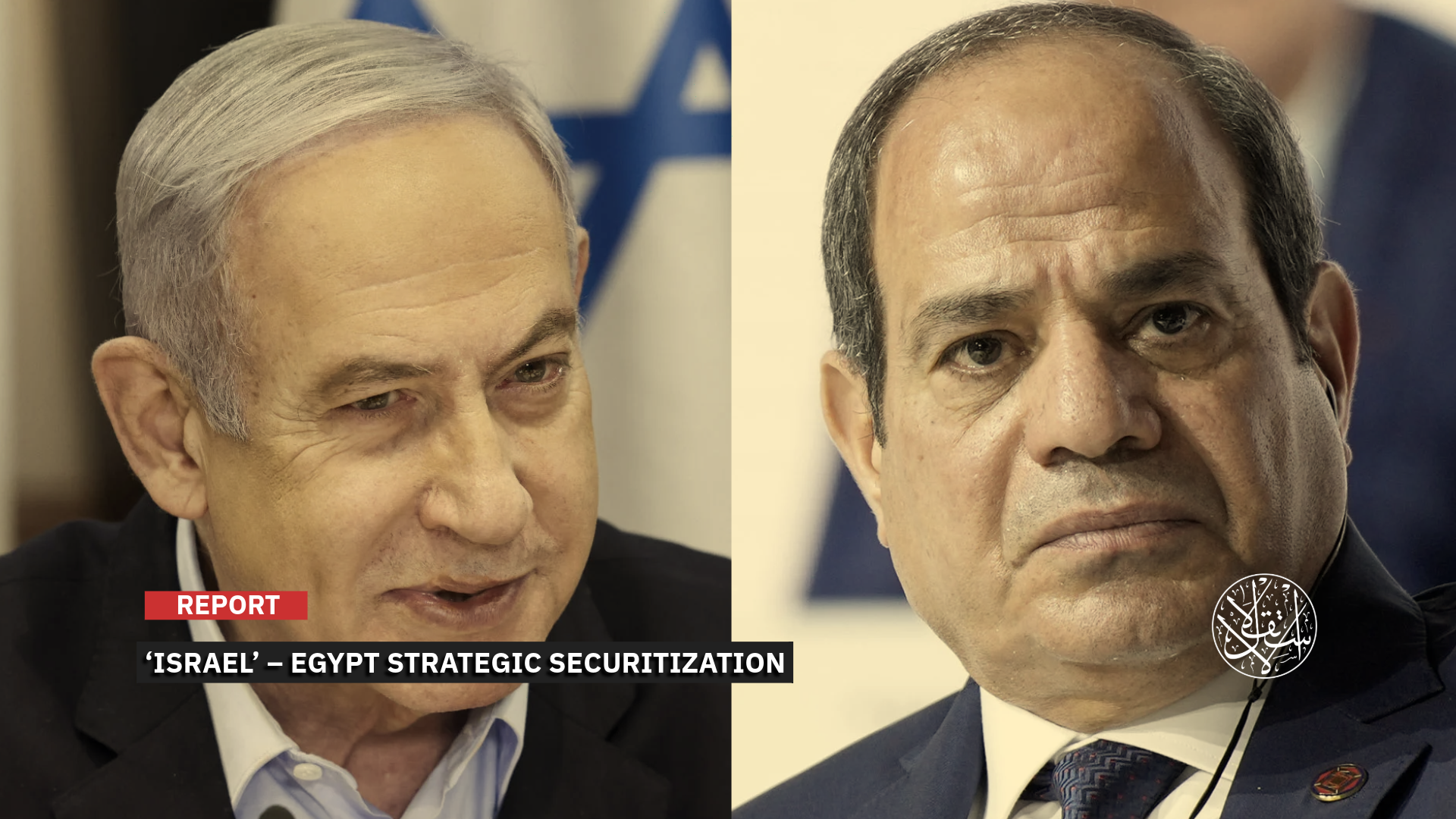
Cohen criticized US policy, which he believed had allowed powers such as Egypt and Turkiye to strengthen their military capabilities.
During the annual “Herut” conference held in Jerusalem, the head of the Israeli “Herut” Center, Amiad Cohen, reportedly predicted on June 23, 2026, that a military confrontation between Egypt and “Israel” could break out within the next fifteen years.
This proposal came amid a noticeable rise in Hebrew media coverage and Israeli political and military statements that have once again placed Egypt at the center of security discussions, portraying it as a strategic challenge that requires preparation.
Analysis of the Israeli discourse reveals that talk of the “Egyptian threat” has become part of a broader debate linked to the Gaza war, the shock of October 7, and the future security environment that “Tel Aviv” believes is taking shape in the Middle East.
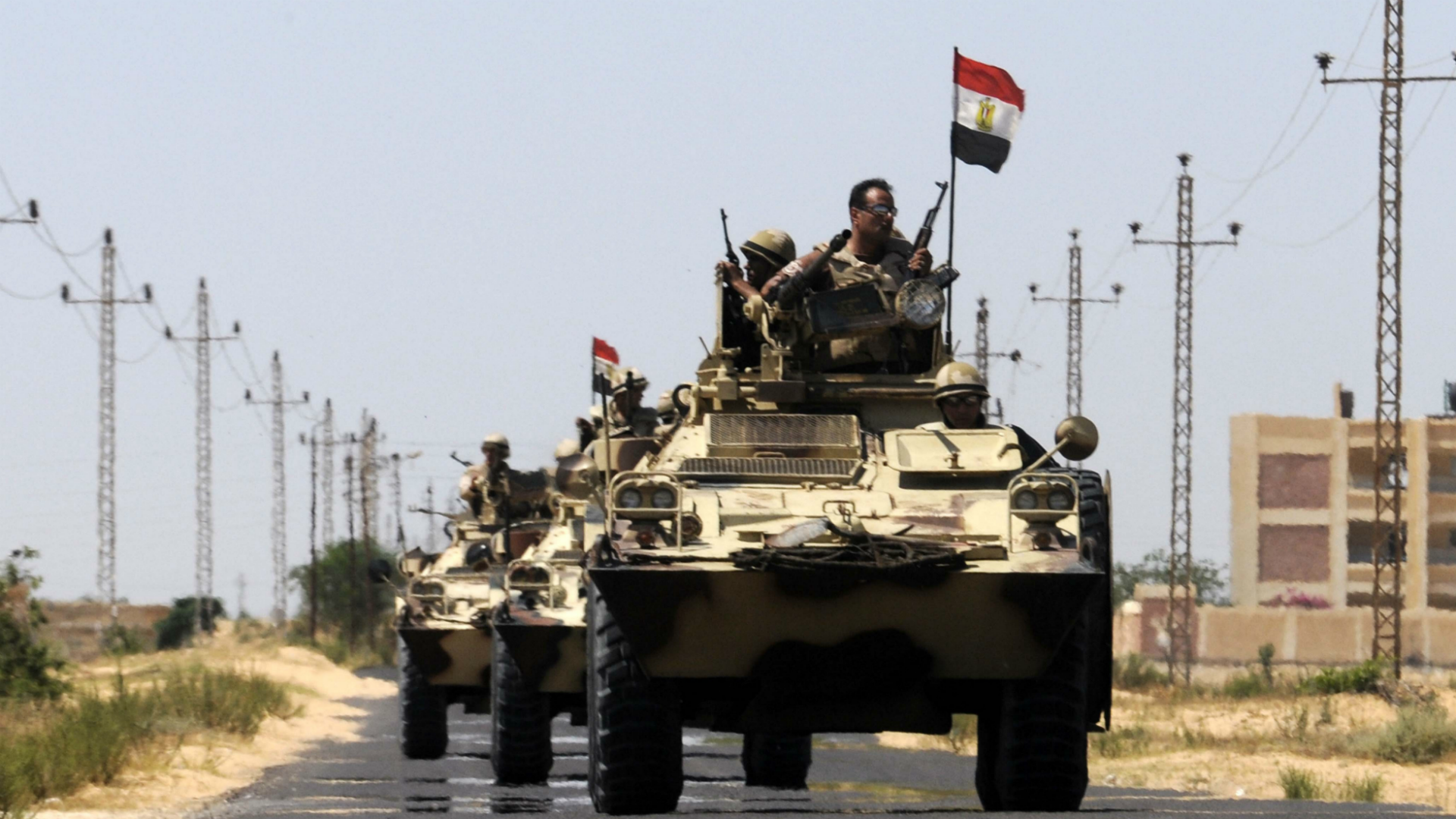
A War of Words
Cohen had also warned about what he described as the steady expansion of Egypt’s military capabilities, and criticized U.S. policy in the Middle East, which he believed had allowed regional powers such as Egypt and Turkiye to strengthen their military capacities.
Although Cohen does not hold a government position, his remarks did not come in a vacuum. In recent months, they were preceded by a series of statements and reports that have pushed Egypt to the forefront of “Israel’s” security debate, after years in which attention was mainly focused on Iran, Hezbollah, and Hamas.
In February 2026, the Hebrew newspaper The Times of Israel reported that Prime Minister Benjamin Netanyahu had warned during a closed meeting of the Knesset’s Foreign Affairs and Defense Committee that the Egyptian army was “growing stronger,” stressing the need to closely monitor this development.
While reaffirming the continued importance of the peace treaty, raising this issue within one of the Knesset’s most important security committees reflected the return of the southern front to “Israel’s” strategic calculations.
Later, The Jerusalem Post published a report based on Israeli intelligence assessments regarding the growing Egyptian military presence in Sinai near the border with “Israel”, estimating that these developments require continuous monitoring by the security establishment.
Around the same time, Forbes magazine suggested that concern over Egypt’s military power had become a prominent issue within “Israel”, alongside the recent war with Iran, indicating that the debate was no longer limited to the Iranian threat alone.
The issue was not confined to the media. On several occasions, former Israeli ambassador to the United Nations Danny Danon raised questions about the scale of Egypt’s arms programs, asking why Cairo possesses submarines and advanced combat systems.
He stressed that after the October 7 attack, “Israel” could no longer ignore any military changes along its borders, even with countries with which it has peace treaties.
These positions indicate that Cohen’s remarks were only the latest episode in a growing discourse within “Israel” that is reintegrating Egypt into national security assessments, not as a current adversary, but as a regional power whose growing capabilities must be monitored and potential future scenarios prepared for.
Multi-Front Warfare
Similarly, discussions about Egypt are no longer limited to statements by politicians, but have increasingly appeared in recurring articles by retired generals, think-tank papers, and Hebrew media reports, which address Egypt’s arms procurement programs as one of the most significant strategic developments in the region.
Among the most prominent voices contributing to this trend is Major General (Res.) Itzhak Brik, the former commander responsible for soldiers’ complaints in the Israeli army, who warned in an article published by the newspaper Maariv that “Israel” must prepare for new challenges that could emerge from the south.
He assessed that any military rapprochement between Egypt and Turkiye could force “Tel Aviv” to rebuild an army capable of fighting on multiple fronts, rather than focusing on the traditional northern fronts (Syria and Lebanon).
Brik holds particular influence within Israeli security discourse, as he has become known in recent years for his repeated criticism of the Israeli military’s readiness. He was also among the first military figures to warn of structural failures within the military establishment prior to the October 7 attack, which gave his later warnings regarding Egypt significant attention in Hebrew media.
In the same context, Knesset member Amit Halevi escalated his rhetoric, accusing Egypt of violating the security arrangements of the Camp David Accords by developing military infrastructure in Sinai, and calling for a reassessment of the Israeli military deployment along the southern border.
Hebrew media also circulated statements attributed to former Israeli spy Jonathan Pollard, in which he called on “Israel” to prepare for a potential future confrontation with Egypt and Turkiye, assessing that the challenges facing “Tel Aviv” would not be limited to Iran.
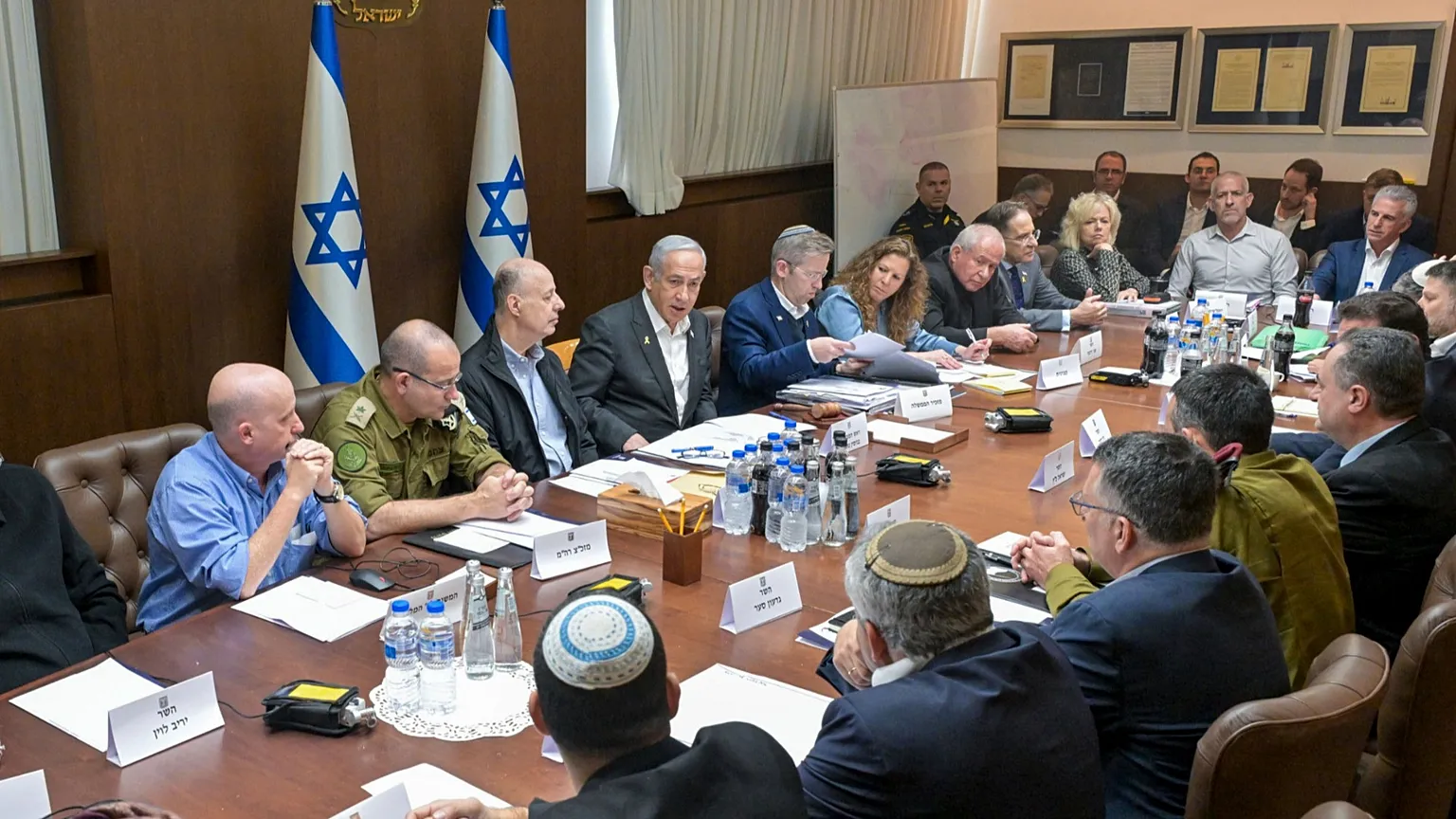
Israeli Strategic Thinking
On the other hand, not all Israeli research institutions have taken the same approach. The Israeli Institute for National Security Studies (INSS) offered an interpretation that moderates the rising Israeli concerns, noting that the growth of Egypt’s military capabilities does not necessarily imply an intention to go to war with “Israel”.
It explained that Cairo faces multiple security challenges, including its borders with Libya and Sudan, as well as securing the Red Sea and the Eastern Mediterranean.
Similarly, researchers at the Jerusalem Center for Public Affairs argued that the Egyptian army now possesses greater capabilities than it did two decades ago, but this does not change the fact that the peace treaty remains a fundamental pillar of regional stability.
Any Israeli assessment of the future, they said, must balance Egypt’s growing military strength with the continued mutual interests between the two countries.
Despite this divergence between media narratives and some research centers, the common thread in most Israeli discussions is that Egypt has returned to the map of long-term threats.
The question being asked within these circles is no longer: “Is Egypt a threat now?” but rather: “What will the balance of power look like in ten or fifteen years?”
This shift reflects a change in Israeli security thinking after October 7, moving from focusing only on existing threats to also considering regional powers undergoing continuous military modernization, even if they maintain stable official relations with “Israel”.
As a result, Egypt is no longer mentioned in Hebrew discourse merely as a partner in security arrangements along the Gaza border, but as a strategic variable that must be monitored and incorporated into “Israel’s” military planning for the coming decade.
Sinai Under Scrutiny
The growing Israeli discourse about Egypt’s military capabilities has not been separate from Sinai itself. Rather, most Hebrew reports in recent periods have focused on developments within the peninsula, whether infrastructure projects, roads, tunnels, or airport upgrades, in an attempt to link these developments to military and security assessments.
In June 2026, reports published by the Israeli platform Natsiv Net sparked widespread debate after discussing development work at Egypt’s “El Gora” military airport in northern Sinai, located about 12 kilometers from the border with “Israel”.
Citing what it described as intelligence assessments, the platform claimed that the Egyptian army was working on extending and widening runways, building aircraft shelters and fuel depots, and constructing logistical facilities that would allow the airport to accommodate fighter jets and heavy military transport aircraft.
The reports linked these works to the possibility of rapidly transferring troops and equipment to northern Sinai, suggesting that the airport is gradually being transformed into an active airbase, an interpretation that reflects how Hebrew media has begun to approach any Egyptian project in Sinai.
Similarly, reports in the Hebrew platform News1 and other Israeli media outlets discussed the new road networks, tunnels beneath the Suez Canal, and connectivity projects between Sinai and the Nile Valley, presenting them as elements that could provide the Egyptian military with greater flexibility in movement and deployment if necessary.
What is notable in this Israeli narrative is not opposition to any specific project, but rather the shift toward reading the overall development of Sinai as a factor in military balance calculations, a transformation that reflects a broader reassessment of the southern front following the war on Gaza.
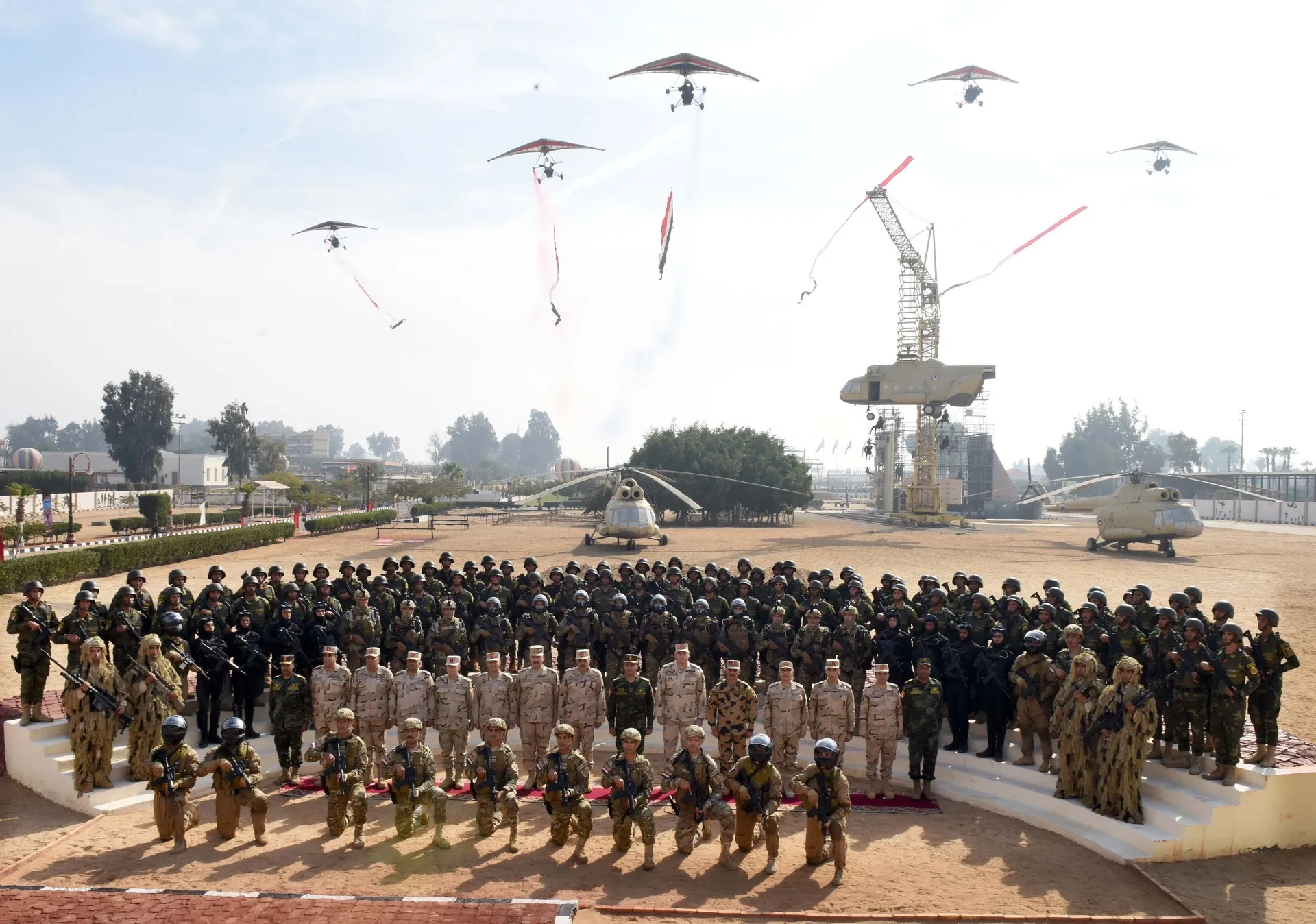
Main Enemy
The Egyptian political science researcher Amer Hassan told Al-Estiklal that tensions between Egypt and “Israel” are not a product of the war on the Gaza Strip, but rather reflect the nature of a relationship shaped by a prolonged conflict environment dating back to the establishment of the Israeli entity in 1948.
He added that the Israeli security establishment has historically viewed Egypt as the primary military threat, because the Arab armies that fought the four major wars with “Israel” were led in large part by the Egyptian armed forces.
This has led Israeli security doctrine to treat Egypt as the most significant potential danger to “Israel’s” security, even after the signing of the peace treaty.
Hassan explained that, conversely, it is natural for “Israel” to remain, in the Egyptian strategic perception, the main adversary and primary threat, given decades of conflict, the continued occupation of Palestinian territories, and Israeli policies affecting Egyptian national security, most notably the war on Gaza, control over the Philadelphi Corridor, and proposals to relocate Palestinians into Sinai.
He argued that the recent escalation in Israeli media and security discourse regarding Egypt’s military capabilities is not a new phenomenon, but rather a continuation of a long-standing security doctrine that resurfaces whenever political tensions rise between both sides or Israeli strategic plans in the region face difficulties, including visions related to the future of Gaza and the broader region.