Hundreds of Thousands Face Deportation: Will Trump’s Immigration Agenda Prevail?
“The State Department has revoked roughly 100,000 student visas.”
All eyes in the United States are on the anticipated changes to immigration policies, as the current administration seeks to implement an ambitious agenda aimed at altering the rules for dealing with immigrants and reducing the number of people crossing the border.
The new plans include stricter measures that could restrict asylum opportunities and increase the pace of deportations, leaving hundreds of thousands of individuals and their families in a state of anxiety and uncertainty about their legal and social future in the country.
The US administration recently urged immigrants benefiting from Temporary Protected Status (TPS) to seek permanent residency or leave the United States, stating its willingness to cover the costs of their return to their home countries. This came after a Supreme Court decision that allows for the termination of TPS for hundreds of thousands of immigrants.
Federal law allows the administration to grant temporary legal residency in the United States to people fleeing war, disasters, or other circumstances.
Despite the administration's move to end the program, the US State Department continues to warn its citizens against traveling to Haiti and Syria due to widespread violence, crime, terrorism, and kidnapping.
The United States first granted Temporary Protected Status (TPS) to Haitians after the devastating 2010 earthquake and to Syrians after their country descended into war in 2012.
While Trump defends his administration's strict immigration policies as a necessary tool to combat illegal immigration and reduce crime rates, human rights organizations and observers have widely criticized them, arguing that they undermine due process guarantees and infringe on fundamental freedoms.
Racist Policies
The U.S. Supreme Court has ruled that President Donald Trump's administration can proceed with ending legal protections for Haitian and Syrian immigrants who came to the United States under the Temporary Protected Status (TPS) program.
The decision puts hundreds of thousands of these immigrants at risk of deportation and reignites the debate over immigration policies in the United States.
The decision, passed by a vote of 6 to 3, overturned lower court rulings that had blocked the program's termination and allowed the Department of Homeland Security to proceed swiftly with ending the protections, which cover approximately 1.3 million people from 17 different countries.
According to the court, the decision allows the Trump administration to implement its policy of ending Temporary Protected Status (TPS) for immigrants fleeing violence and natural disasters, including some 350,000 Haitians and 6,000 Syrians who were at risk of losing their legal status.
This ruling represents another victory for the Trump administration's hardline immigration policies, following a series of court decisions supporting its approach.
The conservative majority on the court argued that the law does not allow courts to interfere with the procedures used by the relevant authorities to revoke these protections, maintaining that the Department of Homeland Security's decisions fall within its executive powers.
Justice Samuel Alito indicated that President Trump's remarks regarding Haitian immigrants did not constitute sufficient evidence to prove that the decision to end protection was based on race, describing those arguments as inadequate to establish discrimination.
In contrast, Justice Elena Kagan strongly disagreed with the decision, describing Trump's remarks as reprehensible and laden with racist undertones, noting that he had previously stated that Haitians in the United States might be infected with AIDS.
For his part, U.S. Homeland Security Secretary Markwayne Mullin stated on June 28, 2026, that immigrants in the United States with Temporary Protected Status (TPS) should seek permanent residency or leave the country.
Mullin's comments on CNN's State of the Union program came after a divisive Supreme Court decision last week that allowed the Trump administration to revoke the humanitarian status that protected hundreds of thousands of immigrants from Haiti and Syria from deportation.
"Either you try to fill out the forms and remain in the United States with permanent residency status, or we will help you return to your home countries," he said.
"We will give you a plane ticket, plus about $2,100 to help you settle in when you get there, but Temporary Protected Status, as the courts have determined and as its name suggests, is not permanent," he added.
In the same context, White House Deputy Chief of Staff Stephen Miller described the decision as a victory that took 10 years to achieve, adding that it finally allows for the deportation of Haitian immigrants.
It is worth noting that Trump had pledged during his 2024 presidential campaign to end Temporary Protected Status (TPS) for Haitian immigrants, following his allegations that Haitian citizens residing in Ohio were eating pets.
However, human rights organizations and lawyers warned of the repercussions of the decision, emphasizing that returning these immigrants to their countries could endanger their lives.
Critics argued that the court overlooked the political and linguistic context surrounding the decision, suggesting it could reveal the discriminatory nature of the policies implemented.
Ohio Governor Mike DeWine, in an interview with CNN, warned that deporting Haitian workers would harm the state's economy and exacerbate the healthcare shortage, noting that many of them work in the care sector.
Last April, the House of Representatives passed a bipartisan bill to extend protections for Haitian immigrants, but the bill remains stalled in the Senate.
The Temporary Protected Status (TPS) program was established by a law passed by Congress in 1990. Its purpose is to prevent the deportation of individuals to countries experiencing natural disasters, conflicts, or unrest.
The program grants beneficiaries temporary work and residence permits, renewable for up to 18 months, but does not provide a path to U.S. citizenship.
The program has been one of the most successful immigration programs in the United States, benefiting doctors, nurses, journalists, business owners, and construction workers. TPS holders contribute approximately $29 billion annually to the U.S. economy, in addition to paying $7.8 billion in taxes.
Deportation Campaigns
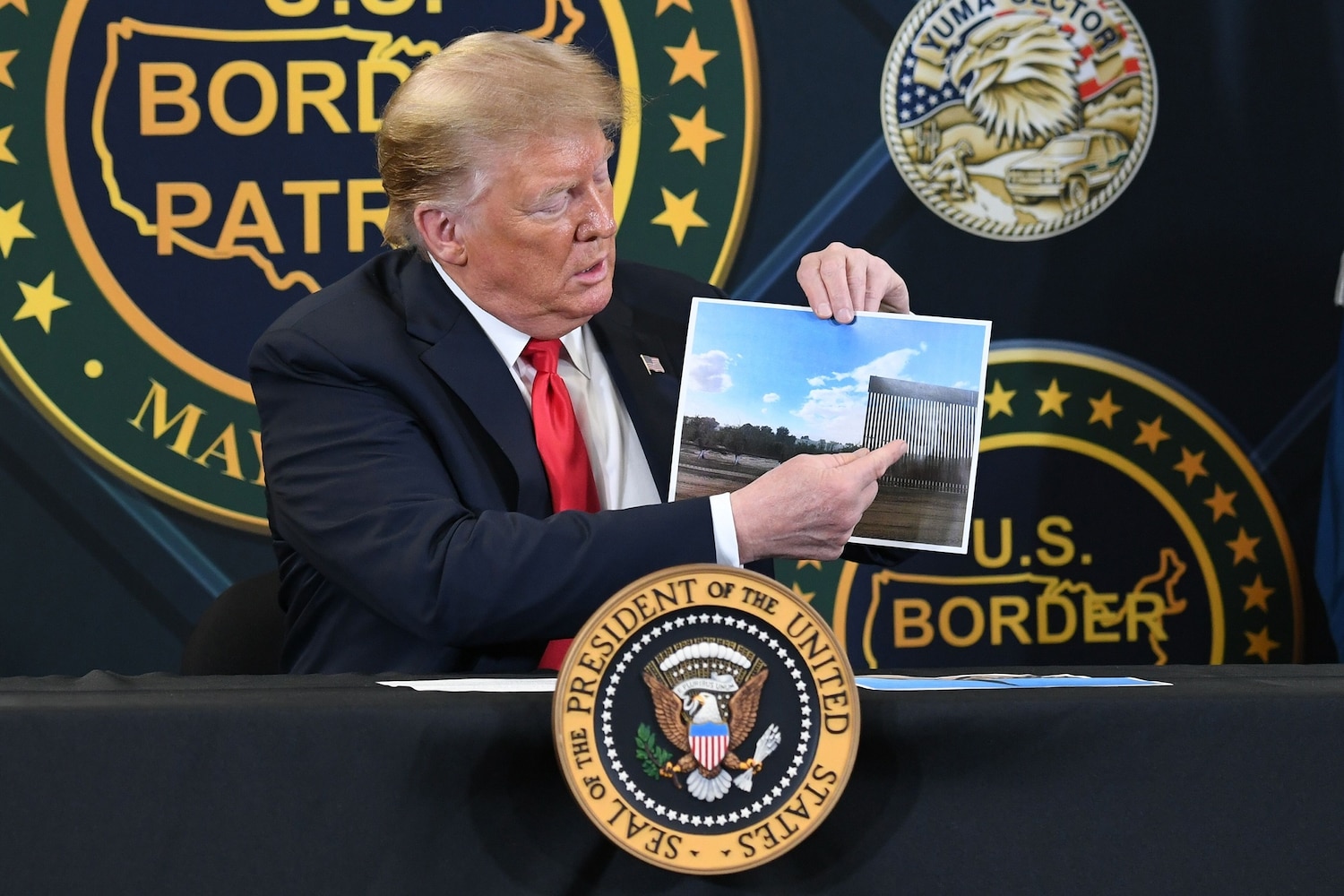
The Migration Policy Institute reported that since returning to the White House in January 2015, Donald Trump has implemented a wide range of executive orders and security measures that have fundamentally reshaped the American approach to immigration, whether concerning undocumented immigrants or even those residing legally in the country.
These measures included: declaring a state of emergency on the southern border with Mexico, deploying additional troops to bolster border security, tightening asylum rules, and expanding campaigns to detain and deport undocumented immigrants.
In addition to suspending the refugee resettlement program, the administration attempted to restrict birthright citizenship for some children and tightened security vetting procedures for visa applicants and residents.
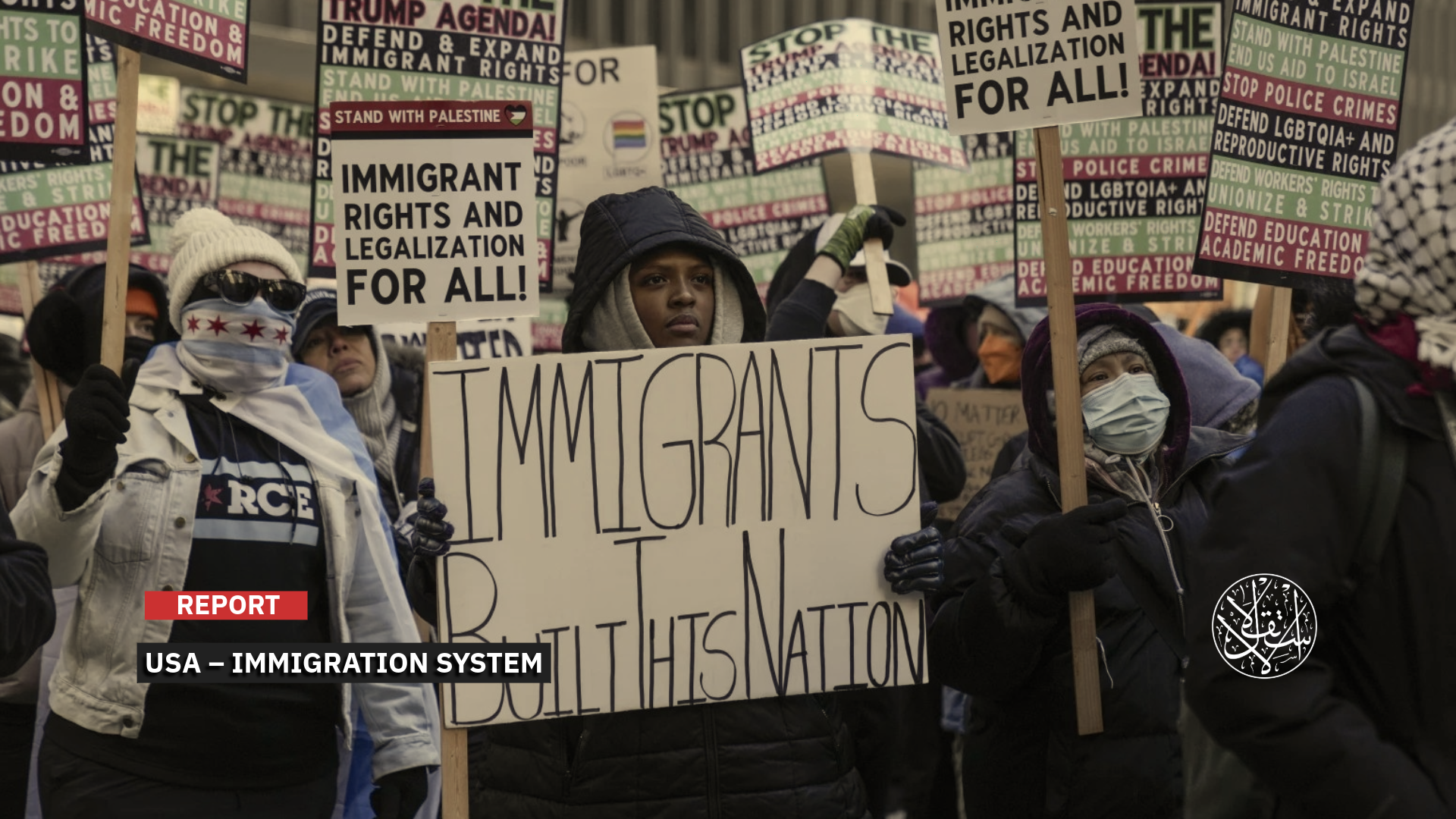
The State Department has revoked roughly 100,000 student visas. The administration has also detained, and in some cases deported, so-called Dreamers who had maintained valid status.
In other cases, recipients and their lawyers say, it has slowed renewals in ways that have cost people their work permits and left them vulnerable to deportation.
Researcher and expert on US national security, Irina Tsukerman, believes that Trump overstepped constitutional boundaries in many of these matters, warning that this power could be used for collective punishment or discriminatory profiling against many people.
According to Tsukerman, the Trump administration wanted to demonstrate to its right-wing base that immigration enforcement could become a key expression of presidential power, not just an issue stuck in congressional gridlock or held hostage by bureaucratic compromises.
Despite this hardline approach, the Republican administration did not adopt a complete immigration ban. Instead, it continued its selective approach by launching what is known as the Trump Golden Card, which offers residency in exchange for a $1 million payment.
Last June, Washington began deporting migrants who could not return to their countries of origin to the Central African Republic. A US official also indicated Washington's intention to deport migrants of several nationalities to that country.
Legal Blow
On June 30, 2026, the U.S. Supreme Court, by a 6-3 vote, rejected Trump's attempt to end birthright citizenship, affirming that children born on U.S. soil are entitled to citizenship under the 14th Amendment.
On the first day of his second term, Trump signed an executive order denying automatic citizenship to children born to parents residing in the United States illegally or on temporary visas. However, the court ruled that the executive order was unconstitutional.
A few hours after the ruling, Trump announced an extraordinary Republican National Convention to be held in Dallas in September, a move aimed at rallying his supporters and strengthening the party's position before the midterm congressional elections scheduled for November.
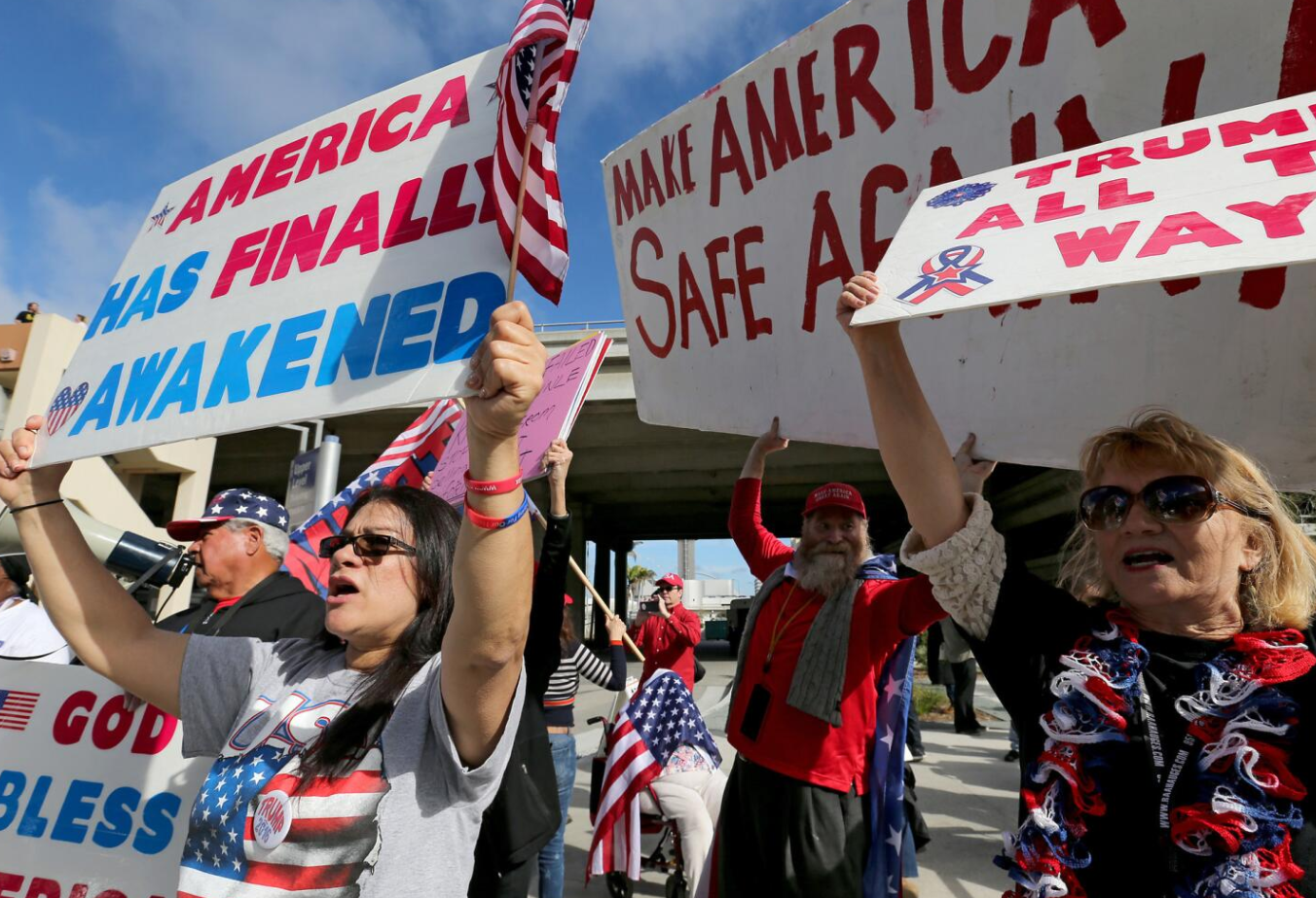
The timing of these two events reflects the growing importance of immigration, a key element of Trump's political and electoral agenda.
It raises questions about whether the ruling will weaken one of his most important promises or give him an opportunity to re-energize his base and turn the issue into a bargaining chip in the upcoming election.
American analysts believe that the ruling is viewed domestically as a legal and political blow to one of Trump's most prominent immigration policies, with implications that could affect the calculations of both parties in the coming months.
This convention is a departure from established political norms in the United States, where national conventions for the Republican and Democratic parties are typically held in the years leading up to presidential elections.
However, it comes amid growing concerns within the Republican Party about the possibility of losing control of Congress in the midterm elections.
In a related development, a Reuters/Ipsos poll indicates that Trump's hardline immigration policies could become a source of political pressure on the Republican Party as the midterm elections approach.
The poll revealed that 52% of respondents are now less likely to support candidates who endorse Trump's approach to deporting immigrants, while 42% expressed greater willingness to support such an approach.
The results also showed a decline in public approval of Trump's handling of immigration.

For his part, political analyst Mustafa Shahin explains to Al-Estiklal that ending the Temporary Protected Status (TPS) program for Haitians and Syrians sets a legal precedent that strengthens the president's authority in shaping immigration policy and gives the Trump administration new momentum in its efforts to reshape the asylum and legal immigration system in the United States.
While those responsible for these measures defend them as necessary for maintaining public order and protecting borders, Mr. Shaheen believes these policies could lead to humanitarian and economic crises, given the heavy reliance on migrant labor in vital sectors, as well as the social consequences of family separation.
He concludes that the shift in US policy priorities regarding immigration reflects a desire to impose stricter controls, leaving a large segment of residents in a precarious legal position and at risk of losing the stability they have enjoyed for years.
Sources
- How Trump’s Political Agenda Is Shaped by His Own Obsessions
- Trump’s audacious bid to end birthright citizenship was not an entire loss at the Supreme Court
- President Trump’s America First Agenda Scores Major Supreme Court Win on TPS Termination
- Inside the coordinated strategy to radically reshape U.S. immigration