Insulin Running Out as Silent Death Stalks Gaza's Diabetics
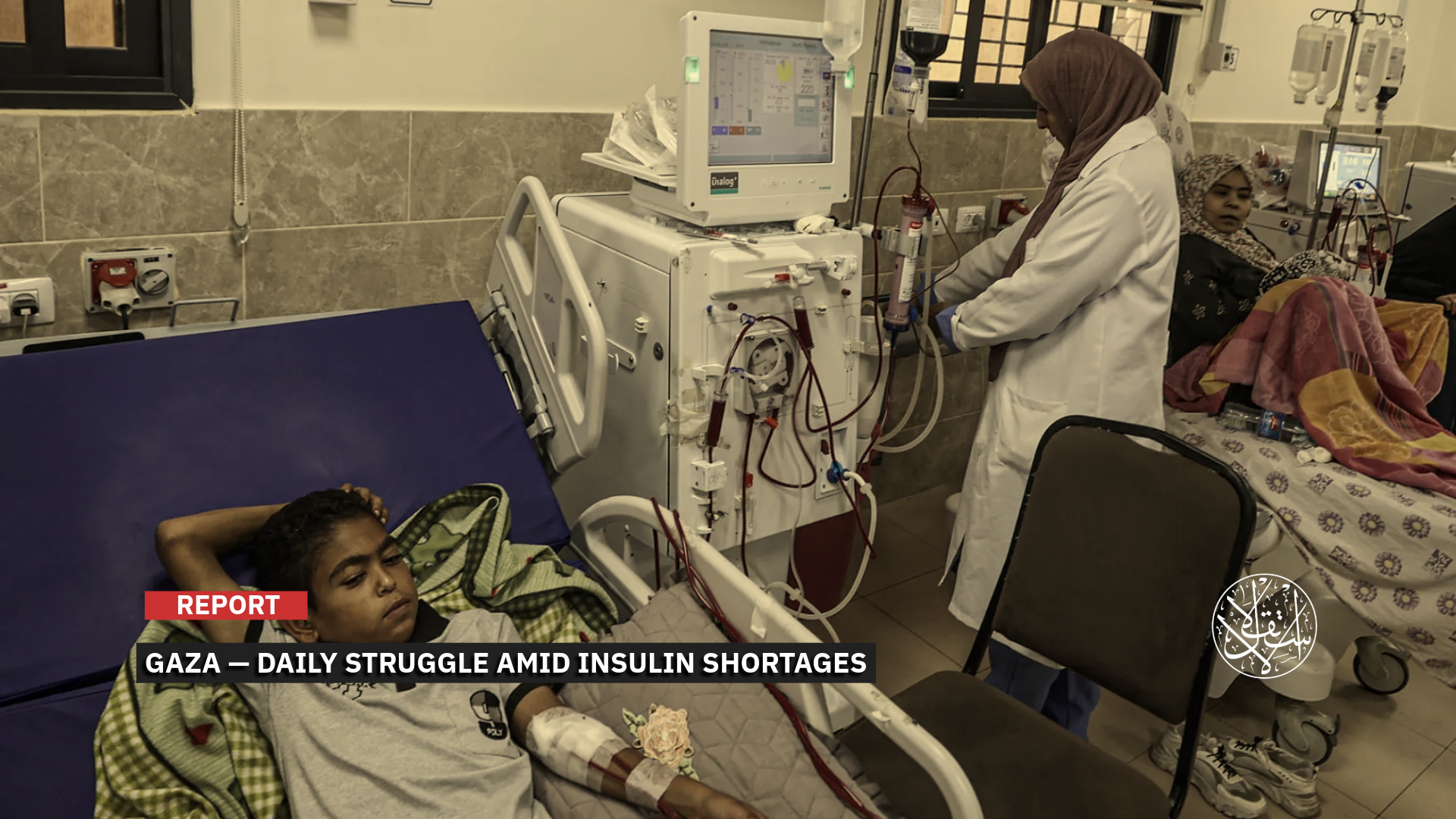
The shortage of insulin injections is worsening the health conditions of around 11,000 diabetes patients in Gaza.
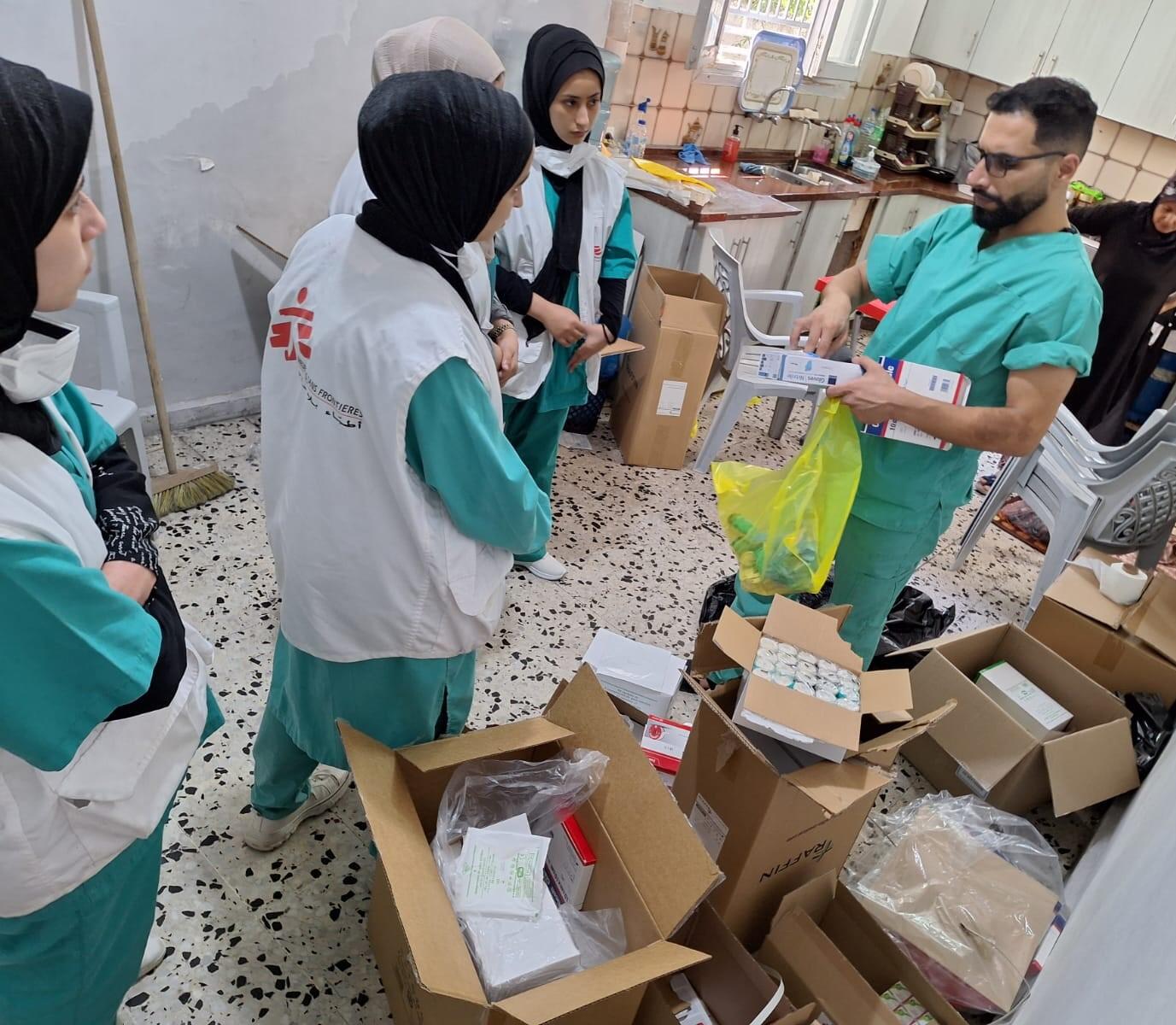
Under the weight of the Israeli Occupation blockade, closed crossings, collapsing hospitals, and the breakdown of cold-storage systems, a dose of insulin has become a matter of survival for tens of thousands of people with diabetes in Gaza.
Patients who once relied on regular medical care and properly stored medication now find themselves searching for an insulin pen or a blood sugar test strip, navigating prolonged displacement, a total lack of electricity, and a healthcare system pushed to the brink.
The latest warning came from Gaza’s Ministry of Health, which said in May 2026 that the shortage of insulin injections was worsening the health conditions of around 11,000 patients who depend on the treatment regularly.
At the same time, UN estimates put the number of people with diabetes in Gaza at around 71,000, including nearly 2,500 patients with Type 1 diabetes who rely entirely on insulin. Supplies of the life-saving drug, glucose monitoring devices, and testing strips remain critically low.
Bodies Paying the Price
Fares Mohammed, a 65-year-old man with Type 2 diabetes who has lived with the disease for two decades, describes how routine monitoring has turned into a cycle of recurring medical emergencies.
Speaking to Al-Estiklal, he says the lack of testing strips has left him unable to track his blood sugar levels, allowing complications to build as repeated spikes went undetected.
Over time, his arteries developed blockages linked to poor blood sugar control, forcing him to seek hospital treatment several times to lower his glucose levels and receive rapid-acting insulin injections.
In recent months, obtaining fast-acting insulin has become extremely difficult as supplies have dwindled under Israeli restrictions on the entry of medicines and medical supplies. Mohammed has been forced to rely only on long-acting insulin, despite needing faster intervention during dangerous spikes.
He says that without testing strips, patients are essentially “moving in the dark,” while the shortage of rapid-acting insulin sends them to hospitals whenever their sugar levels rise sharply—situations that regular monitoring is supposed to prevent.
The danger is even greater for people with Type 1 diabetes, a condition that often emerges in childhood and early adulthood. For them, insulin is not simply treatment but a daily requirement for survival, one that cannot be delayed or reduced without potentially severe consequences.
Hassan Bassam, a young boy with Type 1 diabetes, lives in a displacement tent and requires regular insulin doses and blood sugar checks before and after meals. But his family does not have enough testing strips.
His mother now monitors his thirst, sweating, and dizziness instead of relying on clear readings from a glucose meter. She tries to estimate his insulin needs based on whatever food is available after he had previously followed a strict diet and regular medical care, she told Al-Estiklal.
The arrival of summer pushed the family into a constant search for ways to preserve insulin, including finding ice or other cooling methods, as the medication loses its effectiveness when exposed to high temperatures.
At times, the family reduces the insulin dose to make each pen last longer, knowing that doing so could trigger dangerously high blood sugar levels or diabetic ketoacidosis—a life-threatening condition caused by insufficient insulin.
High blood sugar worsens when insulin doses are inadequate or when food intake is not properly controlled. At the same time, low blood sugar becomes more likely with hunger and irregular meals, potentially leading to loss of consciousness and death.
A Healthcare System in Ruins
Available figures show that Gaza entered the war with tens of thousands of people living with diabetes. The United Nations Office for the Coordination of Humanitarian Affairs (OCHA) estimated that around 71,000 people in the Strip have diabetes, including nearly 2,500 with Type 1 diabetes—the form most closely tied to the daily need for insulin.
In a report published on August 21, 2025, OCHA said these patients were facing shortages of treatment, with remaining insulin supplies enough for only one month, while glucose monitoring devices and testing strips were unavailable.
Before the Israeli war on Gaza, monthly insulin needs were estimated at nearly 30,000 units, according to OCHA, which noted that some shipments had entered Gaza but remained sporadic.
On January 28, 2025, OCHA reported the delivery of around 370 pallets of medicines to facilities run by the United Nations Relief and Works Agency for Palestine Refugees (UNRWA), including insulin injections sufficient for more than 17,000 people for eight months.
In November 2025, OCHA said the last documented insulin shipment to Gaza’s hospitals arrived between October 19 and 23 and contained 22,991 vials.
But a shipment of that size cannot create lasting medical stability, especially amid the absence of testing strips, damaged healthcare facilities, power outages, disrupted follow-up care, and the risk of insulin becoming unusable due to poor storage conditions.
At certain points, patients were forced to rely on dangerous reserves. OCHA reported in November 2025 that some patients had resorted to using expired insulin because available supplies were so limited.
Warnings grew that medication that has expired or been improperly stored can leave patients uncertain about whether their doses remain effective. Without blood sugar testing, patients can only judge the impact of insulin through their body’s symptoms—a medically dangerous delay.
A 2025 study published in the Eastern Mediterranean Health Journal, issued by the World Health Organization’s regional office, highlights the depth of the crisis among children with diabetes.
The study followed 29 children with Type 1 diabetes in Gaza during June and July 2024. It found that 79.3% did not receive adequate diabetes care, while 75.9% did not have access to all of the medications they had received before the war.
It also found that 58.6% were unable to perform blood sugar tests at home, while 96.6% experienced diabetes-related complications.
The study recorded food insecurity among 79.3% of families and a lack of dietary diversity among 96.6%, making insulin management an almost impossible task for many households.

A Chain of Obstruction
After the October 2025 ceasefire arrangements, Israeli restrictions on humanitarian access and crossings continued, including the reduction or disruption of certain medicines and medical supplies entering Gaza.
In May 2026, Doctors Without Borders (MSF) said Israeli Occupation authorities had blocked refrigerated trucks carrying cold-chain-sensitive medicines, including insulin, warning that shortages of engine oil and spare parts threatened the operation of generators relied upon by healthcare facilities.
A month earlier, OCHA reported that health sector partners had delivered medicines for noncommunicable diseases, including insulin, to Gaza’s Ministry of Health and other partners. But it also warned that severe shortages and restrictions on fuel, spare parts, and medical supplies persisted.
The crossings had been closed since February 28, except for the commercial Kerem Shalom crossing in southern Gaza, limiting the entry of aid supplies and halting medical evacuations under the pretext of the U.S.-Israeli War on Iran.
Meanwhile, more than 18,500 patients were in need of life-saving treatment outside Gaza, including people with chronic illnesses whose complications continued to worsen the longer the Rafah crossing remained closed.
During the Israeli genocide, Gaza’s population also endured prolonged periods of hunger, with healthy food supplies restricted while sugary products were allowed in large quantities—a situation that particularly affected people with diabetes.
Many patients could no longer access regular or suitable meals needed to calculate their insulin doses, making the safe use of insulin increasingly difficult even when the medication was available.
The roots of the crisis stretch back to the early months of the Israeli war on Gaza. In January 2024, the World Health Organization (WHO) said only 26% of Gaza’s medical supply needs had reached the Strip.
Later, the UN Humanitarian Coordinator for the Occupied Palestinian Territory said that medical supplies, including insulin pens for children, “seem to be prohibited by the Israelis.
In May 2024, MSF said medical shipments were subjected to a series of Israeli inspections, with the rejection of a single item potentially resulting in the return of the entire shipment. It added that refrigerators and freezers needed to preserve medicines such as insulin had waited five months before being allowed into Gaza.
The closure of the Rafah crossing following the Israeli aggression on it in May 2024 dealt another blow to one of the main routes for medicine deliveries and medical evacuations, even as hospitals came under attack.
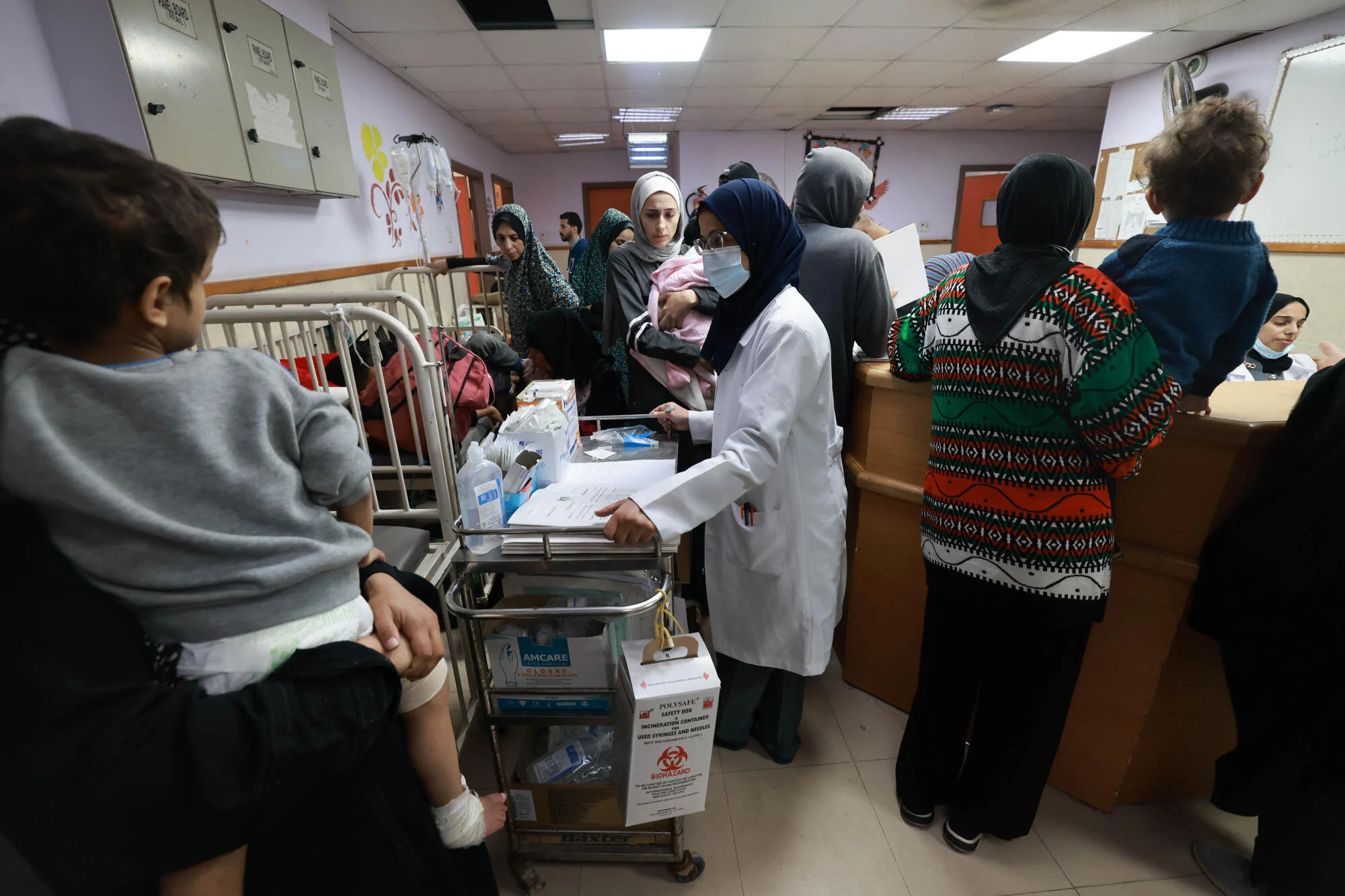
WHO said that only 19 of Gaza’s 36 hospitals remained operational and that 94% of hospitals had been damaged or destroyed, sharply reducing the healthcare system’s ability to provide monitoring, testing, and emergency care for diabetes patients and others living with chronic conditions.
Sources
- Humanitarian Situation Update #315 | Gaza Strip
- The near impossible task of getting lifesaving supplies into Gaza
- Five things to know about life for Palestinians in Gaza and the West Bank
- Health system at breaking point as hostilities further intensify in Gaza, WHO warns
- Humanitarian Situation Update #259 | Gaza Strip
- Gaza Health Ministry Warns: Critical Shortage of Medical Supplies Threatens Thousands of Patients' Lives [Arabic]