The Israeli Lobby Row That Rocked Labour: Why Keir Starmer Lost Power
Britain is preparing to enter a new political chapter as it gets ready to appoint its seventh prime minister in a decade.
Ever since former Prime Minister David Cameron gambled on a referendum over Britain's membership in the European Union, British politics has lurched from one leadership crisis to the next. What began as a vote on Brexit has evolved into a decade of revolving-door governments, prompting some commentators to argue that Britain has become increasingly difficult to govern.
The chain of upheaval began in July 2016, when Cameron resigned after voters chose to leave the European Union. His successor, Theresa May, survived three years before stepping down in 2019 after repeatedly failing to secure parliamentary approval for her Brexit deal. She was followed by Boris Johnson, whose premiership unraveled under the weight of mounting scandals, most notably the Partygate affair, triggering a mass revolt within his own government and forcing his resignation in September 2022.
Then came Liz Truss, whose tenure lasted barely a month. Her unfunded tax-cutting agenda sent financial markets into turmoil, crashed the pound, and sparked a political and economic crisis that quickly ended her premiership. She was replaced by Rishi Sunak, who remained in office for nearly two years before resigning in June 2024 after the Conservative Party suffered a crushing election defeat to Labor.
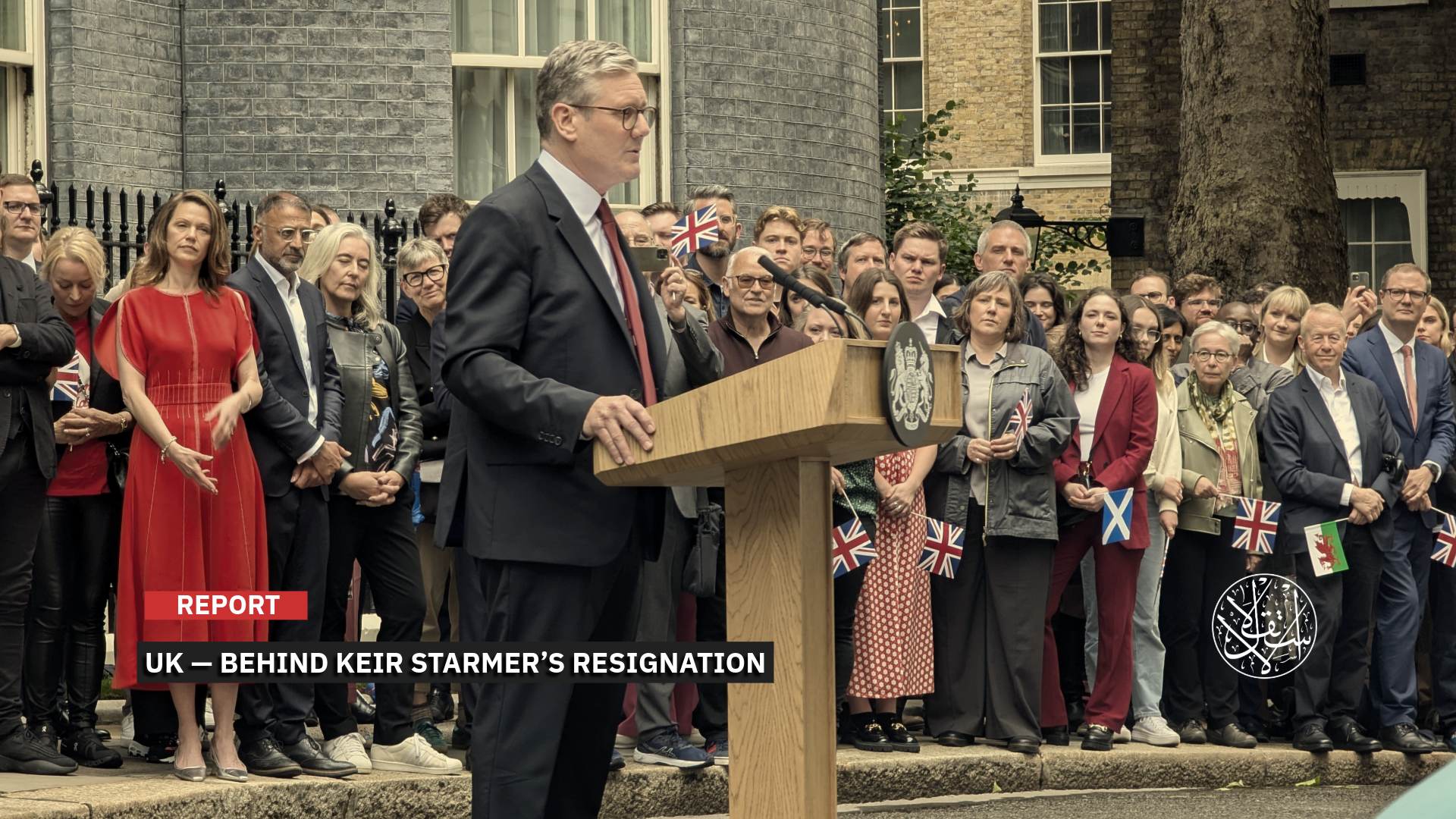
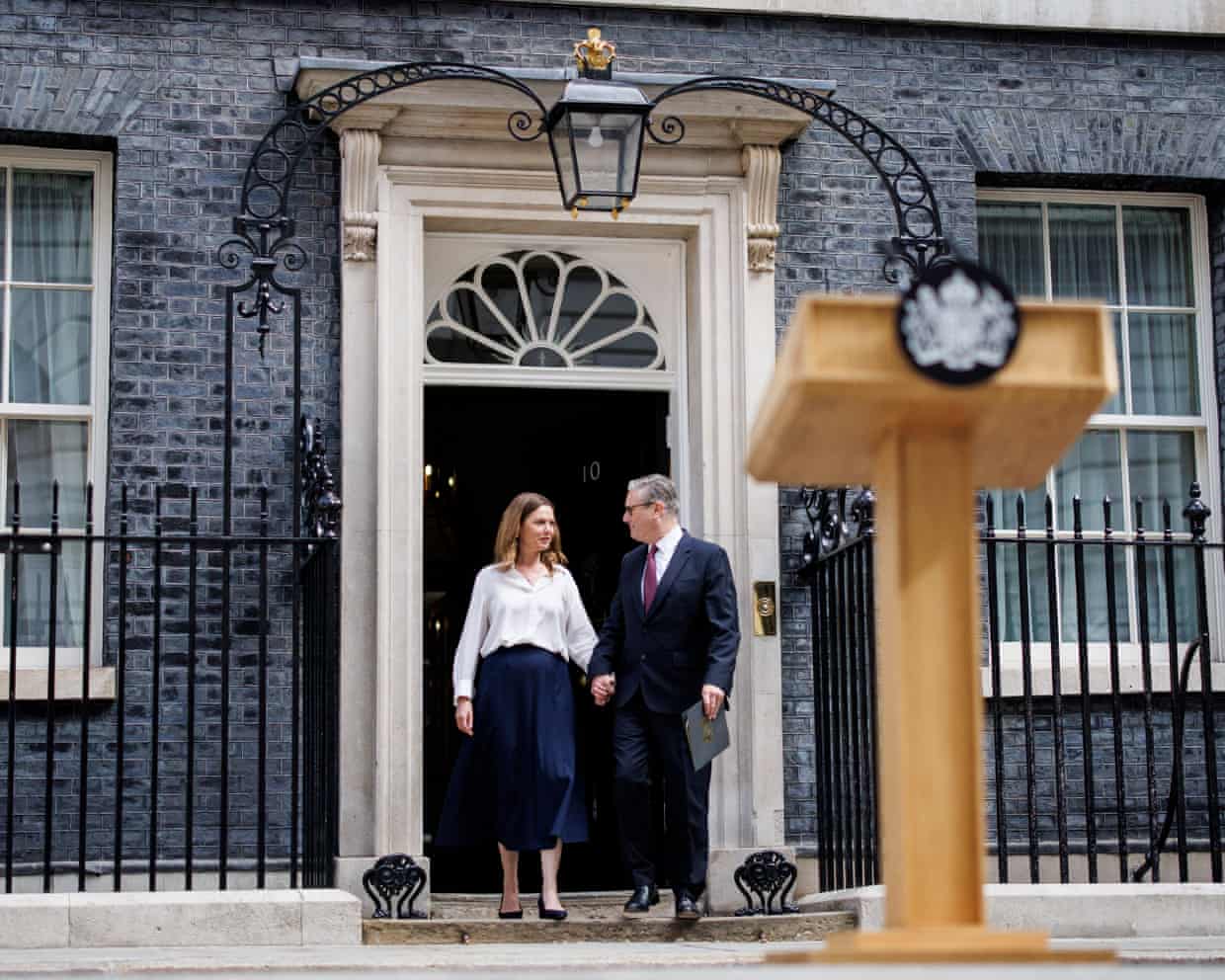
The latest casualty is Keir Starmer, who resigned on June 22, 2026, less than two years after leading Labor back to power. His departure followed a growing rebellion inside his government, declining public approval, mounting criticism over his handling of the economy, and accusations from critics that he had shifted toward stronger support for Israeli policies during the war on Gaza.
With Starmer’s resignation, Britain is preparing to choose its seventh prime minister in just 10 years—an extraordinary turnover that underscores one of the most politically unstable periods in the country's modern history.
Many analysts trace the turmoil to the long shadow of Brexit, compounded by deep party divisions, persistent economic pressures, and the inability of successive governments to restore political stability. Yet Britain's next leader is unlikely to inherit calmer waters. Labor is expected to elect a new party leader in July, with a new prime minister set to take office in September 2026 as several contenders compete for the role.
That leaves a larger question hanging over Westminster: Is Britain's revolving door of prime ministers simply the aftershock of Brexit, or does it point to deeper structural failures within the country's political system? And more specifically, why did Starmer fall so quickly after delivering one of Labor's biggest electoral victories in years?
Failures and Fallout
Green Party leader Zack Polanski summed up what he sees as the reasons behind Keir Starmer's resignation—and his political failure—in stark terms.
Bills are soaring while wages remain far too low, Polanski said. At the same time, oil companies are posting record profits, and Britain's 50 richest families now hold more wealth than the poorest half of the population combined.
Sewage is polluting the rivers, pensioners are being jailed simply for expressing their views, migrants are being turned into scapegoats, and the government is backing the genocide in Gaza. That is Starmer's legacy, according to Polanski.
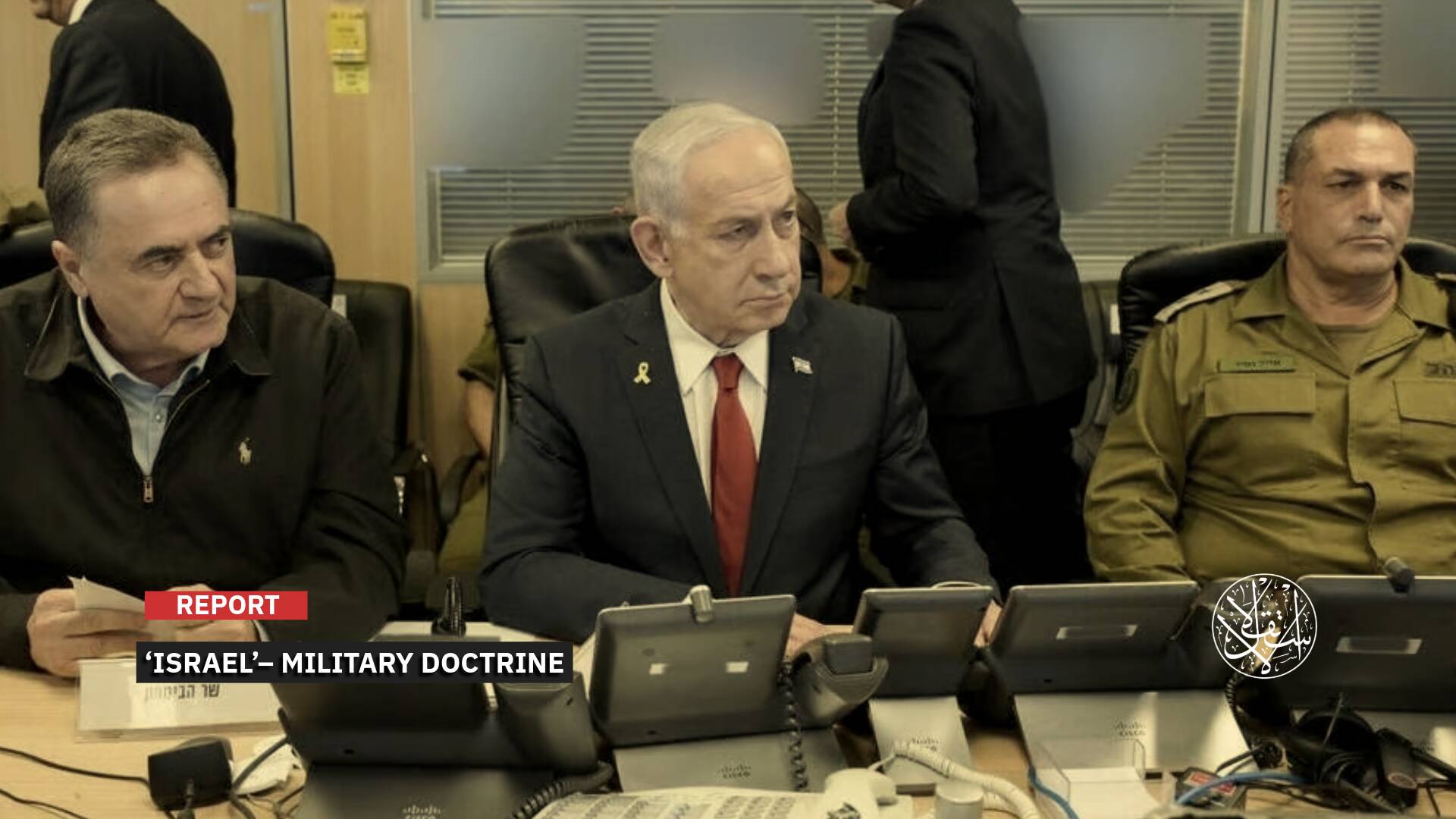
Starmer’s resignation, announced on June 22, 2026, came after a buildup of complex political and economic crises, with his stance on the war on Gaza and support for “Israel” widely seen as one of the factors that weakened his popularity within the Labor Party since 2023.

The immediate trigger for Starmer's resignation was a mounting rebellion inside the Labor Party, as a growing number of MPs and senior ministers publicly challenged his leadership, arguing that he was no longer capable of leading the party to victory in the next general election. Many urged him to step aside to prevent further political damage.
The internal revolt spilled into government, fueling cabinet infighting and a series of resignations over key policy disputes, particularly defense spending. Several senior officials criticized what they described as inadequate cuts to the defense budget despite mounting security challenges.
A second blow came at the ballot box. Labor suffered heavy losses in the May 2026 local elections, surrendering hundreds of council seats and losing control of several key local authorities. The party also lost significant ground to Nigel Farage's right-wing Reform UK Party, reinforcing the perception that the government was rapidly losing public support.
The worsening economic outlook only deepened Labor's troubles. Starmer's government faced mounting criticism over sluggish growth, persistently high living costs, and its failure to deliver many of the economic promises that had helped secure Labor's landslide victory in 2024. As public confidence eroded, approval ratings fell sharply.
Rising poverty and mounting financial pressures also fueled public frustration, while debates over immigration, Brexit, and government spending increasingly dominated British politics, further complicating an already fragile political landscape.
Before announcing his resignation, Starmer was reportedly under intense pressure from within his own party. More than 100 Labor MPs were said to have called on him to resign, while media reports indicated that Foreign Secretary Yvette Cooper had also privately urged him to step down.
His leadership was further weakened by criticism over several controversial appointments, particularly that of Peter Mandelson, which became another source of internal dissent.
Starmer first appointed Mandelson as his chief of staff—one of the most influential positions in the British government—before he was later named Britain's ambassador to the United States, according to Axios on June 22, 2026.
On February 23, 2026, London police briefly detained Mandelson on suspicion of misconduct in public office before releasing him on bail as investigations continued without formal charges, according to British media reports.
The investigation centers on allegations that, while serving as business secretary under former Prime Minister Gordon Brown, Mandelson shared sensitive, non-public government information with the late American financier and convicted sex offender Jeffrey Epstein.
The investigations stem from emails contained in Epstein files released by the U.S. Department of Justice, according to Bloomberg on February 23, 2026.
Mandelson's case carries particular political weight because he has long been regarded as one of the most influential pro-Israeli Occupation figures within the Labor Party, alongside his associate Morgan McSweeney. He also played a central role in the internal struggle that ultimately brought down former Labor leader Jeremy Corbyn, whose outspoken support for the Palestinian cause made him a deeply polarizing figure within the party.
After Corbyn won the Labor leadership in 2015, Mandelson publicly declared that he was working to remove him. Along with his allies, he helped promote accusations of “antisemitism” against Corbyn, a campaign that deepened divisions within Labor, contributed to the party's defeat in the 2019 general election, and ultimately paved the way for Corbyn's departure and Starmer's rise to the leadership.
Following Starmer's resignation, Corbyn wrote, “Keir Starmer has gone—but we will never forget the role his government played in the greatest crime of our time,” referring to Britain's support for the Israeli Occupation’s war on Gaza.
“Today, I re-presented my Bill for an independent inquiry into Britain’s complicity in genocide.”
In an interview with The Guardian, Corbyn argued that removing Starmer alone would not solve Labor's problems. “Getting rid of Keir Starmer is not enough,” he said. “We need to get rid of the politics he represents: corporate greed, anti-migrant rhetoric, and endless war.”
A separate investigation published by Drop Site News on June 5, 2026, argued that Starmer's government was not Labor in the party's traditional sense but the product of a carefully organized effort to reclaim control of the party and sideline its left wing, which had been highly critical of “Israel.”
According to the investigation, the project was financed through undisclosed donations from pro-”Israel” backers channeled via a think tank known as Labor Together, which played a key role in reshaping the party's internal structure and steering its leadership.
The report also said that the campaign relied on political and media efforts to discredit internal opponents through allegations of “antisemitism,” while pressuring independent media outlets—moves that ultimately cleared the way for Starmer to become Labor leader.
Following his resignation, people close to Starmer said he felt betrayed by members of his own party, despite having previously relied on many of the same internal mechanisms to oust his predecessor, Jeremy Corbyn, a longtime supporter of the Palestinian cause.
During his time in office, Starmer was frequently accused by critics of embracing pro-business policies that favored the wealthy while increasingly framing immigration as a source of Britain's economic problems.
He came to power in 2024 with a commanding electoral victory, but political analysts argue that he failed to translate that mandate into lasting political stability, focusing instead on reshaping Labor and marginalizing Corbyn's supporters.
Peter Walker, political editor at The Guardian, said, “Starmer’s political career has been almost Shakespearean in its trajectory: a mere 11 years to enter parliament, lead Labor to an election win many assumed was impossible and then, inside the final two years, throw it all away.”

Who Will Lead Labor?
Although several Labor figures have declared their intention to run for the party leadership—and with it the premiership if successful—British media reports identify Andy Burnham as one of the leading contenders to succeed Keir Starmer.
Former Health Secretary Wes Streeting has also signaled that he is preparing to enter the leadership race.
Both Burnham and Streeting are widely regarded as more sympathetic to the Palestinian cause than Starmer and have been openly critical of “Israel's” war on Gaza, making them the most prominent candidates to take over both the Labor leadership and the office of prime minister.
Of the two, Burnham is increasingly seen as the front-runner. Political analysts argue that his executive experience and standing within the party give him the strongest platform to launch a broader reform agenda, building on Labor's 2024 election victory while attempting to revive Britain's struggling economy and public services. Some supporters have even begun describing him as Labor's "savior."
Burnham currently serves as mayor of Greater Manchester, one of Britain's largest metropolitan regions. He previously held several senior cabinet posts in Labor governments and served for years as an MP, giving him a reputation as one of the party's most experienced political operators.
He has built his profile around regional development, public investment, and improving living standards—an agenda that has earned him support both inside Labor and among many voters.
Some British commentators have begun referring to his political vision as “Burnhamism,” while others have dubbed it the “Manchester model,” reflecting his record in Greater Manchester and the possibility of expanding that approach nationwide.
At its core, the project calls for a more interventionist state, with the government taking the lead in funding infrastructure, public services, and economic development while rolling back the influence of the free-market policies that have shaped British politics for decades.
Its greatest challenge, however, would be finding the money to pay for it. Financing such an ambitious agenda is likely to bring Burnham into direct conflict with Britain's powerful economic interests and influential capitalist and liberal elites, including former Prime Minister Tony Blair, one of the Labor Party's most influential advocates of market-oriented economic reform.

Did Gaza Seal His Fate?
Keir Starmer's support for “Israel's” genocide in Gaza—both before taking office and throughout his premiership—became one of the most politically damaging issues of his leadership. From the early days of the war on Gaza, his stance steadily eroded his standing within Labor, fueling growing tensions with MPs and party members who condemned the Israeli genocide and voiced strong support for the Palestinian cause.
Starmer tried to balance Britain's longstanding alliance with the Israeli Occupation and the United States against mounting pressure from Labor's center-left base, which repeatedly called for a tougher response to “Israel's” war crimes in Gaza. But the criticism never subsided, and the issue became a persistent source of division within the party.
The backlash first erupted on October 11, 2023, when Starmer, then the Labor leader, was asked by British radio station LBC whether he believed “Israel” was justified in cutting off water and electricity to Gaza. “I think that Israel does have that right,” he replied—a remark that immediately sparked widespread condemnation from within Labor, human rights groups, and pro-Palestinian campaigners, and became one of the defining controversies of his leadership.
These remarks triggered a wave of resignations among local Labor officials and party figures before Starmer later clarified that he was referring to “Israel’s right to defend itself” within the limits of international law.
Twenty-three Muslim members of Labor’s advisory boards resigned over Starmer’s position on the Israeli Occupation, while 250 Muslim members signed a letter urging the party to support a ceasefire in Gaza, according to the Evening Standard.
The European Conservative reported that Labor is under enormous pressure from British Muslims over its Gaza stance, warning that after years of the party’s “blind loyalty,” Muslim voters could turn their backs on Labor.
Although Starmer later softened his position, his refusal to immediately back calls for a ceasefire and his support for “Israel” during the early stages of the war on Gaza angered many Labor MPs and supporters, particularly within the Muslim community.
He also faced sustained criticism from the party’s left wing and pro-Palestinian activists, who argued that his approach was far more sympathetic to “Israel” than the traditional position of the British left.
Starmer’s stance gradually shifted while in power. After initially stressing “Israel’s right to defend itself,” his government later called for a ceasefire, suspended some arms export licenses to “Israel,” imposed sanctions on Israeli Occupation ministers, and recognized Palestine as a state in 2025.
Yet many within Labor continued to argue that the government had not gone far enough in pressuring “Israel.”
According to The Guardian on June 12, 2026, pro-Palestinian activists believe Starmer’s resignation could mark a major shift in Labor’s Middle East policy, with a future Labor government expected to take a tougher stance toward “Israel.”
They argued that the rise of the Green Party in local elections, along with polling showing growing support among Labor members for a complete ban on arms exports to “Israel,” reflected a broader shift in public opinion toward Palestine.
Both Wes Streeting and Andy Burnham, the leading figures considered to replace Starmer as Labor leader and prime minister, have called for stronger support for Palestinians.
Although neither has described “Israel’s” crimes as genocide, Streeting has accused “Israel” of war crimes and previously raised a report by Medical Aid for Palestinians (MAP) during a cabinet meeting.
He has argued that “Israel’s” conduct as a “rogue state” justifies sanctions against the country as a whole, not only against a small number of ministers.
Burnham, meanwhile, the potential successor to Starmer, has at times been labeled “another Zionist” after saying in 2015 that, if he became Labor leader, he would seek to rebuild relations with Israel and make the country his first overseas destination as party leader.
A poll conducted among Labor Party members by MAP found that 87% supported banning trade with illegal settlements, while 78% backed a complete ban on all arms shipments to the Israeli Occupation.
Emily Thornberry, chair of Labor’s Foreign Affairs Committee, also said the party had failed Palestinians, arguing that the government had taken no meaningful steps after recognizing Palestine and describing the situation in Gaza as unbearable.
On June 8, 2026, more than one-third of Labor MPs signed a letter calling on the British government to end trade with Israeli settlements in the occupied West Bank, according to Reuters.
The letter was signed by 137 Labor lawmakers—more than a third of the party’s 402 MPs in the House of Commons, which has 650 seats in total.
Sources
- How Secret Pro-Israel Money Flooded the Labour Party and Ended with a Ban of Hasan Piker and Cenk Uygur
- U.K. Prime Minister Keir Starmer resigns
- Keir Starmer’s resignation speech: the six key takeaways
- Pro-Palestine activists believe ‘sea change’ coming in Labour’s approach to Middle East
- Starmer resigns after Labour revolt, plunging Britain into political turmoil
- Keir Starmer’s statement to the Commons on Israel & Gaza
- A third of Labour lawmakers urge Britain to ban trade with Israeli settlements