El Obeid: The Critical Hub That Fuels the Struggle for Control in Western Sudan
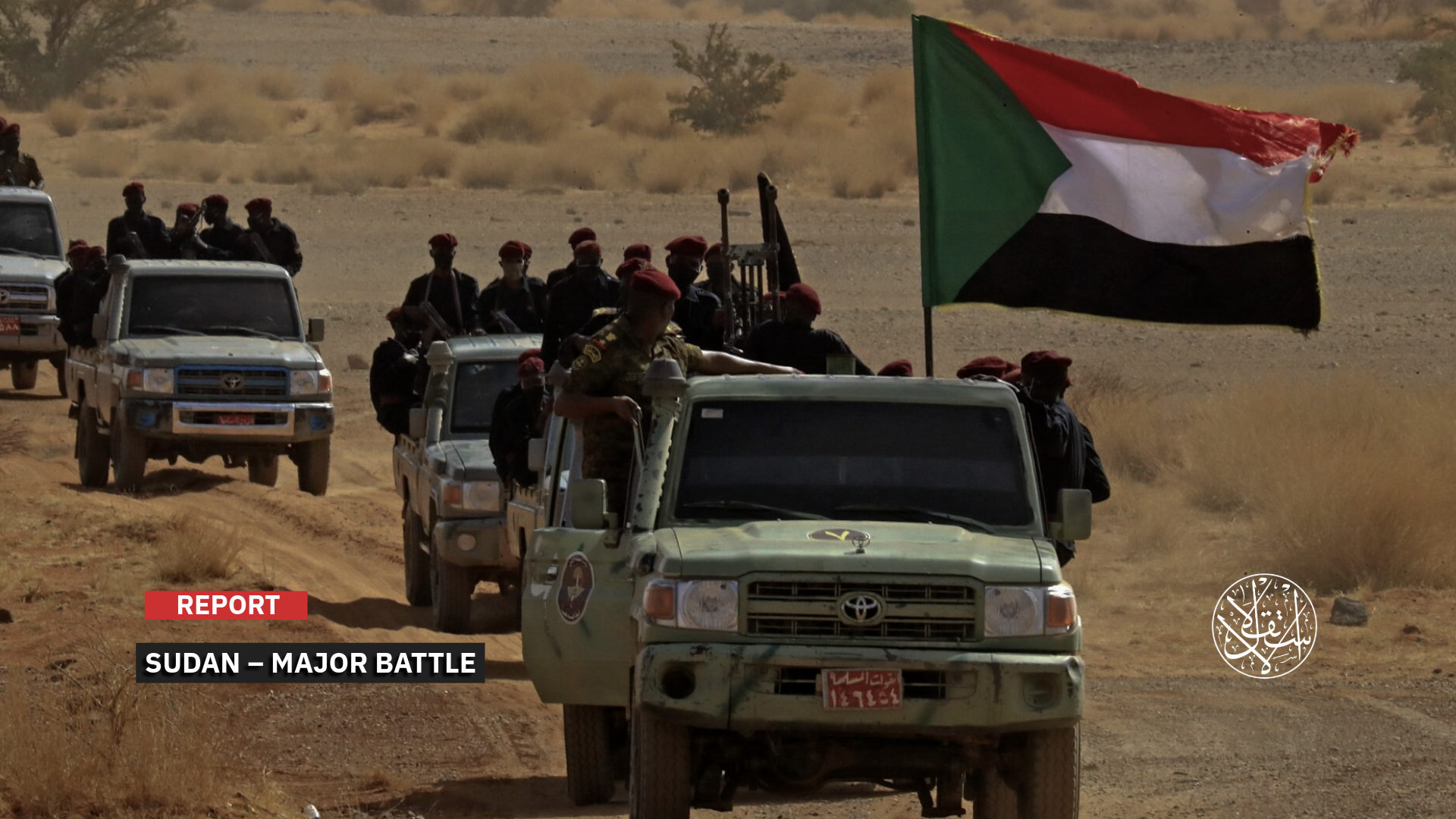
"The battle of El Obeid could become a decisive test for Sudan’s future and unity."
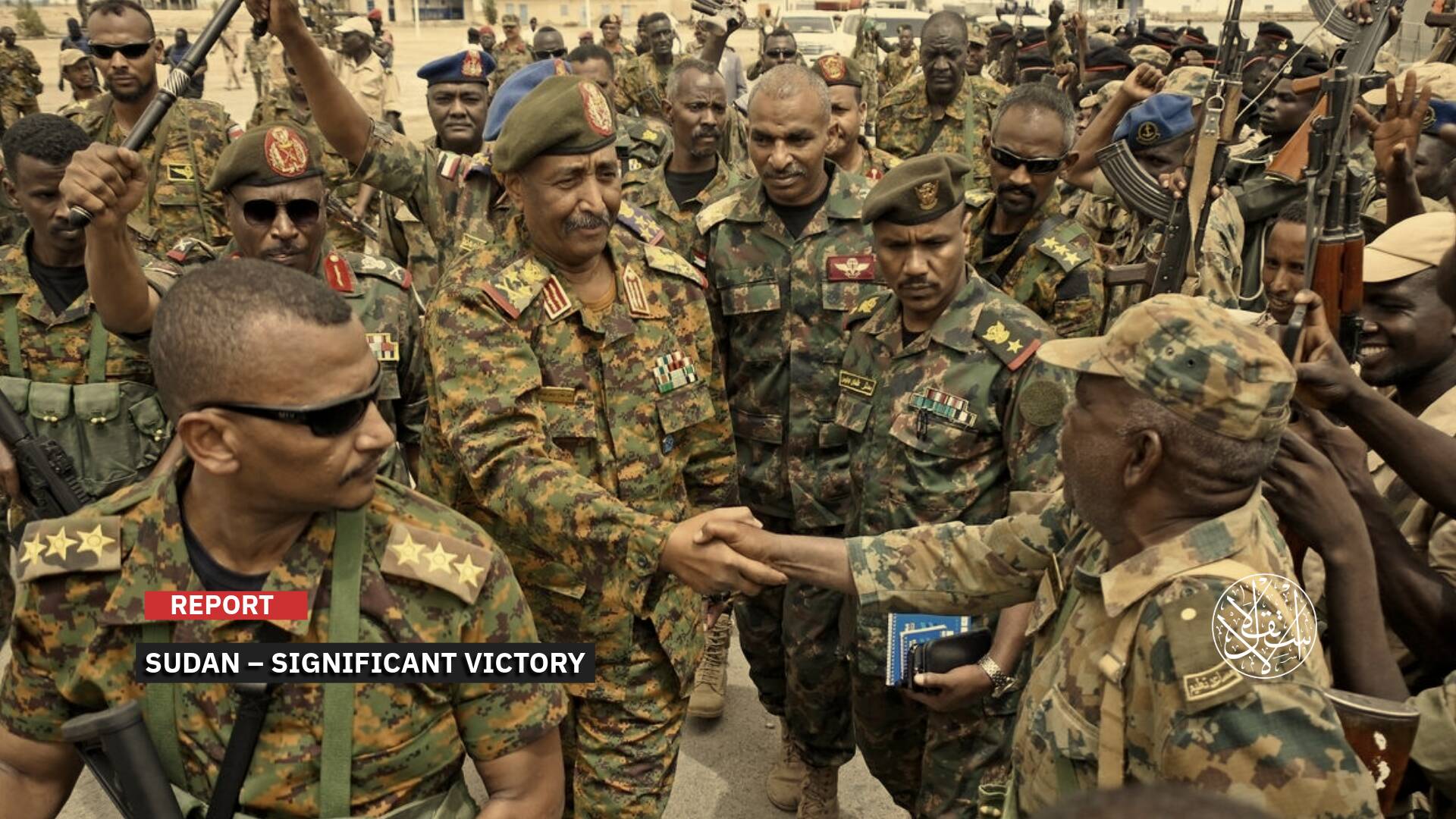
As the UAE-backed, rebellious Rapid Support Forces (RSF) mass around the city of El Obeid, and the Sudanese Army carries out a series of preemptive drone strikes on attack axes in North Kordofan, signs are mounting that one of the most critical battles of the Sudanese war—since its outbreak—is imminent.
While the United Nations and dozens of nations warn of an offensive that could turn El Obeid into a new El Fasher, the city now faces a test that could redraw the map of control in the Kordofan region and influence the trajectory of the entire war.
Exceptional Importance
Since mid-June 2026, indications have grown that the military center of gravity in Sudan is shifting to El Obeid, the capital of North Kordofan State.
The RSF has intensified its troop concentrations along the city's western and northern approaches, while the Sudanese Army has raised its alert level and deployed fresh reinforcements to its defensive lines.
El Obeid holds exceptional strategic importance for both sides. It is not merely a state capital; it serves as a vital transportation hub linking Khartoum to the Kordofan and Darfur states and acts as a key center for military and civilian supply lines originating from western Sudan.
Consequently, military strategists view the city as the key to controlling the Kordofan region; its loss or retention would have direct repercussions on the movement of troops and supplies across a vast area of the country. In recent days, the city has been subjected to a series of drone attacks by the RSF.
According to local sources, these strikes targeted military and utility sites—including the main power station and fuel stations—as well as locations near Al-Kuffa Market (west of El Obeid Stadium) and the areas surrounding the army headquarters, the Legislative Council, and the city prison.
Some of these attacks resulted in a fatality and multiple injuries, while also placing increased strain on essential services within the city.
Observers believe this escalation marks a shift in the conflict from a phase of indirect pressure to one of battlefield shaping, as each side seeks to wear down its opponent ahead of any large-scale ground confrontation.
Consequently, El Obeid is no longer merely a city situated along supply lines; it has become the most prominent strategic target in Kordofan—a city that could determine the outcome of the impending battle in western Sudan.
In an effort to thwart a potential attack on El Obeid, the Sudanese Army has recently intensified its drone operations, targeting RSF concentrations and movements across several vital axes in North Kordofan.
According to military sources, the strikes covered areas such as the vital Omdurman- Bara export road, Um Samima, and Abu Qa'ud, before extending to Hamrat al-Sheikh, Jabrat al-Sheikh, Sodari, and Um Badr—areas that serve as critical movement and supply routes for RSF forces advancing from the western part of the region.
Operations also targeted sites west of Bara and north of El Obeid, where forces were mobilizing fighters and preparing vehicles for new operations.
Field reports indicate that the strikes caused losses in equipment and vehicles and disrupted preparations aimed at the Al-Dankouj area, which constitutes one of the primary northern defense lines for El Obeid.
Analysts believe that through these operations, the army is attempting to prevent large forces from reaching the city's outskirts and to deny its adversary the ability to launch a simultaneous attack from multiple axes.
Meanwhile, the RSF, led by Hemedti, have continued to send fresh reinforcements to areas surrounding El Obeid despite airstrikes, signaling their commitment to a strategy of military pressure and their refusal to abandon the goal of seizing the city.
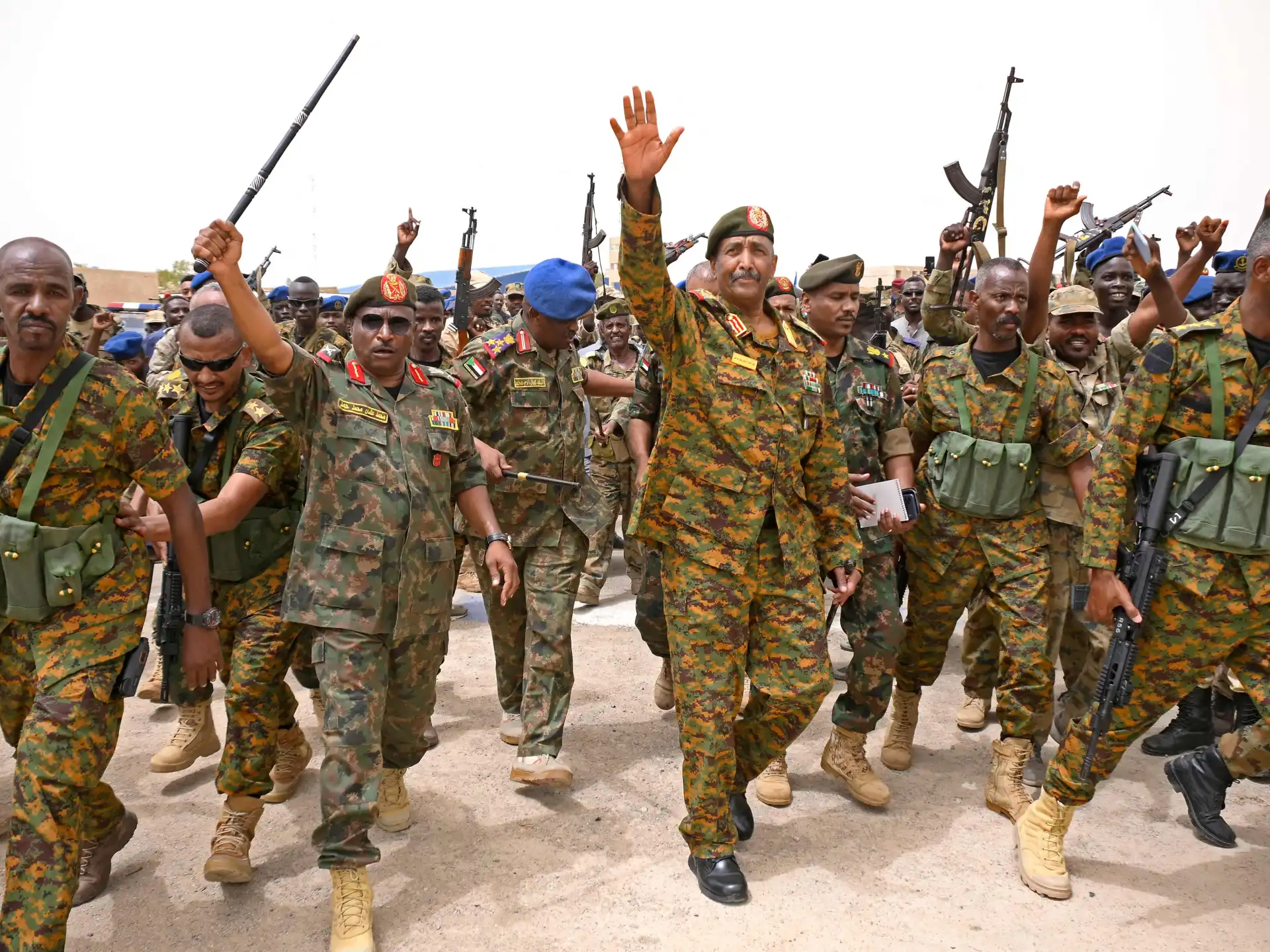
According to field sources, the Sudanese Armed Forces have also deployed additional units—including Joint Forces, the Sudan Shield forces, and the General Intelligence Service—to bolster defensive positions. This indicates that both sides view El Obeid as the primary theater of confrontation for the coming phase.
This situation reflects a clear race to secure a battlefield advantage before the battle erupts; the army focuses on targeting supply lines and preventing the buildup of enemy forces, while the RSF seeks to maintain the momentum of reinforcements and keep pressure on the city.
Potential Battle
Alongside the military escalation, international warnings have mounted regarding the possibility of El Obeid becoming a new flashpoint for conflict with far-reaching humanitarian consequences.
UN Secretary-General Antonio Guterres expressed concern over reports of a growing military buildup around the city, warning that any large-scale attack could trigger a new wave of violence and human suffering.
UN High Commissioner for Human Rights Volker Turk also warned of the risks civilians would face should military operations extend into the city or its immediate vicinity.
In an unusual move, 29 countries joined the United Nations in calling on the RSF to refrain from launching an attack on El Obeid, signaling the extent of international concern regarding developments on the ground.
This concern stems from the experience in El Fasher, where a prolonged siege and continuous clashes resulted in a high number of casualties, mass displacement of the population, and the collapse of major essential services.
UN officials and humanitarian organizations fear that a repeat of this scenario in El Obeid could lead to an even greater catastrophe, given the city's strategic location, its population density, and the presence of large numbers of displaced persons who have sought refuge there from other conflict zones.
Furthermore, any long-term disruption to movement in and out of El Obeid would impact the trade and supply networks connecting Darfur and Kordofan to central Sudan. This would exacerbate the economic and humanitarian repercussions, turning a potential battle into an issue that extends far beyond the city's own boundaries.
Complex Dimensions
The military developments around the city of El Obeid do not appear to be isolated from the broader regional and international context of the Sudanese war.
The anticipated battle intersects with complex calculations that go beyond the borders of the region, and is reflected in the positions of the active powers in the regional and international scenes.
At a time when indications are mounting that a large-scale confrontation is approaching in North Kordofan, diplomatic movements and international warnings are emerging that reflect the extent of concern that El Obeid will turn into a new flashpoint, similar to what happened in other Sudanese cities during previous stages of the war.
The data indicate that the international community views the developments in Kordofan as part of a broader path to reshape the balance of power within Sudan, which explains the escalation of UN and international calls for restraint and to avoid targeting civilian areas.
The international position also reflects a growing fear that any change in control over El Obeid will lead to a redistribution of centers of military and economic influence in western Sudan, which will directly affect the vital supply lines linking the country to its regional surroundings.
In this context, the calculations of regional powers whose interests are linked to the security of the Red Sea and the stability of trade lanes are intertwined with fears that the repercussions of the war will extend to broader regions in the Horn of Africa and the Sahel.
The conflict in Kordofan is also seen as part of a broader regional equation related to balances of influence, and the role played by the supporting parties in supporting or reducing the ability of military actors to achieve decisiveness on the ground.
Thus, the Battle of El Obeid does not appear to be just a local confrontation over a strategic city, but rather an episode in an open regional and international conflict, in which security considerations, economic interests, and paths of political influence in the entire region are intertwined.
Large-Scale War
The current escalation is not limited to the vicinity of El Obeid, but rather coincides with the expansion of the war to other states, an indication that the conflict is entering a more complex phase.
In White Nile State, one person was killed and 14 others were injured following a drone attack that targeted a gas station in the city of Kosti, according to local authorities.
The attack comes as part of a series of strikes that targeted fuel and energy facilities in Kosti, Rabak and Kenana over the past months, causing damage to vital infrastructure, exacerbating the fuel crisis and affecting the movement of transport and supplies.
Observers believe that targeting energy facilities is no longer just a limited military action, but has become part of a strategy aimed at weakening the logistical capabilities of the opposing party and disrupting the supply movement in areas controlled by the army.
In North Kordofan, the city of Umm Ruwaba also entered the targeting circle through a drone attack, at a time when these drones turned into one of the most prominent weapons of war, after they became used to strike targets far from the direct lines of engagement.
As for the Blue Nile Region, the confrontations extended to the Jabal Karkum area, southwest of the city of Sali.
Military sources said: "The army responded to an attempt by the Rapid Support Forces to advance with artillery shelling."
In another development, forces affiliated with the Establishment coalition, which includes the RSF and the People's Liberation Movement-North (SPLM-N) led by Abdelaziz al-Hilu, announced their control of the Sarkum area and seized vehicles and weapons, while there was no immediate official comment from the army on this news.
In South Kordofan, the city of Dilling was subjected to artillery shelling, amid reports of field coordination between the RSF and the SPLM-N in some areas of the state, which adds a new dimension to the military scene and indicates the expansion of the battlefields at the same time.
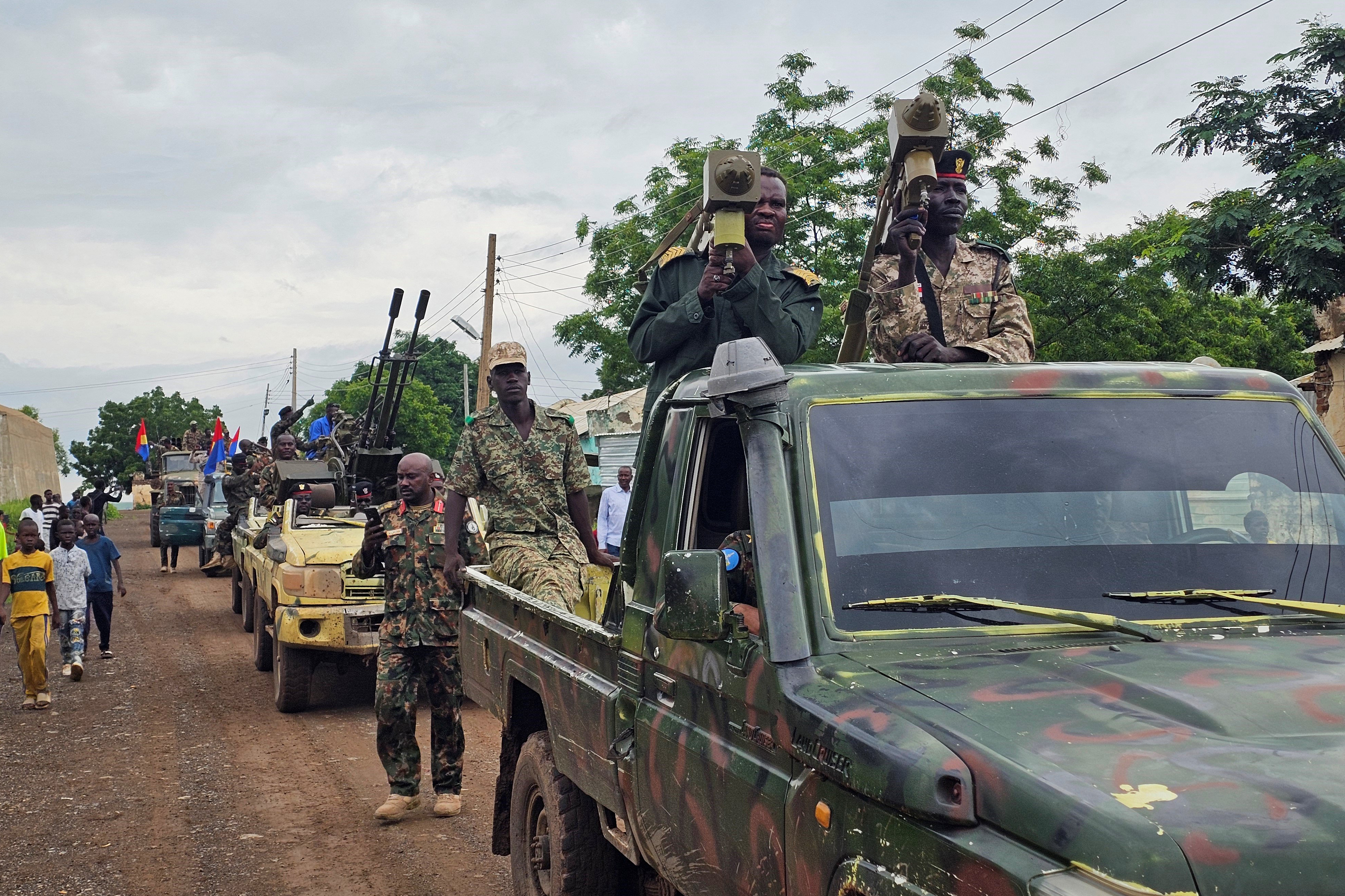
Military Crowds
In his interview with Al-Estiklal, Sudanese researcher Mohamed Nasr believes that the Battle of El Obeid goes beyond being a military confrontation for control of a city, to become a decisive test for the future and geographical unity of Sudan.
He points out that El Obeid, which has a population of more than half a million people and hosts large numbers of displaced people, represents the most important logistical and military node in the west of the country, as it links Khartoum to the states of Kordofan and Darfur, and controls the road network and supplies on which the army depends in its operations.
Mr. Nasr adds that the importance of the city lies not only in its administrative symbolism, but also in its location, which makes controlling it an influential factor in the balance of power throughout the theater of operations in western and central Sudan.
"The success of the RSF in extending its influence over El Obeid will give it a strategic advantage in movement and supply, and may open the way for broad military and political changes in Kordofan," he says.
"While its defeat at this strategic node, according to its assessment, represents a necessity to maintain the cohesion of the defense lines and prevent the expansion of the area of Rapid Support control, which may reflect on the unity and stability of the Sudanese state," he notes.
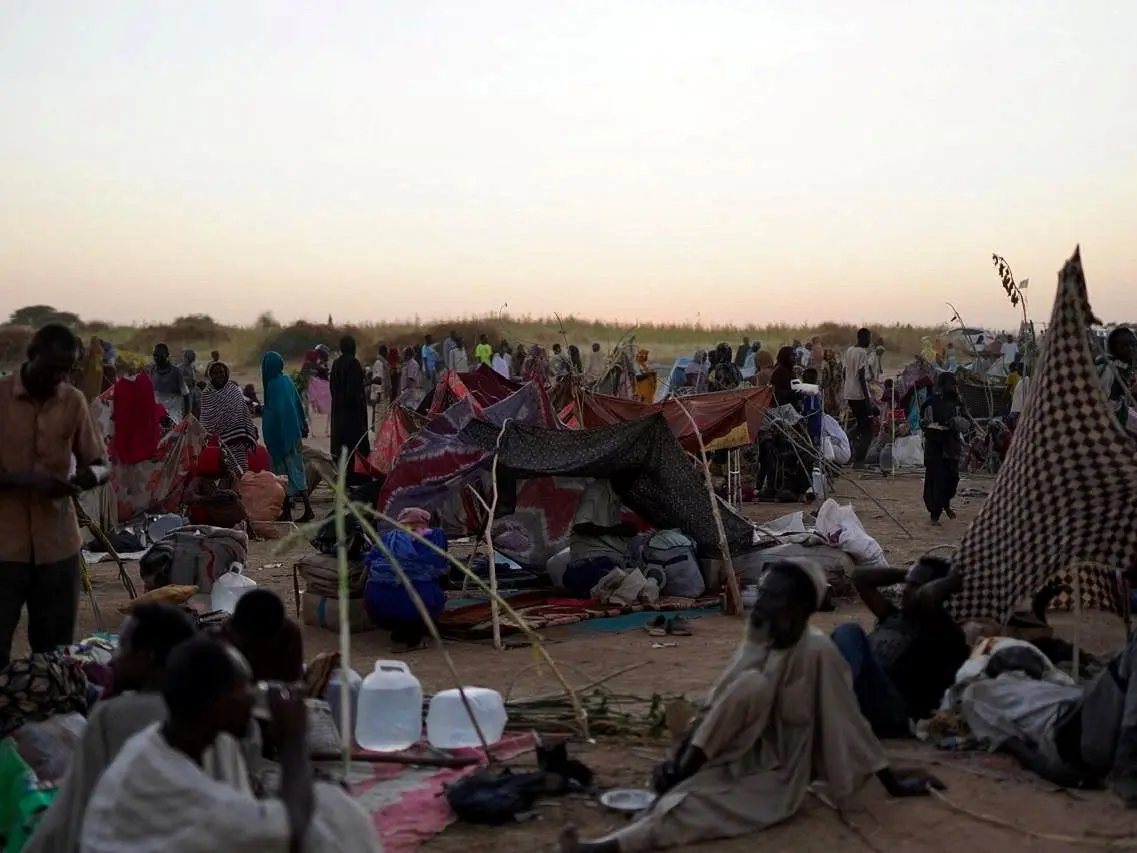
Nasr warns that any large-scale battle inside the city will have a high humanitarian cost, not only because of its population density, but also because it harbors tens of thousands of displaced people who have fled from other fighting fronts.
He believes that the continued targeting of infrastructure and basic services, in parallel with the opposing military build-ups, heralds a new wave of displacement that may be one of the largest since the outbreak of war, which explains the growing international warnings about the danger of the upcoming battle and its repercussions on the future of Sudan as a whole.
Sources
- Army airstrikes in El Obeid preempt potential ground attack by the Rapid Support Forces [Arabic]
- The race to control in El Obeid intensifies [Arabic]
- Security Council members express concern over the imminent risk of mass atrocities in El Obeid [Arabic]
- The Great Battle of Kordofan: The Army Halts the Rapid Support Forces' Advance Toward El Obeid [Arabic]