Will the Complaints in Kenya Trigger a Process of International Accountability for Sudan’s RSF Leaders?
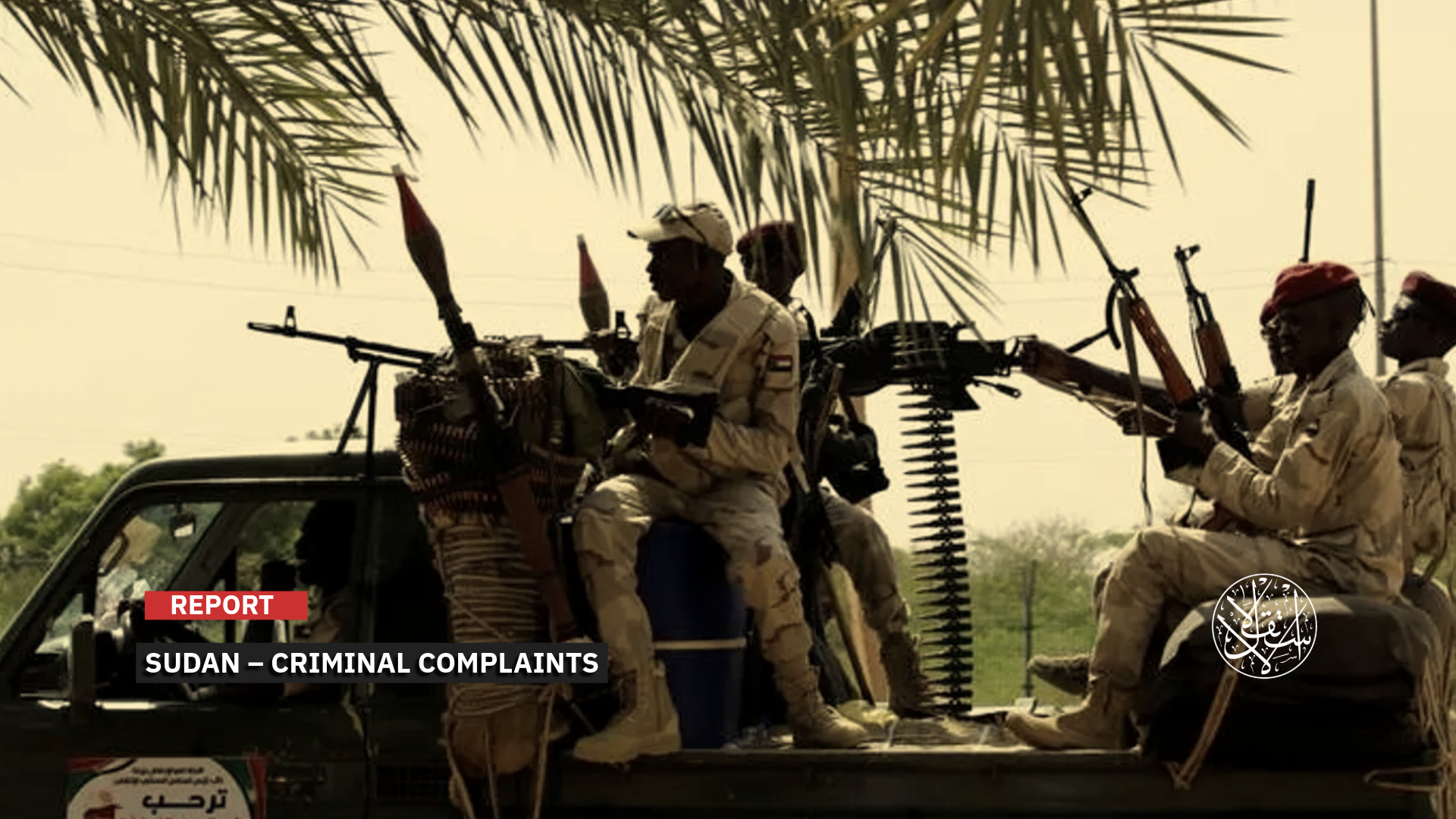
"This is the first known complaint filed outside Sudan against members of the RSF militia."
The issue of violations and war crimes in Sudan has transcended its local and regional confines. It is no longer limited to reports by human rights organizations or national inquiry commissions; instead, it is gradually shifting toward foreign judicial arenas that could reshape the pursuit of justice regarding one of the African continent's most complex and bloody crises.
In this context, the criminal complaint filed with judicial authorities in Kenya against members of the UAE-backed Rapid Support Forces (RSF) militia marks a significant development in the effort to prosecute those accused of committing grave violations during the Sudanese war.
This move elevates the case from the realm of political and human rights allegations to a new, transnational judicial level. It serves as a test of the African judiciary's capacity to handle cases involving suspected war crimes committed within a sovereign state.
The situation is further complicated by the fact that the potential case extends beyond Sudan’s borders—whether through the presence of suspects in neighboring countries or via financial, logistical, and movement networks that could facilitate legal avenues for investigation and prosecution. This opens the door to a practical test of the concept of regional justice in Africa.
These developments unfold against the backdrop of the ongoing armed conflict in Sudan—which began in April 2023 between the army and the RSF militia—and the accompanying widespread allegations of mass killings, forced displacement, and violations against civilians, as documented in reports by the UN and international organizations.
It also reflects a growing trend toward activating national judicial systems in neighboring countries as a parallel or complementary track to international justice mechanisms, which often face political and procedural obstacles in such complex cases.
First External Test
On June 9, 2026, the Global Legal Action Network (GLAN) and the African Centre for Justice and Peace Studies (ACJPS)—acting through a Kenyan law firm—filed a complaint with the Director of Public Prosecutions in Nairobi on behalf of 12 Sudanese survivors.
The complaint calls for the opening of a criminal investigation into 10 members of the RSF militia, suspected of involvement in war crimes and crimes against humanity in Khartoum and its environs between April 2023 and March 2025.
According to the complaint, the victims were subjected to widespread abuses, including unlawful detention, torture, starvation, beatings, burning, and electric shocks, as well as sexual violence such as rape and sexual enslavement. Some were also forced to transport bodies from detention centers believed to be controlled by the RSF.
According to a report published on June 15 by the Sudanese network Ayin, the significance of this move lies not only in the substance of the allegations but also in the venue where they were filed.
Kenya was not the site where the crimes occurred; however, it has adopted the International Crimes Act of 2008. This legislation theoretically allows for the prosecution of serious international crimes provided there are sufficient legal links—such as the presence of suspects on Kenyan soil or other relevant jurisdictional connections.
Accordingly, the complaint does not ask Kenya to issue a ruling on the Sudanese war or to adopt a political stance regarding the parties involved; rather, it is limited to requesting that the Public Prosecution examine the applicability of Kenyan law to these events.
Global Legal Action Network describes this move as the first complaint of its kind filed outside Sudan against members of the RSF militia.
ACJPS Executive Director Musa Mohamed Ali stated that victims have waited a long time for justice at both national and international levels.
He noted that the complaint filed in Kenya gives hope to many Sudanese people in the fight against impunity—not only regarding the RSF militia but concerning all those involved in the violations.
Universal Jurisdiction
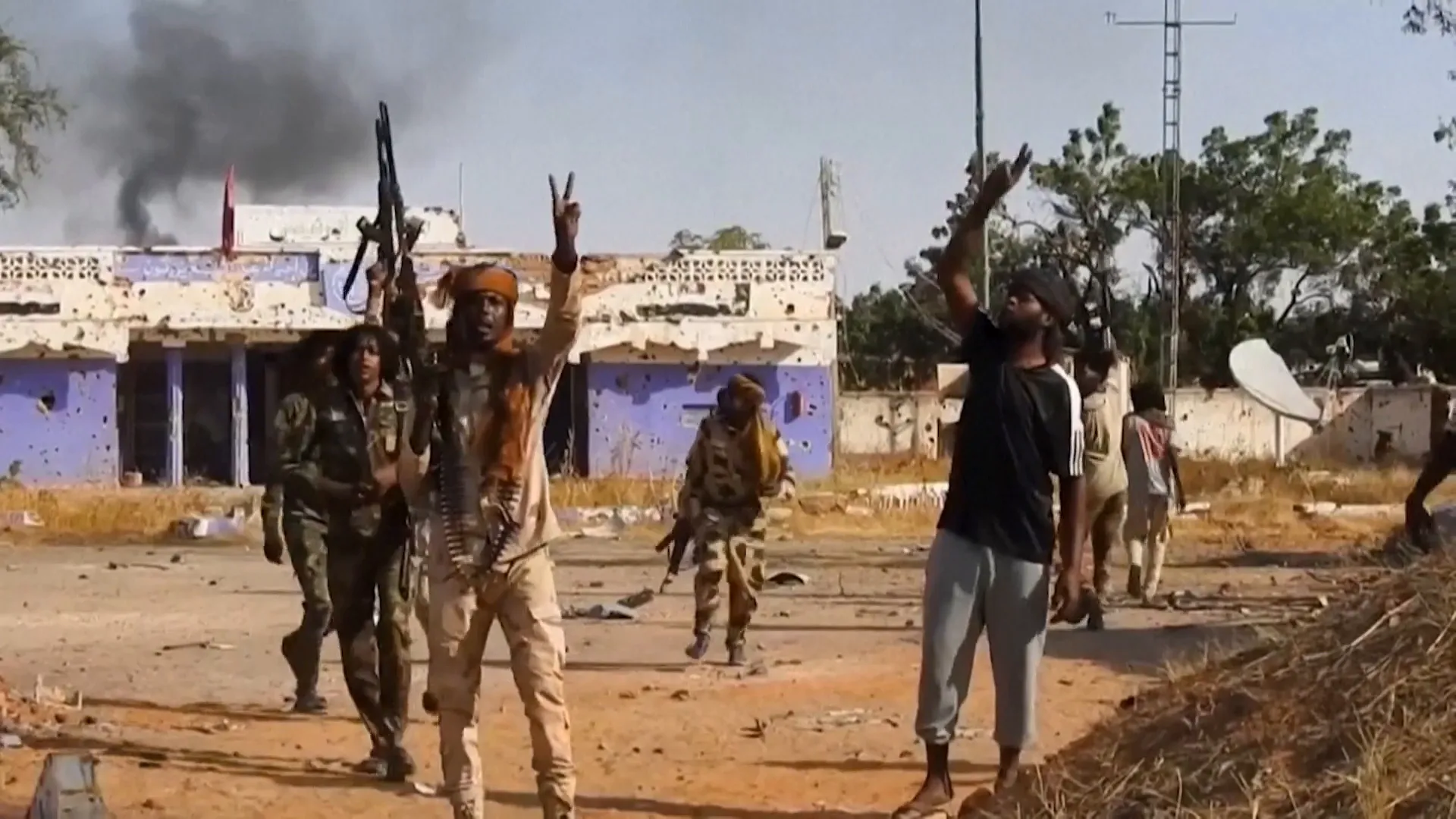
The Associated Press reported that the complaint filed in Kenya paves the way for a practical test of the principle of universal jurisdiction. This legal principle allows certain states to prosecute perpetrators of grave international crimes—such as war crimes, crimes against humanity, and genocide—even when the crimes occur outside their own territories.
It explained that this principle has previously been applied in cases linked to Syria, Rwanda, and the former Yugoslavia; European courts—particularly in Germany and France—have also seen trials and lawsuits against individuals accused of committing violations outside those countries' borders.
Reuters quoted Sudanese lawyer and Assistant Secretary-General of the Arab Lawyers Union, Tariq Abdel-Fattah, as saying that the significance of the case in Kenya lies in the incorporation of the principle of international criminal jurisdiction into the Kenyan judicial system.
He noted that international law does not necessarily require the crime to have occurred within the state hearing the case, provided that national law permits prosecution based on this type of jurisdiction.
Abdel-Fattah believes that Kenya’s move could set a legal precedent, potentially prompting victims, human rights organizations, and law firms to open similar cases in European and American countries that possess greater experience in handling such matters.
He adds that this development is particularly significant given the ongoing conflict in Sudan—which began in April 2023—as it has generated a vast volume of testimonies, reports, photographs, and video footage documenting the violations.
However, transforming this evidence into viable criminal cases requires a conducive judicial environment and access to suspects, alongside cooperation among victims, lawyers, and human rights organizations.
From this perspective, Kenya could serve as an initial testing ground for this approach; if the public prosecutor handles the complaint seriously, it could become a replicable legal model. Even if the process stalls, it remains a significant symbolic step, as it has broken the monopoly of the domestic Sudanese process over the pursuit of justice, according to the Sudanese lawyer.
The Domestic Track
Meanwhile, parallel judicial proceedings are underway within Sudan, as authorities have initiated a process to prosecute leaders of the RSF militia.
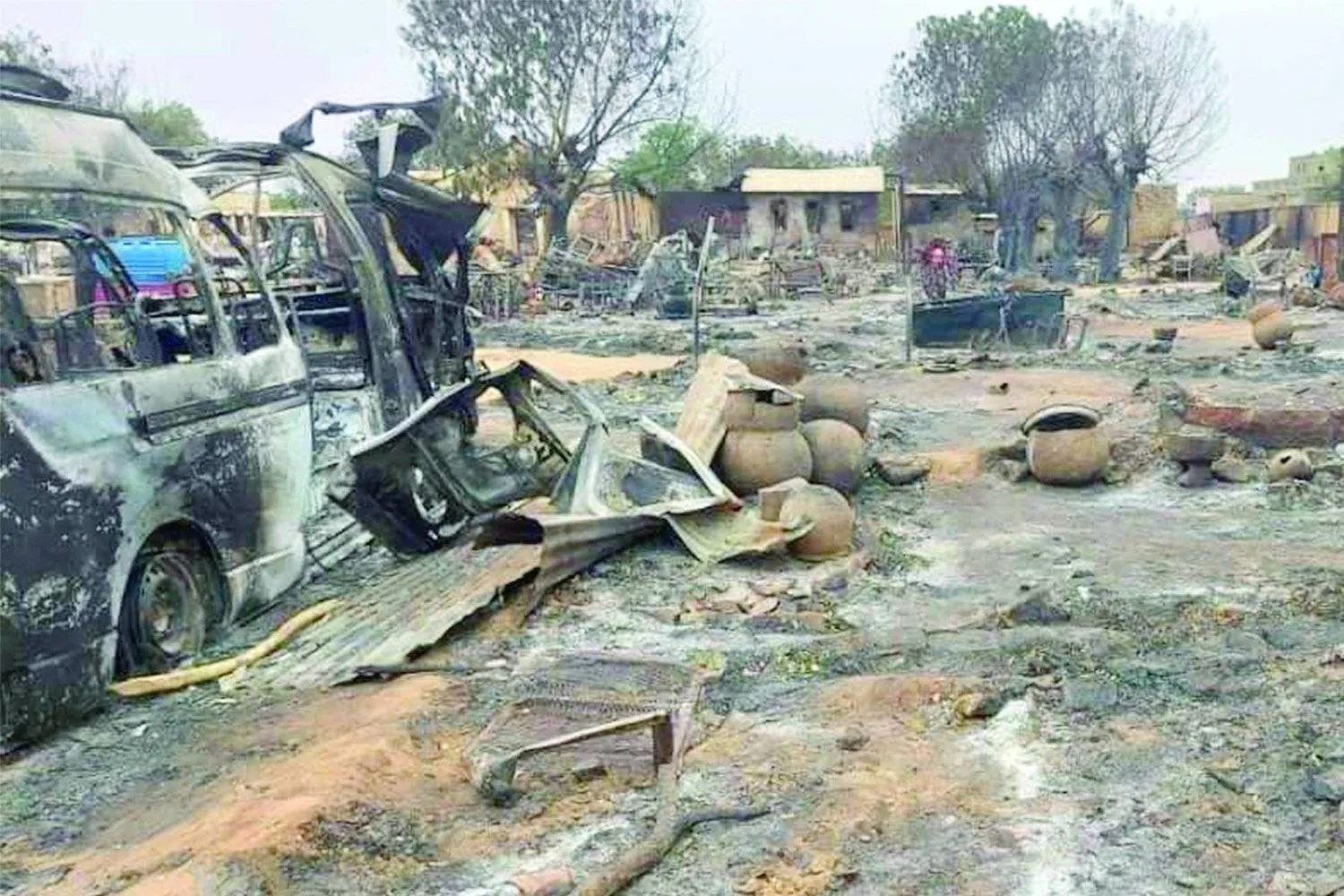
In April 2025, the Court for Terrorism and Crimes Against the State began the trial in absentia of 16 RSF leaders for the killing of West Darfur Governor Khamis Abakar. Abakar was killed and his body dragged through the streets of El Geneina just hours after his arrest.
The list of the accused includes RSF commander Mohamed Hamdan Dagalo (Hemedti), his deputy Abdelrahim Dagalo, and Al-Goni Dagalo, alongside the RSF commander in West Darfur, Abdulrahman Juma, the head of the militia’s civil administration in the state, Tijani Karshoum, and others.
Additionally, the National Committee for Investigating War Crimes and RSF Violations has registered thousands of cases, including those related to the killing of Khamis Abakar and attacks on Al-Jazira State.
However, this process faces significant challenges; most of the accused leaders remain beyond the reach of the Sudanese justice system, while certain areas remain outside state control.
Furthermore, trials in absentia—despite their symbolic importance—do not alone achieve the necessary deterrent effect unless complemented by international prosecutions, arrest warrants, or cross-border judicial cooperation.
The Emirati Role
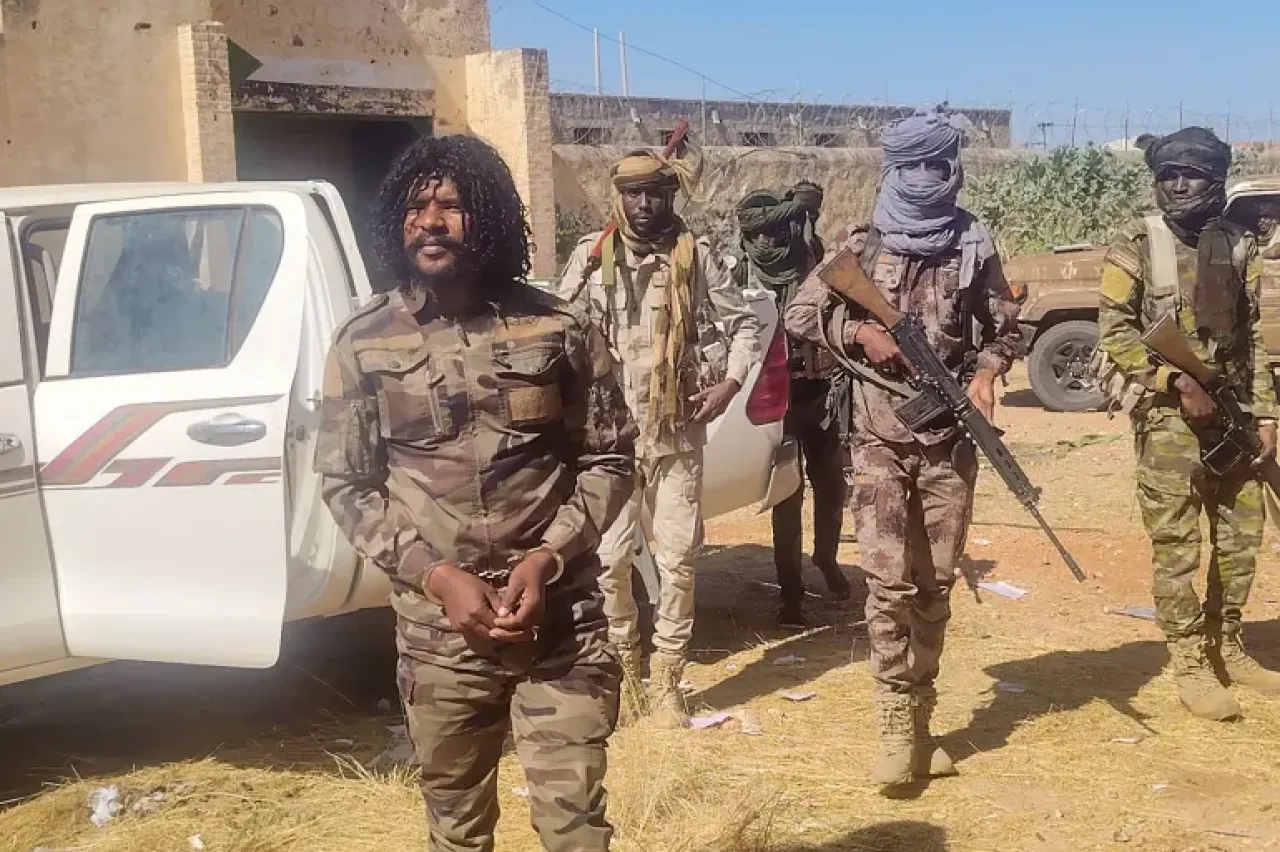
International human rights reports have lent considerable weight to the Kenyan complaint; international organizations, including Amnesty International, have documented that the RSF committed violations in Darfur that may amount to war crimes, including extrajudicial killings, rape, hostage-taking, and direct attacks on civilians.
UN and African reports have also accused members of the RSF of committing widespread crimes in the city of El Fasher—including mass killings, sexual violence, and the targeting of civilians in systematic military operations.
Concurrently, Sudanese lawyers have filed a complaint with the African Commission on Human and Peoples' Rights in Banjul against six states and regional entities, alleging their involvement in the ongoing war in Sudan and their contribution to fueling violations.
They stated that the blood of Sudanese people, their destroyed homes, and the suffering of displaced women and children are not merely statistics but constitute full-fledged crimes. They affirmed their continued efforts to pursue those involved and their accomplices in various international forums.
This approach represents an expansion of the scope of accusations—moving beyond direct perpetrators to include the backers, financiers, and facilitators of RSF activities. This shift is also reflected in the Sudanese government's actions before the International Court of Justice (ICJ) against the United Arab Emirates, based on allegations regarding support for the rebel militia in Darfur.
Although the ICJ proceedings differ legally from the criminal complaint filed in Kenya, the simultaneous pursuit of both paths reflects an effort by Sudanese stakeholders and human rights advocates to build a legal cordon around the war—extending from the fighter on the ground and the leadership up to the regional support networks believed to be sustaining the conflict.

International Pursuit
Speaking to Al-Estiklal, Sudanese politician Dr. Ibrahim Abdelkader stated that the success of the complaint filed in Kenya would not be measured solely by the opening of an investigation or the issuance of arrest warrants, but rather by its ability to alter the calculations of those committing the violations.
He added that leaders and members of the RSF militia may feel that traveling to Kenya, European nations, or any country adhering to the principle of universal jurisdiction could expose them to accountability or arrest.
He explained that while this cost does not necessarily halt the fighting, it could narrow the scope for impunity and provide victims with legal avenues beyond merely waiting for political settlements—paralleling experiences seen in other conflict zones regarding international crimes.
He emphasized that this path would not be easy, noting that Kenya itself had previously been a subject of controversy in Sudan after hosting political meetings attended by parties—some accused of links to the RSF—which could render the matter diplomatically sensitive.
However, he pointed out that Kenya’s existing national law on international crimes provides Nairobi with a legal foundation to build upon, should authorities decide to proceed with investigations.
He stated that the broader landscape in Sudan reflects a gradual shift from the documentation of human rights violations to actual litigation. He noted that British and European sanctions against RSF leaders, International Criminal Court (ICC) actions regarding Darfur, complaints filed with the African Commission on Human and Peoples' Rights, and in absentia trials within Sudan all constitute interconnected elements of a single process.
He added that the significance of the Kenyan move lies in its placing of specific victims before a national prosecution authority in an African country to request a direct criminal investigation; this makes the step something more than merely symbolic, even if it falls short of a full international tribunal.
He concluded by stating that this experience serves as a genuine test of the ability of victims of the Sudan war to take their case to a foreign jurisdiction, while simultaneously raising a broader question regarding the possibility of establishing a cross-border African path to justice—one that does not rely exclusively on The Hague or European capitals.
Sources
- First war crimes complaint against Sudan’s paramilitary forces filed in Kenya
- Sudan – First war crimes complaint against the RSF filed in Kenya
- Sudanese survivors seek justice in Kenya
- Will prosecuting Rapid Support Forces members in Kenya spur the pursuit of Sudan’s war criminals? [Arabic]
- Hemedti and his two brothers appear before the counter-terrorism court on charges of killing the Governor of West Darfur [Arabic]