From Breaking the Air Blockade to Besieging Saudi Arabia: How Have the Rules of Engagement in Yemen Changed?
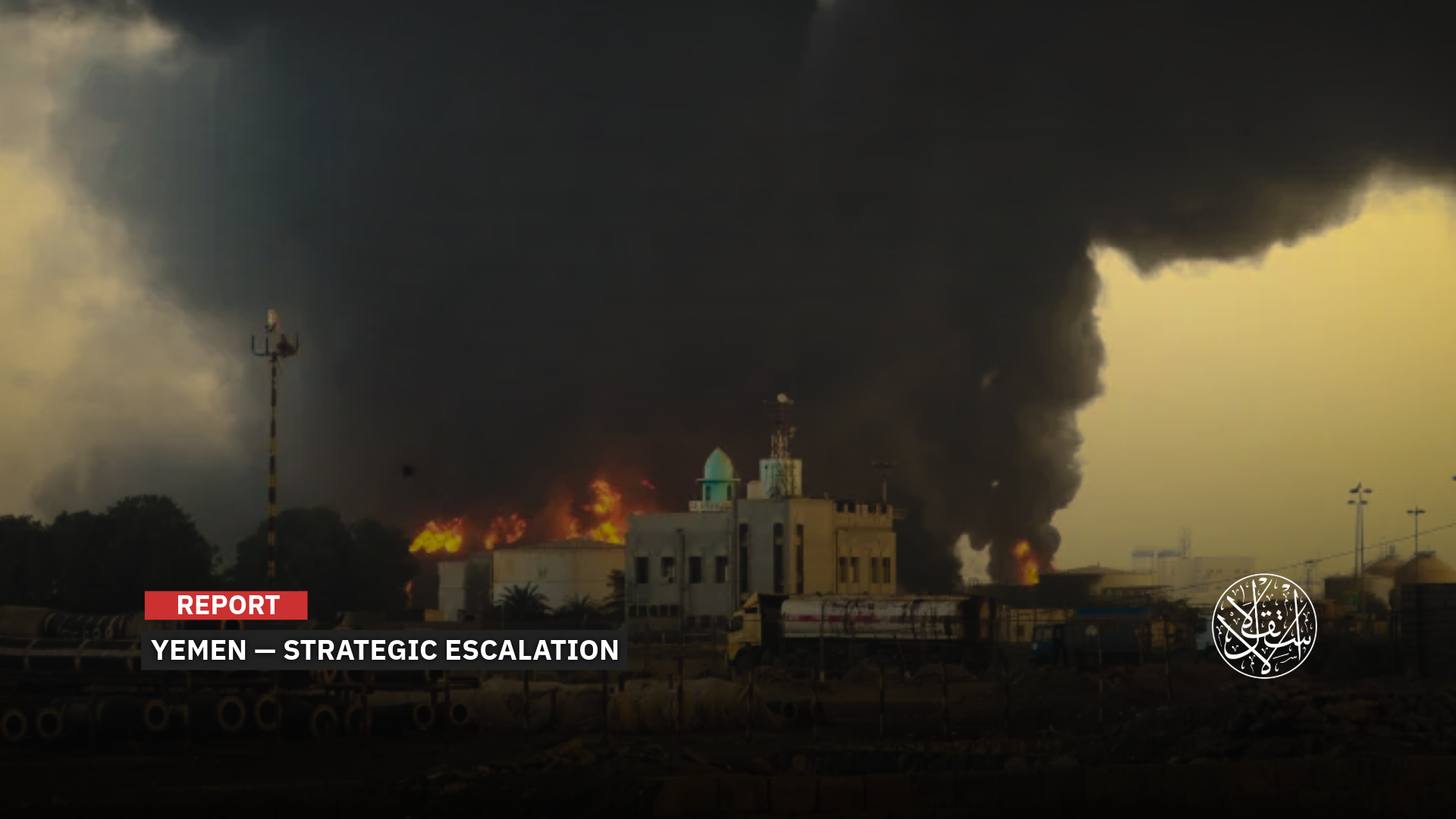
The Houthis have shifted from waging an internal war to leveraging Yemen's geostrategic position as a tool of regional pressure.
Over the past few days, Yemen has become more than just a theater for renewed confrontation between the Houthis and Saudi Arabia.
It has emerged as a pivotal arena in a widening regional conflict stretching from Yemeni airspace to the Red Sea and global energy markets. In less than a week, the Houthis moved from breaking the air blockade imposed on sana'a to imposing a maritime blockade on Saudi Arabia.
They then targeted oil tankers and vessels linked to Saudi ports before further escalating the confrontation by launching missiles and drones at targets deep inside Saudi territory.
Saudi Arabia responded swiftly with a series of airstrikes targeting sites in al Hudaydah Governorate and other Yemeni cities, in a military message aimed at reasserting deterrence and preventing the Houthis from establishing a new strategic reality in the Red Sea and along the Saudi-Yemeni border.
These developments suggest that the Houthis have shifted from waging an internal war to leveraging Yemen's geostrategic position as a tool of regional pressure.
They have sought to capitalize on escalating tensions between Iran and the United States, linking the Yemeni theater to strategic calculations that extend far beyond the country's domestic conflict to encompass the security of international maritime navigation and the stability of global energy markets.
The Onset of Escalation
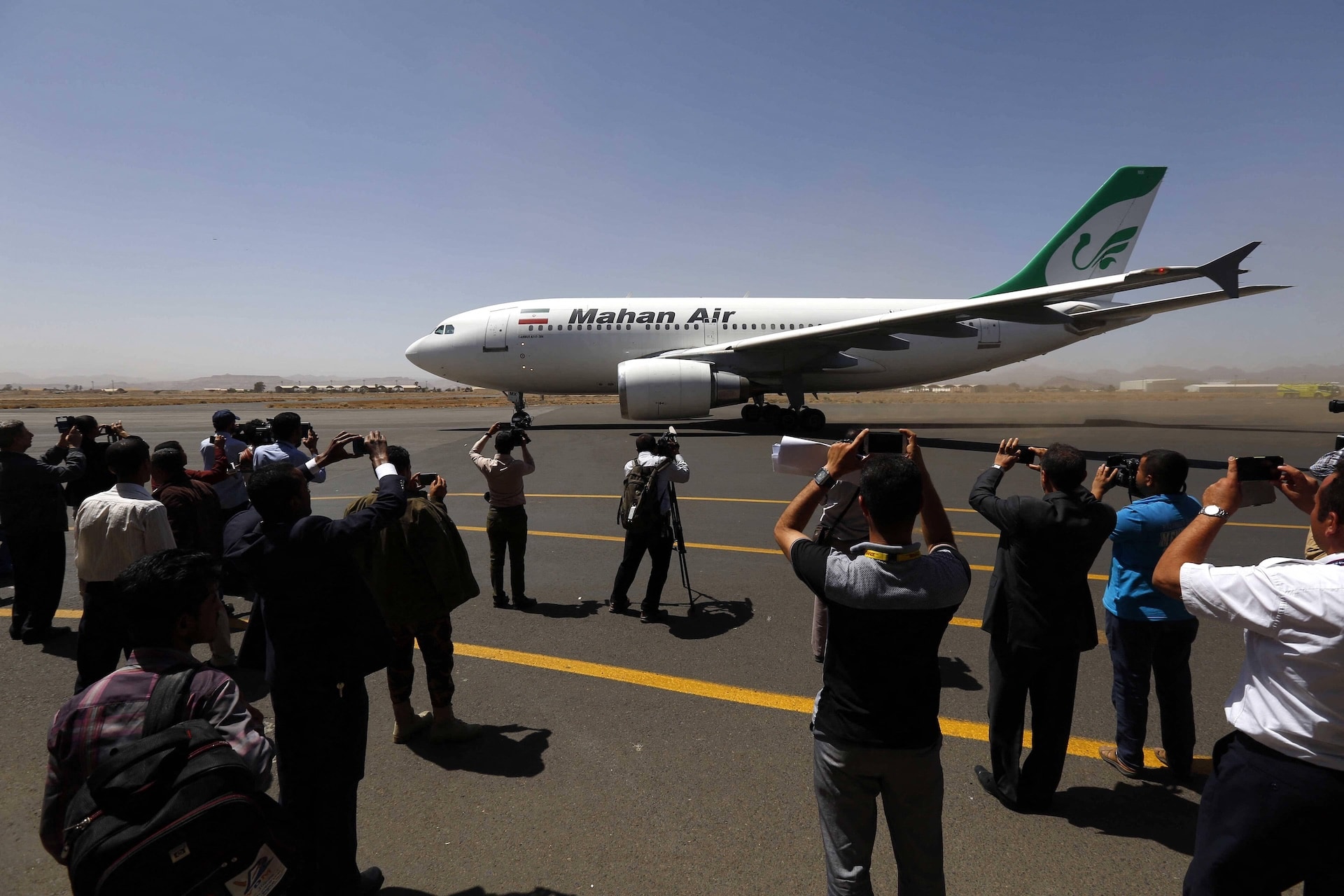
July 13, 2026, can be regarded as the most significant turning point in the trajectory of the crisis, when an Iranian aircraft operated by Mahan Air succeeded in breaching the air blockade imposed on areas under Houthi control.
The Yemeni government and Saudi Arabia described the flight as a direct challenge to the security arrangements that had governed air traffic to Yemen over the past several years.
According to Reuters, citing four informed Iranian and Yemeni sources, the flight was not merely a routine civilian service.
It reportedly carried members of Iran's Islamic Revolutionary Guard Corps (IRGC) and military advisers, along with components linked to missile and drone programs. The sources also said the aircraft transported quantities of gold that were intended to finance Houthi activities inside Yemen.
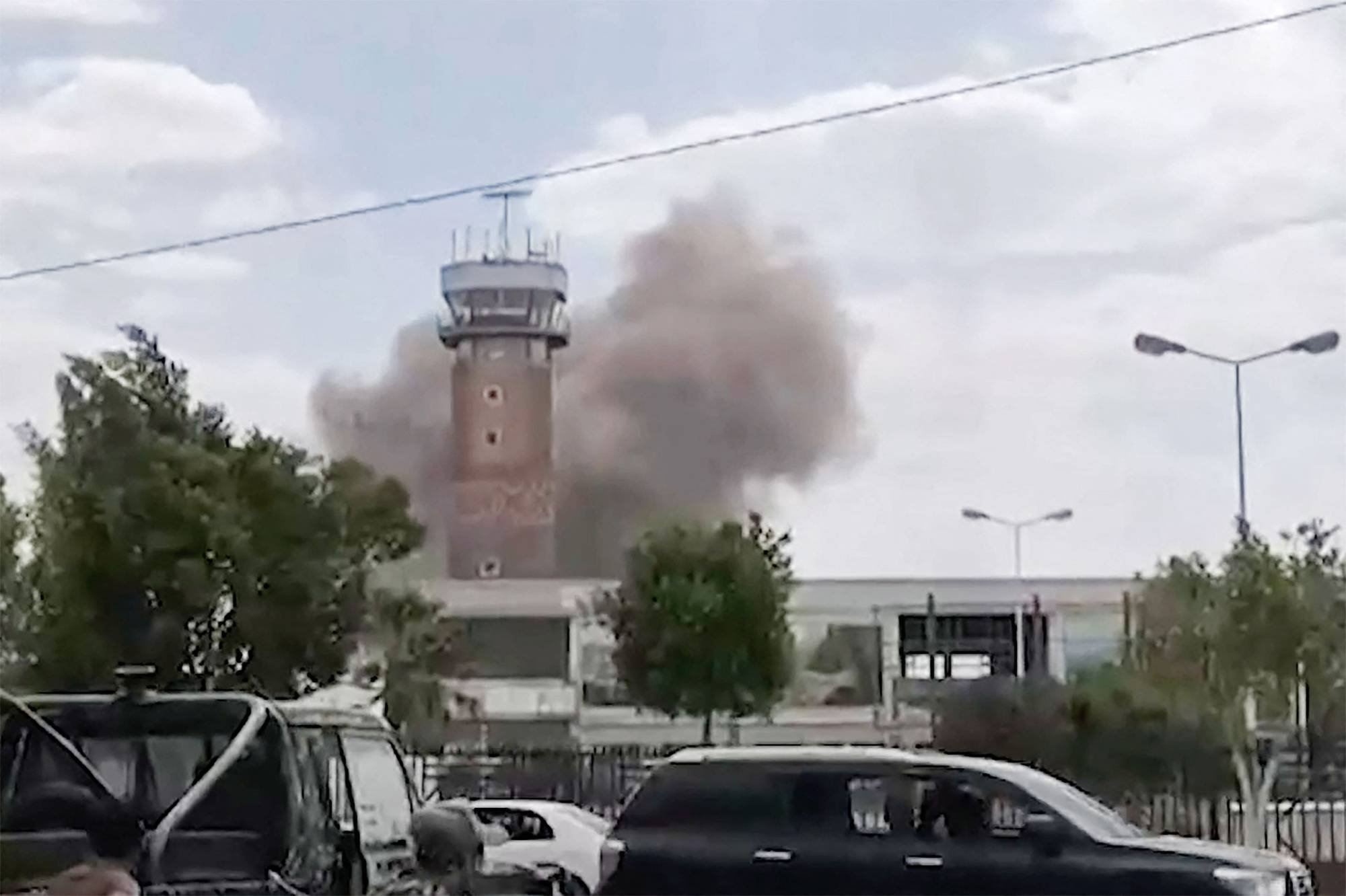
Yemeni Information Minister Muammar al-Eryani said the flight transported members of the Islamic Revolutionary Guard Corps (IRGC) and military equipment intended to strengthen the Houthis' missile and naval capabilities, enabling them to threaten international shipping in the Red Sea and the Bab al-Mandab Strait.
The Houthis, however, rejected these allegations. Abdulrahman al-Ahnoumi, the group's media official, dismissed the Reuters report as "lies and fabrications," insisting that all passengers on board were civilians.
He said the flight was limited to returning the Houthi delegation that had attended the funeral ceremonies for Iran's Supreme Leader, along with Yemeni citizens who had received medical treatment in Iran.
Tehran also denied transporting any military experts or combat equipment. Iranian Foreign Ministry spokesperson Esmaeil Baghaei said the flight was humanitarian and political in nature.
The controversy over the aircraft's cargo, however, quickly moved beyond the question of whether it was civilian or military. Instead, it became the effective starting point for the subsequent wave of escalation.
While the Yemeni government and Saudi Arabia viewed the flight as an Iranian attempt to reinforce the Houthis' military capabilities, the Houthis and Tehran portrayed it as a declaration that the isolation imposed on sana'a had been broken and that a new political and security reality had been established, developments that directly paved the way for the military escalation that unfolded in the days that followed.

From Breaking the Air Blockade to the Naval Blockade
Only days after the Iranian aircraft incident, the crisis entered a more dangerous phase with the Houthis' announcement of a maritime blockade on Saudi Arabia, the first move of its kind to directly target trade flows and energy supplies linked to the Kingdom.
The announcement came just three days after the Iranian aircraft arrived in sana'a, a timing that observers linked to the military and political developments that had preceded it.
According to Reuters, citing informed sources, Tehran had asked the Houthis to prepare to shut down the Red Sea route for Saudi oil exports if its own facilities came under further U.S. attacks. This gave the Houthi move a clear regional dimension and directly tied it to the trajectory of the Iran–U.S. confrontation.
In a statement, the group declared that all vessels loading or unloading cargo at Saudi ports had been added to its target list. It said the decision was a response to what it described as the Saudi bombing of Sana’a Airport and the continued blockade imposed on Yemen, while holding Riyadh responsible for the collapse of the truce that had lasted for nearly four years.
The threat was not merely rhetorical. The group announced that it had targeted the Saudi oil tankers Incilia and Laila with missiles and drones, asserting that its maritime operations would continue unless Saudi Arabia, in its words, ended the blockade on Yemen.
Riyadh Responds
Saudi Arabia treated the announcement of the maritime blockade as a development that extended beyond the confines of the Yemen conflict, viewing it as a direct threat to global energy security rather than to the Kingdom alone.
From Riyadh's perspective, targeting oil tankers in the Red Sea jeopardizes one of the Kingdom's most important oil export routes, which it relies on to diversify shipping routes beyond the Strait of Hormuz and ensure the uninterrupted flow of its exports to global markets.
In response, Saudi Arabia launched a series of airstrikes targeting military positions, logistical facilities, weapons depots, and missile and drone launch sites in al Hudaydah Governorate and other Houthi-controlled areas. The strikes were intended to degrade the capabilities used to carry out maritime attacks and launch strikes against Saudi territory.
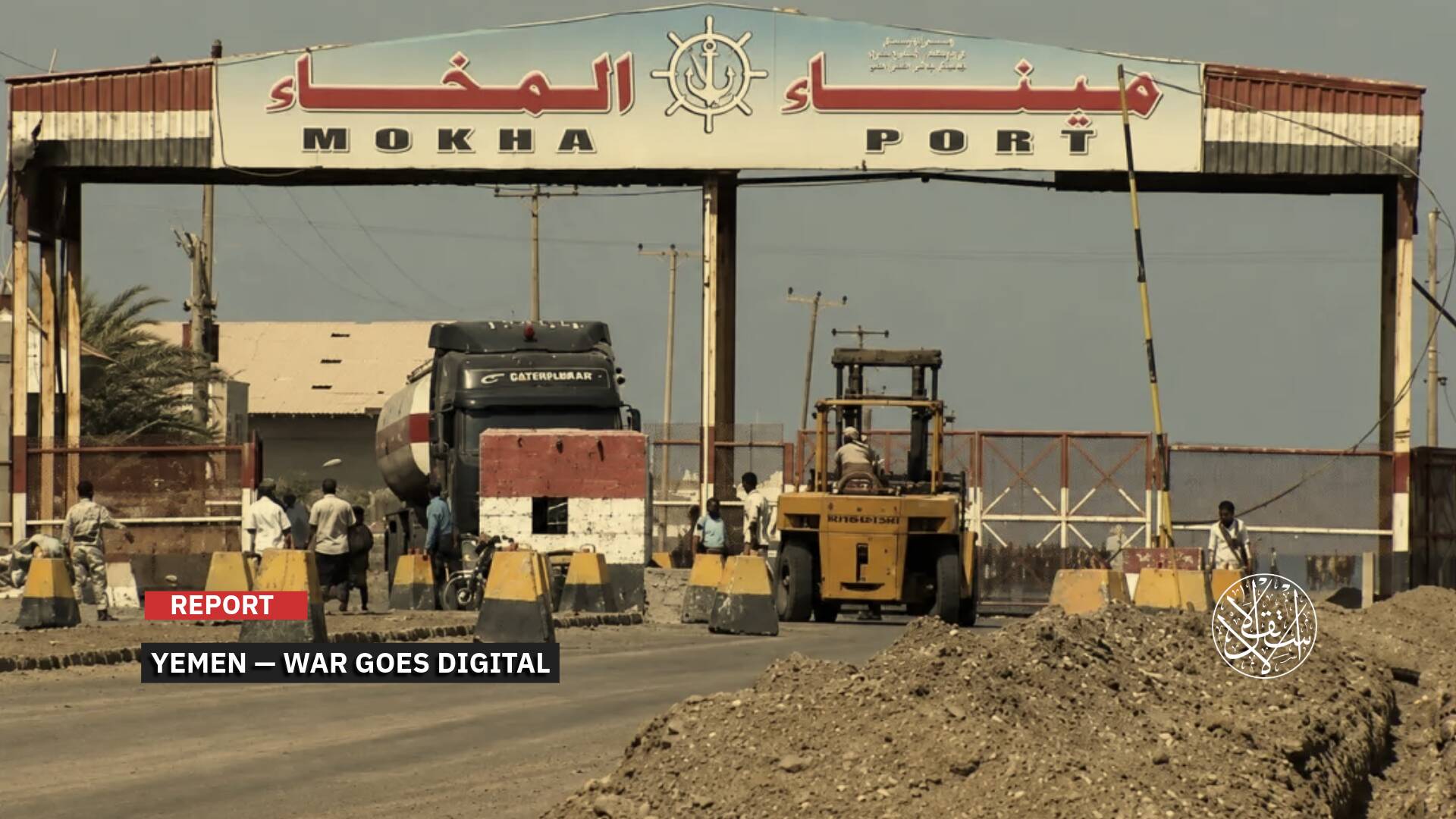
Al Hudaydah was chosen not only for its military significance but also because it serves as the Houthis' principal maritime gateway and the operational hub for their activities along the Red Sea coast. It is also a vital lifeline for imports into areas under their control.
Despite the strikes, Western reports indicated that Riyadh remains keen to avoid a return to a prolonged war of attrition. At the same time, however, it considers the security of the Red Sea and the Bab al-Mandab Strait to be a red line and will not allow them to be turned into instruments of military leverage by the Houthis or Iran.
Analysts argue that the Saudi strikes conveyed three simultaneous messages. The first was to the Houthis: any attack on the Saudi economy or maritime navigation would be met with a direct military response.
The second was to Iran: using Yemen as a platform to threaten global energy supply routes would not go unanswered. The third was directed at the international community, emphasizing that the crisis had evolved beyond an internal Yemeni conflict into a direct threat to one of the world's most critical maritime corridors.
In the same context, Saudi Ambassador to Yemen Mohammed al Jaber affirmed that the Kingdom remains committed to the path of peace but will not allow continued threats to its national security or to the security of international navigation.
He stressed that support for the Yemeni government and the pursuit of a political settlement would remain parallel priorities alongside Saudi Arabia's right to protect its strategic interests.
The Houthis: A Cycle of Escalation
By contrast, the Houthis presented a different account of the developments, framing them around the principle of "blockade for blockade." The group maintains that its maritime operations are a direct response to the restrictions imposed on Yemen for years and argues that the recent Saudi airstrikes have pushed the crisis back into a phase of open confrontation.
Mohammed Abdulsalam, the head of the Houthi negotiating delegation, said that Saudi Arabia continues to control the opening and closure of sana'a Airport.
He argued that the tightening of economic restrictions followed the failure of military options and warned that the current maritime measures represent only the beginning of a broader phase if Saudi escalation continues.
Meanwhile, Mahdi al-Mashat, chairman of the Supreme Political Council, described the group's military operations as "legitimate" and aimed at ending the blockade. He also asserted that the Houthis possess broader options should Saudi military operations continue.
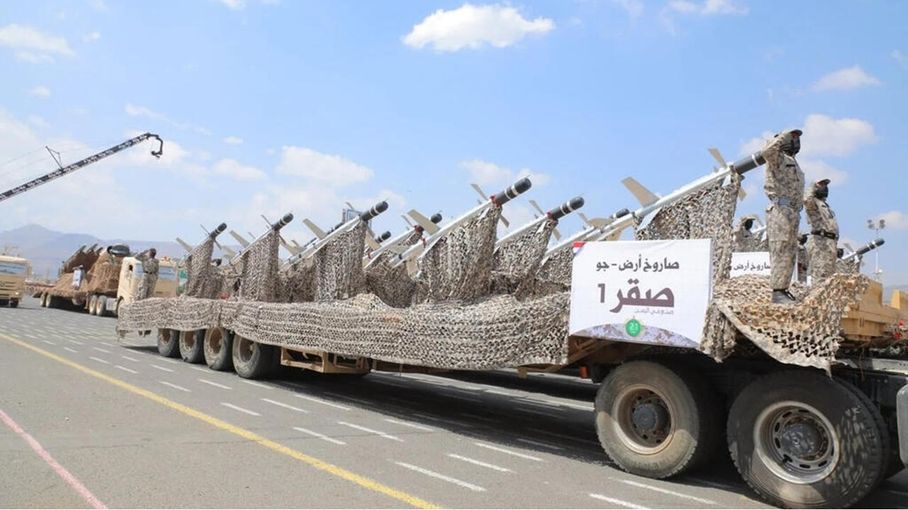
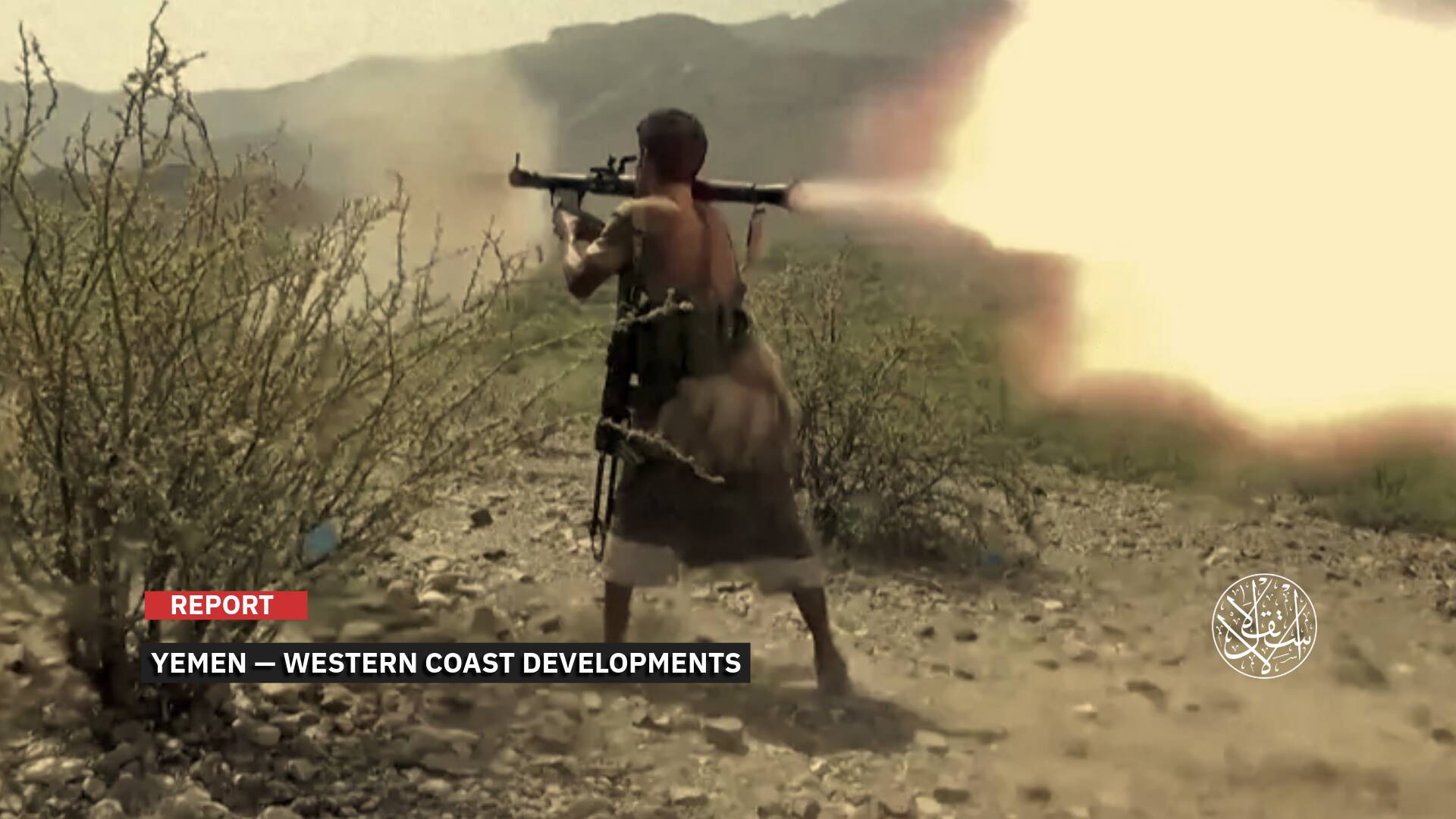
The Houthi response was not confined to political rhetoric. It expanded on the ground through missile and drone attacks targeting Saudi territory, alongside continued strikes against shipping linked to Saudi ports in the Red Sea.
This trajectory reflects a clear shift in the group's military strategy. The confrontation is no longer centered solely on ground fronts inside Yemen. Instead, it now rests on three parallel tracks: targeting Saudi territory, threatening Saudi oil exports through the Red Sea, and increasing the cost of any Saudi escalation by exerting pressure on one of the world's most critical maritime corridors.
The Initial Spark
Amid the exchange of strikes between Saudi Arabia and the Houthis, the internationally recognized Yemeni government sought to present its own narrative of the crisis.
It argued that the escalation did not begin with the Saudi airstrikes, but rather with the violation of Yemeni sovereignty through the landing of the Iranian aircraft in sana'a and the subsequent transfer of experts and military equipment that strengthened the Houthis’ combat capabilities.
From this perspective, the government viewed the subsequent targeting of international maritime routes and Saudi facilities as a direct consequence of Iran’s continued use of Yemen as a platform to expand its regional influence.
It argued that this undermines prospects for a political settlement and threatens the de-escalation process that had continued in previous years.
Chairman of the Presidential Leadership Council Rashad al-Alimi held the group responsible for the collapse of the de-escalation efforts, arguing that attacks on international shipping and Saudi facilities reflected the Houthis’ determination to undermine regional and international efforts aimed at ending the war.
The government expressed support for any measures that would ensure the protection of Yemen’s sovereignty and the security of the region, while calling on the international community to adopt a firmer stance toward what it described as Iranian escalation through the Houthis.
It warned that continued disregard for these developments would lead to broader threats to the security of international navigation and global energy markets.
This rhetoric reflects an attempt by the Yemeni government to shift the crisis from a bilateral confrontation between Riyadh and the Houthis into a broader framework centered on protecting Yemeni sovereignty and regional security.
This position largely aligned with the Saudi narrative in its characterization of the nature of the escalation.

Global Warnings
Despite differences in the tone and intensity of international positions, the parties converged on a central concern: that continued escalation could lead to the collapse of what remains of the de-escalation process and push Yemen and the region into a new cycle of conflict.
United Nations Secretary-General Antonio Guterres expressed deep concern over the military developments, calling on all parties to exercise restraint and avoid any actions that could widen the scope of the war or endanger civilians. He stressed that a political solution remains the only path to ending the Yemeni crisis.
The UN Special Envoy for Yemen, Hans Grundberg, described the escalation as a setback to the de-escalation process that had been built over recent years, while affirming that the United Nations would continue its efforts to bring the parties back to the negotiating table.
Egypt also expressed clear concern over the developments, given their direct connection to the security of the Red Sea and the Suez Canal. It emphasized that maritime security in the Red Sea is an integral part of its national security and called for avoiding any measures that could threaten global trade flows.
In Washington, the messages were more forceful. U.S. President Donald Trump directly linked threats to maritime navigation with the possibility of American military intervention, stating that the United States had previously confronted the Houthis and would do so again if freedom of navigation were threatened.
Despite this tough rhetoric, reports cited by Reuters indicated that current and former U.S. officials believe that any renewed confrontation with the Houthis would not be easy, given the military experience the group has accumulated over years of war.
They also noted that Washington is simultaneously managing tensions with Iran across multiple fronts, increasing the costs of any new military intervention.
The Predicament Between War and Peace
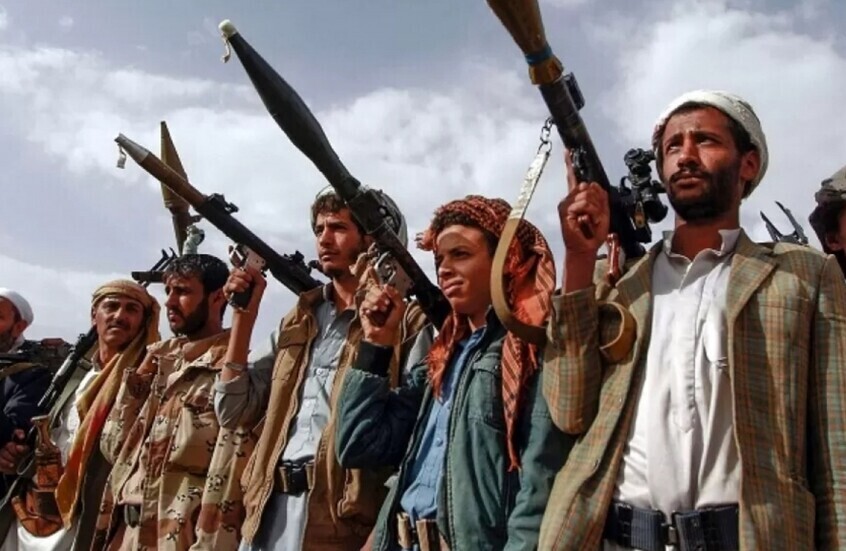
The latest developments reveal that the Yemeni crisis has entered a phase more complex than a mere exchange of military strikes. Local calculations now intersect with regional security concerns and global energy security considerations.
While none of the parties appears willing to slide into a full-scale war, they also do not appear prepared to make substantial concessions.
Farea al-Muslimi, a researcher at Chatham House, argues that prospects for peace with the Houthis have become more complicated and that the cost of postponing confrontation has grown higher than before, particularly as Saudi Arabia approaches major milestones such as Expo 2030 and the 2034 FIFA World Cup, which require long-term security and stability.
This assessment overlaps with the view of Yemeni writer Abdulkader al-Guneid, who argues that Saudi policy has gradually shifted from seeking to end the war through political understandings toward a situation that has forced it to return to the option of military response, despite its reluctance to become drawn into another war of attrition.
The writer argues that Saudi Arabia does not want to return to war and that it has made efforts in recent years to exit the conflict through negotiations with Iran and the Houthis. However, he believes Riyadh has found itself facing pressures pushing it toward confrontation.
He further argues that Iran and the Houthis view escalation as an opportunity to open a new front against their opponents and use the Red Sea and the Bab al-Mandab Strait as strategic leverage.
The writer also criticizes the weakness of the official Yemeni side, arguing that the absence of a unified state and coherent domestic political decision-making has turned Yemen into an arena where regional power struggles intersect.
Meanwhile, according to analysts, the Houthis are seeking to exploit the escalation to achieve three parallel objectives: demonstrating that they retain military capabilities despite years of de-escalation, increasing the cost of any attempt to marginalize them in a future political settlement, and strengthening their negotiating position by showing their ability to influence energy security and international trade.
Analysts argue that the latest Saudi-Houthi escalation represents a qualitative shift in the trajectory of the Yemeni crisis. The conflict is no longer confined to internal front lines but has expanded to include attacks on strategic interests linked to energy security and maritime navigation in the Red Sea.
The Houthis are seeking to leverage Yemen’s geographic position and the Bab al-Mandab Strait as a regional pressure tool within the broader conflict between Iran and its adversaries.
Saudi Arabia, meanwhile, faces a complex dilemma between restoring deterrence and preventing the confrontation from turning into another prolonged war of attrition.
From this perspective, observers believe Saudi Arabia’s current calculations may be based on the understanding that being drawn into a broad confrontation with the Houthis does not necessarily serve its strategic objectives.
Instead, it could benefit actors seeking to exhaust Saudi Arabia or disrupt its development agenda.
For this reason, Riyadh has favored in recent years an approach based on political and diplomatic containment, even while making calculated concessions, judging that the cost of a temporary settlement may be lower than the cost of an open-ended war whose trajectory and consequences would be difficult to control.
While the parties appear, for now, determined to avoid a full-scale war, the continued targeting of vital facilities and commercial vessels could alter the rules of engagement and open the way for a more volatile phase in Yemen and the wider region.
Escalation Pathways
Despite the unprecedented rise in the level of military and political escalation, a return to full-scale war remains one of the possible scenarios, rather than an inevitable outcome.
Saudi Arabia has become more inclined toward containing the conflict and protecting its strategic interests rather than becoming involved in an open-ended war, while the Houthis recognize that achieving complete military control over Yemen still faces domestic opposition and regional constraints.
Nevertheless, the risk of sliding into an open war remains present. The expanded use of missiles and drones, along with attacks on ports, vital facilities, and maritime routes, increases the possibility that the escalation could move beyond the limits of political calculations.
In light of the current circumstances, three main scenarios appear more likely: the continuation of escalation within a controlled framework while keeping channels of negotiation open; the collapse of the truce if strategic facilities are targeted or significant casualties occur, prompting the parties to widen the confrontation; or the use of escalation as leverage to improve negotiating positions, with military force employed to strengthen political standing rather than to achieve a comprehensive battlefield victory.
In all cases, recent developments confirm that Yemen has entered a new phase in which it is no longer merely an internal conflict issue, but has become a central factor in the regional security equation.
It now sits at the intersection of Iranian influence calculations, Saudi security concerns, and the security of the Red Sea and global energy supplies.
While the Houthis seek to consolidate their position as a force capable of imposing their choices and influencing regional dynamics, opposing powers are attempting to prevent Yemen from becoming an open-ended strategic pressure tool.
The future of the escalation will depend on the parties’ ability to recalibrate the rules of engagement before Yemen once again becomes a gateway to a broader regional war.
Sources
- The Armed Forces Target Two Saudi Oil Tankers to Reinforce the “Blockade-for-Blockade” Equation [Arabic]
- The Armed Forces Announce the Execution of Two Qualitative Operations Targeting Facilities Belonging to Saudi Aramco in Jizan and Yanbu [Arabic]
- Widespread International Condemnations of the Houthi Attack on a Saudi Vessel [Arabic]
- The Coalition Carries Out a Military Operation Against Legitimate Houthi Targets in Al Hudaydah [Arabic]
- Presidential Leadership Council Chairman Warns Houthi Militias Against Continued Escalation and Gambling With the Interests of the Yemeni People [Arabic]
- Guterres Warns of Expansion of Yemen Conflict After Houthis Resume Attacks on Ships [Arabic]
- Exclusive — Sources: Iran Sent Islamic Revolutionary Guard Corps Commanders and Missile Equipment to the Houthis [Arabic]
- Trump Threatens to Punish Iran After Houthi Attacks in the Red Sea [Arabic]
- National Delegation Chief: Saudi Arabia Seeks to Compensate for Its Failure in Its Aggression Against Yemen, and Its Policies Resemble the Israeli Approach [Arabic]
- Analysis — Yemen on the Brink of a New War Amid the Iran Conflict [Arabic]
- Everyone Wants Saudi Arabia to Fight the Houthis… Except Saudi Arabia [Arabic]