Luxury Projects and Big Money: Why Investors Are Pouring Into Syria’s Yaafour District
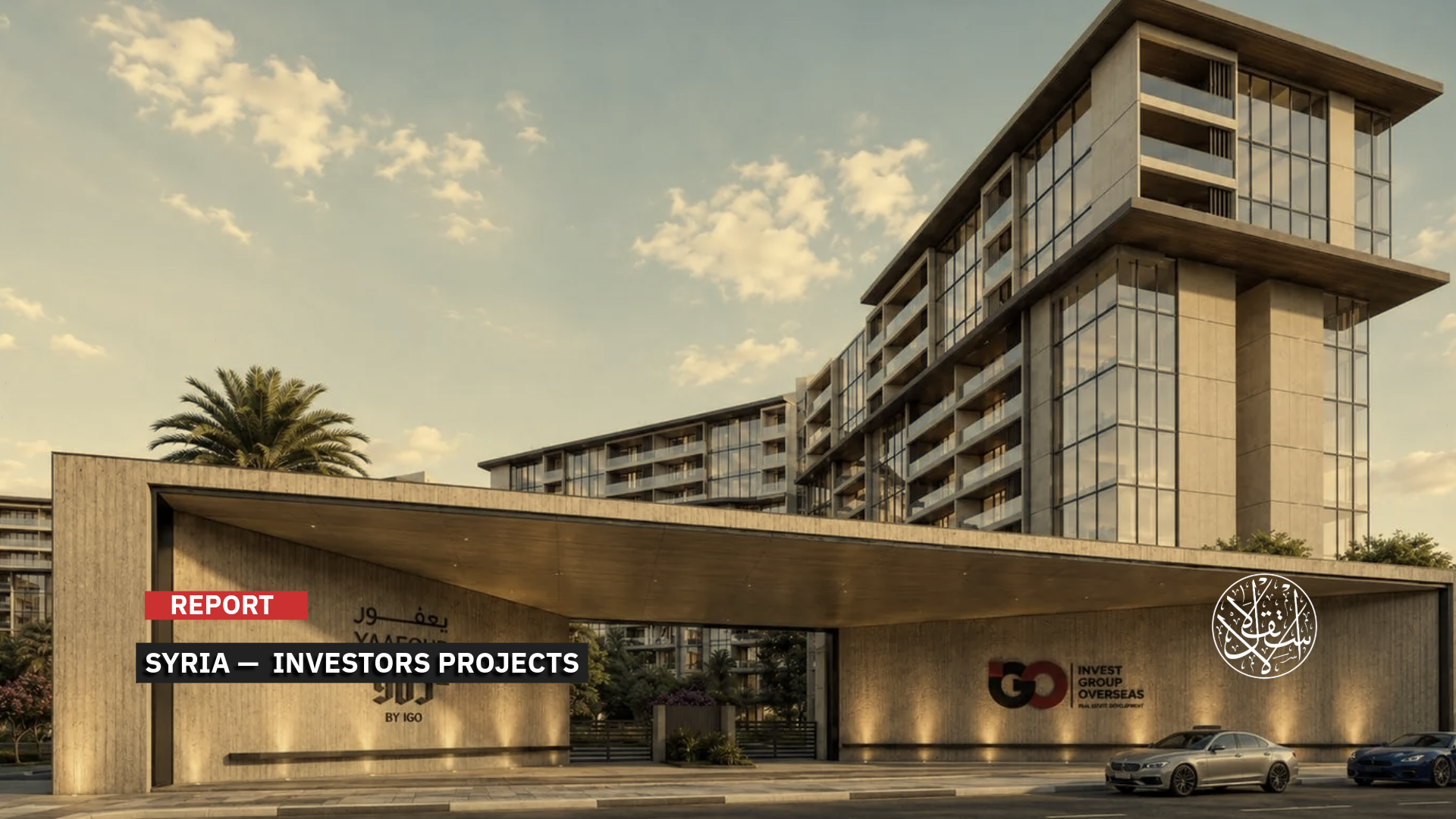
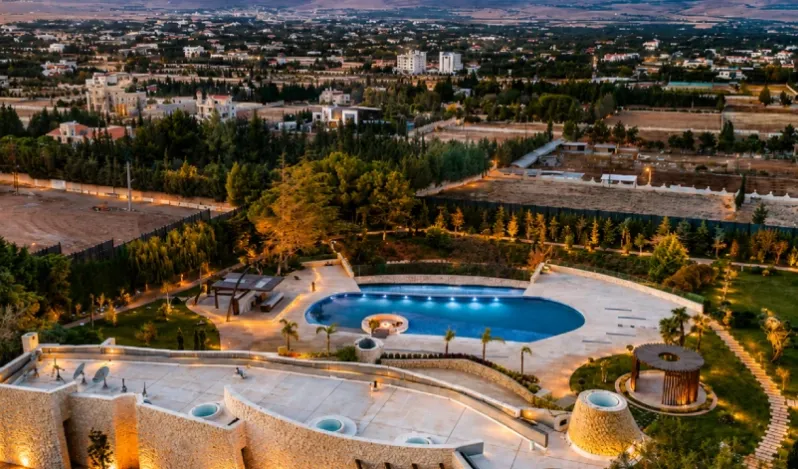
Yaafour is home to luxury villas, some of which span up to 2,400 square meters.
Located about 12 miles west of Damascus, the town of Yaafour—one of Syria’s most exclusive residential areas—is once again attracting attention as investment interest grows around reconstruction projects and economic reopening efforts, amid attempts to draw local and foreign capital into the real estate sector.
Over the past several decades, Yaafour has developed a distinctly elite identity, gradually becoming a symbol of upscale living on the outskirts of the capital. It has long been a favored destination for business leaders; diplomats; Syrian and Arab investors; and politically and economically influential figures.
Urban planning studies of the Damascus countryside identify Yaafour, alongside areas such as Sahnaya and Qudsaya, as one of the first suburbs in Syria to embrace the concept of gated communities—a model typically associated with luxury residential developments offering integrated security, services, and exclusive amenities.
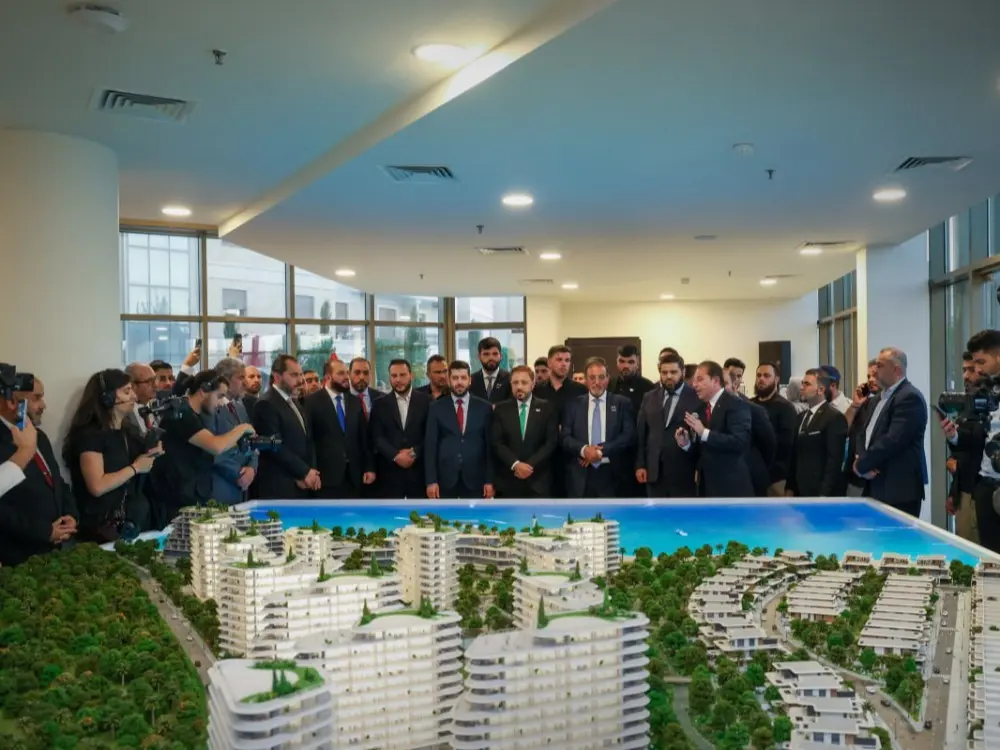
‘Yaafour 963’
Located along the Damascus-Beirut highway—one of the region’s most important economic and strategic corridors linking Syria and Lebanon—Yaafour enjoys logistical advantages that extend well beyond its residential appeal. Its elevated setting also provides a milder summer climate and a quieter environment than central Damascus.
Over the past three decades, the area has experienced a real estate boom, evolving into a landscape of luxury villas, palaces, and private estates favored by Syria’s political and business elite. The district became closely associated with figures tied to the former Syrian regime, including members of the Assad family and senior officials who owned lavish residences there.
Yaafour is connected by a relatively modern road network, placing Damascus International Airport roughly 40 to 45 minutes away—a key advantage for investors and businesspeople seeking easy access to the capital while maintaining a high degree of privacy.
The area is also surrounded by private universities, international schools, shopping centers, upscale restaurants, and premium services. Many residential compounds feature private security and gated access, reinforcing the exclusive development model that has long distinguished Yaafour from other Damascus suburbs.
With these advantages in place, Yaafour returned to the spotlight following the fall of Bashar al-Assad’s regime on December 8, 2024, as a new wave of Syrian and Gulf investors began exploring major real estate projects in the area.
The latest example came on June 17, 2026, when the UAE-based Invest Group Overseas (IGO), founded in 2004, announced the launch of the “Yaafour 963” residential development on a site covering approximately 144,000 square meters.
According to the Syrian Arab News Agency (SANA), the project aims to contribute to the country’s real estate sector through a fully integrated residential community built around modern urban-planning concepts, combining contemporary architecture with local design elements.
Plans include extensive green spaces, parking facilities, sports and recreational amenities, service centers, and commercial areas, creating what developers describe as a self-contained residential environment aligned with modern development standards.
Speaking at the launch ceremony, Syrian businessman Mowaffaq al-Qaddah said Yaafour 963 marks the IGO’s first project in Syria and forms part of a broader investment strategy focused on introducing modern construction technologies and advancing the concept of luxury housing in the country.
Real estate marketing platforms have already opened subscriptions for the development, which consists of 12 residential towers. Two towers have been released in the first phase, with apartment prices starting at $280,000 and payment plans extending over three years after an initial down payment of 15%.
Yaafour has long been viewed in Syrian public consciousness as an enclave for the wealthy, remaining largely beyond the reach of ordinary residents and the middle class due to its high property prices and its distinctive urban and security arrangements.
Following the fall of Bashar al-Assad’s regime, details and images of several luxury properties in the area emerged publicly, including a villa belonging to Maher al-Assad, Bashar al-Assad’s brother, drawing renewed attention to the scale of real estate wealth accumulated in Yaafour over decades.
Real estate and media reports have also indicated that several commanders linked to the Fourth Division, formerly led by Maher al-Assad, owned properties in Yaafour, alongside prominent political and economic figures from the era of Hafez al-Assad and businessmen who later left the country.
Over the past three decades, luxury residential projects in the area expanded significantly, with ownership remaining largely limited to Syria’s wealthiest individuals as well as Arab investors, particularly from Gulf countries.
Yaafour is home to sprawling palaces, with some properties extending across nearly 2,400 square meters. Gulf investments also helped drive up property prices before 2011 through residential, entertainment, and commercial projects worth tens and hundreds of millions of dollars.
According to real estate market data from that period, villa prices in Yaafour reached between 40 million and 90 million Syrian pounds by 2010—equivalent to roughly $800,000 to $1.8 million at the time, based on an exchange rate of around 50 Syrian pounds per dollar.
After Russia’s intervention in Syria in 2015, several Russian advisers used homes in Yaafour as residences and bases for overseeing training activities linked to the Syrian military.
Iran-linked groups also took control of some residential projects in the area, using them as accommodation and transit facilities, adding a new security dimension to the way properties in Yaafour were used.
In 2017, a film city was built in Yaafour, designed to resemble old Damascus neighborhoods and intended as a location for television and drama productions away from war zones in the Damascus countryside.
During the war years, local media and reports circulated stories of lavish weddings held in the area costing millions of dollars. The most notable was a 2019 ceremony involving figures linked to the Assad family, with an estimated cost of around $2 million.
Resuming Projects
In the period following the fall of Assad's regime, the Syrian authorities began revisiting the country’s investment law in an effort to create a more attractive environment for capital, particularly as Syria moved gradually toward easing economic restrictions and reintegrating its economy into regional financial networks.
One of the most prominent investment projects announced during this new phase was a $7 billion energy memorandum of understanding signed in May 2025 with a consortium of four international companies, including a Qatari firm.
On June 2, 2025, the Damascus Securities Exchange reopened for the first time since the fall of Assad's regime, moving to a new location in Yaafour. The move was seen as an attempt to revive financial markets and connect them with emerging real estate and investment projects.
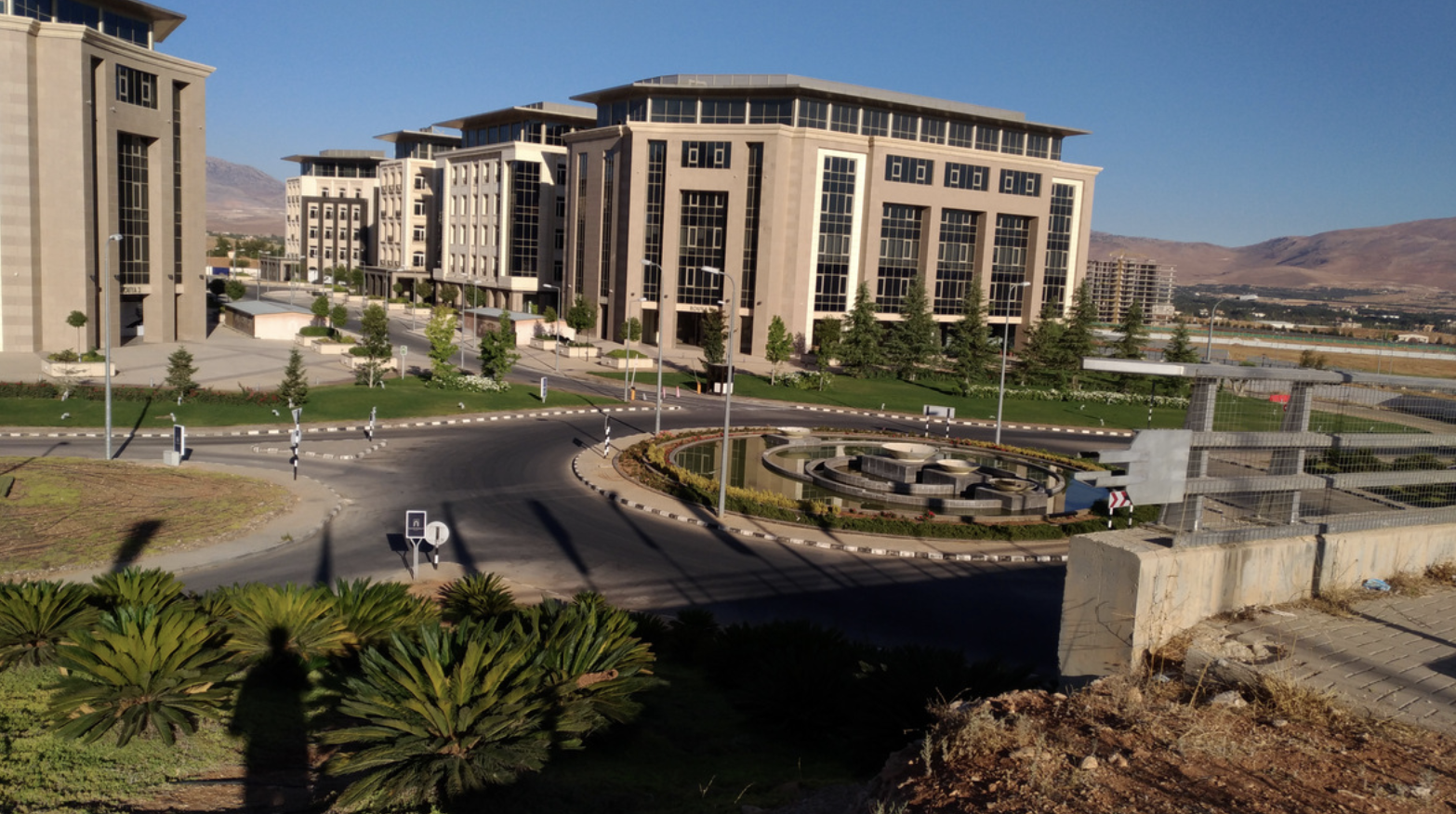
On April 26, 2026, the Ministry of Public Works and Housing announced the resumption of work on the “Eighth Gate” project in Yaafour after years of suspension, alongside the signing of a new contract addendum with Emirati partners.
The “Eighth Gate” is considered one of Syria’s largest planned real estate and commercial developments, combining residential units, shopping centers, and public services within a modern urban environment.
The project was launched in 2008 through Emaar Syria with a cost exceeding half a billion dollars and was originally scheduled for completion within six years. However, the outbreak of the Syrian revolution in 2011 brought construction to a complete halt.
As Syria’s investment landscape continues to shift, Yaafour is once again emerging as one of the country’s most attractive real estate destinations—not only because of its strategic location near Damascus and Lebanon, but also because of its long history as a magnet for luxury developments.
The area brings together a mix of economic, social, and security factors that make it a complex model of investment-driven urban living, combining high-end lifestyles and advanced infrastructure with a heavy political and security legacy.
The developments in Yaafour reflect a broader effort to reshape Syria’s urban landscape, reviving projects frozen for years under a new economic vision centered on attracting foreign capital and redefining the concept of luxury housing in the country.
Importance and Risks
Against this backdrop, Syrian researcher and director of the “Eqtsad” website Younes al-Kareem told Al-Estiklal that Yaafour stands out for its relatively advanced infrastructure compared with other areas in the Damascus countryside, as well as its relative security stability during the war years, which left it less exposed to direct destruction.
He added that the presence of diplomatic missions and protected residential compounds gave the area a distinct elite character, alongside its quiet geographic setting and proximity to the capital—factors that strengthened its residential and investment appeal.
Al-Kareem noted that the area’s reputation as a “home for the wealthy” has also helped drive up its market value over time, even during periods of broader economic decline.
One of Yaafour’s key advantages, he said, is the availability of previous urban studies and development plans that can serve as a foundation for future projects, potentially reducing development costs compared with other areas.
He also pointed to the area’s proximity to Lebanon and Beirut’s airport, as well as Damascus International Airport, as a major logistical advantage for investors, particularly in real estate and service sectors.
However, al-Kareem warned of legal and financial challenges, especially regarding pricing and payment mechanisms—whether in Syrian pounds or dollars—amid high inflation and sharp currency fluctuations.
He also highlighted the risks associated with relying on off-plan sales, which can expose investors to challenges related to liquidity and construction quality, particularly given the lack of advanced mortgage financing tools and the limited role of banks.
He concluded by pointing to previous projects such as Marota City and Basilia City as reminders of the risks of delays and the gap that can emerge between announced plans and actual implementation, making investment in Syria’s real estate sector a venture carrying varying levels of uncertainty.
Sources
- A 144,000-Square-Meter Luxury Project: “Yaafour 963” Launches Outside Damascus [Arabic]
- “The Eighth Gate” Returns: What Makes the Damascus Countryside Project Stand Out? [Arabic]
- Inside Yaafour’s Palaces: The Lavish Wedding of War Profiteer Bara’a al-Qaterji’s Son [Arabic]
- Inside Yaafour’s Luxury Scene: A Palace Minister’s Daughter Marries an Ambassador’s Son [Arabic]