Al-Humaidan’s Visit to Baghdad and Meeting With Al-Zaidi: Why Was There No Saudi Apology?
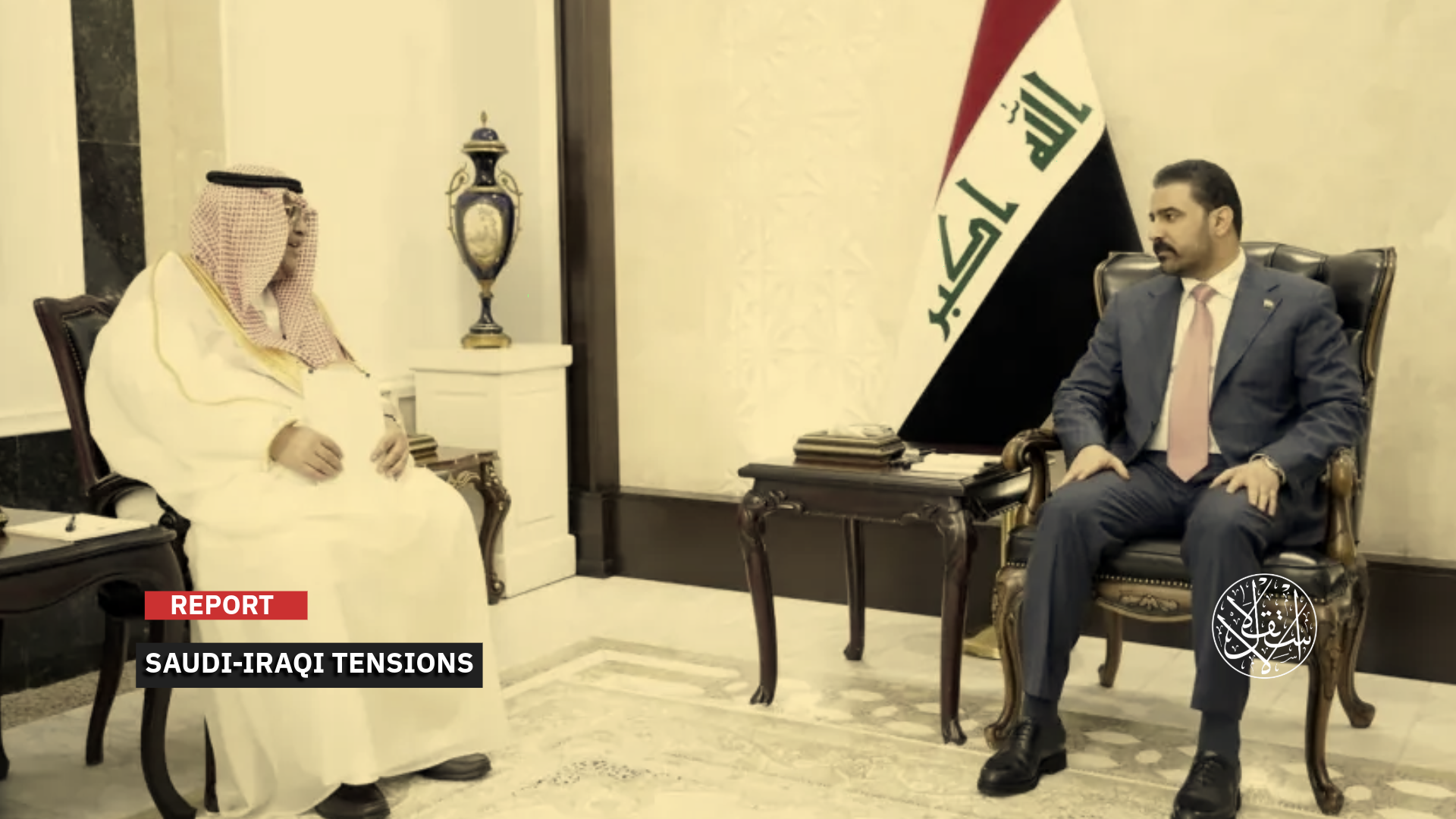
Al-Humaidan renewed his invitation to Al-Zaydi to visit Riyadh, a week after the visit was canceled.
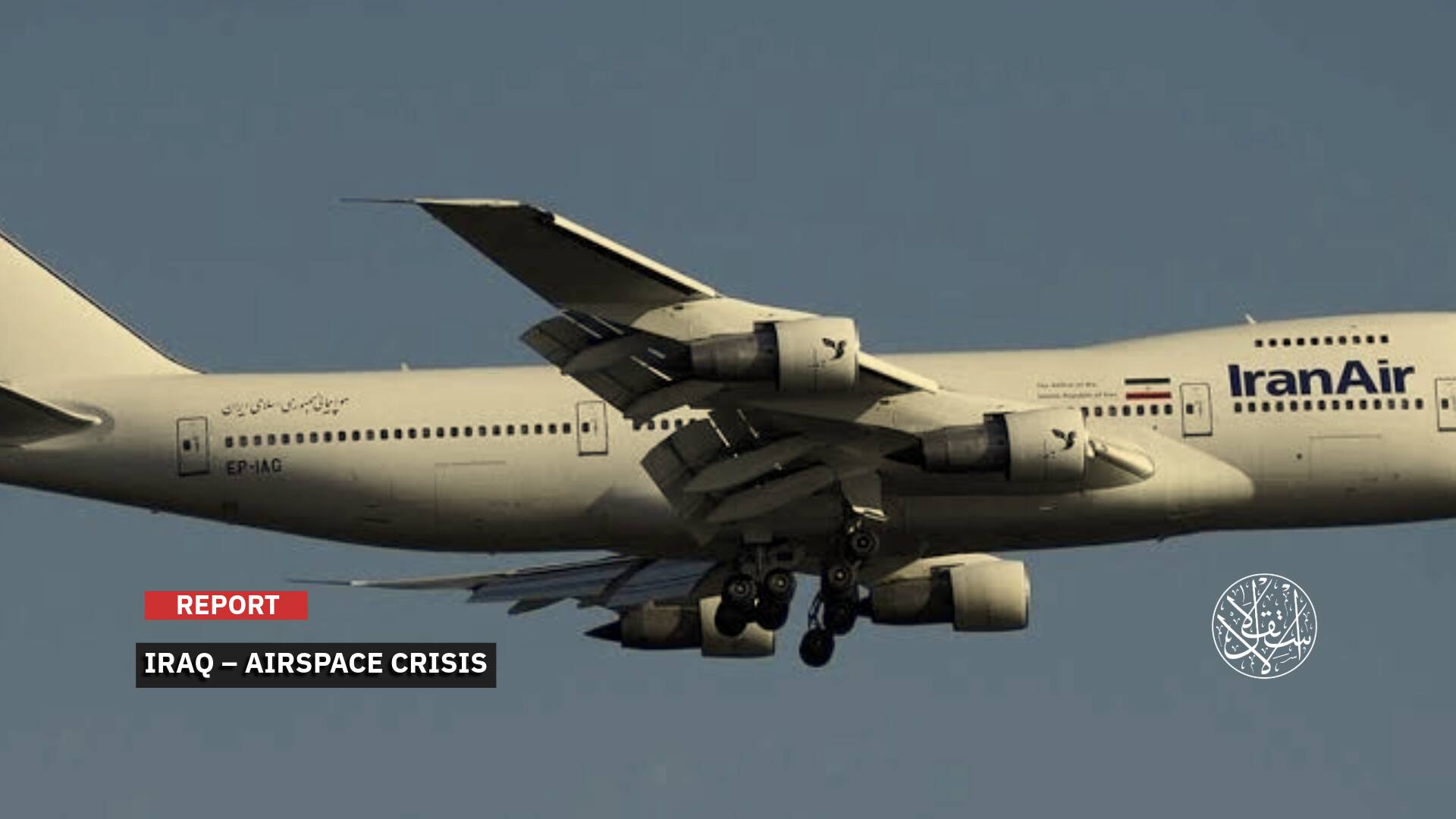
The visit by Saudi General Intelligence Directorate chief Khalid bin Ali al-Humaidan to Baghdad, where he met with Prime Minister Ali Falih al-Zaidi, raised questions about its timing, particularly as it came in the wake of Saudi and U.S. strikes on sites belonging to Iraqi militias, amid threats of retaliation against Riyadh.
The visit coincided with Iraqi efforts to contain the escalation, as well as calls from political forces to address the crisis through diplomatic channels.
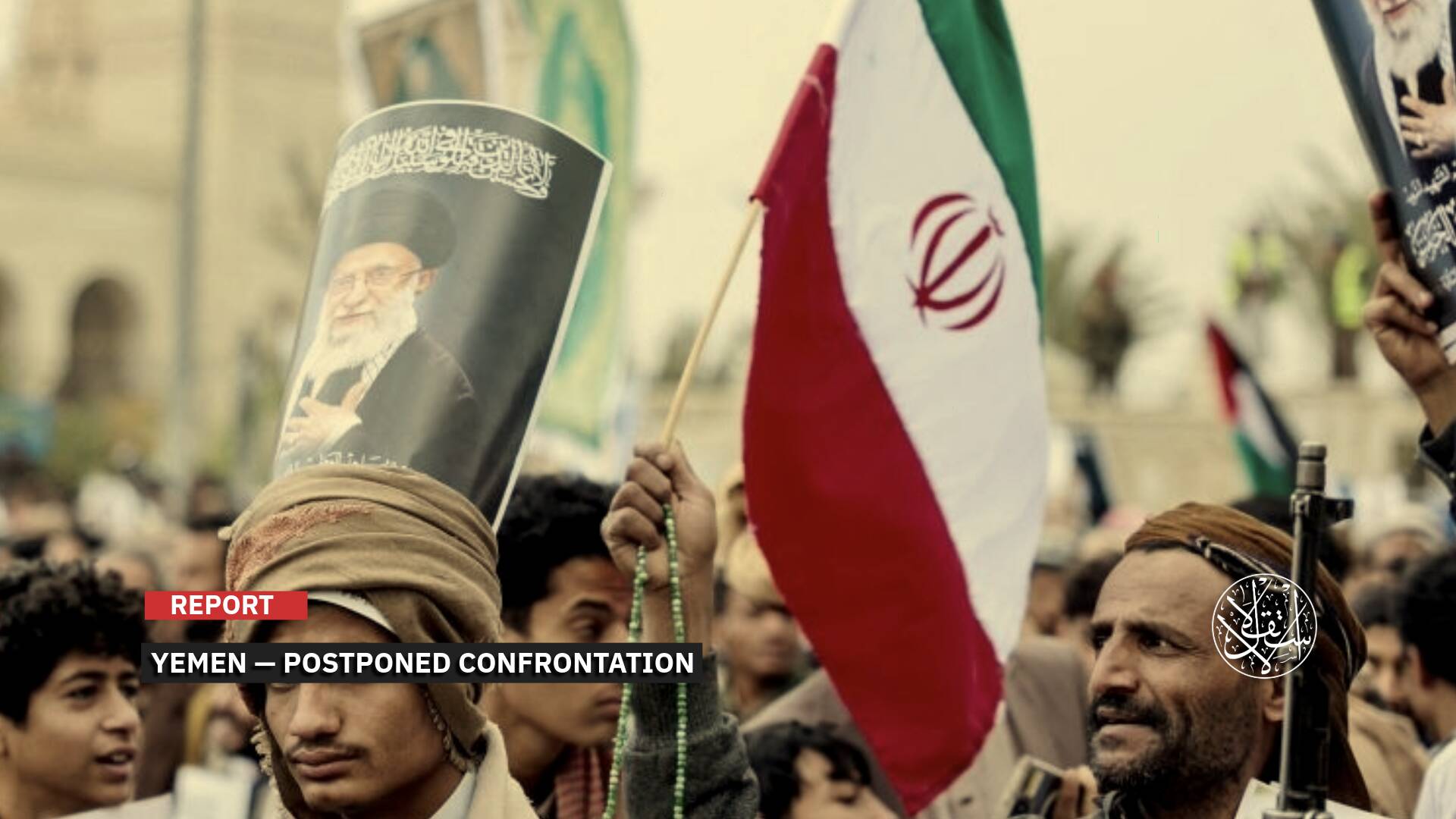
At the time, Iran-aligned armed militias had given the government a deadline to take a position on the attacks, before announcing that they were postponing their military response.
Notably, according to the official statement, the meeting did not include an Iraqi condemnation of the Saudi attacks on July 30, nor did it announce that Baghdad had demanded that Riyadh provide evidence, an apology, or compensation. Such demands had been raised by figures within the ruling Coordination Framework. This raised questions about the nature of the messages carried by the Saudi delegation to Baghdad.
Security Messages
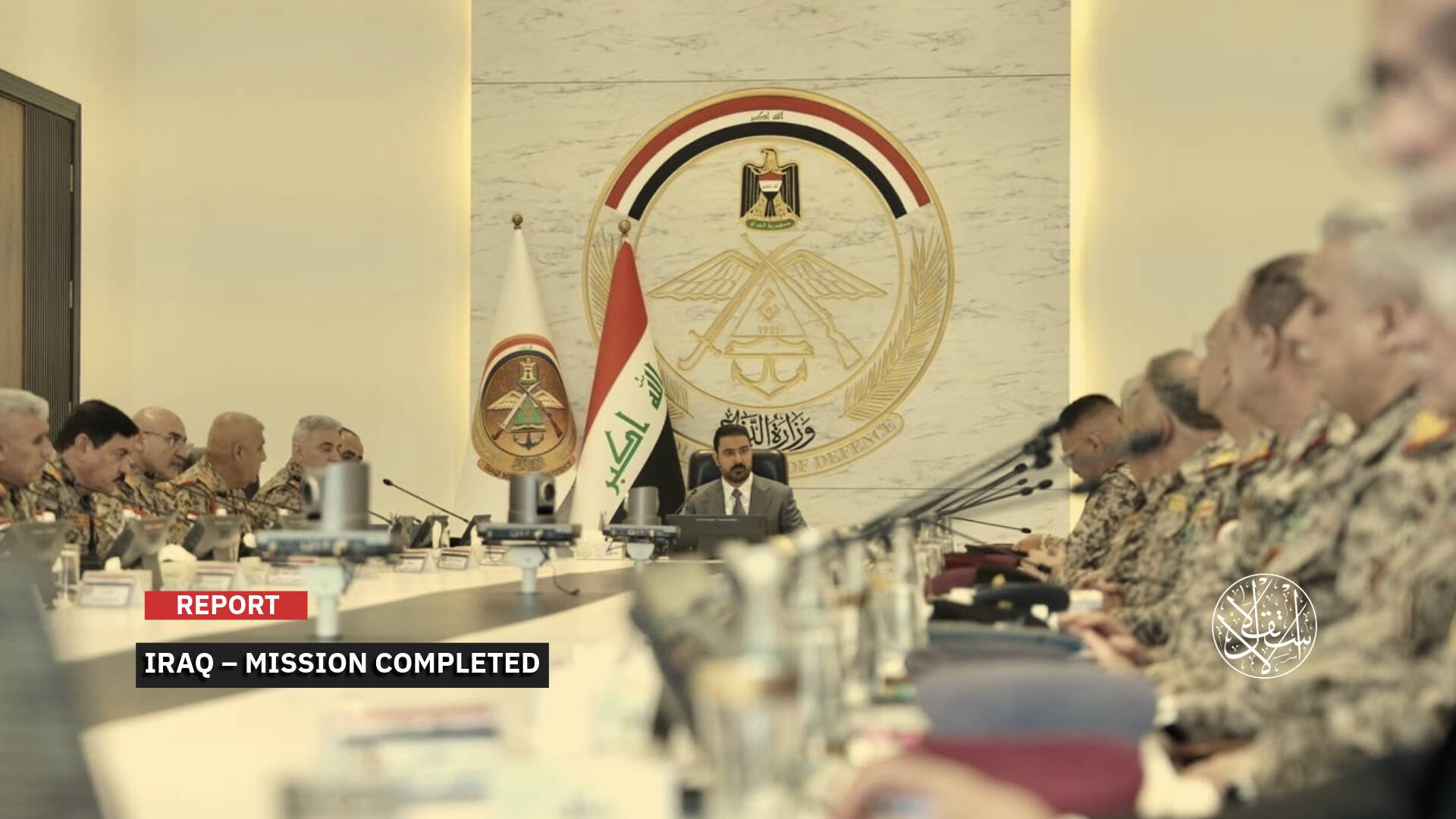
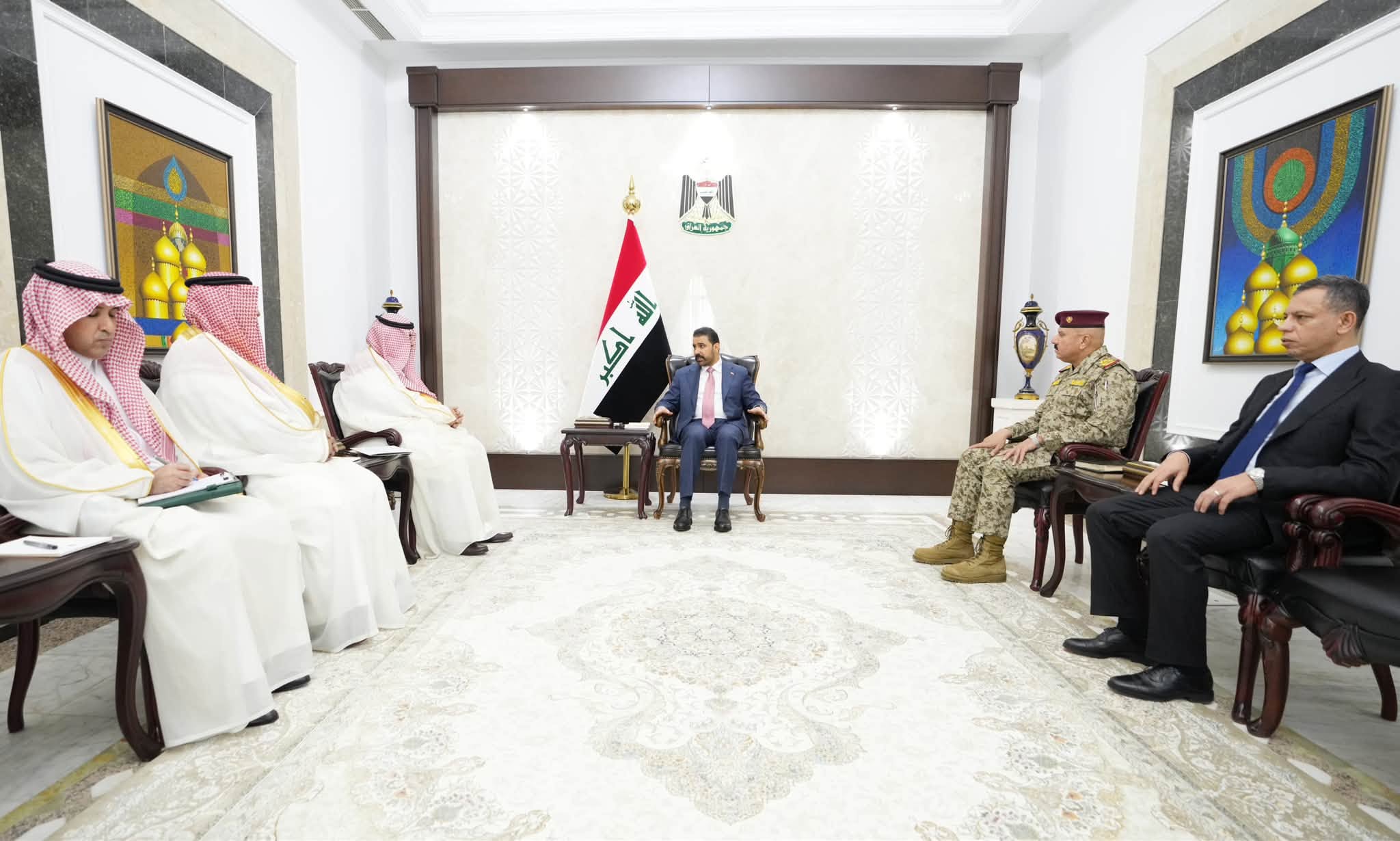
On August 7, 2026, al-Zaidi received al-Humaidan and his accompanying delegation, which delivered a message from the leadership of the Kingdom of Saudi Arabia renewing the invitation for the Iraqi prime minister to visit the Saudi capital, Riyadh, according to an official statement issued by the Iraqi government’s media office.
The statement said the meeting discussed “ways to strengthen cooperation and joint coordination,” particularly regarding security developments in the region.
Al-Zaidi reaffirmed his government’s commitment to “consolidating cooperative relations with the Kingdom in a manner that serves the shared interests of the two countries and their brotherly peoples, and contributes to supporting regional security and stability.”
The Iraqi prime minister also reiterated his government’s position rejecting the use of Iraqi territory as a launching point for any acts or activities targeting other countries.
He stressed Baghdad’s commitment to protecting Iraq’s sovereignty and respecting the principles of good-neighborly relations and the sovereignty of brotherly and friendly states.
The statement added that the two sides agreed to continue security coordination and information-sharing between the relevant authorities, in a way that strengthens their ability to address security challenges and take appropriate measures within the applicable legal frameworks.
This, it said, would contribute to enhancing the security of both countries and protecting the region from the risks of escalation.
Iraqi political affairs researcher Latif al-Mahdawi believes that the decision to have the Saudi intelligence chief lead the delegation was significant, particularly in light of Baghdad’s previous demands that the Saudi side provide evidence proving that attacks against the Kingdom had been launched from Iraqi territory.
Al-Mahdawi told Al-Estiklal that, by sending al-Humaidan, Riyadh sought to achieve two objectives. The first was to “substantiate its account that Saudi Arabia had been subjected to attacks originating from Iraq.”
The second was to emphasize that the Kingdom “has no dispute with the Iraqi government and does not want to sever ties with it or strain the relationship,” which was why it renewed its invitation for al-Zaidi to visit Saudi Arabia.
According to al-Mahdawi, the selection of a senior security official of this level reflects the nature of the issues discussed at the meeting, particularly the attacks, security threats, and coordination between the two countries.
Al-Mahdawi also expected al-Zaidi to visit Saudi Arabia, despite what he described as attempts by Iran-aligned factions to “demonize the Kingdom,” attack the Iraqi prime minister, portray him as failing to respond to the attacks, and launch a political campaign against him.
This comes after al-Zaidi canceled a visit to Saudi Arabia that had been scheduled for July 30, one day after Saudi-U.S. strikes targeted the headquarters of Iraqi militias affiliated with the Popular Mobilization Forces (PMF).
According to official and media reports, the strikes killed 20 of their members, including five Iranians, seven Afghans, and one Houthi fighter.
Absence of Condemnation
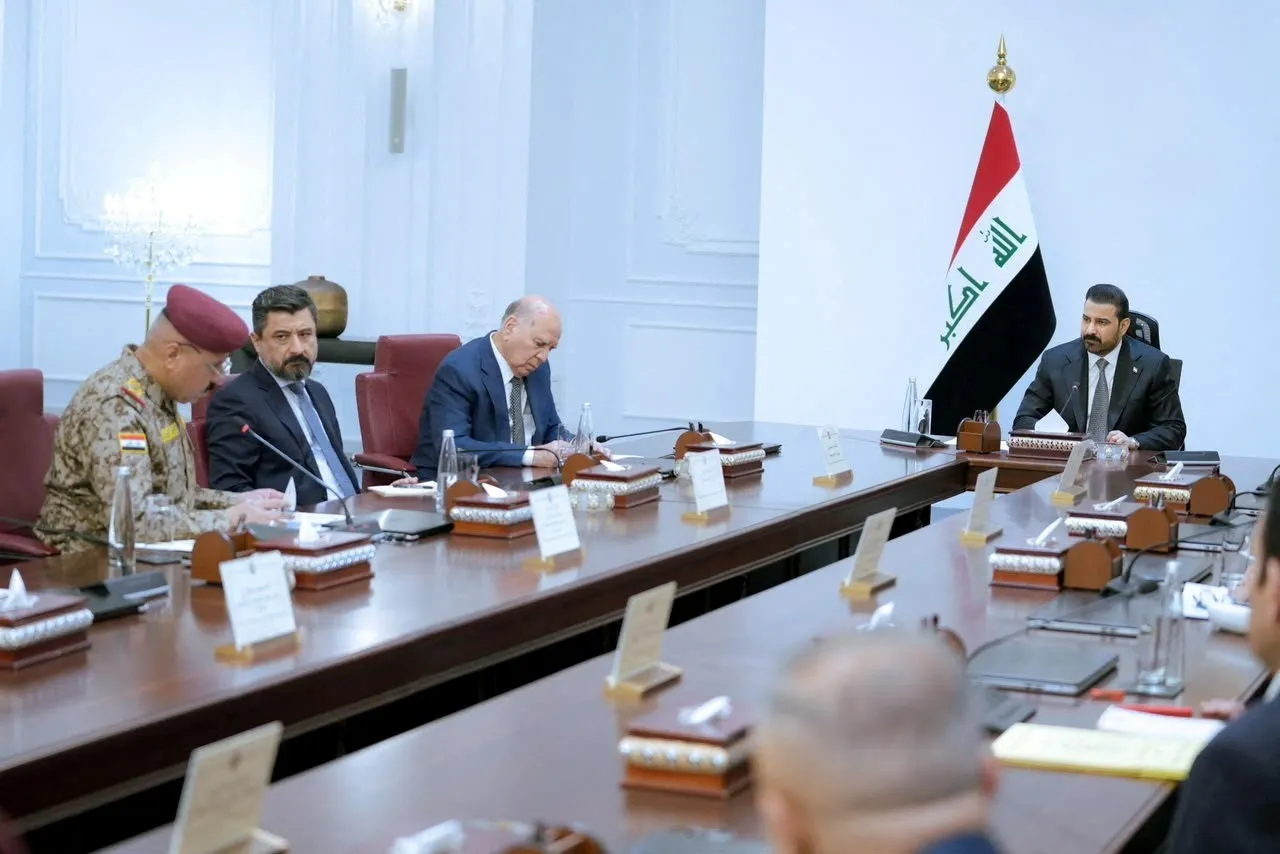
The absence of an explicit Iraqi condemnation of the Saudi attacks, and the failure to announce that Baghdad had demanded evidence from Riyadh, raised questions within Iraqi political and media circles, particularly since such demands had been put forward following the strikes that targeted the factions’ sites.
Iraqi journalist Amer Ibrahim raised these questions in a post published on X on August 7, asking: Why was there no Iraqi condemnation of the Saudi attacks following the meeting? And why was it not announced that Iraq had asked the Kingdom to provide the evidence on which it based its attack?
Ibrahim noted that the visit coincided with an announcement by Hadi al-Amiri, head of the Nabni Alliance and a leading figure in the Coordination Framework, calling on the militias to postpone their attacks on Saudi Arabia, in exchange for what he described as demands for “a Saudi apology and financial compensation.” The groups subsequently announced that they were indeed postponing the attack.
The Iraqi journalist also questioned why the Saudi delegation, which arrived in Baghdad and later departed, did not offer an apology or compensation. He concluded by saying, “It is clear who the aggressor is and who is the victim.”
However, the official statement focused on rejecting the use of Iraqi territory to launch attacks against other countries, as well as protecting Iraqi sovereignty, respecting good-neighborly relations, and maintaining security coordination and intelligence-sharing.
This came as militias calling themselves the “Islamic Resistance” in Iraq had given the government until August 6 to take action against Saudi Arabia, following accusations that Riyadh had targeted facilities belonging to them.
After the deadline expired, the groups announced that they were postponing the response they had threatened to launch, saying the decision came in response to an appeal by Hadi Al-Amiri and “in consideration of the honorable positions taken by some political leaders.”
Al-Amiri had called, in a recorded video address, on the “Islamic Resistance” factions to postpone any military response against Saudi Arabia and to put “Iraq’s supreme national interest” first, stressing the need to address the crisis through diplomatic channels.
In contrast, Hashim Finyan Rahim al-Saraji, better known as “Abu Alaa Al-Walaei,” said that postponing the response did not mean abandoning it. He stressed that retaliation for the deaths of faction members had “only been postponed” and that the decision was “principled and ideological, with no retreat from it.”
In a statement issued on Saturday, August 8, al-Walaei added that “the response is an ideological and national duty,” calling on those responsible for the attacks to “take advantage of this opportunity to restore Iraq’s rights in proportion to the scale of the damage caused by these attacks.”
Regional Shifts
Al-Humaidan’s visit to Baghdad coincided with notable regional developments, most prominently the signing by Saudi Arabia, Turkiye, and Pakistan on August 7 of the “Mecca Mutual Defense Agreement.” This prompted Iraqi writer and political analyst Falah al-Mashaal to raise questions about Iraq’s position within the region’s emerging security arrangements.
In a post published on X on August 7, al-Mashaal said that al-Zaidi’s reception of the Saudi intelligence chief involved discussions on “security affairs between the two countries and ways to deepen their shared interests, in addition to a number of other issues.”
Al-Mashaal raised the question of whether al-Humaidan’s visit had included an invitation for Iraq to join the “Mecca Agreement,” which he said brings together Saudi Arabia, Turkiye, and Pakistan. He questioned what would prevent Iraq from joining an agreement that, in his view, could strengthen its security and defense in the event of an external attack.
Al-Mashaal pointed out that Article 9 of the Iraqi Constitution does not preclude concluding agreements with other countries, provided that they do not involve interference in the internal affairs of other states and that Iraqi territory is not used as a launching point for attacks against neighboring countries.
On August 7, Saudi Arabia, Turkiye, and Pakistan signed a mutual defense agreement. In their joint statement, the three countries said the agreement aims to strengthen collective deterrence and develop defense cooperation and military industries. It also stipulates that an armed attack against any one of the three countries would be considered an attack against all of them.
Sources
- Iraqi Prime Minister and Saudi Intelligence Chief Discuss Regional Security [Arabic]
- At a Sensitive Time, Saudi Intelligence Chief Arrives in Baghdad: Here’s Why [Arabic]
- A Deal Between Al-Zaidi and Al-Amiri Postpones Confrontation with the Militias [Arabic]
- “Islamic Resistance in Iraq” Announces Postponement of Military Response to Saudi-U.S. Strikes (Video) [Arabic]