Senegal’s Elections Drag Sonko and Diomaye Faye Into a New Power Struggle: What Comes Next?
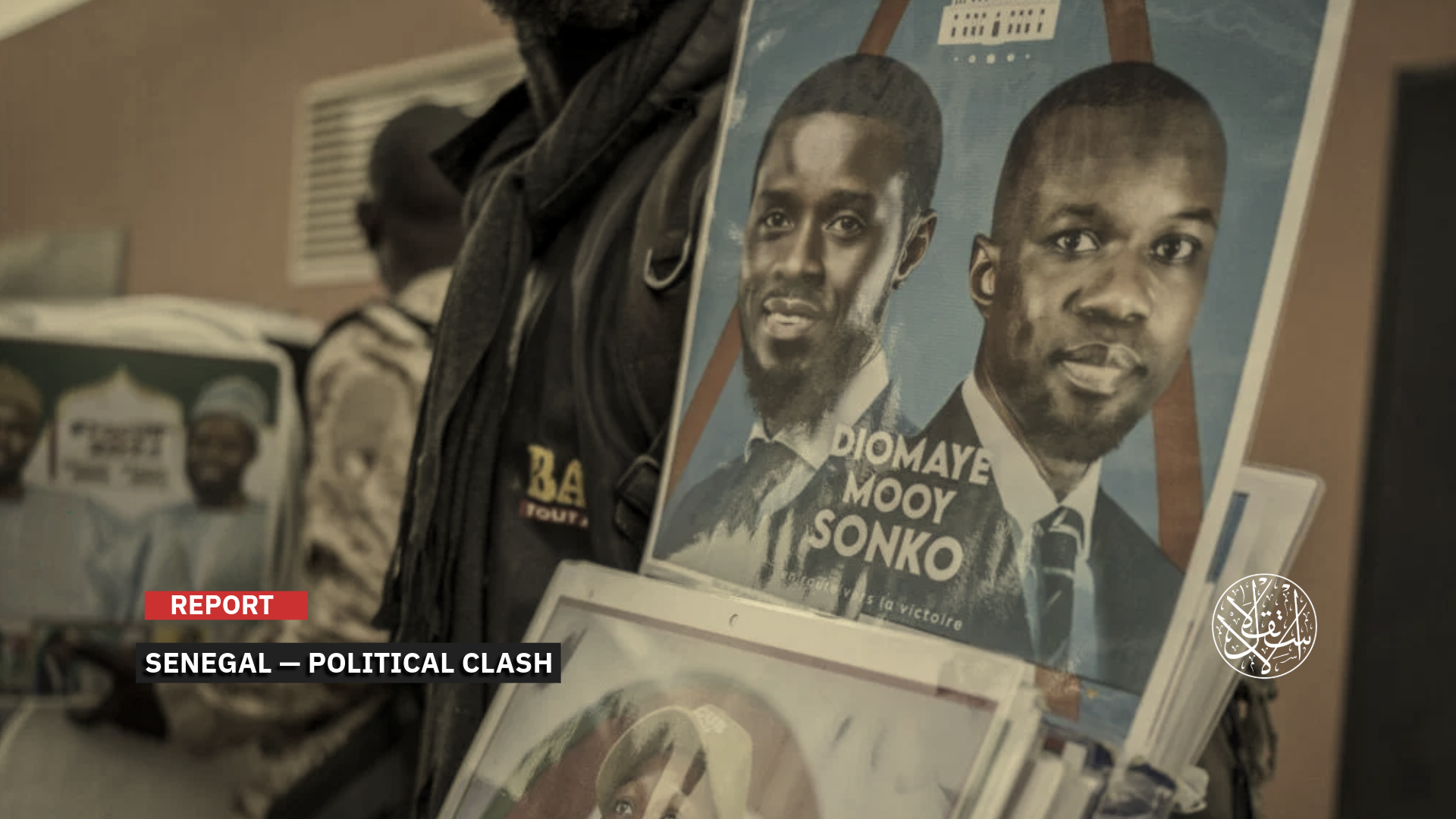
“The time for settling political disputes is over; now, the ballot box will have the final say.”
The fallout from the bitter split between Senegal’s former allies, President Bassirou Diomaye Faye and President of the National Assembly Ousmane Sonko, continues to deepen, particularly over the electoral timetable, suggesting that the chances of reconciliation and a return to their former alliance are fading.
According to Le Soleil on July 27, 2026, Sonko, leader of the PASTEF party and former prime minister, warned against any attempt to postpone the upcoming local elections, saying their date is set by law and cannot be changed.
No More Political Battles, Let the Voters Decide
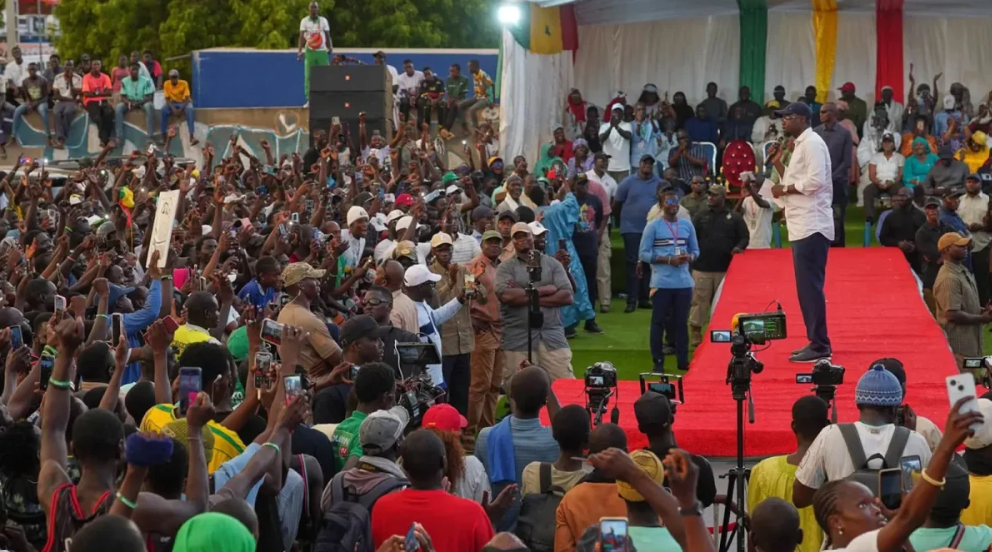
Speaking at a political rally in the city of Bambey, Sonko said the time for settling political disputes is over and the ballot box will have the final say.
Sonko questioned why his opponents would fear elections if, as they claimed, they had weakened PASTEF’s leadership and won over most mayors and directors general, arguing that the matter should be left to voters to decide.
He said any decision to postpone the local elections would violate the law and breach the constitutional oath requiring the president to respect and uphold it.
Sonko recalled that Senegal had previously seen deaths during protests against election delays, noting that opposition to postponing elections was among the factors that brought the current leadership to power.
He also questioned what justification there could be for delaying the first local elections since the government came to power.
The 2024 legislative elections, Sonko said, were exceptional, having followed the dissolution of the National Assembly. The local elections, by contrast, are part of the constitutional and electoral timetable and should not depend on whether a political party is ready or has completed its organizational restructuring.
Sonko also criticized the authorities for delaying the periodic revision of electoral rolls despite the approaching elections, saying the process was essential to ensure the vote takes place on time and in accordance with the law.
President Bassirou Diomaye Faye won the presidency in 2024 with the backing of PASTEF after Sonko was barred from running because of legal proceedings.
Months of tensions over the division of powers and disagreements on several issues culminated in Faye dismissing Sonko as prime minister on May 22, 2026. Days later, Sonko was elected president of the National Assembly.
PASTEF’s leadership subsequently boycotted the government appointed by Faye, despite several members of Sonko’s party being included in the new cabinet.
PASTEF holds 130 of the National Assembly’s 165 seats, giving it enough strength to introduce a no-confidence motion and bring down the government.
Faye, meanwhile, has an important constitutional card of his own: starting in November 2026, he can dissolve the National Assembly, paving the way for fresh legislative elections.
Senegal’s Political Landscape
After being removed as prime minister and elected president of Senegal’s National Assembly, Ousmane Sonko was reelected by an overwhelming majority as leader of the PASTEF party, underscoring his continued influence over Senegal’s political and party landscape.
Africanews reported on June 8, 2026, that Sonko’s reelection sent a warning to his political opponents.
Delegates from PASTEF’s branches across Senegal and abroad gathered in Diamniadio, near the capital Dakar, for the party’s congress. Founded in 2014, PASTEF will be led by Sonko for another six-year term.
Sonko said he was aware of the weight of his responsibility, stressing that PASTEF was far from an ordinary party in Senegal’s political landscape.
Sonko warned that revolutions can be hijacked, absorbed, or stripped of their substance without a clear doctrine and organized structure to sustain change, saying this made the congress historic as it came two years after the party assumed the country’s highest responsibilities.
Addressing PASTEF delegates, Sonko warned against attempts to “sabotage” the political project backed by his party.
He said no plan to sabotage this revolution will succeed because the people standing with PASTEF will provide the guarantees needed to ultimately liberate the country.
A War of Words
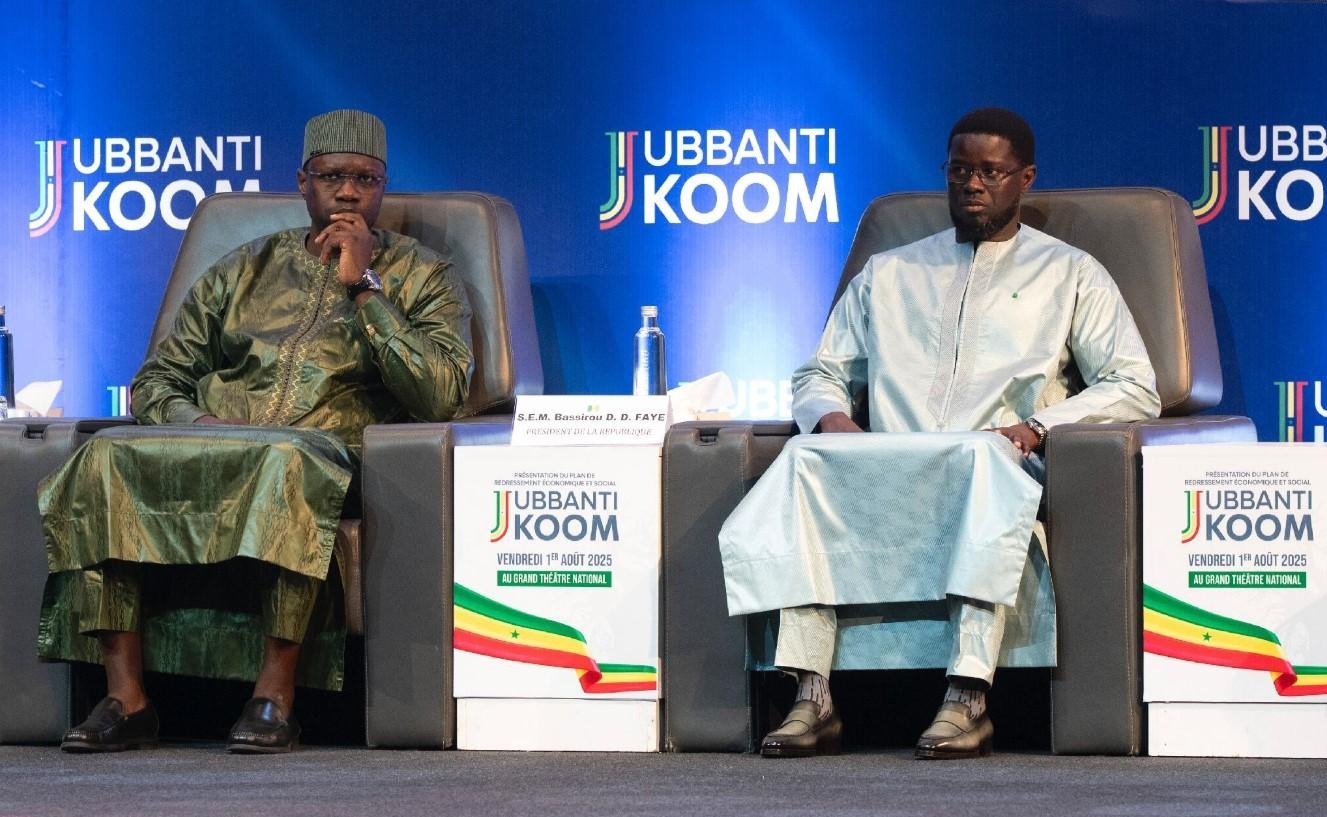
During a series of public outreach tours in July 2026, Ousmane Sonko attacked President Bassirou Diomaye Faye, accusing him of failing to serve the Senegalese people and hinting that he could move to bring down the government.
The political coalition backing the president responded in a statement on Monday, July 13, expressing its dismay at what it called Sonko’s “media attacks” against Faye.
It said Sonko’s remarks amounted to “veiled personal attacks” that were “unbecoming of his position as president of the National Assembly,” describing them as “shameful” and a breach of political responsibility.
Sonko had launched his sharpest criticism of the president during the opening of PASTEF’s new headquarters in the city of Touba on Sunday evening, July 12. He accused Faye of putting his political ambitions ahead of the interests of the Senegalese people.
Sonko pointed to what he described as signs of a deteriorating economy, citing public debt levels that he said were “almost impossible to repay.”
He also pointed to the lack of a program with the International Monetary Fund (IMF), arguing that Faye’s policies were not serving the interests of the Senegalese people.
The presidential coalition rejected the accusations, saying Faye continued to work on solutions to improve living conditions and that the government was focused on tackling the country’s economic and social challenges.
The presidential camp also hit back at Sonko, saying his positions and remarks reflected a desire for perpetual confrontation rather than an effort to strengthen political stability and support the government’s work to implement its programs.
A Rare Combination
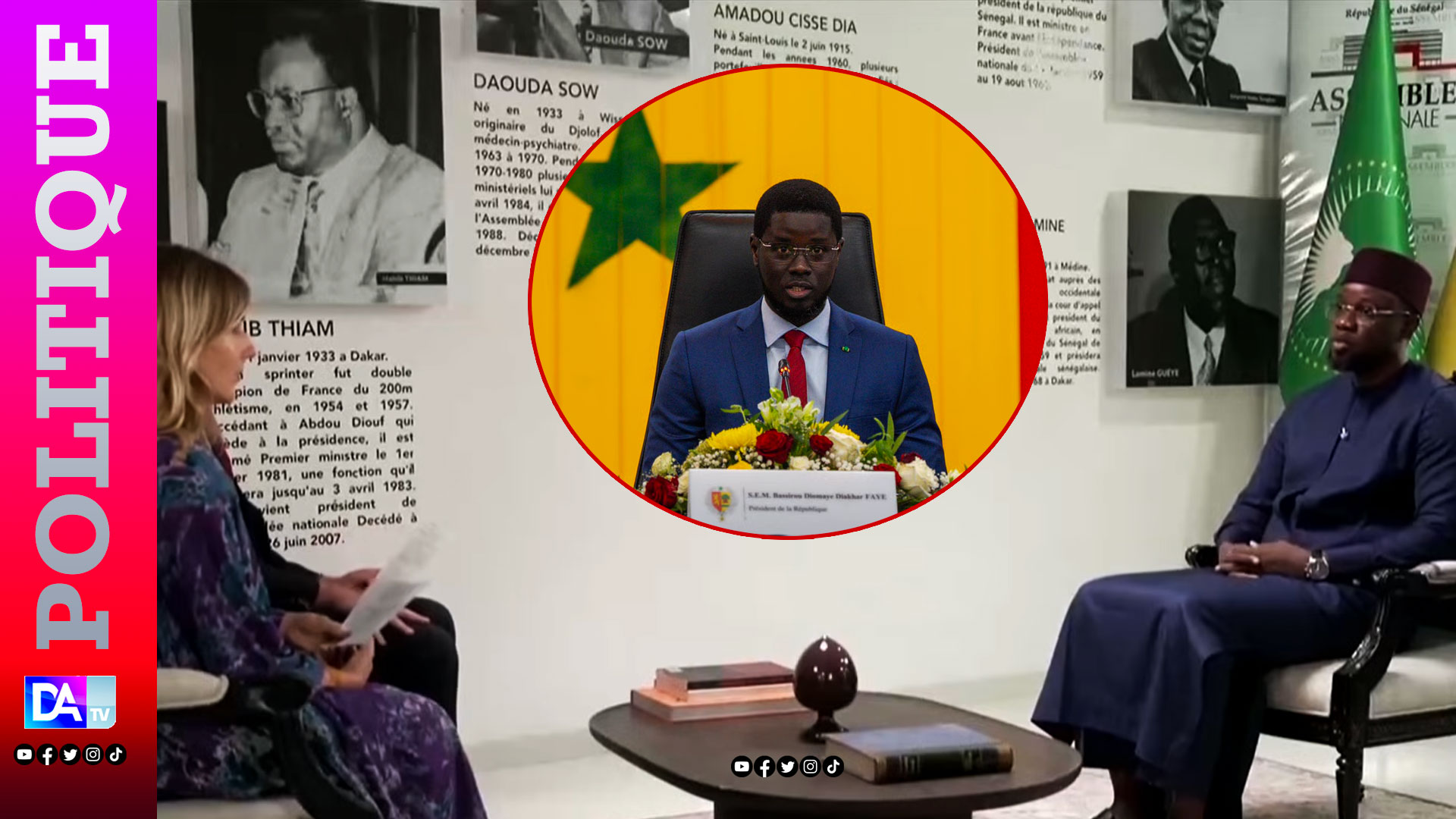
Senegalese journalist and political activist Fadel Gueye said President Bassirou Diomaye Faye has never indicated that he intends to postpone the country’s local elections.
Speaking to Al-Estiklal, Gueye said that after National Assembly President Ousmane Sonko called for the elections to be held as scheduled, Faye wrote to the parliamentary speaker about combining the upcoming local and legislative elections.
This suggests that Faye may be considering dissolving the current National Assembly in November 2026 and holding the two elections together, a move that would be rare, if not unprecedented, in Senegal.
Gueye said that if the president is seeking to combine the local and legislative votes, he must have his own political calculations and a strategy he believes could produce favorable results.
But Sonko, Gueye noted, continues to enjoy significant popularity, according to many observers, with supporters across Senegal’s regions and communities. His recent tour of the country has reinforced that standing.
The balance of popular support and ground presence makes it difficult to say whether holding the elections on schedule, postponing them, or combining them with the legislative vote would benefit one side or the other, he concluded, given the complexities of Senegal’s political landscape.