Back to the Yellow Line? Why Israeli Occupation Is Weighing a Pullback from Southern Lebanon
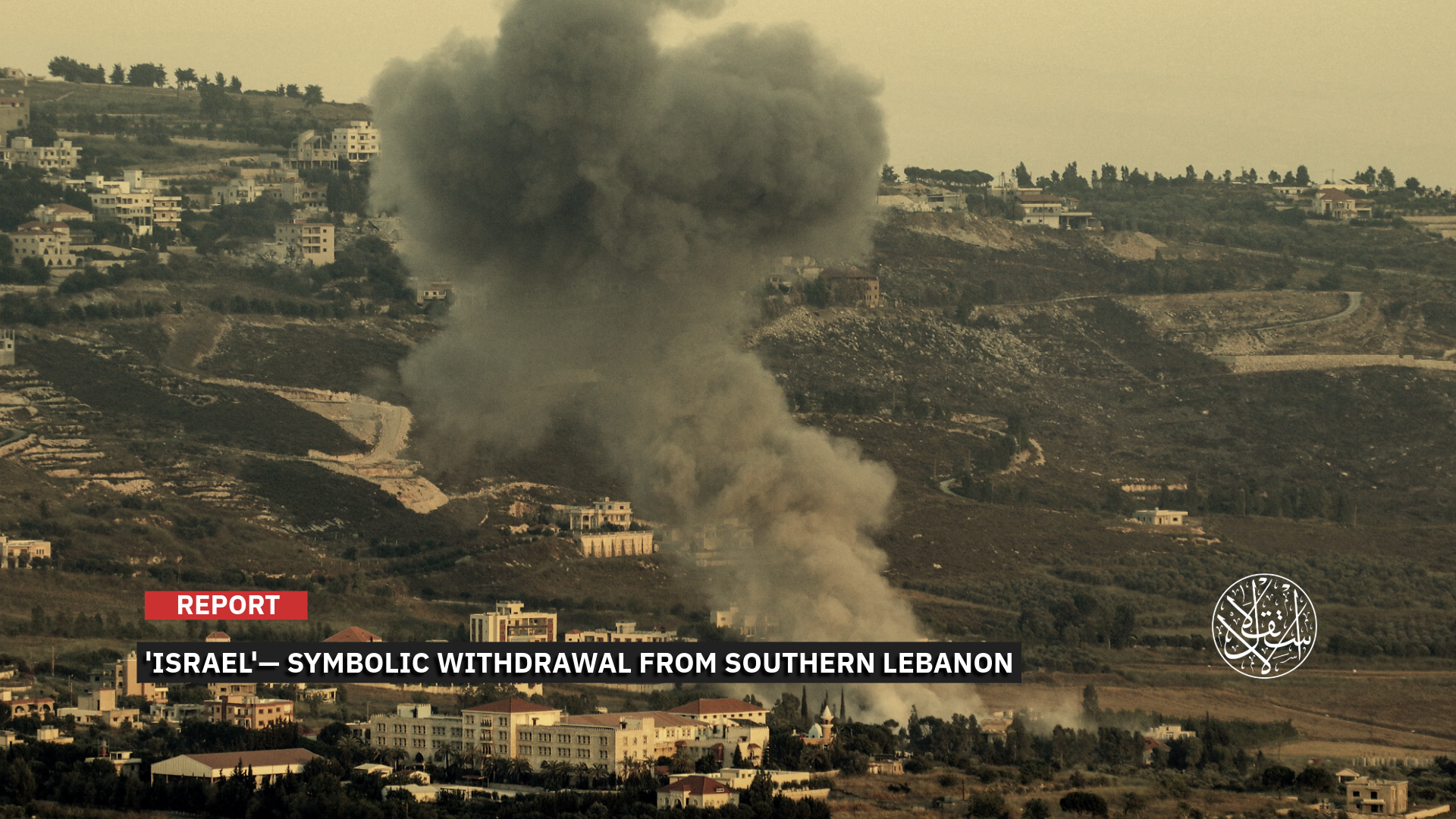
The Israeli Occupation fears a U.S.-Iran deal could undo months of efforts to weaken Hezbollah.
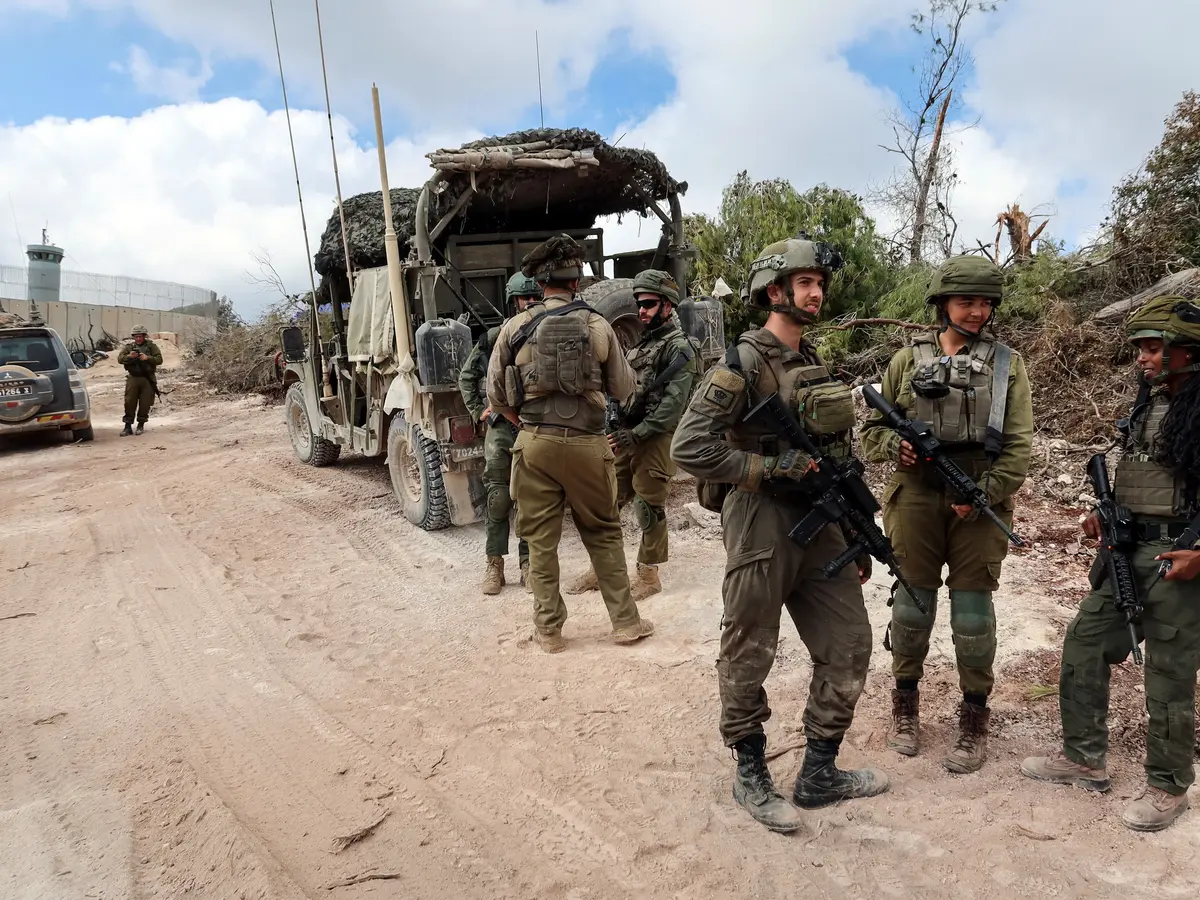
As the ceasefire in Lebanon shows growing signs of holding, Western and Hebrew media reports suggest the Israeli military is weighing a limited, largely symbolic withdrawal from several towns in southern Lebanon, pulling back to the so-called “Yellow Line” it unveiled in April 2026 before advancing beyond it just two months later.
The reports have fueled speculation over whether the move could mark the beginning of a broader Israeli withdrawal from southern Lebanon—and whether Washington is gaining enough leverage to push its vision on the Israeli Occupation government. For Israeli leaders, however, any visible retreat carries political risks, raising fears that Hezbollah could portray it as a strategic victory.
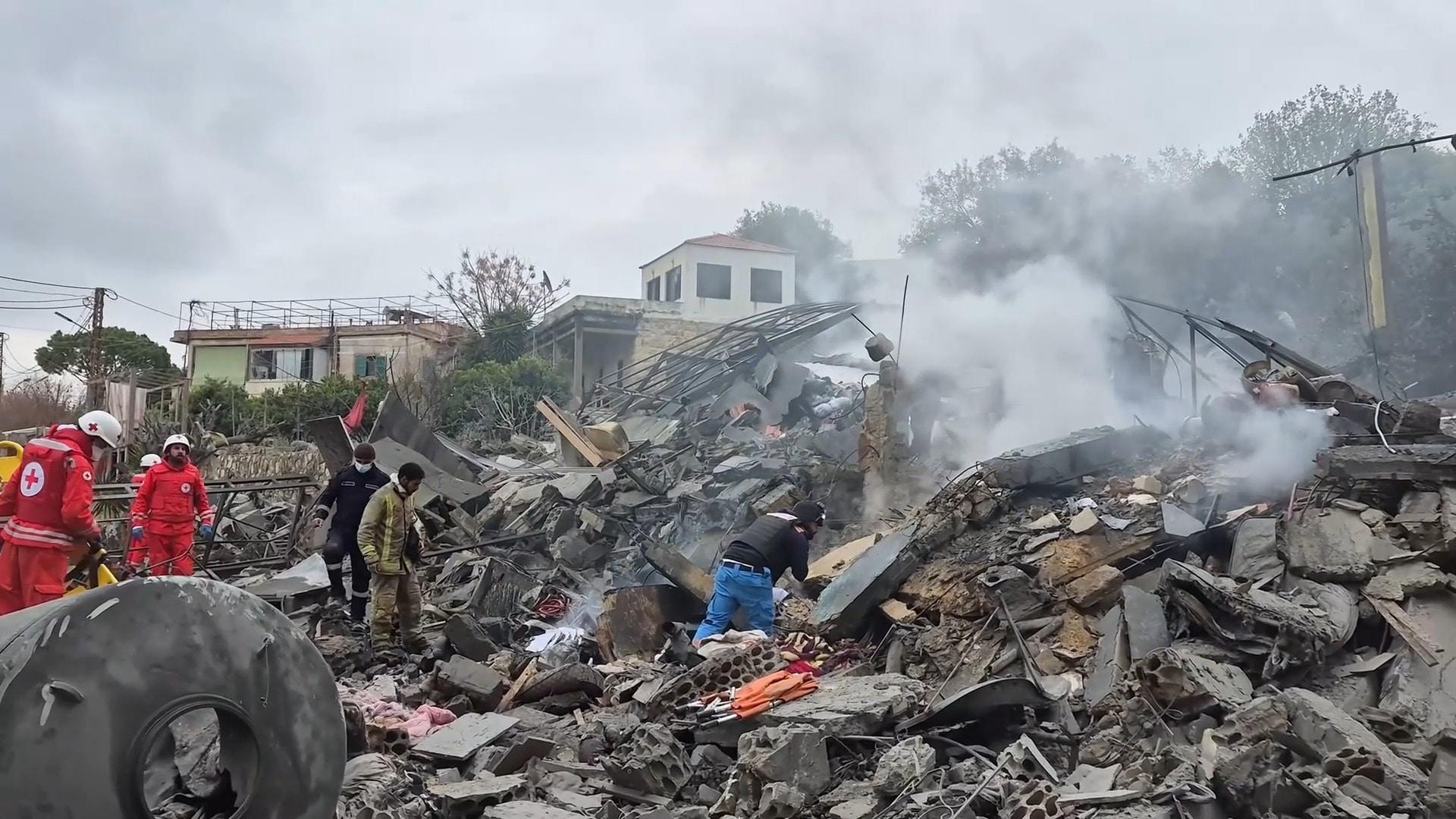
Despite the ceasefire taking effect following the U.S.-Iran understandings reached on June 22, the Israeli Occupation has continued attacks on Lebanon. On June 24, an Israeli drone strike hit a vehicle near the southern town of Kfar Reman, killing two people, according to Lebanon's National News Agency.
Symbolic Withdrawals
Reports of a possible Israeli pullback first surfaced on June 22, when CNN, citing an unnamed Israeli official, reported that “Israel” was considering a series of “symbolic” withdrawals from territory it occupies in southern Lebanon ahead of planned talks with the Lebanese government.
The proposal would involve pulling troops out of a handful of positions along the so-called “Yellow Line,” the boundary marking the areas seized by Israeli Occupation forces after the previous ceasefire in April. According to the source, the idea was discussed in the days leading up to U.S.-brokered negotiations between Israeli and Lebanese officials expected to take place in Washington under the Trump administration.
Israeli officials reportedly see the limited withdrawal as a goodwill gesture toward Beirut, designed to give diplomacy a chance while keeping the Lebanese track separate from the broader U.S.-Iran understandings.
Israeli media have echoed that assessment. The Israeli Public Broadcasting Corporation reported that the Israeli Occupation military is preparing to scale back its presence in southern Lebanon after declaring that most of its offensive objectives had been achieved, timing the move to coincide with the upcoming talks. Channel 12 reported that the military is also considering allowing the Lebanese Armed Forces to take control of a Hezbollah tunnel complex, while Haaretz, citing an unnamed Israeli source, said negotiators would identify pilot areas to be transferred to Lebanese army control, requiring at least a partial Israeli withdrawal from the “Yellow Line.”
The prospect of even a limited pullback, however, has exposed deep divisions inside the Israeli Occupation government. Far-right Finance Minister Bezalel Smotrich and National Security Minister Itamar Ben-Gvir have both publicly rejected any withdrawal from southern Lebanon.
Ben-Gvir called for Lebanon to become an “open battlefield” for the Israeli Occupation military and insisted that Washington should have no say in Israeli “operations” there. “If Trump tells Netanyahu to leave Lebanon,” he said, “the answer should be: ‘Mr. President, no.’”
He also rejected any distinction between Lebanon as a state and Hezbollah as an armed group, arguing that the entire country should remain a legitimate target for “Israeli military operations.”
Meanwhile, unconfirmed reports from Lebanon indicate that Israeli forces have begun repositioning around the town of Arnoun and the Ali al-Taher area, withdrawing toward olive groves near the Marquis station and the southern town of al-Qantara, although neither side has officially confirmed the movements.
The First Step Toward a Broader Withdrawal?
The reports have also raised a broader question: Is a symbolic withdrawal merely a diplomatic gesture or the first step toward a larger Israeli exit from southern Lebanon?
Lebanese political analyst Wael Najm believes the answer depends largely on Washington. Speaking to Al-Estiklal, he argued that the United States has effectively compelled “Israel” to respect the ceasefire, whether through direct Israeli-Lebanese negotiations or the broader U.S.-Iran understandings.
In his view, even a limited withdrawal could pave the way for a broader pullback if the diplomatic track gains momentum. Najm argued that Washington has already demonstrated its ability to impose its vision on the Israeli Occupation, pointing to the recent ceasefire despite repeated Israeli attempts to derail negotiations.
He added that “Israel” fears Washington could strike broader accommodations with Iran at its expense, strengthening Tehran's regional allies in ways that conflict with Israeli strategic objectives.
As for “Israel's” desire to retain “a security zone” inside southern Lebanon, Najm believes Israeli leaders will try to hold on to it for as long as possible. Ultimately, however, he expects Washington to pressure “Israel” into withdrawing while offering security guarantees in return.
Najm also argued that the emerging understandings could go beyond restoring the old rules of engagement, potentially creating an entirely new political and security framework that would make a return to large-scale fighting far less likely as the Middle East undergoes a broader regional realignment.
Lebanese columnist Jad al-Akhaoui offered a similar assessment, writing on the Janoubia news website on June 24 that the Trump administration is trying to manage an exceptionally delicate balancing act: providing Iran with enough assurances on the Lebanese file to preserve the memorandum of understanding without jeopardizing Washington's strategic partnership with “Israel.”
He warned that the balance remains fragile as Israeli “military operations” continue, criticism of the Trump administration grows louder in “Israel,” and the Israeli army resists fully adhering to the ceasefire.
According to al-Akhaoui, the Lebanon negotiations could become the first real test of the credibility of the broader U.S.-Iran understanding. Failure to produce tangible progress, he argued, would give Tehran grounds to freeze the diplomatic track once again, while allowing “Israel” to argue that it is under no obligation to abide by arrangements negotiated without its direct participation.
Growing Israeli Concerns
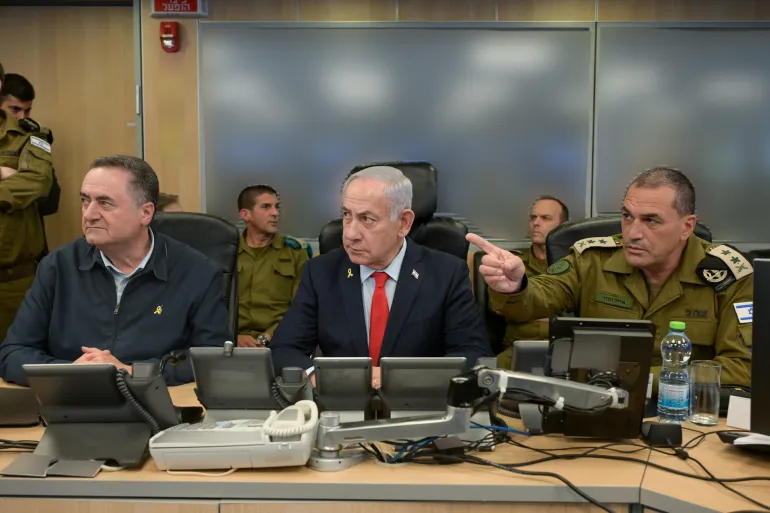
Against the backdrop of the U.S.-Iran ceasefire agreement, the Israeli Occupation is increasingly “concerned that the U.S. is effectively legitimizing Iran’s influence in Lebanon and eroding Israel’s freedom of operation there through new understandings reached in Switzerland and the memorandum of understanding signed with Iran last week,” two Israeli sources told Axios.
The sources said Israeli officials fear the new understandings could undermine months of U.S.-Israeli efforts aimed at weakening Hezbollah and reducing Iran’s influence in Lebanon.
“Tel Aviv” also worries that Washington could oppose future Israeli military operations or pressure Prime Minister Benjamin Netanyahu’s government to withdraw from southern Lebanon despite what “Israel” describes as a continuing Hezbollah threat.
Israeli Channel 13 reported that Washington has informed “Israel” that the era of “absolute freedom” to operate militarily in Lebanon is over.
Meanwhile, Maariv reported a widening gap between Washington and “Tel Aviv,” with the U.S. seeking to connect the Lebanon file to broader regional issues, including security in the Strait of Hormuz, energy, and Iran’s nuclear program as part of a wider diplomatic strategy.
“Israel,” however, fears that any early withdrawal from southern Lebanon could be portrayed as a sign of weakness and a political victory for Hezbollah. That concern has pushed Israeli security officials to prepare for the possibility of a gradual withdrawal under U.S. pressure.
According to an Israeli source quoted by Axios, Netanyahu, who allies say has become more focused on the Lebanon issue than Iran’s nuclear program due to domestic political calculations and the approaching October 2026 elections, asked Strategic Affairs Minister Ron Dermer to use his ties with the Trump administration to influence the negotiations.
The outlet reported that U.S. negotiators in Switzerland held several calls with Dermer on June 21 to brief him on the talks and hear his views.
A U.S. official, however, sought to ease Israeli concerns, arguing that “Israel” remains part of the arrangement as long as Washington plays a central role and that the direct channel with Tehran would ultimately “benefit Israel.”
The official added that Secretary of State Marco Rubio and his team were fully aware of the new de-escalation mechanism and believed it could help contain tensions and push Iran to pressure Hezbollah against future escalation.
But Senator Lindsey Graham, one of Netanyahu’s strongest allies in Congress, criticized the arrangement, calling it a big mistake and arguing that expecting an “Israel”-Lebanon agreement with Iran included in the negotiations was unrealistic.
Despite the pressure created by the U.S.-Iran talks, “Israel” and the United States have reportedly reached an understanding that Israeli forces will not withdraw from southern Lebanon at this stage, according to Israel Hayom on June 22.
The newspaper said the Israeli military would continue “operations” against what it describes as Hezbollah threats and infrastructure, but under tighter restrictions and closer coordination with Washington.
Under the reported arrangement, Israeli “military activity” would be limited to eliminating immediate threats and completing the destruction of military infrastructure south of the “Yellow Line” drawn by “Israel” inside Lebanese territory.
Sources
- Israel Weighs “Symbolic Withdrawals” from Southern Lebanon as Vance Pushes Ceasefire Mechanism [Arabic]
- Partial Withdrawal Under the “Yellow Zone”: Is Israel Scaling Back Its Presence? [Arabic]
- CNN Source: Israel Considers “Symbolic Withdrawals” from Lebanon [Arabic]
- Lebanon on Two Tables: How Do the Swiss and Washington Talks Intersect? [Arabic]