From the Gulf to Europe Through Syria: The New Project Alarming Israeli Occupation
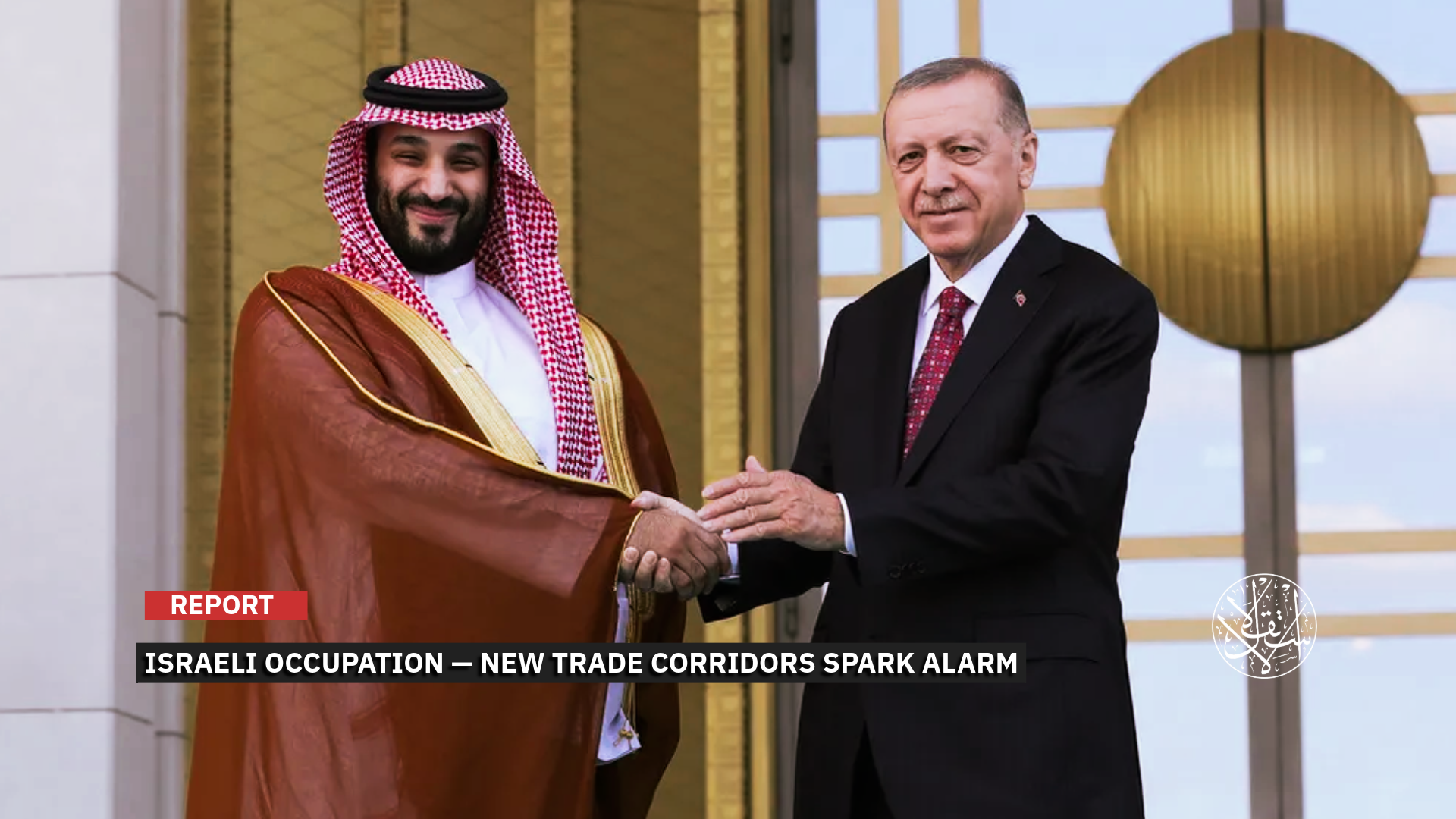
Israeli concern reflects a growing recognition that the battle over trade corridors is ultimately a battle over who controls the keys to economic influence.
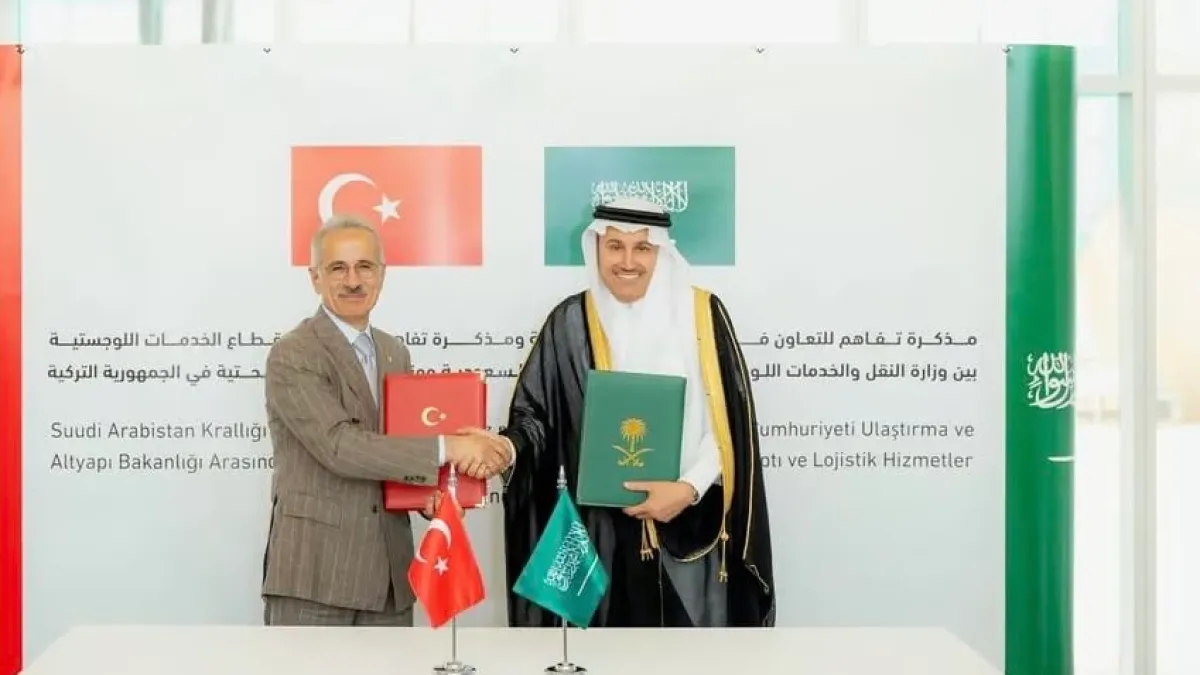
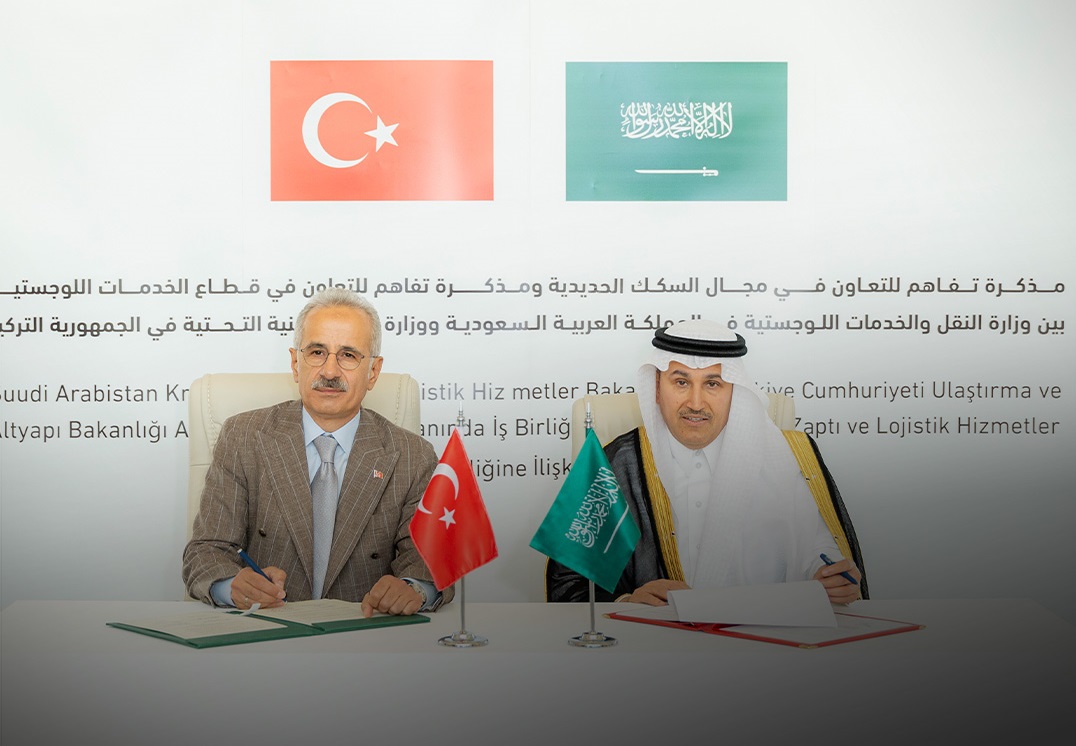
When Turkiye and Saudi Arabia signed two memorandums of understanding on rail transport and logistics on June 9, 2026, during a meeting in Riyadh between Turkish Transport and Infrastructure Minister Abdulkadir Uraloglu and his Saudi counterpart Saleh al-Jasser, the event appeared to be far more than a routine bilateral agreement. Instead, it looked like the opening move in a broader regional project aimed at redrawing the Middle East’s commercial map through a land and rail network stretching from the Gulf to Europe via Jordan, Syria, and Turkiye.
Within days of the announcement, Israeli Occupation media began warning that the initiative could threaten one of “Tel Aviv’s” most ambitious strategic bets: transforming the port of Haifa into a central hub of the U.S.-backed India-Middle East-Europe Economic Corridor (IMEC), a flagship trade route supported by Washington, European capitals, and Gulf states.
While Ankara presents the new project as a response to the region’s need for safer, more sustainable, and diversified trade and energy routes, Israeli observers increasingly view it as a direct competitor to a strategic corridor long seen as critical to “Israel’s” economic and geopolitical future.
How Did the Idea Take Shape?
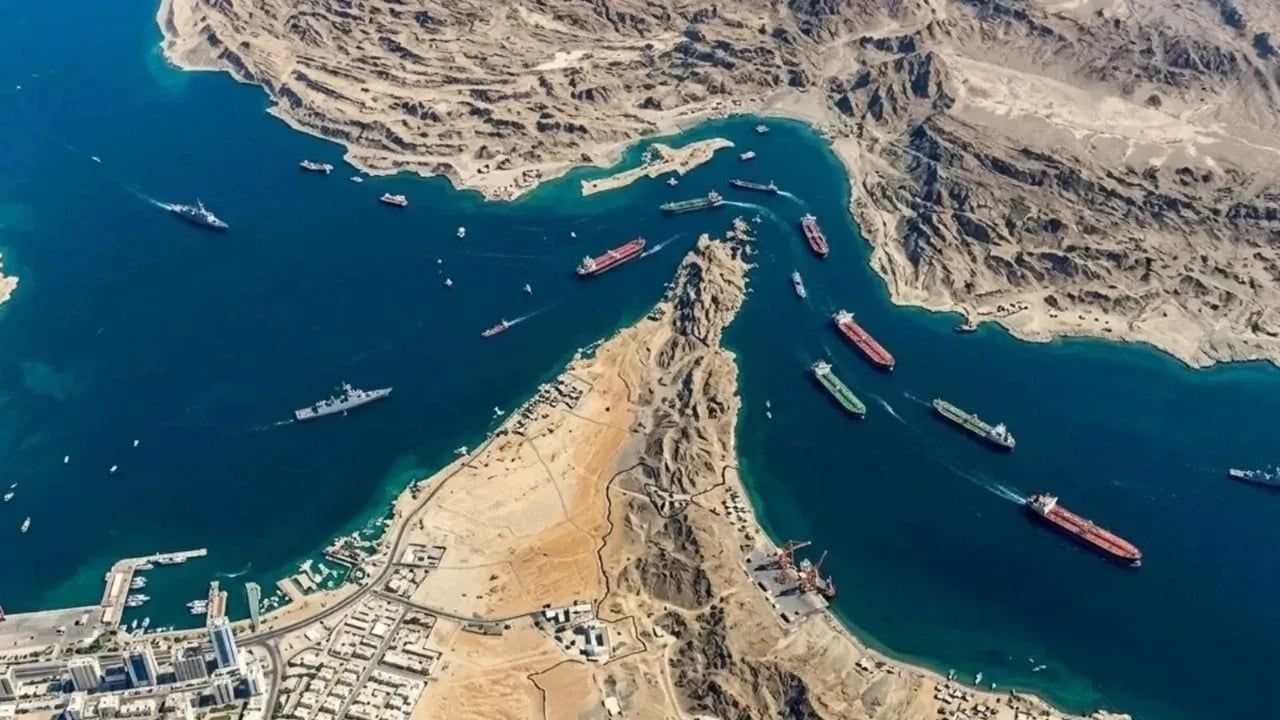
The 2026 U.S.-Israeli War on Iran pushed the security of global trade corridors back to the center of regional and international attention. Developments surrounding the Strait of Hormuz and the Red Sea exposed the vulnerability of major transport and energy networks, reviving a long-standing question: can the region build reliable land routes to reduce dependence on maritime passages vulnerable to military tensions?
Against this backdrop, the Saudi-Turkish project emerged as an attempt to create a transport network capable of bypassing maritime bottlenecks and reducing reliance on strategically sensitive waterways.
Turkish Transport and Infrastructure Minister Abdulkadir Uraloglu said the main lesson his country drew from recent developments was the need to avoid depending on a single trade and energy route and instead build multiple land and sea alternatives to keep goods and supply chains moving under all circumstances.
He stressed that the project is not limited to a railway line but represents a broader vision involving highways, energy pipelines, telecommunications networks, and logistics hubs designed to create an integrated corridor linking the Gulf to Europe through Turkiye.
On the Saudi side, Transport and Logistics Minister Saleh al-Jasser highlighted high-level cooperation with Turkiye to expand road, maritime, air, and rail connectivity, arguing that stronger logistics links have become increasingly necessary amid the region’s shifting geopolitical and economic landscape.
A Corridor That Bypasses ‘Israel’
According to Uraloglu’s outline, the route would begin in Saudi Arabia, pass through Jordan and Syria, reach Turkiye, and eventually connect with European transport networks. He described it not as a limited local initiative but as a strategic corridor stretching from the Gulf to Europe.
Saudi Arabia has already completed a railway line linking Riyadh to its northern border with Jordan, while Turkiye has an extensive transport network stretching from Istanbul to Gaziantep near the Syrian border. The main missing link is roughly 400 kilometers of infrastructure across Syria and Jordan.
Some sections of the route already have existing infrastructure that would require rehabilitation, while others would need entirely new construction. Turkish estimates suggest the project could become operational within three to four years if financing is secured and technical studies are completed.
The project’s significance goes beyond traditional freight transport. Turkish officials say it could eventually carry oil, natural gas, industrial goods, and raw materials, while also supporting passenger travel and religious tourism routes connecting Istanbul with Saudi Arabia’s holy cities.
Uraloglu has also pointed to a longer-term vision of a route linking Istanbul with Jeddah, Mecca, and Medina.
The project’s ambitions extend beyond Turkiye and Saudi Arabia. Yedioth Ahronoth reported that Kuwait, Qatar, the United Arab Emirates, and Oman could join at later stages, with possible future extensions to Iraq and Yemen, potentially transforming the corridor into a broad regional network connecting the Gulf with the heart of Europe.
The newspaper also highlighted the possibility of linking the route to the Mediterranean, Black Sea, and Aegean Sea, giving it wider logistical reach and reducing dependence on the Israeli Occupation as a central transit point for regional trade.
The Grand Prize in the Battle for Trade Corridors
If the project requires only around 400 kilometers of new connections to link the Gulf with Turkiye, the largest share of that missing stretch runs through Syrian territory, making Damascus the most sensitive and strategically important player in the emerging equation.
For more than a decade, Syria has been a battlefield for regional and international rivalries, largely excluded from major transport and economic integration projects. But the political changes following the fall of Bashar al-Assad’s regime in late 2024 have revived debate over Syria’s geographic position and its potential role in regional connectivity schemes.
According to Saudi political analyst Mobarak al-Atty, Ankara views Saudi Arabia and Syria as two key links in the new corridor. He pointed to Turkish plans to invest around $100 million in rehabilitating the railway line between Turkiye and the Syrian city of Aleppo, laying the groundwork for a future connection to Damascus, Jordan, and Saudi Arabia.
Al-Atty said Turkiye’s vision is to transform Syrian territory into a major logistics route linking the Gulf with Turkiye and the Mediterranean, combining regional connectivity ambitions with efforts to rebuild Syria’s damaged infrastructure.
Syria’s importance goes beyond its land routes. Its Mediterranean ports give it an additional advantage in any future regional transport network, potentially turning it into a logistics hub rather than merely a transit country.
That is why the Israeli Occupation does not view Syria simply as a geographic passageway but as a potential competitor to the strategic role envisioned for the port of Haifa in the future map of regional trade.
Haifa vs. Damascus: The Battle for a Regional Gateway
To understand “Israel’s” concerns over the new corridor, it is necessary to return to September 2023, when the IMEC was unveiled at the G20 summit in New Delhi with backing from the United States, Europe, and Gulf states.
The project was designed to move goods from India by sea to the Gulf, then across a railway network running through Saudi Arabia and Jordan into the Israeli Occupation, before shipping them to Europe through the Mediterranean.
From the outset, “Israel” viewed IMEC as a strategic opportunity to cement its role as a bridge between Asia and Europe, deepen economic ties with Gulf states, and place the port of Haifa at the center of a future global logistics network.
But the rise of the Saudi-Turkish corridor has disrupted that vision. Israeli reports warned that the new route could bypass “Israel” entirely, creating an alternative path through Syria, Jordan, and Turkiye before reaching Europe.
Against this backdrop, Maariv warned that the Israeli Occupation could lose a historic strategic opportunity unless it moves quickly to secure its position in emerging regional connectivity projects, arguing that the competition is no longer only economic—but fundamentally geopolitical.
A Struggle for Influence or Trade?
Behind the rivalry between Haifa and Damascus, and between IMEC and the Saudi-Turkish corridor, lies a broader struggle over the redistribution of economic and geopolitical influence in the Middle East.
Analysts have described the competition as part of a wider “regional and international chess game,” where the contest is no longer limited to the movement of goods but extends to energy, data, communications, and global supply chains.
The stakes have grown higher as traditional maritime routes face increasing uncertainty, from tensions around the Strait of Hormuz to attacks targeting shipping in the Red Sea and Bab al-Mandab in recent years. These disruptions have pushed countries to search for more secure land-based alternatives.
Despite its ambitions, the Saudi-Turkish corridor faces major challenges, including the political and security situation in Syria and Jordan, as well as the need for massive investment to rebuild damaged infrastructure.
Financing remains one of the biggest obstacles, with early estimates suggesting that connecting the corridor could cost tens of billions of dollars once railways, ports, and supporting logistics hubs are taken into account.
The project is also vulnerable to regional political and military shifts, particularly as it competes with the U.S.-backed IMEC corridor and the broader geopolitical alignments shaping global supply chains.
Announced in 2023, IMEC aims to connect Asia and Europe through an alternative sea-and-land route, potentially handling a significant share of trade between the two regions while reducing transit times compared with traditional routes through the Suez Canal.
The Saudi-Turkish corridor, meanwhile, is seen as a project capable of redirecting part of Middle East–Europe trade through a direct overland route, potentially reducing reliance on Israeli Occupation ports—especially Haifa, which has long been promoted as a future “gateway to the Eastern Mediterranean.”
Stretching roughly 2,500 to 3,000 kilometers from the Gulf to Europe through Turkiye, the proposed corridor could become a direct competitor to maritime routes on both speed and cost if its infrastructure is fully developed.
The Collapse of ‘Israel’s’ Strategic Bets
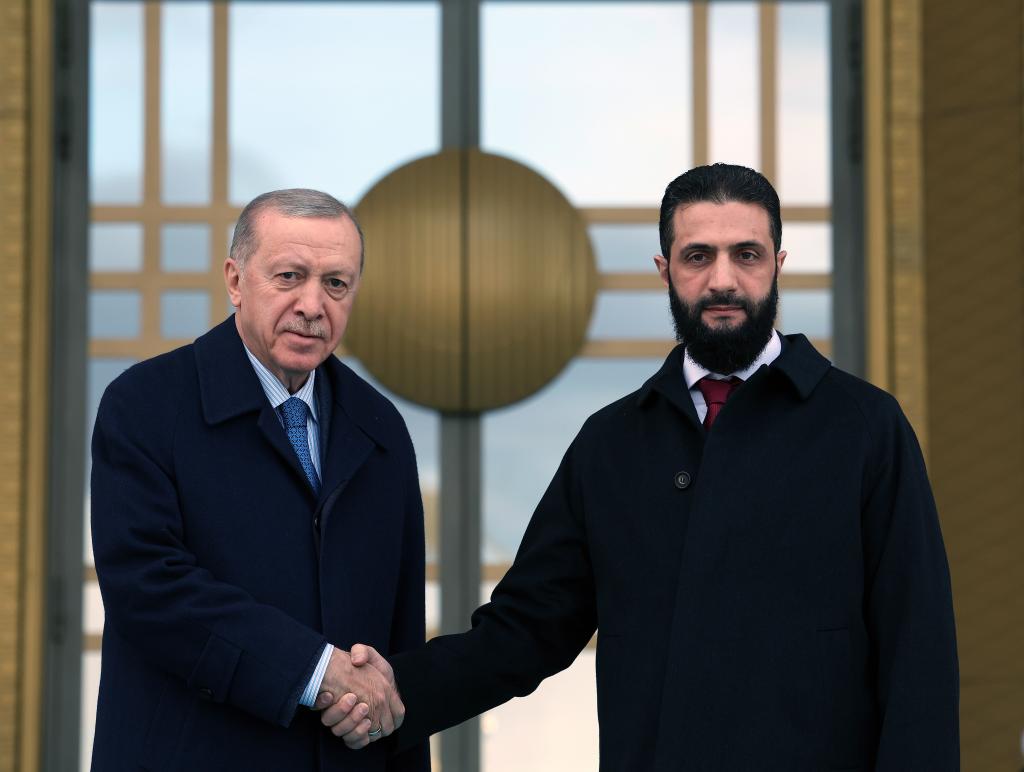
Syrian journalist Ahmed Yavuz argues that the emerging competition goes beyond railways and transportation projects, describing it as a broader struggle over who will shape the Middle East’s new economic map.
He says the Israeli Occupation had placed a major bet on IMEC, hoping to transform the port of Haifa into the main gateway connecting the Gulf and Europe. But growing Turkish and Saudi moves, backed by Syria’s renewed regional opening, are now presenting that vision with an escalating strategic challenge.
According to Yavuz, the new corridor could give Damascus a chance to return to the center of regional economic activity while reducing the geopolitical advantage “Israel” sought to build around its location and Haifa’s port.
He concludes that the region is now witnessing competition among three major connectivity projects: the U.S.-backed IMEC corridor, the Saudi-Turkish route through Syria, and Iraq’s Development Road project linking the al-Faw Grand Port to Turkiye.
Yavuz argues that Iraq’s project may gain increasing importance because it could help reintegrate Syria into regional trade networks and transform the country from a conflict zone into a central logistics hub connecting the Gulf with Europe.
Sources
- Yedioth Ahronoth: Turkiye and Saudi Arabia Plan a New Trade Corridor to Europe—Without Israel [Arabic]
- The Battle for a Trade Route Worth Hundreds of Billions [Arabic]
- Ankara Reveals Details of Rail Corridor Linking Saudi Arabia and Turkiye via Jordan and Syria [Arabic]
- Erdogan Understands the Importance of the Project: Israel Needs to Wake Up—and Fast [Arabic]
- Saudi Arabia and Turkiye Sign Rail Link Deal: Major Project Set to Redraw Regional Trade Routes [Arabic]
- Turkish Transport Minister Reveals Details of New Saudi–Turkiye Railway Link to Al Jazeera Net [Arabic]