Kurmuk Returns to the Sudanese Army: How Has the Battle Map Shifted Against the RSF?
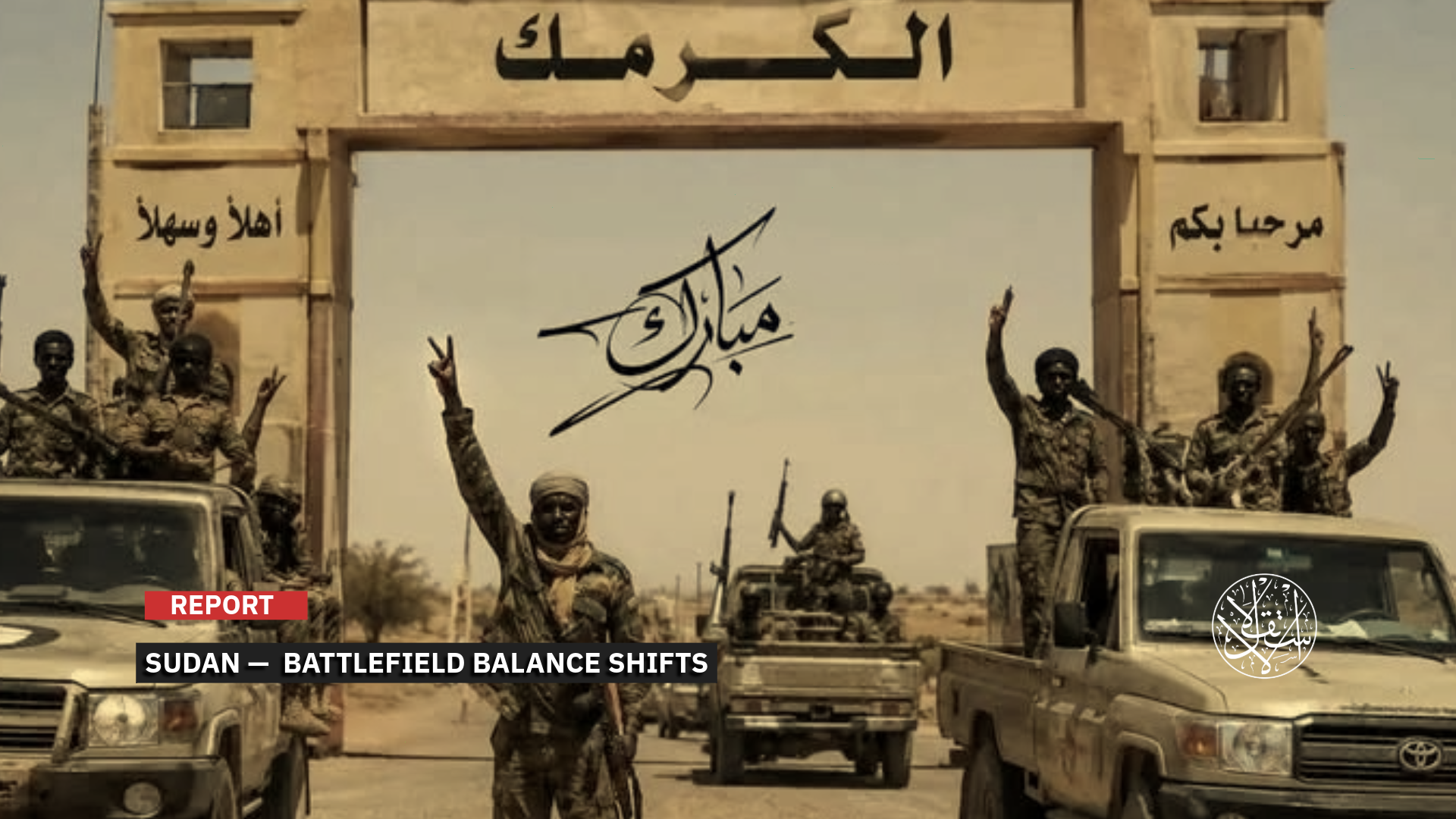
Keeping Kurmuk outside the army’s control meant that the threat to the key administrative and military centers in Blue Nile would continue.
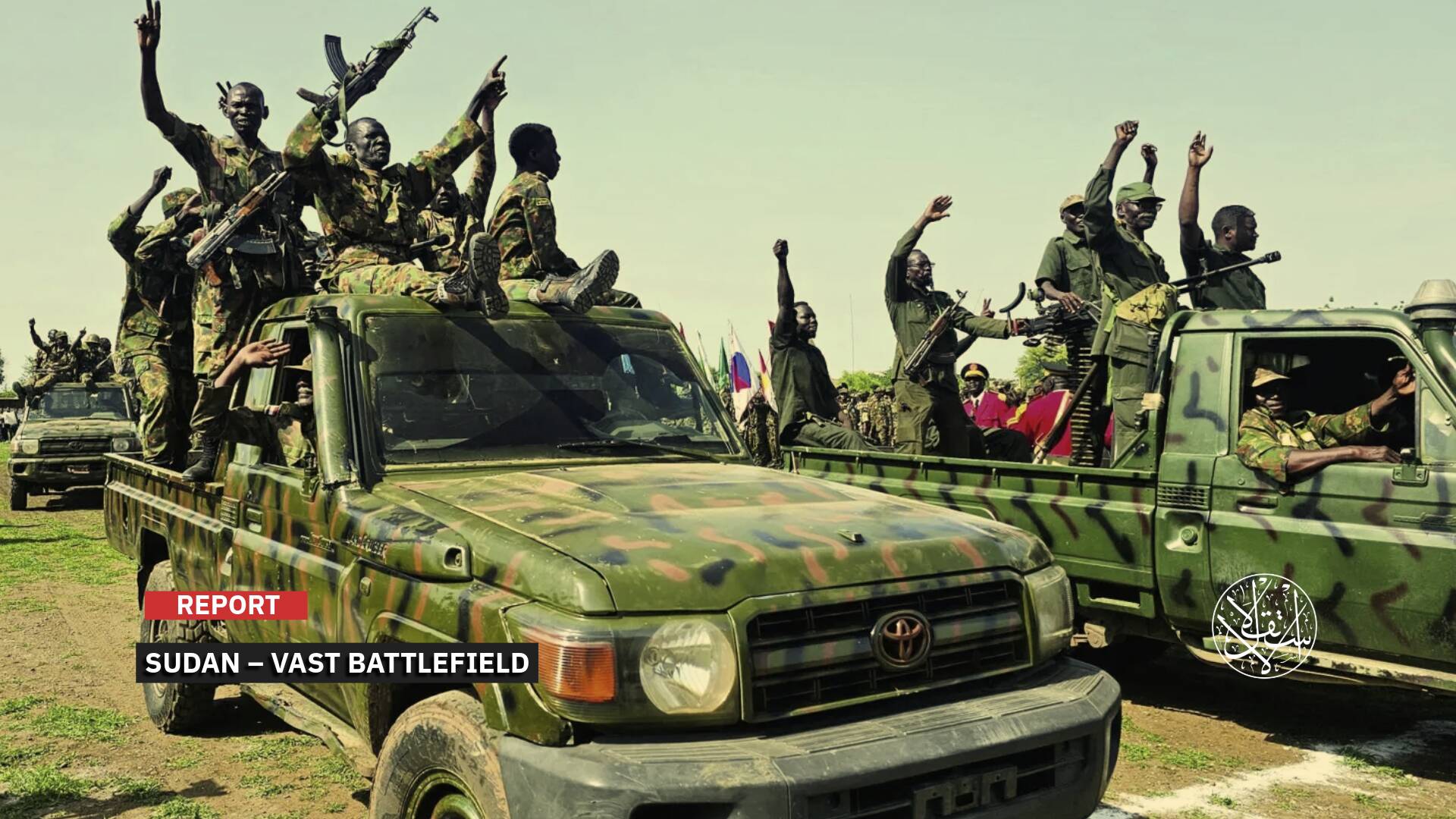
When the Sudanese Army announced on July 8, 2026, that it had retaken Kurmuk in Blue Nile state after more than three months under the control of the Rapid Support Forces (RSF) and fighters from the Sudan People’s Liberation Movement-North (SPLM-N) led by Abdel Aziz al-Hilu, the move initially appeared to be the recovery of a border town. But the timing and military messaging behind the operation suggested a far broader significance.
The battle unfolded as attention remained focused on the front lines of Kordofan and Darfur, which have become the center of gravity in the war. Kurmuk’s recapture reshaped the balance of power in southeastern Sudan, closing an attritional front that the UAE-backed RSF militias had sought to turn into a pressure point against the Sudanese Army, as both sides continue trying to strengthen their battlefield positions ahead of any potential political negotiations.
A Strategic Border Gateway
Kurmuk sits in Sudan’s far southeastern corner along the Ethiopian border, serving as the closest Sudanese gateway to Asosa in Ethiopia’s Benishangul-Gumuz region—a location that gives the town exceptional geopolitical importance in the dynamics of the war.
The town is far more than a border crossing. It is a strategic node linking Blue Nile state with Ethiopia’s borderlands while controlling a network of official and informal routes used for trade, movement, and cross-border activity.
Its importance is further amplified by its location in an area rich in gold and mineral resources, making control of the town significant not only militarily but also economically. Mining zones and border trade routes have become crucial sources of revenue for armed groups operating across Sudan.
Kurmuk also carries additional significance as part of a border belt that for decades witnessed activity by the SPLM-N, which is allied with the RSF militias, giving the town symbolic and historical importance in the armed conflict in southeastern Sudan.
From a defensive perspective, the town serves as the first line of defense for the cities of ed-Damazin and Roseires, which lie along the same axis leading deeper into the Blue Nile state.
For this reason, keeping Kurmuk outside the army’s control meant leaving key administrative and military centers in the state under continued threat, while also keeping the Roseires Dam and vital infrastructure facilities within the potential reach of hostile forces.
A New Front
The offensive launched in March 2026 by the alliance between the RSF militias and the SPLM-N was not aimed merely at capturing a border town. It was part of a broader attempt to open a new front away from the main battlefields in Darfur and Kordofan.
At the time, the Sudanese Army was making gradual gains in central Sudan, prompting its opponents to shift pressure toward Blue Nile state in an effort to force the army to spread its forces across multiple fronts.
By seizing Kurmuk, the alliance sought to establish a permanent foothold in southeastern Sudan, capitalizing on the SPLM-N’s historical influence in the area and the region’s mountainous and border terrain, which gives fighters greater room for movement and maneuver.
The town also provided an advanced base that could be used to threaten ed-Damazin and Roseires, while opening logistical routes toward the border and strengthening the alliance’s ability to sustain operations away from the western battlefields.
The move coincided with the announcement of the Sudan Founding Alliance, which brought together the RSF militias, the SPLM-N, and several political and armed groups in an attempt to give political weight to military gains.
For that reason, Kurmuk gained particular importance as the first major city in southeastern Sudan to fall under the control of the alliance, giving it significance far beyond its immediate battlefield value.
A Gradual Campaign
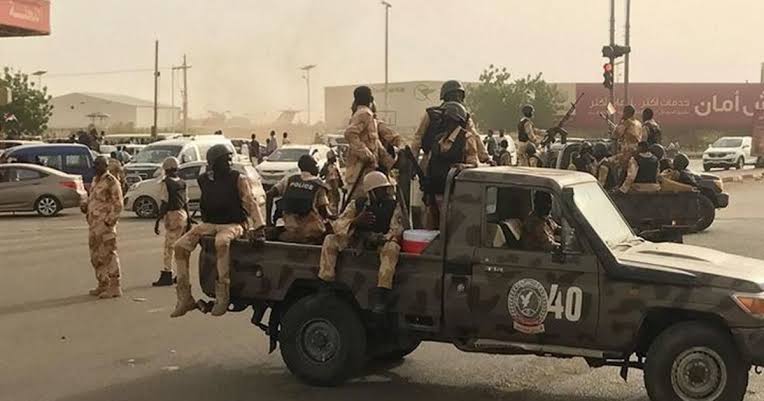
Since late May 2026, the Sudanese Army has launched a gradual military campaign to regain the initiative in Blue Nile state. It retook several villages and positions along the routes leading to Kurmuk before intensifying ground and air operations in the weeks leading up to its entry into the town and the establishment of full control following the withdrawal of RSF militias.
Militarily, the operation secured the southeastern front, deprived the alliance of its most important forward base in the state, and blocked attempts to use the town as a launch point for threatening ed-Damazin and Roseires.
It also gave the army an opportunity to reorganize its deployment in Blue Nile after months of diverting large numbers of troops to defend the front.
But the biggest gain was the recovery of the initiative. Since the war began, most of the Sudanese Army’s offensive operations had been concentrated in Khartoum and central Sudan, while the Blue Nile front largely remained a battlefield where it responded rather than advanced.
Kurmuk’s recapture, however, demonstrated the army’s ability to carry out an offensive operation far from its main bases while maintaining the stability of its other fronts.
Politically, the operation dealt a blow to the alliance’s project, which had sought to portray its control of Kurmuk as the beginning of an expansion of its influence beyond Darfur and Kordofan.
The Balance of Control
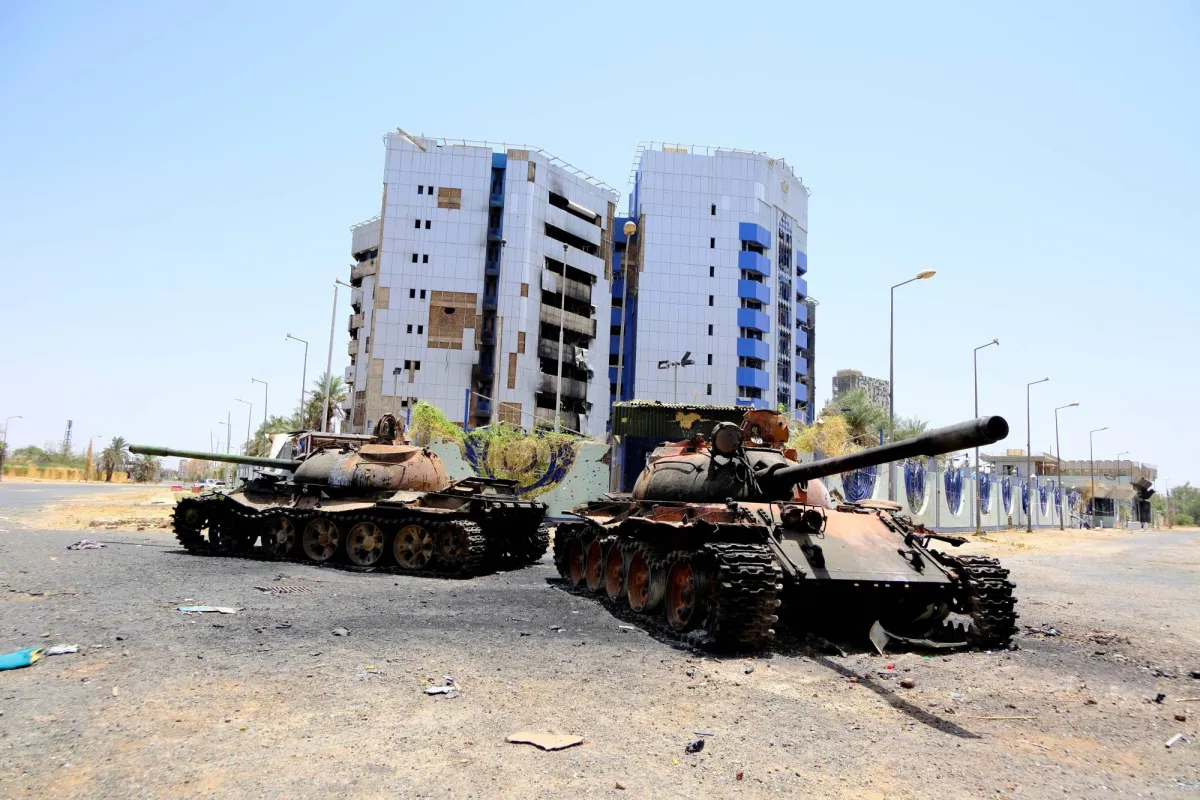
Despite the importance of retaking Kurmuk, the operation alone has not redrawn Sudan’s broader map of control. The Sudanese Army maintains influence over Khartoum and most northern, eastern, and central states, including Gezira, Sennar, and White Nile, as well as the cities of ed-Damazin and Roseires in Blue Nile state.
Meanwhile, the RSF militias continue to hold most of Darfur and remain entrenched across large parts of Kordofan, where some of the war’s most decisive battles are now unfolding.
Sudanese researcher Mohamed Nasr told Al-Estiklal that the Sudanese Army’s recapture of Kurmuk represents an important battlefield development but does not necessarily mark a decisive turning point in the war. He said the operation’s strategic value lies more in closing an attritional front that had strained the Sudanese Army’s deployment in southeastern Sudan than in fundamentally shifting the balance of power between the two sides.
Nasr added that controlling Kurmuk removed a direct threat to Blue Nile state and deprived the RSF militias and its allies of an important border foothold that had given them greater freedom of movement along the Ethiopian frontier. It also reduced their ability to use the town as a launch point for opening a front designed to drain army resources away from the main battlefield in Kordofan.
He noted that, despite its significance, the advance has not yet altered the war’s military center of gravity. The RSF militias continue to retain much of their influence in Darfur and large areas of Kordofan, where they benefit from shorter supply lines, wider territorial presence, and greater ability to maneuver and reposition forces compared with the Blue Nile front.
Nasr argued that the importance of the Kurmuk battle should not be measured by the amount of territory recovered but by the room it gives the army to reorganize its military priorities. With the pressure on the southeastern front reduced, the army can redirect more forces and resources toward Kordofan, which he described as the real decisive theater in the next phase of the war.
Kordofan, he said, serves as the link between central Sudan and Darfur, meaning the outcome of battles there is likely to shape the direction of the conflict more than any isolated battlefield gain elsewhere.
The Decisive Battle Remains Distant
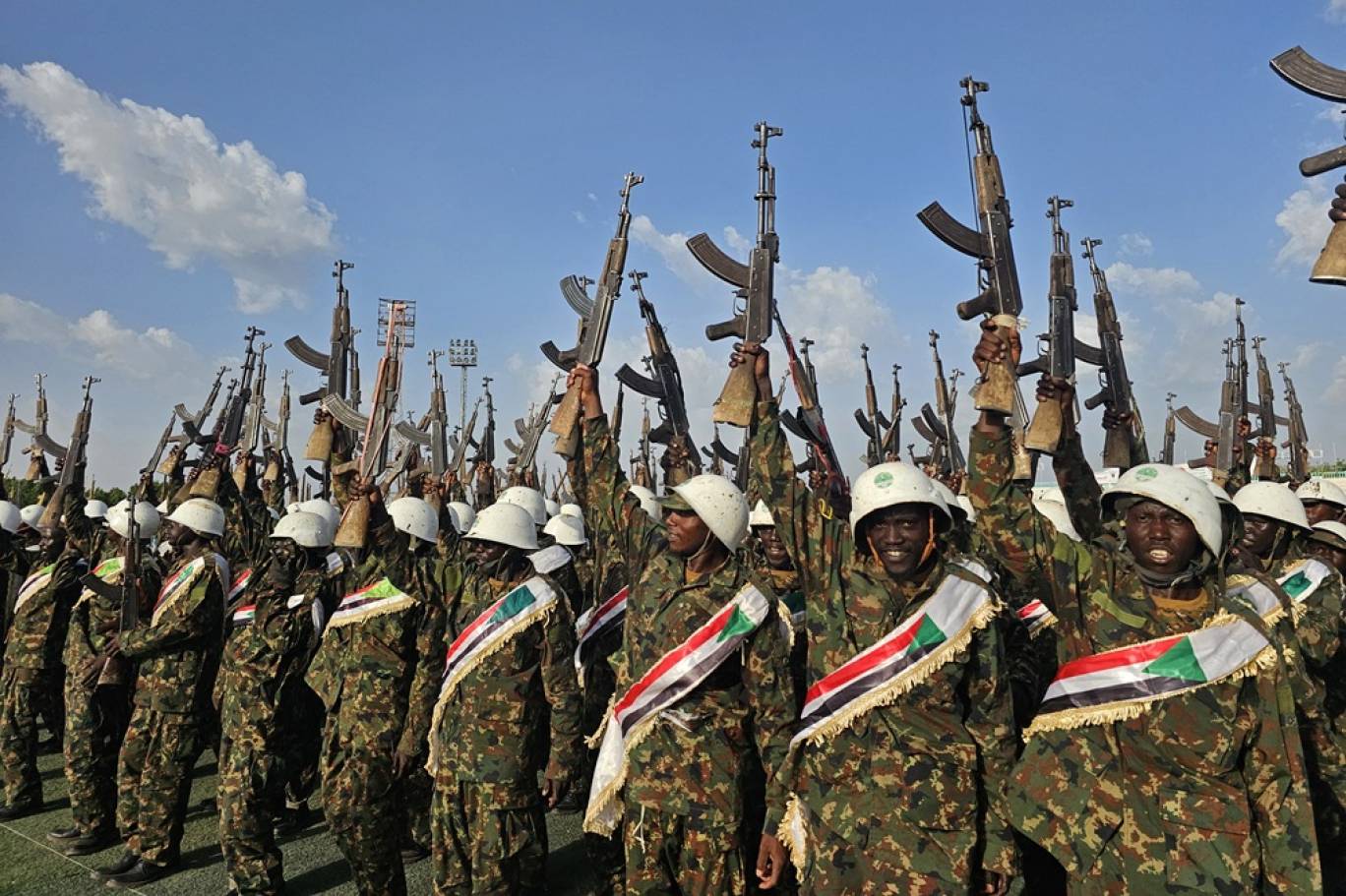
The battle for Kurmuk shows that the Sudanese Army succeeded in preventing an attempt to establish a permanent front along the Ethiopian border. It also regained control of a town with major geopolitical, economic, and military value—securing Blue Nile state and weakening one of the most significant gains made by the alliance between the RSF militias and the SPLM-N during 2026.
Yet the RSF continues to maintain significant military capabilities in Darfur and Kordofan, and the future of the war remains more dependent on the outcome of battles on those fronts than on control of border towns. Kurmuk is therefore an important milestone in the course of the fighting, but it is not the final one.
According to a report published by Sudan Tribune on July 8, 2026, if the Sudanese Army succeeds in capitalizing on this advance by shifting its military focus toward Kordofan and opening a path toward Darfur, Kurmuk could later be remembered as the beginning of a new phase in the war.
But if fighting remains scattered across distant fronts and the RSF militias continue to hold their centers of strength in western Sudan, the recapture of Kurmuk will remain an important operational victory within a prolonged conflict still defined by mutual attrition.
Sources
- Sudanese army recaptures strategic border town of Kurmuk
- Sudanese return home to a capital unready to welcome them
- Sudanese army says it recaptures Kurmuk in Blue Nile
- Sudanese Army Retakes Strategic Town of Kurmuk [Arabic]
- Sudan After the Kurmuk Battle: Has the “Zero-Sum Attrition” Equation Been Broken? [Arabic]