Amid Israeli Opposition: Can Trump Bring Turkiye Back Into the F-35 Fighter Jet Program?
“In recent weeks, the Trump administration has shown openness to reconsidering the sale of fighter jets to Turkiye.”
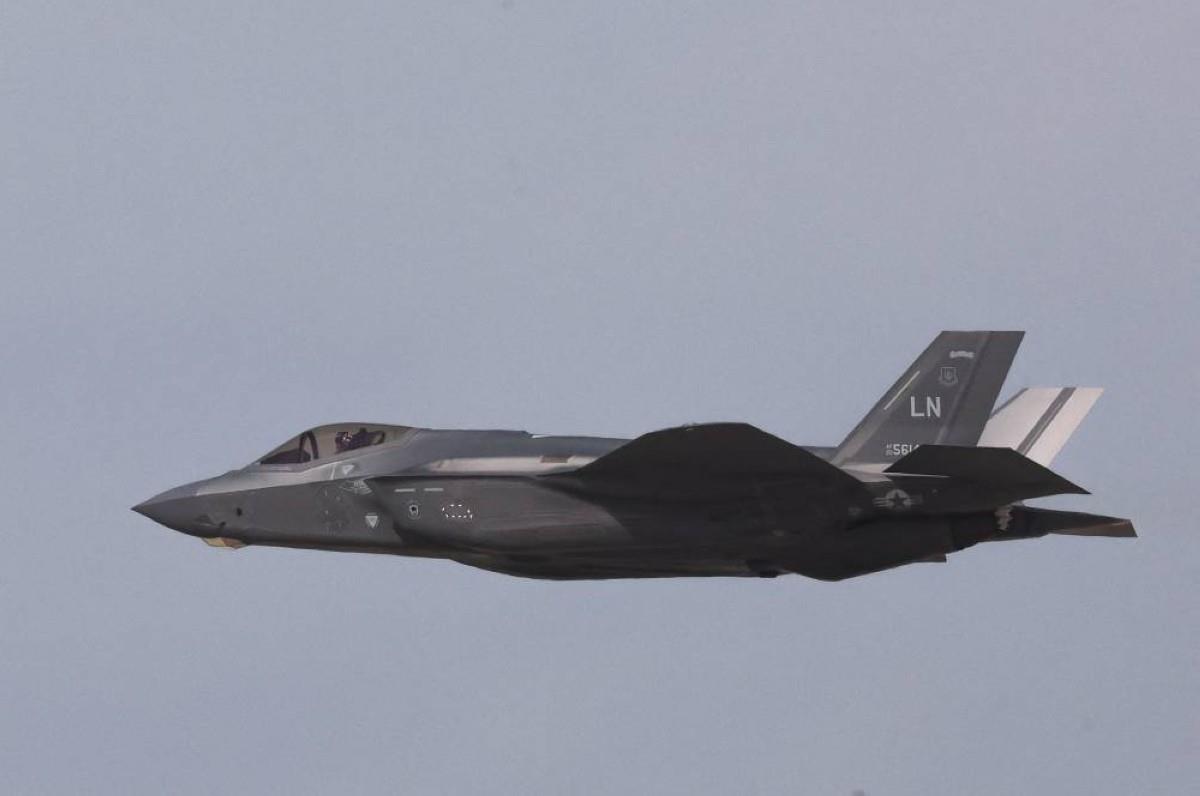
US President Donald Trump stated this week that he will soon decide on the sale of advanced F-35 fighter jets to Turkiye, despite the congressional ban on the deal.
He argued that Turkiye has been more loyal than some of the other countries participating in the aircraft program.
This move is likely to face strong opposition in Congress, which controls the approval of foreign arms sales, as well as in "Israel", which holds an unspoken veto over any deals that could compromise its qualitative military edge in the region.
Trump did not specify how his administration intends to circumvent the congressional restrictions on the sale of the fighter jets to Turkiye, leaving the future of the deal dependent on political and legislative developments in the U.S.
It is worth noting that Turkiye was one of six countries that originally participated in the development of the F-35 under the Joint Flight Fighter program, and its pilots have previously been trained on the aircraft in the U.S.
However, the United States removed Turkiye from the F-35 fighter jet program in 2019 after Ankara proceeded with the purchase of missile defense systems from Russia.
US Commitments
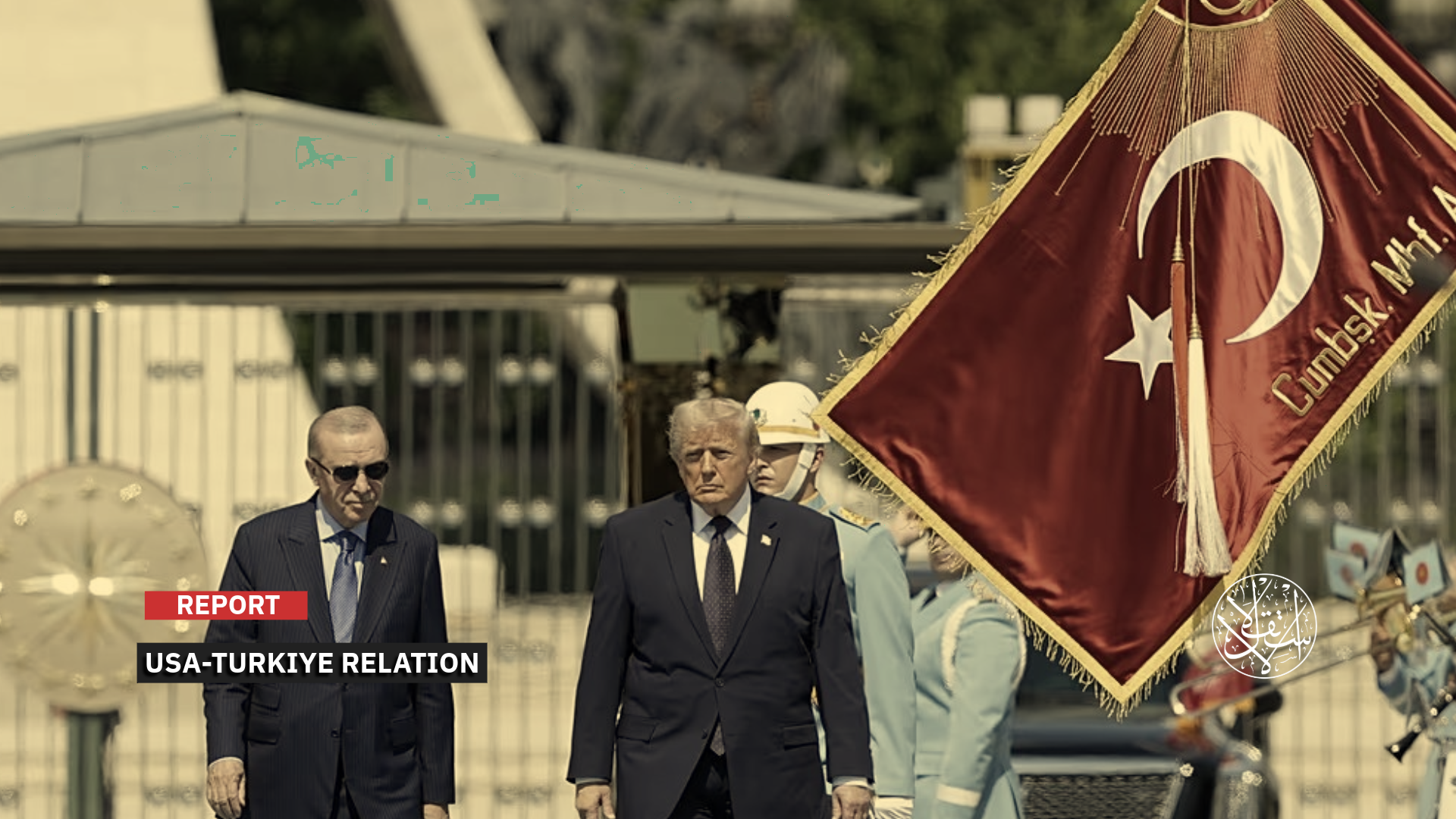
On July 7, 2026, US President Donald Trump arrived in the Turkish capital, Ankara, to participate in the NATO summit.
He began his visit with a series of controversial statements concerning military relations with Turkiye and his stance toward European allies amidst regional tensions.
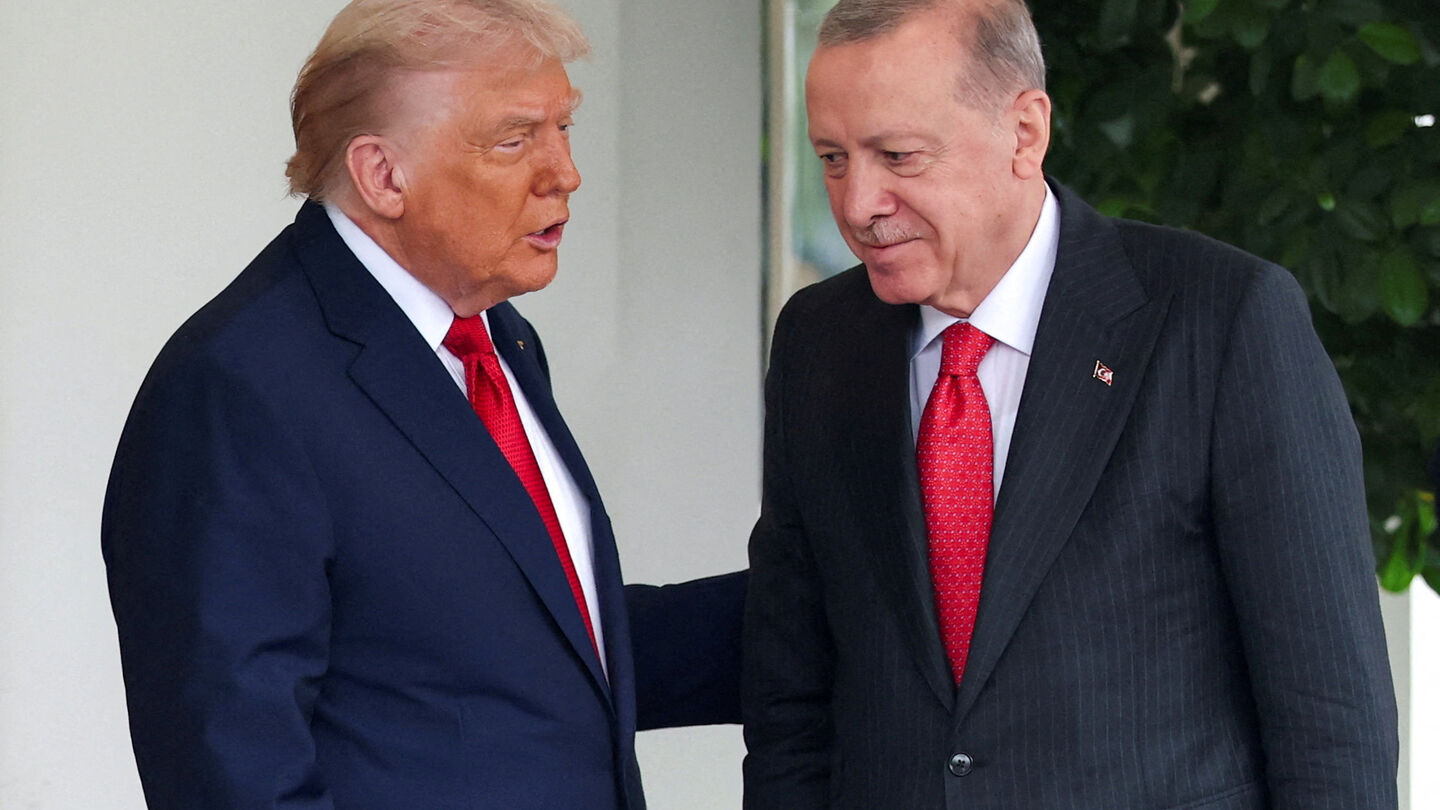
During his meeting with his Turkish counterpart, Recep Tayyip Erdoğan, Trump made a notable shift in defense policy toward Ankara, announcing that Washington would seriously consider selling F-35 fighter jets to Turkiye.
Trump described the fighter jet as fantastic, the best aircraft ever, adding, "That's a decision we'll make... and we'll certainly look into it."
In a separate development, Trump sharply criticized NATO allies in Europe, expressing his deep disappointment with their position on the ongoing conflict with Iran.
Trump’s remarks at the Ankara summit reflect a new American approach aimed at strengthening the alliance with Turkiye, coinciding with escalating tensions with traditional European partners over how to handle the Iranian issue and the repercussions of the ongoing military conflict.
When Trump and Erdogan met at the White House in September 2025, both sides expressed their desire to turn the page on their differences.
In recent weeks, the Trump administration has shown openness to reconsidering the sale of fighter jets to Turkiye.
Vice President JD Vance stated that the administration is studying the possibility of delivering the fighter jets to Turkiye and is working with Congress on the matter, noting that it depends on Turkiye’s compliance with US laws regarding the acquisition of the aircraft.
During his meeting with Erdogan in Ankara, President Trump also declared that bilateral relations with Turkiye are currently at their best and that he is not concerned about Turkiye’s potential acquisition of the Russian S-400 air defense system as part of the deal.
When asked about the possibility of lifting sanctions on Turkiye for its purchase of the Russian S-400 missile defense system, Trump replied, "We will lift the sanctions. We don't want to impose sanctions on our friends."
For his part, Erdogan said that Trump had given positive indications regarding the potential sale of F-35 fighter jets to Turkiye, expressing his hope that Washington would fulfill its commitments. He added, "When the aircraft are actually delivered, the whole world will say that the U.S. has kept its promise."
He also stressed that EU defense initiatives should complement NATO and avoid unnecessary duplication, emphasizing the importance of maintaining coordination between the two sides on security issues.
Turkish Foreign Minister Hakan Fidan confirmed in an interview with TRT that Ankara and Washington possess the necessary political will to address the outstanding issues, noting that the relevant ministers and officials are working to find solutions.
He said, "Our expectation is that there will be no sanctions of any kind. These decisions should not be political or administrative," explaining that agreement or disagreement between companies and institutions regarding purchases is a separate matter.
He added that the political leadership, the US Congress, and the Turkish Parliament should not play a role in imposing restrictions on defense cooperation between allies.
The Turkish minister noted that most of the restrictions that could have been lifted through administrative decisions have been addressed, while two issues related to US legislation remain: sanctions imposed under the Countering America’s Adversaries Through Sanctions Act (CAATSA) and the Joint Flight Fighter program.
Last month, the Trump administration formally notified Congress of its intention to sell dozens of F-110 engines for Turkiye’s domestically developed stealth fighter jet in a deal worth over $700 million, according to Reuters.
Israeli Warning
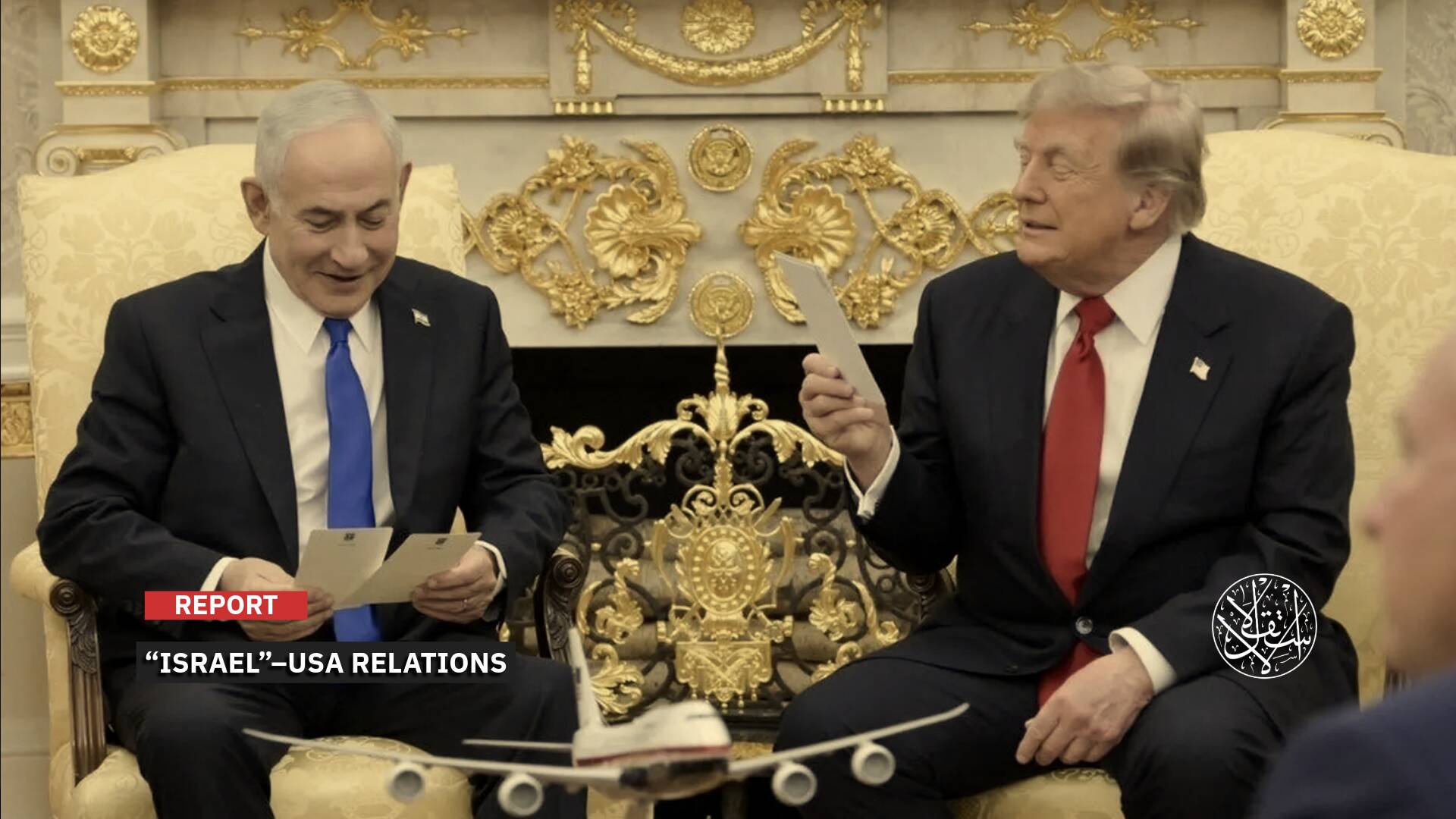
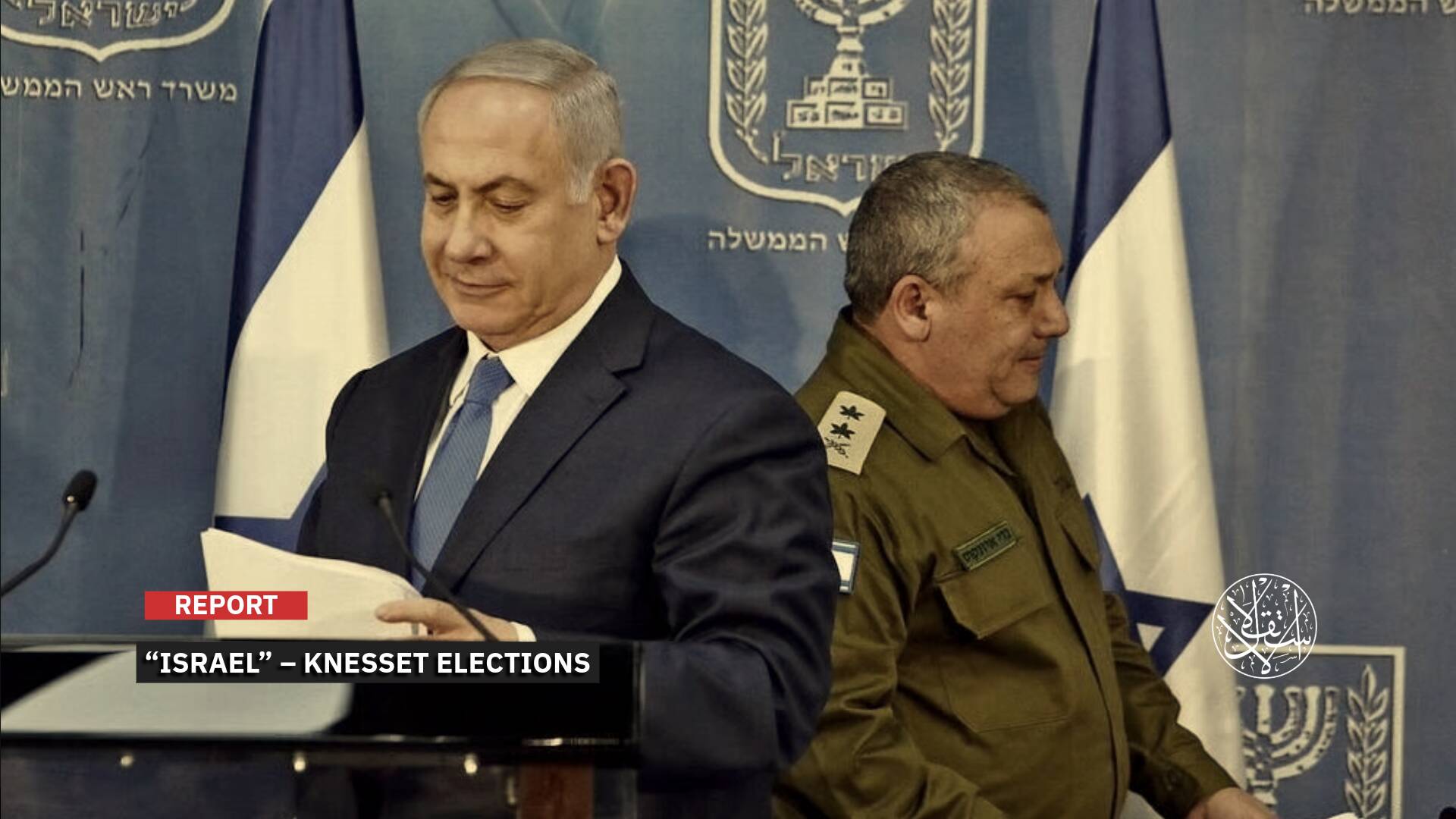
An Israeli source told Reuters that US Defense Secretary Pete Hegseth canceled a scheduled meeting with Israeli Prime Minister Benjamin Netanyahu regarding the potential sale of F-35 fighter jets to Turkiye.
Hegseth was also scheduled to meet with Israeli Army Minister Israel Katz during his visit to Israel, and the talks were expected to address the issue of a potential war with Iran. However, the sudden cancellation reflects the sensitivity of the matter, particularly given the increasing Israeli pressure to prevent the deal.
The cancellation of the meeting came hours after Netanyahu's remarks to CNN on July 7, in which he expressed his strong opposition to the sale of F-35 fighter jets to Turkiye.
He emphasized that he had explained to Trump that this would upset the balance of power in the Middle East, noting that Turkiye harbors aggressive ambitions and is not a force for peace and stability.
He also expressed his concern that Ankara would use this advanced technology to expand its influence in the region and threaten Israeli interests and regional security.
He emphasized that maintaining Israel's air superiority is a fundamental element of his country's national security doctrine.
Netanyahu conveyed to Trump Erdogan's statements regarding "Israel", stressing the need to preserve the security zones that "Israel" has established along its borders.
For his part, Israeli Foreign Minister Gideon Sa'ar addressed the American initiative to sell F-35 fighter jets to Turkiye and the question of whether this poses a threat to "Israel".
"We have made it clear that we oppose supplying F-35s to Turkiye. The Prime Minister himself told Trump this. It is vital that Israel, in the region where we live, maintain its qualitative military edge," he added.
"This has always been the policy of the U.S. to support this edge. And I am confident that this is the policy of Trump and his administration—a very friendly administration. So, I hope this will not happen," he said.
These statements come at a time of escalating tensions in Israeli-Turkish relations, with Ankara and Tel Aviv exchanging accusations regarding regional policies, particularly concerning the conflict in Gaza, influence in Syria, and the Eastern Mediterranean.
"Israel" considers air superiority a cornerstone of its national security and believes that the delivery of F-35 fighter jets to Ankara could be a game-changer in the region.
"Israel" previously raised similar concerns when the U.S. agreed to sell F-35s to the UAE in 2020, before Abu Dhabi later withdrew from the deal.
Major Obstacles
The decision to sell fighter jets to Turkiye remains contingent on congressional approval. The law requires the Pentagon to provide certification that Turkiye has abandoned the S-400 system and committed to not acquiring other Russian systems that could pose a threat to Western fighter jets, including the F-35, the modern F-16, and the upgraded F-15.
To date, the administration has not provided this certification, nor has Turkiye taken the necessary steps to do so. This makes any sale in the absence of this certification a clear violation of the law.
Observers also point out that the continued close relationship between Ankara and Moscow, and Turkiye's refusal to abandon the S-400 system, are major obstacles to finalizing the deal.
It remains unclear whether Moscow will accept such a procedure, as it requires adherence to end-user obligations in its arms sales.
In the same context, other members of a bipartisan delegation from the US Congress attending the NATO summit in Ankara expressed optimism about the possibility of reaching a solution that would allow Turkiye to rejoin the F-35 fighter jet program, according to the Associated Press.
Democratic Senator Jeanne Shaheen, who co-authored the legislation that removed Turkiye from the program, said that if an acceptable way is found to address US concerns, "Turkiye's return to the F-35 program would be a positive development."
Meanwhile, US lawmakers have been leading a rapid and active effort in Congress since last week to counter Trump's decision to reject any deal to purchase or supply F-35 aircraft to Ankara.
A bipartisan group of lawmakers, led by Republican Rep. Mike Lawler and Democratic Rep. Brad Sherman, sent a letter to Trump expressing deep concern over the sale of F-35 fighter jets to Turkiye.
The group wrote that "as Turkish President Erdogan continues to take hostile stances toward our closest partners, in addition to his troubling defense partnerships with our adversaries, selling F-35 fighter jets to Turkiye is not in the best interests of the U.S."
They added, "Although Turkiye has been a member of NATO since 1952, it is no longer a reliable partner."
The representatives continued, stating that since 2019, President Erdogan has pursued increasingly hostile policies toward the U.S. and its NATO allies, citing the continued Turkish military presence in Northern Cyprus, tensions with Greece, the ongoing and escalating anti-"Israel" rhetoric, and the continued bilateral relations between Turkiye and Iran.
They emphasized that reversing the decision to ban the sale of aircraft to Ankara now would send the wrong message to Erdogan and to our allies and partners in both Europe and the Middle East, aligning with Netanyahu's rhetoric to the American media regarding the aircraft sale.
In remarks that further heightened unease in Washington, Trump revealed from Ankara that he had personally intervened to keep Turkiye out of the war with Iran.
He indicated that Erdogan was a likely candidate to join the war on Iran's side because he is not a big fan of "Israel", lending further credibility to the Israeli prime minister's warnings to his allies in Congress.
Sources
- Turkey Seeks to Offload Russian Weapon to Secure F-35 Access
- Trump says US will lift sanctions on Turkey, heaps praise on Erdogan
- Which countries have F-35, why Turkey lost US access and why Israel is not happy - explained
- US opens door for Turkey’s return to F-35 stealth jet programme – but Israel’s not happy