Is Israeli Occupation Now a Burden on U.S. Strategy in the Middle East?
As long as “Israel” continues to serve the role that advances U.S. strategy, it will continue to receive political and military support.
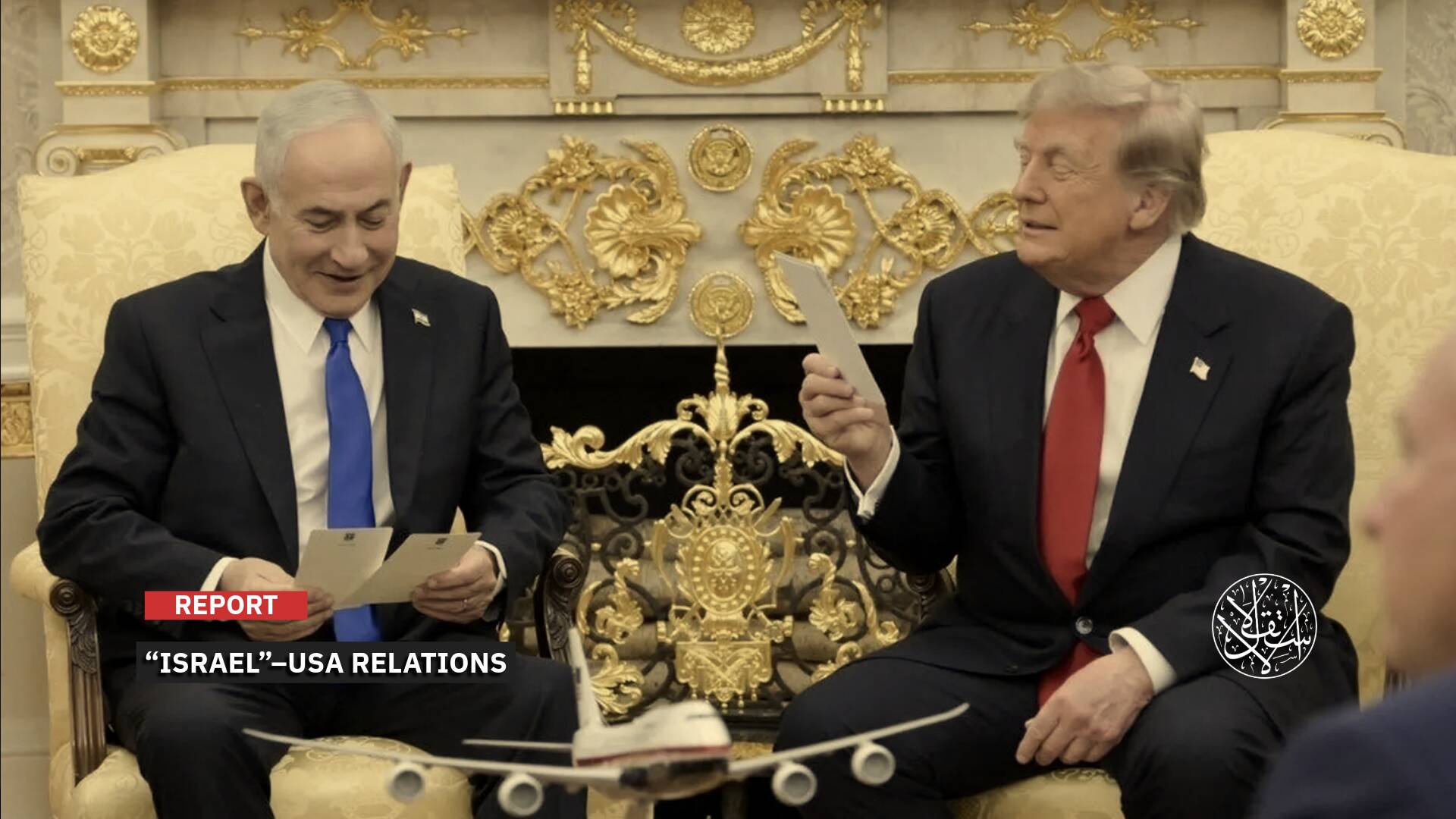
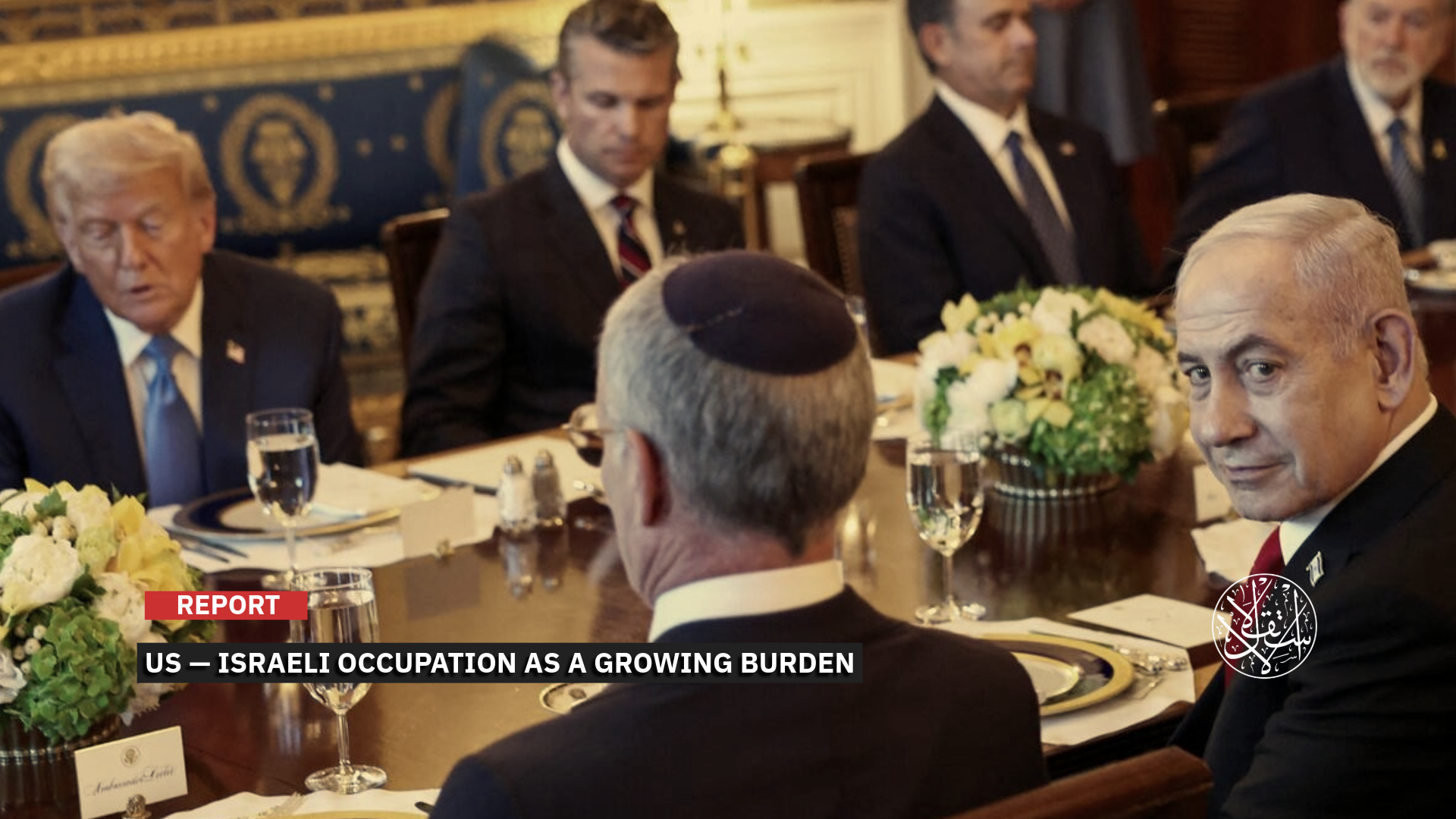
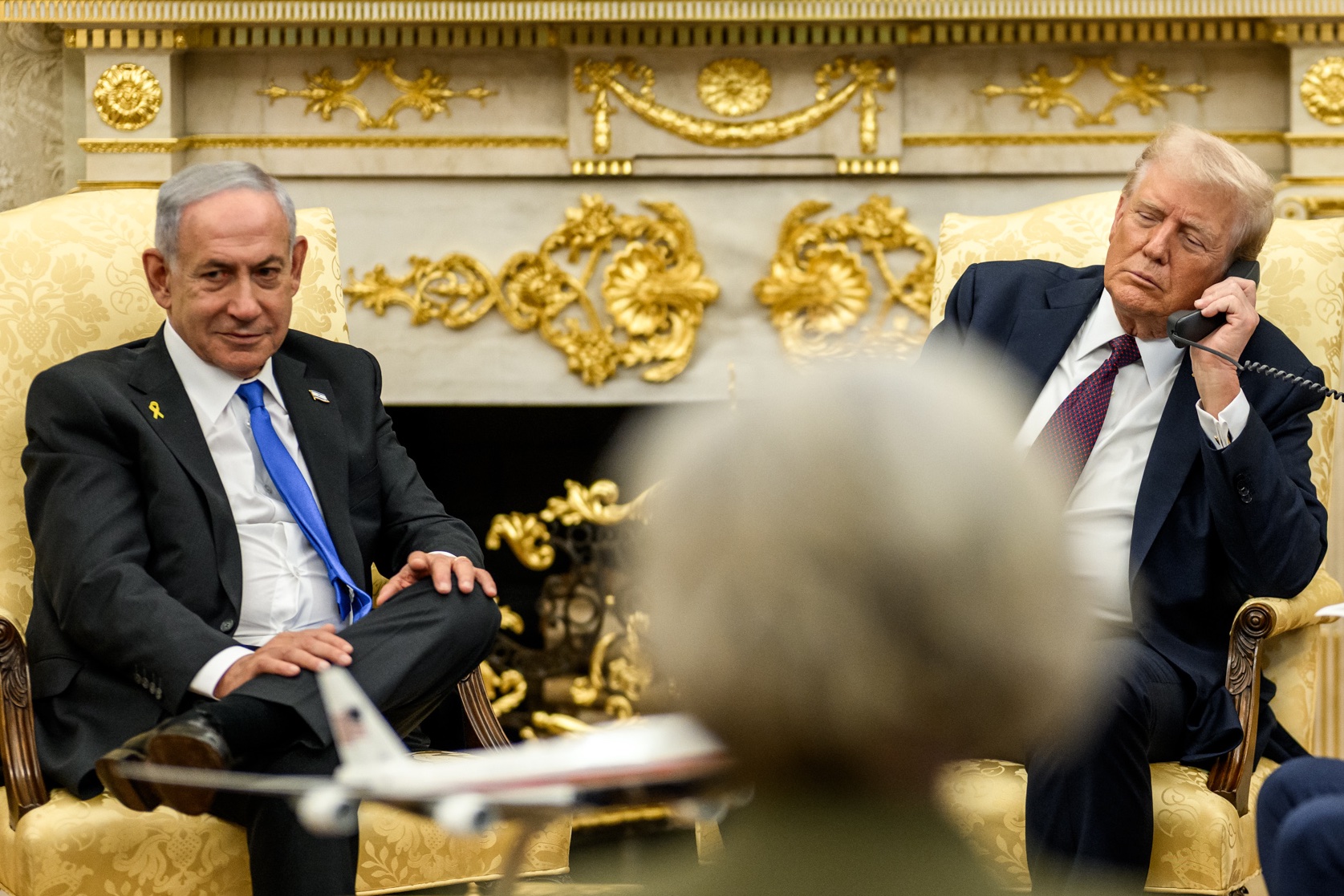
In late June 2026, President Donald Trump held a series of phone calls with Israeli Prime Minister Benjamin Netanyahu, urging him not to expand the war on Iran. Instead, Trump pushed to give diplomacy another chance, hoping to prevent the region from sliding into a broader conflict that could spill far beyond the existing flashpoints.
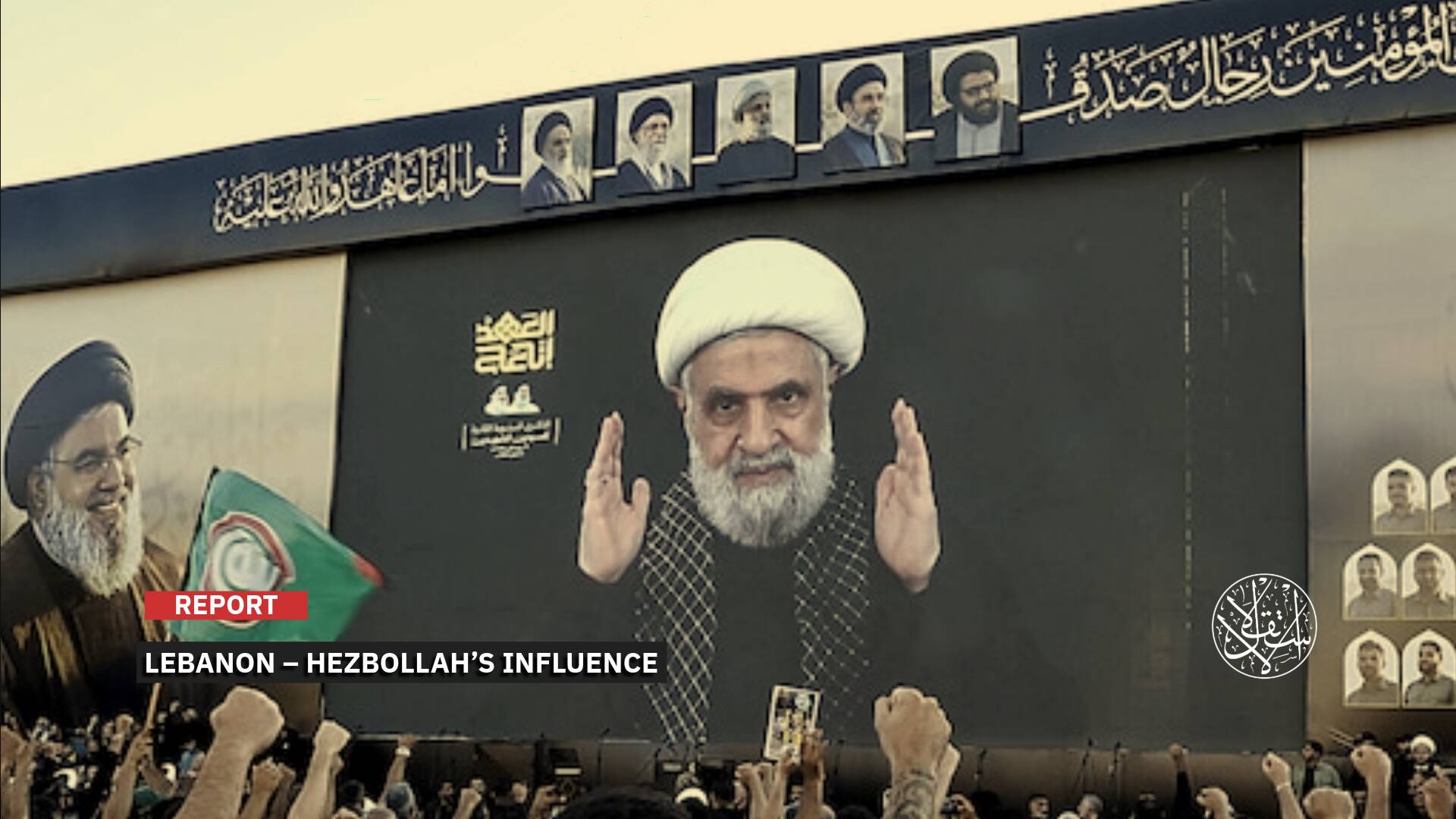
Just days later, Netanyahu appeared in southern Lebanon to declare that Israeli forces “will not withdraw” as long as Hezbollah remains armed—a message that underscored a growing divergence from Washington’s efforts to contain escalating tensions across multiple regional fronts.
While the differences fall well short of a rupture between the two allies, they have revived a longstanding question that has shaped political and academic debate in Washington for decades: Is “Israel” truly an exceptional strategic ally of the United States, or is it primarily one of Washington's most important instruments for safeguarding American interests and shaping the balance of power in the Middle East?
An Old Debate Returns Amid Regional Turmoil
The debate over the nature of the U.S.-”Israel” relationship is almost as old as the relationship itself, dating back to President Harry Truman’s recognition of the Israeli Occupation on May 14, 1948.
From the outset, American policymakers and scholars have been divided into two broad camps. One views U.S. support for “Israel” as a moral and political commitment rooted in the aftermath of World War II and the Holocaust. The other argues that the alliance has always been driven primarily by calculations of American national interest in one of the world's most strategically important regions.
Rather than fading over time, the debate has grown more complex as the international order has evolved. Following the end of the Cold War—and even more so after the September 11, 2001, events—the Israeli Occupation assumed an increasingly prominent place in U.S. strategic thinking as Washington redefined its priorities in the Middle East and expanded its concept of national security beyond traditional geographic boundaries.
In recent years, the question has returned to the forefront as tensions have surfaced between successive U.S. administrations and Israeli Occupation governments, particularly under Prime Minister Benjamin Netanyahu, over the handling of war on Gaza, Lebanon, and Iran, as well as the broader limits of military force in the region.
Although official U.S. rhetoric continues to emphasize “shared values” and a “historic commitment,” many international relations scholars argue that those themes alone cannot explain the depth and durability of an alliance that has endured for more than seven decades.
From Moral Commitment to Strategic Logic
A broad school of thought in international relations holds that the U.S.-”Israel” partnership can only be understood within the broader evolution of the international system. According to this view, American support for the Israeli Occupation became significantly more important after the collapse of the Soviet Union and deepened further after the September 11 events, as the United States sought to consolidate its leadership of the post-Cold War global order.
A contrasting interpretation emerged in 2006 with political scientists John Mearsheimer and Stephen Walt's influential study, The Israel Lobby and U.S. Foreign Policy. The authors argued that pro-”Israel” lobbying organizations in Washington have played a significant role in shaping key aspects of U.S. policy in the Middle East, including support for the 2003 invasion of Iraq and the adoption of a more confrontational approach toward Iran.
The study sparked fierce debate across academic and policy circles. Supporters viewed it as an important examination of how domestic politics influences American foreign policy, while critics argued that it overstated the influence of lobbying groups at the expense of broader strategic and national security considerations.
Realist scholars, meanwhile, contend that U.S. foreign policy cannot be explained solely through domestic political pressure or moral considerations. Instead, they argue, it is ultimately guided by calculations of power, national interest, and the balance of forces in the international system—making America's enduring partnership with “Israel” dependent above all on the strategic role the Israeli Occupation plays within the regional order.
‘Pax Americana’ and the Remaking of the Middle East
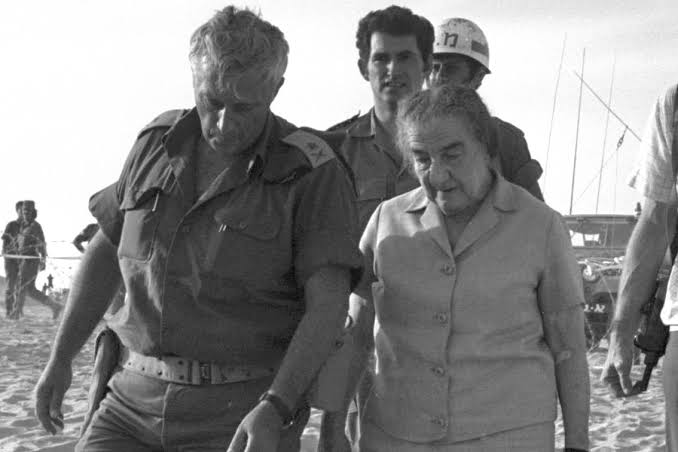
To understand the structural shift in the U.S.-”Israel” relationship, many scholars trace its origins to the aftermath of the October 1973 War. It was during this period that Washington began redefining its role in the Middle East as part of what political scientists would later describe as “Pax Americana”—an American-led regional order designed to secure U.S. influence and stability.
Before the 1967 Six-Day War, the Israeli Occupation was not Washington's foremost strategic partner in the region. The United States instead sought to strike a delicate balance between supporting “Israel” and preserving its expanding ties with Arab states, whose geopolitical importance—particularly as oil producers—had become increasingly critical during the Cold War.
At the time, Washington maintained restrictions on arms sales to both sides, while “Israel” relied primarily on France and Britain to build its military capabilities, including during the 1956 tripartite aggression on Egypt.
The outcome of the 1967 war, followed by the geopolitical realignment triggered by the 1973 war, fundamentally reshaped Washington's strategic calculations. The Israeli Occupation increasingly emerged as a regional military power capable of helping contain Soviet influence in the Middle East, paving the way for its transformation into one of America's most important long-term strategic partners.
From that point forward, the relationship expanded well beyond traditional political and military support. It evolved into a broad strategic partnership encompassing intelligence sharing, defense cooperation, advanced technology, and close coordination on regional security.
Testing the Effectiveness of “Israel’s” Role
For decades, U.S. strategy rested on a central assumption: that a militarily dominant “Israel” could reduce the need for direct American intervention in the Middle East by serving as a regional ally capable of deterring adversaries and helping preserve the balance of power.
That assumption, however, has come under increasing scrutiny over the past two decades. “Israel's” 2006 war on Lebanon raised questions in Washington about its ability to achieve decisive military victories against non-state actors. Repeated wars on Gaza further fueled debate over the limits of Israeli military power in an increasingly fragmented and volatile regional landscape.
As tensions with Iran and its regional allies have intensified in recent years, those questions have taken on greater urgency. Preventing localized confrontations from spiraling into a wider regional war has become an increasingly important U.S. strategic objective.
Against that backdrop, media reports in June 2026 indicated that the Trump administration intervened directly to discourage the Israeli Occupation from launching a broader war on Lebanon, reflecting Washington's broader effort to preserve a fragile de-escalation track with Iran and prevent the region's already precarious balance from unraveling.

Extensive Military Support, Driven by Strategic Calculations
U.S. military aid remains one of the central pillars of the American-Israeli relationship. In 2016, the two countries signed a memorandum of understanding pledging $38 billion in U.S. military assistance over a decade, making the Israeli Occupation one of the largest recipients of American military support worldwide.
Although this assistance is often presented in political discourse as a long-term strategic commitment, realist scholars of international relations view it as part of a broader “strategic investment” aimed at reducing the costs of direct U.S. military involvement in the Middle East.
Rather than deploying large numbers of American troops—as Washington did during the 1991 Gulf War and the 2003 invasion of Iraq—the United States has relied on “Israel” as an advanced regional power capable of helping maintain deterrence and preserve the balance of power.
Yet this support is no longer detached from political disagreements. Military assistance has increasingly become an instrument for managing the relationship itself, at times serving as indirect leverage in efforts to influence decisions or recalibrate the priorities of the alliance.
A Debate in Washington Over the Future of the Alliance
Against this backdrop, a growing number of analysts have begun questioning whether “Israel” still represents a consistent “strategic asset” in U.S. foreign policy—or whether, on certain issues, it has become a political or military burden on Washington’s calculations.
Political analyst Karim Rizk, based in the United States, told Anadolu Agency that “Israel” remains a key pillar of American strategy in the Middle East but argued that it also serves a specific function within Washington’s broader effort to manage regional power balances.
He added that continued U.S. support depends on “Israel’s” ability to align itself with American objectives in the region, suggesting that recent tensions between Washington and “Tel Aviv” reflect differences over strategic priorities rather than a fundamental crisis in the alliance itself.
Rizk concluded that the debate in Washington is not about ending the partnership with the Israeli Occupation, but about reshaping it in a way that preserves its role as a tool of American influence without allowing it to become a source of unforeseen political or military costs.
How Did ‘Israel’ Become a Pillar of U.S. Strategy?
The debate over the nature of the U.S.-”Israel” relationship is nearly as old as the “state of Israel” itself. Since President Harry Truman recognized the Israeli Occupation on May 14, 1948, American political and academic circles have been divided between those who view support for “Israel” as a moral obligation shaped by the aftermath of World War II and those who see it primarily as a decision driven by calculations of American national interest.
But the debate gained renewed momentum after the end of the Cold War and returned with particular force in recent years as successive U.S. administrations clashed with Benjamin Netanyahu’s government over Gaza, Lebanon, and Iran.
Despite the continued prominence of moral arguments in American political discourse, many international relations scholars argue that this factor alone cannot explain why the alliance has endured for more than seven decades.
If U.S. support were based solely on historical responsibility toward Jews after the Holocaust or on shared democratic values, its importance would have been expected to decline as global circumstances changed.
Instead, the opposite occurred. The alliance grew stronger after the collapse of the Soviet Union and deepened further following the September 11, 2001, events—suggesting that Washington viewed “Israel” as more than simply a political ally.
A competing argument gained prominence with a widely discussed study published in March 2006 by University of Chicago political scientist John Mearsheimer and Harvard University professor Stephen Walt, titled The Israel Lobby and U.S. Foreign Policy. The authors argued that American support for “Israel” no longer reflected U.S. national interests alone but was heavily shaped by the influence of pro-”Israel” lobbying groups in Washington.
The study said that this influence contributed to the United States’ decision to invade Iraq in 2003 and strengthened calls for launching war on Iran, despite the costs those policies imposed on Washington.
However, that conclusion has faced criticism even among scholars within the realist tradition. Several analysts argue that reducing the alliance to the influence of lobbying groups overlooks the core assumptions of realism, which evaluates foreign policy through the lens of power, strategic interests, and international competition rather than domestic pressure alone.
This has led to a broader and more fundamental question: If the U.S.-”Israel” relationship is stripped of moral arguments and domestic political considerations, does “Israel” remain a strategic asset that advances American interests—or could it become a burden on them?
An Entity That Serves a Strategic Function
Political analyst Karim Rizk argues that the central question is no longer whether Washington will continue supporting “Israel,” but rather why it supports “Israel”—and where the limits of that support lie when American interests diverge from Israeli calculations.
“Israel remains an indispensable pillar of U.S. national security because it plays a central role in Washington’s strategy of managing global—and particularly Middle Eastern—power balances at the lowest possible cost,” he told Al-Estiklal.
“Washington has long viewed Israel as a regional power with capabilities comparable to its own interests in the region: a force able to deter adversaries, protect the balance of power, and provide strategic proximity to key areas of competition involving China, Russia, and Central Asia.”
“But this does not mean American support is unconditional or free from strategic calculations. U.S. foreign policy is ultimately governed by national interest,” he added.
“As long as Israel remains a state that performs a role aligned with American strategy and contributes to regional stability from Washington’s perspective, it will continue to receive broad political and military backing.”
This view echoes the late intellectual Abdel Wahab el-Messiri’s description of “Israel” as a “functional state” serving broader Western strategic purposes.
However, if Israeli policies begin imposing additional costs on the United States or draw Washington into wars that conflict with its own priorities, American administrations will seek to recalibrate the relationship—through direct pressure on Israeli governments rather than by ending the alliance itself.
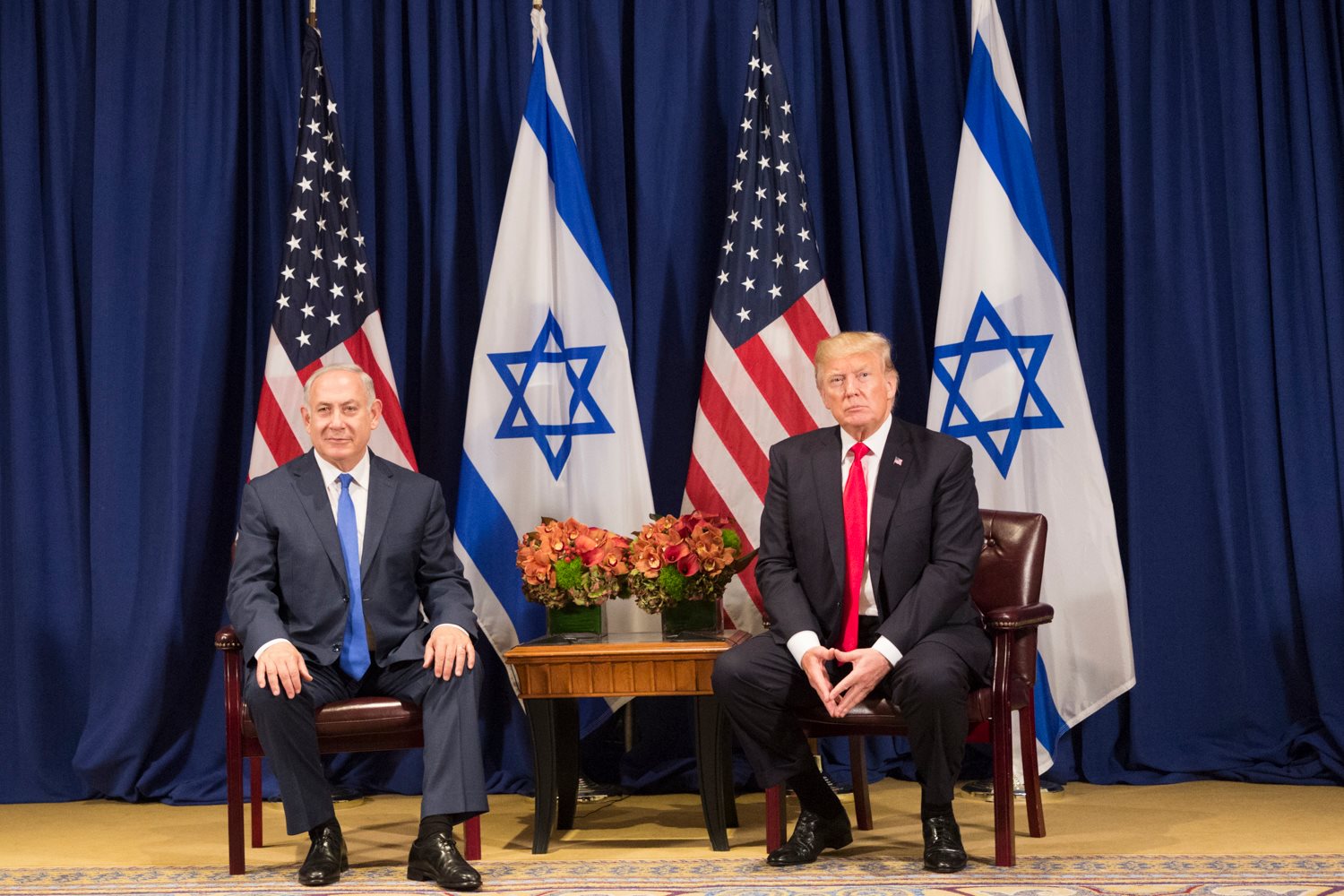
Rizk argues that recent tensions between President Trump and Prime Minister Netanyahu illustrate this dynamic clearly.
“Israel continues to hold an exceptional position within U.S. strategy, but that position is not permanent or independent of outcomes. Rather, it depends on Israel’s continued ability to serve American interests,” he concluded.
“The debate taking place in Washington today is not about abandoning Israel, but about preserving an alliance in which Israel remains a pillar that strengthens American influence rather than becoming a source of political and military costs that outweigh the benefits the partnership has provided over decades.”
Sources
- Israel to seek new security deal with the US, FT reports
- Trump reins in Netanyahu over Lebanon after Iran threatens to quit talks
- Trump Struggled to Rein In Netanyahu’s Strikes on Iran
- "Pax Americana”: A Strategy for Peace or War? [Arabic]
- Why Has America Provided Israel With Unwavering Support for 70 Years? [Arabic]
- Public Lecture: U.S.-Israel Relations—Is Israel an Ungrateful Ally? [Arabic]