Camp 17: How Libya Became a Backyard for the Rapid Support Forces Militia
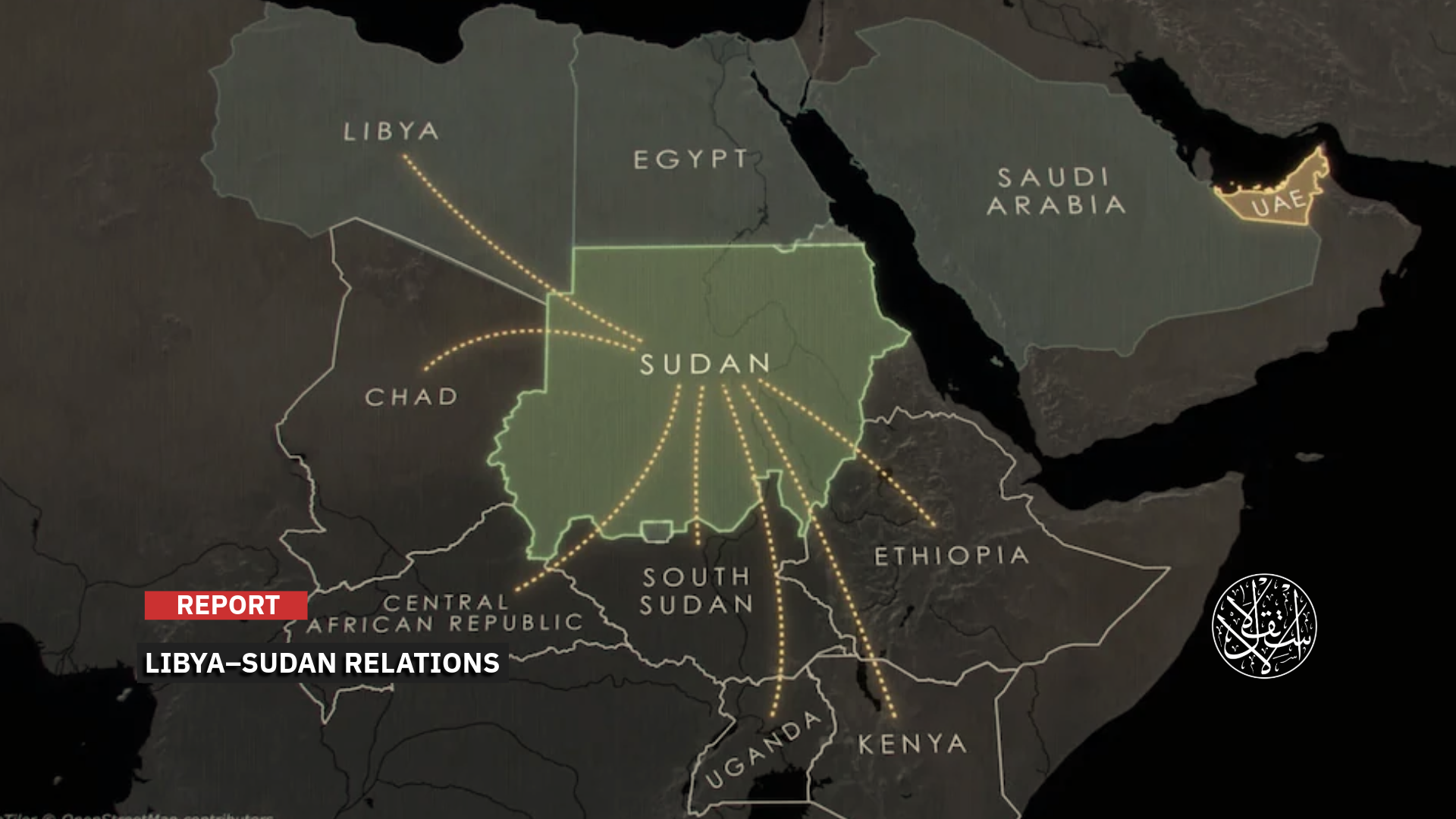
“Southern and eastern Libya have become a major backyard for the Sudanese war effort.”
Discussions about Emirati support for the Sudanese Rapid Support Forces (RSF) are no longer confined to political accusations or human rights reports. They now rely on investigative reports and open-source analyses that reveal the outlines of a cross-border logistical and military network.
In the latest of these investigations, The Telegraph, on June 29, 2026, based on an investigation conducted by the Dutch non-profit media organization Lighthouse Reports, in collaboration with the platforms Sudan War Monitor and Evident Media, revealed the existence of secret training camps in eastern Libya.
At the forefront of these camps is what is known as Camp 17, where RSF fighters receive training on operating drones and heavy weapons. This revelation reinforces the hypothesis that southern and eastern Libya have become a major rear base for the Sudanese war effort.
The investigation's findings extend beyond uncovering military training camps; they revealed an integrated network for transporting weapons, fighters, and supplies across Libyan territory to the battlefronts in Darfur and Kordofan. This suggests the existence of a cross-border logistical infrastructure supporting the continuation of military operations.
In contrast, the UAE, Khalifa Haftar's militia, and the RSF continue to deny these accusations, asserting the falsity of claims regarding any such military or logistical support.
New Training Hub
Investigators identified four previously undisclosed camps in eastern Libya, areas controlled by the militia of retired General Khalifa Haftar. These camps are believed to form part of the logistical and military infrastructure supporting the Sudanese RSF.
Among these sites is what is known as Camp 17, located approximately 19 kilometers from Benghazi. The investigation describes it as a major training center for RSF personnel, where they are trained in operating drones, heavy machine guns, rocket launchers, and various other weapons systems.
The investigation relied on a methodology that combined interviews with defectors from the RSF and officers in Haftar's militia, along with analysis of satellite imagery and hundreds of videos posted on social media platforms. The aim was to construct a comprehensive picture of the nature of activities within these camps, their operational mechanisms, and the roles they play.
The investigation quoted an RSF defector, who used the pseudonym Ahmed to protect his identity, as saying that he spent three months inside Camp 17, during which he received intensive training in the use of heavy weapons, including RPG launchers and rocket launchers.
It added that the trainers were neither Sudanese nor Libyan, but spoke English, and some of them had distinctive tattoos, noting that the recruits believed they were Colombian mercenaries brought in with Emirati funding.
The defector explained that the camp was not merely a training facility, but rather a comprehensive logistics hub through which military supplies arriving in Libya passed before being redistributed to the battlefronts within Sudan. This indicates that its role extended beyond training fighters to include managing a portion of the military supply network.
These statements align with what Human Rights Watch revealed in May 2026, when it documented the participation of hundreds of Colombian fighters in combat alongside the RSF militia.
It stated that their recruitment was carried out through private security companies linked to the UAE, before they were transported to the region to participate in training and military operations, while Abu Dhabi denied these allegations.
Logistical Support
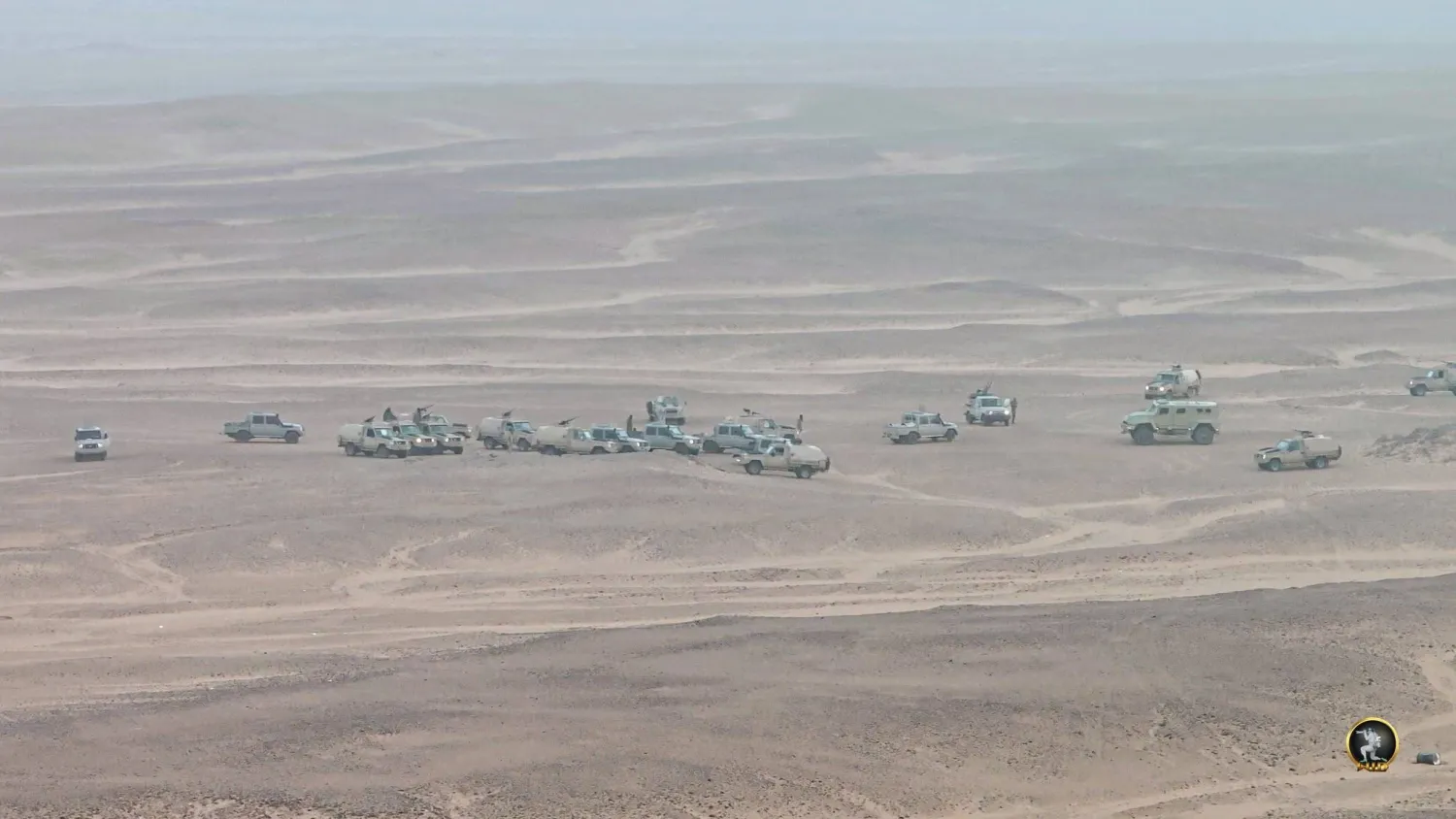
The investigation doesn't stop at the camps; it traces a comprehensive network of military supplies used by the RSF militia, from the arrival of military equipment in eastern Libya to its arrival on the front lines inside Sudan.
According to the sources cited in the investigation, military equipment enters through the port of Benghazi, in addition to cargo flights landing at military bases in eastern Libya, before being transported overland to assembly points in southern Libya, and from there to the Sudanese border via desert routes that are difficult to monitor.
This route was documented through the analysis of satellite imagery, monitoring of movement within training areas, and a review of thousands of videos published since the outbreak of the Sudanese war in April 2023, which showed the presence of RSF elements inside Libyan territory, despite repeated official denials.
In a related development, Reuters reported in a previous investigation that Al-Kufra Airport, located in southeastern Libya and controlled by Haftar's militia, became a key hub in the supply network during 2025.
Analysts observed dozens of cargo flights landing there, a pattern considered consistent with logistical support operations for the RSF.
The agency also noted that the Libyan route gained increasing importance after traditional supply lines through Chad became more complicated, particularly with the shift of the military operations center to the Darfur region. This made southern Libya a major transit point for fighters, weapons, and military equipment destined for Sudan.
The Lighthouse Reports investigation also included the analysis of more than 500 images, identifying geographical locations and linking them to the movement of military convoys between Libya and Sudan.
It also identified sites used to assemble vehicles, weapons, and ammunition before transporting them to the front lines, reinforcing the hypothesis of a cross-border logistical network managing the RSF's military supply operations.
Haftar and the RSF
Investigative reports analyzed thousands of videos posted on TikTok, Facebook, and Telegram, along with satellite imagery and geographic data, to create a comprehensive picture of the relationship between Khalifa Haftar's militia and the RSF led by Mohamed Hamdan Dagalo (Hemedti).
These analyses concluded that there are indications of close military and logistical cooperation between the two sides, based on a range of verified digital and field evidence that was linked chronologically and geographically.
Among this evidence was the appearance of Hemedti alongside Khalifa Haftar in several videos.
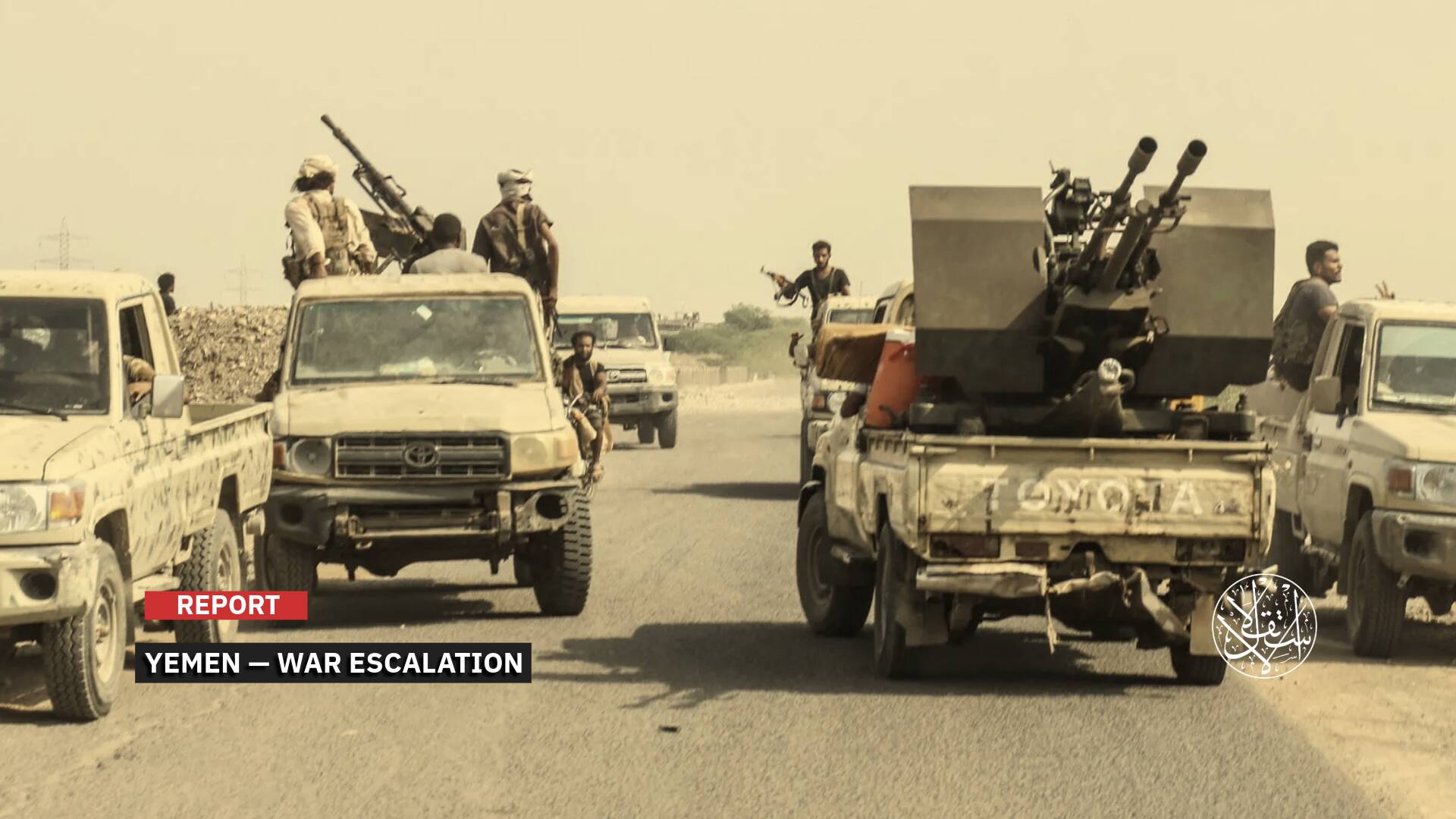
Investigators also documented the presence of Toyota Land Cruiser 79 vehicles at training and assembly sites in eastern Libya. These are the same vehicles that UN experts have previously linked to the transfer of weapons and supplies to the RSF within Sudan.
Satellite imagery corroborated defectors' statements of training grounds, military vehicle depots, and sites used to store weapons, ammunition, and military equipment, reinforcing the conclusion that these facilities are part of an integrated network for managing military supply lines and transporting equipment into Sudan.
Meanwhile, UN reports indicated that private security companies linked to the UAE were involved in recruiting mercenaries from South America before transporting them via logistical routes that included the UAE, then Bosaso in Somalia, and Benghazi in Libya, before crossing the desert into Sudanese territory.
Amnesty International also documented the presence of sophisticated Chinese weapons in the possession of the RSF, including artillery and guided bombs.
The organization considered these weapons and their delivery routes consistent with evidence from international investigations pointing to a UAE-linked military and logistical support network. Abu Dhabi continues to deny all accusations of providing any military support to the RSF.

Regional Rivalry
Recent investigations reveal that the Sudanese war is no longer limited to a military confrontation between the Sudanese army and the RSF militia.
It has transformed into an arena where arms trafficking networks, private security companies, mercenaries, and cross-border supply routes intersect, alongside regional and international competition for spheres of influence.
In this context, the German Institute for International and Security Affairs (SWP) describes the situation as part of a broader regional influence network stretching from eastern Libya and eastern Chad to Red Sea ports and the Horn of Africa.
This geopolitical competition extends beyond the Sudanese arena, granting supply lines and border crossings increasing strategic importance in the course of the war.
The discovery of the new camps comes as the RSF militia, according to field reports, prepares to intensify its military operations toward El Obeid, the capital of North Kordofan state.
El Obeid has become one of the most important and sensitive battlefronts in recent months due to its strategic location linking central and western Sudan.
The accumulation of investigative reports, open-source analyses, satellite imagery, defector testimonies, and reports from the United Nations and international human rights organizations revealed an increasingly clear picture of a cross-border military and logistical supply network in which southern and eastern Libya have become a pivotal link in the Sudanese conflict.
In this context, the revelation of Camp 17 represents the latest and most significant link in this network, not only because it sheds light on a new military training facility, but also because it reinforces the hypothesis that the Sudanese conflict has become part of a multi-sided regional struggle, where military calculations intertwine with geopolitical interests and cross-border networks of influence.
Complex Balance
In statements to Al-Estiklal, Sudanese politician Dr. Ibrahim Abdel Aati said that the ongoing transformations in southeastern Libya are no longer limited to expanding the influence of the RSF militia, but have become part of a broader political and military project aimed at building regional understandings with Chad and Niger, and tightening control over vital routes affecting the Sudanese war.
He added that these transformations have turned southeastern Libya from a local border region into an influential regional center, linking eastern Libya to the conflicts in Sudan and neighboring countries, and granting those who control it an increasing ability to influence the balance of power and the movement of military and logistical supplies.
He explained that the region has become a point of balance between three main parties, foremost among them the UAE, which views Khalifa Haftar as its gateway to the African interior, and employs funding, supply, fuel, and training camps networks to support operations related to the Sudanese war.
He added that the RSF, in coordination with Haftar's militia and with Emirati support, now control a strategic border crossing, granting them significant influence over supply lines, either by keeping them open or disrupting them. This directly impacts the course of military operations within Sudan.
He noted that this situation is being closely monitored by the United States through AFRICOM, and by France due to its military presence in Chad, along with several European countries concerned with migration and regional security.
He explained that these parties are watching with interest the growing Emirati influence in the region and are uneasy about the transformation of southeastern Libya into a permanent base for this influence, given the potential repercussions that extend beyond Sudan.
In contrast, Mr. Abdel Aati believes that Western efforts remain confined to the political and diplomatic spheres and have not yet reached the level of possessing effective leverage that could curb the deepening support that international reports accuse the UAE of providing to the RSF, or the expansion of supply networks linked to the war.
He warned that the continued fragility of the security situation in southeastern Libya, in parallel with the growing Emirati presence and the continuation of the war in Sudan, makes the region a candidate for further tension and instability, and may turn it into an open regional conflict hotspot, in which military calculations intertwine with geopolitical interests, which will affect the security of Libya, Sudan and neighboring countries alike.
Sources
- UAE-backed Sudan rebels ‘training in Libya’
- Satellite imagery reveals that the Rapid Support Forces camp in the Libyan desert remains operational [Arabic]
- UN report: Rapid Support Forces received logistical support and mercenaries via Libya [Arabic]
- A Libyan battalion facilitated the transfer of Colombian mercenaries and weapons to the Rapid Support Forces in Sudan [Arabic]