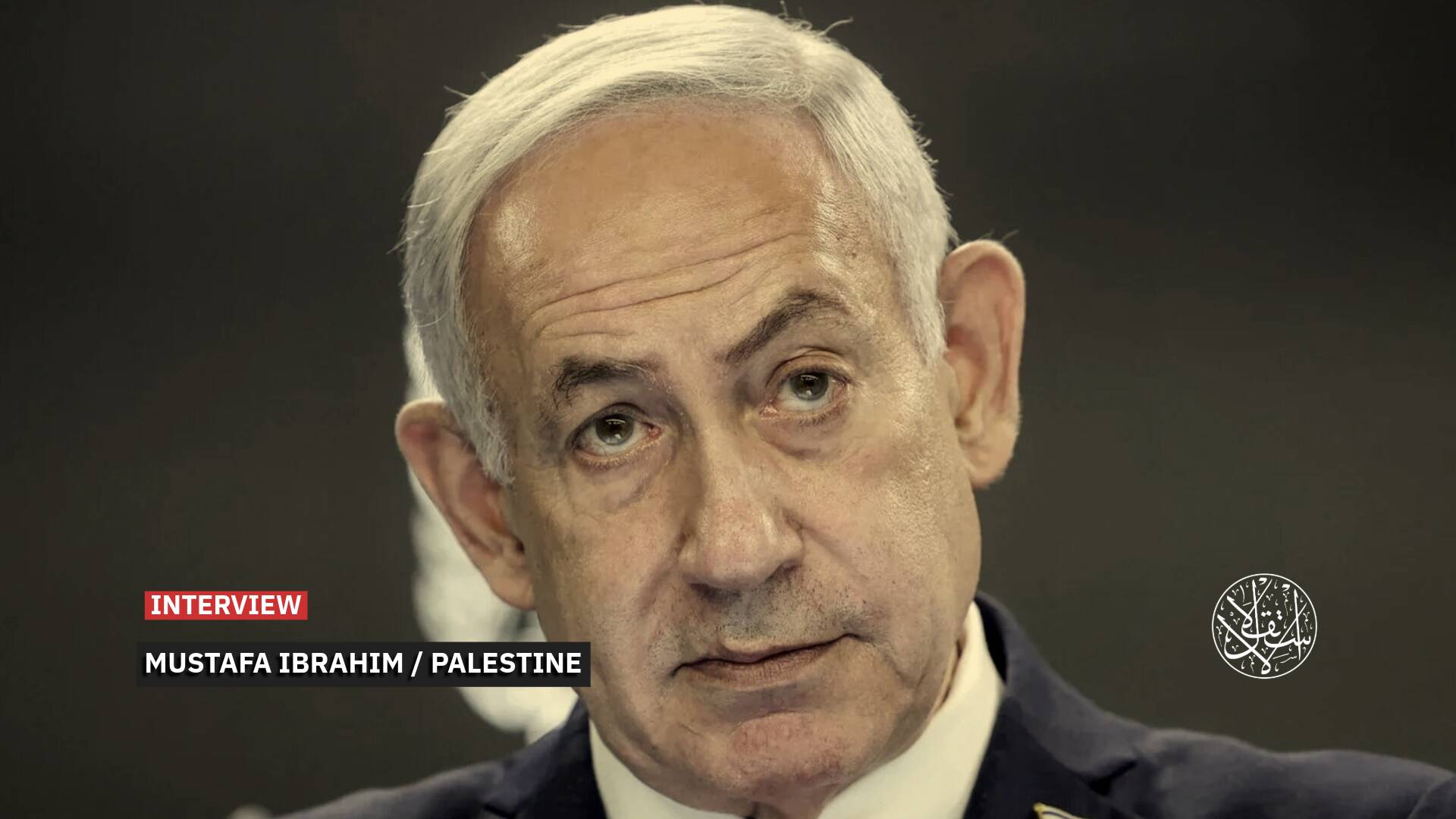
Amid Military Movements: How Israeli-Turkish Political Rhetoric Has Escalated Again
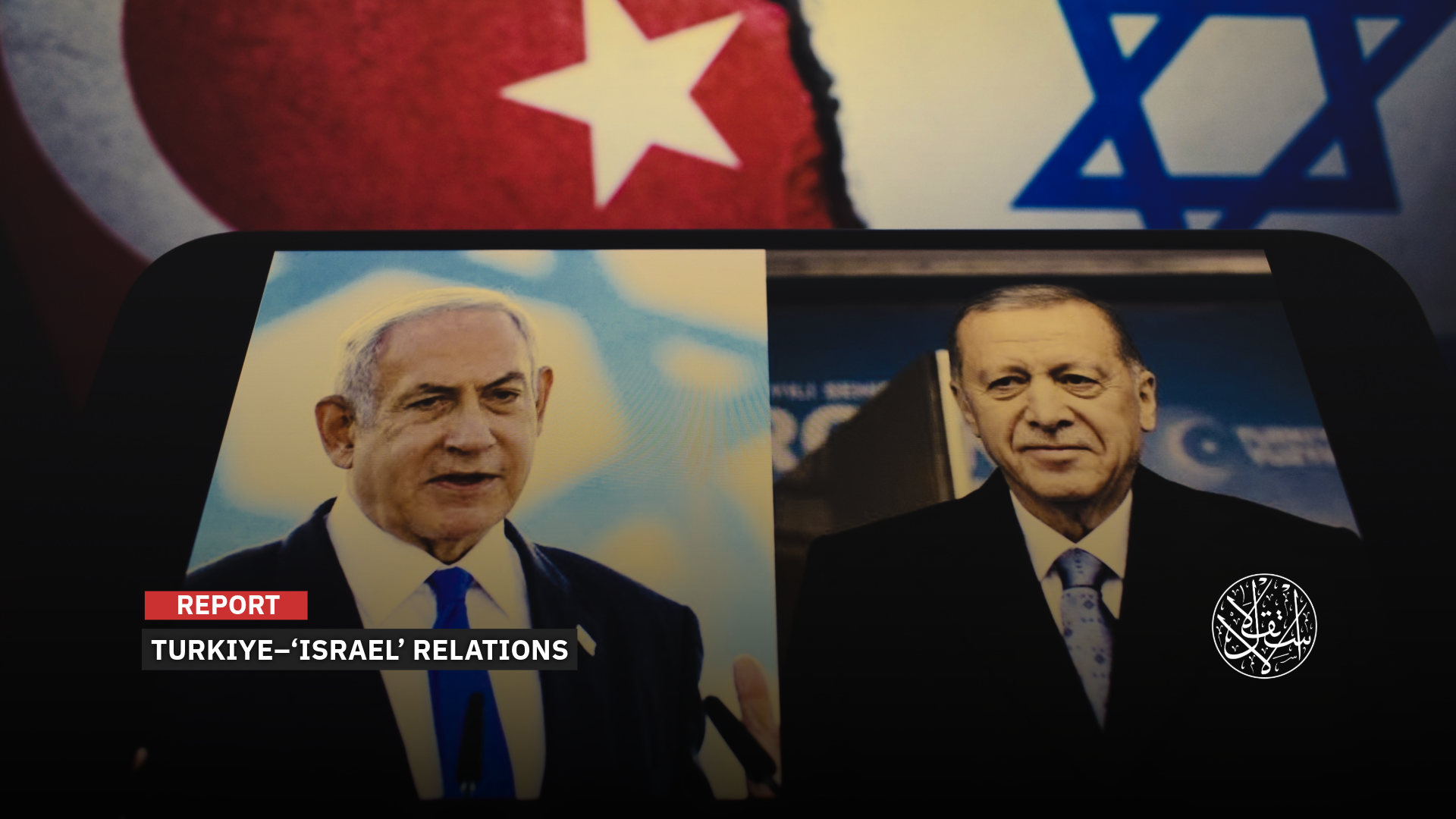
“Turkiye has been working in recent weeks to deploy radar systems inside Syrian territory.”
Despite the escalating political rhetoric between “Israel” and Turkiye, and the mutual veiled threats accompanying political and military activity in the Aegean Sea, some believe this is part of a pressure campaign to reach a deal of exchanges particularly regarding Syria and Gaza, ruling out a slide into war or military confrontation.
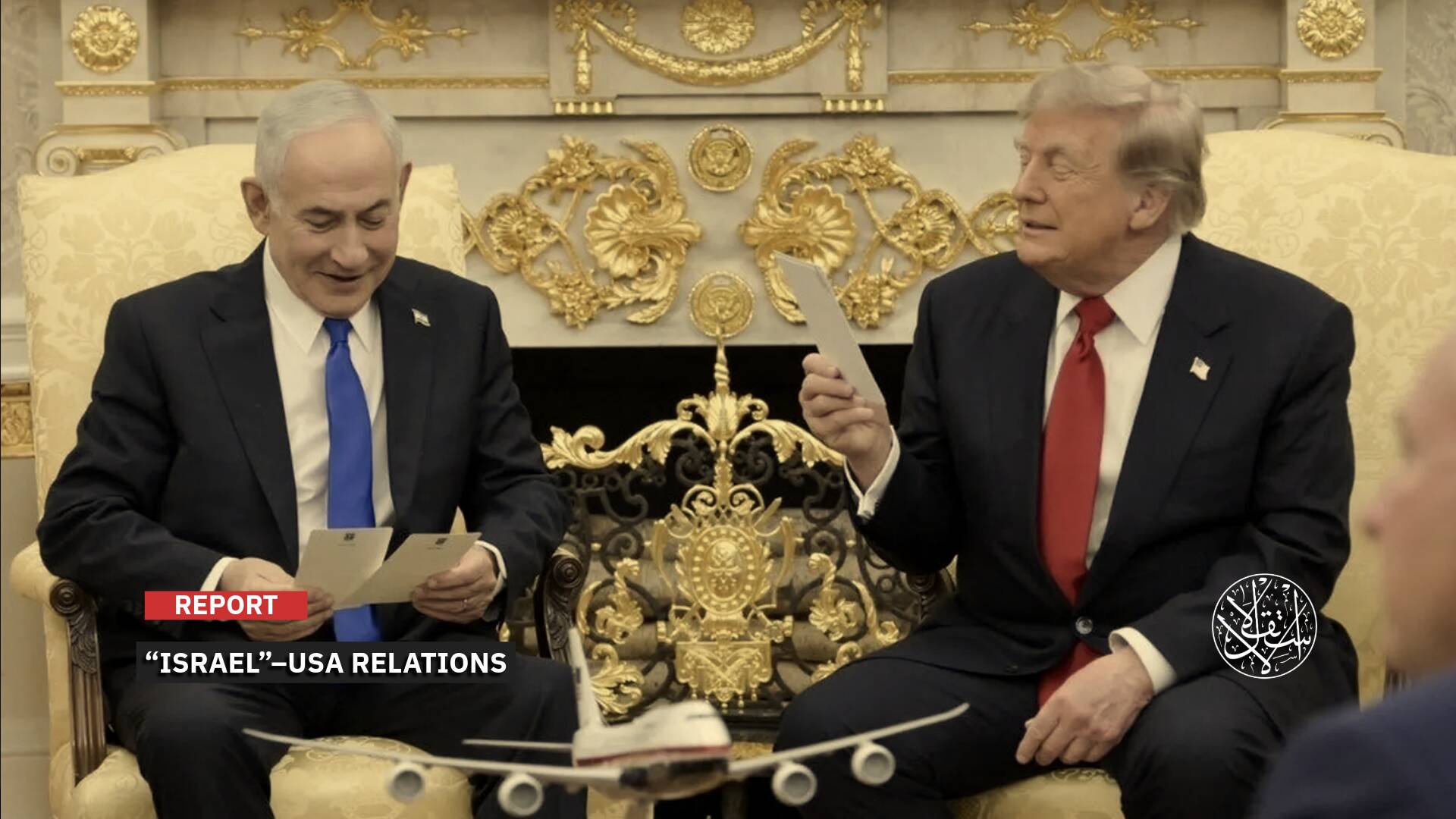
Political sources in “Israel” stated that both sides know how to activate the checks and balances that prevent a deterioration into a clash, especially with Donald Trump in the US presidency, given his well-known strong ties with both sides.
Nevertheless, veteran diplomat Alon Liel, former Director-General of the Israeli Foreign Ministry and former ambassador to Turkiye, warned that the deep-seated animosity between the two sides could lead to a mistake or miscalculation that would further deteriorate relations.
Political Messages
On December 24, Turkish President Recep Tayyip Erdogan described Israeli Prime Minister Benjamin Netanyahu as insolent, saying his hands were stained with the blood of more than 70,000 Palestinians, and that his words were nothing but empty rhetoric.
Erdogan's remarks came amid escalating media tensions between Tel Aviv and Ankara, coinciding with Israeli efforts to curtail Turkish influence, as reported by Hebrew media outlets in recent days, and statements by Israeli officials expressing growing concern about Turkiye's role in Syria.
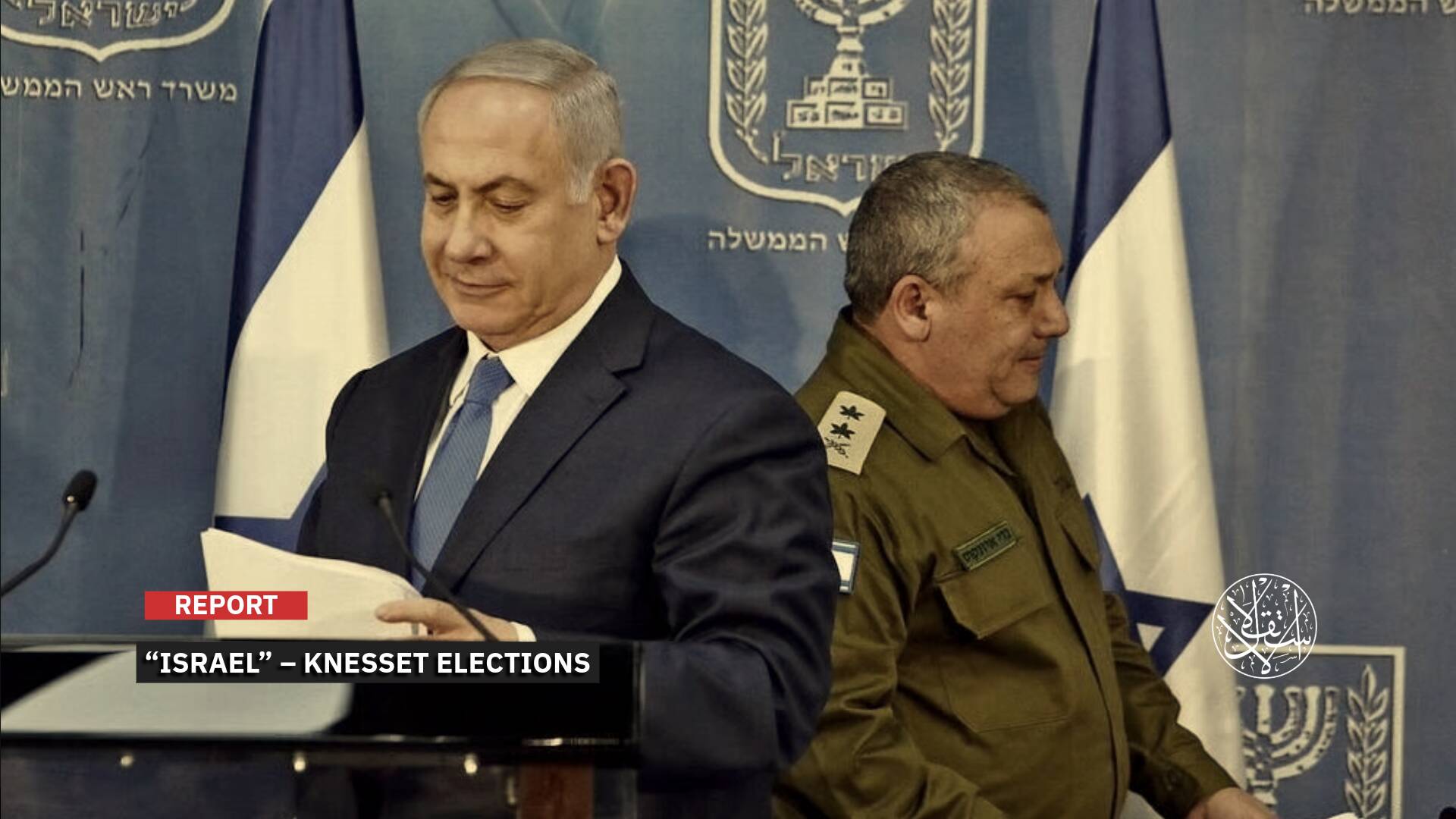
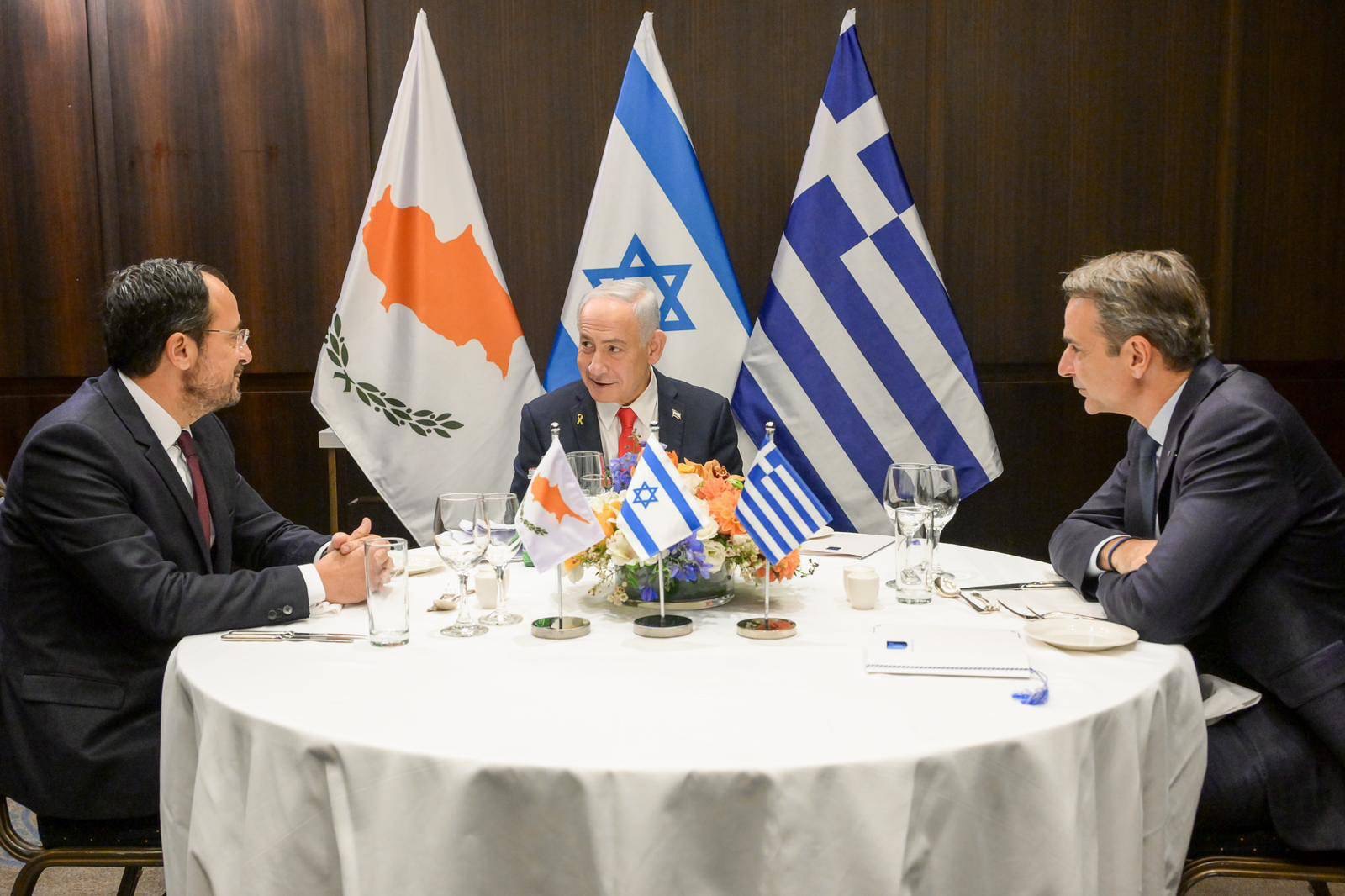
They also came two days after Netanyahu delivered veiled political messages to Erdogan, without naming him, during a press conference held in occupied Jerusalem alongside eek Prime Minister Kyriakos Mitsotakis and Cypriot President Nikos Christodoulides.
Netanyahu stated at the time that what unites “Israel” and Cyprus is their past subjugation to empires, alluding to Ottoman rule.
“To those who dream of rebuilding empires and imposing control over our lands, I say: forget it. This will not happen. Don't even think about it, because we are capable of defending ourselves, and this cooperation strengthens our capabilities,” he added.
In response, Erdogan said, “There are those who conspired against our future, and we have defeated them all with hearts full of faith, crushing their ambitions.”
He added that Turkiye, as in the past, stands today for peace and tranquility, but this does not mean it will accept injustice or remain silent in the face of oppression.
He affirmed that his country will not seize anyone's rights, nor will it allow its own rights to be seized, whether in the Eastern Mediterranean, the Aegean Sea, or anywhere else, emphasizing that agreements, documents, and political messages do not bind Ankara nor do they alter its policies.
Erdogan's remarks came a day after statements by the head of the Turkish Presidency's Communications Directorate, Burhanettin Duran, who described Israeli positions regarding Ankara's power and influence as hysterical and ridiculous.
“Turkiye will always stand shoulder to shoulder with all those who seek peace and stability, and it will not be deterred by cheap or absurd statements, such as those made by the Israeli Prime Minister regarding support for the Palestinians,” he said.
“It is ironic that Israeli leaders speak of imperial ambitions in others, while they have just committed one of the most horrific acts of genocide in history," referring to Israel's war on Gaza,” he noted.
He asserted that “Israel” has been and remains a destabilizing force, and that its ongoing hysteria regarding Turkiye's power and influence is ludicrous.
He emphasized that Netanyahu's government has brought bloodshed and tears to the region and is now attempting to divert attention from its crimes by attacking Ankara.
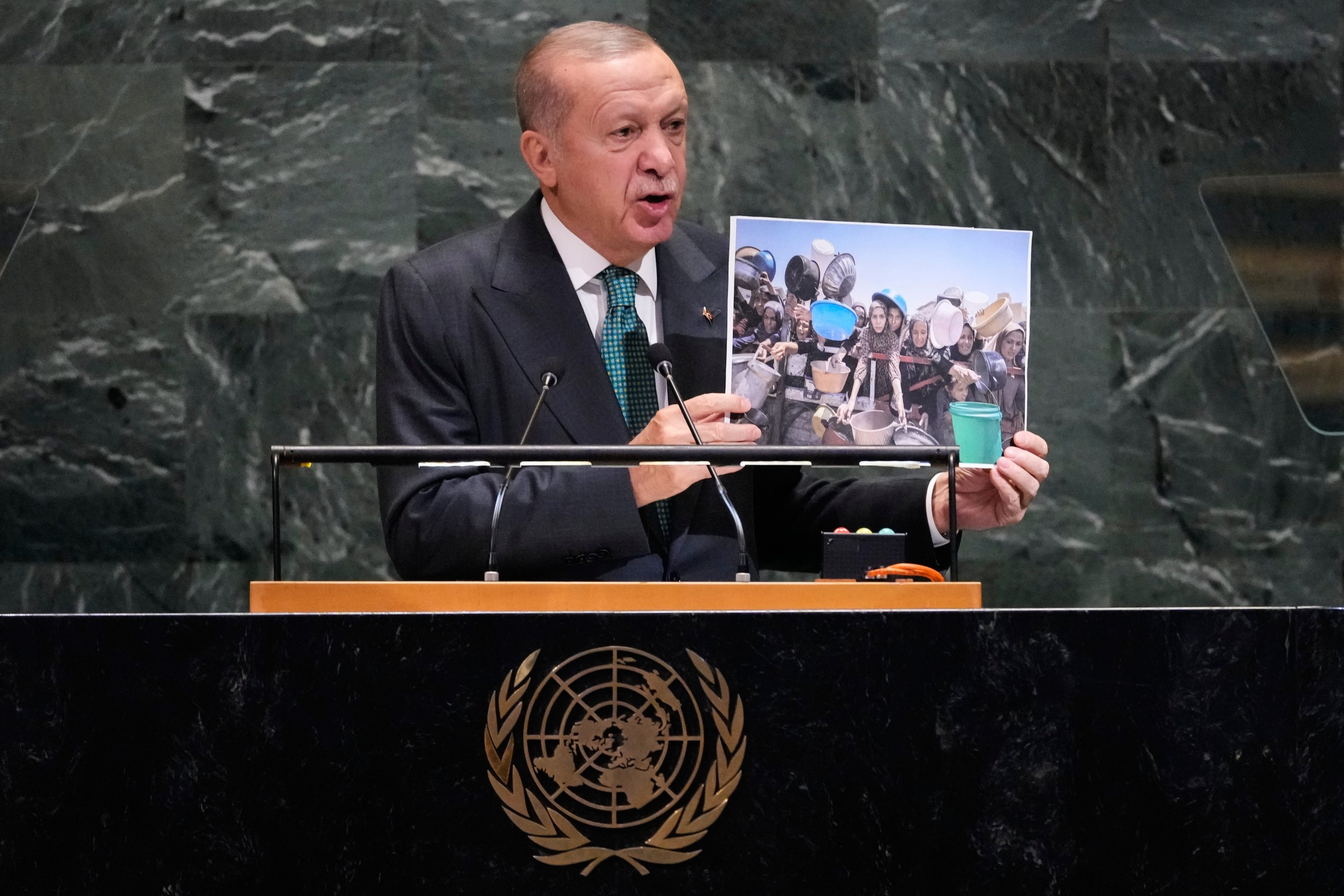
Security Deals
Over the past decade, military cooperation between “Israel” and both Greece and Cyprus has witnessed a significant increase, within the framework of an expanding security partnership in the Eastern Mediterranean, which has included joint air, land, and sea exercises.
The Greek news website Ta Nea reported last week that Tel Aviv, Athens, and Nicosia are considering establishing a joint military force as part of strengthening their strategic relations.
Despite Tel Aviv's denial of this information, the Israeli newspaper Yediot Aharonot revealed that the Israeli political leadership informed the military establishment of its intention to study this option and requested it to prepare preliminary assessments and evaluations, without yet taking any practical steps.
In the same context, Israel's Channel 12 reported last week that decision-making circles in Greece are discussing the idea of establishing a joint military force with “Israel” and Cyprus, in addition to exploring the possibility of sending an engineering force to the Gaza Strip as part of the so-called day after arrangements.
These discussions come against the backdrop of the escalating maritime dispute between Greece and Turkiye, Cyprus's chronic concerns about Ankara, and Israel's growing anxiety about the expansion of Turkish influence in Syria and the Eastern Mediterranean.
The Israeli channel quoted Greek sources expressing their fear of a Turkish invasion of one of the Greek islands, given the ongoing escalation.
The gas issue in the Eastern Mediterranean further complicates the situation, as Ankara seeks to exploit energy fields, exacerbating the dispute with Athens.
For its part, Cyprus sees rapprochement with “Israel” as a means to bolster its security capabilities and strengthen its ties with the United States.
Nicosia already has security agreements with Tel Aviv, which are believed to play a role in any potential future confrontation with Turkiye, in addition to its close relations with Greece due to national and demographic ties.
According to the Hebrew channel, “Israel” views deepening its rapprochement with both Greece and Cyprus as an opportunity to build an alternative regional axis aimed at diminishing Turkiye's role in the Eastern Mediterranean, especially given the growing relations between Turkiye and Syria following the fall of Bashar al-Assad's regime.
Furthermore, Tel Aviv seeks to leverage Athens and Nicosia's positions within the European Union to influence Brussels' policies in a way that serves Israeli interests.
Turkish Presence
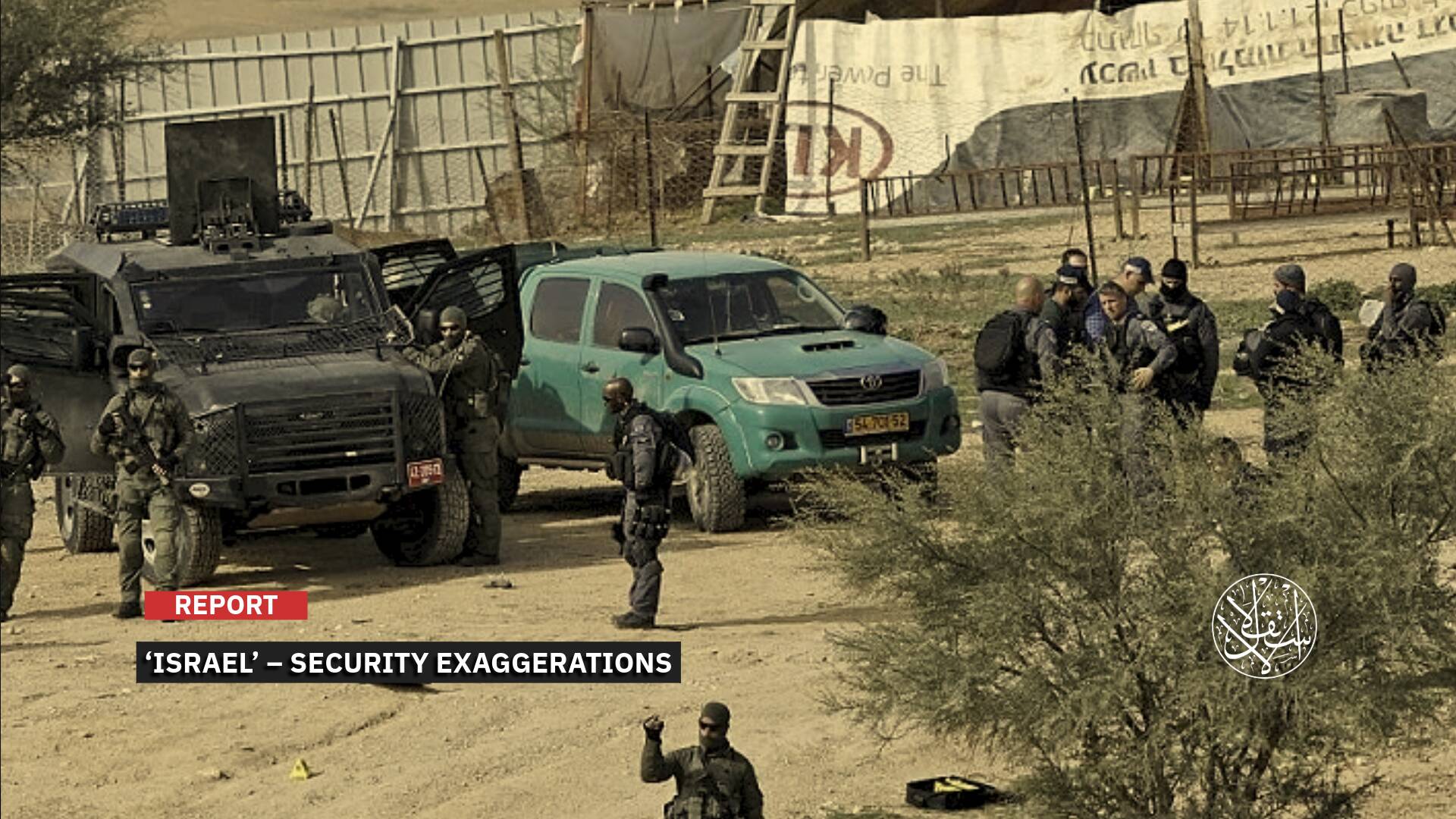
This trend is not limited to the Eastern Mediterranean, according to Yedioth Ahronoth, but is also connected to Israel's attempt to create a threat from its Syrian flank against Turkiye, with the aim of curbing Ankara's efforts to expand its military presence near its borders.
Since the fall of the Assad regime, Turkiye has significantly intensified its efforts to bolster its military and political influence in Syria.
Two Western intelligence sources told The Jerusalem Post that Turkiye has attempted in recent weeks to deploy early warning radars and air defense batteries on Syrian territory.
They indicated that deploying radars on Syrian soil would significantly restrict the freedom of action of the Israeli Air Force in the airspace over Syria, Iraq, and Iran.
Israeli sources warned that this development could limit Tel Aviv's ability to exert military and deterrent pressure, not only in the immediate vicinity, but also in any potential escalation scenario with Turkiye itself, given the rising political tension between the two sides due to Erdogan's publicly hostile stances toward “Israel”.
Regarding the Gaza Strip, Turkiye is preparing to send thousands of troops to the US-backed International Stabilization Force as part of post-ceasefire arrangements, according to Turkish officials quoted by Bloomberg.
However, “Israel” has repeatedly declared its categorical rejection of Turkish troop participation. Israeli government spokesperson Shosh Bedrosian stated, “There will be no Turkish soldiers on the ground in Gaza.”
Israeli Foreign Minister Gideon Sa'ar confirmed that his country rejects Turkish participation due to President Recep Tayyip Erdogan's long-standing animosity toward “Israel”. Prime Minister Netanyahu emphasized that Tel Aviv alone determines which forces are unacceptable.
According to Israeli assessments, the participation of a Turkish military unit of approximately 1,000 or more troops could, from Tel Aviv's perspective, facilitate the smuggling of weapons and military manufacturing materials into the Gaza Strip.
It is worth noting that the Turkish president is pressuring the US administration to allow Turkish military deployment in Gaza, leveraging his relationship with Trump, despite staunch Israeli opposition.
According to Yedioth Ahronoth, “Israel” is not currently seeking a direct military confrontation with Turkiye. However, given Erdogan's escalating policies and the support he receives from the US administration, “Israel” is working to build a potential political and military threat against Ankara by forging closer ties with its regional rivals.
Nevertheless, the newspaper emphasizes that the intervention force remains in the conceptual stage, and that current developments are limited to preliminary planning and media leaks, particularly in the Greek media, aimed at pressuring Ankara to reconsider its regional calculations.

In this context, political analyst Mahmoud Alloush told Al-Estiklal that the tripartite alliance seeks to contain Turkish influence in the Eastern Mediterranean through joint energy and military armament projects.
He pointed out that ignoring Turkiye’s geopolitical, historical, and strategic role in the region casts doubt on the ability of these efforts to produce lasting stability.
“Collective force alone, without acknowledging the realities of the region and the weight of the key players, may lead to an escalation of tensions rather than creating an environment of peace and stability,” he added.
As for the United States, Mr. Alloush observed that Washington is no longer alarmed by any Israeli-Turkish dispute and now believes that both sides are exerting pressure to reach some kind of agreement, for example, that Tel Aviv would accept a Turkish role in Gaza, and that Ankara would accept an Israeli role in Syria.
Sources
- Turkey attempting to deploy radars within Syria, western intel. sources tell 'Post' - exclusive
- Alluding to Turkey, Netanyahu hits out at those who fantasize they can reestablish their empires
- Erdogan warns Israel, Greece and Cyprus: Turkey will defend its maritime rights
- Greece, Israel and Cyprus Reignite a Strategic Triangle
- Cyprus-Israel-Greece summit: A new equation in the Eastern Mediterranean?