‘The Doomsday Option’: What Are the Chances It Could Be Triggered in a Looming Washington–Tehran Confrontation?
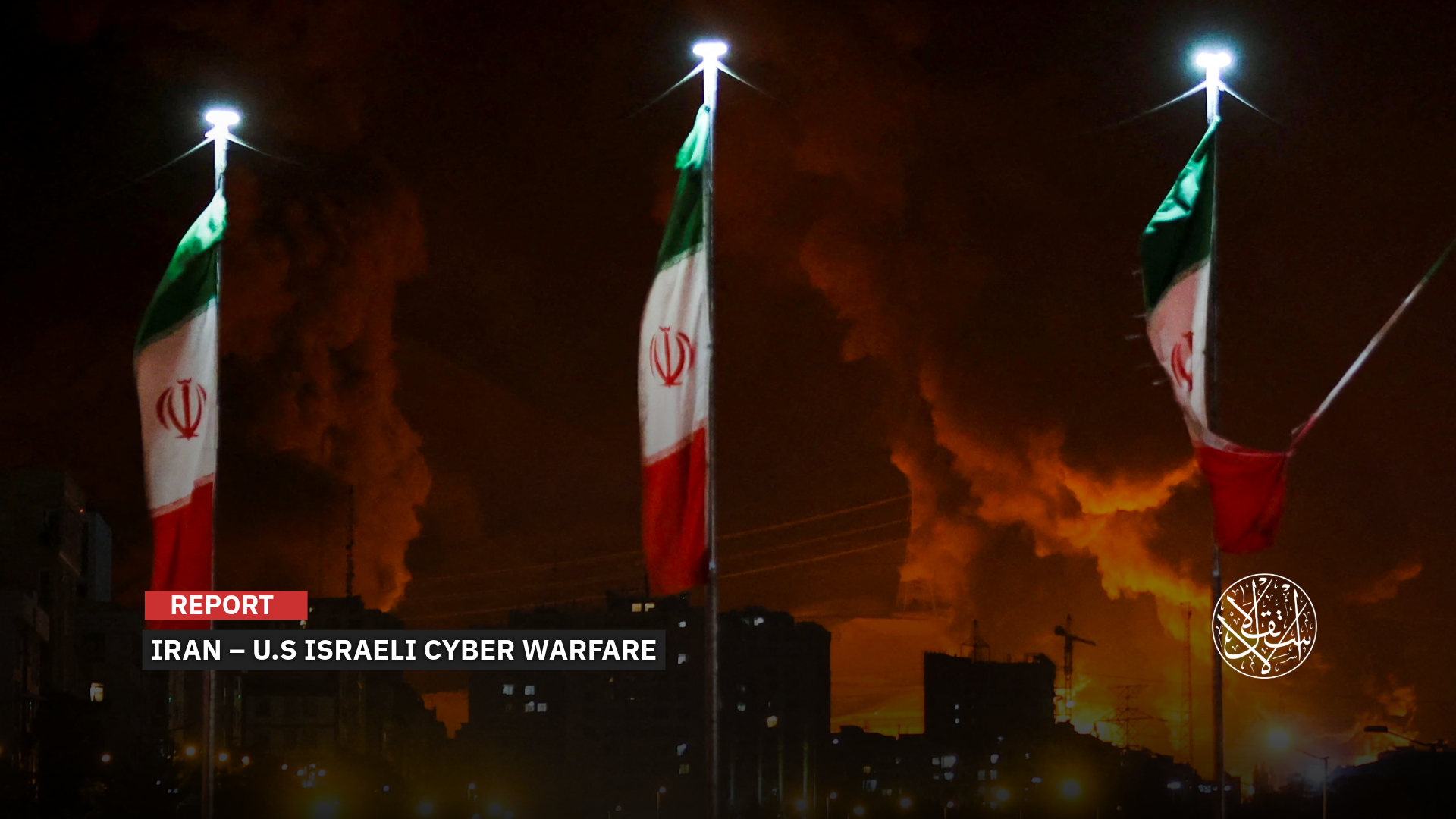
The term “Doomsday” does not feature in Iran’s formal military doctrine, nor does it appear in statements issued by the Islamic Revolutionary Guard Corps.
In “Tel Aviv,” the idea of a maximal Iranian response is no longer just a theoretical scenario debated in think tanks; it has become a daily concern within both the military and political establishments.
On Friday, February 20, 2026, the Israeli army spokesman, Brigadier General Effi Dferin, said in a video statement that the military was closely monitoring regional developments, emphasizing that the Occupation Armed Forces were on defensive alert amid rising public discussion about the possibility of a U.S. strike on Iran.
On the same day, Reuters cited Israeli officials saying they believed the gaps between Washington and Tehran had become unbridgeable, with the likelihood of near-term military escalation high, and Israeli preparations underway for potential joint action with the United States.
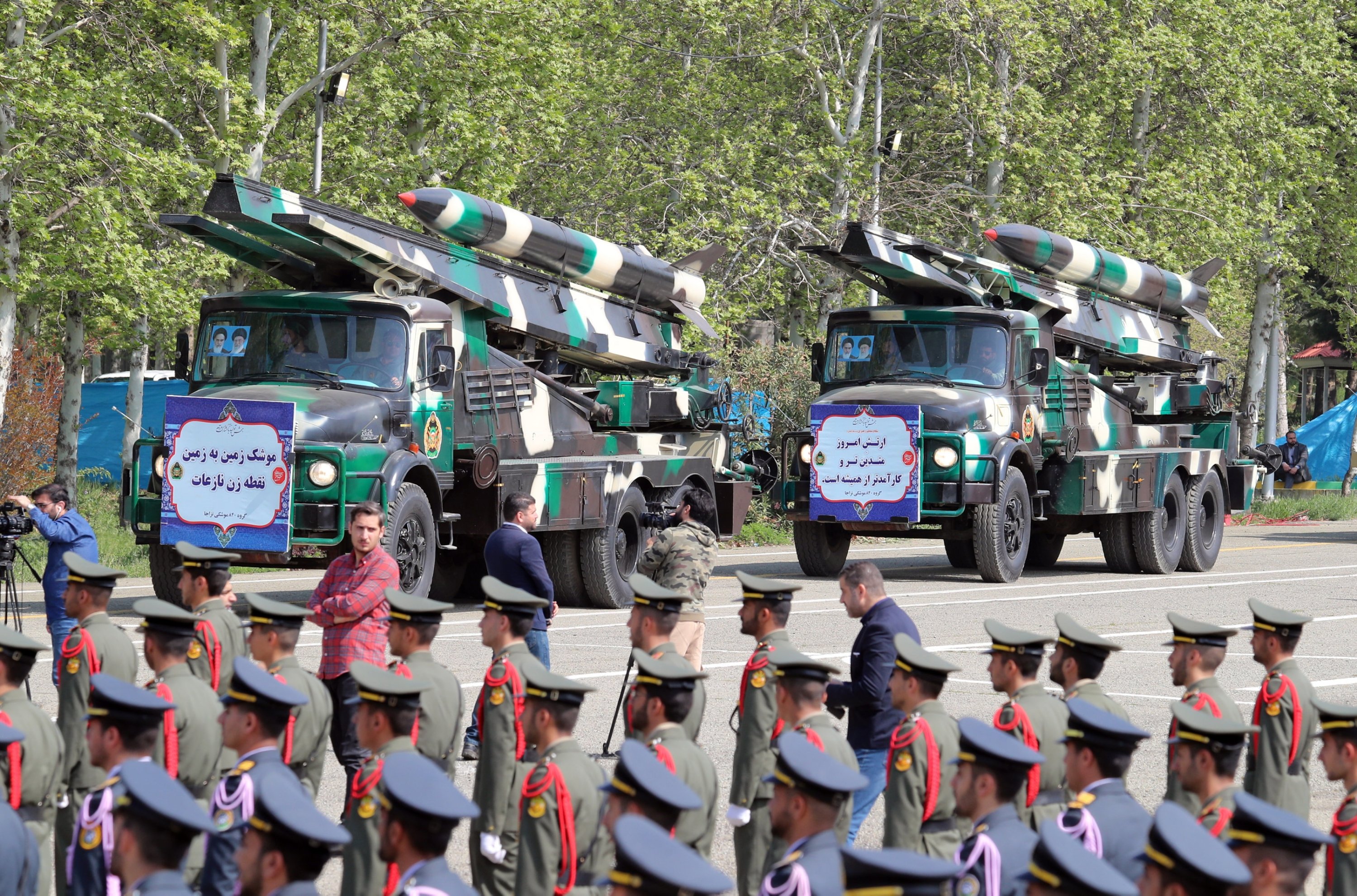
The ‘Doomsday’ Option
Israeli concern does not focus solely on the potential strike itself, but rather on its consequences and the cascade of simultaneous responses that could drive the cost of war far beyond any expected gains.
In this context, strategic analyses have invoked the term “Doomsday Option” to describe the maximum deterrence measures Tehran might resort to if it felt directly existentially threatened.
Hebrew-language newspaper Maariv reported that the Israeli Occupation Forces have been on high alert for about a month, with readiness increasing day by day amid fears that Iran could employ this “option” in the event of a broad confrontation.
Two points are important to note. First, the term “Doomsday” does not appear in Iran’s formal military doctrine, nor in statements issued by the Islamic Revolutionary Guard Corps (IRGC).
Second, in research literature, it does not necessarily imply a nuclear weapon, but rather a coordinated, multi-domain escalation package covering sea, air, land, and cyberspace, targeting “Israel,” the U.S. presence, and key global economic nodes simultaneously.
On August 14, 2025, the International Institute for Strategic Studies in London published a report examining a scenario in which Iran might activate what is known as the “Doomsday Option.”
To understand the roots of Israeli concern, it is enough to recall the direct confrontation between Iran and “Israel” in June 2025, described by the Institute for National Security Studies (INSS) as the most intense escalation between the two sides to date, and the first large-scale direct confrontation, running from June 13 to June 24.
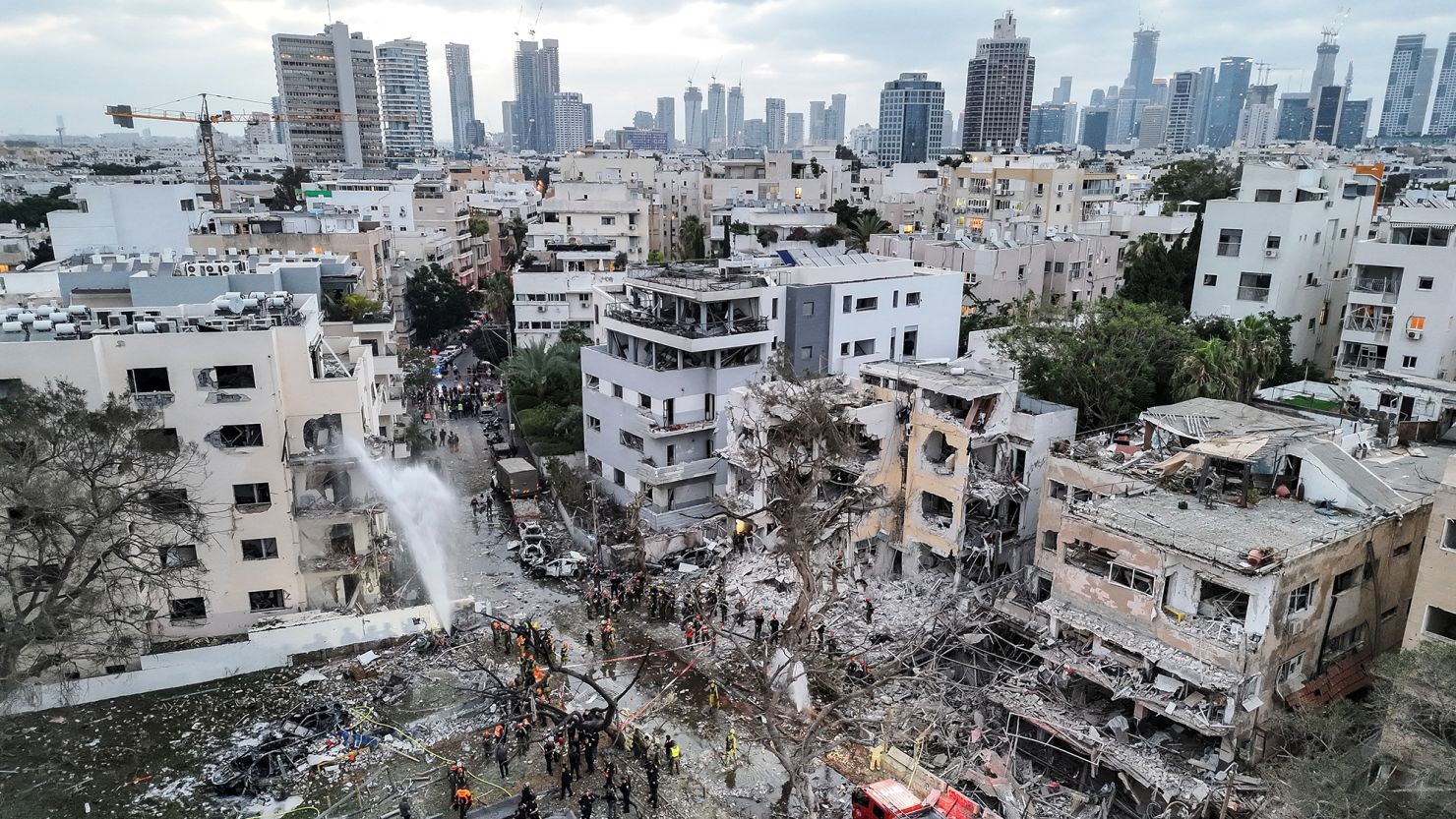
Although the conflict was short-lived, its implications were significant. Iran launched more than 500 ballistic missiles in successive waves, applying unprecedented pressure on “Israel’s” home front.
Twenty-two missile waves were recorded over 12 days, with the scope of targets expanding beyond military sites to include security installations, infrastructure, and residential areas.
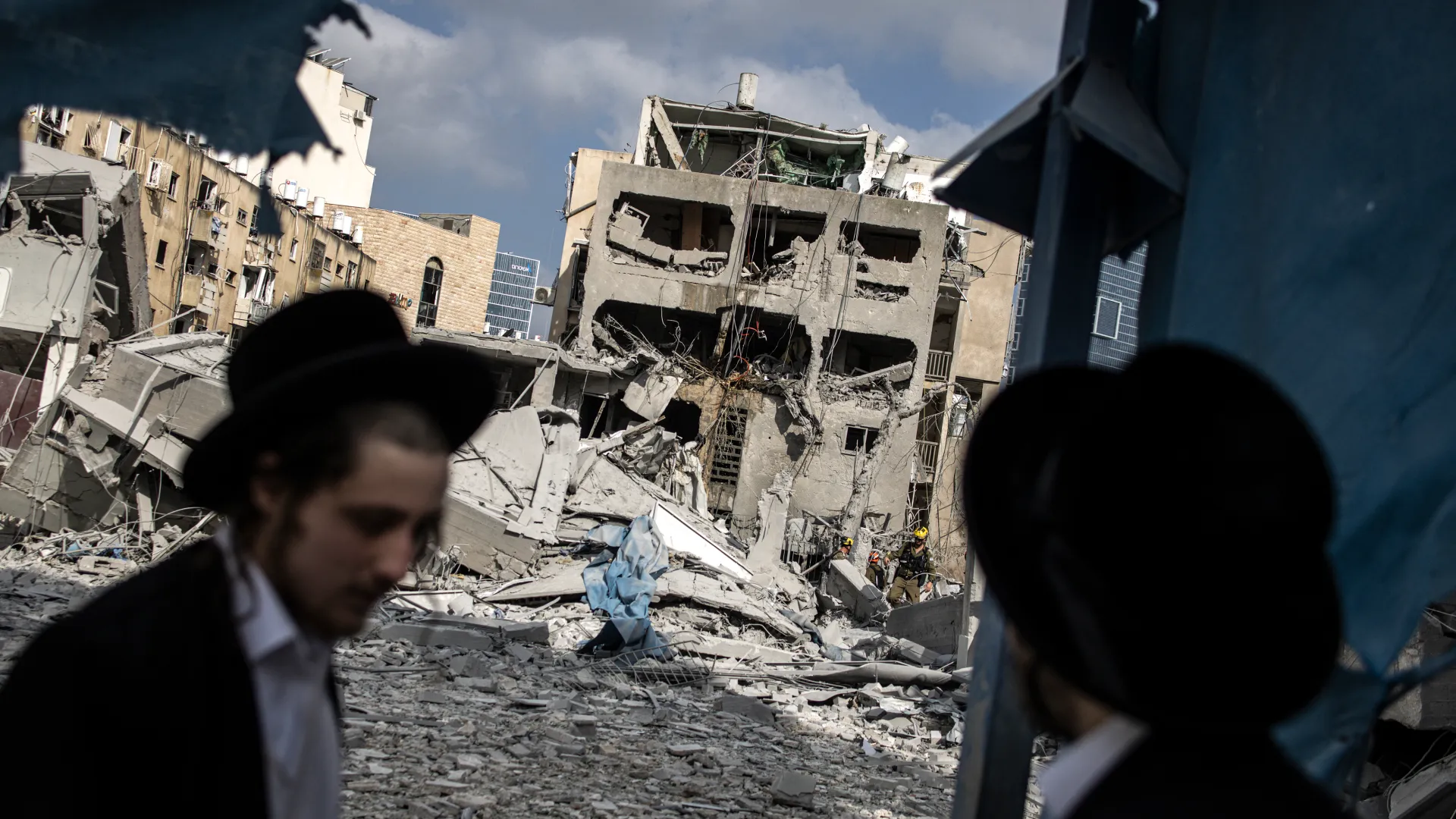
Among the most notable strikes, a missile hit the Rabin Camp complex in the HaKirya area of central “Tel Aviv”, the heart of “Israel’s” command system, which houses the Occupation Armed Forces General Staff tower, the Ministry of Defense, and fortified command rooms.
Damage was also reported at Tel Nof Airbase near Rehovot, and in the vicinity of the Glilot Camp in Herzliya, a key hub for the military intelligence Unit 8200.
The most sensitive strike, both symbolically and operationally, targeted the Weizmann Institute of Science in Rehovot on June 15, just two days after “Israel’s” first strike on Iran.
Satellite imagery showed direct hits on buildings within the institute, including the Ullmann Building for Life Sciences and a new chemistry building under construction, with the blast affecting several other structures.
The strike caused damage to dozens of facilities within the campus, halting a significant portion of research operations, with estimated losses in the hundreds of millions of dollars.
Israeli and international reports also noted damage to dozens of laboratories and the loss of years’ worth of research data, making the attack extend beyond the military sphere to strike at the very symbol of “Israel’s” scientific edge.
Closure of the Strait of Hormuz
What unfolded in June 2025 was a brief, time-limited version of a direct confrontation, but “Israel” fears that a wide-ranging U.S. strike inside Iran could turn that scenario into a larger, more complex clash, with denser attacks across multiple fronts and economic and political costs that exceed narrow military calculations.
In this context, the concept of the “Doomsday Option,” as presented in think tank literature, takes shape. Strikes on “Tel Aviv” are only part of the picture.
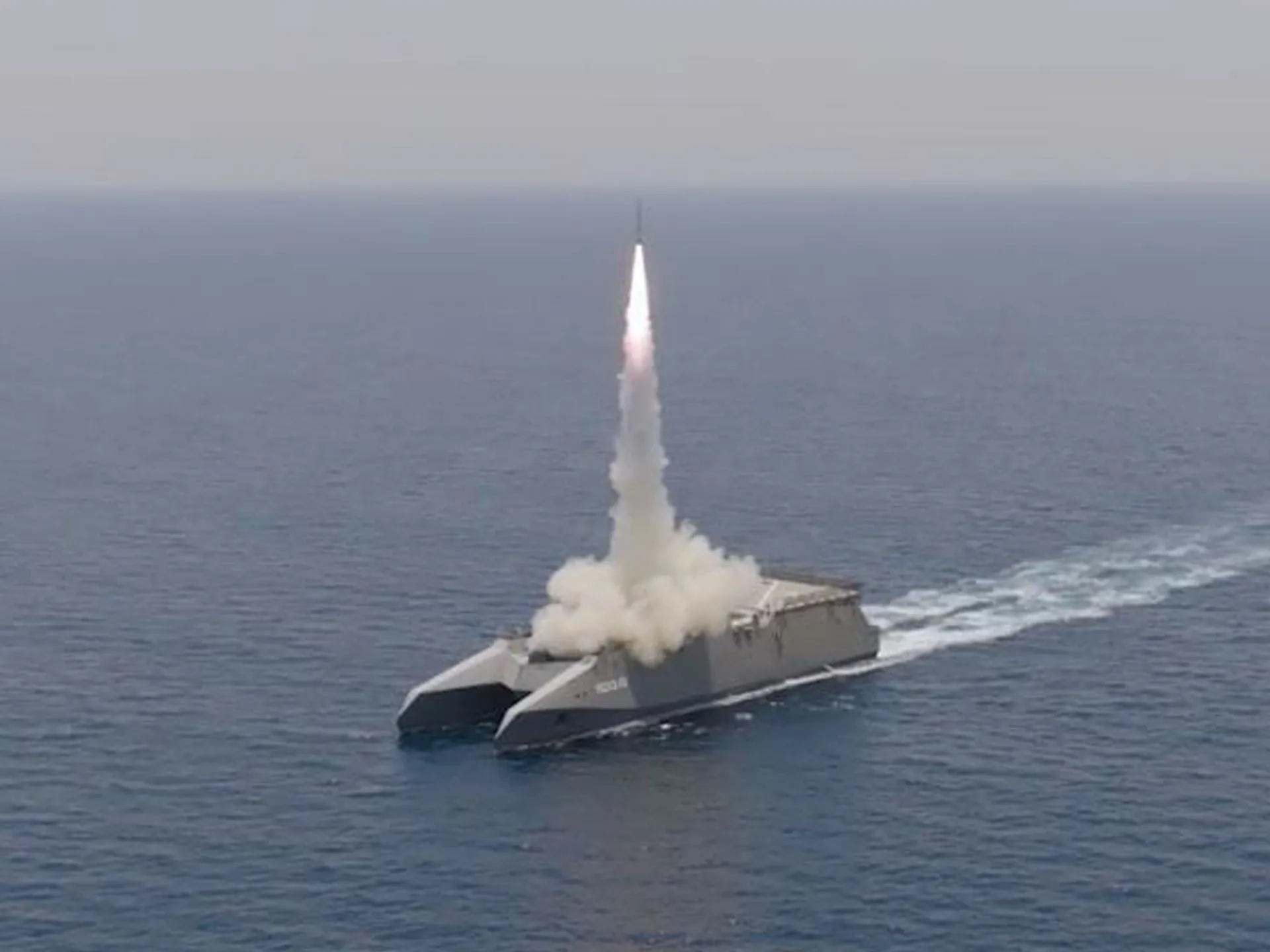
Another equally sensitive element involves crippling the world’s energy lifeline through the Strait of Hormuz.
The strait’s significance is not just symbolic, but numerical. International and U.S. reports indicate that roughly one-fifth of seaborne oil trade passes through it, with recent coverage citing a figure close to 20 percent of global oil supplies.
Any disruption there would affect not only energy markets, but also shipping and insurance costs and global supply chains.
As early as 2018, the Washington Institute for Near East Policy noted that Iran is unlikely to be able to impose a full, long-term closure of the strait due to U.S. naval superiority.
At the same time, it warned that Tehran retains escalation options short of total closure, which could still be economically disruptive, including interfering with navigation, raising risk premiums in markets, harassing ships, carrying out rapid operations, and possibly deploying mines, anti-ship missiles, or other asymmetric measures.
This is no longer just a theoretical debate. On February 17, 2026, Iran announced that it had temporarily closed the Strait of Hormuz for several hours during live-fire exercises, a move described by the Associated Press as rare and likely to heighten tensions.
From “Tel Aviv’s” perspective, even a limited, temporary disruption could be enough to create international pressure on “Israel” and the United States to contain escalation.
If energy markets fluctuate and shipping and insurance costs rise, the confrontation could quickly shift from the military battlefield to the global economic arena.
Bases and Fronts
A core component of what is described as Iran’s “Doomsday Option” involves targeting U.S. bases across the region, aiming to expand the scope of the conflict from the outset.
Washington and “Tel Aviv” assess that if Iran were hit by a wide-ranging U.S. strike, it could seek to transfer the cost directly to American forces stationed in its regional vicinity.
On February 20, 2026, Reuters cited officials saying that Iran had threatened to respond to U.S. bases in the region if attacked, warning that escalation could quickly turn into an “ugly” confrontation.
These bases are spread across key Gulf states, including Qatar, Bahrain, Kuwait, Saudi Arabia, and the United Arab Emirates, as well as Oman, with additional U.S. military presence in Jordan and Iraq.
This type of retaliation would push the confrontation beyond the “Israel-Iran” framework, risking a direct U.S., Iran war, a scenario “Israel” fears, in which any limited clash could escalate into a full-scale regional conflict with uncontrollable dynamics.
The “Doomsday Option” also involves opening multiple fronts through regional allies, embodying the idea of a “A war waged on multiple fronts.”
According to the Washington Institute for the Study of War, if a U.S. strike comes by air and sea, Iran’s response could be horizontal, distributing fire across multiple arenas to stretch defenses and exhaust political decision-making.
This could include Lebanon via Hezbollah, Iraq through allied militias, Yemen through the Houthis, and Syria via pro-Iranian groups.
This network, the institute says, forms the backbone of Iran’s regional deterrence, allowing it to expand the threat beyond missile launches from Iranian territory alone.
During the 2025 confrontation, strikes remained relatively direct, but the 12-day campaign demonstrated that simply widening the target range within “Israel,” from security sites to infrastructure and residential areas, was enough to heighten internal fear.
The Institute for National Security Studies noted that the heavy missile barrages significantly increased fear and anxiety within Israeli society.
In the event of a full-scale war, opening multiple fronts would create compounded pressure: medium-range ballistic missiles from Iran, short- and medium-range missiles from the north, drones and long-range missiles from the south, alongside attempts to disrupt navigation in the Red Sea or the Gulf.
At that point, the question would no longer be whether defense systems can intercept missiles, but how long “Israel’s” air defense and civilian resilience can withstand sustained, simultaneous pressure from multiple sources.
Zero-Sum War
Among the elements associated with the “Doomsday Option” in Israeli security thinking is the idea of striking deep directly through the principle of “saturating defenses.”
The 2025 war provided a real-world example for this concept. Iran launched successive missile waves targeting a diverse range of sites, and under strict Israeli military monitoring, limited but sufficient indicators emerged to confirm that some strikes reached sensitive areas within and around “Tel Aviv.”
Military research centers discuss a scenario based on launch density and variety, including ballistic missiles, drones, and possibly cruise missiles, forcing defense systems into operational and temporal congestion: a high number of interceptions in a short period, depletion of interceptor stocks, and a reduced ability to protect every target simultaneously.
In this context, the list of potential targets expands beyond airbases and command centers to include critical infrastructure across regions.
Here, cyberwarfare emerges as a complementary component to missile strikes within the activation of the “Doomsday Option,” not a substitute.
When the goal becomes paralyzing daily life and disrupting the home front, digital networks become targets as important as military runways.
Cyberattacks can hit electricity, water, banking systems, supply chains, and communications, in what some literature describes as “deterrence through chaos.”
The objective is not total destruction, but creating enough disruption to impede the state’s normal functioning.
In a tense regional environment, these attacks may not remain confined to “Israel” but could spill over into neighboring countries, creating additional pressure on U.S. allies and pushing them to demand containment of escalation before it turns into a cross-border regional crisis.
In a statement to Al-Estiklal, Syrian academic Ibrahim Yaouz said that discussions about toppling the Iranian regime through a military strike or limited escalation campaign involve a significant oversimplification.
Wars aimed at completely ending a political system rarely conclude with a clean strike or short operation, he explained, but often evolve into open existential conflict.
Yaouz added that any plan targeting the leadership or attempting structural change, as former President Donald Trump hinted when discussing the assassination of the Supreme Leader or regime replacement, effectively pushes Tehran into a “survival or collapse” scenario, one of the most dangerous conflict states. When the regime feels it is being driven toward collapse, it will not respond with crisis management logic but with total resistance logic, treating the conflict as a battle for survival rather than a mere power struggle.
He noted that Iran is not isolated in the international balance of power, as it maintains strategic relations with major powers such as Russia and China, neither of which would welcome the toppling of a regional ally in this manner, given the potential implications for regional influence maps.
In his view, this international dimension makes any attempt to eliminate the Iranian regime a step beyond the regional level, entering calculations of global balance.
Yaouz emphasized that if the Iranian regime finds itself on the brink of collapse, the “Doomsday Option” could move from theoretical description to practical action.
He stressed that this option is not limited to direct military retaliation but encompasses the full spectrum of available force: missiles, activation of regional allies, naval pressure, and cyberwarfare.
He concluded that “Israel” understands that any confrontation sliding toward a zero-sum war will not be short or confined to a single front, but will become a prolonged, complex, and extended conflict, unlike any war it has previously fought, prompting “Tel Aviv” to prepare for a scenario in which military, political, and strategic calculations intersect in unprecedented ways.