How Oman Exposed Washington’s Use of Negotiations as a Cover for War
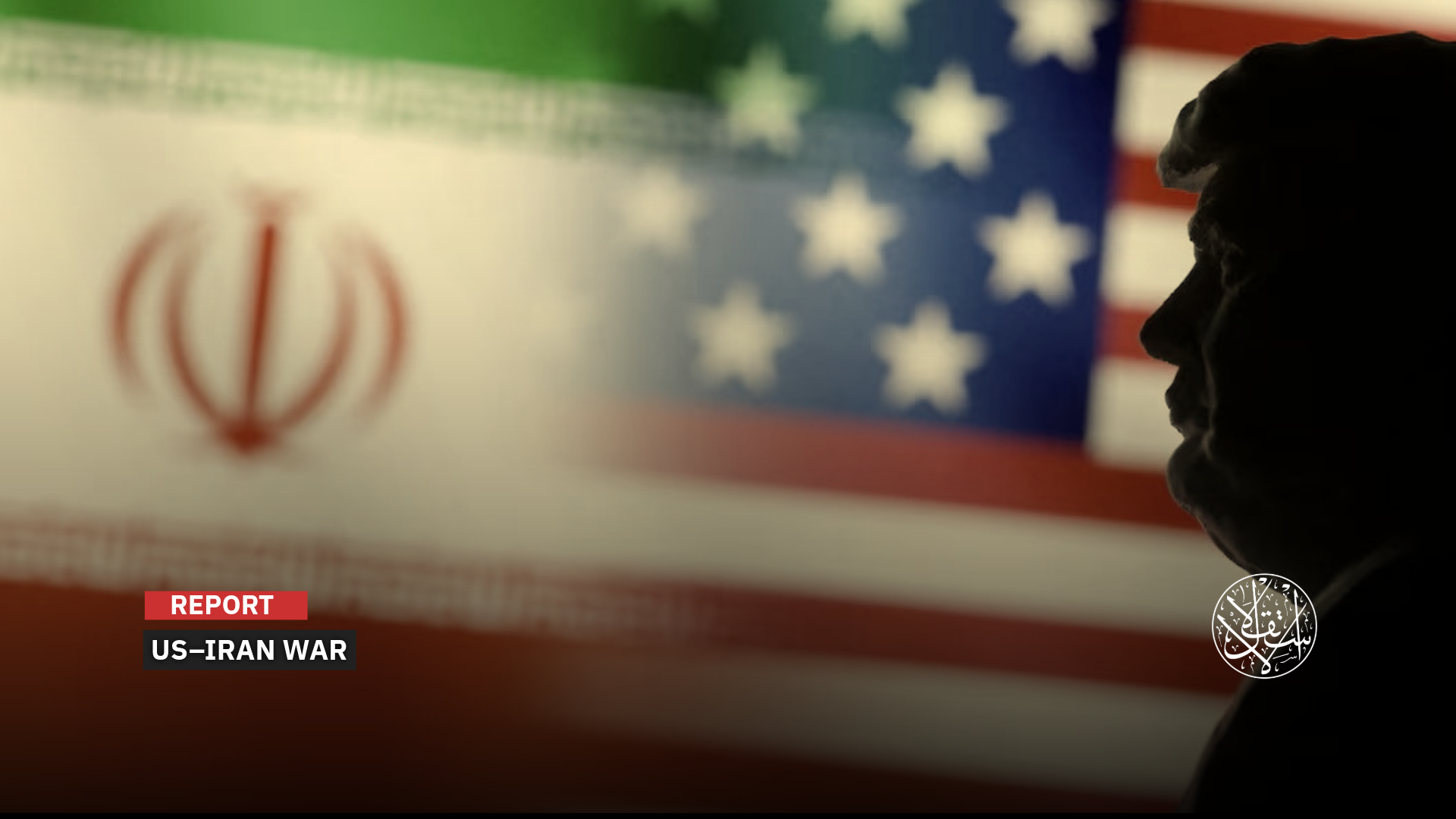
“Observers believed the negotiating track served as a prelude to military action.”
Before the US-Israeli attack on Iran, the appearance of Omani Foreign Minister Badr Albusaidi on CBS News was noteworthy, discussing the results of the negotiations with Iran and revealing indications of a possible breakthrough.
However, the subsequent military strike on Iran reignited the debate surrounding the nature of the nuclear negotiations between Washington and Tehran. Observers believed the negotiating track served as a prelude to military action.
Israeli and American reports linked the attack to prior coordination between Israeli Prime Minister Benjamin Netanyahu and US President Donald Trump to determine the timing of the strike. This was reinforced by statements from some diplomats and political accounts from mediators involved in the Iranian file, including the Omani Foreign Minister.
Analysts believe that the Iranian nuclear program was not the ultimate goal for the United States and Israel. Rather, their broader strategy, in their estimation, tends toward attempting to weaken or change the structure of the political regime in Iran, an objective that Washington is expected to continue pursuing.
Political Message
On February 22, Omani Foreign Minister Badr Albusaidi announced that the US-Iranian negotiations scheduled to be held in Geneva on February 26 had gained positive momentum, emphasizing efforts to reach a final agreement.
Following the conclusion of the Geneva negotiations and the escalation of US and Israeli statements regarding the necessity of a military strike against Iran, Albusaidi appeared on CBS News' Face the Nation at a time described by observers as a clear political message.
During his speech, the Omani minister emphasized that there is no justification for war with Iran. He stated that it would be a war of choice, not necessity, and assessed that diplomacy had achieved a significant breakthrough in the nuclear file.
He indicated that the negotiations had achieved unprecedented progress, culminating in understandings stipulating that Iran would not produce materials usable in the manufacture of a nuclear weapon. This step adds new elements not present in the 2015 agreement.
He explained that the proposed agreement includes the complete elimination of Iran's stockpile of weapons-grade enriched uranium.
He emphasized that the core of the understanding lies in permanently preventing Iran from possessing weapons-grade nuclear materials, including the principle of "zero stockpile" of enriched uranium within Iranian territory.
Following the US and Israeli military strikes on Iran, Albusaidi expressed his regret on social media over the collapse of the negotiations.
He accused Washington of undermining diplomatic efforts and warned of the region sliding into a wider war, stressing that escalation does not serve international stability.
In the same context, Peter Gernos, a diplomatic aide at the Omani Ministry of Foreign Affairs, relayed details in addition to the negotiations.
He emphasized that Iran had made significant concessions, including eliminating its stockpile of enriched uranium and converting it into non-military fuel, accepting strict monitoring by the International Atomic Energy Agency (IAEA), and potentially granting US inspectors broader access.
Despite this, US President Donald Trump expressed his dissatisfaction with the outcome of the negotiations before military operations against Iran escalated.
Diplomatic Track
Israeli sources reported that the negotiations sponsored by the Sultanate of Oman were merely a camouflaged track, describing them as a political deception aimed at buying time to prepare for a military operation against Iran.
They confirmed that the coordination between Netanyahu and Trump included setting a date for the strike weeks in advance, suggesting that the outcome of the negotiations was not a genuine priority and was used as a diplomatic cover for the war.
A report published by The Cradle indicated that the idea of launching military strikes against Iran had been under consideration for some time, with the nuclear negotiations being used to create the international impression that Washington was making efforts to avoid war, while military preparations were secretly progressing.
It noted that this pre-war negotiation strategy is not new, as studies published by the Brookings Institution in 2009 recommended using the diplomatic track to create a political image that would mitigate international criticism of any subsequent military action.
On the day of the strikes, Reuters quoted US officials as saying that Iran was not seriously pursuing a final agreement, claiming it was maintaining an enrichment capability that could be used for future military purposes—a claim contradicting statements made by Omani Foreign Minister Badr albusaidi.
Intelligence briefings by CIA Director John Ratcliffe, General Dan Keane, General Q. Brown Jr., Secretary of State Marco Rubio, and Secretary of War Pete Higseth revealed assessments warning of potential US casualties in exchange for the possibility of achieving a strategic shift in the Middle East.
Reports indicated that the US president acknowledged the difficulty of the military scenario, saying, “The operation could cost the lives of American soldiers, but it could open a major geopolitical opportunity to reshape the regional balance of power.”
Meanwhile, the Israeli newspaper Maariv quoted analyst Eli Leon as saying that the US rhetoric justified war on Iran with assessments that went beyond the nuclear issue, namely the development of long-range missiles that could pose a future threat to the United States and its NATO allies.
For his part, Iranian Foreign Minister Abbas Araghchi described the war as an illegitimate act, both politically and legally, noting that it transformed Trump's America First slogan into a policy that prioritizes Israeli interests over American interests.
In the US Congress, Senate Minority Leader Chuck Schumer issued a statement calling for this, including imposing legal restrictions on the US president's war powers.
He emphasized that the American people do not want to engage in another costly and protracted war in the Middle East, especially given the internal challenges facing the United States.

Strategic Gamble
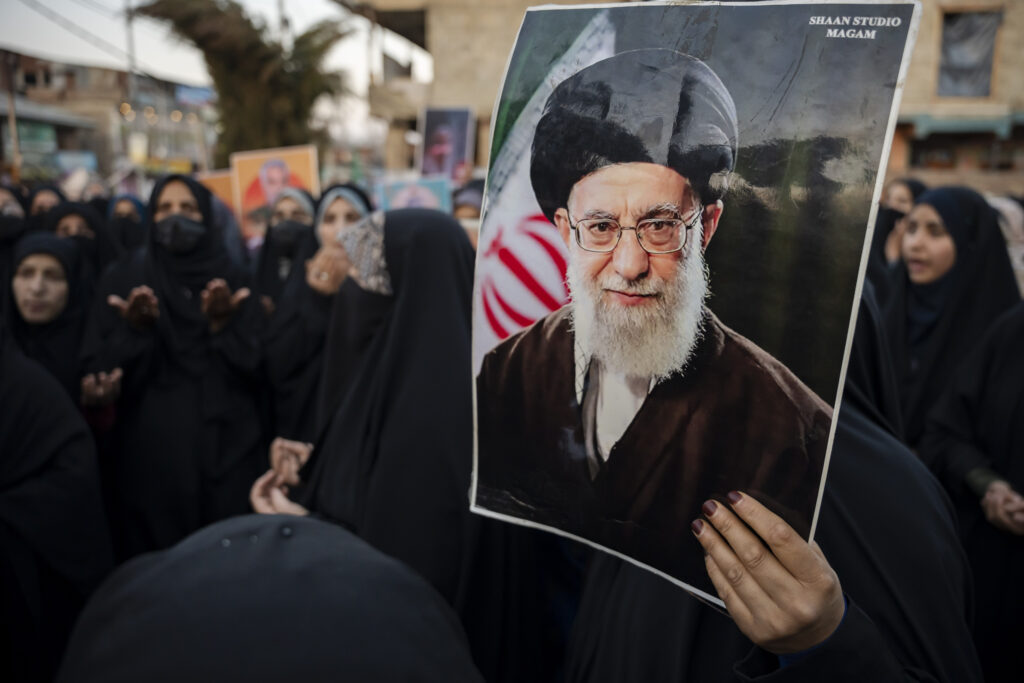
Hours after the US-Israeli attack on Iran, and the subsequent confirmation of the deaths of several prominent Iranian leaders, including Supreme Leader Ali Khamenei, and Tehran's response with attacks described by American newspapers as surprising and costly, political indicators began to suggest the possibility of reopening negotiations or seeking a way out of the war.
Israeli-American journalist Barak Ravid, a correspondent for Axios and Israel's Channel 12, quoted Trump as saying that he has several options for ending the war, explaining that he could continue the escalation for a long period or end the operations within a few days, while sending a message to Iran that a return to confrontation is possible later if it resumes developing its nuclear or missile programs.
Trump justified this proposal by arguing that the damage inflicted on Iran's military infrastructure could take years to repair, thus giving the United States room for political or diplomatic maneuvering later, regardless of whether the war continues or is halted.
Political analyses suggest that Trump's talk of ending the war carries several potential implications:
- It could be a way of preparing American public opinion for a de-escalation of military action, and perhaps a way of sending indirect messages to Israel and the international community through media leaks.
- It reflects the possibility of returning to a diplomatic solution, despite the US administration's previous withdrawal from the nuclear negotiations sponsored by the Sultanate of Oman in Geneva.
- A cessation of hostilities might indicate the difficulty of achieving the declared strategic objective of overthrowing the Iranian political regime, even after the assassination of Khamenei.
- It reflects mounting domestic pressure in the United States, where Trump faces increasing criticism from members of Congress and American political forces opposed to long-term military adventures, in addition to differing opinions within his own base, known as the MAGA movement.
- The assassination of Khamenei could be used politically as a strategic achievement, allowing for a swift exit from the war, as noted by an ABC News correspondent in his assessment of potential scenarios.
- Iran's declaration of closing the Strait of Hormuz to international shipping could broaden the scope of pressure to include the global economy, potentially prompting international powers to exert increased pressure to halt military escalation.
Nate Swanson, a researcher at the Atlantic Council, believes that a joint attack on Iran represents a major strategic gamble by the Trump administration, which was betting on creating an institutional and security shock within the Iranian state that could lead to the collapse of the political system.
Polls within the United States have shown widespread opposition to direct military intervention in Iran, especially in the event of increased casualties or disruptions in global energy markets, which could exacerbate domestic political pressures on the Trump administration.