People want
10 hours ago
Turkiye is home to millions of Syrians and hundreds of thousands of other foreign nationals who have become an integral part of economic activity across manufacturing, trade, agriculture, and services.
12 days ago
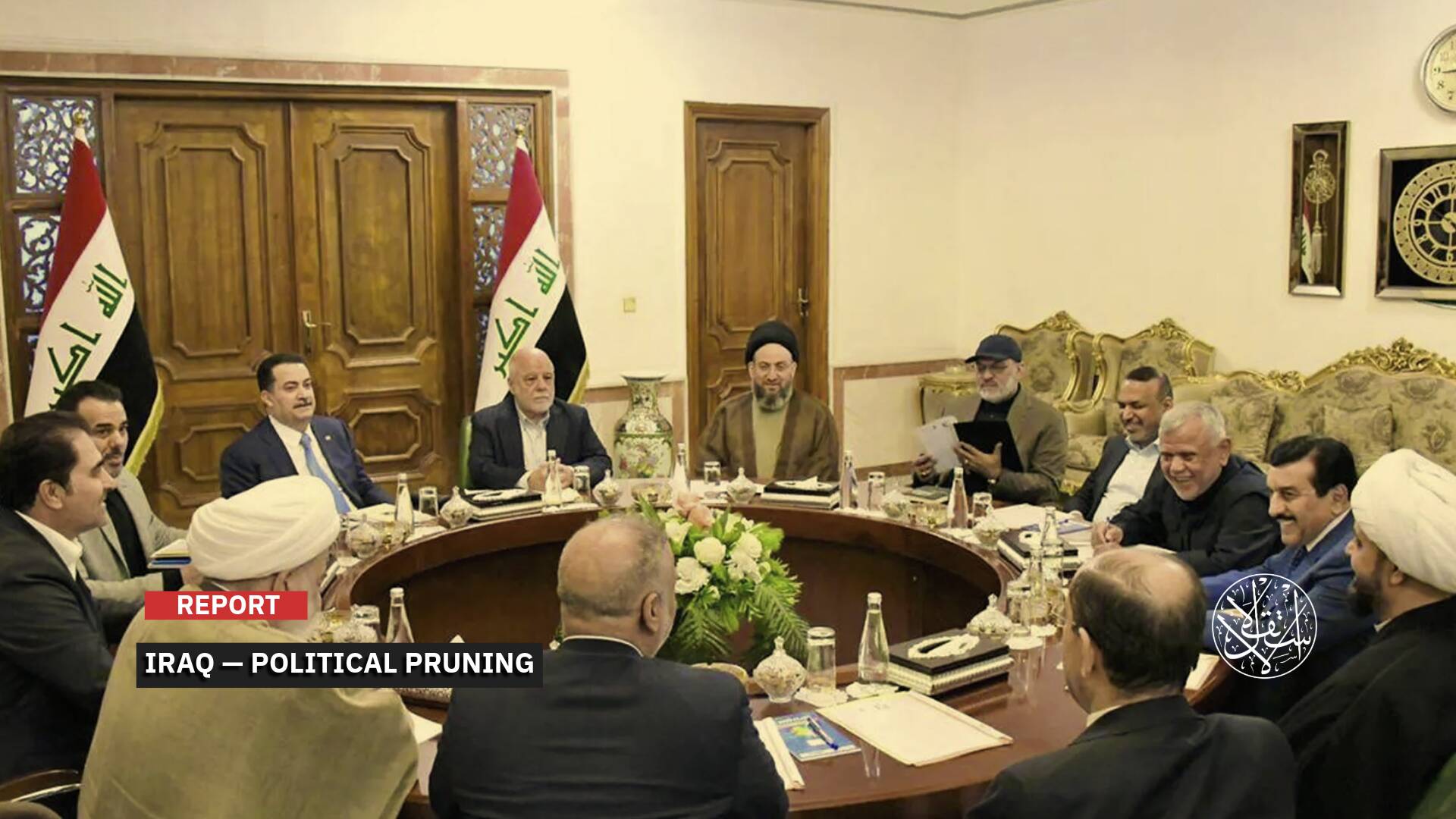
With the formation of Ali al-Zaidi’s government in Iraq, the name of retired U.S. general David Petraeus has resurfaced with unusual prominence, amid American pressure to exclude Iran-aligned armed factions from the cabinet unveiled on May 13, 2026.
13 days ago
The makeup of Iraqi PM Ali al-Zaidi’s new government revealed the absence of any figure directly affiliated with armed factions, raising a central question over how far the U.S. succeeded in pushing those groups out of power as part of its conditions for maintaining ties with Baghdad and continuing political support.
19 days ago
As the deadline for Iraqi PM-designate Ali al-Zaidi to present his cabinet to parliament nears, Iran has become directly involved in the government formation process, despite previously insisting it was a purely Iraqi matter beyond external interference.
20 days ago
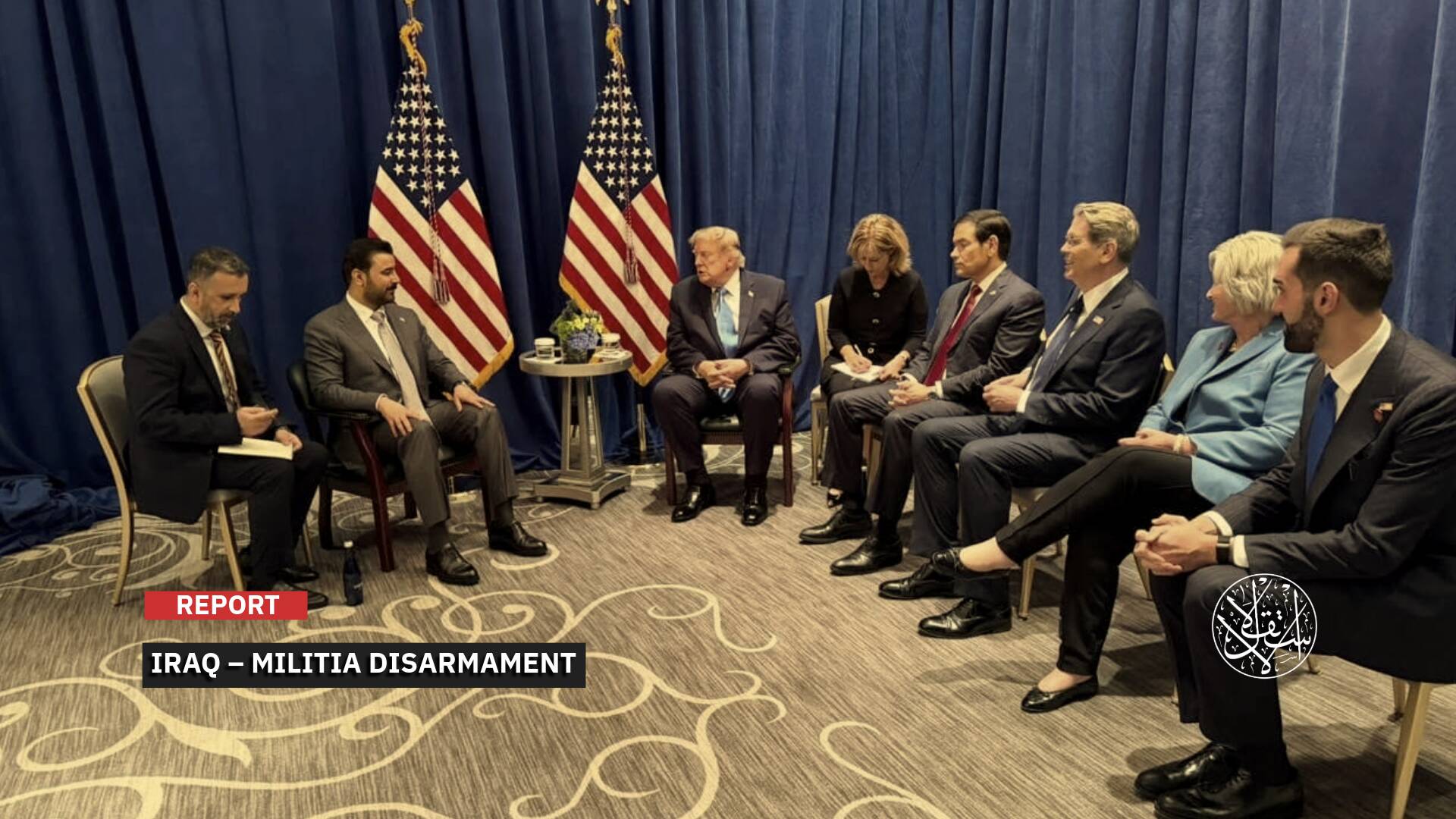
As Iraqi prime minister-designate Ali al-Zaidi pushes ahead with efforts to form a new government, the U.S. is simultaneously imposing sanctions on Iraqi figures and leaders of armed factions, while issuing repeated warnings against including such groups in the upcoming cabinet.
21 days ago
Conscription law exposes deeper fault lines in Iraq’s power struggle — why do Shiite factions oppose it?
a month ago
The thorniest issue facing Iraq’s prime minister-designate, Ali al-Zaidi, is the fate of the country’s armed factions, as pressure from Washington intensifies to dismantle groups, particularly those with ties to Iran.
Despite being appointed prime minister, Ali al-Zaidi is not known for his prior involvement in direct politics or for holding government positions after the US-led invasion of Iraq.
Iraq’s entire Shia’ political spectrum has come out firmly against a proposed conscription law, rejecting legislation now moving through parliament that would reintroduce mandatory military service for young men.
Gulf anger toward Iraq is rising fast over attacks launched from its territory since the U.S. began its war on Iran, with tensions escalating further after Kuwait was struck on April 24, reviving urgent questions about Iraq’s relations with its Arab neighbors after years of cautious improvement.
The appointment of a Turkmen governor in Iraq’s oil-rich Kirkuk is anything but routine, not least because it marks the first time in nearly a century that the post has gone to a figure from the Turkmen community.
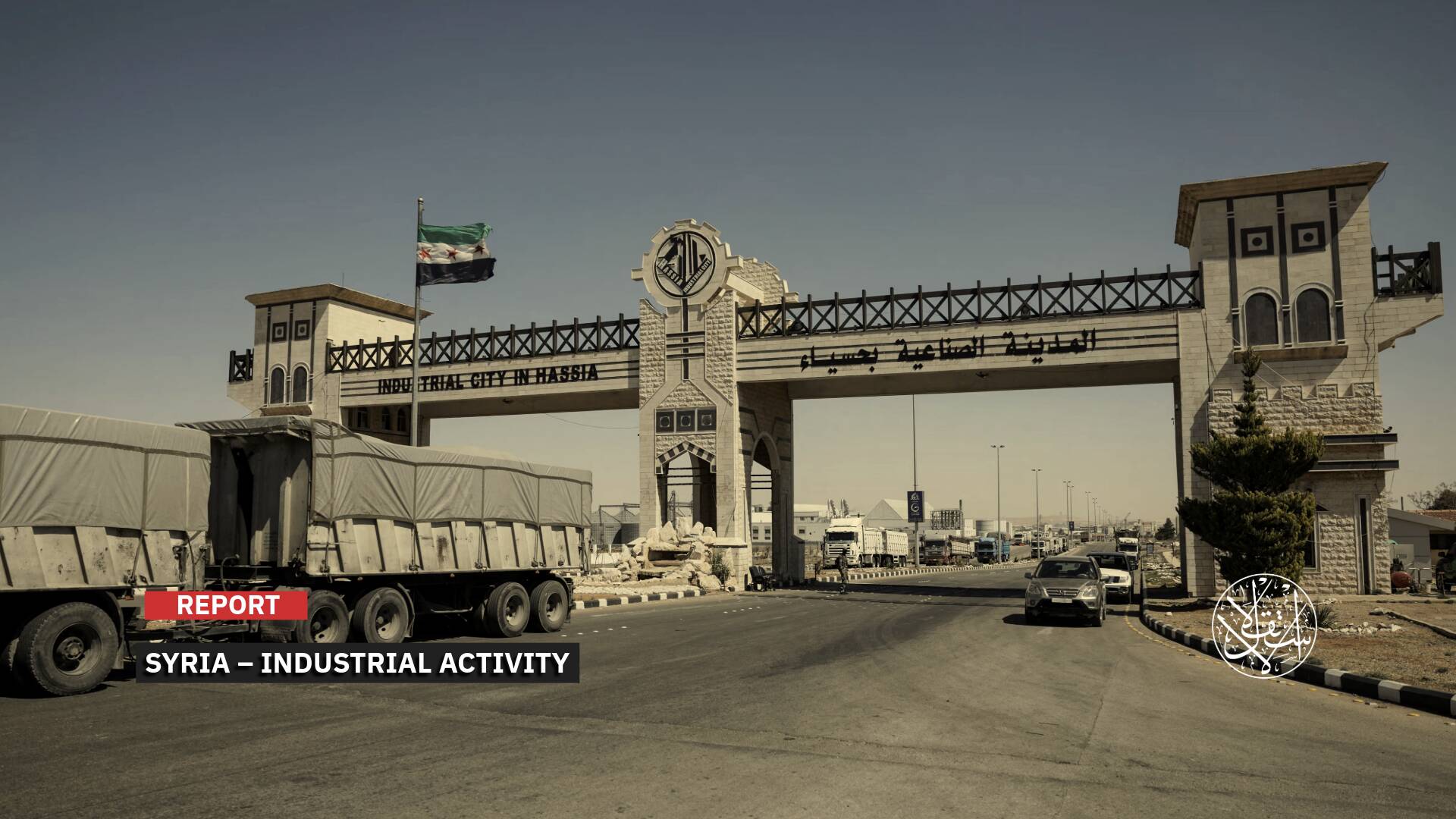
Syria is re-emerging on the regional and international radar not just as a theater of conflict, but as a potential player in reshaping supply chains between East and West.
2 months ago
Iraq’s parliament has elected Nizar Amedi as the country’s new president, ending a political deadlock that had paralysed government formation.
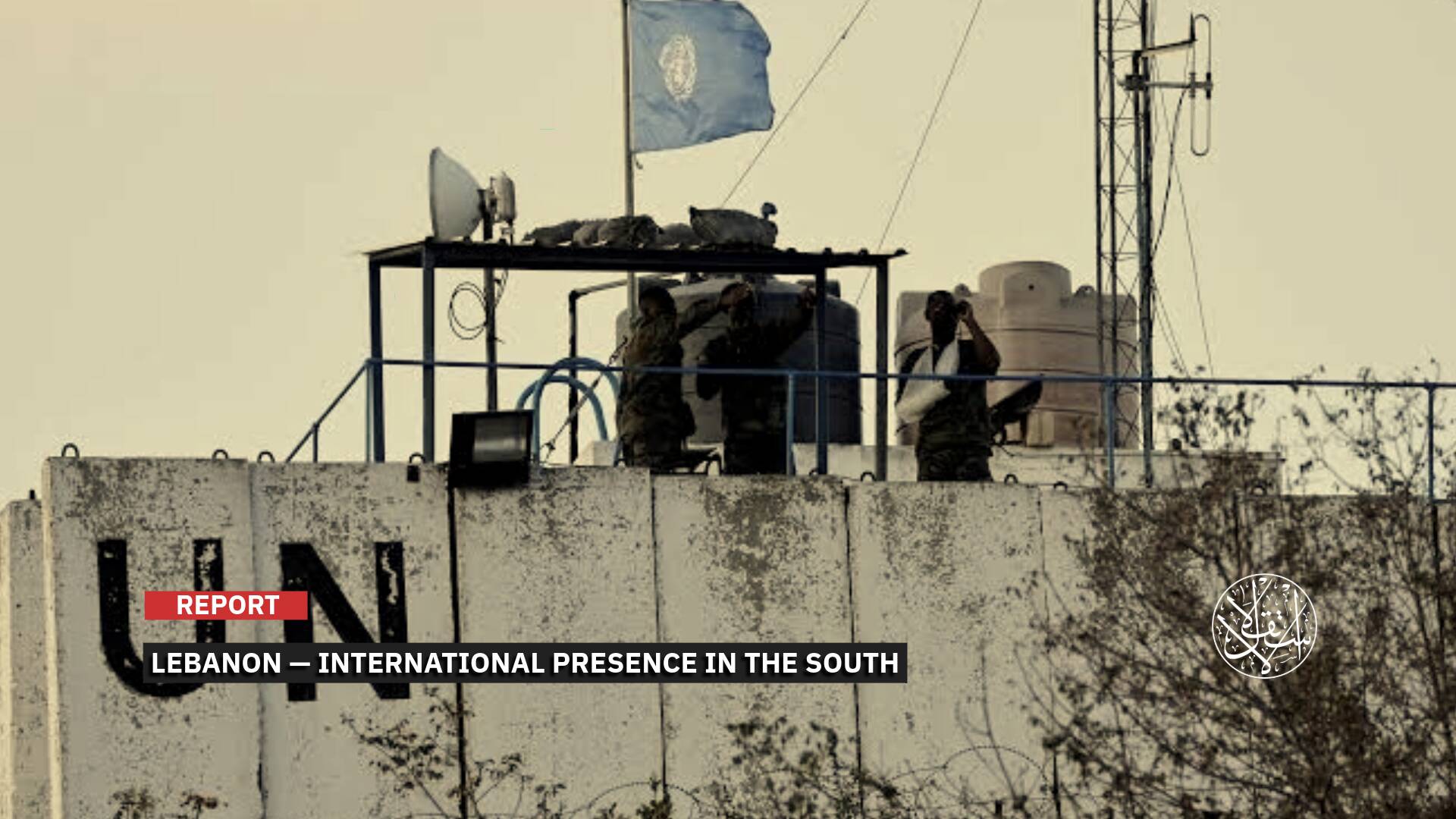
“Israel’s” military campaign in southern Lebanon is presented as involving mass displacement, demographic change, sectarian pressure, and emerging settlement efforts aimed at turning the area into a controlled buffer zone.
Sustained strikes on Iraq’s Popular Mobilization Forces in Sunni areas reflect efforts to weaken their presence, limit Iranian influence, and reshape Iraq’s security landscape amid regional competition.
“Israel” is seeking to establish a buffer zone in southern Lebanon up to the Litani River through military control, destruction, and displacement, amid ongoing resistance from Hezbollah.