Trump’s Words Send Shockwaves Through Iraqi Politics, Putting al-Maliki’s Prospects in Doubt
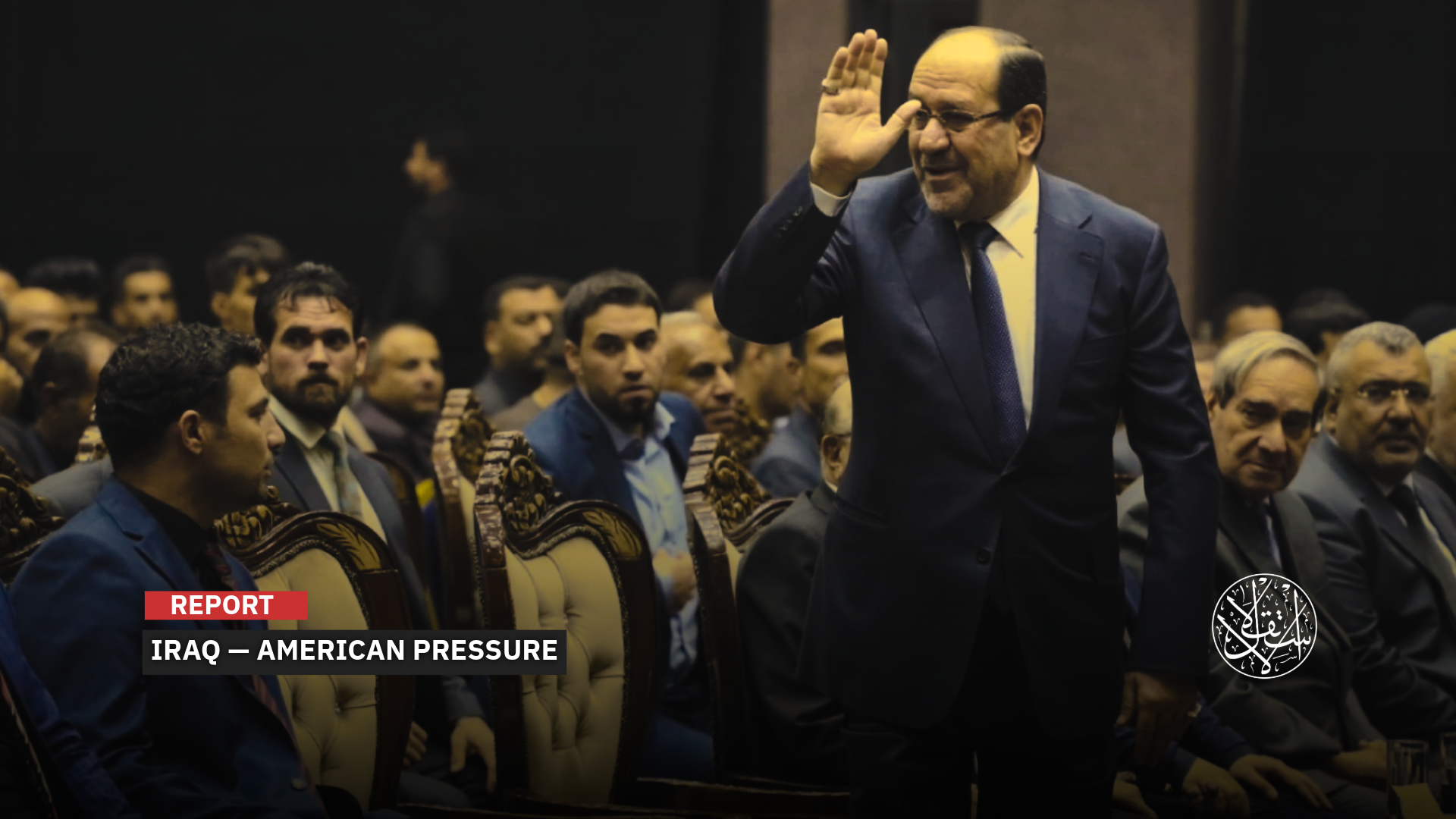
Donald Trump said he is still looking for a prime minister for Iraq.
In a fresh twist around Iraq’s prime ministership, remarks by Donald Trump have set off a wave of debate inside Iraq’s political class, with questions swirling over how to read his words and what they might signal.
Asked at the White House on February 13, 2026, about choosing a figure for the post, Trump said, “We’re looking at a prime minister. We’re going to see what’s going to happen. We’ve got some ideas on it, but in the end, everybody needs the U.S.”
Conflicting Interpretations
Trump’s remarks have triggered sharply different readings across Iraq’s political landscape, with no clear consensus on what they actually signal about Washington’s stance on the premiership.
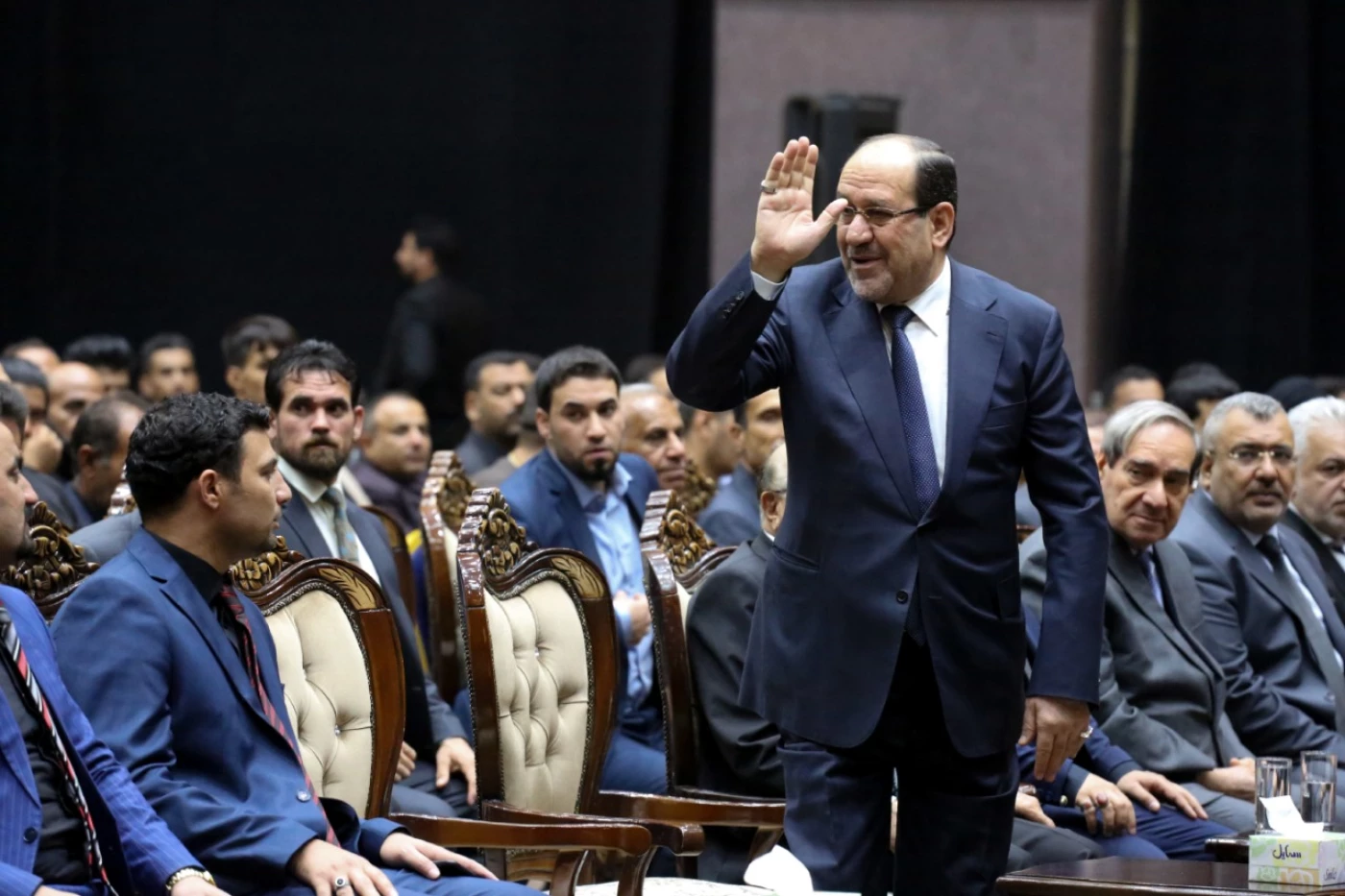
Supporters of former prime minister Nouri al-Maliki argued that the comments hinted at a possible softening of what they describe as a long-standing U.S. veto, noting that Trump did not mention al-Maliki by name this time. Others, however, saw the remarks as a tacit reaffirmation that American opposition remains firmly in place.
Amid the debate, MP Miqdad al-Khafaji of the Huqooq bloc, which is affiliated with Kata’ib Hezbollah militias, said in a televised interview on February 14 that Trump’s latest language showed what he called “clear flexibility” toward al-Maliki, while insisting that choosing a prime minister is an internal Iraqi matter and not subject to outside interference.
Coordination Framework (CF) lawmaker Youssef Alkilaby wrote on X on February 13 that Trump’s statement confirmed his earlier anti-Maliki post had been “paid for,” adding that the path now appeared open for the bloc’s leaders—an implicit suggestion that there is no longer an explicit American objection to al-Maliki’s candidacy.
By contrast, Victoria Taylor, a former assistant to the U.S. deputy secretary of state who met with Nouri al-Maliki just two days before Trump’s remarks, wrote on X that al-Maliki’s camp may try to frame the comments as a softening of Washington’s position but said she does not share that view, stressing that U.S. government opposition to him remains strong and unequivocal.
Writing on February 13, Iraqi writer and political analyst Munqith Dagher said Trump’s remarks suggest that the choice of Iraq’s prime minister—and the formation of the next government—has become a direct U.S. interest.
Based on his reading of Trump’s political style, Dagher said Washington is likely to move toward a new phase of gradual pressure on Iraq’s political class, particularly the CF, adding that it remains unclear what options or ideas Trump was signaling.
On January 27, 2026, Donald Trump said on Truth Social that a return of Nouri al-Maliki to the premiership should not be allowed, arguing that Iraq had slipped into poverty and chaos during his time in office.
Al-Maliki responded by denouncing what he called “blatant U.S. interference” in Iraq’s internal affairs, saying it violated the country’s sovereignty.
“We categorically reject U.S. interference in Iraq’s domestic matters, considering it a violation of sovereignty and an overreach on the CF’s right to choose its candidate for prime minister.”
‘An Iraqi Version of Ahmed al-Sharaa’
On the same topic, Iraqi affairs researcher Latif al-Mahdawi said that U.S. President Donald Trump is looking for an “Iraqi version of al-Sharaa” to lead the next phase in Iraq, referring to his admiration for the model represented by Syria’s current president, Ahmed al-Sharaa.
“Trump’s vision had emerged months earlier during a press conference with Israeli Prime Minister Benjamin Netanyahu, when he argued that the U.S. overthrow of Saddam Hussein’s regime had allowed Iran to expand its influence across the Middle East,” al-Mahdawi told Al-Estiklal.
“Trump believes an Iraq free from Iranian influence could help rebalance regional power, and he is therefore looking to back a political figure capable of keeping Iraq out of Tehran’s orbit for now, paving the way for future leadership that might take a tougher stance against Iran.”
On December 30, 2025, during a press conference with Netanyahu in Washington, Trump said that Iraq and Iran had fought each other for thousands of years on roughly equal terms. He added that the U.S. destroyed one side (Iraq), creating space for Iran to expand its influence in the region, and warned that such an imbalance would no longer be acceptable.
“Trump’s recent comments, in which he did not mention Nouri al-Maliki by name, do not indicate a shift in the U.S. position but rather suggest that al-Maliki is no longer considered a viable candidate following Trump’s earlier veto,” said al-Mahdawi.
On February 13, 2026, Shafaq News cited an unnamed U.S. State Department official warning that al-Maliki’s return as prime minister would force Washington to reassess its relations with Baghdad.
The official stressed that Trump’s stance is clear: appointing al-Maliki would compel the U.S. to review the bilateral relationship. The U.S. policy in the coming period will focus on key priorities, including ending the dominance of Iran-backed militias in Iraqi politics, curbing Iranian influence within state institutions, and strengthening economic partnerships between Iraq and the United States.
Asked whether this position represents a red line, the official said Washington is looking for partners who share its goals.
Delay Tactics
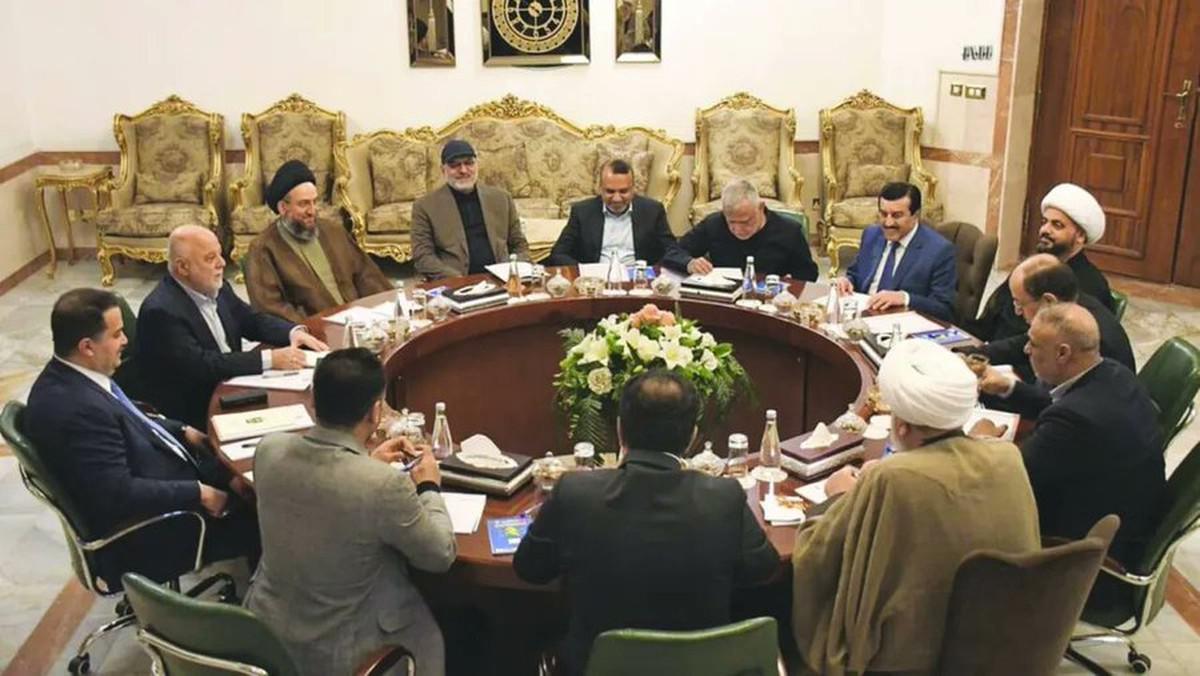
On the question of the CF’s insistence on nominating Nouri al-Maliki despite the so-called U.S. “veto,” Iraqi analyst Mohammed Ahmed al-Musawi said the bloc is betting on time, linking the political process in Iraq to developments in the U.S., particularly the midterm elections.
In a February 13 article for Kitabat, al-Musawi added that some Shiite political forces are pursuing a “strategy of delay” to manage the fallout from President Donald Trump’s stance on al-Maliki, while recalibrating their messaging toward Washington and regional powers to fit the current context.
This strategy could take at least six months, up to the U.S. midterms, which will influence the balance of power in Congress and directly affect the administration’s foreign policy leeway, including managing tensions with Tehran and reshaping regional relationships with neighboring states and Syria.
Al-Musawi added that Trump and the Republican Party may become more flexible on Iraq during the election period, as domestic pressure from Democrats on foreign policy grows. He suggested that a U.S. focus on domestic issues could create a “window of opportunity” for Iraqi actors to navigate U.S. pressure and reduce tensions between Washington and Tehran.
Inside Iraq, mechanisms for executing this delay strategy remain unclear. Some forces prefer maintaining the status quo, while al-Maliki’s State of Law Coalition (SLC) has floated extending the caretaker government’s mandate via parliamentary legislation to navigate the current political impasse.
Diaa al-Nasiri, an SLC member, revealed on February 10 that al-Maliki proposed extending Prime Minister Mohammed Shia’ al-Sudani’s government through a parliamentary law until the political crisis passes. He said during a television interview that “the CF’s ship will sail with the energy of the faithful and sincere,” while also hinting at attempts to provoke Trump into tweeting against al-Maliki again.
However, the Reconstruction and Development Coalition (RDC), led by al-Sudani, stressed that the proposal to extend the government lacks consensus within the CF and represents only the view of some parties, with al-Sudani firmly rejecting the idea, according to RDC member Sami Salam.
Sources
- Trump says ‘looking at’ Iraq PM candidate
- A strategy built on delay and endurance [Arabic]
- Exclusive: Washington Explains Trump’s al-Maliki Comment, Says Outcome Would Harm Iraqis [Arabic]
- “We Will Not Back Down”: Al-Maliki Pushes Back at Trump’s Warning on Iraq’s Next Prime Minister [Arabic]
- RDC Member Says al-Sudani Opposes Extending His Government’s Term [Arabic]
- Source Says al-Sudani Has Received a Proposal to Extend His Government’s Term Amid Local and International Pressure [Arabic]