Managing Conflict, Not Making Peace: What’s Really Happening in Syrian–Israeli Occupation Negotiations?
"I expect the current track to lead to a security arrangement that resets the rules of confrontation."
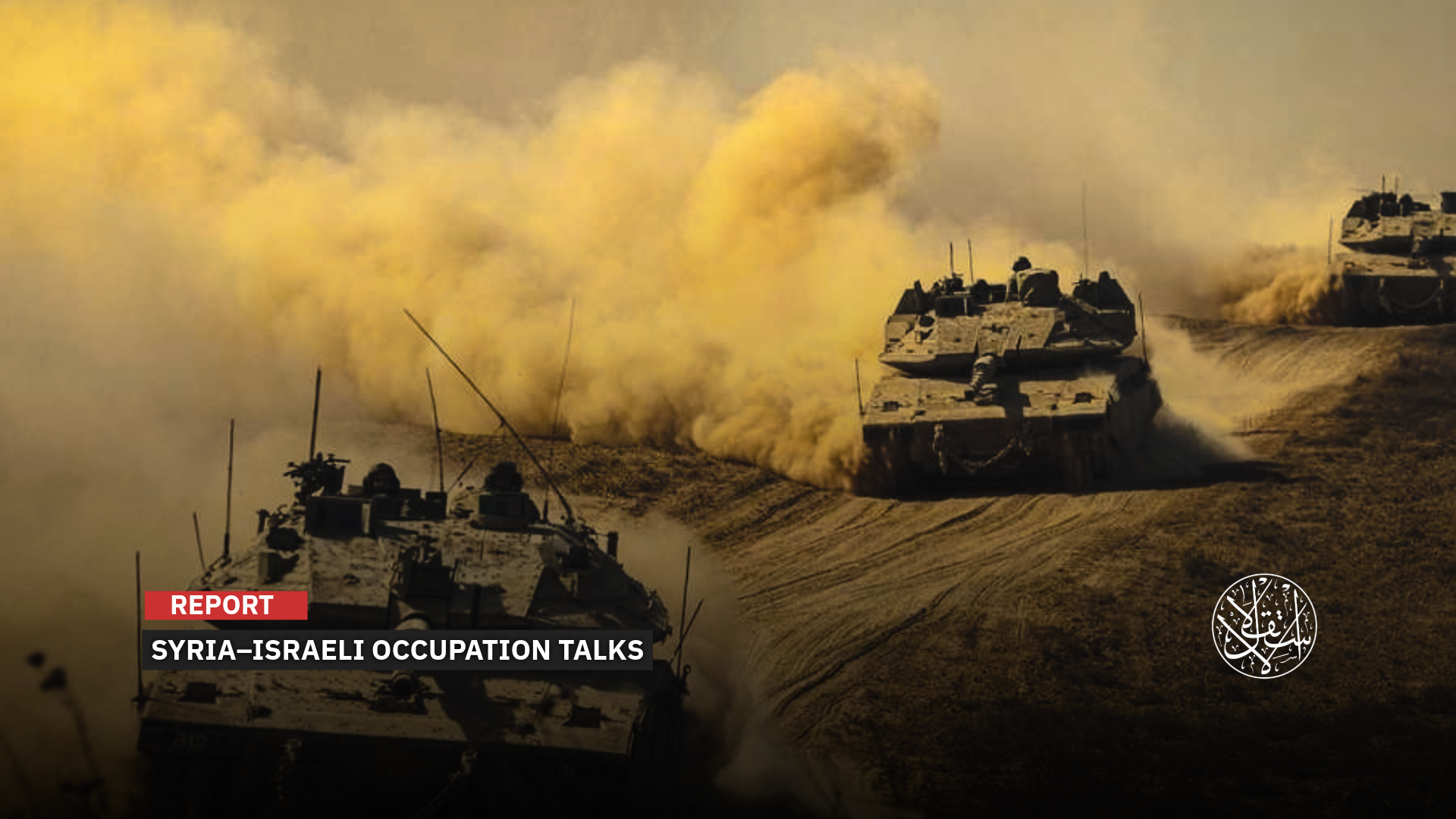
Syria’s new leadership is confronting a delicate balancing act: managing “Israel’s” expanding incursions in the country’s south while simultaneously pursuing a security arrangement meant to safeguard sovereignty and reclaim territory seized in the aftermath of Bashar al-Assad’s fall.
In this context, Damascus is seeking to separate short-term security understandings from deeper questions of sovereignty, chief among them the Golan Heights, occupied by the Israeli Occupation since 1967.
Golan Off the Table
Syria’s foreign minister, Asaad al-Shaibani, has made clear that ongoing talks with “Israel” over a potential security arrangement do not include the occupied Golan Heights, limiting discussions instead to areas Israeli Occupation forces entered after the fall of Bashar al-Assad on December 8, 2024.
Speaking at the Munich Security Conference on February 14, 2026, al-Shaibani said the negotiations are focused on an Israeli withdrawal from territory seized in the aftermath of Assad’s ouster, stressing that the Golan is a separate sovereignty issue altogether.
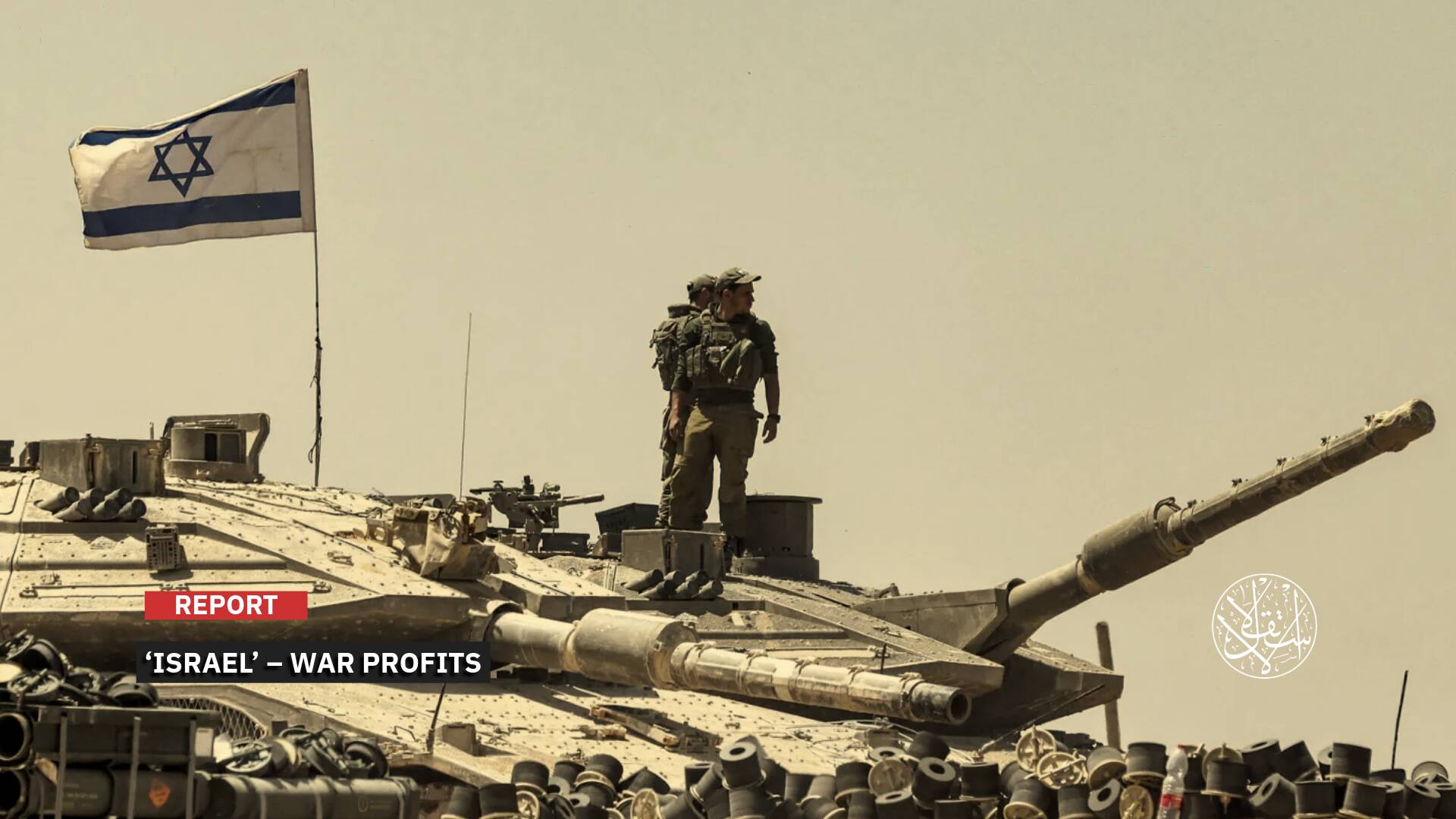
Since Assad’s fall, the Israeli Occupation has carried out hundreds of airstrikes on Syrian military sites and advanced into parts of the buffer zone established under the 1974 Disengagement Agreement. Al-Shaibani insisted that any security deal would not legitimize these violations, emphasizing that Damascus is seeking a full Israeli pullout from post-December 2024 positions, an end to incursions, and respect for Syrian airspace and sovereignty.
Over recent months, the Israeli Occupation and Syria’s new government have held several rounds of talks that, under U.S. pressure, produced a preliminary understanding on January 6, 2026, to establish a joint coordination mechanism aimed at information sharing, de-escalation, and diplomatic engagement, alongside tentative discussions on economic cooperation. The contours of a broader security agreement, however, remain disputed.
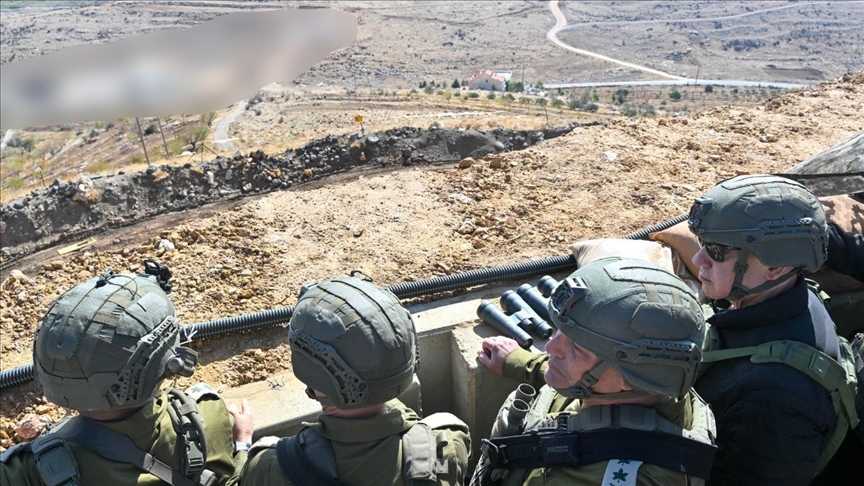
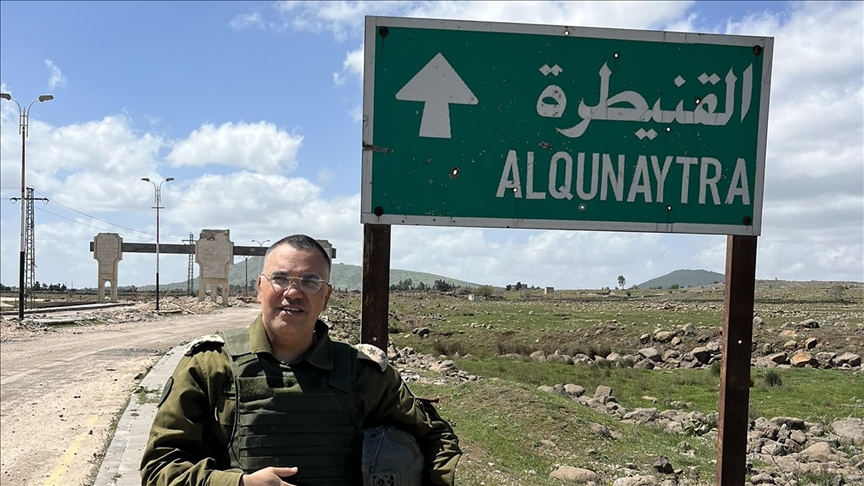
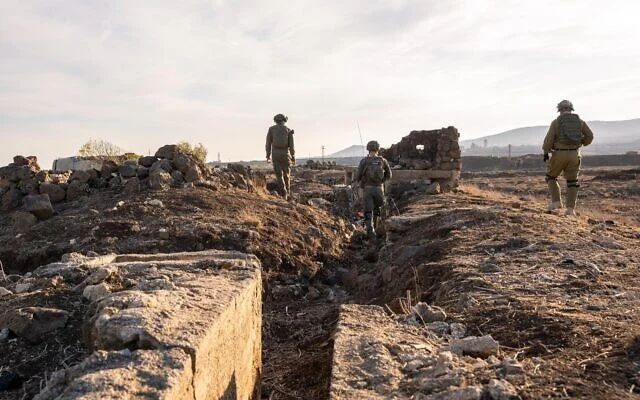
On the ground, Israeli Occupation forces continue near-daily incursions in southern Syria, particularly in the Alqunaytra countryside, where they are accused of detaining civilians, setting up checkpoints, damaging farmland, and courting ties with minority groups, especially Druze communities in Sweida—moves Damascus sees as a direct threat to national unity.
President Ahmed al-Sharaa has repeatedly called on “Israel” to respect Syria’s sovereignty by withdrawing from the south and halting military strikes and internal interference. “Israel’s” partial entry into negotiations has largely come under U.S. pressure, bolstered by the close ties President Donald Trump and his special envoy Tom Barrack have cultivated with Syria’s new leadership.
In early December 2025, Trump warned “Israel” on Truth Social against moves that could disrupt Syria’s political transition, calling for a strong and genuine dialogue with Damascus and expressing satisfaction with the new Syrian leadership’s performance.
Even so, Syrian officials say they will not engage on strategic issues without a binding timetable for “Israel’s” withdrawal from territory occupied since December 2024. The Israeli Occupation has occupied parts of the Golan Heights since 1967 and has shown no willingness to return them, while also expanding its footprint after Assad’s fall by seizing the strategic Mount Hermon and calling for a demilitarized zone in southern Syria.
A Long Road Ahead
Yadioth Ahronoth reported on January 19, 2026, that the security deal now under discussion between “Tel Aviv” and Damascus includes provisions for “Israel” to withdraw from nine military positions it set up in the occupied Golan after the fall of Bashar al-Assad, roll back its moves against efforts to bolster Hezbollah in Syria, halt support for Druze groups, and pull out of the Syrian side of Mount Hermon, which Israeli forces seized in the fall of 2025.
According to the report, senior Israeli military officers are urging political leaders not to leave the Golan, citing security fears of militant infiltration across the Jordanian and Syrian borders, echoing concerns shaped by the October 7, 2023, events. By contrast, Damascus is trying to restore the pre-Assad status quo, after the Israeli Occupation quickly expanded its control in the Golan by moving into the buffer zone during Syria’s period of turmoil.
On the day Assad fell, Israeli Prime Minister Benjamin Netanyahu declared the 1974 Disengagement Agreement “collapsed,” dismantling the framework that created a buffer zone more than 75 kilometers long and ranging from roughly 10 kilometers wide in its center to just 200 meters at its southern edge.
“Israel’s push to seize territory in southern Syria was a preemptive move aimed at preventing Damascus from raising the Golan Heights issue in the future,” Brigadier General Abdullah al-Asaad, head of the Syrian Center for Strategic Studies, told Al-Estiklal.
“The incursions beyond the separation zone represent a shift toward imposing a ground reality rather than waiting for political negotiations, and what is happening is less a peace process than a set of security arrangements repositioning Israeli forces behind the buffer area.”
Al-Asaad noted signs of an understanding allowing Israeli troops to enter areas vacated by Syrian forces in the event of security disturbances.
“Syria’s new leadership is pursuing two separate tracks: a short-term security track aimed at stabilizing the situation and avoiding open confrontation with Israel, and a long-term sovereignty track concerning the Golan Heights, which Damascus considers non-negotiable and off-limits for temporary security deals,” he added.
“This dual approach reflects political pragmatism imposed by the post-Assad balance of power, with Damascus seeking to contain Israeli incursions and limit losses through a U.S.-backed coordination mechanism, making the current talks more about managing a temporary conflict than resolving the Golan issue, which will be revisited once regional and international conditions allow.”
Clear Challenges Ahead
Paris hosted the latest round of Syrian-Israeli talks on January 5, 2026, under U.S. auspices, with the meetings attended by U.S. Middle East envoy Steve Witkoff and Jared Kushner, according to Axios.
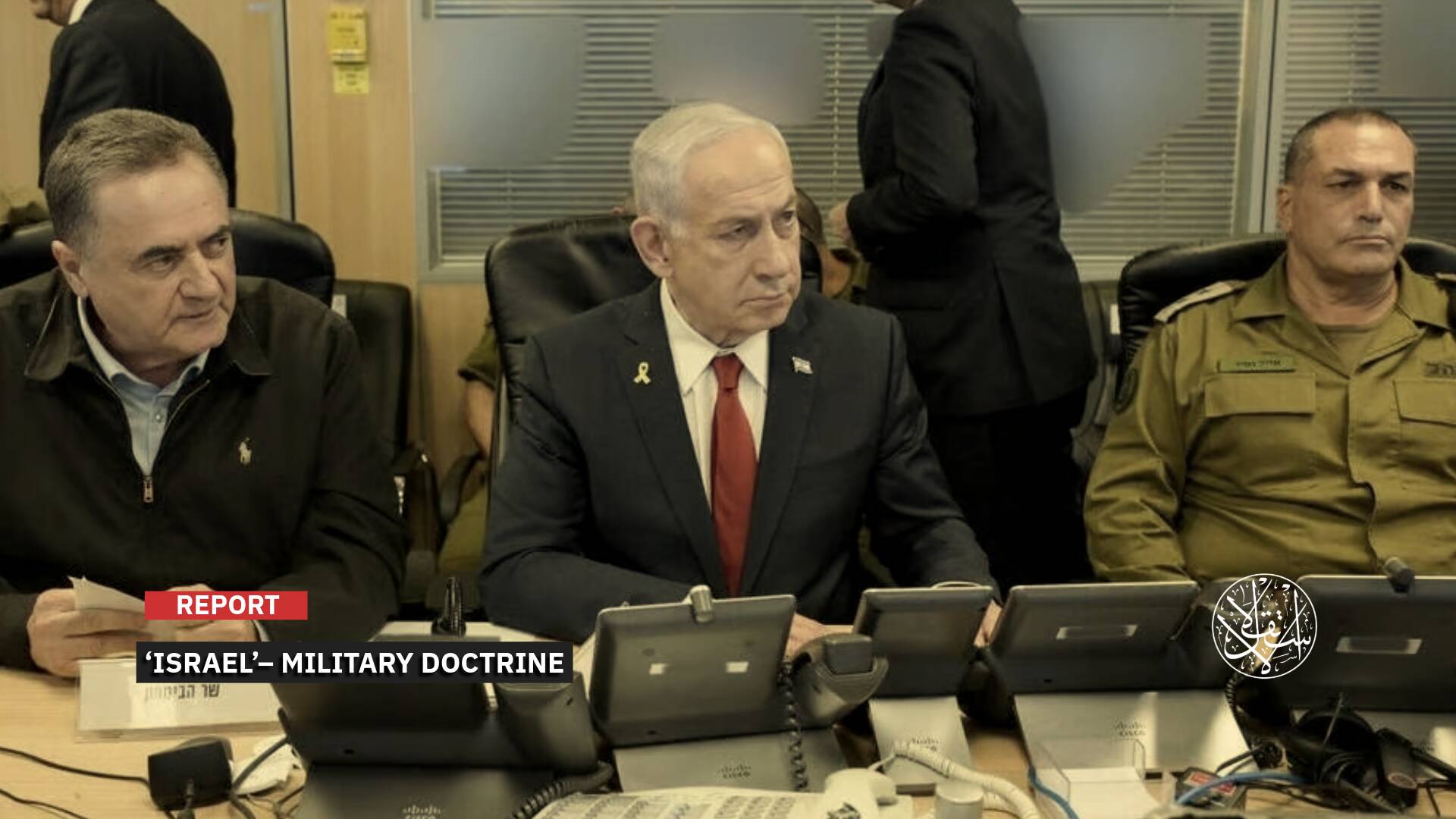
The Israeli delegation included Washington ambassador Yechiel Leiter, Prime Minister Benjamin Netanyahu’s military secretary Roman Gofman, and acting national security adviser Gil Reich, while Syria was represented by Foreign Minister Asaad al-Shaibani and General Intelligence chief Hussein al-Salama.
Observers say the talks underscored “Israel’s” familiar approach of breaking security issues into narrow files while steadily imposing facts on the ground, as Damascus attempts to safeguard its core interests within the tight margins set by the current balance of power. Syria’s position is further weakened by the disparity in military strength and its heavy reliance on U.S. mediation, widely viewed in Damascus as tilted toward Israeli priorities.
“The government is approaching the talks with political realism,” said Wael Alwan, a Syrian researcher at the Jusoor Center for Studies, “seeking a security deal with Israel even if it carries a political cost.”
“From Damascus’s perspective, such an agreement represents ‘the lesser evil’ compared with the alternative: no agreement at all, continued Israeli intervention inside Syria, and the exploitation of internal crises in ways that threaten stability and social peace,” he told Al-Estiklal.
“Syria’s strategy is focused on limiting losses through restraint, avoiding escalation while holding the line on national principles.”
“I expect the current track to lead to a security arrangement that resets the rules of confrontation and secures a full ceasefire, without territorial concessions or departures from the Arab Peace Initiative and Syria’s established national rights,” Alwan said.
These talks come as the UN General Assembly adopted a resolution in early December 2025 calling on “Israel” to withdraw from the occupied Golan Heights, a reminder that the sovereignty question continues to loom over any temporary security understandings.
Sources
- Al-Sheibani: Syrian-Israeli Talks Do Not Include the Golan [Arabic]
- Israeli Forces Advance into al-Samdanieh Village in Qunaytra Countryside, Set Up Temporary Checkpoint [Arabic]
- Trump Warns Israel Against Disrupting Syria’s Political Transition [Arabic]
- Syria: Israel Detains Three Young Men in Alqunaytra Countryside [Arabic]
- Syria: Netanyahu’s Visit to the South Is Illegal and a Serious Violation of Our Sovereignty [Arabic]