Liquidity Crisis and 'ASYCUDA': How Customs Decisions Upended the Lives of Iraq’s Traders and Markets
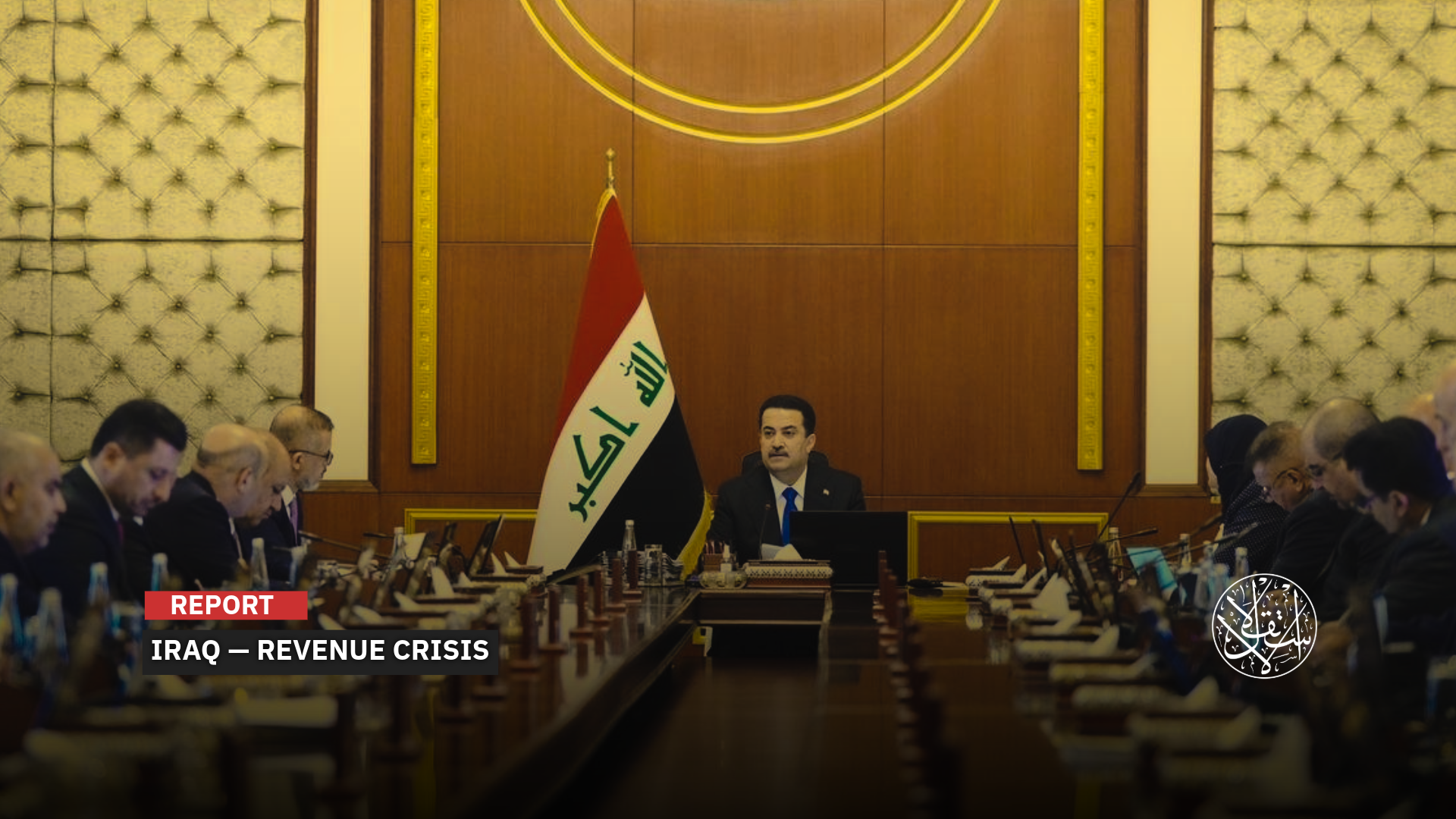
The Iraqi government has implemented economic measures first adopted in 2010.
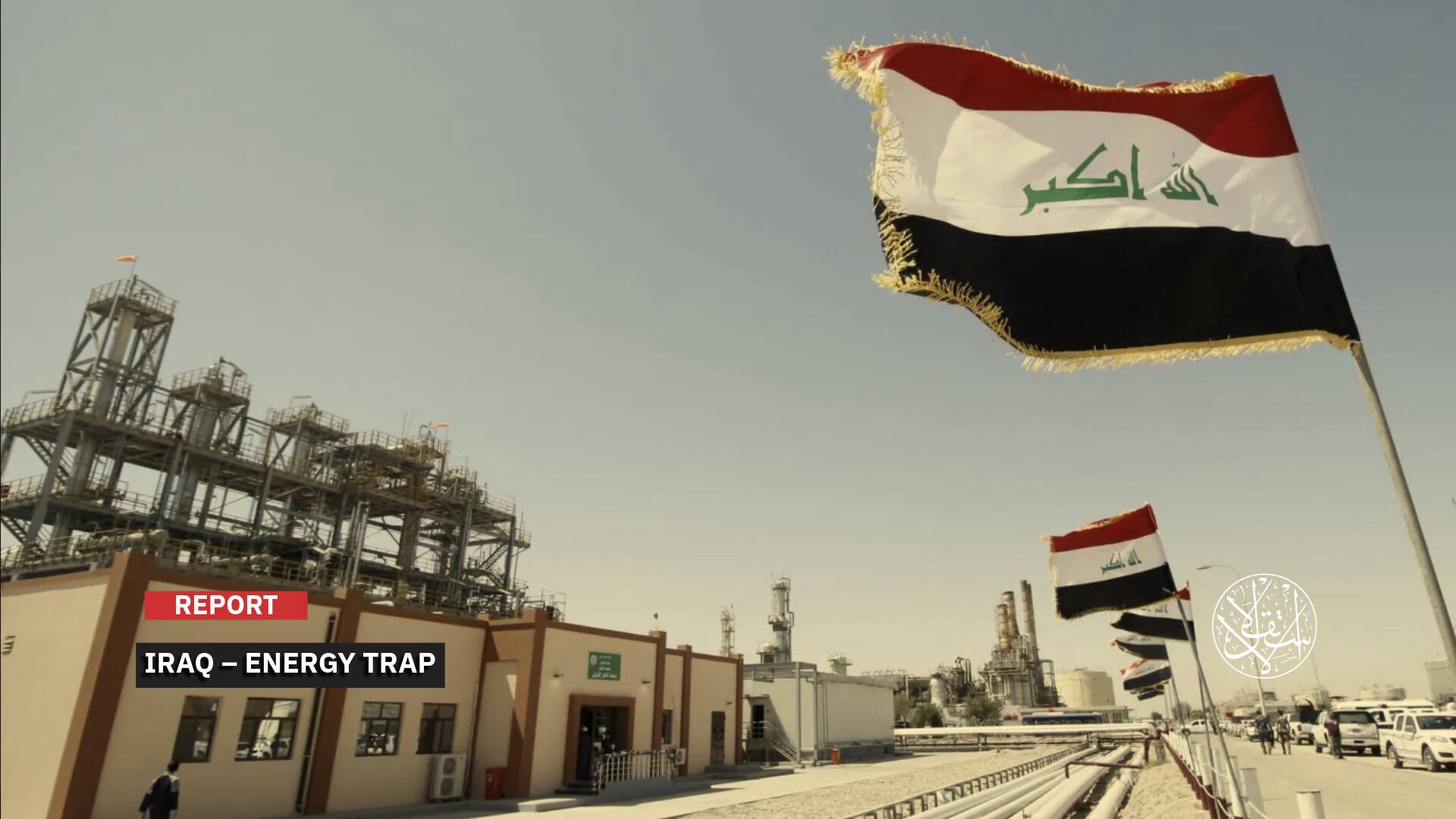
Iraq’s capital, Baghdad, along with several other cities, is facing a new crisis as traders and shop owners launch strikes and protests over a sudden hike in customs tariffs and the rollout of the Automated System for Customs Data (ASYCUDA) system without prior notice.
The demonstrations began on February 8, 2026, with protesters chanting slogans against government corruption and the theft of public funds, raising questions about whether the unrest could widen into broader popular protests.
There are growing concerns that the measures will trigger a sharp rise in prices, amid uncertainty over whether the authorities are prepared to roll back their recent decisions on customs duties.
Government Insistence
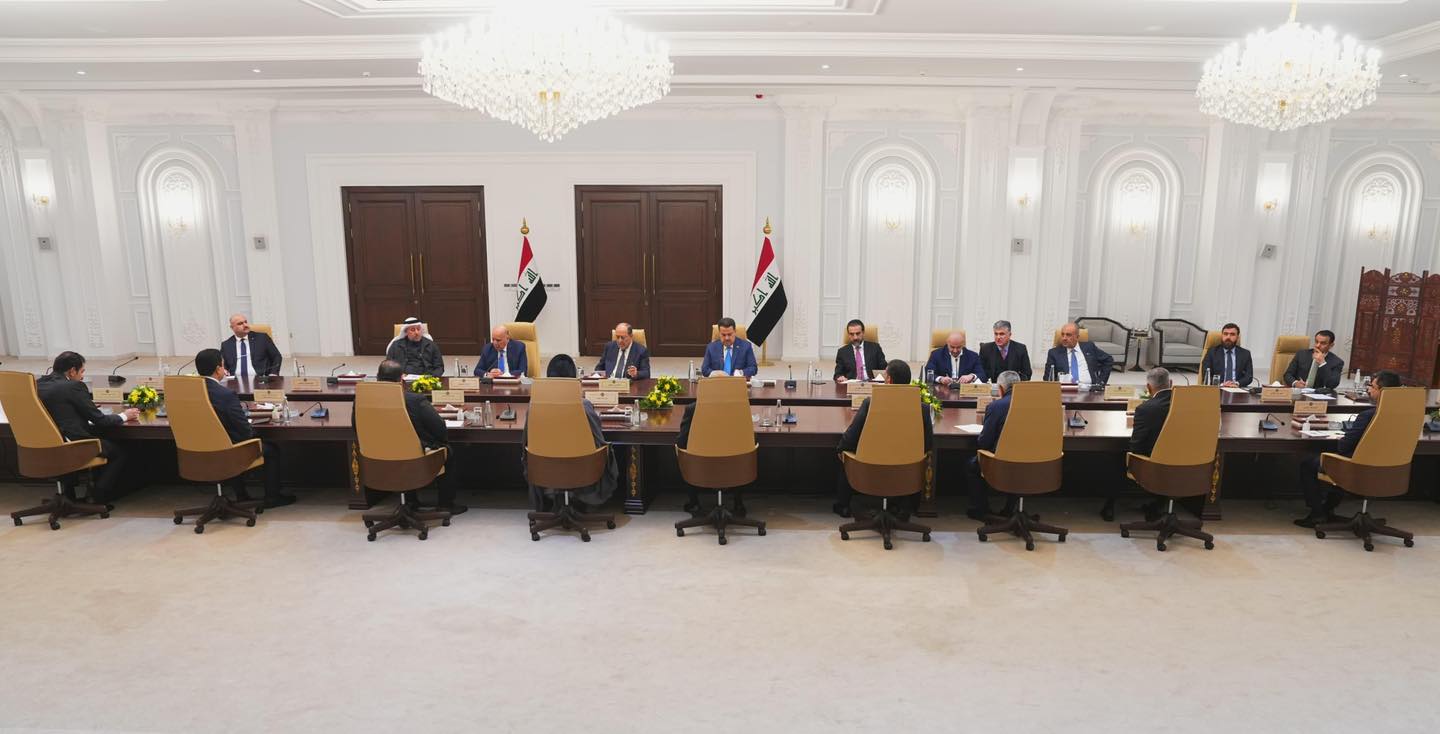
As 2026 began, the Iraqi government decided in early January to implement the ASYCUDA system and raise customs tariffs on most goods, in addition to changing the method of calculating container fees, shifting from volume-based charges to value-based assessments.
Customs duties increased by between 5% and 30%, divided into brackets of 5%, 10%, 15% and up to a maximum of 30%.
The hikes cover the entire customs tariff schedule, composed of 99 chapters and roughly 16,400 items, the internationally recognized classifications used in global trade.
The ASYCUDA system is a leading customs automation program supported by the United Nations Conference on Trade and Development, UNCTAD.
It aims to digitize customs clearance procedures, curb fraud risks and facilitate cross-border trade.
Although Iraqi authorities approved the program in 2010, the current government has chosen to implement it now, specialists say, to boost state revenues and ensure the payment of public sector salaries after oil prices fell to about $61 per barrel.
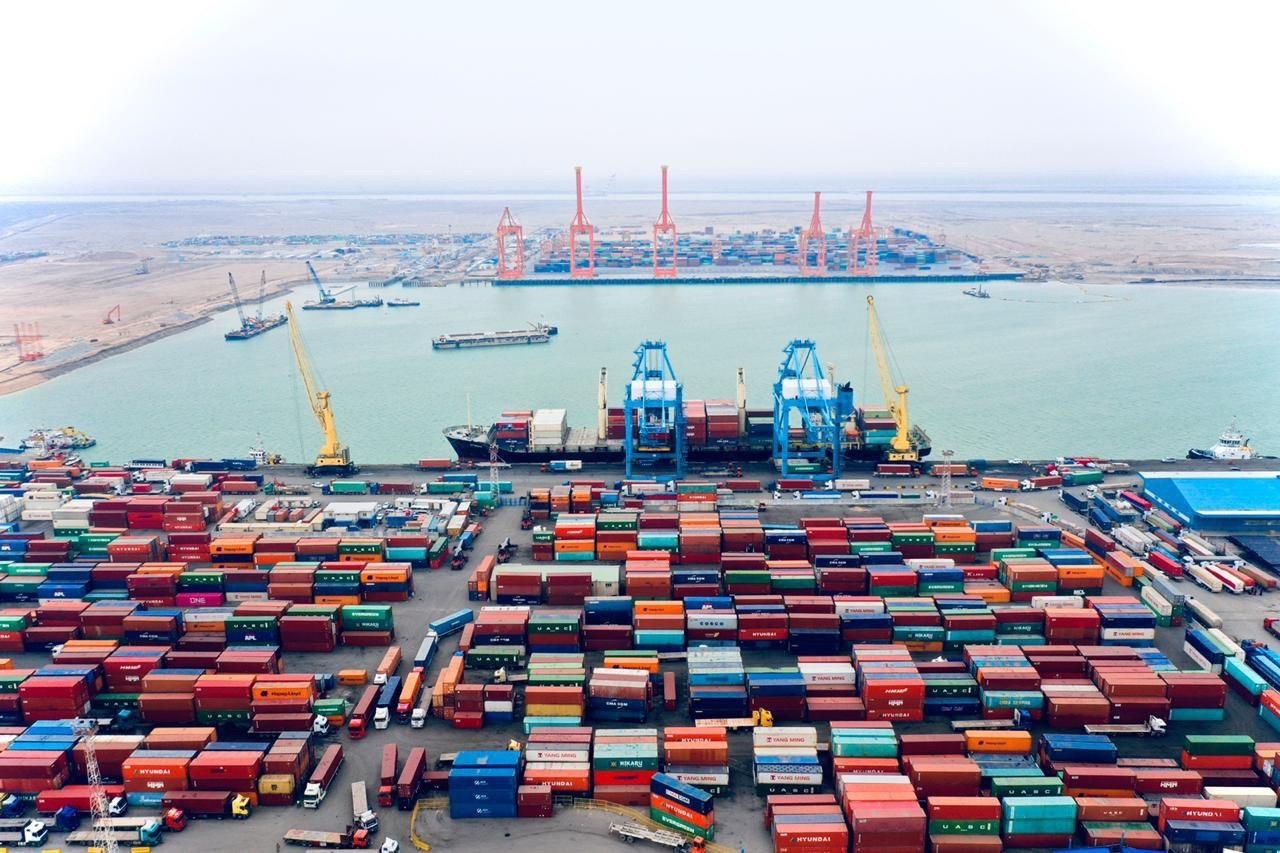
Iraq receives around 2,000 containers daily through its ports. With the new measures in place, approximately 76,000 containers have piled up as traders refuse to collect them because of sharply higher costs.
In an attempt to sidestep the crisis, some traders redirected their shipments to the Kurdistan region, which was not initially covered by the new measures.
But authorities set up customs checkpoints along the region’s borders, forcing traders to pay duties twice.
Despite the protests and strikes, the Iraqi Customs Authority said in a statement dated January 9 that it would continue to enforce the new mechanisms, describing them as necessary to enhance transparency, regulate customs operations, protect public funds and support a stable business environment in line with the government’s financial and economic reform agenda.
In the same context, the State Administration Coalition, which includes all political forces participating in the government, held a meeting on February 9 and stressed its support for what it described as essential and significant government measures aimed at advancing constructive strategic solutions.
Those attending underscored the need to back economic reforms, tighten control over border crossings, halt all forms of smuggling, curb tax and customs evasion, protect domestic products, develop national industry and diversify revenue sources to reduce total reliance on oil.
The fallout from ASYCUDA
Iraqi economic expert Nabil al-Marsoumi commented on the damage caused by the implementation of the ASYCUDA system, saying it has led to a decline in commercial activity and a drop in customs revenues in Iraq.
In a Facebook post published on February 7, al-Marsoumi said, “Commercial activity in Iraq is currently the most important sector, encompassing more than 350,000 commercial establishments and over one million traders dealing in imported and domestic goods worth tens of billions of dollars, employing millions of workers.”
He added that the sector is now suffering from the repercussions of implementing the ASYCUDA system and raising customs tariffs, which have reduced Iraq’s trade volume with foreign markets by half and resulted in significant losses for both traders and the government.
Customs revenues for January fell by 71 billion dinars compared with previous months.
In an earlier post, al-Marsoumi said the implementation of ASYCUDA also drove the dollar’s exchange rate in the parallel market up from 1,400 to 1,500 dinars per dollar and led to the accumulation of 52,000 containers at Iraqi ports.
The backlog has harmed maritime services companies and domestic transport firms, causing a pronounced slowdown in the movement of goods and prompting traders to redirect imports toward outlets in the Kurdistan region.
He added that the repercussions included a sharp decline in non-oil revenues and rising prices for imported goods in the local market, eroding citizens’ purchasing power.
In this context, Iraqi lawmaker Mohammed al-Khafaji announced during a news conference at the parliament building on February 8 that the Federal Supreme Court, the country’s highest judicial authority, had set February 11 as the date to rule on the appeal filed against the caretaker government’s decision to increase customs tariffs.
Lawmaker Ibtisam al-Hilali called on the parliament presidency to include the issue of taxes and customs tariffs on the session’s agenda, citing their direct impact on Iraqis’ economic and living conditions and the rise in prices of imported goods.
Shafaq News agency quoted al-Hilali as saying that lawmakers had previously submitted requests to discuss the government’s decisions and would renew their demand to debate the repercussions of measures that have triggered strikes and the closure of shopping centers and retail stores.
Available Options
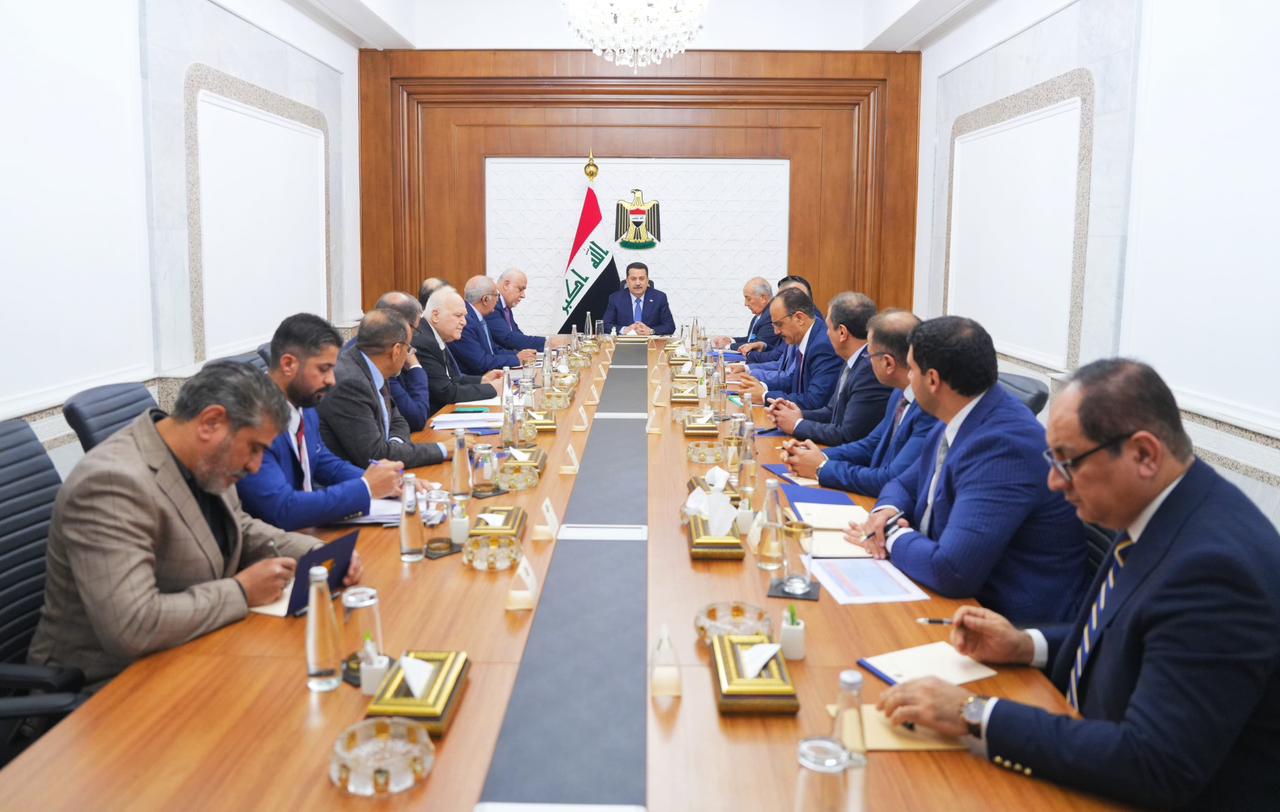
Adnan al-Shammari, a researcher specializing in Iraq’s economic affairs, said the government sought through the implementation of the ASYCUDA system to regulate customs procedures and combat smuggling by requiring advance invoices detailing imported goods and the amounts due, so that shipments can be matched against submitted data upon arrival.
Al-Shammari told Al-Estiklal that the new system also helps curb money laundering and the smuggling of foreign currency.
Iraq imports roughly $70 billion annually, he said, yet collects only about $1 billion in customs revenues, when receipts should be significantly higher.
“The system may not be welcomed by some traders, who could be manufacturing the crisis to pressure the government and inflame the street,” al-Shammari added, arguing that ASYCUDA is likely to continue, though the customs tariff rates on goods may be reconsidered.
Al-Shammari said the timing of implementing the system and raising tariffs was intended to enable the government to generate as much revenue as possible, particularly amid a liquidity shortage to finance public sector salaries.
The measures, he suggested, could also include adjusting the Iraqi dinar’s exchange rate against the dollar to secure additional liquidity.
Iraqi lawmaker Majid Shingali said the state faces two options to address the liquidity crisis, either reducing public sector salaries, which he said is not feasible because this segment represents about 40% of Iraq’s population, or increasing the dollar’s value against the dinar to provide the liquidity needed to pay salaries.
The proposals under discussion range between 1,600 and 1,800 dinars per dollar, he said, with no final decision announced.
In the same vein, economic expert Ziad al-Hashemi criticized the way the system was implemented, saying it created new problems that disrupted supply chains, slowed port operations, led to a buildup of goods and forced a number of shops to close.
In a post published on the X platform on February 8, al-Hashemi said the ASYCUDA system should have been introduced gradually, by dividing goods into categories and following a clearly announced timetable, alongside awareness campaigns targeting employees and traders to explain the system, its benefits and its impact on commercial activity, while taking their feedback into account.
He added that the government set a single objective for the system, increasing customs revenues, while overlooking how poor implementation and weak change management could trigger confusion and broad opposition.
Al-Hashemi urged the government to acknowledge mistakes and review its plan and customs policies in a way that regulates commercial activity and boosts revenues through a rational approach, without harming legitimate trade.
Sources
- Outcomes of the State Administration Coalition Meeting – Urgent [Arabic]
- What Is the ASYCUDA System in Iraq and How Does It Serve Iraqis? An International Report Breaks Down the Figures [Arabic]
- 75,000 Containers Pile Up at Ports as Iraqi Traders Protest Customs Hike [Arabic]
- Strike in Baghdad and Other Iraqi Cities as Protests Erupt Over Higher Customs Tariffs [Arabic]
- Customs Authority Announces Adoption of Mechanisms to Calculate the Customs Value of Imported Goods [Arabic]
- Statistics: ASYCUDA System Harms More Than 1 Million Iraqi Traders, Losses in the Billions [Arabic]
- Federal Supreme Court to Rule Wednesday on Appeal Against Customs Tariff Increase Amid Parliamentary Calls to Discuss Strikes [Arabic]
- Judiciary Becomes Iraqi Traders’ Recourse to Halt Customs Tariff Increase [Arabic]
- Iraq Imports Goods Worth $70 Billion Annually [Arabic]