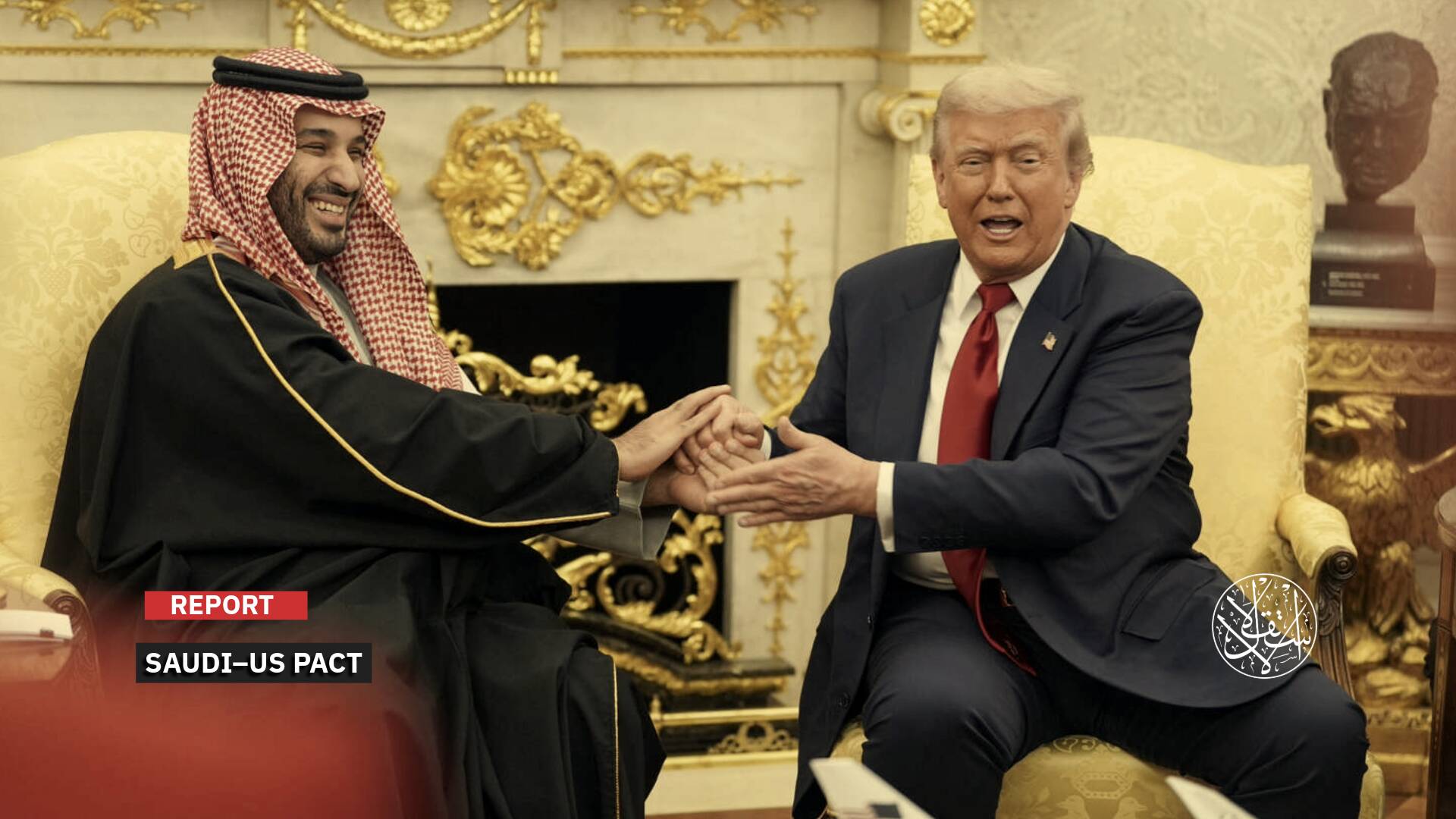
The $8 Billion Gold Crisis: Who’s Behind Iraq’s Massive Imports?
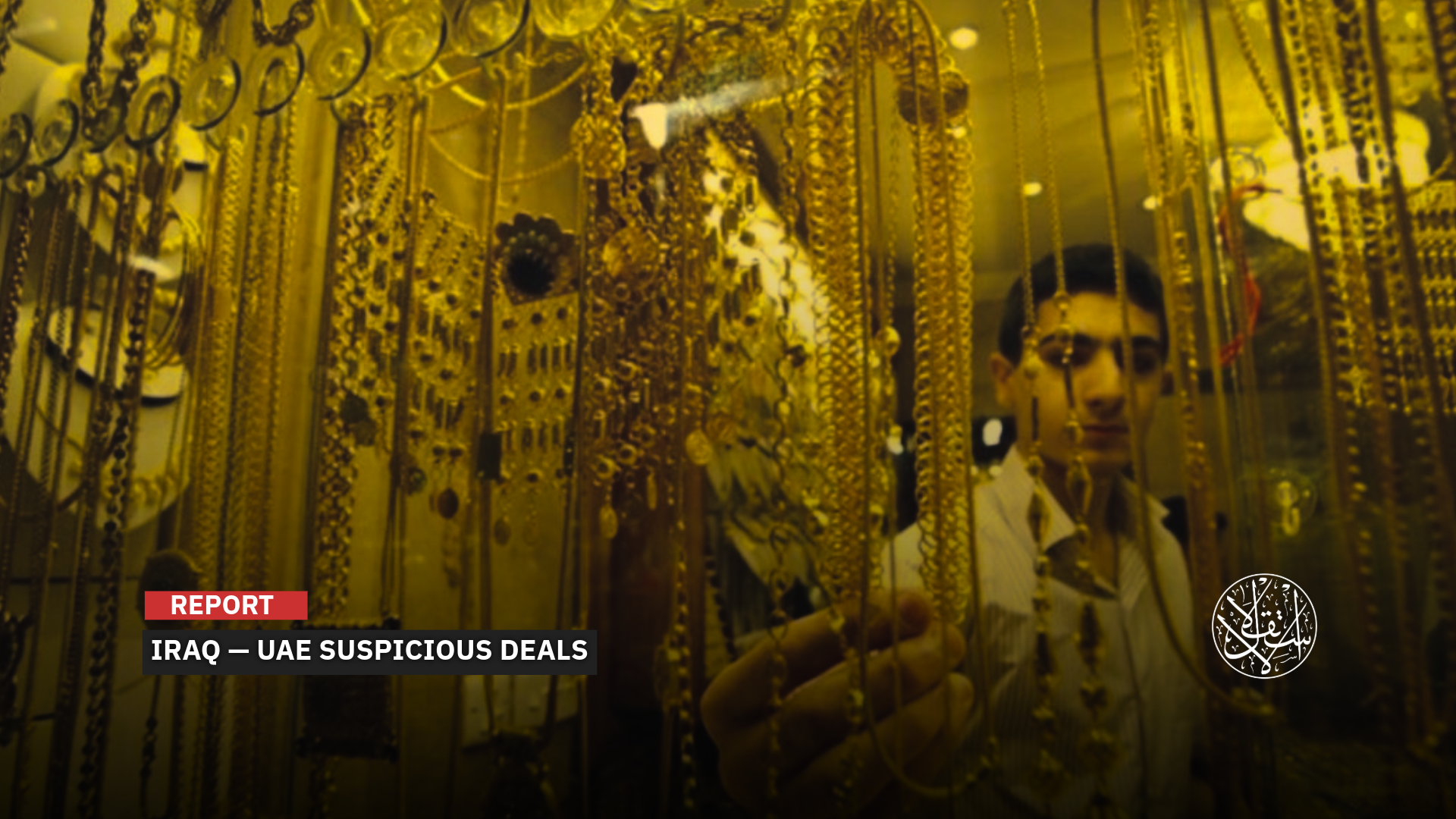
The UAE tops Iraq’s economic partners because of gold.
Official statistics in Iraq show that the private sector imports around $8 billion worth of gold and precious stones from the UAE each year, raising questions about why such huge quantities are being brought in and who is behind these shipments.
These jaw-dropping numbers coincide with Iraq’s rollout of the ASYCUDA system and higher customs tariffs in early January 2026, sparking outrage among traders who took to the streets of central Baghdad and called a strike on February 8 in protest.
Secret Trade
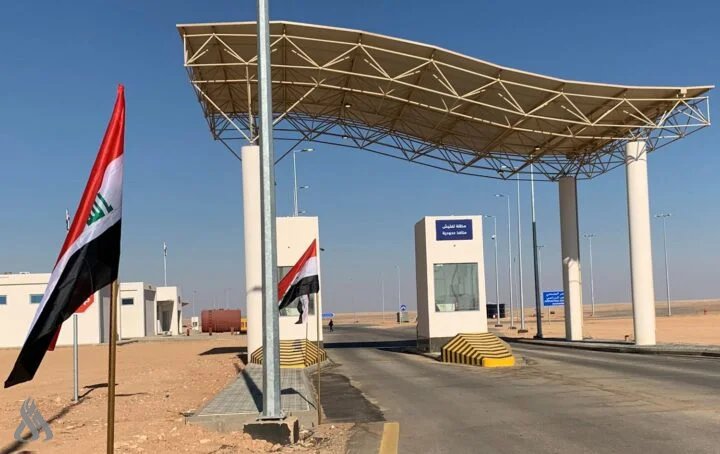
On February 8, 2026, Alsumaria TV, citing unnamed official sources, reported that Iraq’s capital outflows reached around $70 billion in 2024, falling slightly to $69 billion the following year, with the United Arab Emirates (UAE) emerging as Iraq’s top trading partner.
The channel noted that Iraq imported roughly $25 billion from the UAE, followed by $17 billion from China and $10 billion from Turkiye, with the majority of UAE imports consisting of gold, pearls, and precious stones valued at about $12 billion.
In 2025, Iraq imported roughly $8 billion in gold from the UAE, fueling suspicions that it could be part of a “secret trade network” run by influential Iraqi political factions, possibly explaining the government’s hesitation to fully roll out the ASYCUDA system.
ASYCUDA is a flagship customs automation program supported by UNCTAD, designed to digitize clearance processes, reduce fraud risks, and facilitate cross-border trade. Although approved in 2010, the Iraqi government only began applying it in early January 2026 to boost revenue and ensure public sector salaries, particularly after oil prices fell to around $61 per barrel.
Under the new system, customs duties rose between 5 and 30 percent, applied across multiple brackets—5, 10, and 15 percent, up to a maximum of 30 percent—covering the full tariff schedule of 99 chapters and roughly 16,400 internationally recognized trade codes.
Import Operations
Iraqi economist Abdulrahman al-Mashhadani told Al-Estiklal that the volume of gold imports into Iraq “raises serious suspicion, especially since the middle class cannot afford to buy gold in two- or three-gram amounts.”
“The private sector imported 24 tons of gold in 2024 and around 50 tons in the first ten months of 2025. Is all of this consumed domestically, or is it part of money laundering?” he said.
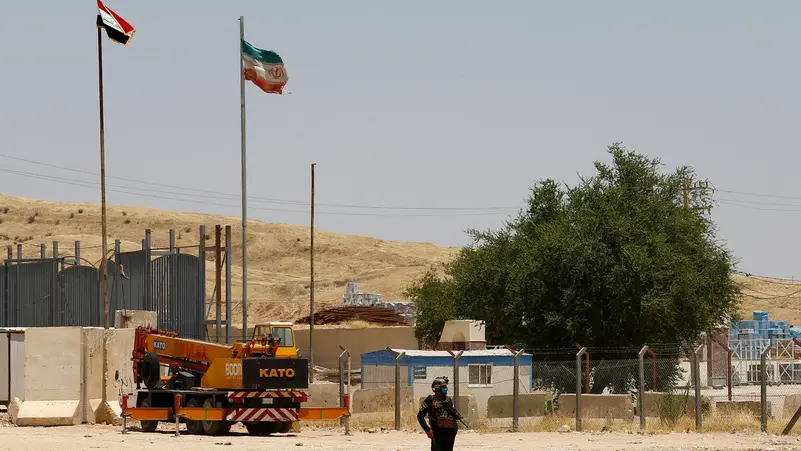
“Recent government-imposed property purchase rules have pushed investors to convert funds into gold, which is then smuggled to Iran and other countries.”
Echoing these concerns, economist Safwan Qusay noted that “Iraq imports 22 million tons of gold, most of which is ultimately re-exported,” asking, “Do Iraqis actually need this much, and who is the final consumer?”
“Some long-standing traders in the market control millions of dollars and serve as fronts for influential figures. Investigating them and their associates is crucial, and the newly implemented ASYCUDA system can help determine whether a trader is legitimate or merely a cover.”
“Iraq’s annual trade outflows total around $70 billion. The government should be collecting at least $7 billion in customs duties but actually takes in less than $2 billion, leaving a huge $5 billion gap—where is that money going?” he added.
‘36 Billionaires’
Commenting on Iraq’s gold imports, political and economic analyst Munqith Dagher said the surge in gold and precious stone imports is largely due to international restrictions on money laundering and smuggling, which have made gold an alternative store of value alongside real estate.
“Restrictions on the dollar, especially in neighboring countries, have pushed traders to use gold as a substitute, and part of the gold is re-exported to take advantage of price differences with surrounding markets,” he posted on X.
“The growing ranks of millionaires and billionaires in Iraq—around 36 in total, more than any other Middle Eastern country—are fueling gold demand, yet customs and tax revenues from these imports remain minimal due to rampant smuggling and border corruption.”
On the other hand, Iraqi gold trader Ali al-Akili told Al-Nahrain TV on January 15 that gold imports have stopped since the implementation of the ASYCUDA system at the beginning of January. He criticized the government measures, saying, “Those who enacted this law may not understand its impact; gold is a currency, not a consumable commodity that can disappear.”
“The global price of gold has exceeded $4,000 per ounce. We buy it in bars and then sell it to companies for crafting into finished products, covering the manufacturing costs along the way.”
Iraq receives around 2,000 containers daily through its ports, but with the implementation of the ASYCUDA system and higher customs duties, some 76,000 containers have piled up as traders refuse to take delivery.
In an attempt to bypass the crisis, some traders redirected shipments to the Kurdistan Region, which was initially exempt from the system, but authorities there set up customs checkpoints at the borders, forcing traders to pay fees twice.
Despite protests and strikes, Iraq Customs stated on January 9 that the measures would continue, describing them as “necessary to enhance transparency, regulate customs operations, protect public funds, and support a stable business environment in line with the government’s financial and economic reform agenda.”
Sources
- Gold Shines in Dubai While Baghdad’s Budget Strains: ASYCUDA Opens the Black Box of Trade [Arabic]
- Massive Surge in Iraq’s Gold Imports from the UAE in 2024, Followed by a Drop This Year: What’s Behind It? [Arabic]
- Reconstruction and Development: ASYCUDA Curbs Smuggling and Unifies Customs Across All Ports [Arabic]