L’IMAD Holding: How Abu Dhabi’s Economic Levers Were Handed to MBZ’s Son
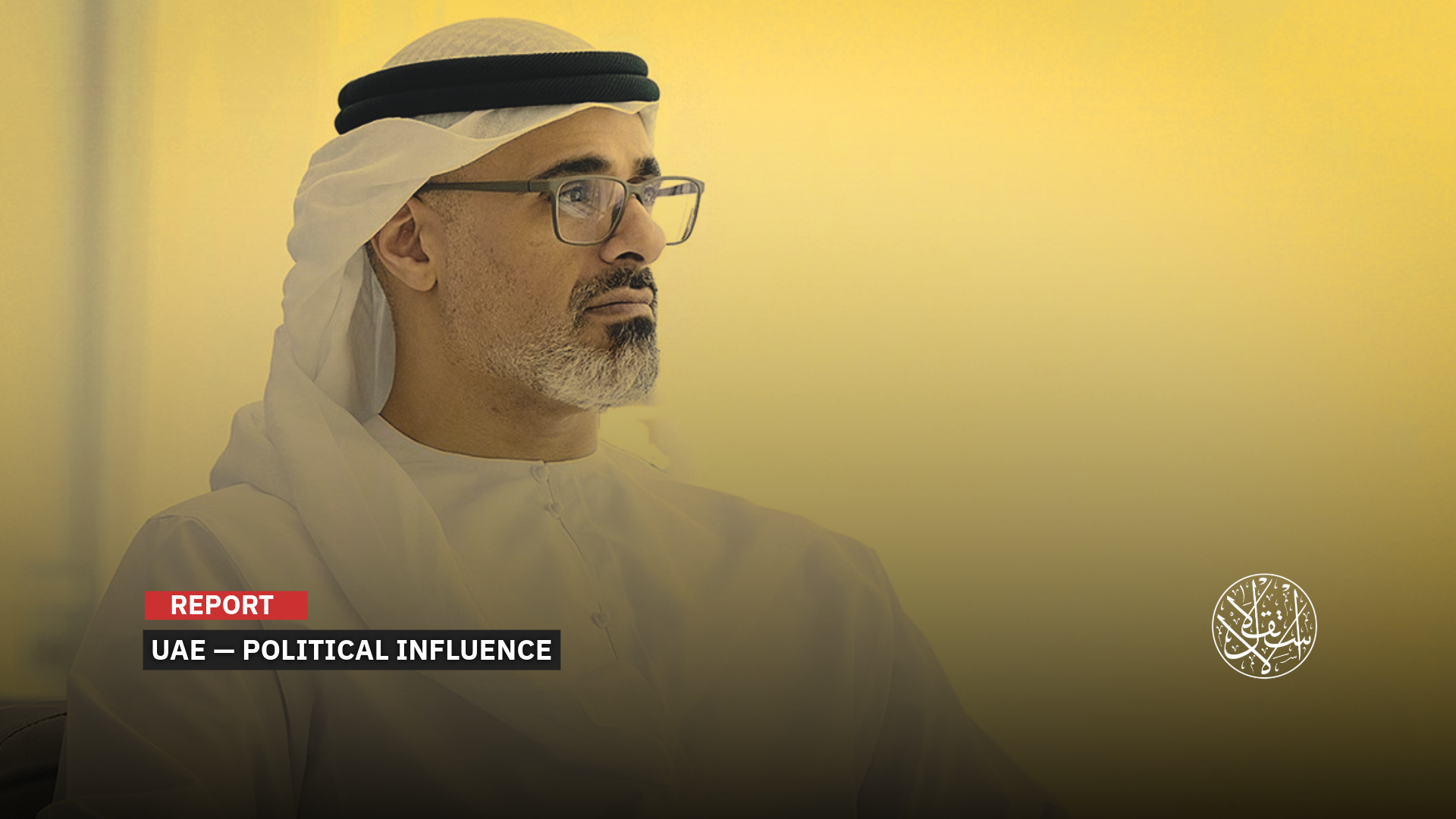
Abu Dhabi’s political economy is being reshaped around a central axis at a sensitive moment of transition.
On January 30, 2026, Abu Dhabi’s Supreme Council for Financial and Economic Affairs (SCFEA) decided to consolidate assets and investments into a new entity, L’IMAD Holding.
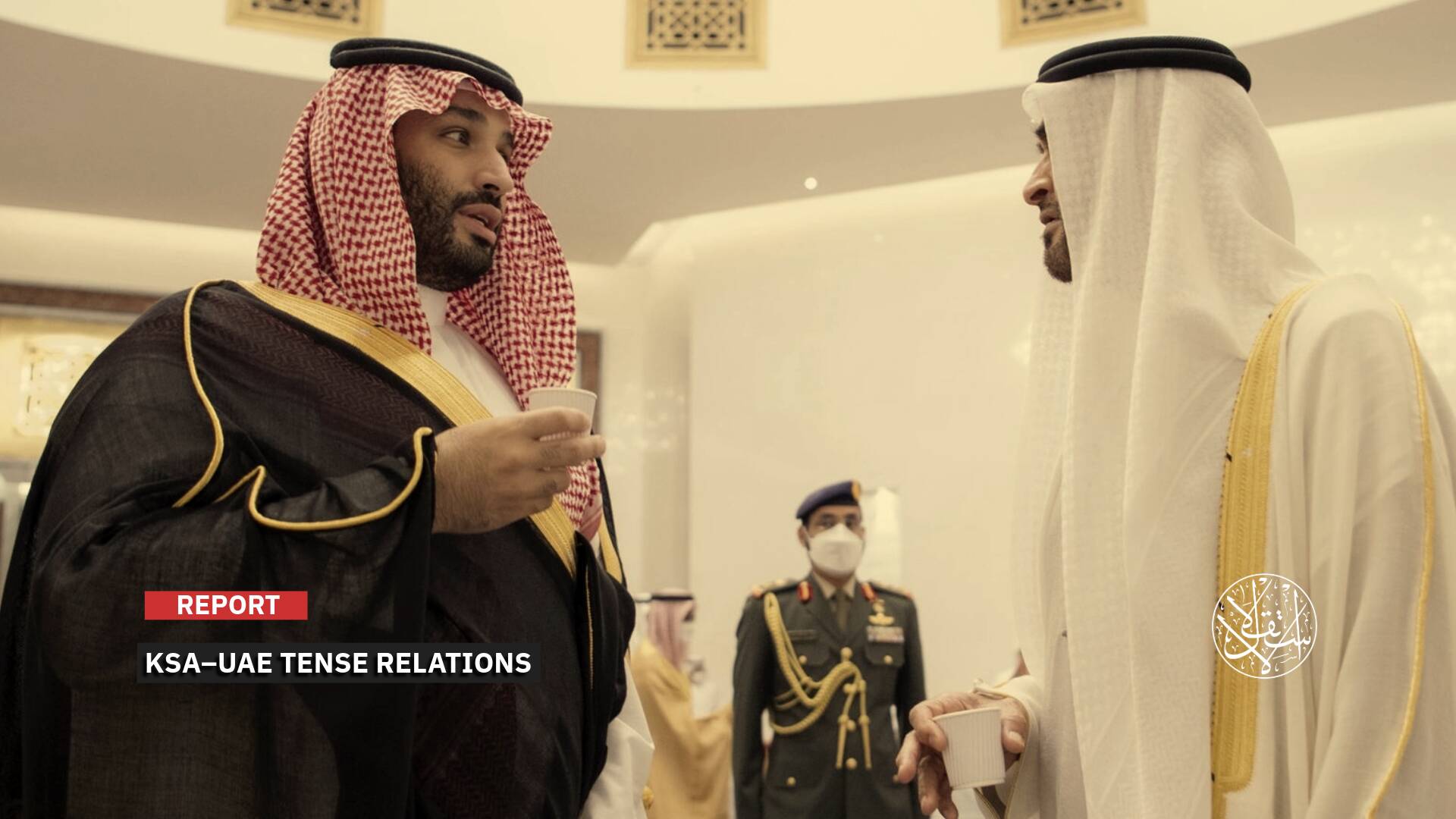
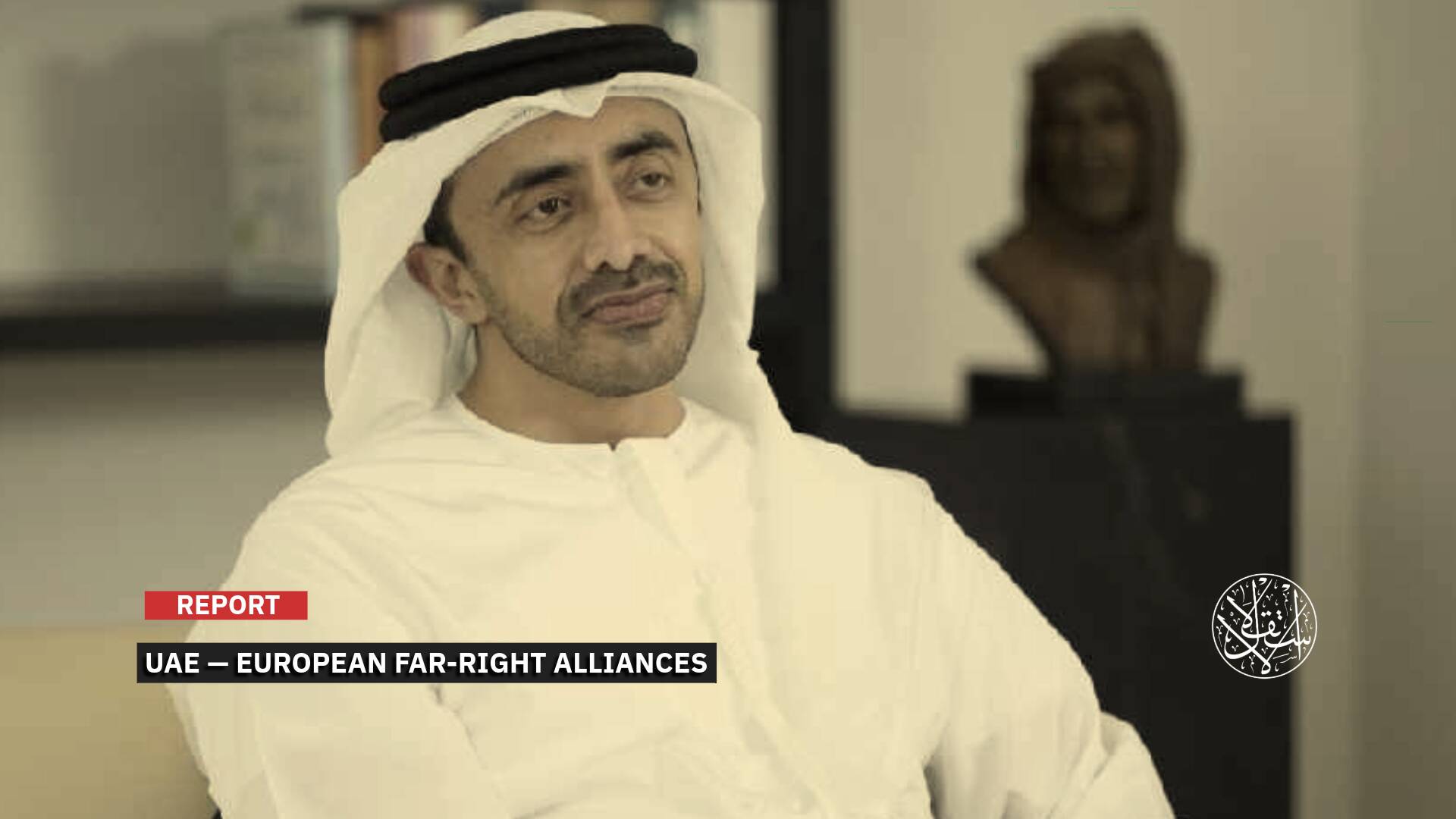
The move effectively shifted a vast portfolio that had been managed through an existing system into a younger entity led directly by Abu Dhabi Crown Prince Khaled bin Mohamed bin Zayed.
The SCFEA framed the decision as a step toward building a sovereign investment powerhouse with operational, industrial, and technological capabilities and platforms spanning private and public markets, claiming the goal was to support sustainable investment policy and accelerate economic development.
But the technocratic language masks the more consequential reality: an unprecedented concentration of strategic assets in a new vehicle whose political leadership and investment authority are fused at the top, reshaping power balances inside Abu Dhabi through money rather than formal titles.
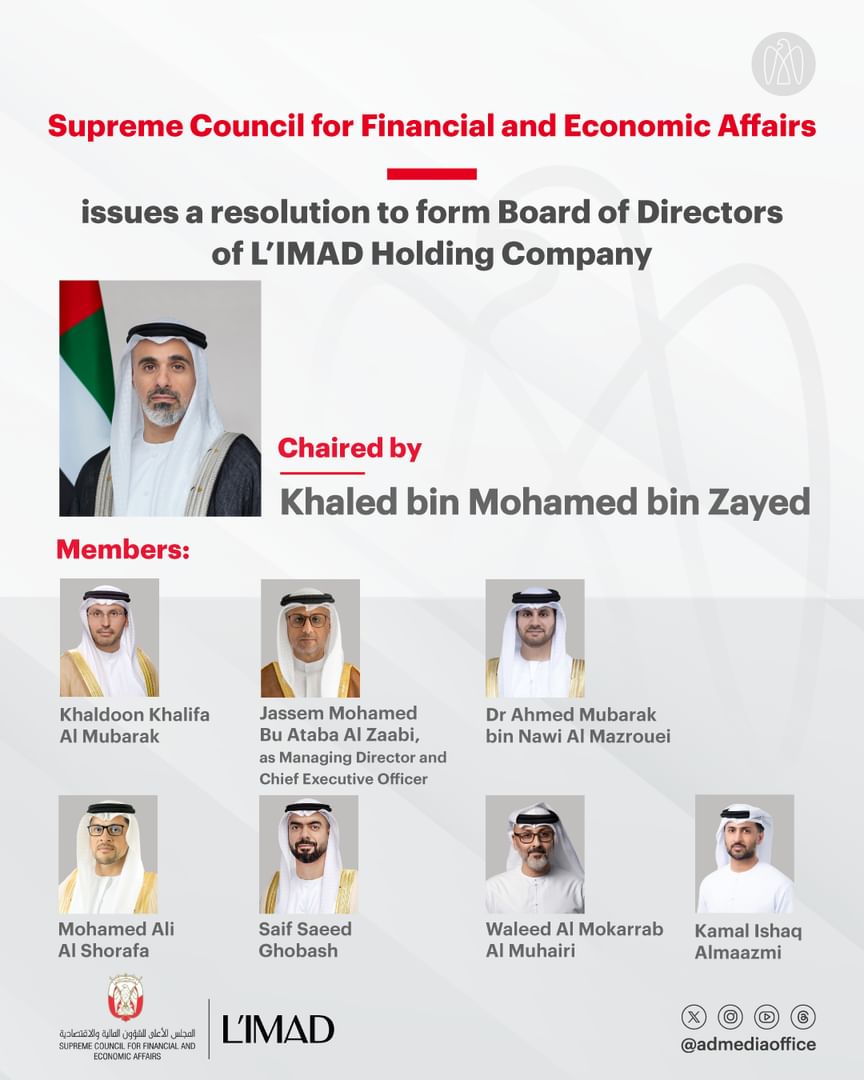
Well before the January 30 climax, the Abu Dhabi Media Office (ADMO) announced on January 12 the formation of L’IMAD Holding’s board, chaired by Khaled bin Mohamed bin Zayed, with Jassem Mohamed al-Zaabi appointed managing director and CEO, alongside heavyweight figures from the investment ecosystem, including Khaldoon Khalifa al-Mubarak.
These were not routine administrative steps. They signaled that the fund was not designed to take a back seat in the UAE’s investment hierarchy but to operate as a command platform from day one.
The January 30 decision then gave the structure its real weight. A Reuters report published the same day described the move as a major redistribution within Abu Dhabi’s sovereign wealth architecture, transferring control of a portfolio previously managed by Abu Dhabi Developmental Holding Company to L’IMAD Holding, chaired by the crown prince.
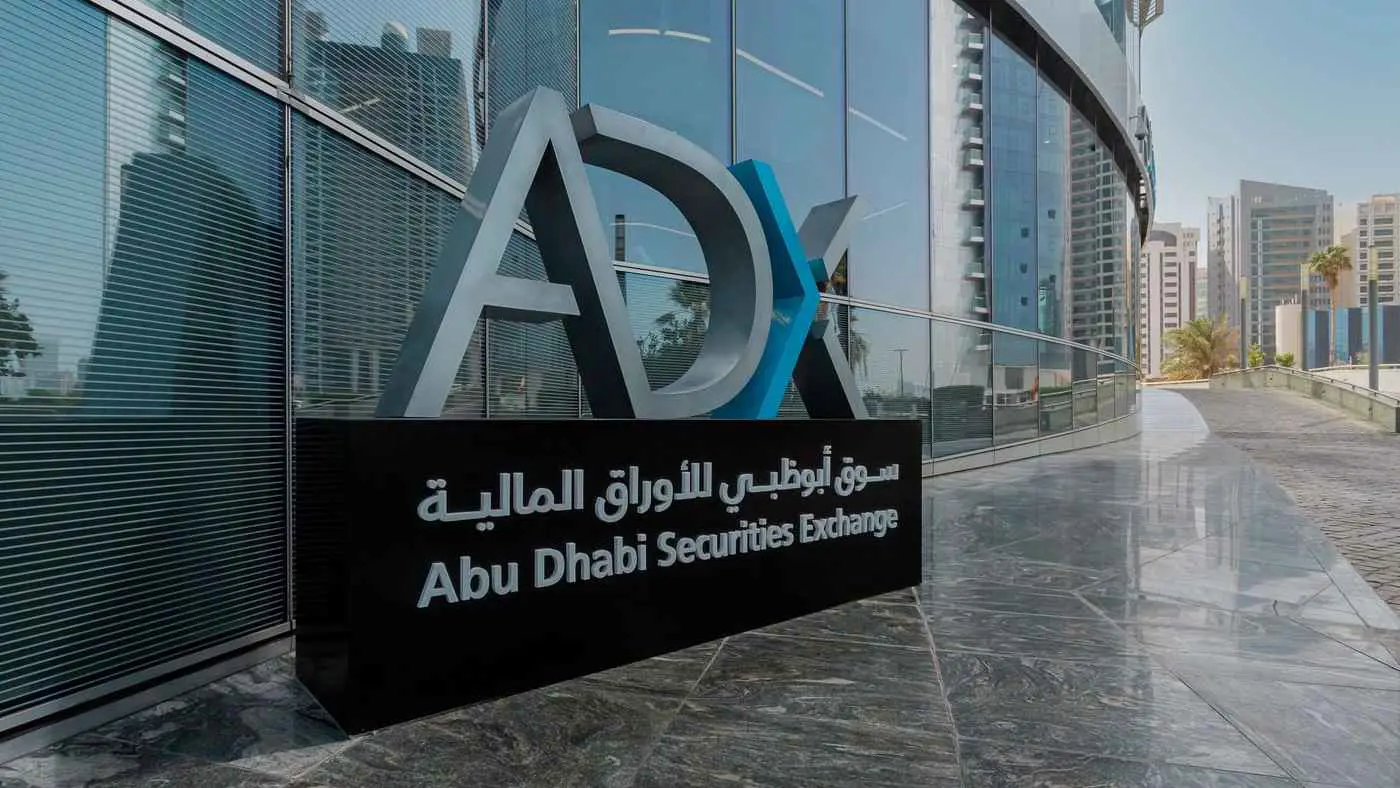
Reuters noted that Abu Dhabi Developmental Holding, known as ADQ, had managed roughly $263 billion in assets prior to the merger and that L’IMAD Holding would emerge as an entity valued at around $300 billion, with holdings that include Abu Dhabi National Energy Company, TAQA, Abu Dhabi Ports, and other logistics and investment assets.
Core Threads
This reading goes beyond describing a merger and instead pulls on the political thread the official narrative tries to sidestep: why was this block of assets moved so quickly into a new entity and placed directly under the supervision of Khaled bin Mohamed bin Zayed?
Why not just tighten governance at Abu Dhabi Developmental Holding or reorganize it internally instead of stripping it bare and funneling everything into a brand-new platform?
The answer came in a Bloomberg report, which made clear that the asset transfer was not just about shifting balance sheets but about transferring power: the authority to appoint and dismiss executives, steer contracts, shape partnerships, and set strategic priorities in sectors that sit at the heart of the state.
That point is precisely what pushed the story from economics into politics. The consolidation of ADQ’s assets into L’IMAD Holding was framed as a shift that places the crown prince closer than ever to Abu Dhabi’s dealmaking ambitions.
When the gateway to investment runs through the crown prince, the gateway to influence follows. Global investors look for the shortest path to decision-making, and the shortest path is the platform that controls the assets and holds the green light.
Tahnoon’s Losses
A February 1, 2026 report by the Financial Times added another layer to the picture, sketching what it described as a dealmaking machine being built around Khaled bin Mohamed bin Zayed, one that expands his role from politics and society into command of the geo-economic arena.
The report revisited last year’s episode in which U.S. President Donald Trump had breakfast with the crown prince during his regional tour, highlighting how Khaled was presented as the face of Abu Dhabi as an agile and capable investment partner.
In the Financial Times reading, this was not a public relations moment but a repositioning. Whoever controls the largest investment platform becomes the natural channel for negotiation, even if other centers of power continue to exist.
Because Abu Dhabi’s sovereign funds are not just financial portfolios but instruments of the state, redrawing their architecture cuts to the core of power, not its surface.
The paper, therefore, went straight to the idea of a generational shift, arguing that folding ADQ’s assets into L’IMAD Holding represents a transfer of investment clout to the 44-year-old crown prince.
It drew a historical parallel to the creation of Mubadala in 2002, which coincided with the rise of his father, Mohammed bin Zayed, within the power hierarchy at the time.
The comparison implicitly suggests that the new fund is as much a vehicle for political ascent as it is an investment tool.
This is where the most sensitive internal dimension emerges. According to Reuters, ADQ had been chaired before the merger by Tahnoon bin Zayed, the national security adviser, who also heads the Abu Dhabi Investment Authority (ADIA), one of the world’s largest sovereign wealth funds.
Moving a portfolio of this scale from a sphere that overlapped with Tahnoon’s influence into a platform chaired by Khaled bin Mohamed bin Zayed signals that power within the ruling family is now being managed not only through councils or formal titles but also through the redistribution of the keys to the vault.
The reports do not suggest that Tahnoon has lost his influence outright; he retains vast authority through ADIA and other networks.
At the same time, they point to a new balance being established through soft power. The crown prince now controls a portfolio that places him at the center of financial decision-making in highly sensitive sovereign sectors, turning him into a magnet for bankers and asset managers and potentially positioning him as a coordination hub between institutions, reshaping the negotiating influence of uncles and other power centers compared with their standing before the merger.
L’IMAD as a Weapon
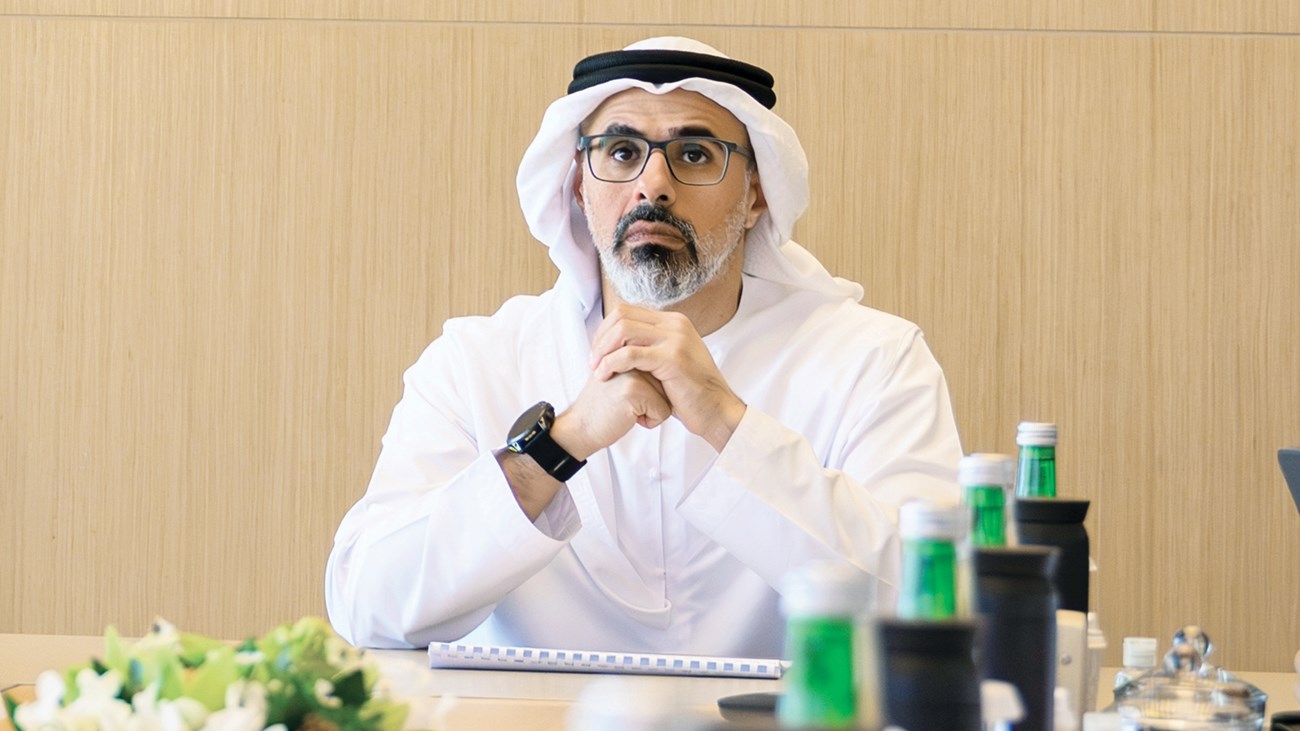
To understand why L’IMAD Holding is described as an economic weapon, it’s essential to look at the nature of the assets it controls.
The portfolio includes TAQA, Abu Dhabi Ports, and other operational assets that are not just paper investments—they hold control over land, water, electricity, and supply chains.
When these assets are consolidated under a single platform, the head of the holding gains real influence over the economy, far beyond stock tables or financial statements.
The meaning becomes even clearer when we recall how L’IMAD first appeared before the merger. On December 9, 2025, it was revealed as a backer of the $108 billion acquisition bid for Warner Bros. Discovery, the American media and entertainment giant.
At that moment, the fund was presented as a trusted Gulf supporter of a highly complex global deal. Just weeks later, it absorbed a massive domestic sovereign portfolio, raising the question: was the fund from the start designed to serve as a new executive platform, capable of moving deals quickly and flexibly both internationally and at home?
At the heart of this operation is also the executive element, Jassem al-Zaabi. Appointing a figure whose roles straddle the SCFEA and the fund itself invites the question: where does state decision-making end and fund decision-making begin?
When the coordinator of fiscal and sovereign policy simultaneously leads an investment platform controlling major operational assets, the gap between funder and executor shrinks, making oversight difficult without strict disclosure mechanisms.
Lack of Transparency
Here transparency becomes the key issue—one the official narrative tries to sidestep by emphasizing sustainability and continuity in investment policy.
L’IMAD Holding emerged quickly in December 2025, but questions follow: Where are the public details? What framework governs conflicts of interest? What are the internal audit rules? How are major decisions disclosed? How is the line drawn between investment and sovereign decisions in sectors that touch economic security?
German researcher and Middle East security expert Andreas Krieg, a lecturer at King’s College London, said leaving these questions unanswered is not a mere administrative detail—it defines the nature of the state. Is it a financial institution state or a central decision-making state run through funds?
Krieg noted that Abu Dhabi, by consolidating ADQ’s assets under L’IMAD to create a sovereign investment force with a diversified asset base, admitted the transfer of this portfolio from one entity to another but framed it purely as an economic necessity.
The transfer itself is acknowledged, yet discussion of its political impact is absent.
Krieg added that the paradox lies in the official rhetoric Abu Dhabi loves to promote. When a major company launches a new fund and places assets of this size inside, it floods the market with disclosures and governance. But when such a merger occurs in a highly centralized environment, the economy ceases to be a modern management tool and instead becomes a language to cement the path of power.
He concluded that L’IMAD, at its core and as events reveal, is not just a platform for income diversification but a platform for consolidating decision-making and reorganizing who holds the reins of wealth and who sits in the observer’s seat.
Deal-Making Platform
This dynamic has led some observers to describe the new model as “the state as a deal-making platform.” A Wall Street Journal (WSJ) analysis framed Abu Dhabi as moving toward a model where the state itself operates as a centralized platform, streamlining processes and merging politics with investment at a single decision point.
The report highlighted L’IMAD Holding as the practical embodiment of this model, operating not as a traditional fund but as a gateway through which major deals and cross-border partnerships flow.
Under this setup, the state no longer acts only as an owner or regulator; it functions as an executive intermediary, controlling who gains access to assets and who remains outside.
With ADQ’s portfolio moving into L’IMAD, access to energy, ports, and transport sectors is now linked to a single platform led by Khaled bin Mohammed bin Zayed and managed by an executive network close to the center of power.
As WSJ noted, this model enables speed and flexibility in deal-making while shrinking the distance between political and economic decision-making.
Ultimately, the story of L’IMAD Holding reveals more than the creation of a new fund. It reflects a shift in how the UAE manages the state itself, using sovereign funds not just as investment tools but as political and economic operating platforms that reshape the relationship between governance and wealth and between domestic and international spheres.
L’IMAD, as events show, is not merely a financial entity; it is the hub around which Abu Dhabi’s political economy is being reorganized during a sensitive transitional phase.
Sources
- Abu Dhabi Builds a New Deal Machine Around Its Crown Prince
- Shake-Up Elevates U.A.E. Crown Prince Into $260 Billion Sovereign Wealth Role
- Abu Dhabi folds assets worth $263bn into new wealth fund controlled by crown prince
- Abu Dhabi to consolidate assets of ADQ under L'imad
- Hollywood-hungry Gulf states bankroll Paramount's Warner Bros bid