Yemen’s New Government: Progress at Stake or Crisis on Repeat?
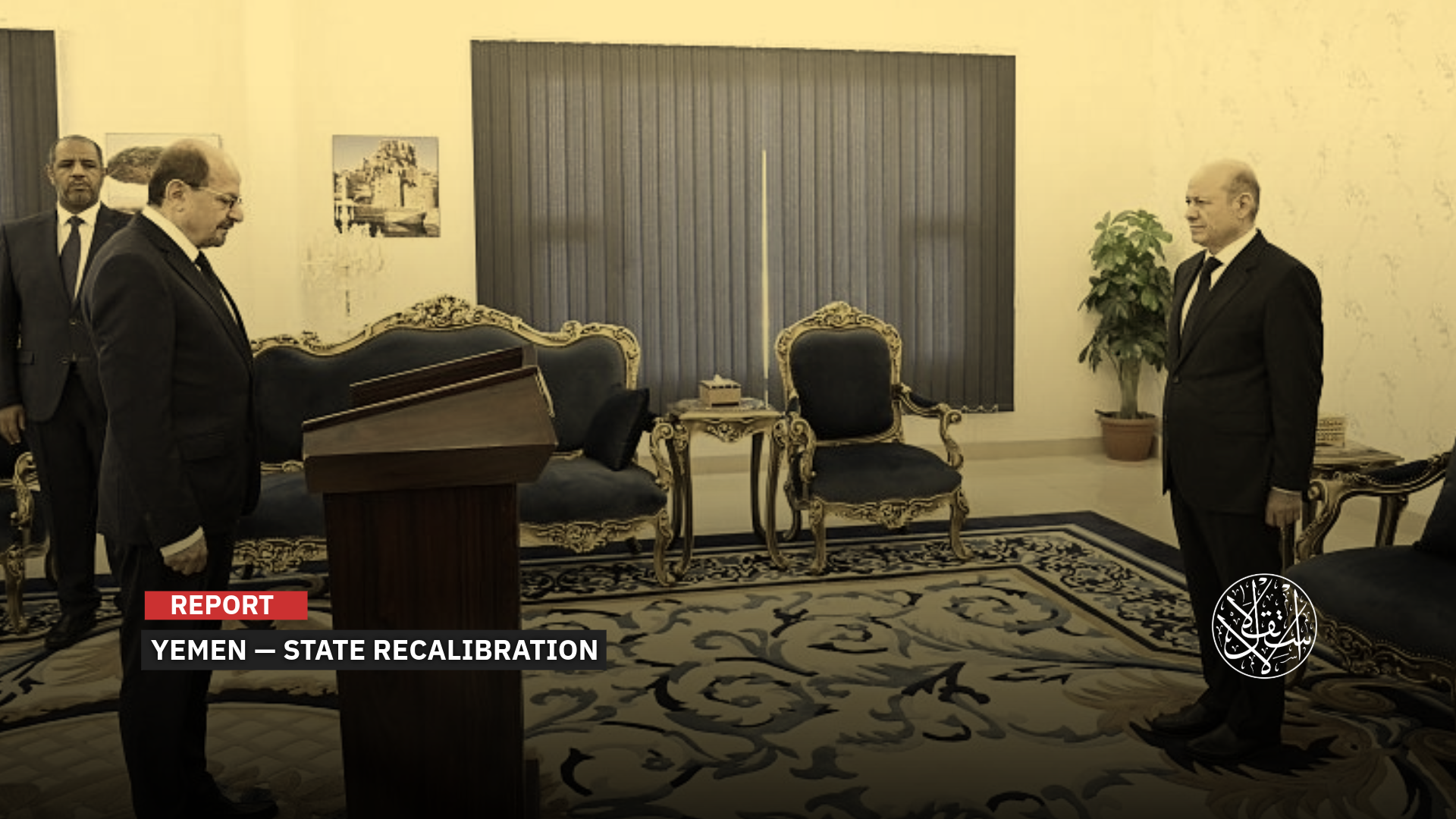
Al-Zindani’s government emerges in the wake of the Southern Transitional Council’s waning grip on Yemen.
In the third government formed by Yemen’s internationally recognized authority in three years, urgent questions have surfaced over what distinguishes the new cabinet from its predecessors and whether it can survive for more than a single year, unlike previous governments, as well as the most pressing challenges it faces in delivering tangible change across Yemen’s political, economic and social landscape.
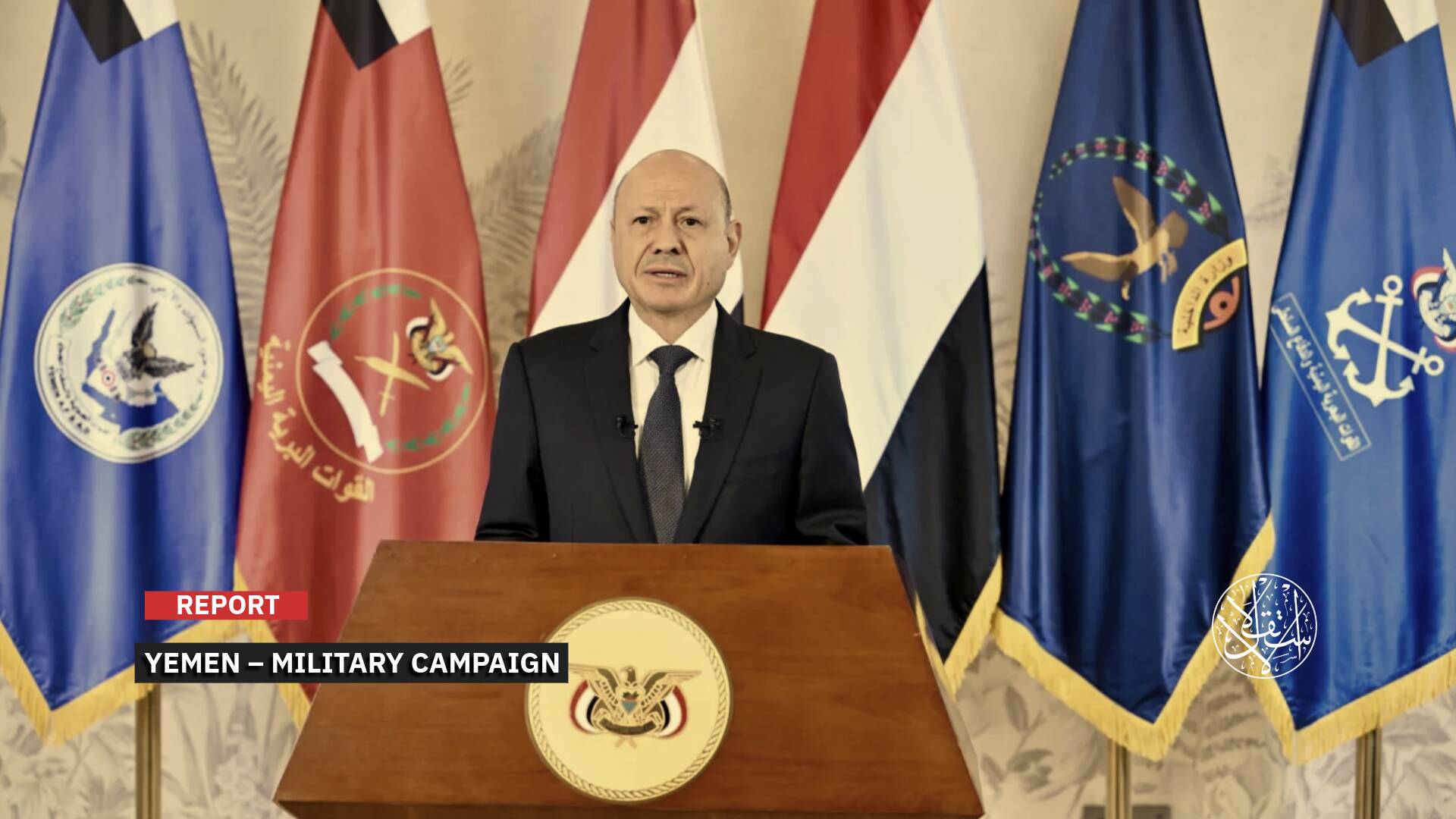
On February 6, 2026, Yemen’s Presidential Leadership Council announced the formation of a new 35-member government headed by Shaya al-Zindani, who retained the portfolio of foreign affairs and expatriates, following the resignation of the previous cabinet led by Salem bin Breik, which lasted only eight months in office.
In a post on the platform X dated February 6, al-Zindani said the government’s priorities in the coming phase would focus on improving living and service conditions for citizens, combating corruption, enhancing institutional performance and strengthening partnerships with brothers and friends, in a bid to end the coup, restore state institutions and consolidate stability.
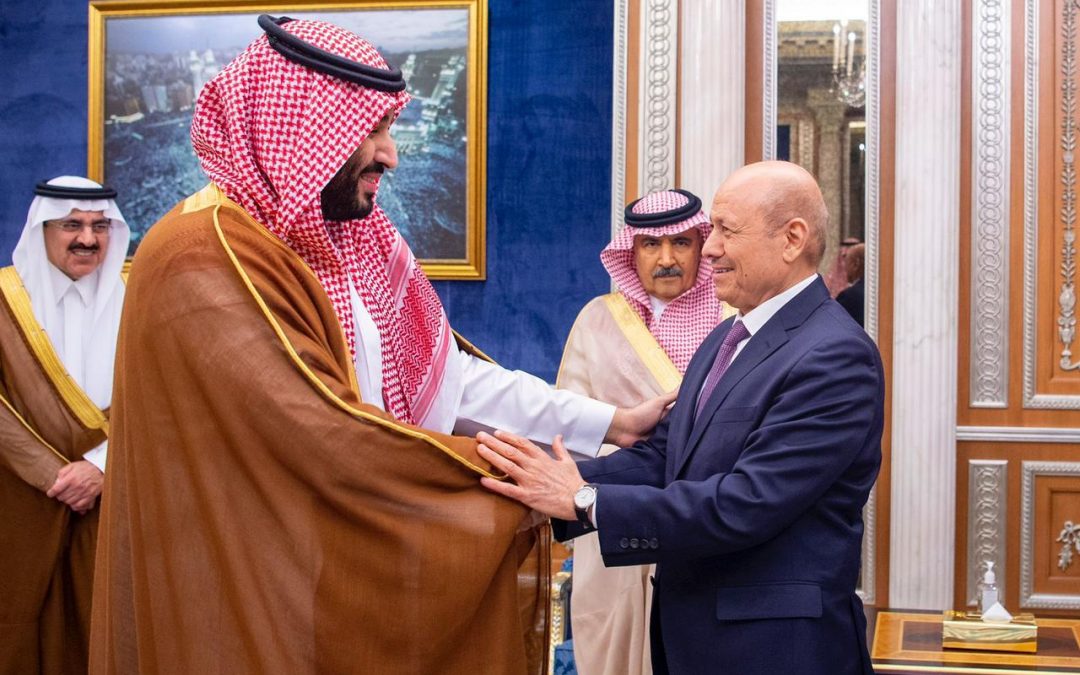
Al-Zindani praised what he described as the “generous and gracious support from brothers in Saudi Arabia,” commending their steadfast positions toward Yemen and their continued backing of the Yemeni government across political, economic, security, military, humanitarian and development fields, and their commitment to supporting the Yemeni people’s aspirations for peace, development and prosperity.
Regarding the reasons behind forming a new government, Yemeni writer and political analyst Yassin al-Tamimi said the necessity arose from a shift in the situation on the ground, where the dominance and assertiveness of the secessionist project had pushed the country into a deep impasse and nearly undermined the legal entity of the Republic of Yemen.
Al-Tamimi told Al-Estiklal that this reality required military action that curtailed the military and political influence of the Southern Transitional Council.
He noted that several ministers in the previous government had openly aligned themselves with the secessionist project, making their replacement inevitable.
He added that the appointment of Shaya al-Zindani as prime minister is also linked to the fact that he hails from Al-Dhalea governorate, the same province as Aidarous al-Zubaidi, head of the now-dissolved Southern Transitional Council.
According to al-Tamimi, the move may be intended to create a measure of appeasement and to defuse regional mobilization.
He argued that the step helps reassure the public that influence has not been entirely erased, but rather rationalized and repositioned within the framework of the Yemeni state, after previously being exercised at the expense of the state’s authority and legal standing.
Al-Tamimi pointed out that the previous government had been constrained by the limited number of ministers, whereas the current cabinet is more expansive, reflecting the imperatives of political appeasement and regional representation.
He said it includes ministers with political experience and responsibility alongside technocratic figures, as well as ministers considered part of the Saudi quota, some of whom retained their posts.
He expressed the view that the new lineup appears stronger than its predecessors.
He emphasized that ministers affiliated with the Southern Transitional Council no longer constitute a “blocking third” within the cabinet, as they had previously, but instead represent a regional political share aligned with the internationally recognized government, after having been appointed in accordance with the vision of the council and its leader.
As for the challenges facing al-Zindani’s government, al-Tamimi said the foremost test lies in its ability to mobilize national resources and reinvest them, unify Yemen’s state institutions into a single political, military, and security framework, and demonstrate readiness to confront the Houthi coup.
He added that the economic challenge requires the continuation of Saudi financial and monetary support at the same level, alongside granting the government greater latitude to utilize sovereign resources from oil and gas to address the country’s economic crises.
Al-Tamimi stressed that the most critical challenge is reclaiming political, sovereign, security and military decision-making.
He argued that both the government and the Presidential Leadership Council suffer from a structural imbalance, namely the lack of full control over sovereign decisions, which he said remain, in practice, in the hands of Saudi Arabia.
In his view, what is required is a shift in Saudi support for the internationally recognized government from tactical backing to empowerment support, enabling it to perform effectively on the ground while granting it sufficient political and military independence to confront the Houthi challenge, a step that would require autonomous decision-making, and adequate resources.
Al-Tamimi concluded that if these conditions are met, the legitimate authority would be capable of confronting the Houthis.
He argued that the opportunity is favorable for several reasons, foremost among them popular backing to end the threat, the retreat of external vetoes that had previously hindered resolving the Houthi file, and Saudi Arabia’s weight, which could provide the political, regional and international umbrella necessary for such a battle.
A Counter-Message
In contrast, Yemeni writer Ali al-Dailami argued that the formation of the new Yemeni government was accompanied by rhetoric of change and the infusion of new blood, presenting some figures as technocrats, yet this description, in his view, appeared more cosmetic than substantive.
In an article published by the Yemeni newspaper Al-Nidaa on February 7, 2026, al-Dailami wrote that most of the appointed names are either loyal to political parties, aligned with influential factions, or tied to regional calculation, and personal relationships, rendering the notion of “independent competence” little more than a linguistic cover that does not reflect the reality on the ground.
He noted that the absence of popular engagement with the government’s formation was not without reason.
Yemenis, worn down by war and the fallout of worsening living conditions, have long since lost confidence in any cabinet reshuffle that is not grounded in clear standards of accountability and effectiveness.
According to al-Dailami, this reflects a broader sense that what occurred amounts to little more than recycling the same faces and policies that have failed to manage the state or ease citizens’ suffering.
He added that the retention of several ministers whose names are associated with failure and corruption, without any meaningful accountability or serious performance review, reinforced this negative perception.
Instead of serving as an entry point to restore a minimum level of trust, the reshuffle, he argued, sent the opposite message, that failure carries no cost and that positions remain governed by the logic of quotas and influence rather than responsibility and results.
Al-Dailami pointed to political quota-sharing, which has shaped successive Yemeni governments, as the primary obstacle to genuine reform.
It has sidelined independent national competencies unaffiliated with parties or patronage networks and deprived the state of figures capable of making a tangible difference in public performance.
In his view, it has also entrenched a culture of loyalty over professionalism, turning the government into a reflection of narrow power balances rather than the aspirations of a people seeking a just and effective state.
Against this backdrop, he said, the average Yemeni has felt no real change in daily life, no improvement in services, no economic relief, and no meaningful restoration of state institutions.
The former Yemeni ambassador to Beirut concluded that cabinet formations no longer constitute an event worthy of close attention or hope for many Yemenis, but have instead become another repetitive chapter in a protracted crisis, defined by the absence of vision and the continued management of the country with the same tools that led it into this deep impasse.
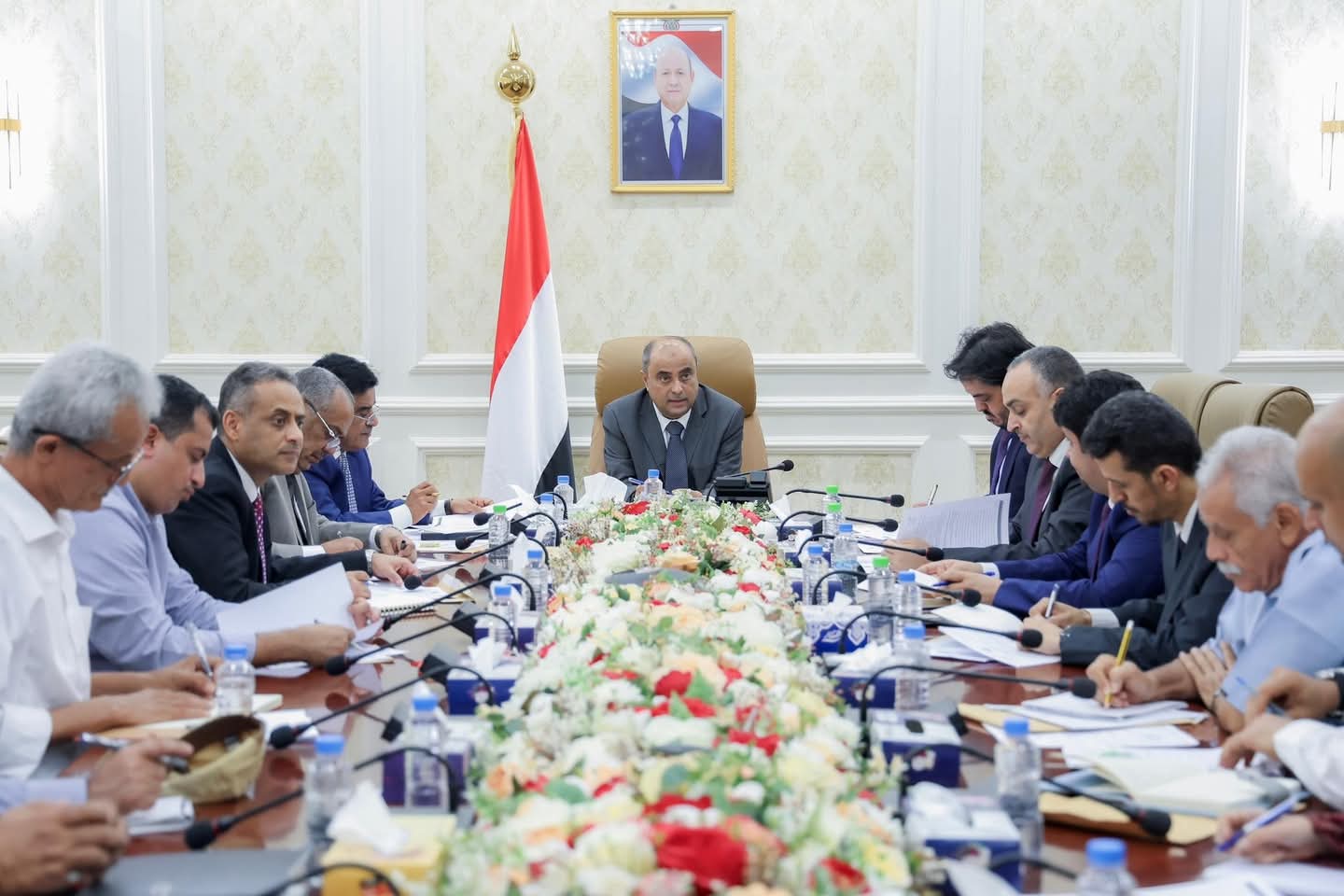
In the same context, writer and political analyst Hani al-beed said that the formation of the new Yemeni government headed by Shaya al-Zindani constitutes an important constitutional entitlement, yet its true value is not measured by the number of ministerial portfolios or the balance of political compromises, but by its ability to achieve objectives, accomplish tasks and deliver tangible results that are directly felt in citizens’ daily lives.
In a comment published on the platform X on February 7, 2026, al-Beed added that the current phase in Yemen requires a shift from the logic of managing temporary balances and narrow calculations to the logic of the state, grounded in institutional decisiveness, clear prioritization, linking responsibility to achievement and entrenching the principles of evaluation and accountability, a call, in essence, to move from power-sharing arithmetic to the harder work of governance.
He noted that current conditions cannot accommodate governments built around names or inflated structures as much as they require a cabinet grounded in clear programs, responsible performance and a genuine capacity to respond to the pressures of daily life.
According to al-Beed, the formation of a government of this size, with the inclusion of ministers without portfolios, may signal that consensual calculations have been prioritized over clarity of vision and defined priorities, as well as over the real ability to effect meaningful change and deliver the promised achievements.
The former Yemeni diplomat argued that successful experiences show that governments of competence are constructed around specific programs and clearly assigned tasks and are held accountable for results, whereas quota-based governments are often created to satisfy political balances and tend to manage crises or defer them rather than address their root causes.
He concluded that governing in accordance with the logic of the state must rest on programs, mandates and measurable outcomes, not on symbolic balances, suggesting that the current formation appears closer to managing a transitional phase and easing its pressures than to embodying a government of decisive reform, and change, a reflection of the continued dominance of consensus-driven considerations over a response proportionate to the scale of the country’s collapse.
Sources
- Yemeni Presidential Council Approves New Government Formation Headed by Shaya al-Zindani [Arabic]
- “Generosity and Support” From Saudi Arabia in First Comment by Yemen’s New Prime Minister Shaya al-Zindani [Arabic]
- Hani al-Beed Comments on the Announcement of the New Government Members, What Did He Say? [Arabic]
- When Governments Lose Their Meaning in the Eyes of Yemenis [Arabic]