Turning on Washington, Squaring Off with Abu Dhabi: Why MbS Is Rewriting His Alliances
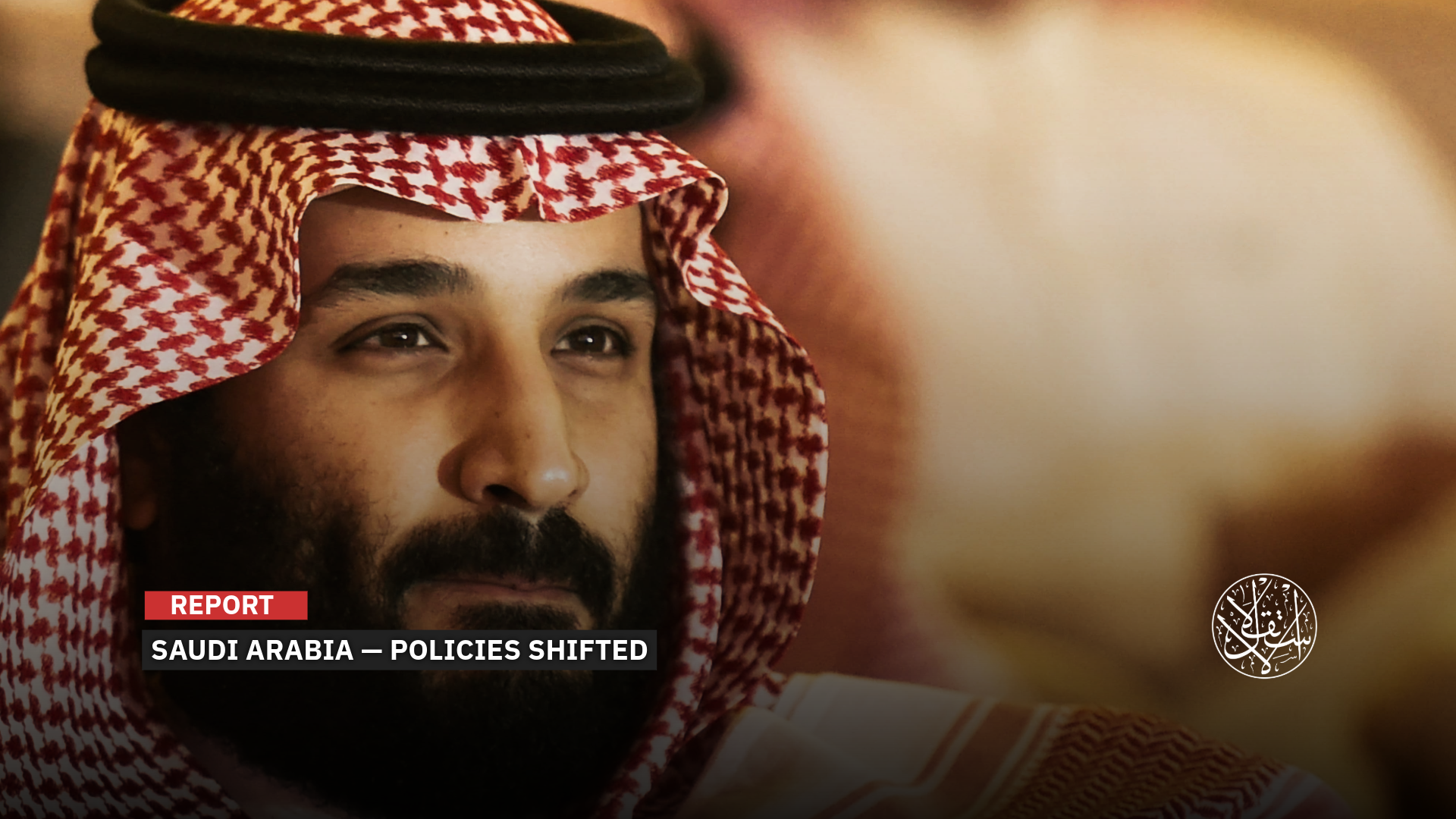
Riyadh has come to view “Israel” as the central problem in the Middle East.
With a media clash intensifying between Riyadh and the so-called “Abu Dhabi government,” as Saudi media frame Emirati moves in Yemen and Sudan as threats to national security, Crown Prince Mohammed bin Salman (MBS) appears to be placing his standoff with Mohammed bin Zayed (MBZ) ahead of other priorities.
Saudi authorities have released several senior clerics who were previously detained during the confrontation with Islamist movements, a period when Riyadh’s policies largely aligned with those of Abu Dhabi and Cairo.
The move appears aimed at leveraging the clerics’ social influence as Saudi Arabia’s political confrontation with the UAE intensifies.
At the same time, after spending tens of billions of dollars on the NEOM project, Saudi Arabia is moving to scale back its ambitions and redefine the project’s goals, according to reports by the Financial Times and The Independent, a tacit admission that the original vision was flawed or unrealistic.
Meanwhile, The National Interest has pointed to a shift in Saudi Arabia’s “rules of the game,” noting that Washington is beginning to realize the kingdom is no longer an easy fit for U.S.-led normalization efforts under the “Abraham Accords.”
The magazine argues this reflects a strategic recalculation: Riyadh is no longer willing to position itself within “Israel’s” camp or play a subordinate role in regional arrangements, instead seeking to act as an independent power able to maneuver and impose its own terms.
In that sense, the long-standing view of Saudi Arabia as a fixed pillar of U.S. regional policy appears to be giving way to a new approach based on diversified alliances and a redefined regional role.

Illusory Projects
Crown Prince Mohammed bin Salman’s insistence on pressing ahead with NEOM, despite widespread criticism that it was an unrealistic dream carrying heavy financial and political costs, has long been one of the most controversial features of his rule. But as tensions with the UAE escalated, the young crown prince and heir apparent reversed course, moving to significantly scale back the project.
According to the Financial Times on January 25, 2026, MBS, as chairman of NEOM, ordered sweeping cuts and a comprehensive redesign as a long-delayed review of the project’s development plans neared completion, following years of delays and budget overruns.
The paper reported that The Line, originally expected to cost around $500 billion, would be sharply reduced in size under the revised plans, though no specific percentage was disclosed.
The decision followed the collapse of the futuristic transportation system envisioned for the city, which relied on ultra-high-speed, rocket-like transit, effectively undermining the concept of building a 100-mile-long city in the desert and dealing a blow to Saudi Arabia’s political and economic ambitions.
The Independent confirmed in a January 27, 2026, report that Saudi Arabia would significantly scale back NEOM and its plans for a massive desert city, citing mounting concerns over soaring costs and repeated delays.
The project had been slated for completion by 2030, but construction halted late last year as Riyadh began searching for a cheaper, more realistic alternative.
The pullback has not been limited to NEOM. Work on Trojena, the planned mountain ski resort within the project, has been postponed, while the government has also suspended the Mukaab project, according to Reuters on January 27, 2026.
The Mukaab, a major tourism development envisioned to include roughly 80 entertainment zones in Riyadh, was estimated to cost around $50 billion. Originally scheduled for completion by 2030, it has been pushed back to 2040, amid talk of shrinking it into a “much smaller” version.
The project stirred widespread controversy when unveiled for its striking similarity to the Holy Kaaba, prompting the government to abandon its original plans.
More broadly, Saudi Arabia has seen a growing wave of cancellations and downsizing of large, costly projects, from NEOM to World Cup stadium developments, marking a shift away from the spectacle-driven spending that defined Vision 2030 toward projects seen as more urgent and profitable, amid tightening liquidity and lower oil prices.
The Saudi economy is grappling with the legacy of decades of heavy spending, compounded by pressure from declining oil revenues, prompting the government to reassess its financial priorities.
In this context, Bloomberg reported on January 25, 2026, that Saudi Arabia had postponed the 2029 Asian Winter Games, a flagship event in the kingdom’s sports ambitions, citing technical challenges and high costs, particularly the construction of ski slopes in a desert environment.
The retrenchment reflects a broader reset led by the Public Investment Fund (PIF), whose assets are estimated at around $1 trillion, in coordination with the central government, focusing resources on infrastructure projects with fixed deadlines, such as Expo 2030 and the 2034 World Cup.
In December 2025, the International Monetary Fund (IMF) said that the recent decision to reorder priorities among major investment projects had helped concentrate spending on the most critical areas and reduce the risk of economic overheating.
Why the Releases?
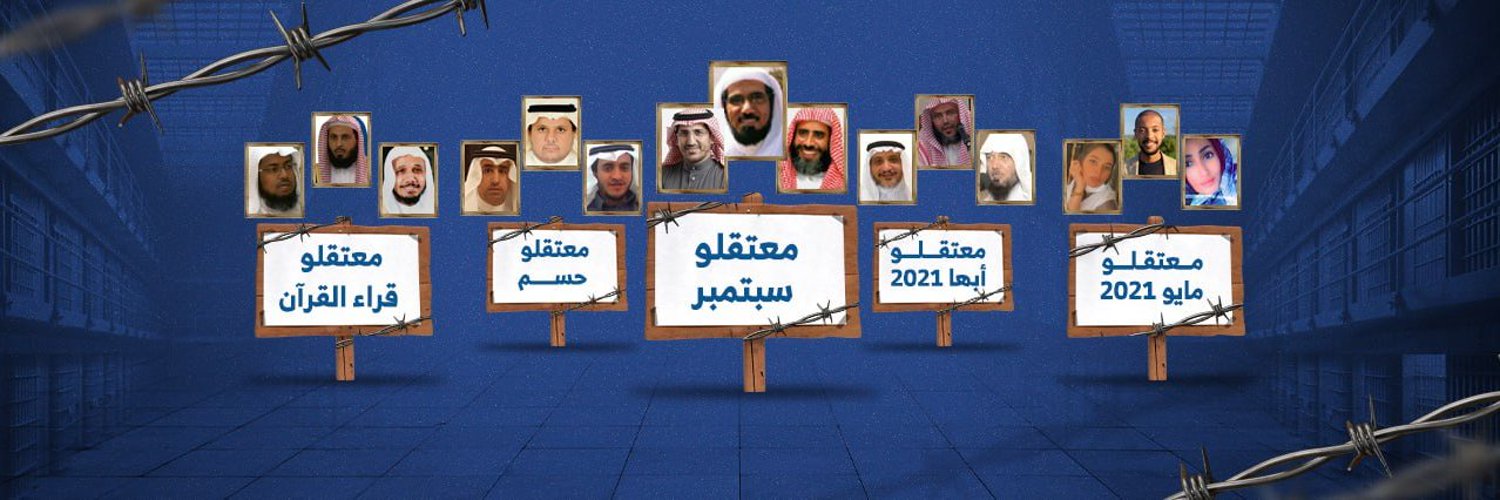
Since September 2017, coinciding with the Saudi-led blockade imposed on Qatar in June of that year by Saudi Arabia and its allies, including the UAE, Egypt, and Bahrain, Saudi authorities launched a sweeping campaign of arrests and prosecutions targeting prominent clerics, preachers, thinkers, and academics.
According to Muwatinun Bila kuyud (Citizens Without Borders), a Saudi opposition website, nearly 70 scholars, religious figures, and academics were detained, marking one of the largest arrest campaigns in the kingdom’s recent history.
Those detained at the time included Salman al-Odah, Awad al-Qarni, Ali al-Omari, Mohammed Musa al-Sharif, Ali Omar Badahdah, Ahmed bin Abdulrahman al-Suwaiyan, and Idris Abkar, while others were barred from travel without being formally arrested.
Beginning in December 2025 and continuing through January 2026, Saudi authorities started releasing some of the detainees, according to conflicting reports alternating between confirmation and denial, with no official statement clarifying the nature or reasons for the releases.
The releases reportedly included clerics and preachers such as Khaled al-Rashed, Nasser al-Omar (whose release was denied by Muntada Alulama), Muhammad al-Khudairi, Mohammed al-Habdan, Dr. Malek al-Ahmad, Badr al-Mashari, Dr. Ibrahim al-Harthi, and preacher Abdulaziz al-Tarifi, amid expectations that additional names could follow.
The move raised widespread questions among observers, human rights organizations, and journalists, particularly given the absence of official transparency and the difficulty of interpreting the releases as a genuine or substantive shift in the authorities’ approach to public freedoms.
In an analysis published by Alqst, a Saudi human rights monitoring group, on January 23, 2026, the organization said the wave of releases that began in late 2024 appeared linked to Saudi efforts to improve its international image and present itself as a global hub for economic, sports, and entertainment events, alongside mounting external human rights pressure.
The report suggested that preparations to host the 2034 FIFA World Cup, along with other major international events, were among the key drivers behind the releases, given the heightened scrutiny such events bring to Saudi Arabia’s human rights record.
It also noted that growing rights pressure had pushed authorities to free a limited number of detainees while maintaining strict restrictions, including travel bans, employment prohibitions, unofficial house arrest, and denial of certain government and financial services, despite their formal release.
As the releases continued through January 2026, other assessments emerged linking the move to rising tensions in Saudi-Emirati relations. Observers pointed to social media accounts close to the UAE circulating posts referring to the “release of Brotherhood clerics in Saudi Arabia,” suggesting the issue may be politically leveraged within the broader regional dispute between the two sides.
Saudi Arabia has released more than 30 political detainees since September 2024, most of them detainees of conscience, according to an Agence France-Presse (AFP) tally dated March 22, 2025.
Between December 2024 and February 2025, the number of those released rose to at least 44 detainees, including activists and graduate students such as Salma al-Shehab and Mohammed al-Qahtani, according to a Human Rights Watch (HRW) report.
In many cases, those freed had already completed their prison sentences, and in some instances exceeded them, as in the case of Mohammed Fahd al-Qahtani, a founding member of the Saudi Civil and Political Rights Association (ACPRA).
In other cases, detainees completed an initial sentence, were then retried and convicted again, served additional full terms, and were only released months or even years after those sentences ended, as occurred in the case of Issa al-Nukhaifi.
Some cases also saw partial sentence reductions following intense international pressure, most notably that of Salma al-Shehab, who was initially sentenced to six years in prison, then had her term increased to 34 years, before the sentence was later reduced and she was released in 2025.
In several instances, detainees were personally informed of their release without any official announcement of a royal pardon, while in other cases no pardon was announced at all and “the convictions” themselves were never formally overturned.
At the same time, many prominent human rights defenders remain behind bars, as rights groups stress that violations in Saudi Arabia have not ceased, despite these limited waves of releases.
Normalization Is Fading Away
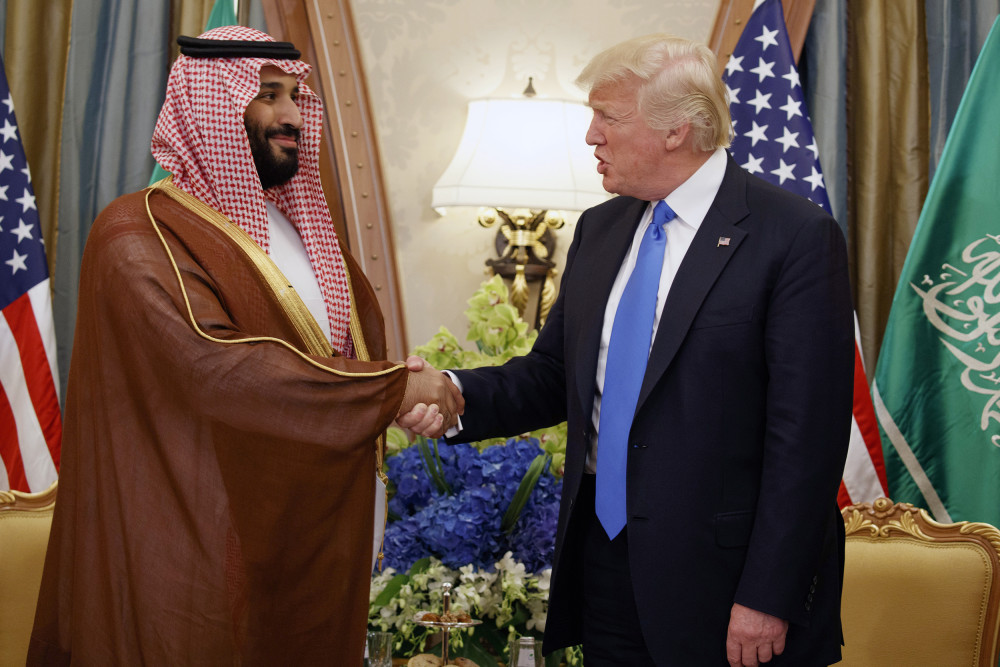
The escalation of tensions between Saudi Arabia and the United Arab Emirates (UAE) has coincided with a rapid acceleration in ties between Abu Dhabi and “Tel Aviv,” while Riyadh has moved away from that path and toward strengthening relations with Turkiye and Iran. This shift has been noted by U.S. newspapers and think tanks, which have described it as a growing Saudi departure from the U.S. vision of normalization with “Israel.”
The National Interest, close to Washington policy circles, published a notable article on January 25, 2026, widely seen as an important indicator of thinking within U.S. centers of influence.
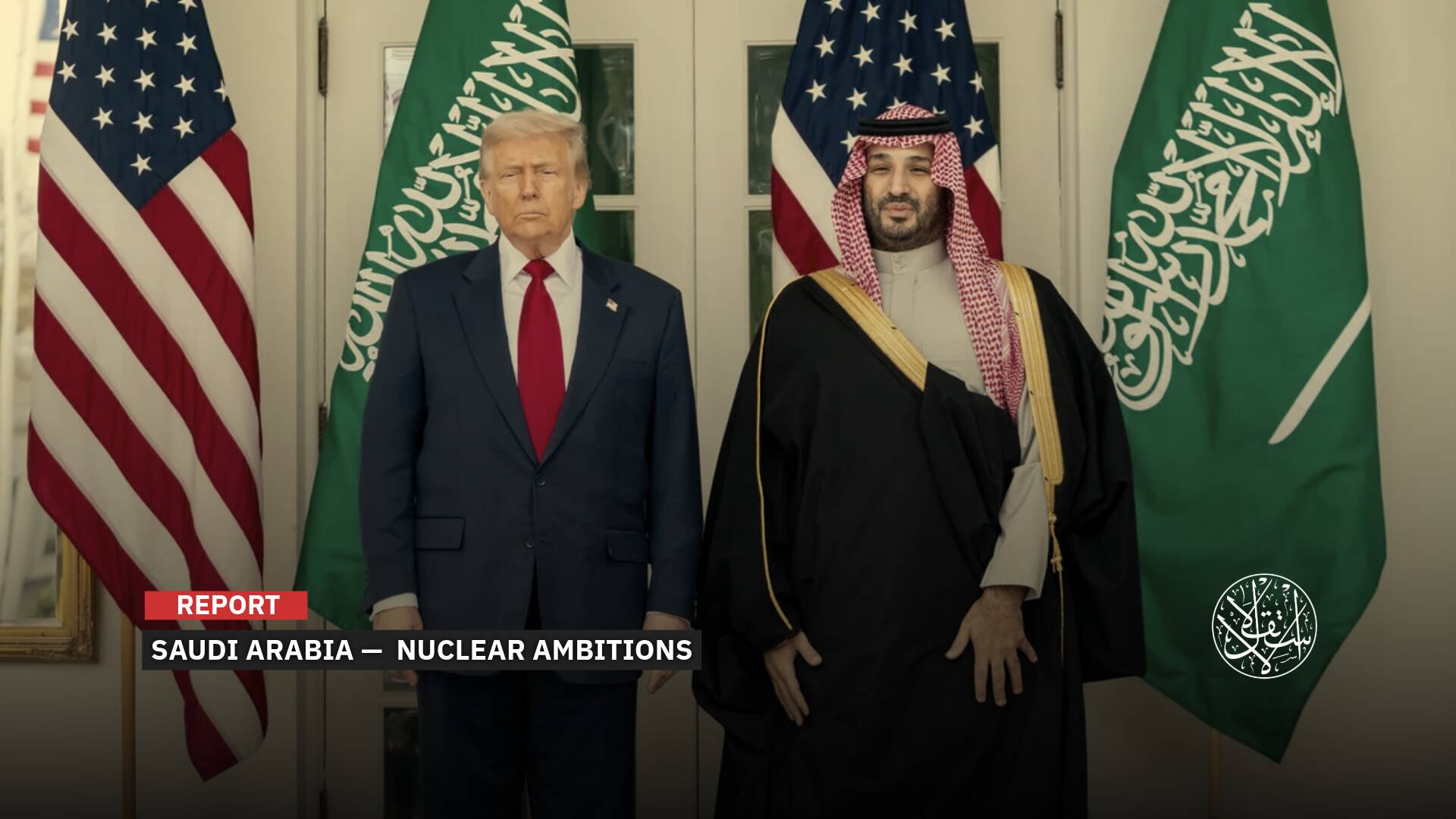
The article argued that MBS is gradually distancing himself from the United States and moving in a direction contrary to Washington’s expectations, particularly with regard to Saudi-Israeli normalization, urging the U.S. to reconsider its traditional assumptions about the Kingdom.
It noted that Saudi Arabia had previously viewed Iran as the primary threat seeking regional dominance, prompting closer ties with Washington and “Tel Aviv” and opening the door to discussions about normalization, especially in the context of acquiring advanced weapons such as F-35 stealth fighter jets.
That perception, according to the magazine, has changed fundamentally. Riyadh now views Iran as far weaker than before, while seeing the Israeli Occupation as the actor harboring ambitions of regional dominance. This has pushed the Kingdom to reorient its policies by distancing itself from “Tel Aviv” and improving relations with Tehran, particularly amid widespread popular opposition to normalization.
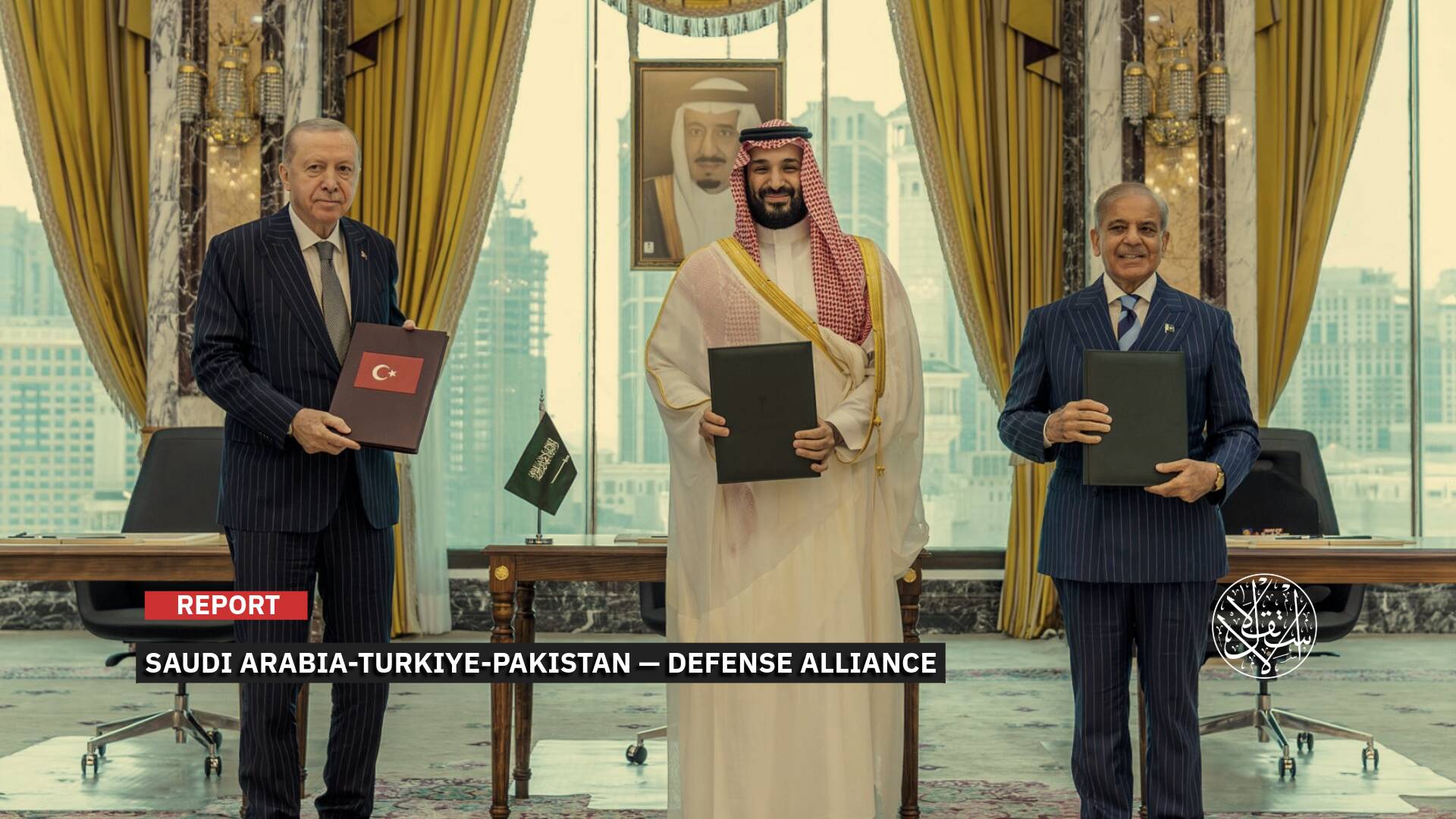
According to The National Interest, Saudi shifts have not been limited to improving ties with Iran but have also included moves to curb Emirati influence in Yemen and the Horn of Africa, as well as strengthening partnerships with Turkiye and Pakistan, as part of a broader effort to redraw the regional map in line with Saudi interests, signaling a change in the region’s rules of engagement.
Maariv reported on January 11, 2026, that the stalling of normalization with Saudi Arabia coincided with the growing Emirati-Israeli axis and “Israel’s” escalating campaign against Iran.
The report linked the decline in normalization prospects to a broader regional context marked by worsening tensions between Riyadh and Abu Dhabi, at a time when the UAE has become “Israel’s” closest Arab partner, amid Saudi concerns about advanced Israeli positioning near its borders should “the Iranian regime” collapse and a pro-Western authority emerge.
“Israel’s” public broadcaster, Kan 11, went further, citing what it described as “informed Gulf sources” who said MBS has recently been working to shape what they called a “parallel axis” to the so-called “moderate Sunni axis,” including countries such as Turkiye, Iran, Qatar, Egypt, and Pakistan.
According to these sources, this orientation is reflected in both public and implicit Saudi escalation against the UAE, accusing it of acting “in coordination with Israel” in ways that run counter to Saudi interests, and even describing Abu Dhabi as an “extension” or “arm of Israel” in the region.
The report added that Riyadh has come to view “Israel” as “the central problem in the Middle East,” a shift that is also understood in “Israel” as an attempt by Saudi Arabia to reposition politically in a way that facilitates closer ties with Turkish President Recep Tayyip Erdogan.
The same sources spoke of what “Israel” described as “concerning indicators,” including the Saudi crown prince’s adoption of a more flexible approach toward the Muslim Brotherhood, alongside efforts to protect Turkish interests in Africa.
This assessment was echoed by The Jerusalem Post (JP) in a report published on January 26, 2026, titled “MBS’s gamble: Saudi leans toward Turkiye and Qatar, avoids Israel-US bloc.”
The report said MBS is quietly rebalancing the Kingdom’s regional position by reducing the level of alliance with “Israel” and the United States, while gradually moving closer to Turkiye and Qatar, rather than integrating into the framework of the “Abraham Accords.”
What stood out was not only the report’s content but also the identity of its authors: Liron Rose, a reserve officer in Israeli military intelligence, and Amit Shabi, a former analyst in “Israel’s” Unit 8200—reflecting the degree of concern within Israeli security circles over the ongoing shift in Saudi policy.