Between Diplomatic Moves and Military Threats: How Iran Is Preparing for the Chaos of a Potential War
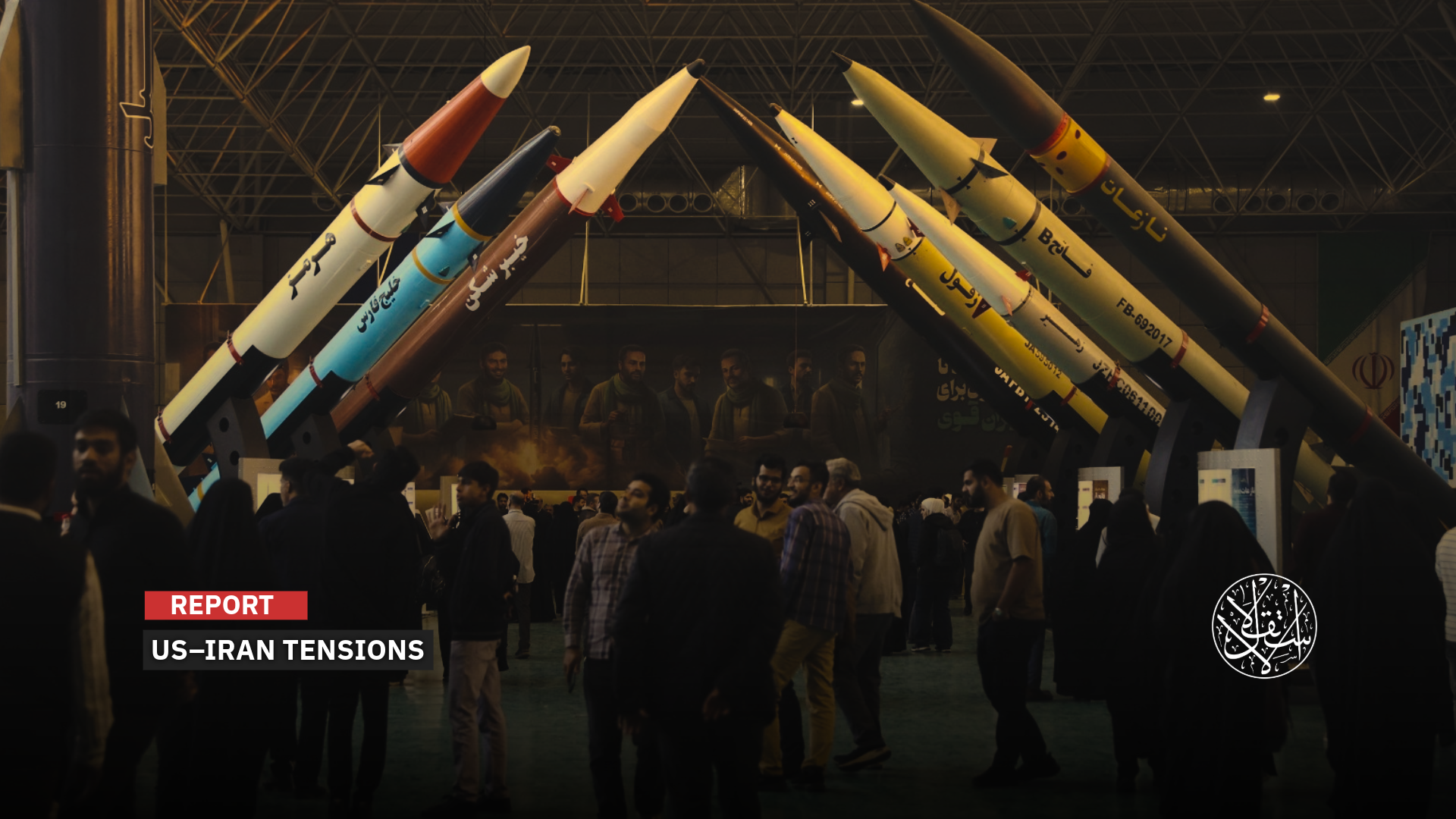
“Trump may have fewer viable military options than in Venezuela.”
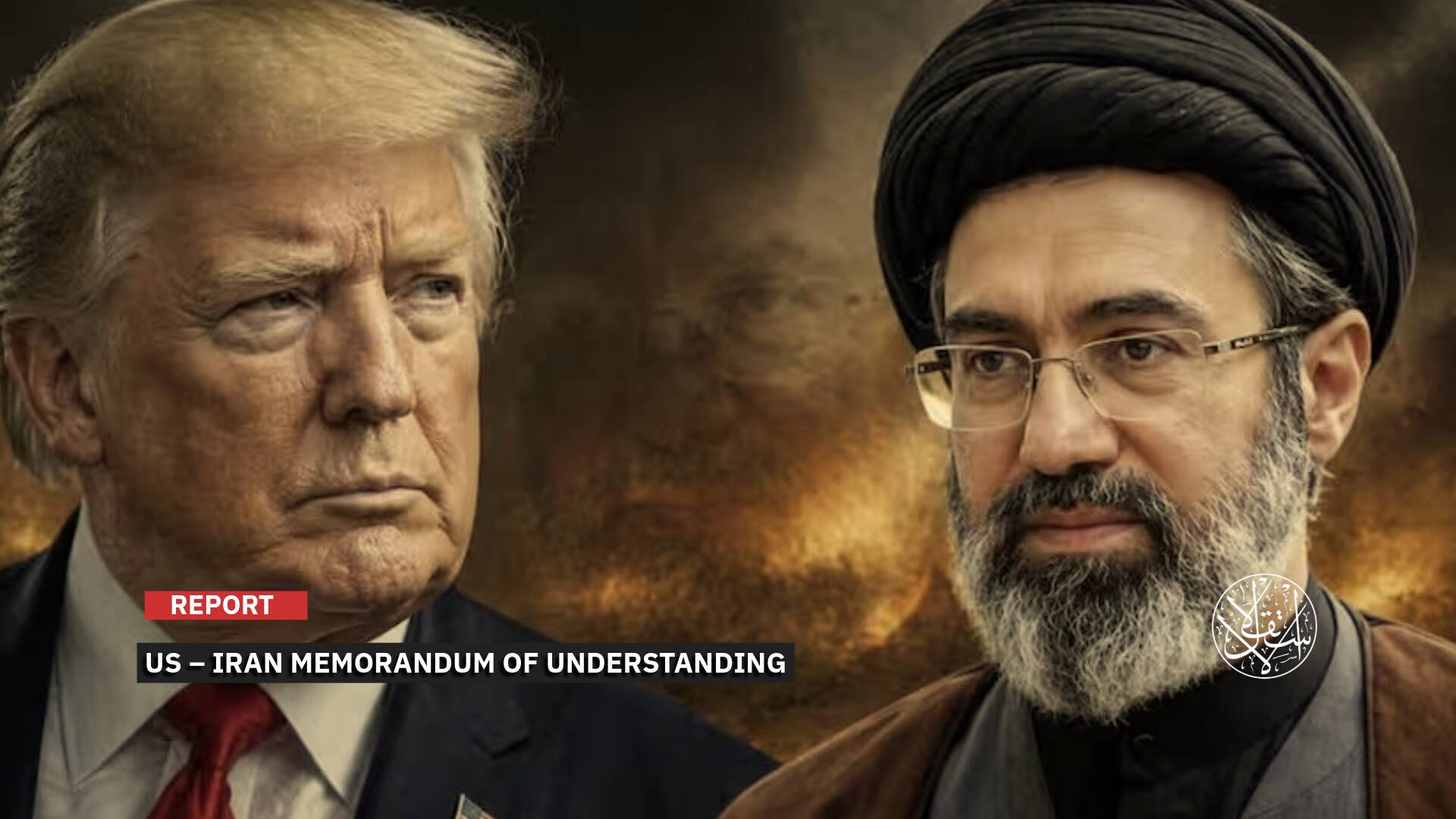
US President Donald Trump has sharply escalated his threats against Iran, hinting that if Tehran does not agree to a set of demands presented by his administration, he may soon launch a swift and violent attack.
This political escalation coincides with accelerated US military activity in the Middle East, where the United States has bolstered its naval, air, and intelligence presence around Iran in recent days.
This comes at a time when Washington is seen as having raised the pressure on Tehran to its peak, a full month after the outbreak of protests in Tehran's Grand Bazaar on December 28.
This reflects a shift in US actions from political deterrence to operational preparation, with naval and air readiness including stealth fighters and advanced offensive and defensive capabilities, amid US assurances of readiness for various scenarios versus Iranian warnings of a strong response to any potential attack
US Escalation
US President Donald Trump has hinted at the possibility of reaching a deal with Iran to avert a potential military strike, revealing that he has given Tehran an undisclosed deadline to respond to Washington's proposals.
This came as the United States announced new sanctions on Iranian officials over the repression of protests, amid escalating regional tensions and increased US military activity in the region.
“I can tell them they want to make a deal,” Trump told reporters.
When asked if he had given Iran a specific deadline, he replied, “Yes, I did,” adding that only Tehran knew the deadline.
Trump announced that the United States currently has a fleet en route to Iran, noting that it is larger than the fleet in Venezuela.
He explained that Washington is sending more ships to Iran with the aim of reaching a deal, stating that reaching an agreement with Iran would be a good thing, but if no agreement is reached, “we'll see what we do.”
Amid this political and military escalation, the Drop Site News website, citing multiple sources, reported that high-ranking US military officials briefed the leadership of a key US ally in the Middle East on the possibility of Trump resorting to military action against Iran in the coming days.
He said that this ally had been informed that strikes could begin as early as Sunday, should the decision be made to escalate, amid assessments within the US administration that the potential operation could target nuclear and ballistic missile facilities and other military sites inside Iran.
He indicated that the US administration's approach is not limited to weakening Iranian military capabilities, but stems from the perception that a direct strike on the centers of power could drive Iranians back to the streets, potentially destabilizing the regime.
He stated that the US focus is particularly on the Iranian Revolutionary Guard Corps (IRGC), as it is a cornerstone of the power structure and a central player in political and economic life since its establishment following the 1979 revolution.
He added that senior Arab intelligence officials had also received information indicating that a US attack might be imminent, given the accelerating indicators on the ground and the intensified coordination with regional allies.
The Trump administration had presented Iran with three demands described as stringent: a permanent halt to all uranium enrichment, restrictions on the range and number of ballistic missiles, and an end to its support for allied armed groups in the Middle East.
It warned that Tehran's failure to comply could open the door to US military action, according to the New York Times, which cited US and European officials.
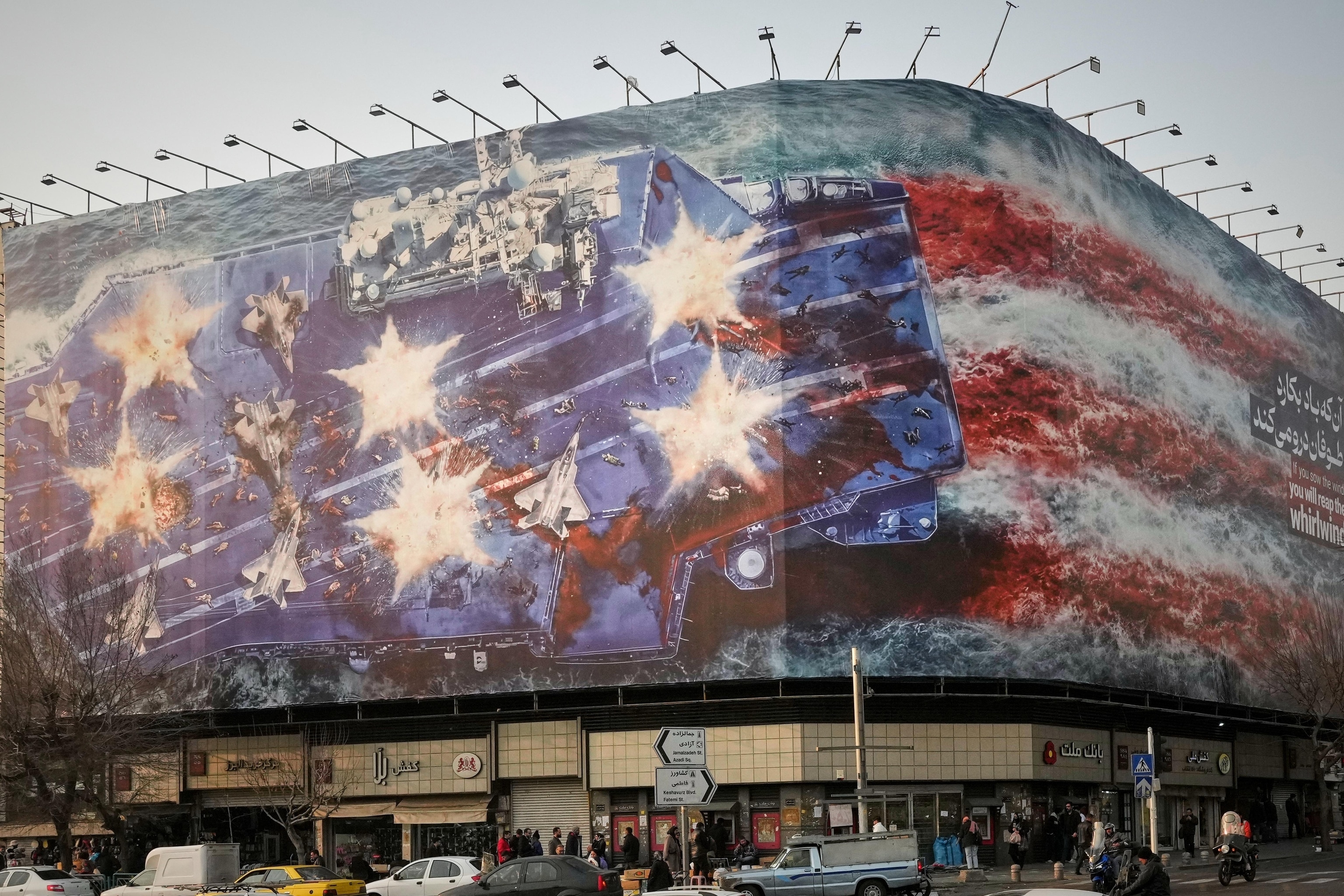
Iranian Response
In response, Iranian Parliament Speaker Mohammad Bagher Ghalibaf affirmed that Iran does not reject the principle of dialogue and diplomacy, but stipulates that it must be based on mutual respect and guarantees.
He emphasized that there will be no negotiations unless the economic interests of the Iranian people are guaranteed.
For his part, Ali Shamkhani, political advisor to Iranian Supreme Leader Ali Khamenei, asserted that his country's priority is to be fully prepared to repel any threat, warning that any move by the enemy will be met with a proportionate, effective, and deterrent response.
He clarified that Iran does not intend to confine any potential confrontation to the sea, indicating that there are broader scenarios that include carrying out attacks deep inside Israel if necessary.
He pointed out that Tehran had uncovered the enemy's plans and possessed superiority, emphasizing that the strike would be launched at a time of its choosing.
He indicated that Iran had complete knowledge of the defense elements deployed in the region and that its strategy, both defensive and offensive, was designed accordingly.
He concluded by saying that his country would resort, when necessary, to more effective options to defend its national security and territorial integrity.
The Iranian army announced the addition of 1,000 strategic drones to its combat formation, based on orders from the army's commander-in-chief, according to the Fars News Agency.
For his part, a senior Iranian military official indicated that the US presence in the region is being exaggerated by the media, asserting that US aircraft carriers are not a deterrent but will instead become targets.
He added that Tehran is monitoring any movements that could threaten its national security, emphasizing that his country has not initiated any war, but will not tolerate any threat, even a preliminary one, and will make its decisions at the appropriate time based on its risk assessment.
Iranian government spokesperson Fatemeh Mohajerani indicated that the issue of war is casting a shadow over the country, but that Iran is fully prepared.
She affirmed the continued pursuit of a diplomatic solution despite what she described as the hostile approach taken towards Iran, noting the complete coordination and readiness among state institutions.
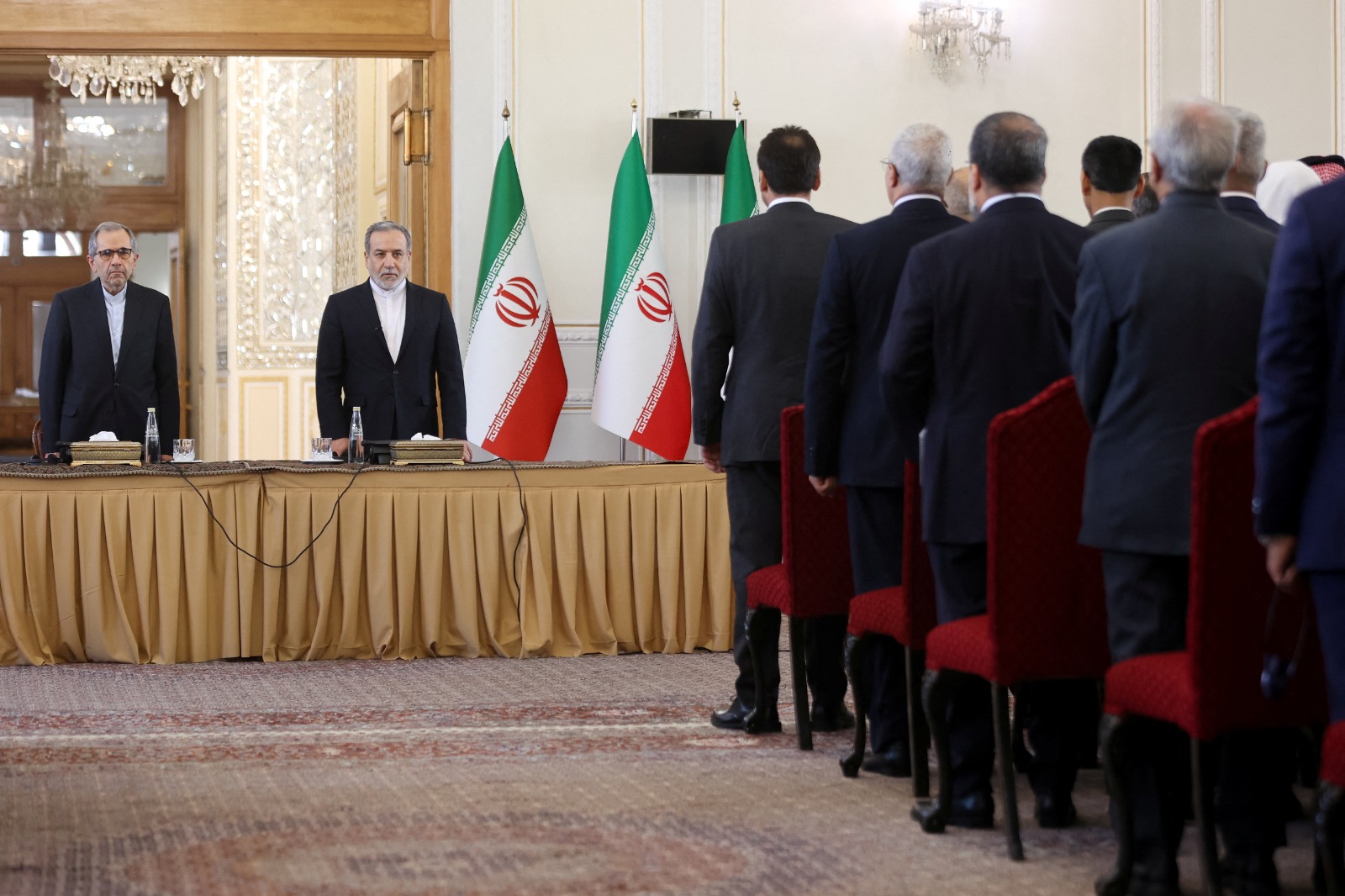
Earlier, Iranian Foreign Minister Abbas Araghchi confirmed that his country will not negotiate its missile defense capabilities, stressing that Iran will work to maintain and expand these capabilities.
During a joint press conference with his Turkish counterpart, Hakan Fidan, in Istanbul, he stated, “There are no negotiations under threat, and there are no preconditions before sitting down at the negotiating table.”
He added that Iran is ready for negotiations, and also ready for war, even more so than last year.
He indicated that his country will continue to communicate with its allies to reach a new framework for initiating negotiations, while emphasizing that there have been no meetings or contacts with the Americans so far.
For his part, Turkish Foreign Minister Hakan Fidan warned the United States against yielding to what he described as Israeli pressure to launch a military attack on Iran.
He announced that Turkey will exert every possible effort to prevent a war against Iran, noting that Turkish President Recep Tayyip Erdogan had spoken with his Iranian counterpart, Masoud Pezeshkian, and that efforts are ongoing with US officials to find diplomatic solutions.
This escalation comes amid increasing regional tensions, following the European Union's designation of the IRGC as a terrorist organization, and the subsequent Iranian warnings of retaliation.
Possible Scenarios
Despite the significant losses suffered by the Iranian regime as a result of Israeli and American strikes last summer, coupled with the recent escalation of internal unrest, experts believe it still possesses a range of retaliatory options.
These options include targeting American and Israeli interests, activating its network of allies, and resorting to economic pressure tactics that could trigger widespread global disruptions.
Analysts believe that the nature and scale of the Iranian response will depend on Tehran's assessment of the level of threat it faces and whether it perceives it as a limited escalation or a direct existential threat.
Iran has repeatedly warned that a war against it would not be confined to the Middle East but would have global repercussions.
Tehran possesses leverage in its ability to disrupt global energy and trade markets from one of the world's most strategically sensitive regions.
Iran, one of the world's largest energy producers, sits on the Strait of Hormuz, a narrow waterway through which more than a fifth of the world's oil and a significant portion of its liquefied natural gas pass.
Tehran has threatened to close the strait if it is attacked, a prospect that experts warn could lead to a sharp rise in fuel prices beyond Iran's borders and a global economic downturn.
Meanwhile, The Wall Street Journal reported that several countries in the region are trying to push the United States and Iran toward talks to avert a potential military conflict, but these efforts have yet to yield any tangible progress.

In analyzing the background of the American escalation, political analyst Ibrahim Khatib summarized the possible scenarios in a statement to Al-Estiklal, outlining four main paths: The first is a slide towards an open and comprehensive military confrontation between the two sides.
“The second is a limited military strike that Iran might retaliate against or that could be contained without further escalation,” he said.
“The third path is the continuation of the maximum pressure and siege policy, supported by an unprecedented US military presence in the region, aimed at forcing Iran to make concessions in any negotiations,” he added.
The final scenario is based on containing the escalation and the withdrawal of US forces, a path that would return relations to the stalemate that preceded the recent wave of tension, according to Mr. Khatib.