How the Conflict With Iran Turned Into a Windfall for American Defense Contractors
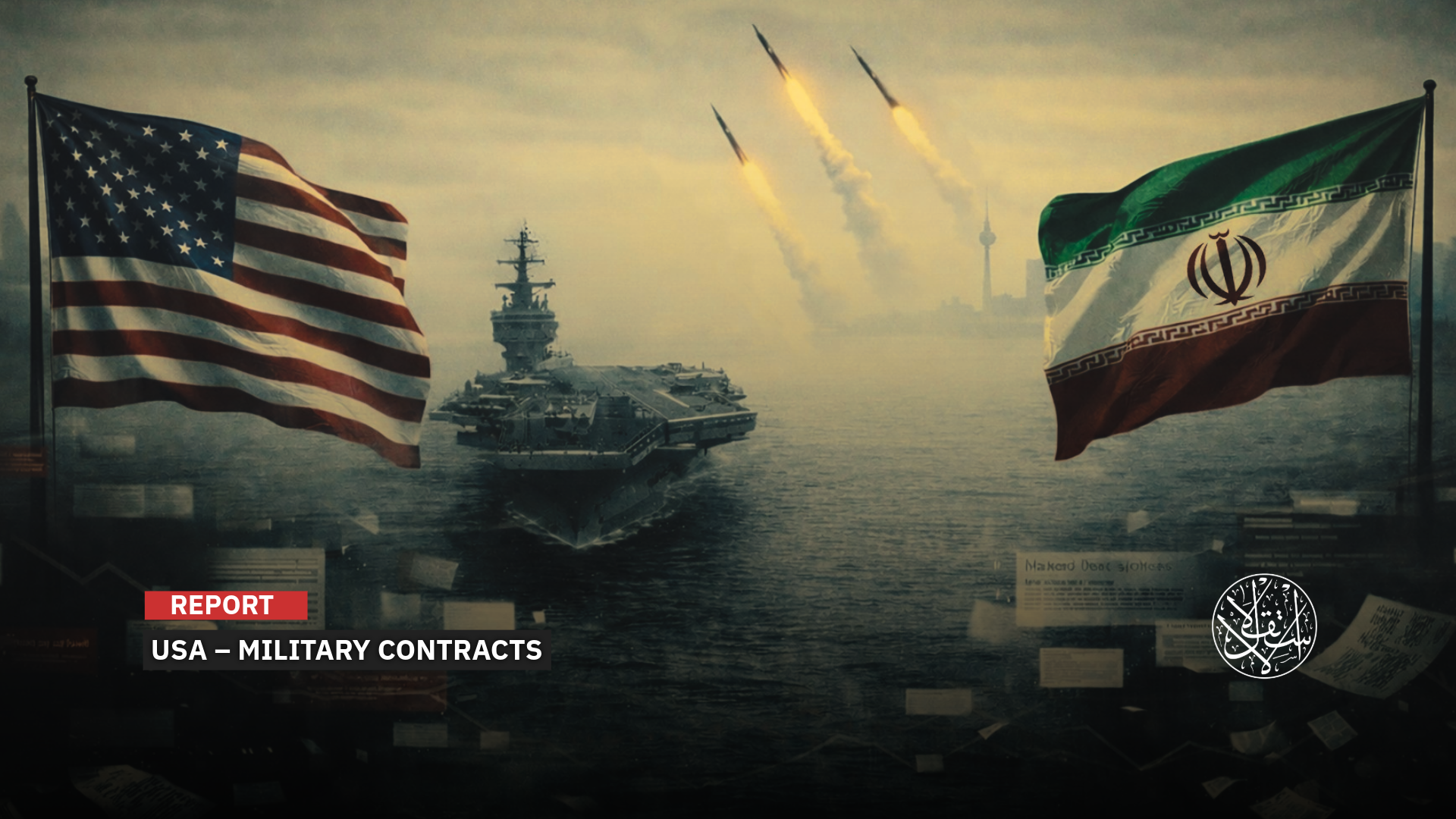
“Trump aims to increase US military spending to $1.5 trillion by 2027.”
For the second week in a row, the United States and “Israel” continue to bomb several targets inside Iran to prevent it from acquiring nuclear weapons, as well as to disrupt its missile and drone capabilities.
In turn, Iran is not only launching missiles and drones toward “Israel”, but also targeting Gulf states daily, while threatening to close the Strait of Hormuz, through which approximately one-fifth of the world's oil and gas trade passes.
As the war escalates and expands, repercussions are beginning to appear with rising oil prices and growing fears of an impending wave of inflation.
However, behind this complex and worrying scene are several parties that stand to gain the most from the current war in the Middle East, most notably weapons, technology, and artificial intelligence companies.
The U.S. is already the world’s largest military spender at nearly $1 trillion in 2025, exceeding the combined total of the next nine countries. Trump aims to increase this amount to $1.5 trillion by 2027.
Weapons Industry
While Middle Eastern economies and global markets suffered significant losses due to the US-Israeli war on Iran, weapons manufacturers emerged as the biggest beneficiaries of this conflict.
A report by Responsible Statecraft stated that shares of defense companies linked to the US Department of War (the Pentagon) rose at the start of the war.
Lockheed Martin shares climbed 3.4% in a single day, while RTX Corporation shares rose 6.6%, and Northrop Grumman shares rose 6%.
However, this upward trend didn't begin this month; it dates back to June 2025, when the US launched its first attack on Iranian nuclear facilities.
Over the past nine months, Northrop Grumman shares have risen 46%, Lockheed Martin shares have climbed approximately 40%, and RTX shares have jumped by about 45%.
The US defense sector is dominated by five major military contractors, who hold the largest share of US Department of War contracts:
Lockheed Martin: The Pentagon's top contractor, receiving $40 or $50 billion annually from it, specializing in military aircraft and missile systems.
RTX (formerly Raytheon): A global leader in air defense systems, interceptor missiles, and advanced technologies.
General Dynamics: A giant in the naval and land combat systems industries, responsible for building destroyers and developing military information technology.
Boeing: Its defense division is responsible for producing fighter jets, helicopters, and space systems.
Northrop Grumman: Specializes in strategic bombers (such as the B-2 and B-21), space technology, and missile defense.
“The biggest beneficiaries of this war are Lockheed Martin and Raytheon. They produce cruise missiles and interceptor missiles—the most expensive weapons used in warfare,” said weapons expert William Hartung.

Huge Contracts
Following a meeting at the White House on March 6, top executives from the largest U.S. defense contractors agreed to quadruple production of weapons types that President Donald Trump has described as exquisite class.
Trump administration officials spent months pressuring major defense contractors to triple or quadruple their annual production of their most advanced missiles.
Last year, the Pentagon launched an initiative to accelerate production of missiles and other equipment to bolster limited domestic stockpiles.
Trump spoke of allocating a larger budget for munitions and strengthening the War Department's priorities.
In January, he pledged that the next defense budget would reach approximately $1.5 trillion, an increase of about $500 billion compared to current levels.
The US administration is considering requesting an additional budget of about $50 billion to replace weapons used in recent conflicts.
Congress previously approved nearly $153 billion in additional funding for defense spending, of which about $24 billion was allocated for the purchase of munitions and missiles.
The American arms company RTX manufactures Tomahawk missiles, subsonic cruise missiles equipped with a 1,000-pound warhead, at a cost of $3.6 million per missile.
It had entered into a new agreement with the Pentagon to eventually increase production to 1,000 units annually.
The U.S. Army purchased only 322 missiles in the past five years, including 57 missiles allocated by the Navy for fiscal year 2026 at a cost of $206.6 million.
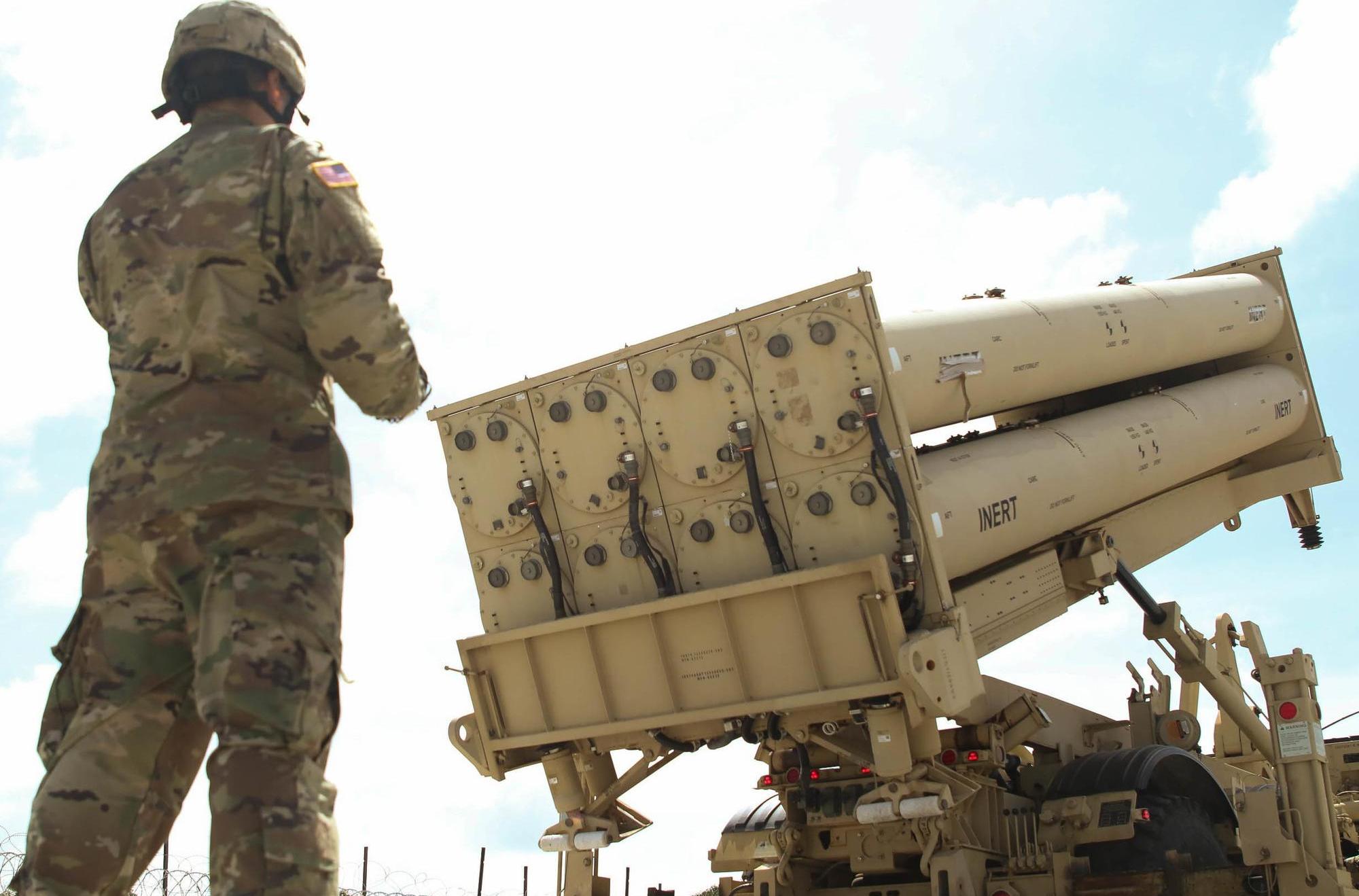
In January, Lockheed Martin signed a contract with the U.S. Department of War to increase production of its PAC-3 interceptor missiles to approximately 2,000 missiles annually, up from about 600 previously.
The company also plans to increase production of its THAAD missile defense system to approximately 400 units annually, up from about 96 previously, at a cost of $12.77 million per unit.
In August 2025, RTX was awarded a $3.5 billion contract to produce AMRAAM air-launched missiles.

Profitable Wars
Technology and AI companies have also reaped significant profits from the war in the Middle East.
Among these companies is Palantir, which provides AI-powered software used in modern warfare and intelligence. Its shares rose by 9%.
Planet Lab also benefits from contracts with the Pentagon to provide AI-based satellite surveillance services.
Palantir is one of the most controversial companies in the United States. Its collaboration with Immigration and Customs Enforcement (ICE) and the U.S. Department of War has sparked widespread protests in several countries.
Palantir develops data analytics software that integrates vast amounts of information to support data-driven decision-making.
Its software is currently used by government and commercial entities across various sectors, including healthcare, finance, and manufacturing.
It also appears that Trump's inner circle is among those benefiting from the recent military escalation against Iran.
Several reports have indicated that Trump's sons, Eric Trump and Donald Trump Jr., have become prominent investors in Powerus Corporation, a newly created drone firm.
The reports suggest that Trump's sons plan to take the company public on the stock exchange, hoping to secure future government contracts from the Pentagon.
Arms expert William Hartung believes that an attack on Iran could become one of the most profitable wars for American arms companies.
“During his campaign, Trump promised to fight those who profit from wars. It seems like he is a political and economic partner of these companies,” he said.
Military Lobby
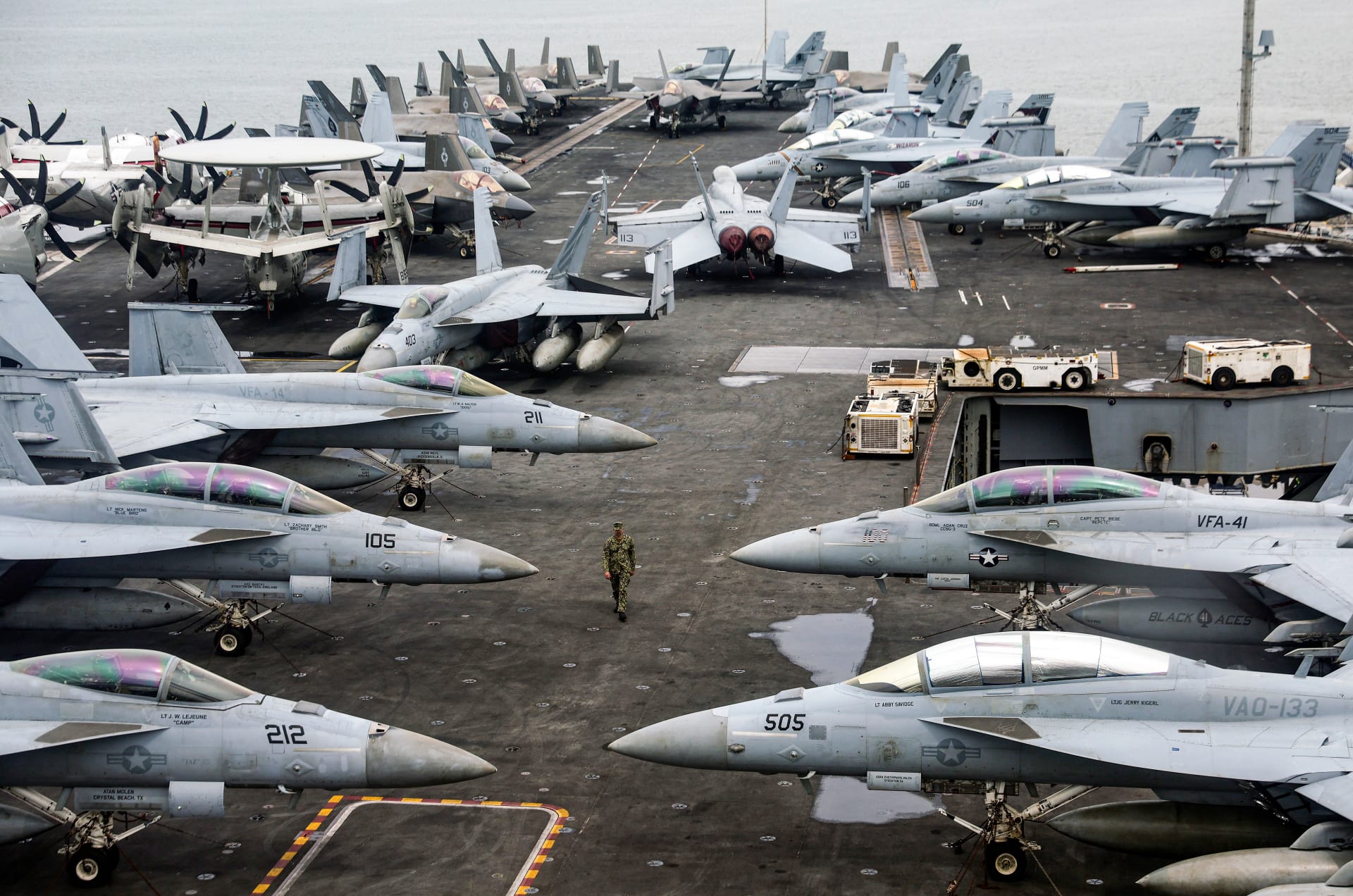
Since World War II, the U.S. has built a sprawling permanent war economy that links weapons manufacturers, lobbyists, think tanks, politicians, Hollywood, universities, the video game industry, and, increasingly, Silicon Valley tech companies.
In ‘The Trillion Dollar War Machine’, foreign policy analysts William Hartung and Ben Freeman argue that the result is a system that pushes the country toward war while draining resources from urgent needs at home.
On June 22, 2025, U.S. President Donald Trump authorized airstrikes targeting nuclear facilities inside Iran.
However, an extensive investigation by The New York Times revealed that Trump’s decision was not solely the result of intelligence or diplomatic considerations, but was also directly influenced by Fox News’ coverage, which featured numerous figures with ties to the defense industry.
Among these figures were Israeli Prime Minister Benjamin Netanyahu, exiled Iranian Crown Prince Reza Pahlavi, and Republican Senator Lindsey Graham.
Other guests who appeared on the channel had direct or indirect financial ties to arms manufacturers, including Michael Gallagher, a former Republican congressman and current employee of Palantir, who praised Israel’s campaign against Iran.
Palantir had signed a cooperation agreement with the Israeli Ministry of Army in 2024 to provide artificial intelligence technologies to support military operations.
Another frequent voice on Fox News was retired General Jack Keane, who advocated for the use of B-2 bombers and bunker-buster bombs against Iranian facilities.
Keane was a member of the board of directors of the defense company General Dynamics and owned more than 14,000 shares in the company, currently valued at over $4 million.
All of the above places this media campaign within a broader context of the history of media collusion with the arms industry.
In 2003, a similar media campaign preceded the invasion of Iraq, featuring retired generals with ties to defense companies, such as General Barry McCaffrey.
It appears that none of these wars are in the best interests of the United States, nor do they serve American taxpayers.
Rather, the profits are reaped solely by the military-industrial lobby, which is linked to media outlets and research centers.