Despite U.S. Pressure, Why Are Iraq’s Kurds Staying Out of the War on Iran?
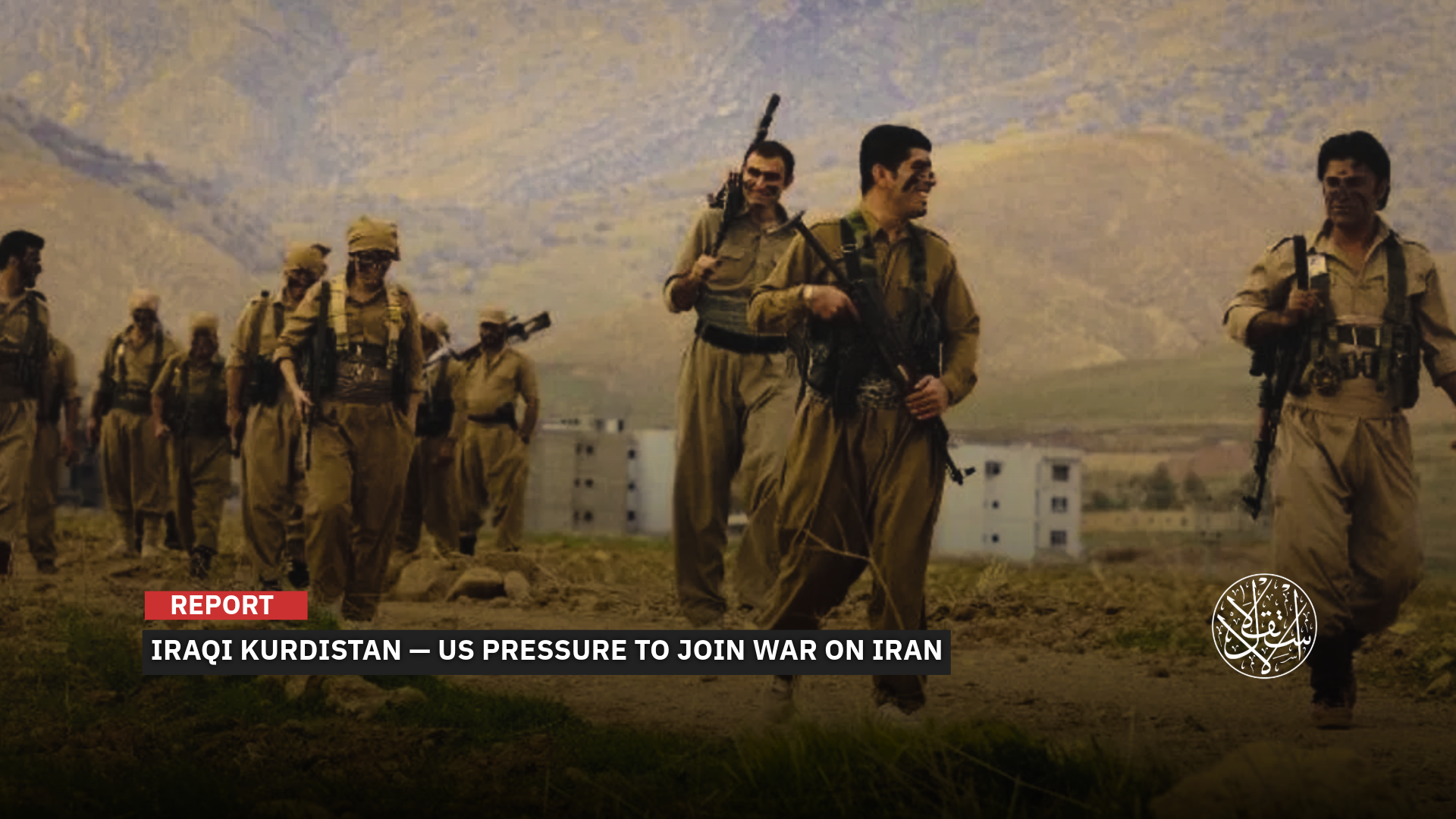
Trump held phone calls with Barzani and Talabani, urging them to take part in the war.
As the war waged by the United States and “Israel” against Iran unfolds, reports suggest the Donald Trump administration is trying to increase pressure on Tehran by bringing new regional actors into the conflict, including Kurdish forces in Iraqi Kurdistan.
Trump has spoken with Kurdish leaders in the region about whether Kurdish groups could play a role in any escalation against Iran, particularly if the war spreads to ground operations along the country’s western border.
But the outreach has been met with clear caution from Kurdish leadership. Officials in Iraqi Kurdistan appear wary of being pulled into a direct military confrontation with Iran, mindful of the fragile regional balance and the complex security landscape that defines the mountainous frontier between the two sides.
At the same time, a separate political development has added another layer to the unfolding picture. On February 22, 2026—six days before the war erupted—several Iranian Kurdish opposition groups announced the formation of the Coalition of the Political Forces of Iranian Kurdistan (CPFIK), an alliance bringing together six organizations that largely operate from within Iraqi Kurdistan.
The CPFIK aims to coordinate political and organizational efforts against the Iranian government in what appears to be an attempt to consolidate the fragmented Kurdish opposition at a moment of acute regional tension.
Among the groups involved are the Kurdistan Freedom Party (PAK), the Democratic Party of Iranian Kurdistan (PDKI), the Kurdistan Free Life Party (PJAK), the Organization of Iranian Kurdistan Struggle (Khabat), Komala of the Toilers of Kurdistan, and the Komala Party of Iranian Kurdistan, which later joined the alliance—an indication of efforts to build a broader political umbrella for Kurdish forces opposed to Tehran as the region edges deeper into confrontation.
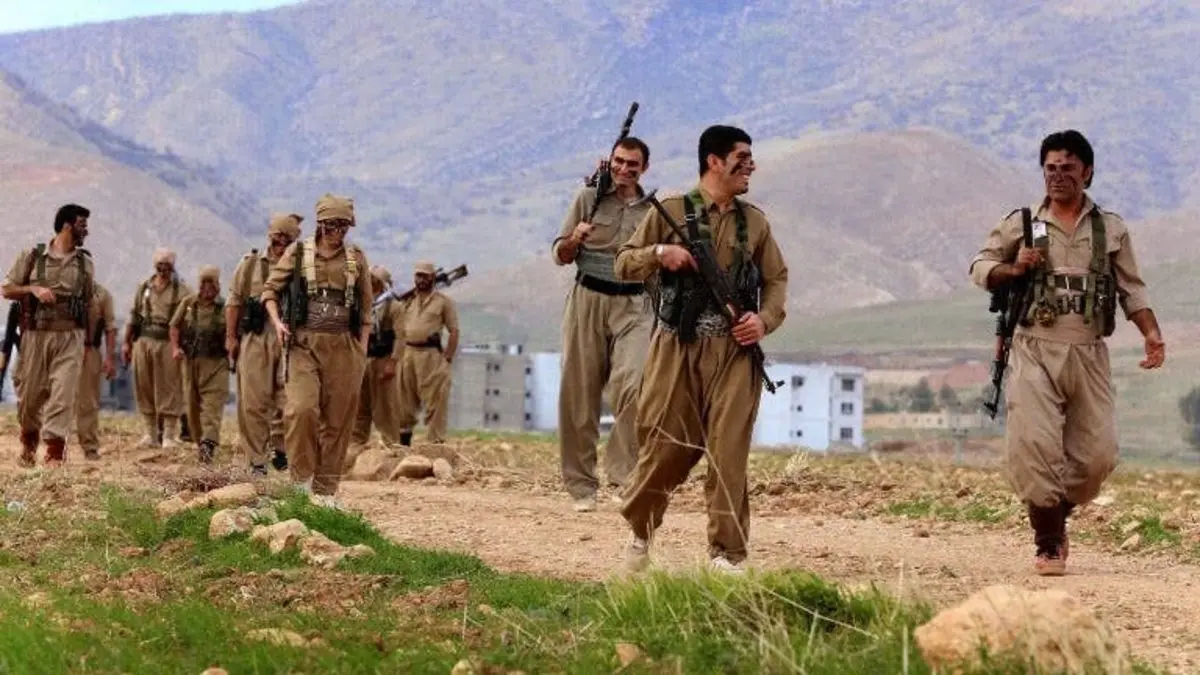
Conflicting Reports
Reports have diverged sharply over whether Kurdish forces might be preparing to take part in any military move against Iran from Iraqi territory.
On March 5, 2026, Fox News cited an unnamed American official as saying that thousands of Kurds had launched “a ground offensive into Iran.” The same day, the Hebrew news site Walla News reported that the development came as no surprise in “Israel,” describing the incident as “real and significant.”
But officials in Iraqi Kurdistan quickly pushed back against those claims. In an official statement, regional government spokesperson Peshawa Hawramani dismissed the reports outright, saying allegations that the region was arming Iranian Kurdish opposition groups in preparation for sending them into Iran were “completely unfounded.”
Hawramani said the claims were “entirely false,” adding that the regional government denied them and accused those behind the reports of spreading them for political purposes.
He added that the government and political parties in Kurdistan were not involved in any effort aimed at expanding the war or escalating tensions in the region, emphasizing that the region’s position remained focused on de-escalation and preserving regional stability.
Yet other reports pointed in the opposite direction. On March 5, Israel Hayom reported that Israeli officials had discussed, even before the war began, the possibility that Kurdish forces might seize territory inside Iran. Such a move, the report suggested, could be intended primarily to weaken Tehran’s central authority and spark internal unrest.
The Hebrew newspaper added that the coming days could bring “dramatic” developments along those lines, hinting that the Kurdish card might be used as part of the broader conflict.
A separate report by the Associated Press (AP) cited Kurdish officials as saying that Iranian Kurdish opposition groups based in northern Iraq were preparing for the possibility of cross-border operations inside Iran. According to the report, the United States had asked Iraqi Kurdish authorities to provide support in that context.
The AP quoted Khalil Nadri, an official with the PAK based in Iraqi Kurdistan, as saying that some of the group’s forces had already moved to areas near the Iranian border in Sulaymaniyah province and were on alert.
Nadri added that leaders of Kurdish opposition groups had received calls from American officials about a possible operation, though he declined to provide further details.
Another official from the Komala Party of Iranian Kurdistan, speaking anonymously to the agency, said the group’s forces were ready to cross the border within a week to ten days but were waiting for the right conditions before launching any move.
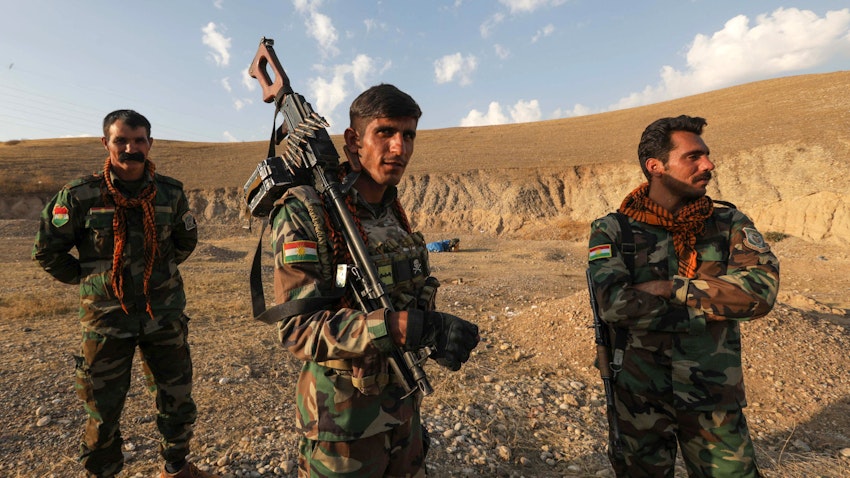
U.S. Pressure
Western media reports point to an intense diplomatic push led by Trump as Washington sought to rally additional regional support against Iran.
On March 2, the U.S. president held phone calls with two of the most influential Kurdish leaders in Iraq: Masoud Barzani, head of the PDKI, and Bafel Talabani, leader of the Patriotic Union of Kurdistan (PUK). The calls focused on the escalating war against Iran and the possible role Kurdish actors might play in the unfolding conflict.
Trump asked Kurdish leaders to provide military support to Iranian Kurdish opposition groups, including allowing them to move across the border from Iraqi Kurdistan to carry out operations inside Iranian territory, AP reported.
When asked about the calls, White House press secretary Karoline Leavitt confirmed that the president had spoken with Kurdish leaders about the American military presence in northern Iraq but denied that any specific plan had been approved to support cross-border military operations.
Yet a separate report by Axios suggested the conversation went further. Citing American and Israeli sources, the outlet reported that Trump’s call with Kurdish leaders directly addressed the possibility of a ground attack by Iranian Kurdish opposition factions in northwestern Iran, coordinated with the “broader military campaign” led by the United States and “Israel” against Tehran.
The report said fighters from several Iranian Kurdish opposition groups were already preparing for possible operations inside Iran, potentially opening a new internal pressure front against the Iranian government.
According to the same report, an unnamed U.S. official described Trump’s call with Kurdish leaders as positive, but both Barzani and Talabani expressed clear reservations about participating in any direct ground invasion of Iranian territory. Trump also held a separate call with Mustafa Hijri, head of the KDPI.
U.S. and Israeli Occupation officials also indicated that some Iranian Kurdish opposition groups have received intelligence support from Mossad and the Central Intelligence Agency (CIA). According to an American official cited by Axios, the proposed strategy would involve enabling these factions to seize a pocket of territory in Iranian Kurdistan, with the aim of weakening Tehran’s authority and potentially triggering a broader uprising inside the country.
The report added that the idea of backing Kurdish factions and launching a ground offensive from Iraqi territory was initially proposed by Benjamin Netanyahu and Mossad before later gaining the support of the CIA.
According to the same sources, the Israeli Occupation also promised some Kurdish factions political backing for the creation of an autonomous Kurdish region inside Iran in a post-government scenario.
Following the reports, Kurdish leaders Barzani and Talabani reportedly received direct warnings from Tehran. Abbas Araghchi also held a phone call with the two leaders to convey Iran’s rejection of any role for Iraqi Kurdistan in the war on Tehran.
The diplomatic tensions unfolded alongside rising security incidents in the region. In recent days, areas across Iraqi Kurdistan have been hit by drone and missile attacks attributed to Iran and allied Iraqi factions. The strikes targeted American military bases, the U.S. consulate in Erbil, and positions linked to Iranian Kurdish opposition groups.
On March 6, the Islamic Republic of Iran Broadcasting aired a warning from the Iranian military to the government of Iraqi Kurdistan, stating that Tehran would take “firm measures” if the region’s territory were used to deploy hostile forces near Iran’s borders.
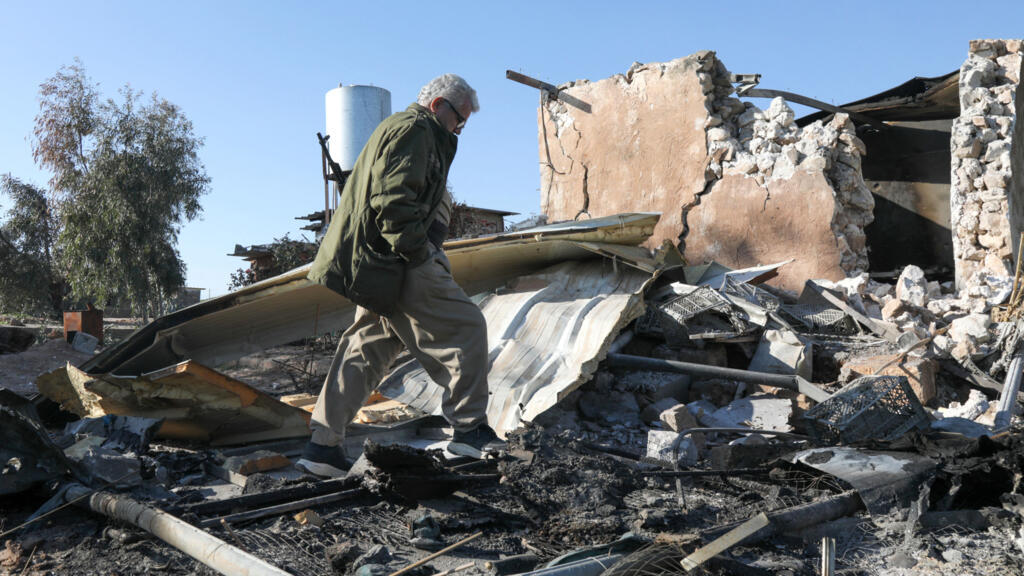
Caught Between Two Fires
Amid the widening regional escalation and the war led by the United States and “Israel” against Iran, the Kurds of Iraq find themselves facing a difficult balancing act—torn between their long-standing ties with Washington and the risk of harsh retaliation from Tehran if they become directly involved in the aggression.
“The idea of Iraqi Kurds entering a direct confrontation with Iran carries serious risks,” Middle East researcher Baha al-Din al-Barzanji told Al-Estiklal.
“The long-discussed vision of a ‘Greater Kurdistan’ has faded in recent years, and taking a hostile stance against Iran, a country that does not forget its adversaries, could amount to a dangerous political gamble.”
“Iraqi Kurds have worked hard for decades to secure political gains, and pulling Kurdistan into a wider regional war could put all of that progress at serious risk,” he added.
“Relying on support from Donald Trump in a confrontation with Iran may resemble jumping from the frying pan into the fire.”
Al-Barzanji warned that the risks facing the region would likely go far beyond limited cross-border strikes, potentially escalating into direct Iranian military intervention or retaliation from Iraqi factions aligned with Tehran, such as the Popular Mobilization Forces (PMF).
Iranian Kurdish opposition groups may find themselves compelled to fight because of their political position. Iraqi Kurds, however, are not in the same situation—particularly after the experience of Kurdish forces in Syria, where international backing diminished once their military role in the fight against extremist groups ended.
As for whether Kurdish refusal could derail Washington’s plans to open a ground front against Iran, al-Barzanji believes the United States may turn to alternative options, such as launching limited airborne operations or supporting activities inside Iranian Kurdistan itself—scenarios that could spare the Kurdistan Regional Government (KRG) from direct participation in the war.
Kurdish leaders in Iraq, he said, are well aware of the risks surrounding the region, particularly since Iran still possesses the capability to launch missile and drone strikes against targets inside Kurdistan, making any military adventure a costly one.
A similar concern was raised by writer Shahin Ali in an article published on March 7 by the Kurdish outlet Nirij. According to Ali, Iran has long viewed Iraqi Kurdistan with suspicion, especially as the American military presence in the region has expanded.
That concern stems from several factors, including the presence of a major U.S. military base and a strategic airport in Erbil, as well as the growing footprint of American security and investment companies. In recent months, Washington has also relocated advanced military equipment and specialized personnel from other parts of Iraq to Erbil.
From Tehran’s perspective, these developments represent a direct threat to its national security, potentially turning Erbil into a target in any open confrontation with the United States and “Israel.” Similar scenarios have unfolded in recent years, when Iranian missiles struck locations in Erbil under the pretext of targeting American interests.
Ali argues that if Iran becomes convinced that Iraqi Kurdistan has turned into a major launchpad for American strikes, it could broaden its attacks to include vital economic and commercial facilities across the region, in addition to military sites.
Tehran could also open a new internal pressure front through allied armed factions in Iraq. In recent days, such groups have already launched drone and missile strikes on areas in Erbil and Sulaymaniyah, targeting American facilities as well as civilian and tourism sites.
The potential pressure, however, may not remain limited to military measures. Iran could also use its political influence within the Iraqi government to impose economic, financial, and security pressure on the region, while strengthening its military presence along the shared border.
At the same time, Ali notes that if Erbil refuses to join the war alongside the United States, relations between Washington and the Kurdish leadership could face a serious test. The United States might respond by reducing its security, political, intelligence, and financial support for the region—leaving the Kurds exposed to mounting pressure from Turkiye, Iran, and the central government in Baghdad.
In the end, Iraqi Kurds appear trapped in a difficult equation: align with Washington and risk confrontation with Iran, or attempt to remain neutral and face the possibility of losing crucial American backing.
Sources
- Conflicting Reports Over Ground Attack by Iraqi Kurdish Forces in Iran [Arabic]
- Kurdish fighters watch for opening to strike Iran as Trump voices support
- Deadly Choices: How Trump Could Drag Iraqi Kurds Into the War Against Iran [Arabic]
- Iranian Army Threatens Iraqi Kurdistan Government With 'Firm Measures' [Arabic]
- Iranian Kurds Unite: What Do We Know About the New Coalition and Its Role? [Arabic]
- Trump Holds Calls with Iraqi Kurdish Leaders Amid Iran War