'Dubai Is Finished' : How War in the Middle East Shattered Its Image
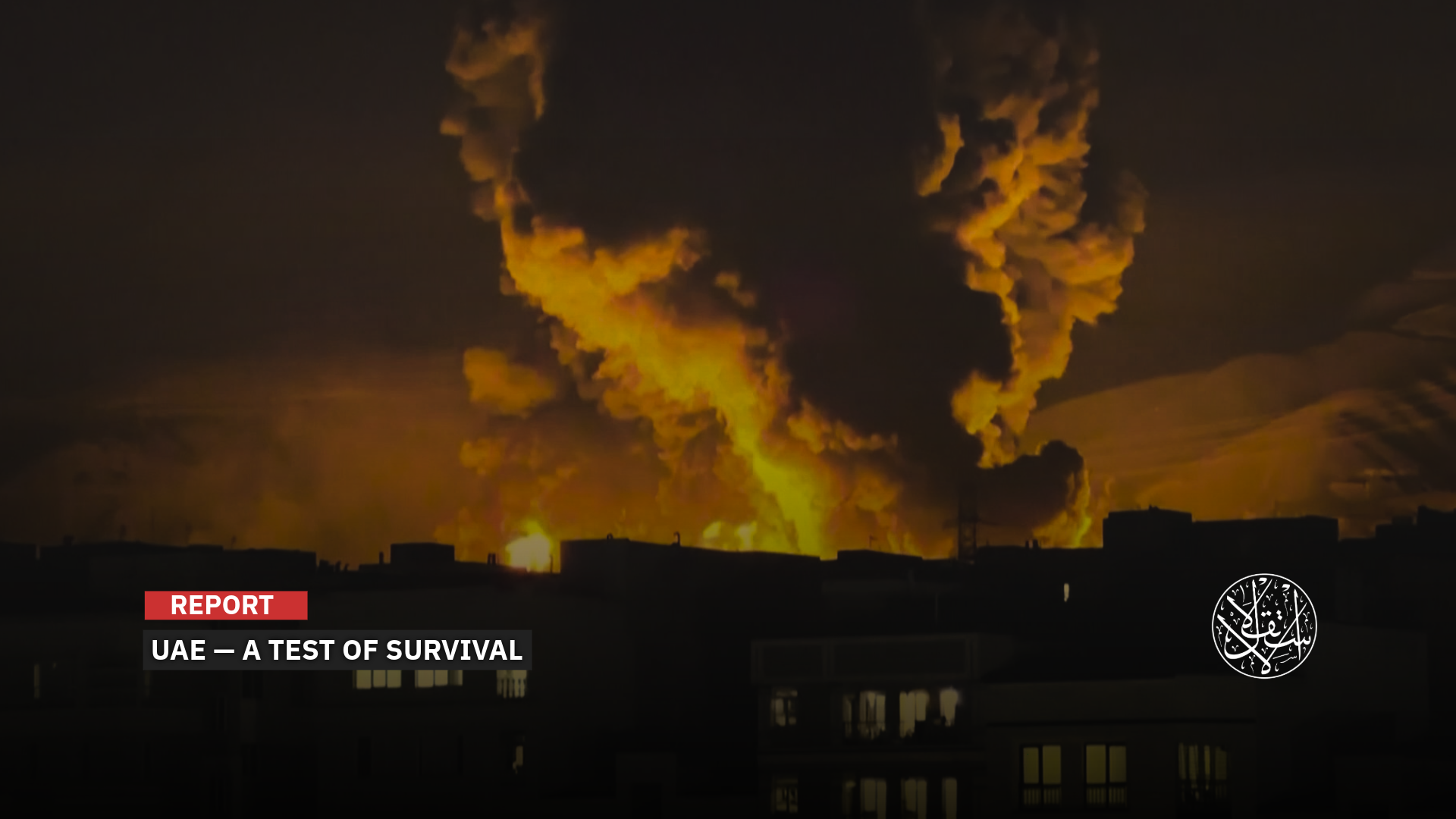
From the very first days of the war, Dubai’s image as a safe haven began to visibly crack.
The Daily Mail didn’t just go for a punchy headline on March 12, 2026, when it declared “Dubai is finished.” It captured, in stark terms, a moment of shock the emirate has rarely—if ever—experienced.
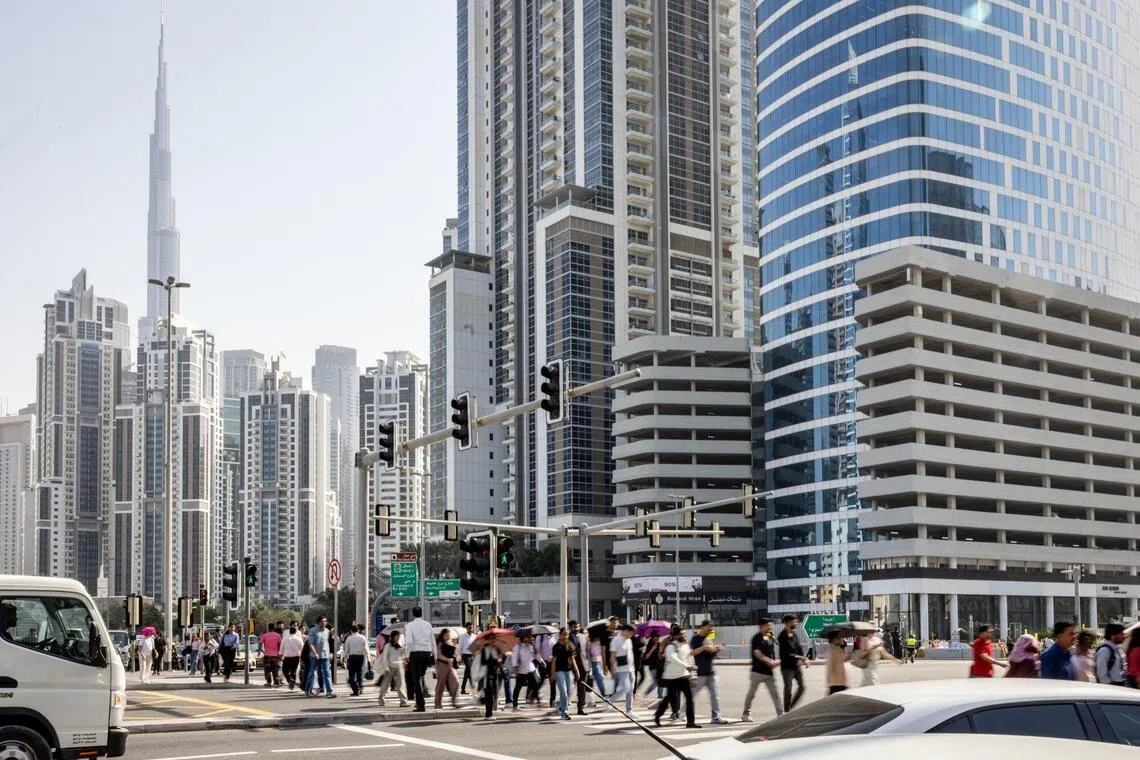
For decades, Dubai cast itself as the Gulf’s great exception: a global hub for finance, tourism, and business that seemed to float above the turbulence of the Middle East. Within days, that narrative ran headfirst into a very different reality.
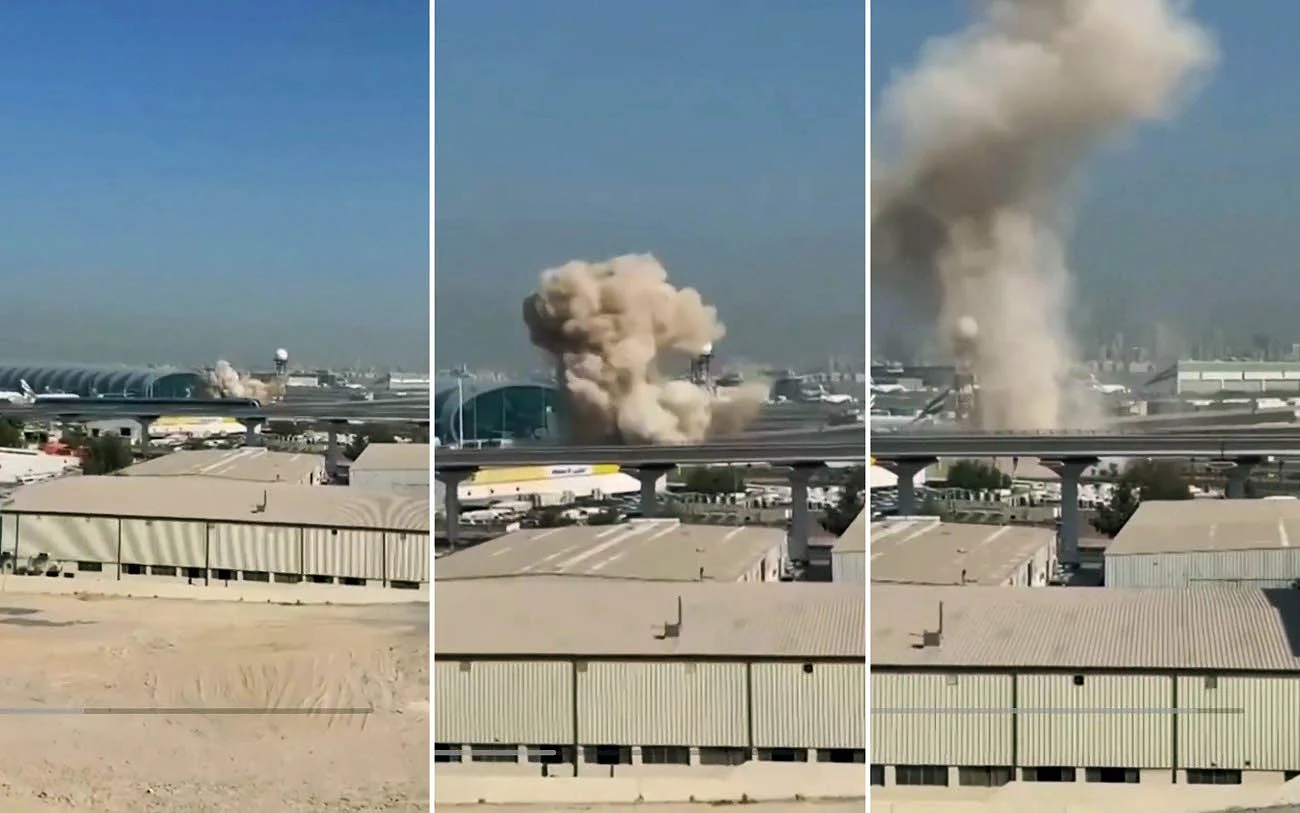
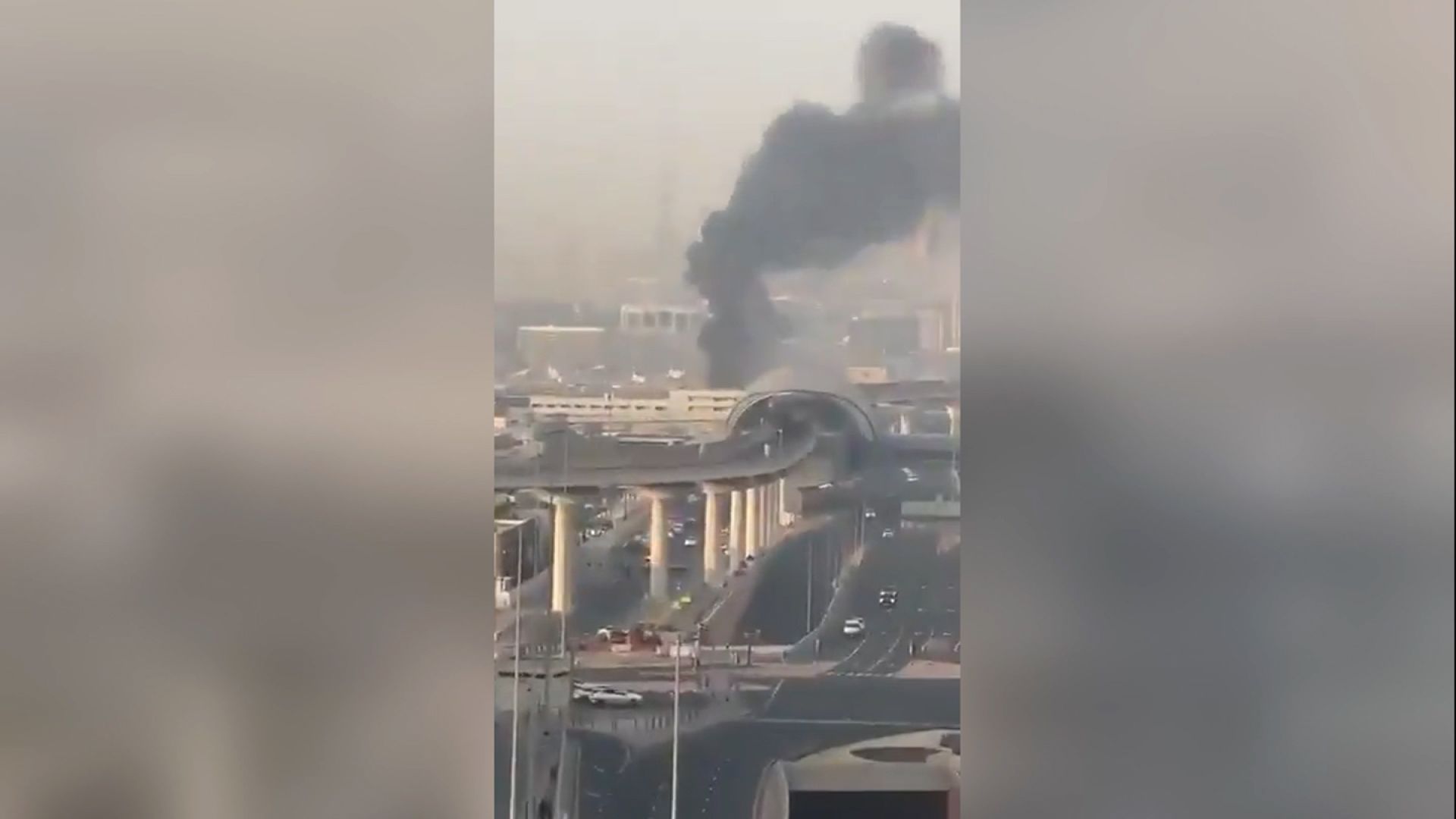
Explosions struck near the airport. Hotels and major landmarks sustained damage. Fires broke out at the port. Debris fell onto residential and office towers. Some international financial institutions partially evacuated staff, and flight operations were repeatedly disrupted.
In this unfolding picture, Dubai is confronting more than immediate security costs. It is beginning to pay a deeper price: shaken confidence—the most valuable currency in an economy built on the promise of stability, neutrality, and openness.
Survival at Stake
Reporting from Reuters, the Financial Times, and the New York Times between March 1 and 14, 2026, suggests that what’s unfolding in Dubai is no longer just a side effect of the U.S. war on Iran. It is fast becoming an existential test of the economic model that powered the emirate’s rise over the past two decades.
From the earliest days of the U.S.-Israeli strikes on Iran on February 28, Dubai’s carefully cultivated image of safety began to fracture in plain sight. On March 1, Reuters described residents running to shelters or barricading themselves in bathrooms, while others stood frozen at windows, watching missiles and interceptions streak across the sky.
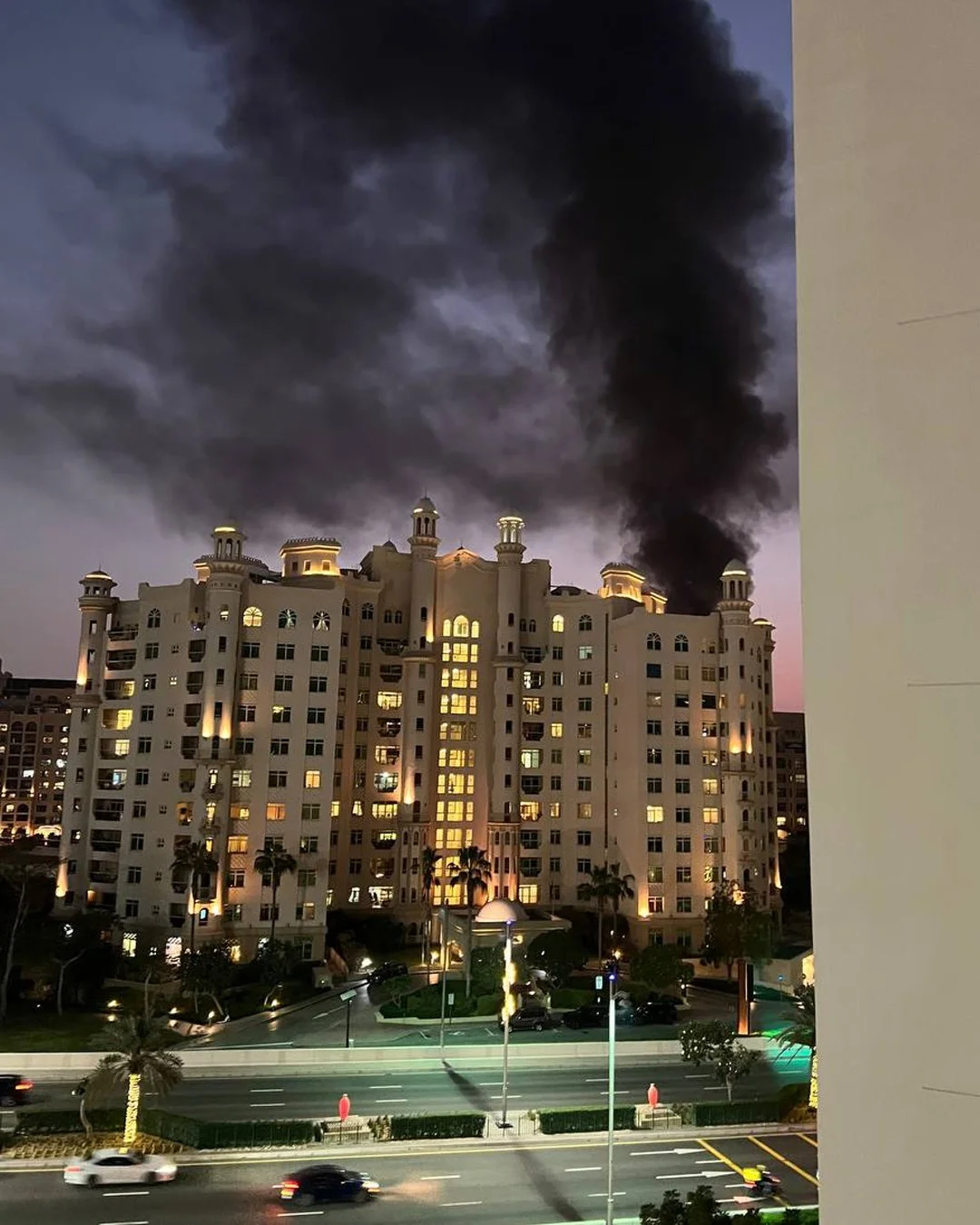
The same reporting pointed to smoke rising over Palm Jumeirah, along with damage to some of Dubai’s most recognizable symbols, including a luxury hotel on the Palm Jumeirah and the Burj al-Arab.
Days later, the Financial Times made clear that the war had placed Dubai—long marketed as a haven of economic stability in the Middle East—under a real test, one that threatens its standing as a global hub for business and tourism. One telecom executive put it bluntly: the city had sold itself as a place of peace and stability but is now facing a serious test.
That shift in tone matters. Dubai’s economy isn’t built on oil in the traditional sense; it runs on reputation, confidence, and the constant flow of capital, people, and services. When those begin to wobble, the damage isn’t measured only in scarred buildings but in how quickly investors, consumers, and residents start to change their behavior.
Even official Emirati figures point to the scale of the pressure. According to data cited in local media from the Ministry of Defense, air defenses intercepted roughly 285 ballistic missiles, 15 cruise missiles, and 1,567 drones between the start of the war and March 13. By March 14, the totals had risen to 294 ballistic missiles and 1,600 drones, after nine more missiles and 33 drones were brought down.
Across the UAE, six people had been killed and 141 injured by that point. Those are nationwide figures, but they help explain why Dubai is no longer dealing with isolated incidents. It is facing repeated waves of attacks that have begun to settle into the daily rhythm of the war.
Reuters reported on March 11 that Iran had launched a series of strikes on Dubai and other cities in the UAE, targeting the airport, port, hotels, and residential towers—pulling the emirate directly into the theater of operations.
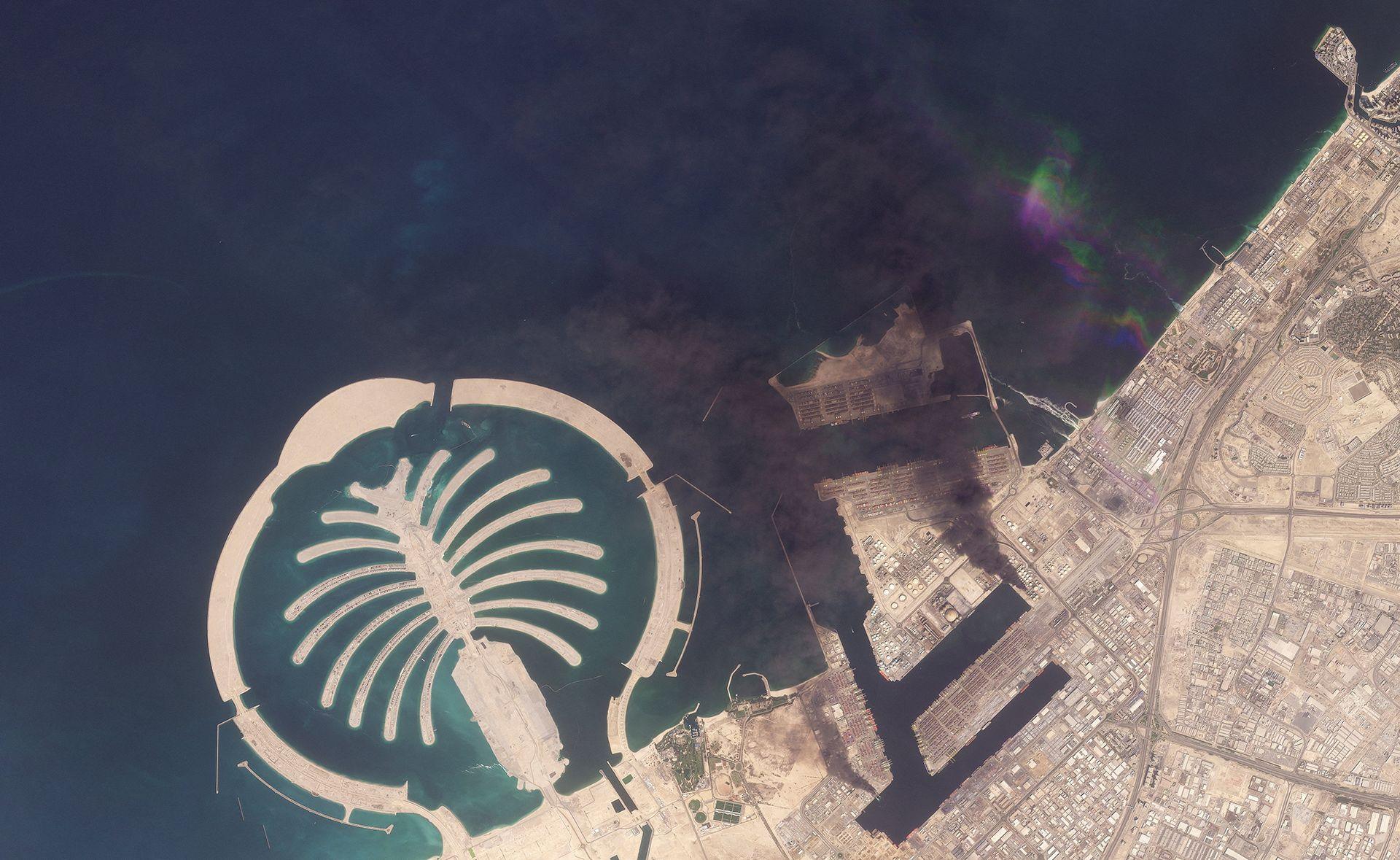
At least seven to eight major incidents have been documented in or around Dubai between February 28 and March 14. They include early strikes that damaged Dubai International Airport, a fire at a berth in Jebel Ali Port, and impacts affecting the Burj al-Arab and Palm Jumeirah in the opening days of March.
On March 7, falling debris killed a Pakistani man in al-Barsha and damaged the facade of a tower in Dubai Marina. On March 11, two drones went down near Dubai International Airport, injuring four people. A day later, debris struck a building near Dubai Creek Harbour, while a separate minor incident in al-Badaa caused no injuries.
On March 13, a building facade near the DIFC Innovation Hub was hit. A day earlier, a container ship about 35 nautical miles north of Jebel Ali was struck, triggering a small fire. By March 14, the threat had widened to include Fujairah and UAE ports more broadly, placing Dubai and its maritime lifelines within an open zone of risk—even when no new casualties were reported inside the city itself.
This remains the most precise publicly available accounting, but it is likely a floor, not a ceiling—limited to incidents confirmed or documented by international outlets, rather than the full scope of what may have unfolded on the ground.
An Economic Shock
This timeline of strikes helps explain why the economic fallout for Dubai runs deeper than visible physical damage. Dubai International Airport—the emirate’s beating heart—is no longer just a transit hub; it has become a real-time barometer of the health of the entire economic model.
Reuters reported on March 11 that the airport, the world’s busiest for international travel and home to nearly 100 million passengers last year, was hit by renewed disruption after two drones fell near its perimeter, injuring four people—two Ghanaians and a Bangladeshi with minor injuries and an Indian national with more serious wounds.
Even before that, the war had thrown regional aviation into disarray. Flights were canceled by the hundreds. Airlines scrambled to reroute and reschedule as large parts of airspace across the region were closed or heavily restricted.
The result: tens of thousands of travelers stranded across the Gulf with few viable ways out, while outbound flights from the UAE remained extremely limited in the early days of the U.S. war.
When an airport of Dubai’s scale falters, the impact doesn’t stop at travel. It ripples through hotels, exhibitions, cargo, logistics, retail, and financial services—in other words, the entire economic chain that turned the city into a crossroads linking Asia, Europe, and Africa.
Tourism has taken a parallel hit. The Middle East’s roughly $367 billion tourism sector is now under strain, particularly as direct damage to Dubai’s airport rattled international travelers who spent about $194 billion in the region last year.
Reuters also cited AirDNA data showing that short-term rental cancellations in the UAE doubled after the first wave of strikes, reaching around 8,450 units—most of them bookings scheduled for March. The signal is hard to miss: visitors didn’t wait to see how things would unfold; they canceled immediately.
For a city built on the idea of a safe, high-end escape, that shift cuts deeper than a temporary slowdown. It speaks to something more durable—the psychological memory of risk that shapes how global travelers choose where to go.
It doesn’t take much: repeated images of debris near hotels and missiles intercepted overhead can reshape travel decisions for weeks or even months, long after flights resume and the surface appearance of normalcy returns.
Funds on the Run
At the core of the crisis, more troubling signals have begun to surface: capital pulling back and real estate deals grinding to a halt.
Reuters reported on March 5, citing a senior property banker, that his firm had paused plans that week to raise capital tied to UAE real estate. The message from investors was blunt: this is not the moment to put money into the region. Risk premiums on UAE property, he said, had risen sharply.
The same banker warned that if the war drags on, international lenders could come under pressure to scale back new loans—potentially forcing asset sales down the line to meet financing obligations.
Those concerns come at a particularly fragile moment. Dubai’s property market has been riding a massive wave of growth, with prices jumping roughly 60% between 2022 and the first quarter of 2025, according to Fitch Ratings’ global index.
Momentum carried into late last year, with residential prices up about 13% year over year in the fourth quarter, based on estimates from global real estate giant CBRE.
But that very surge is what makes the market vulnerable. The boom was fueled by foreign demand and a broad assumption of lasting stability. Once war injects doubt into that equation, the first cracks appear quietly: delayed deals, demands for discounts, and financing plans put under review.
That helps explain reports of major transactions being frozen, new projects postponed, and some buyers pushing for discounts of up to 20% on luxury villa land.
While many of these figures come from market reports and media analysis rather than official data, they align with a broader shift noted by the Financial Times: a sector that logged more than 400 billion dirhams in transactions in 2025 is now operating in a fundamentally different environment from the one that fueled its boom.
The risk isn’t just falling prices; it’s a slowdown in the entire economic rhythm. Dubai doesn’t need a full-blown property crash to feel the strain. A dip in deal flow, rising hesitation, tighter financing, and a wait-and-see stance from foreign investors are enough to ripple outward—hitting brokers, developers, financing networks, and the family offices tied to the sector.
The Wealthy Head for the Exits
The crisis hasn’t been confined to real estate. It has reached the very core of what built modern Dubai: the flow of global money.
Reuters reported on March 4 that by the end of 2025, the Dubai International Financial Center hosted more than 290 banks, 102 hedge funds, 500 wealth management firms, and 1,289 family entities.
At the same time, the UAE had been setting records as a magnet for wealth. Around 9,800 millionaires moved to Dubai in 2025—more than any other country—according to Henley & Partners.
Those numbers underscore Dubai’s status as a haven for mobile capital. But the war has begun to shake that equation rapidly. By March 6, the New York Times reported that wealthy Asians, particularly from China and India, had started exploring shifting assets out of Dubai to Singapore and Hong Kong.
One wealth lawyer in Singapore said he had received calls from six or seven out of roughly 20 Dubai-based clients, each worth about $50 million on average. Three were already planning to move their assets immediately.
A family office services executive said that between 10 and 20 family offices made inquiries in the same week about relocating assets from the Middle East to Singapore. Another adviser said he had spoken with 13 UAE-based clients, more than half of whom were seriously considering moving their money.
This is not a mass exodus—at least not yet. But it marks the beginning of a real test for the idea that Dubai is the final destination for wealth fleeing global instability.
In that context, it is easy to imagine wealthy Russians and oligarchs following a similar path, even though no separate data is available after February 28. Just a day before the war began, Reuters reported that 2.45 million Russians visited the UAE last year, an increase of nearly 25 percent compared with the previous year, and some Russian business figures even opened offices in Dubai.
Since the Ukraine war, Dubai has been widely seen as a key refuge for private Russian capital. So when wealth reports in March 2026 point to rising demand for shifting funds, accounts, and assets from the UAE to places like Singapore and Switzerland, it is reasonable to assume that Russians are part of that broader mood—even if detailed figures are not yet public.
So far, the clearly documented movement involves Asian wealth and Gulf money heading toward Switzerland. But Russians were already part of the boom that benefited Dubai, placing them among the groups most likely to react if the war drags on.
The financial sector itself is also signaling unease. The New York Times reported precautionary steps by global banks, while Reuters later added detail: Bloomberg allowed staff across the Gulf, including its regional base in Dubai, to temporarily relocate and work from outside the region.
The same reporting noted that Citi, Standard Chartered, and the London Stock Exchange Group asked their Dubai-based employees to work remotely, alongside partial office evacuations, amid Iranian threats to target banks and economic centers tied to the United States and the Israeli Occupation.
Citi and Standard Chartered, Reuters said, shifted staff to remote work as UAE markets came under pressure from the war, while a building near Dubai Creek Harbour was hit and a container ship near Jebel Ali was damaged.
None of these signals a collapse of the financial sector. But it does point to something significant: institutions that came to Dubai because it felt relatively safe are now drawing up continuity plans on the assumption that the risk is no longer theoretical.
Safe Havens
All of this is putting Dubai’s economic model through a hard test of its real limits. The emirate was built on three interlocking pillars: security and stability, the free movement of capital, and global tourism. Once the first begins to wobble, the other two don’t hold steady for long.
Reuters captured that shift bluntly, noting that the war has put Dubai to the test as a safe haven. The flows of money into real estate, markets, and financial services were built on a core assumption—that the city was insulated from the region’s turmoil. That assumption no longer holds with the same force.
There are still those betting on Dubai’s ability to bounce back. Some wealth managers insist their clients retain long-term confidence in the UAE’s resilience. But the more telling signal isn’t reassurance; it’s behavior. Deals are being paused. Calls are being made to move assets. Global banks are shifting to remote work. Major events, including Token2049, have been postponed over ongoing uncertainty. And demand is edging back toward more traditional safe havens, from Singapore to Switzerland.
Some analysts argue that Iran’s intense focus on the UAE is no surprise. Michael Knights, head of research at Horizon Engage, has pointed to Abu Dhabi’s prominent role in regional policies aimed at curbing Iranian influence, making it a direct target in the current campaign.
Geography also matters. The distance between Iran’s coastline and the UAE is barely 100 kilometers across the Gulf, placing the country well within range of missiles and drones.
Taken together, that has led some observers to see the targeting of the UAE’s economic infrastructure as part of a broader strategy of asymmetric deterrence—one aimed at disrupting the network of economic interests tied to the United States and its allies.
Sources
- Is The Dubai Dream Over?
- In the centre of the storm: what does the Iran war mean for Dubai?
- Most Gulf equities in red as Iran escalates regional attacks
- Once the Hottest Investment, Dubai Property Bonds Suffer Heavy Losses [Arabic]
- Banks in Gulf Evacuate Their Offices
- War Costs the Region $600 Million a Day in Tourism Losses [Arabic]
- Why Is Iran Targeting the UAE? An Expert Explains [Arabic]
- Message War in the Gulf: Why Is Iran Escalating Militarily Against the UAE? [Arabic]