The Shifting Conflict in Yemen: From Confronting the Coup to Curbing Secession
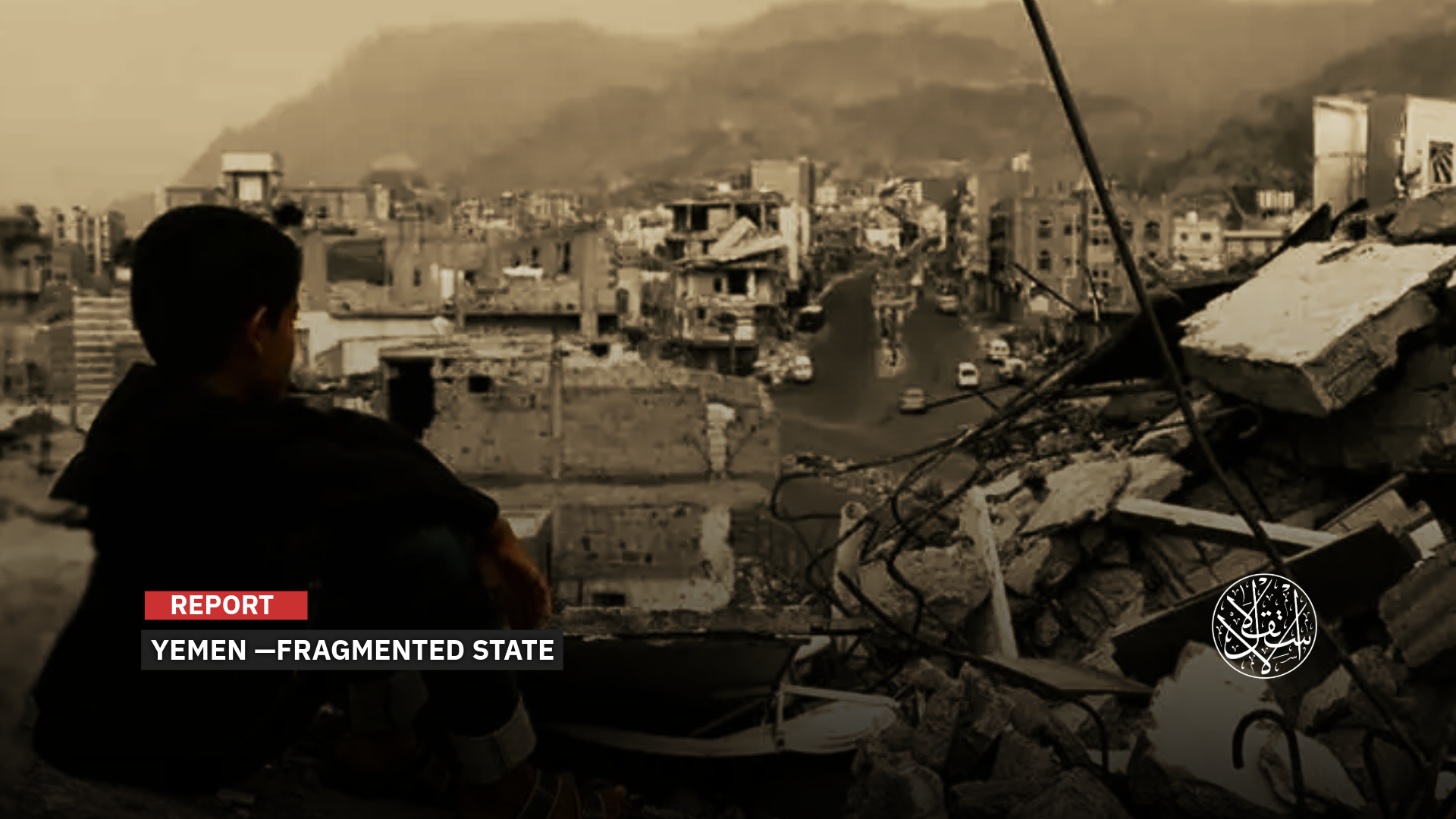
Mapping Yemen’s conflict and intervention across three pivotal historical phases.
A full decade has passed since the Saudi-Emirati coalition announced its military intervention in Yemen under the banner of restoring the state and ending the Houthi coup.
Over these years, the country has not only endured a protracted war but has gradually turned into an open regional battleground and a tangled arena of international competition, with no internal party able to decisively settle the conflict.
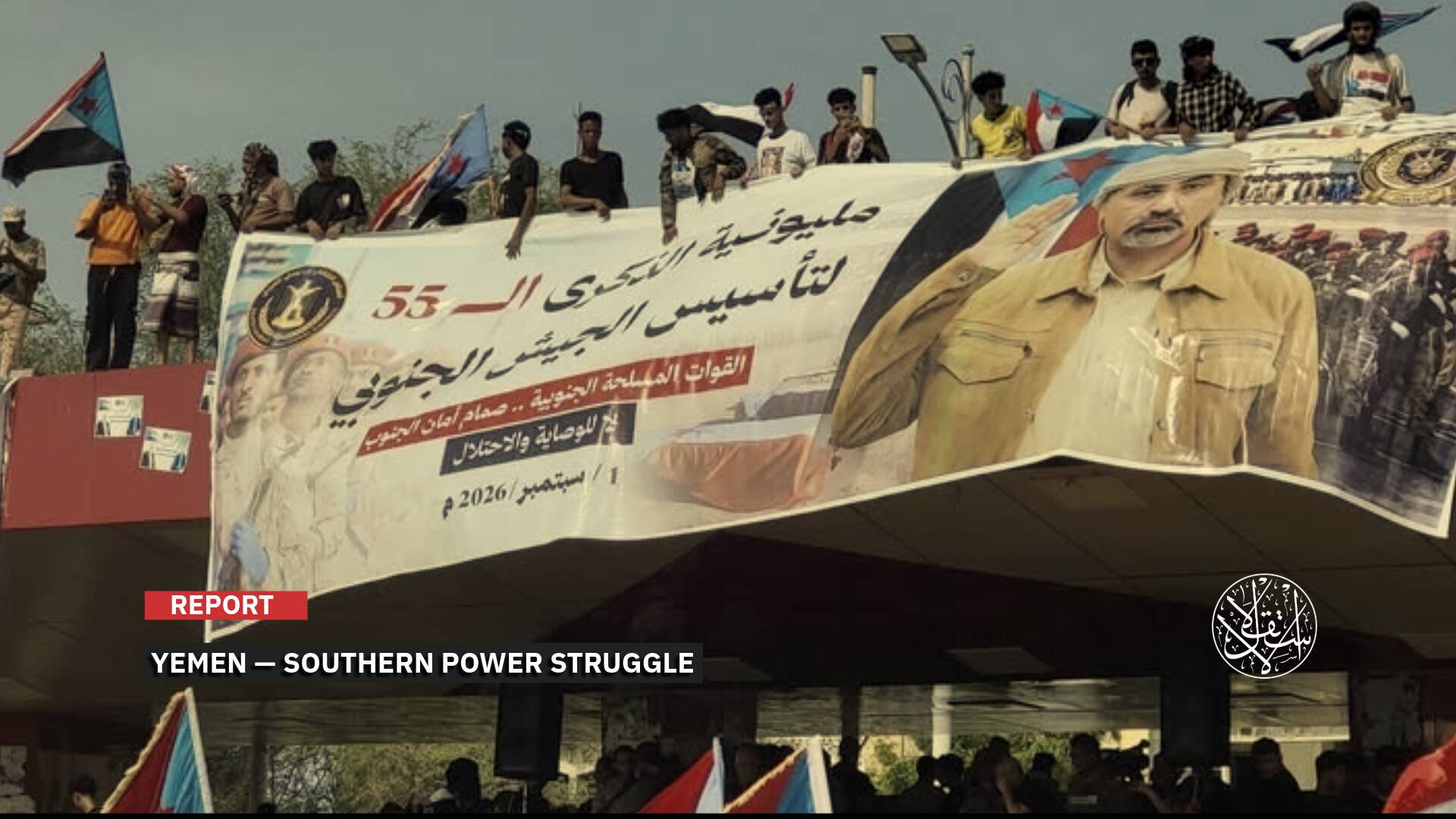
During this period, the influence of the internationally recognized government eroded, with its authority in the north giving way to the Houthis, who succeeded in establishing themselves as a de facto power, and in the south to the UAE-backed Southern Transitional Council.
Although the latter was able at one stage to assert control over large parts of the south, it later failed to consolidate its gains and suffered political and military setbacks that significantly reduced its influence.
Amid these shifts, the compass of conflict within Yemen has changed markedly, with the center of gravity, at least temporarily, moving from confronting the Houthis and Iran to confronting the Southern Transitional Council and the UAE, in a dramatic scene reflecting the breakdown of wartime alliances and the clash of interests between yesterday’s allies, who, by virtue of political and military realities, found themselves in opposition and conflict.
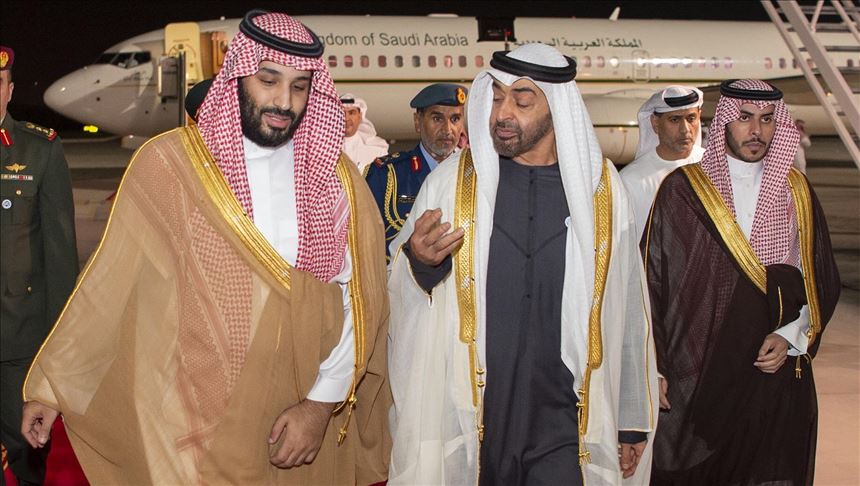
Stages of Conflict and Intervention
Since the outbreak of what became known as the Yemeni Spring, the Saudi-Emirati intervention in Yemen has taken on multiple patterns and forms, each phase aligning with the declared and undeclared objectives of the intervention, and shifting in response to changes in the political and field context.
Within this framework, the course of intervention and conflict in Yemen can be divided into three main historical phases: the period before the Houthi coup, the period after the Houthi coup, and the period following the fall of Hadramout and al-Mahra, which reflected a qualitative shift in the nature and trajectory of the ongoing conflict.
Regional intervention during this stage was characterized by an indirect political approach, focused on containing the repercussions of the 2011 revolution and undermining its project before it could transform into a new political reality.
At that time, the focus was not on the Houthis, but on the revolutionary forces and the parties supporting them, foremost among them the Yemeni Congregation for Reform, seen as the most organized and influential force in the new landscape.
This intervention employed multiple political tools, most notably the Gulf Initiative, presented as a transitional solution, but in practice recycling the old regime and containing the process of change.
The National Dialogue Conference was also pushed beyond its intended political and temporal context, contributing to the obstruction of genuine power transfer and emptying the transitional phase of its reformist content.
This phase ended with the collapse of the state itself through the Houthi coup in September 2014, in a regional and international context that was lenient, if not complicit.
Alongside networks of the deep state linked to former President Ali Abdullah Saleh, the Houthis became an objective partner in undermining the emerging Yemeni state, in a balance where their interests aligned with broader regional calculations.
The Gulf Cooperation Council’s endorsement of the Peace and Partnership Agreement lent a political cover to the coup, paving the way for a new phase of open conflict.
Post-Houthi Coup
With the Houthi seizure of Sana’a in September 2014, Yemen entered a new phase of conflict marked by militarization and the internationalization of the confrontation, with the Saudi-Emirati coalition announcing its military intervention in March 2015 under the banner of restoring legitimacy and countering Iranian influence.
However, the course of the war revealed a clear deviation from this stated objective, as the focus shifted to securing the southern provinces, leaving the north under Houthi control, amid repeated strikes on the national army by friendly fire, and regional and international interventions that prevented the group’s collapse at critical moments.
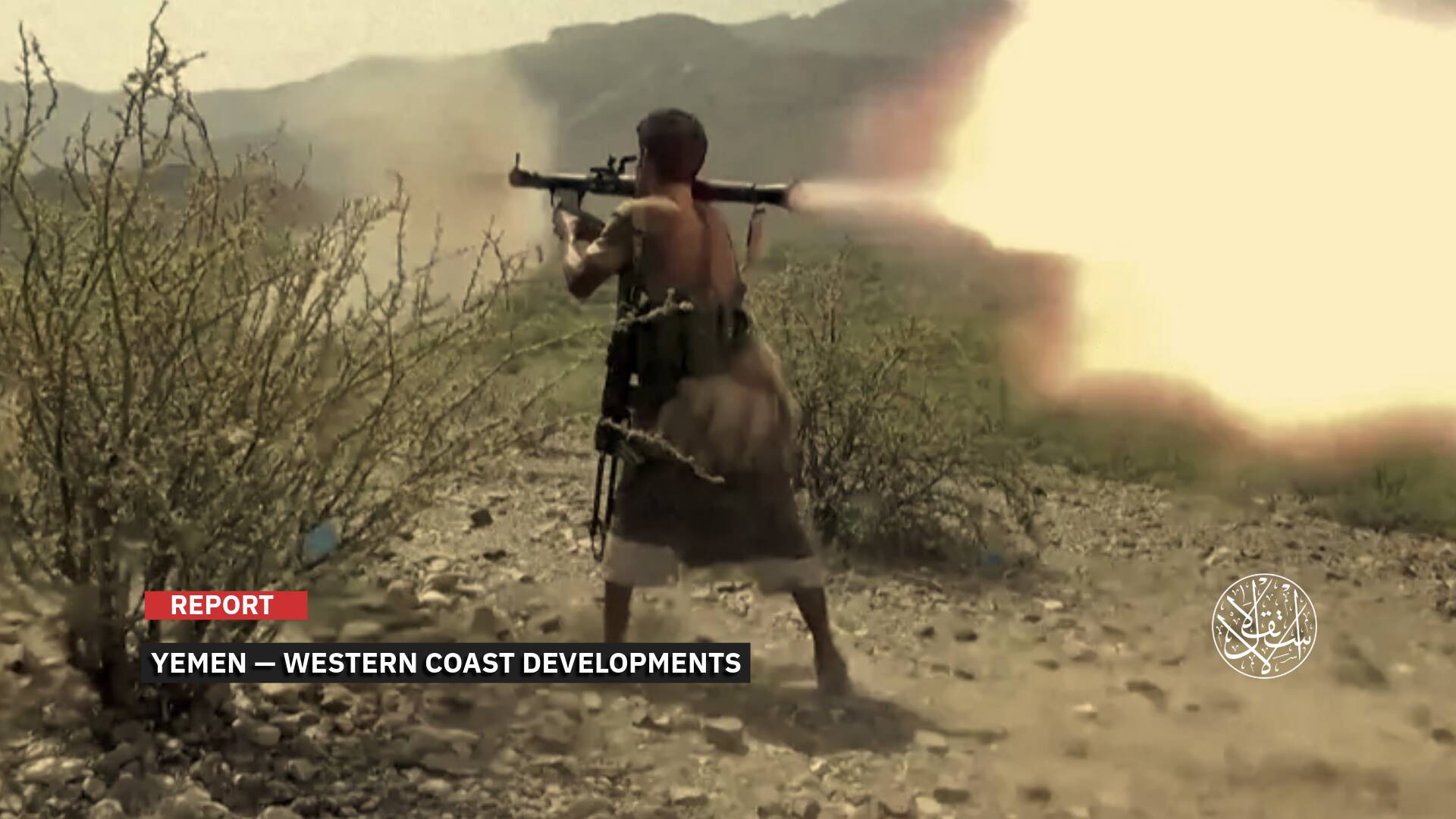
At the same time, the UAE began building parallel military and political forces outside the state framework, culminating in the declaration of the Southern Transitional Council in 2017, its formal recognition under the Riyadh Agreement in 2019, and the establishment of the Political Office of the National Resistance on the western coast in 2021, entrenching multiple centers of power outside the authority of the internationally recognized government.
Although the stated slogan was confronting the Houthis, the facts revealed that this phase systematically weakened the elected government, culminating in its replacement with an appointed political authority in April 2022, as part of a Saudi-Emirati agreement.
Regarding the objectives of the coalition’s intervention in Yemen, Saudi Arabia primarily based its actions on geopolitical and security calculations related to the security of the Bab el-Mandeb Strait, the protection of energy supply lines, and the prevention of strategic threats along its southern border.
In contrast, the UAE’s objectives centered on extending influence over ports, islands, and vital maritime routes, alongside efforts to reshape Yemen’s political landscape by weakening the forces of the February Revolution, foremost among them the Yemeni Congregation for Reform, serving a political and security project opposed to political Islam.
During this phase, the slogan of confronting the Houthis and countering Iranian expansion was presented as the declared purpose of the coalition-led conflict, yet the unfolding events revealed that the core of this struggle was in reality directed against the Yemeni government itself, aiming to contain the state, control its political decisions, and place the country effectively under Saudi-Emirati tutelage.
As a result, the declared goal of defeating the coup and restoring the state gave way to policies that dismantled the institutions of legitimacy and produced parallel authorities.
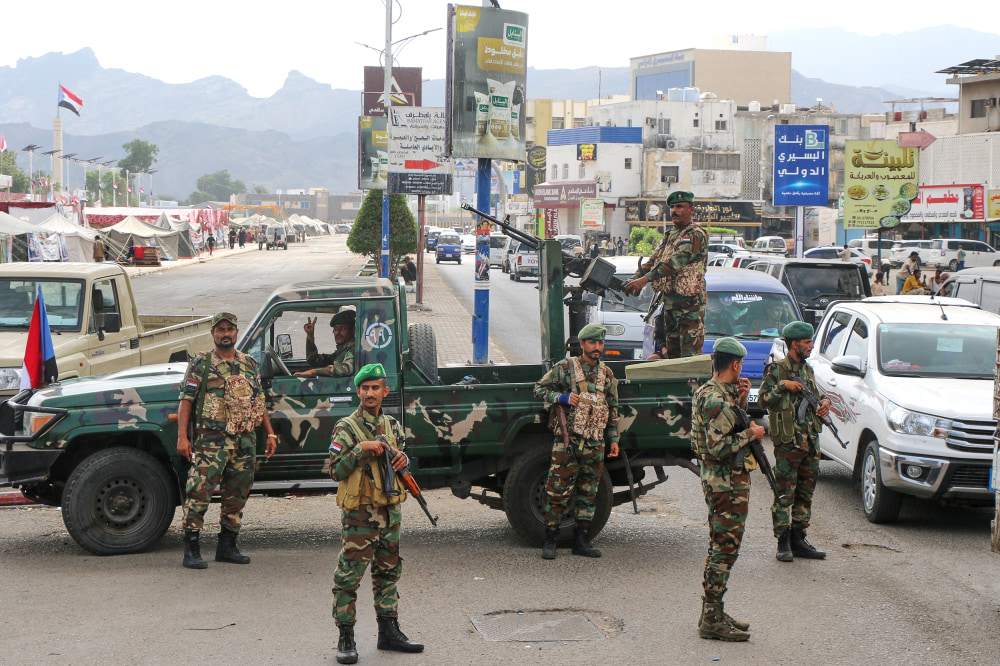
Hadramout and Al-Mahra
The conflict in Hadramout marked a decisive turning point, as the Saudi-Emirati dispute shifted from jointly managing the war to direct competition over territory and decision-making.
This effectively ended the Arab coalition in its previous form and redirected the course of the Yemeni conflict from confronting the Houthis and Iran to clashing with the UAE and its proxies, foremost among them the Southern Transitional Council.
The Transitional Council’s entry into Hadramout was the last straw. That move effectively fractured the coalition, exposing the depth of hostility and rivalry between its members, and diverted their relationship from partnership and alliance to competition and conflict.
Saudi Arabia viewed the Transitional Council’s moves to control Hadramout and al-Mahra, backed by the UAE, as a breach of its strategic security and the insertion of an external actor deep into its geopolitical sphere.
The bombing of UAE arms shipments and calls for Abu Dhabi’s withdrawal from Yemen reflected the magnitude of the threat posed by this trajectory, as Riyadh no longer saw the Transitional Council as a local faction, but as a geopolitical arm of an Emirati project aimed at containing Saudi influence and threatening its security interests.
Saudi Arabia regards Hadramout as vital security and border depth and as a potential gateway to the Arabian Sea for energy projects.
It fears that empowering UAE proxies could result in the loss of control over eastern Yemen, weaken its influence in a region with significant economic and oil weight, and turn it into a security arena outside Saudi oversight.
In contrast, the UAE sought to complete its maritime sphere of influence from the Gulf of Aden to the Arabian Sea through Hadramout, controlling ports, islands, and vital access points, securing a long-term presence in resource-rich areas, and reshaping the political landscape of eastern Yemen through local forces loyal to it, guaranteeing influence independent of Saudi Arabia.
Yemen also became a geopolitical platform for integrating Israeli interests into Red Sea and Bab el-Mandeb security, within a broader maritime security network managed under the principle of protecting international navigation, representing a direct threat to Saudi security that required countering and containment.
Thus, Yemen transformed into a direct arena of regional competition between Riyadh and Abu Dhabi, with each side striving to consolidate its geopolitical and economic position.
The priority of confronting the Houthis and restoring the state declined in favor of managing influence and curbing the Transitional Council’s power, redirecting the war’s compass from a project of stability to a struggle over authority and political geography, at the expense of Yemen’s legitimate government.
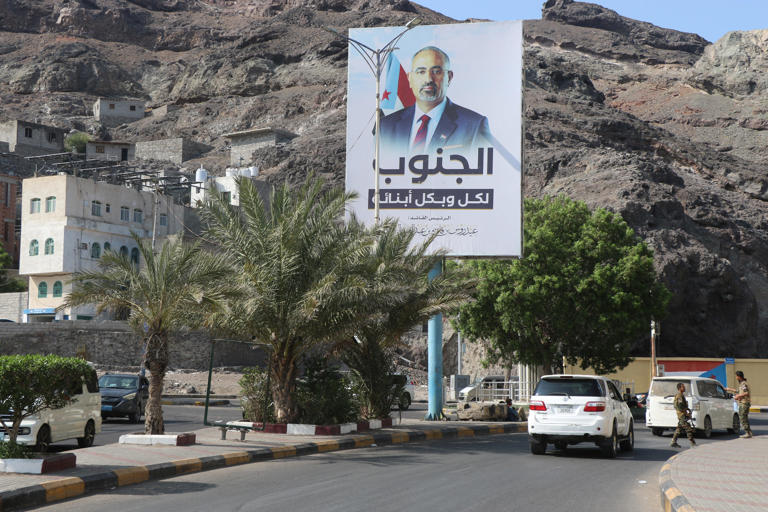
The Outcomes of the Conflict
Saudi efforts to regain control in southern Yemen and curb the influence of the UAE and its armed proxies do not indicate a serious Saudi intention to support a unified Yemen or decisively confront the Houthis.
Such a goal would not align with Saudi Arabia’s long-term strategy, which is based on managing a fragile and divided Yemen with limited sovereignty and decision-making capacity.
The evidence also does not suggest that Riyadh and Abu Dhabi are sliding into an open military struggle over Yemen’s “spoils,” but rather into a regulated competition managed through indirect political and security tools.
Saudi Arabia seeks to regain control over key security and political levers in eastern and southern Yemen, based on national security assessments and geopolitical depth, intending to later use the south as a pressure card against the Houthis.
At the same time, this approach entrenches the subordination of Yemen’s sovereign decision-making to external agreements, practically dividing the country into regional spheres of influence and emptying the concept of national sovereignty of its substance.
In this context, the Southern Transitional Council entered a phase of political erosion after reaching the peak of its expansion, facing growing existential challenges, most notably declining regional cover, increasing Saudi pressure, and its failure to transform from a military-security entity into a viable state project.
It is unlikely that the council will be allowed to declare independence, with efforts instead aimed at gradually dismantling its influence through the withdrawal of powers, the disbanding of its armed formations, and forcibly integrating it into broader political arrangements that end its role as a standalone actor.
In this framework, Abdulrahman al-Rashed considers the recent changes in the south as a “correction of a flawed military and political trajectory” that hindered the restoration of the state, with the goal being to end fragmentation and ensure the security of vital maritime routes, in line with international interests linked to the security of the Red Sea and global supply chains.
Meanwhile, the Houthis emerge as the biggest beneficiaries of the Saudi-Emirati conflict.
Their rivals’ preoccupation with southern disputes provided an opportunity to strengthen control in the north and consolidate their position as a more cohesive de facto authority.
With the absence of a unified front, the continued fragmentation of the government camp, and a declining priority on confronting them militarily, the group has enhanced its capabilities and solidified its role as an unavoidable actor in any future settlement, gradually shifting from the position of a “coup” to an internationally managed regional player.
Al-Rashed frames the Houthis in a broader international context, considering them a “global issue” directly linked to threats to vital maritime routes.
Overall, the course of the conflict in Yemen reveals its progression through successive phases: first confronting the forces of the February Revolution and the political Islamist movement, then turning to confront the Houthis and Iran as the declared threat, before arriving in its current phase as a direct struggle with the Southern Transitional Council and the UAE.
As a result of this ongoing shift in the conflict’s compass, Yemen is moving toward a pattern of “sustained fragmentation” and an incomplete political settlement that consolidates existing power balances rather than dismantling them, eroding prospects for restoring a unified national state, strengthening the Houthis as an unavoidable regional actor, and subordinating the country’s future to major regional agreements, with near-total marginalization of domestic Yemeni actors.
Sources
- Foreign Interventions in the Yemeni Crisis from 2011 to 2022 [Arabic]
- Saudi Arabia and the UAE in Yemen: Competition or Division of Roles? [Arabic]
- The Saudi-Emirati Relationship Crisis and the Conflict in Yemen [Arabic]
- What Lies Ahead for Yemen After the Decline of Emirati Influence, the Defeat of the Southern Transitional Council, and the Rise of Saudi Power? [Arabic]
- Yemen and Maritime Routes: A Arena for Strategic Competition Between Saudi Arabia and the UAE [Arabic]
- A Study of Saudi “Stability Doctrine”: Abdulrahman Al-Rashed Decodes Major Shifts in the Yemeni File [Arabic]