The Virus Doctors Can’t Explain: A Deadly Mystery in Gaza
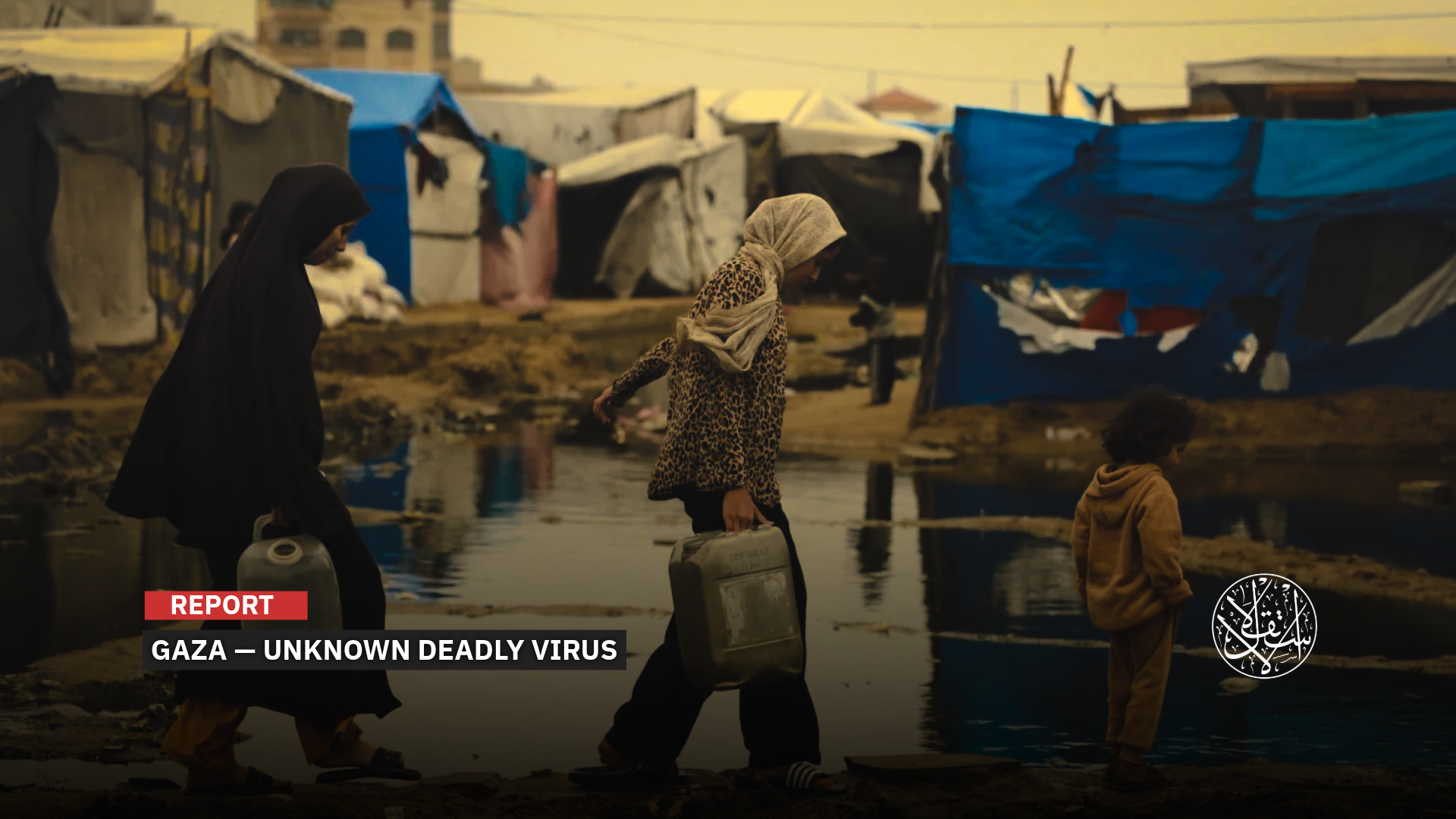
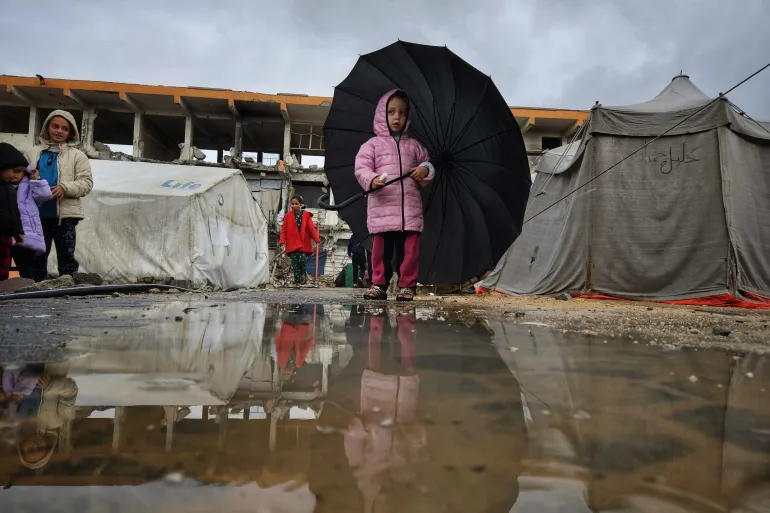
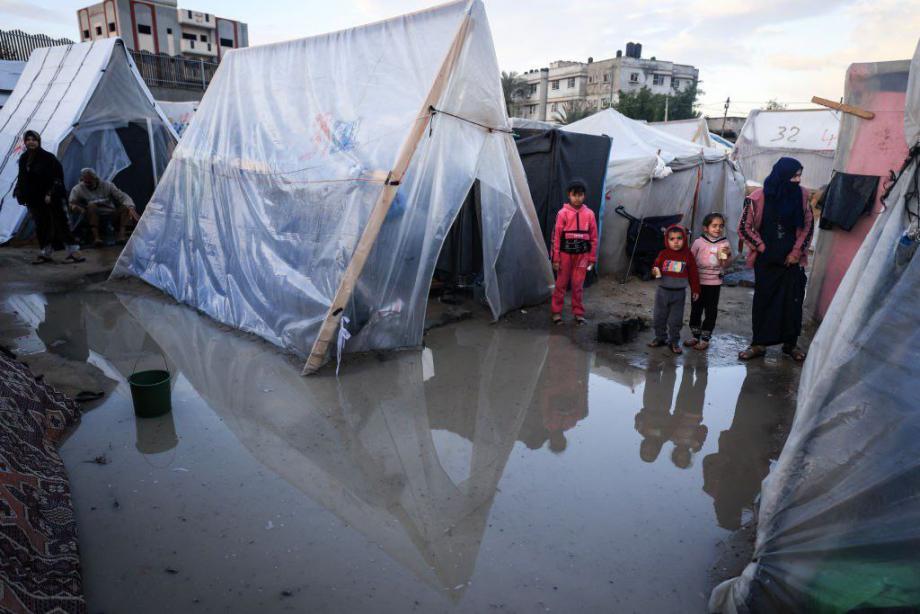
Displaced people live in tattered tents or in schoolyards that have become fertile ground for the spread of disease.
For more than a week, 30-year-old Sally Ahmed has barely moved. She lies on a fraying mattress inside her tent west of Gaza City, drained by relentless fevers that have left her too weak to stand.
Sally shares the cramped shelter with her two children. Rainwater seeps through the fabric when storms hit, while cold winds cut through the tent at night during the harshest stretch of winter. Known locally as the forty-day cold season, it is the bleak heart of winter in Gaza, marked by biting temperatures that linger until early February.
These conditions have deepened the suffering of Palestinian families already stretched to the limit. Caught between winter’s chill and an unforgiving reality, and with basic necessities in short supply, survival has become a daily struggle rather than a given.
A Fast–Spreading Illness Has Taken Hold
Sally told Al-Estiklal that her sickness came on suddenly. A high fever and pounding headache were followed by coughing and shortness of breath. With medicines scarce and treatment limited to little more than fever reducers, her condition steadily worsened.
Her husband, Hassan, can do little but watch. He tries to bring down her temperature with cold compresses and searches desperately for antibiotics or specialized care, all without success. Medical supplies are critically low, and Gaza’s health system has buckled after two years of Israeli Occupation aggression.
Doctors have offered only isolation and symptom relief. No one has yet been able to identify the illness consuming Sally’s body.
Nearby, in a school converted into a shelter for displaced families, 41-year-old Osama Khalil is battling the same ordeal. Previously healthy, he began with what felt like a mild case of flu. Within days, he was left physically shattered.
He told Al-Estiklal that it started with a fever and severe joint pain, then progressed to vomiting and intense breathing difficulties that lasted for ten days as his condition deteriorated.
Osama, who survived a devastating war that destroyed his family home in northern Gaza, put it starkly. “We survived the missiles,” he said. “Now the danger has come as a fast-moving, deadly infection.”
He added that the unknown flu sweeping Gaza is being fueled by pollution, the absence of medication, and the collapse of people’s health after months of inadequate nutrition.
The outbreak is unfolding alongside a broader humanitarian collapse. More than 1.5 million Palestinians have been forced into overcrowded shelters and makeshift tents lacking even basic sanitation, following a fragile ceasefire that began in October 2025.
According to the United Nations, more than 77 percent of Gaza’s population is facing severe food insecurity due to the siege and the Israeli war. Rising malnutrition and hunger have weakened immune systems across the population, hitting children and the elderly hardest.
Health experts warn that the bodies of people already drained by hunger are far less able to fight infection, turning common illnesses into potentially deadly threats.
An Unknown Virus
Weeks after the first cases appeared, medical officials in Gaza began issuing urgent warnings about a mysterious virus whose exact nature remains unidentified. In recent weeks, it has been linked to near-daily deaths, raising fears of an uncontrolled outbreak.
Dr. Mohammed Abu Salmiya, director of Gaza’s al-Shifa Medical Complex, confirmed the spread of the virus, which is marked by severe respiratory symptoms that can last up to two weeks. Patients typically develop very high fevers, intense headaches, severe joint pain, and vomiting before their condition rapidly worsens. In many cases, it progresses into deadly pneumonia.
Speaking in January 2026, Abu Salmiya said the danger lies not only in the virus’s unknown identity but also in its unusual aggressiveness. Deaths are no longer confined to infants or the elderly. Previously healthy young adults with no underlying conditions are also among the victims.
That pattern has led doctors to describe the virus as exceptionally dangerous and capable of killing people with both weakened and strong immune systems alike.
Abu Salmiya added that Gaza’s health sector lacks even the most basic laboratory capacity needed to properly identify the virus, leaving physicians to rely on speculation rather than confirmed diagnosis.
Some health experts believe the outbreak could be driven by a mutated strain of influenza or possibly a newly emerged variant of Covid-19. So far, however, no laboratory tests have confirmed these theories, which are based solely on similarities with known viral illnesses.
Public fear has only intensified after Abu Salmiya warned that the virus is claiming lives daily. “There is hardly a home in Gaza without someone infected,” he said, describing the illness as rapidly spreading and lethal.
He cautioned that widespread hunger and malnutrition have severely weakened people’s immune systems, increasing the risk of serious complications and death even among patients with chronic conditions who were previously stable.
Beyond hunger, environmental and public health conditions are accelerating the crisis. Contaminated water supplies and poor sanitation in displacement camps have fueled the spread of both intestinal and respiratory diseases.
UNRWA has also warned that freezing temperatures and winter storms have compounded health risks. At least ten children have died this winter from extreme cold, inadequate heating, and the absence of safe shelter.
UNRWA’s commissioner general, Philippe Lazzarini, said that unsafe water and sanitation conditions inside overcrowded shelters, combined with the collapse of Gaza’s health system, have created a breeding ground for disease.
Under Relentless Strain
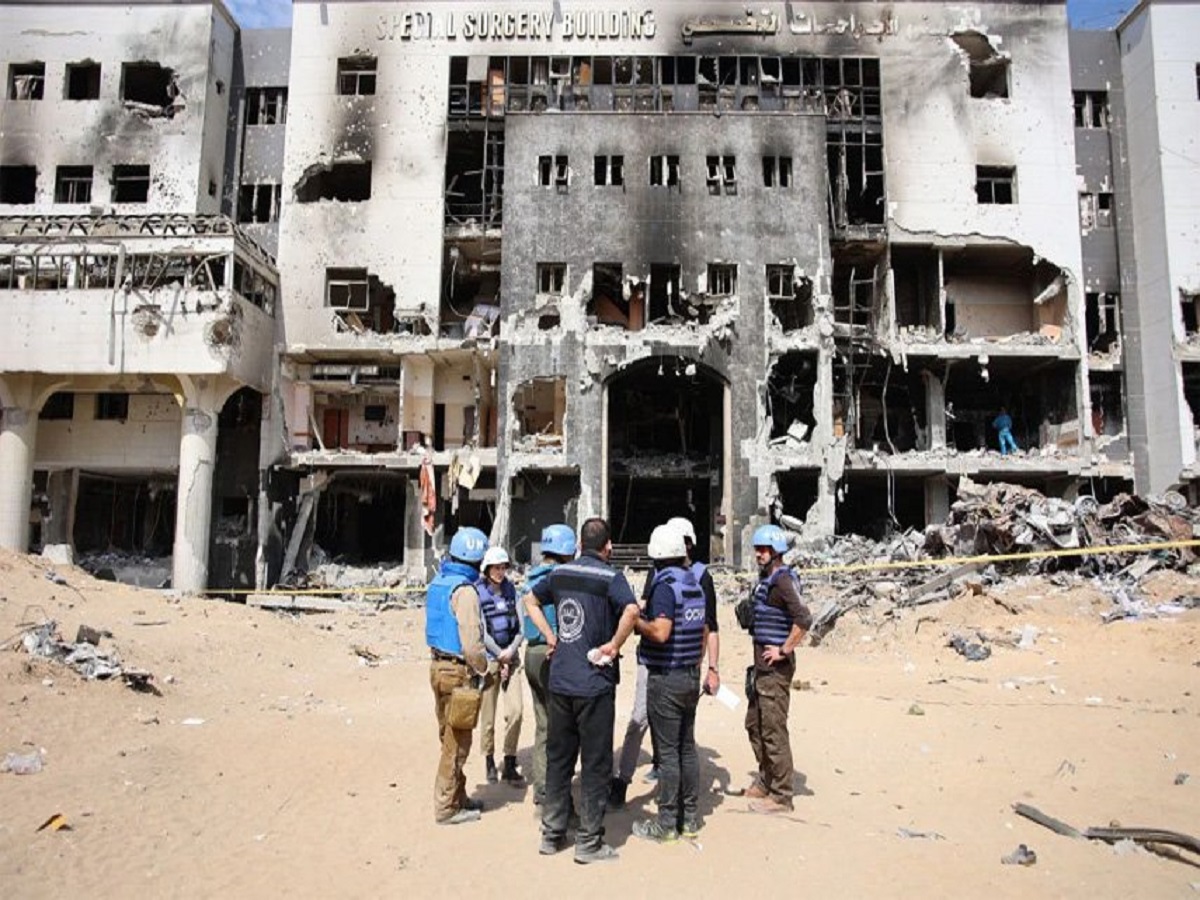
This unprecedented health crisis is unfolding against the near-total collapse of Gaza’s medical system, after two years of war that directly targeted hospitals and health institutions.
Roughly 90 percent of Gaza’s health infrastructure has been destroyed or damaged by Israeli Occupation bombing, forcing many hospitals and clinics to shut down entirely or operate at a fraction of their capacity, according to Gaza’s Government Media Office.
A recent UN report found that the health system is no longer able to deliver even the most basic services, more than one hundred days after the fragile ceasefire took effect.
Hospitals across Gaza are now operating far beyond their limits, overwhelmed by a surge of patients arriving daily over the past several weeks.
Dr. Abu Salmiya said emergency admissions have risen by about 200 percent compared with previous levels. Hospital bed occupancy has exceeded 150 percent and, at times, reached 200 percent, as growing numbers of critically ill patients compete for urgent care.
Dr. Moataz Harara, head of emergency services at al-Shifa Hospital, said the department has been receiving more than 500 patients a day over the past two weeks, including around 200 suffering from severe respiratory illnesses.
In an effort to cope with the mounting caseload, some specialized hospitals have been repurposed to treat respiratory and digestive conditions. Among them is the partial reopening of al-Rantisi Children’s Hospital in northern Gaza, despite heavy damage, to receive respiratory patients after most specialized facilities were destroyed.
Even so, doctors say many patients are unable to find beds or appropriate spaces for treatment. Some are forced to receive care on crowded corridor floors, amid severe shortages of medicine, equipment, and medical supplies.
Figures from Gaza’s health ministry show that more than 55 percent of essential medicines are currently unavailable, while about 71 percent of critical medical supplies needed for daily care have run out.
Life-saving drugs, including antibiotics and medications for chronic conditions such as hypertension, diabetes, and heart disease, as well as cancer treatments, dialysis supplies, and even basic painkillers, are scarce or entirely absent in most hospitals.
Medical staff say the care they can offer has been reduced to basic supportive measures, such as oxygen and fever reducers, in the absence of targeted treatments and modern diagnostic tools.
Despite the ceasefire, the Israeli Occupation continues to block the entry of many vital medical supplies and essential equipment needed to rebuild and restore health facilities.
According to Gaza’s health ministry, “Israel” has allowed in less than 30 percent of the territory’s monthly medical supply needs, further deepening the crisis.
The ongoing siege has also restricted the entry of power generators required to run hospitals, construction materials needed for repairs, and fuel supplies, leaving existing generators struggling to function.
Doctors warn that this catastrophic situation is directly driving preventable deaths. As Abu Salmiya said, many people have died from conditions that could have been treated if the necessary resources had been available.
Sources
- Mysterious Virus Claims the Lives of Children in Gaza [Arabic]
- Respiratory Virus Claims Lives in Gaza amid Limited Capacity for Testing
- Joint Pain, Vomiting, and Breathing Difficulties: Mysterious Virus Spreads in Gaza, Killing Previously Healthy People [Arabic]
- Humanitarian Situation Update #353 | Gaza Strip
- UNRWA chief warns of “record highs” of diseases in Gaza