What Do We Know About the Dimona Reactor After Tehran’s Threats To Target It?
“Israel does not allow any international inspections or verifications at the Dimona reactor.”
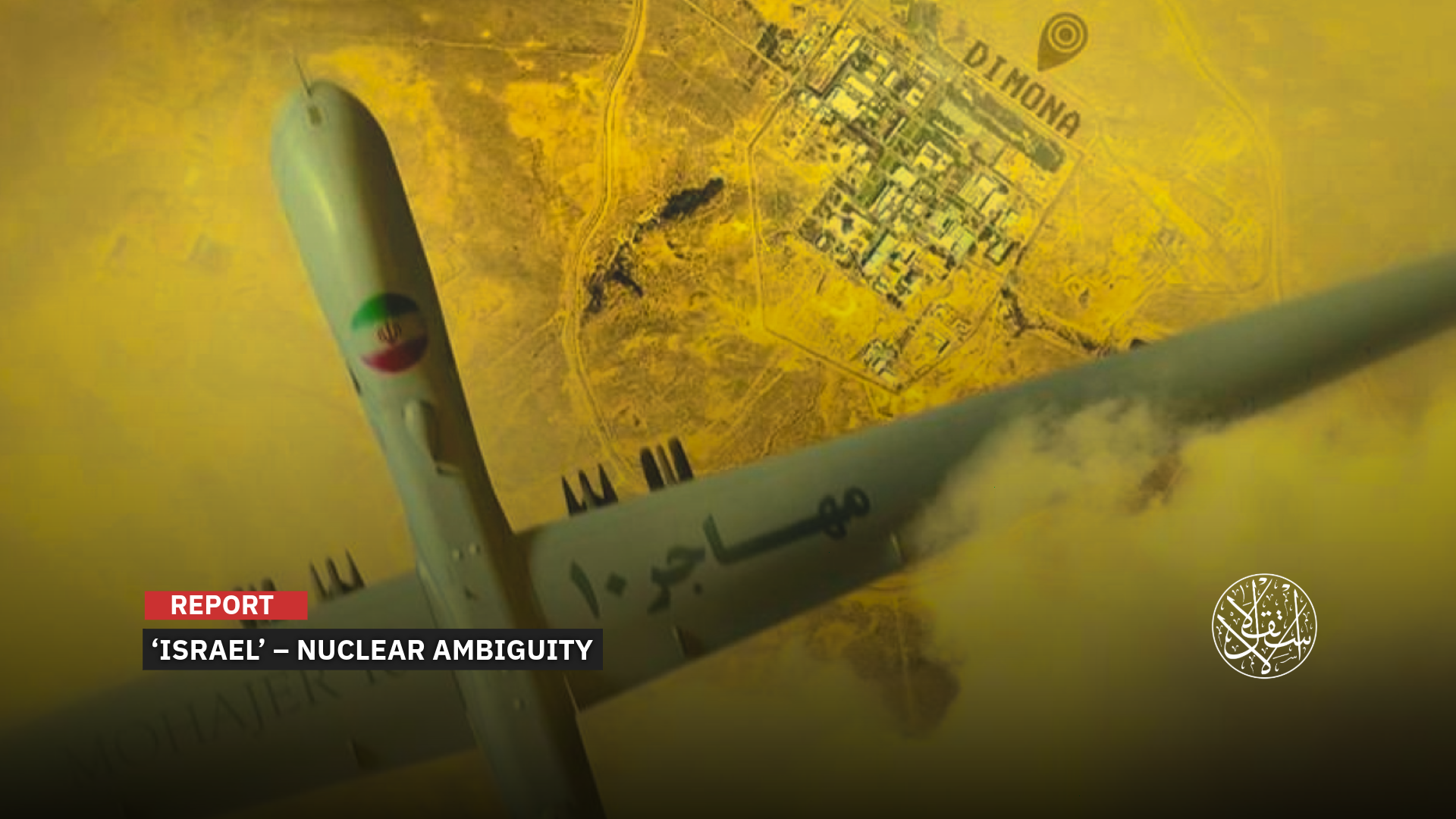
Five days after the start of the US-Israeli war on Iran, an Iranian military official, speaking through the semi-official ISNA news agency, declared that Tehran would target the Dimona nuclear reactor if Washington and Tel Aviv attempted regime change in the Islamic Republic.
This threat caused a media stir because it came from an agency that often reflects the positions of the Islamic Revolutionary Guard Corps (IRGC) and targeted, for the first time, the center of Israeli nuclear secrecy—the reactor that serves as a deterrent for Tel Aviv.
During the current war or the 12-day confrontation in June 2015, no Iranian missile was recorded hitting Dimona.
What do we actually know about the Israeli nuclear site, and what does it mean for it to become an open target after decades of silence?
Dimona Reactor
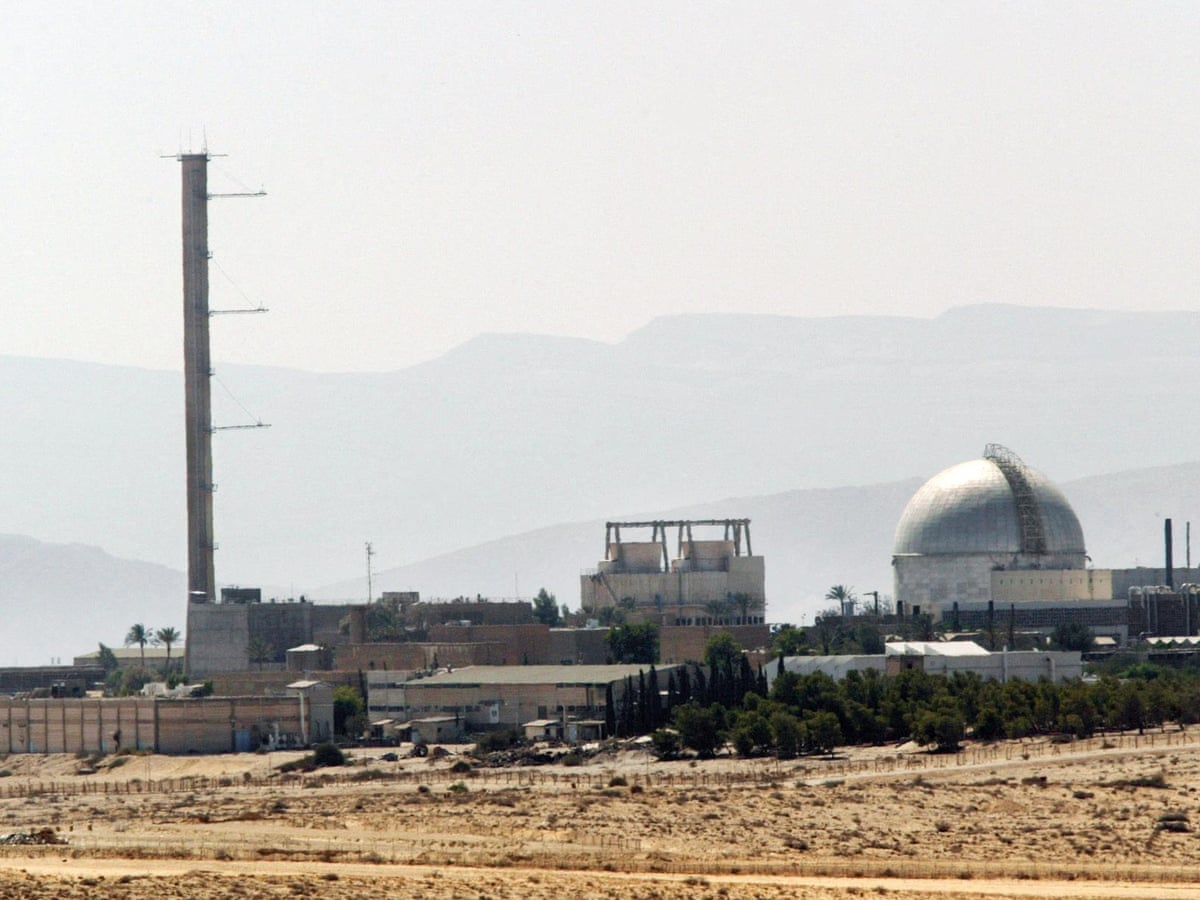
The site, officially called the Shimon Peres Nuclear Research Center in the Negev, is located in southern occupied Palestine, about 25 km from Jordan, 75 km from Egypt, and about 90 km from Jerusalem, in a desert area far from populated areas, which illustrates the extent of the secrecy surrounding it.
“Israel” is believed to have begun constructing its nuclear site in the desert in the late 1950s, following several wars with Arab states after its establishment in 1948.
The Dimona reactor, a heavy water reactor fueled by natural gas, has an estimated capacity of between 70 and 150 megawatts and is considered the largest reactor in the region, according to the Arms Control Association (a United States–based nonpartisan membership organization).
In a previous study, the association's researchers confirmed that the reactor is the only known source of plutonium and tritium production in “Israel”, two materials essential for manufacturing hydrogen bombs.
Estimates from the Bulletin of the Atomic Scientists indicate that, as of 2020, “Israel” possessed approximately 90 nuclear warheads and a stockpile of about 980 kg of plutonium, potentially sufficient for producing between 170 and 278 weapons.
With this stockpile, reports suggest that the reactor's current role is to produce tritium to replace decay over time, rather than necessarily to increase the number of nuclear warheads.
The Times of Israel, in March 2026, described the facility as one of the most heavily guarded sites in the occupied Palestinian territories, noting that it is fortified by a multi-layered air defense system.
This policy of ambiguity stems from Israel's refusal to join the Nuclear Non-Proliferation Treaty and its denial of ever possessing nuclear weapons, suggesting the facility's secretive nature.
“Israel does not allow any international inspections or verification of its activities, which leads to public speculation,” said Edwin Lyman, a nuclear expert with the Union of Concerned Scientists, in 2025.
While details of Dimona remain shrouded in secrecy, a whistleblower in the 1980s revealed details and photographs of the facility, leading experts to conclude that “Israel” has produced dozens of nuclear warheads, according to a report published by the Associated Press in September 2025.
Daryl G. Kimball, executive director of the Washington-based Arms Control Association, said, “If it’s a heavy-water reactor, they’re trying to maintain their ability to produce spent fuel that they can reprocess to separate plutonium for more nuclear weapons.”
“Israel”, like India and Pakistan, is believed to rely on heavy-water reactors for its nuclear weapons.
These reactors can be used for scientific purposes, but plutonium—which fuels the nuclear chain reaction necessary for an atomic bomb—is a byproduct of the process.
Tritium is another byproduct, and it can be used to increase the explosive power of warheads, according to Kimball.
Secret Efforts
Despite this secrecy, Tel Aviv hinted at the existence of a research facility in 2018 when Prime Minister Benjamin Netanyahu visited the site and warned Israel's enemies that they would be putting themselves in danger if they tried to destroy Dimona.
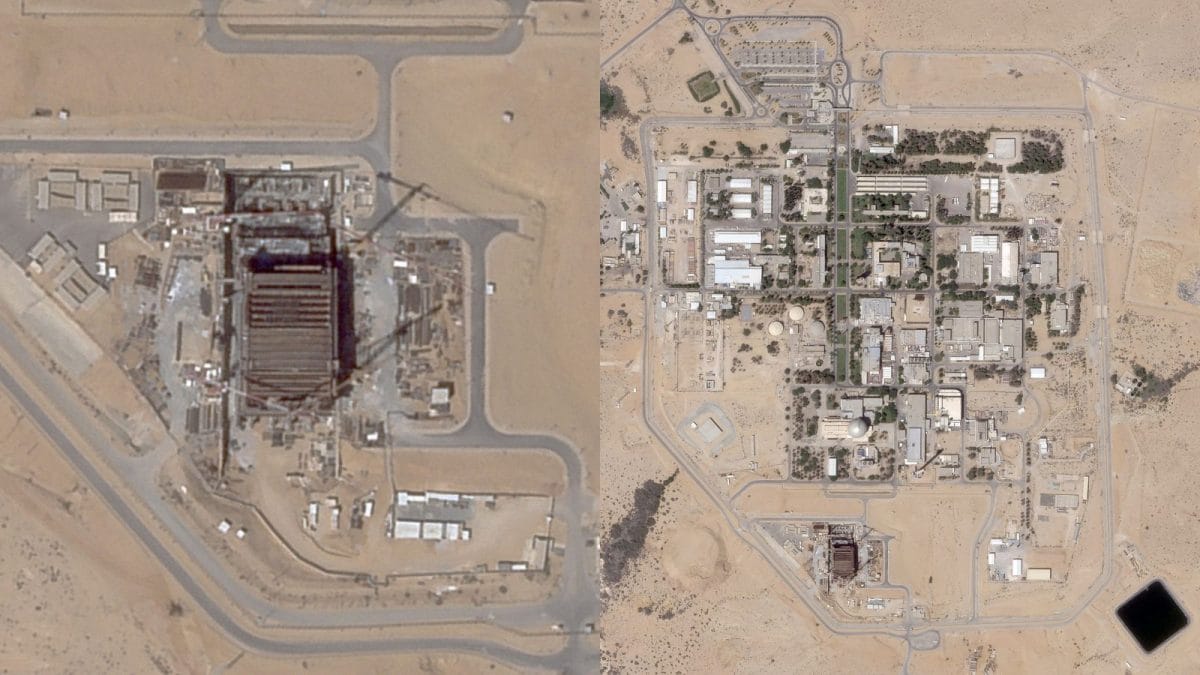
According to a 2025 Associated Press report, satellite imagery revealed the construction of a massive underground facility near the reactor, reigniting questions about Israel's nuclear program, widely believed to be the only country in the Middle East possessing nuclear weapons.
These activities also drew international criticism, particularly as they followed Israeli and US airstrikes on Iranian nuclear sites in June, motivated by fears that the Islamic Republic might be using its uranium enrichment facilities to develop a nuclear weapon.
Seven experts who examined the images said the construction was almost certainly linked to Israel's nuclear program.
Three suggested it was a new heavy water reactor due to the facility's size and depth, while others speculated it might be a weapons assembly plant, though they emphasized that they could not be certain.
Jeffrey Lewis, a professor at the James Martin Center for Nonproliferation Studies, said, “It's hard to imagine it being anything other than a reactor, and that's a conclusion based on circumstantial evidence.”
Neither “Israel” nor the United States has commented on the matter, leaving us with an official ambiguity that is only exacerbated by the escalating construction and the sheer size of the new facility.
Experts estimate that the original, older reactor has exceeded its operational lifespan and needs modernization or replacement, with satellite images suggesting that this work is part of it.
The expansion could be aimed at extending the life of the Israeli reactor by replacing the old one and maintaining the capacity to produce plutonium and tritium.
The Associated Press first reported on the excavation work at the facility, located about 90 kilometers (55 miles) south of Jerusalem, in 2021.
At that time, satellite images showed only workers digging a 150-meter-long and 60-meter-wide pit near the original heavy water reactor on the site.
Images taken by Planet Labs BBC on July 5, 2025, show an intensification of construction work at the excavation site.
Thick concrete retaining walls appear to be being built at the site, which consists of several underground levels.
The need for more tritium to replace decaying materials may be the reason behind the construction of the Dimona reactor, as nuclear expert Edwin Lyman indicated that its decay rate is 5% annually.
Nuclear Ambiguity
Amid the recent threat, Iran possesses the largest ballistic missile arsenal in the Middle East, including the Sejil, Ghadir, and Khorramshahr missiles with a range of up to 2,000 km.
It also possesses the Emad (1,700 km), Shahab-3 (1,300 km), and Hoveizeh (1,350 km) missiles, in addition to developing underground launch sites.
These ranges make Dimona accessible from Iranian territory, but the accuracy of a strike and the ability of non-nuclear warheads to penetrate concrete bunkers remain questionable, especially given that “Israel” protects the facility with a multi-layered air defense system.
According to Reuters, the system includes Arrow 2 and Arrow 3 missiles for intercepting ballistic missiles in the upper atmosphere, the David's Sling system for medium-range missile defense, and Iron Dome missile defense systems for short-range missiles and drones.
During the current and previous wars, the United States supplied “Israel” with the THAAD anti-ballistic missile system to intercept attacks.
Furthermore, the facility itself is located in an isolated area and surrounded by underground fortifications, making a direct hit a real challenge. Therefore, from a military perspective, the threat is more theoretical than practical.
Regarding the consequences, the few studies on the effects of striking the Dimona reactor present limited scenarios.
A study by the Arms Control Association estimated that the reactor produces plutonium and tritium, and that striking it could lead to a widespread leakage of low-level radioactive material, potentially causing hundreds of additional cancer cases in the worst-case scenario.
However, the study emphasized that the reactor's small size and desert location limit the risks to the population.
From a deterrent perspective, even a failed attempt or a successful interception could provoke an excessive Israeli response, and perhaps even break the nuclear ambiguity. This is why Iran and other groups have avoided directly striking the reactor in previous confrontations.

Israel's policy of nuclear ambiguity is believed to have deterred its enemies, according to the Associated Press.
But there have been a few attempts to target the site in the past. In April 2021, a Syrian SA-5 missile landed approximately 30 kilometers from Dimona. Reuters confirmed that it did not strike the reactor.
In July 2014, Hamas launched long-range rockets toward Dimona, but the Iron Dome system intercepted them, and some landed in open areas without causing any injuries.
Given the secrecy and isolation surrounding the Dimona reactor, Iran is under significant pressure to provide transparent reporting.
Sanctions have been repeatedly reimposed on Iran due to its nuclear program, revealing Western double standards in dealing with this weapon in the region.
Sources
- Iran threatens to hit Dimona nuclear site if Israel and US try to topple regime
- What are Iran's ballistic missile capabilities?
- Rapid Construction Activity Near the Dimona Reactor: What Is ‘Israel’ Building?
- At Dimona reactor, Netanyahu warns Israel's foes they risk ruin
- Should Israel Close Dimona? The Radiological Consequences of a Military Strike on Israel’s Plutonium-Production Reactor