Inflamed Frontiers, Fragile Stability: Can Syria Withstand the Shockwaves of the US-’Israel’ War on Iran?
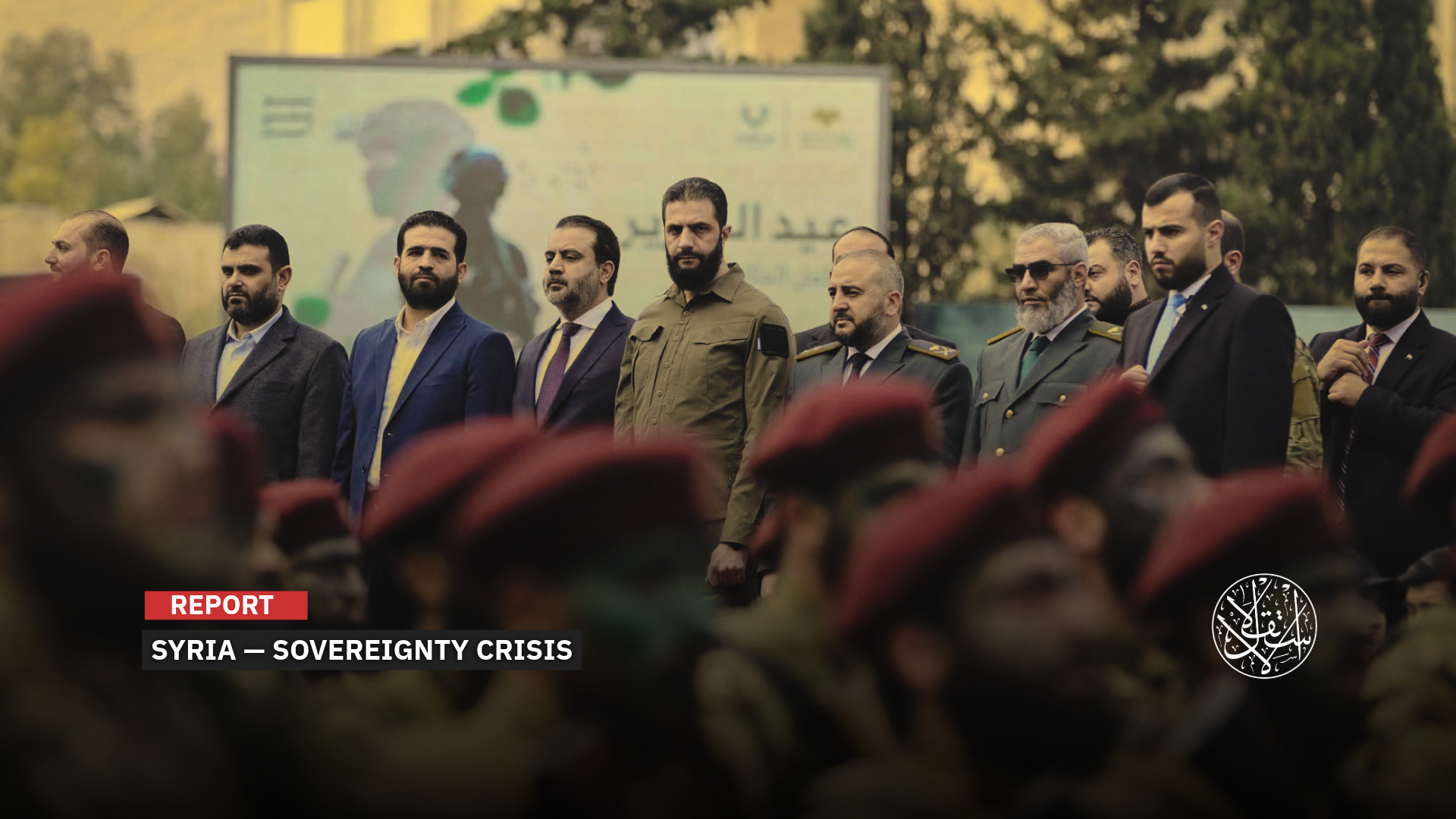
These intertwined complexities threaten Syria’s already fragile stability.
At a sensitive moment, as Syria tries to catch its breath after long years of war, fears are mounting that the country could once again be pulled into the vortex of regional turmoil, as the U.S.-Israeli war against Iran intensifies and its rapid repercussions spread across the region.
While Damascus seeks to consolidate stability and restart the economy after a harsh phase of conflict, the prospect looms that Syria could become a new arena for settling scores, amid the possibility that Tehran’s regional proxies could mobilize, and the confrontation could widen, potentially reigniting flashpoints on more than one front.
A Guarded Space
Notably, since the early hours of February 28, 2026, eight Arab countries, Qatar, Kuwait, Saudi Arabia, the United Arab Emirates, Bahrain, the Sultanate of Oman, Jordan, and Iraq, have been subjected to Iranian attacks.
Tehran claims it is targeting what it describes as “U.S. interests” in countries across the region, but some of those attacks have left people dead and wounded and caused damage to civilian sites, including ports and residential buildings.
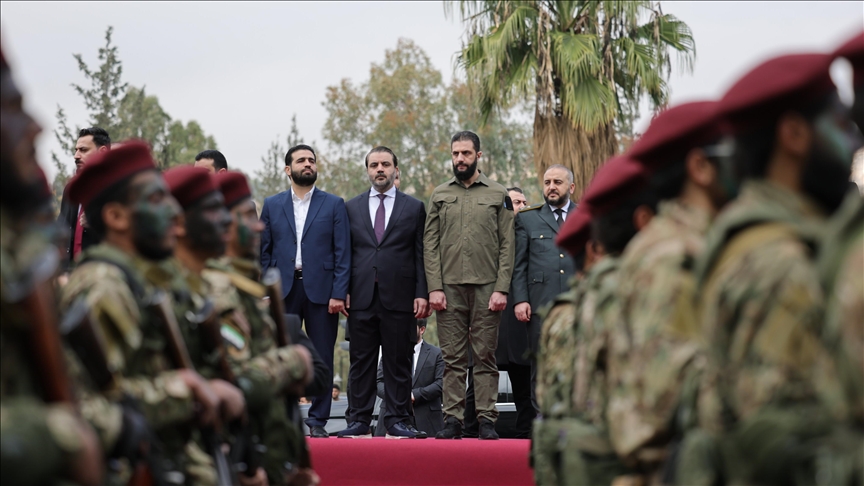
In a pre-emptive move, the Syrian army on March 4, 2026, reinforced its deployment along the borders with neighboring Lebanon and Iraq, both of which are witnessing escalation against the backdrop of the war launched by “Israel” and the United States against Iran, according to the official news agency SANA.
Syrian military forces were dispatched to the Syrian-Lebanese border near Homs province, which borders Hezbollah’s stronghold in eastern Lebanon.
The reinforcements included armored vehicles, soldiers, rocket launchers, and reconnaissance battalions to monitor border activity and combat smuggling.
The operations authority of the Syrian army announced, according to SANA, that “the army has reinforced its deployment along the Syrian borders with Lebanon and Iraq.”
It added that the reinforcements come “to protect and control the borders amid the escalating regional war underway.”
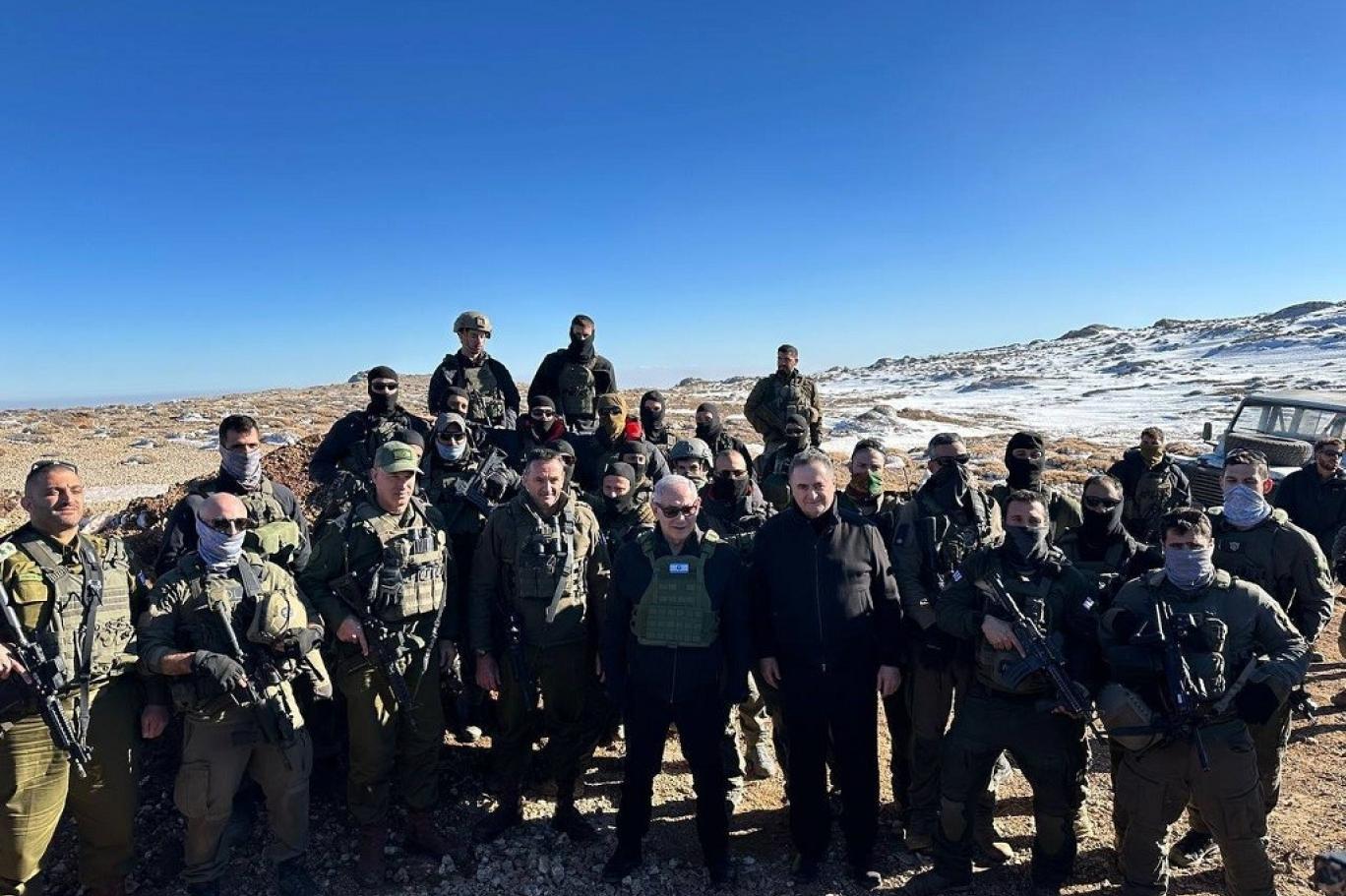
Southern Syria, bordering the Israeli-occupied Golan Heights, continues to witness security tensions and repeated Israeli incursions into towns in the countryside of Quneitra and Daraa, as “Tel Aviv” refuses to withdraw from Syrian areas into which occupation forces advanced following the fall of Bashar al-Assad’s regime on December 8, 2024, when Israeli Prime Minister Benjamin Netanyahu announced the cancellation of the 1974 disengagement agreement signed at the border.
For years, what is known as the “axis of resistance” formed a central pillar of Iran’s influence in the Middle East, encompassing allies in Iraq, Syria, Yemen, and Lebanon.
However, this axis has suffered severe blows over the past two years and has largely fragmented.
This came after the weakening of Lebanon’s Hezbollah, which lost a large portion of its arsenal and leadership in the confrontation with “Israel” that ended in November 2024, as well as the fall of Bashar al-Assad’s rule in Syria on December 8 of the same year. That regime had represented a central pillar of the Tehran-led alliance.
However, Hezbollah decided to “stand by Iran” following the killing of Supreme Leader Ali Khamenei and began launching rocket attacks on northern “Israel”.
By choosing to enter the war, Hezbollah exposed itself to a harsh and disproportionate response from “Israel”, as the Israeli army continues to bombard its strongholds in southern and eastern Lebanon and in Beirut’s southern suburbs, while its forces have advanced inside Lebanese territory to establish a buffer zone.
In Iraq, which for decades has served as an arena of indirect confrontation between Washington and Tehran, armed factions backed by Iran have claimed responsibility for dozens of drone attacks against U.S. bases, although many of those drones have been shot down.
Test of Sovereignty
At a volatile regional moment that extends beyond the direct confrontation between Iran and “Israel”, Syria finds itself facing a highly sensitive test of sovereignty.
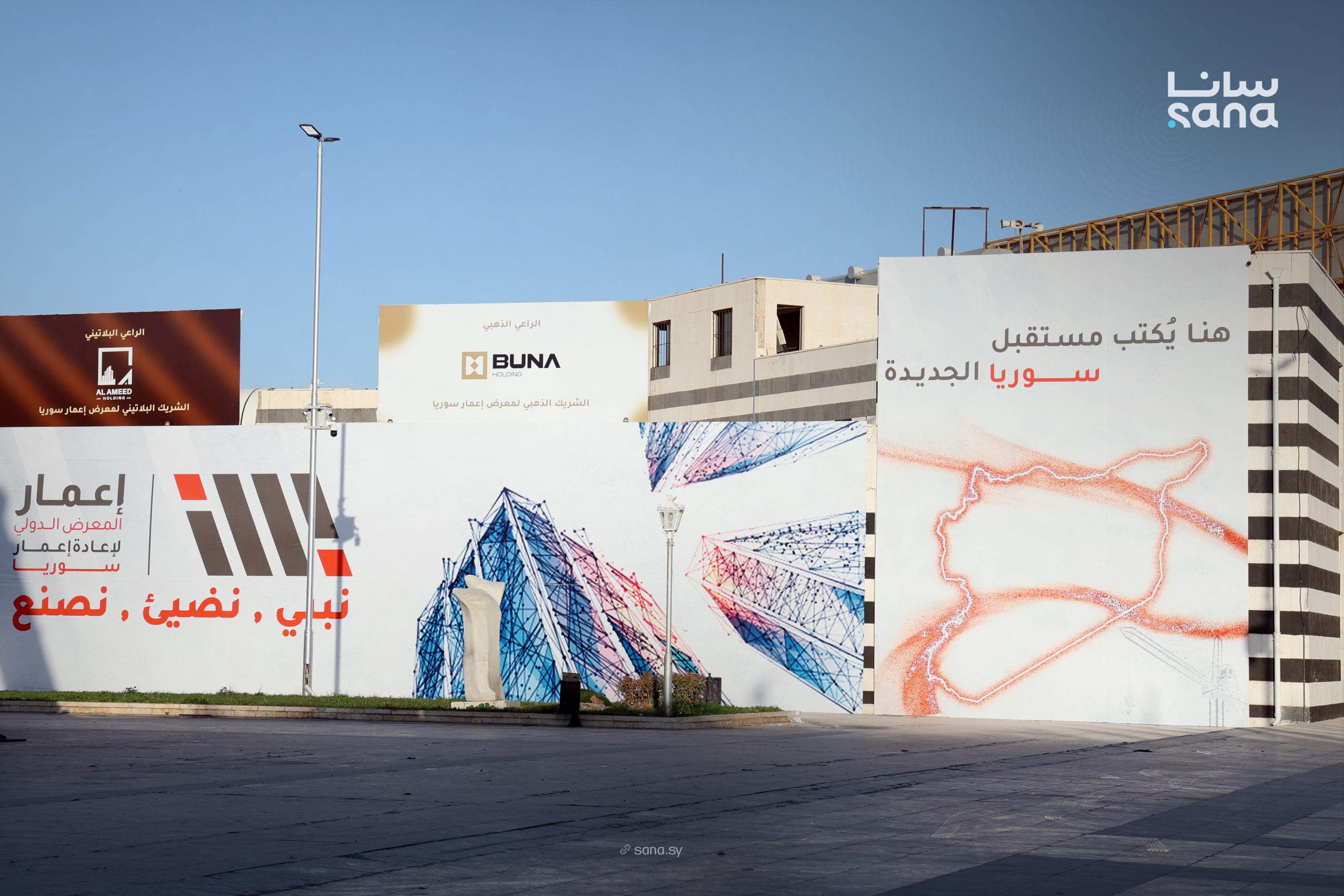
The country is still in the process of rebuilding state institutions and reviving its economy after long years of war, at a time when the new authorities in Damascus are trying to establish a different equation based on securing the borders and preventing Syrian territory from becoming a platform for settling regional scores.
The recent Syrian military movements along the borders with Lebanon and Iraq do not appear to be merely routine security measures, but rather reflect an official awareness that the ongoing war could spread through Iran’s regional arms and proxies.
In this context, the head of the Syrian Observatory Center for Strategic Studies, Brigadier General Abdullah al-As'ad, told Al-Estiklal that “the battle currently taking place is primarily between Iran and Israel, and of course the United States stands in support of Israel, especially as Iran has arms in the region, particularly in Syria, where those arms used to come from Iraq and were stationed there.”
“Accordingly, any upcoming movement or potential intentions for escalation may come from the Lebanese Hezbollah side, as well as from Iraq, which hosts militias led by the Quds Force,” al-As'ad added.
He continued, “Therefore, the current danger for Syria lies in the possibility that these militias in Lebanon and Iraq, which are considered arms of Iran, could carry out retaliatory actions from Syrian territory, based on the assumption that they were previously stationed there and were then defeated in what they regarded as a major defeat for them and for the Iranian project as a whole.”
Al-As'ad noted that “the Syrian military buildup on the borders and the reinforcement of forces reflect Syria’s desire to strengthen its regional role and send a message that it is no longer what it was during the rule of Bashar al-Assad, namely an arena for settling scores and an open playground for anyone wishing to play a role on its territory.”
“The primary aim of this mobilization is to prevent these arms from entering through Syrian territory or using it to implement Iranian agendas, or carrying out actions that could serve other countries at the expense of Syrian sovereignty.”
“Through this, Syria wants to affirm that it is a free and sovereign state, and it will not allow any party to implement its plans on its land or allow external actors to become the ones controlling its arena and territory,” the brigadier general concluded.
Volatile Sparks
According to observers, there are concerns in Damascus that Syria could become a sensitive geographic node between supply routes and potential axes of confrontation depending on how the war against Iran develops.
These concerns are growing amid the fragility of Syrian airspace and the absence of defense systems capable of controlling what is described as “flying sparks” between the warring parties, a situation that leaves the country vulnerable to unintended repercussions that could drag it into a conflict it does not wish to join.
In this context, Syrian researcher Ammar Jallou pointed to significant fears of the repercussions of the open conflict between the United States and “Israel” on one side and Iran on the other for Syria and its geography in general.
Jallou told Al-Estiklal newspaper that the Syrian state at the current stage lacks air defense systems capable of controlling its airspace, making Syrian skies vulnerable to the passage of what he described as “flying sparks” from one side of the conflict toward the other.
He added that the gradual expansion of the war through Iran’s use of its regional arms and proxies, foremost among them Hezbollah and the Popular Mobilization Forces, increases the complexity of the security landscape, especially since these forces are based in countries neighboring Syria.
Jallou noted that the Syrian government’s decision to reinforce its security deployment, particularly along the border with Iraq through border guard forces, came in response to the rapidly unfolding regional developments.
However, the situation on the Lebanese front appears more complicated, according to Jallou, due to the possibility that sleeper cells linked to Hezbollah may exist inside Syria as a result of the role the group played during the previous years of war, when it fought alongside Bashar al-Assad’s regime before its fall on December 8, 2024.
He explained that that period witnessed the establishment of social, military and security networks linked to those forces.
Their activities may have halted or declined after the political change the country experienced, but they likely still exist in the form of dormant cells.
He also pointed to the possibility that Syrian geography could face new attempts at infiltration aimed at turning it into an open supply corridor linking Iraq, whether through the Popular Mobilization Forces or Iran, to Hezbollah, which has already entered the conflict alongside Tehran.
He warned that the escalation of the conflict could push some parties to attempt to expand into Syrian territory to reach points of contact with “Israel”, further complicating the security landscape and placing additional political and military burdens on the Syrian state.
He added that Syria now finds itself facing a difficult equation; it is required, on one hand, to prevent any breach of its sovereignty, and on the other to avoid aligning with any party to the conflict, at a time when both Iran and “Israel” are viewed as potential adversaries to Syrian interests in the current phase.
Jallou concluded by saying that these combined complexities could threaten Syria’s fragile stability and contribute to mounting internal pressures, further complicating the regional environment surrounding the country.
Sources
- Syria Reinforces Army Deployment on Borders with Lebanon and Iraq Amid Regional Escalation [Arabic]
- Civil Defense Responds to Drone Debris in Rural Daraa and Secures the Site [Arabic]
- Hezbollah to Israel: We Will Confront You to the Utmost Limits and Will Not Surrender [Arabic]
- Commander of Iran-Aligned Militant Group Killed in Airstrike South of Baghdad [Arabic]